

St. Paul's Point, Pitcairn Islands Travel Guide
Discover the breathtaking views and rich marine life of St. Paul's Point in the remote Pitcairn Islands, a hidden gem for adventurous travelers and nature lovers.
St. Paul's Point, located in the remote and beautiful Pitcairn Islands, is a must-visit for adventurous travelers. This secluded spot offers breathtaking views of the Pacific Ocean and the rugged coastline. The point is named after St. Paul, adding a touch of historical significance to its natural beauty. The journey to St. Paul's Point is an adventure in itself. The path is challenging but rewarding, with lush greenery and unique rock formations along the way. Once you reach the point, you'll be greeted by a stunning panorama that makes the effort well worth it. This is an ideal location for photographers and nature lovers alike. The area around St. Paul's Point is rich in marine life, making it a perfect spot for snorkeling and diving. The clear waters provide excellent visibility, allowing you to see a variety of fish and coral reefs. For those who prefer to stay on land, there are plenty of opportunities for bird-watching and exploring the local flora and fauna.

Know before you go
Hi, I'm Eve. Here are a few practical things to know before exploring St. Paul's Point.
- Wear sturdy hiking shoes; the path can be rough and uneven.
- Bring plenty of water and snacks, as there are no facilities nearby.
- Check the weather forecast before your trip; conditions can change quickly.
- Carry a good camera to capture the stunning views and wildlife.
- Consider visiting early in the morning to avoid the heat and crowds.
Top City Travel Guides in St. Paul's Point
The cities of St. Paul's Point, and the easiest places to base yourself.


Best landmarks in St. Paul's Point
Top-rated picks
Best Landmarks

St. Paul's Pool
Discover the tranquility of St. Paul's Pool, a breathtaking natural swimming spot surrounded by lush landscapes, perfect for relaxation and adventure.

Pitcairn Islands Museum
Explore the captivating history of the Pitcairn Islands at the island's unique museum, showcasing the legacy of the Bounty mutineers and local culture.

Christian's Cave
Discover the enchanting history and breathtaking beauty of Christian's Cave, a must-see historical landmark for every traveler.

Pitcairn Island's Western Point
Experience the breathtaking cliffs and rich history at Pitcairn Island's Western Point, a hidden gem for nature lovers and adventurers alike.

Best restaurants in St. Paul's Point
Top-rated picks
Best Restaurants

St. Paul's Pool
Experience serene swimming and breathtaking natural beauty at St. Paul's Pool - a hidden gem waiting to be explored.

Pitcairn Islands Museum
Explore the fascinating history and culture of one of Earth's most remote islands at the Pitcairn Islands Museum.

Christian's Cave
Explore Christian's Cave: A breathtaking historical landmark showcasing stunning rock formations and rich cultural history.

Best bars in St. Paul's Point
Top-rated picks
Best Bars

St. Paul's Pool
Explore the tranquil beauty of St. Paul's Pool, a serene oasis offering stunning views and a perfect escape for tourists seeking relaxation and adventure.

Pitcairn Islands Museum
Explore the captivating history of the Pitcairn Islands at the Pitcairn Islands Museum, a must-visit destination for culture and history enthusiasts.

Christian's Cave
Discover Christian's Cave: A Historical Landmark Offering Adventure and Natural Beauty in a Stunning Landscape.
Marco Boa's Cafe & Restaurant
Discover the cozy charm of Marco Boa's Cafe & Restaurant, where exceptional coffee meets delightful local flavors in a welcoming atmosphere.


Explore St. Paul's Point on the Map
A handpicked selection of must-see spots in St. Paul's Point, mapped for you.
St. Paul's Point Essentials
-
St. Paul's Point is located on the remote Pitcairn Islands in the South Pacific Ocean. The primary way to reach the islands is via a boat service from Mangareva in the Gambier Islands of French Polynesia. Visitors typically fly into Tahiti and then take a domestic flight to Mangareva. From Mangareva, a 32-hour boat journey is required to reach Pitcairn. Note that the boat service operates infrequently, so it is essential to plan your trip well in advance.
-
Once on Pitcairn Island, the primary mode of transportation is by foot or ATV (All-Terrain Vehicle). The rugged terrain makes walking a popular option, but ATVs can be rented for longer distances. There are no public transport services, so visitors should be prepared for a lot of walking or renting an ATV. Local guides often provide tours around the island, including to St. Paul’s Point.
-
The official currency on the Pitcairn Islands is the New Zealand Dollar (NZD). Credit cards are generally not accepted, and there are no ATMs on the island. It is advisable to carry enough cash for your entire stay. Some locals may accept USD or Euro, but it is best to have NZD. Transactions are straightforward, and bartering is uncommon.
-
Pitcairn Islands have a very low crime rate, and St. Paul’s Point is considered safe. However, given its remote location, it is essential to take safety precautions. Always inform someone of your plans if you intend to hike alone. The terrain can be rugged and slippery, so proper footwear is necessary. Carry water, sun protection, and a basic first aid kit during explorations.
-
In case of an emergency, contact the local police or medical officer. There is a small medical clinic on the island, but for serious medical conditions, evacuation to New Zealand or Tahiti may be necessary. It is highly recommended to have comprehensive travel insurance that includes medical evacuation coverage. For immediate assistance, the island's radio communication system can be used to alert authorities.
-
Fashion: Do wear comfortable and practical clothing suitable for hiking and exploring. Avoid overly revealing clothing to respect local customs. Religion: Do respect local religious practices. Public Transport: There is no public transport; always be prepared to walk or use an ATV. Greetings: Do greet locals with a friendly 'hello' or 'kia ora'. Eating & Drinking: Do try local food and drink offerings. Don't waste food as supplies are limited and valued.
-
To experience St. Paul's Point like a local, engage with the residents and participate in community activities. Visit the local museum to learn about the island's history and culture. Exploring the natural beauty of the island, including its unique flora and fauna, is a must. Don't miss out on attending local gatherings or events, which offer a unique insight into life on Pitcairn Island.
When is the best time to visit St. Paul's Point?
Useful Local Phrases for St. Paul's Point
You don't need to speak the language perfectly. Even learning a few simple words can make conversations warmer—and locals usually appreciate the effort.
— Eve

Here are the phrases I use most often in St. Paul's Point. Try a few—you'll be surprised how far they go! 😊
❤️
-
- HelloTalofa
[Tah-loh-fah] - GoodbyeTofa
[Toh-fah] - YesAe
[Eye] - NoIoe
[E-oh-eh] - Please/You're welcomeFa'amolemole
[Fah-ah-moh-leh-moh-leh] - Thank youFa'afetai
[Fah-ah-feh-tah-ee] - Excuse me/SorryFa'amalie
[Fah-ah-mah-lee-eh] - How are you?Oa mai oe?
[Oh-ah my oh-eh] - Fine. And you?E lelei. O oe?
[Eh leh-leh-ee. Oh oh-eh?] - Do you speak English?E te fa'aaoga le Igilisi?
[Eh teh fah-ah-oh-gah leh Ee-gi-lee-see?] - I don't understandE le mafai ona ou malamalama
[Eh leh mah-fah-ee oh-nah oh mah-lah-mah-lah]
- HelloTalofa
-
- I'd like to see the menu, pleaseE te manaʻo e vaʻai i le menu, fa'amolemole
[Eh teh mah-nah-oh eh vah-eye ee leh meh-noo, fah-ah-moh-leh-moh-leh] - I don't eat meatE le 'ai au i mea 'ai
[Eh leh eye ow ee meh-ah eye] - Cheers!Tālofa!
[Tah-loh-fah] - I would like to pay, pleaseE te manaʻo e totogi, fa'amolemole
[Eh teh mah-nah-oh eh toh-toh-gee, fah-ah-moh-leh-moh-leh]
- I'd like to see the menu, pleaseE te manaʻo e vaʻai i le menu, fa'amolemole
-
- Help!Fesoasoani!
[Feh-soh-ah-oh-nee] - Go away!Alofa atu!
[Ah-loh-fah ah-too] - Call the Police!Fa'ailoa le Ofisa o leoleo!
[Fah-eye-loh-ah leh Oh-fee-sah oh leh-oh-leh-oh] - Call a doctor!Fa'ailoa se foma'i!
[Fah-eye-loh-ah seh fo-mah-ee] - I'm lostUa le iloa
[Oo-ah leh ee-loh-ah] - I'm illO lo'o i ai le fa'aletonu
[Oh loh-oh ee eye leh fah-ah-leh-toh-nu]
- Help!Fesoasoani!
-
- I'd like to buy...E te manaʻo e faʻatau...
[Eh teh mah-nah-oh eh fah-too...] - I'm just lookingO lo'o na'o va'ai
[Oh loh-oh nah-oh vah-eye] - How much is it?E fia le tau?
[Eh fee-ah leh tah-oo?] - That's too expensiveO le tau o le mea e maualuga
[Oh leh tah-oo oh leh meh-ah eh mah-oo-lah-geh] - Can you lower the price?E mafai ona e fa'aitiitia le tau?
[Eh mah-fah-ee oh-nah eh fah-ee-tee-tee-ah leh tah-oo?]
- I'd like to buy...E te manaʻo e faʻatau...
-
- What time is it?O le ā le taimi?
[Oh leh ah leh tie-mee?] - It's one o'clockO le 1 o le taimi
[Oh leh one oh leh tie-mee] - Half past (10)O le 10 minute i le afa
[Oh leh ten mee-nee-tay ee leh ah-fah] - MorningTaeao
[Tah-ay-ow] - AfternoonAfiafi
[Ah-fee-ah-fee] - EveningPo
[Poh] - YesterdayI le aso na o le faaiuga
[Ee leh ah-so nah oh leh fah-eye-oo-gah] - TodayI le aso
[Ee leh ah-so] - TomorrowI le aso e sau
[Ee leh ah-so eh sah-oo] - 1Tasi
[Tah-see] - 2Lua
[Loo-ah] - 3Tolu
[Toh-loo] - 4Fa
[Fah] - 5Lima
[Lee-mah] - 6Ona
[Oh-nah] - 7Fitu
[Fee-too] - 8Valu
[Vah-loo] - 9Iva
[Ee-vah] - 10Ten
[Ten]
- What time is it?O le ā le taimi?
-
- Where's a/the...?O fea le...?
[Oh feh-ah leh...?] - What's the address?O le ā le fa'amaumauga?
[Oh leh ah leh fah-ah-mah-oo-mah-oo-gah?] - Can you show me (on the map)?E mafai ona e fa'aalia mai ia te a'u (i le ata)?
[Eh mah-fah-ee oh-nah eh fah-ah-lee-ah my ee-ah teh ah-oo (ee leh ah-tah)?] - When's the next (bus)?O le ā le taimi e sosoo ai (i le bus)?
[Oh leh ah leh tie-mee eh soh-soh ah-ee (ee leh bus)?] - A ticket (to ....)Se tiketi (i ....)
[Seh tee-keh-tee (ee ....)]
- Where's a/the...?O fea le...?
History of St. Paul's Point
-
St. Paul's Point, located on the rugged and isolated Pitcairn Islands, was first charted by European explorers in the 18th century. Named after the Apostle Paul, the point stands as a testament to the islands' rich maritime history. The exact date of its discovery remains shrouded in mystery, but it is widely believed that the British naval officer, Captain Philip Carteret, first sighted the point during his voyage in 1767.
-
St. Paul's Point holds a significant place in the dramatic tale of the HMS Bounty mutineers. In 1790, Fletcher Christian and his fellow mutineers sought refuge on Pitcairn Island after their infamous rebellion against Captain William Bligh. The rugged terrain and remote location of St. Paul's Point offered the mutineers a strategic vantage point and a place of seclusion from the outside world.
-
Following the mutineers' arrival, St. Paul's Point became one of the first areas to be settled on Pitcairn Island. The settlers, comprising of mutineers, Tahitian men, and women, began to build their new lives amidst the lush and untamed landscape. The point's natural resources, including fresh water and fertile soil, were invaluable to their survival and development of a self-sustaining community.
-
During World War II, St. Paul's Point played a minor but notable role as a lookout point for Allied forces. Given its elevated position, it provided an ideal location for monitoring the vast expanse of the Pacific Ocean. Although the Pitcairn Islands were relatively untouched by the direct impacts of the war, the point's strategic importance was recognized and utilized by the small local population and occasional passing Allied ships.
-
Today, St. Paul's Point remains a popular destination for visitors to Pitcairn Island. Its breathtaking vistas, historical significance, and unspoiled natural beauty continue to captivate travelers. The area is a testament to the resilience and resourcefulness of the island's inhabitants, who have managed to preserve their unique heritage while welcoming the modern world. Hiking trails, guided tours, and interpretative signs now help visitors understand and appreciate the rich history that St. Paul's Point has to offer.
-
In recent years, St. Paul's Point has become the focus of various conservation efforts aimed at preserving its natural and historical integrity. These initiatives include habitat restoration, erosion control, and the protection of endemic species. The local community, alongside international organizations, works tirelessly to ensure that this historically significant site remains unspoiled for future generations to explore and enjoy.
Neighbouring Regions of St. Paul's Point
The closest regions to St. Paul's Point, if you have time for more than one.




Your all‑in‑one travel companion app
Explore expert travel guides, compare and book tours, experiences, hotels, and more—all from the palm of your hand. Download now for seamless trip planning wherever your wanderlust takes you.


Explore More of Pitcairn Islands

Looking beyond St. Paul's Point? Discover Pitcairn Islands for broader travel guides, local hot-spots, and regional highlights.
Explore Pitcairn IslandsSt. Paul's Point in Photos
Browse through our photo collection highlighting the charm and character of the destination.




St. Paul's Point: The Hidden Gem of Pitcairn Islands
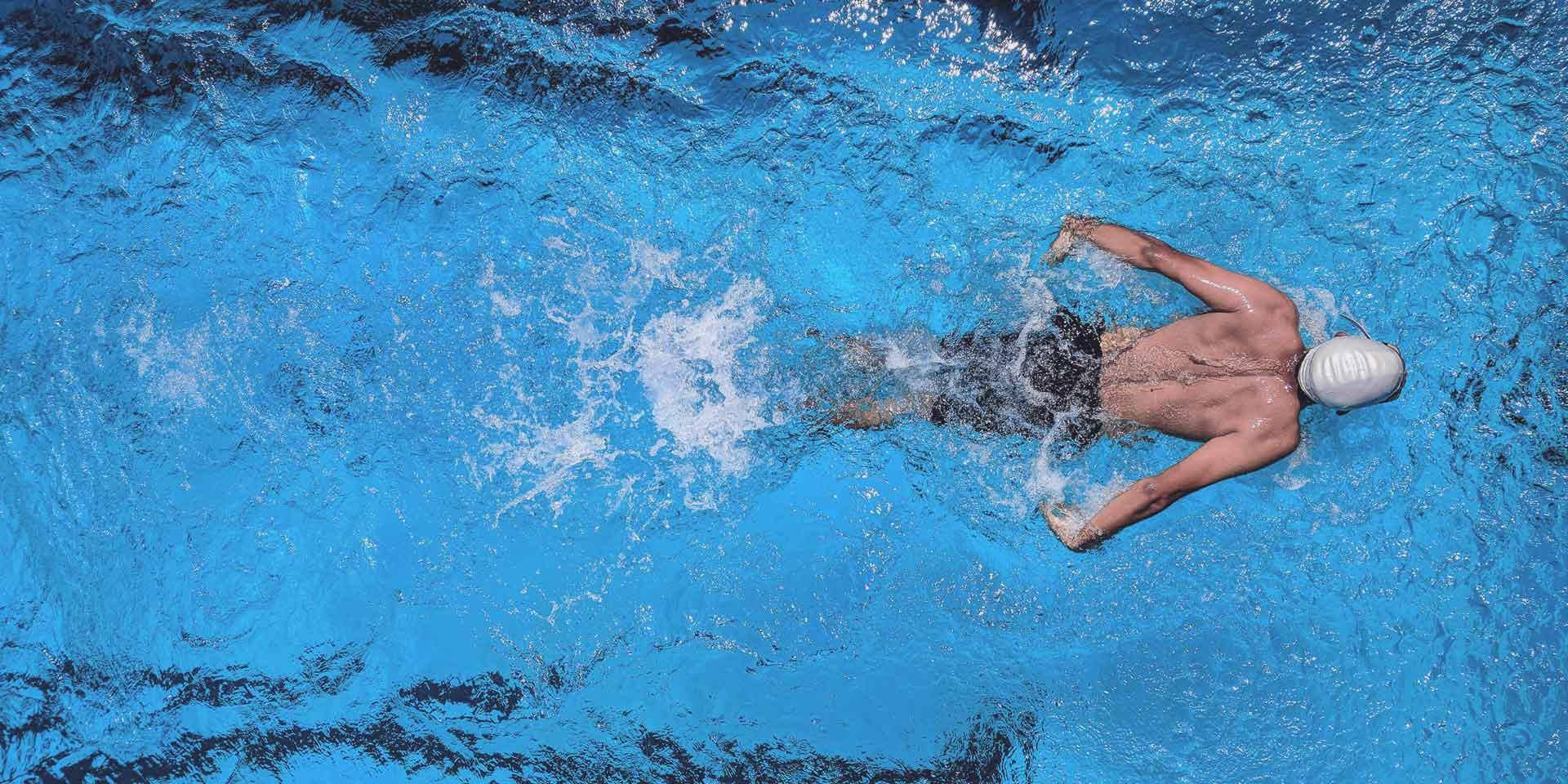
St. Paul's Point, located in the remote and beautiful Pitcairn Islands, is a must-visit for adventurous travelers. This secluded spot offers breathtaking views of the Pacific Ocean and the rugged coastline. The point is named after St. Paul, adding a touch of historical significance to its natural beauty. The journey to St. Paul's Point is an adventure in itself. The path is challenging but rewarding, with lush greenery and unique rock formations along the way. Once you reach the point, you'll be greeted by a stunning panorama that makes the effort well worth it. This is an ideal location for photographers and nature lovers alike. The area around St. Paul's Point is rich in marine life, making it a perfect spot for snorkeling and diving. The clear waters provide excellent visibility, allowing you to see a variety of fish and coral reefs. For those who prefer to stay on land, there are plenty of opportunities for bird-watching and exploring the local flora and fauna.