

Eastern Harbour, Pitcairn Islands Travel Guide
Discover the tranquility and beauty of Eastern Harbour, the gateway to the Pitcairn Islands, where history meets stunning natural landscapes.
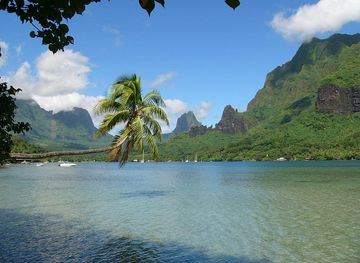
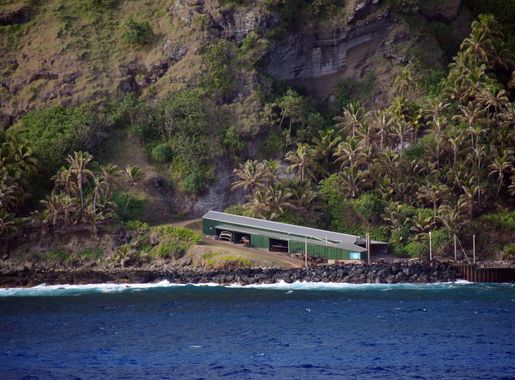
Eastern Harbour on the Pitcairn Islands is a secluded gem in the vast expanse of the Pacific Ocean. This serene locale offers a stunning blend of natural beauty and historical significance. As the main point of entry to the islands, Eastern Harbour welcomes visitors with its calm waters, lush greenery, and a sense of tranquility that is hard to find elsewhere. The harbour is surrounded by dramatic cliffs and offers breathtaking views of the Pacific. The clear, azure waters are perfect for snorkeling and swimming, allowing you to explore vibrant marine life up close. The area is also a fantastic spot for bird watching, with many endemic species making their home here. Aside from its natural allure, Eastern Harbour is steeped in history. It played a crucial role during the settlement of the islands and continues to be a hub of activity for locals. The small community is friendly and welcoming, offering a glimpse into the island’s unique culture and way of life. Whether you’re looking to relax, explore, or learn, Eastern Harbour provides an unforgettable experience.

Know before you go
Hi, I'm Eve. Here are a few practical things to know before exploring Eastern Harbour.
- Pack light, breathable clothing as the weather is often warm and humid.
- Bring snorkeling gear to enjoy the underwater scenery.
- Respect local customs and engage with the community to enrich your visit.
- Carry cash, as card payments are not widely accepted.
- Plan your visit during the dry season, from May to October, for the best weather.

Best landmarks in Eastern Harbour
Top-rated picks
Best Landmarks

The Bounty Anchor
Explore the Bounty Anchor in Adamstown, a historical landmark that encapsulates maritime adventures and cultural heritage.

St. Paul's Pool
Explore the serene St. Paul's Pool, a breathtaking natural oasis in the Pacific, perfect for swimming, snorkeling, and enjoying nature's beauty.

Pitcairn Islands Museum
Explore the rich history of the Pitcairn Islands at the fascinating Pitcairn Islands Museum, where culture and maritime legacy come alive.

Christian's Cave
Discover the captivating beauty and rich history of Christian's Cave, an enchanting landmark in the Pacific, perfect for nature lovers and adventurers alike.


Best bars in Eastern Harbour
Top-rated picks
Best Bars

Pitcairn Islands Museum
Explore the captivating history of the Pitcairn Islands at the Pitcairn Islands Museum, where stories of the past come alive through remarkable exhibits.
Marco Boa's Cafe & Restaurant
Discover the cozy charm of Marco Boa's Cafe & Restaurant, where delicious coffee meets a welcoming atmosphere for the perfect getaway.

Best nightclubs in Eastern Harbour
Top-rated picks
Best Nightclubs
The Bounty Anchor
Explore The Bounty Anchor in Adamstown, a historical landmark that reflects the rich maritime heritage of the Pitcairn Islands.

Pitcairn Islands Museum
Explore the unique history and culture of the Pitcairn Islands at the Pitcairn Islands Museum, a hidden gem in Adamstown.

Christian's Cave
Discover the enchanting Christian's Cave, a historical landmark that combines breathtaking nature with rich cultural heritage.
Marco Boa's Cafe & Restaurant
Discover the cozy charm of Marco Boa's Cafe & Restaurant, where every cup of coffee tells a story amidst a vibrant local atmosphere.

Best shops in Eastern Harbour
Top-rated picks
Best Shops
The Bounty Anchor
Discover the historical charm of The Bounty Anchor in Adamstown, where maritime history and breathtaking views meet.

St. Paul's Pool
Experience the tranquil beauty of St. Paul's Pool, a hidden gem perfect for relaxation, swimming, and nature appreciation.

Pitcairn Islands Museum
Explore the captivating history and culture of the Pitcairn Islands at the Pitcairn Islands Museum in Adamstown, a must-visit for every traveler.

Christian's Cave
Explore Christian's Cave, a stunning historical landmark that combines natural beauty with rich history, perfect for adventurous tourists seeking to uncover its secrets.

Explore Eastern Harbour on the Map
A handpicked selection of must-see spots in Eastern Harbour, mapped for you.
Eastern Harbour Essentials
-
Eastern Harbour in Pitcairn Islands is one of the most remote destinations in the world. The only way to get there is by sea. The nearest point of departure is from Mangareva in French Polynesia. From there, you can take a supply ship or a private yacht to Pitcairn Island. The journey usually takes about 32 hours. There are no airports on Pitcairn Island, so air travel is not an option.
-
Once you arrive at Eastern Harbour, your primary mode of transportation will be on foot or by quad bike. The island is small, and most places can be reached by walking. Quad bikes can be rented locally for a fee and are the preferred means of transport for locals. There are no public buses or taxis on the island.
-
The official currency of Pitcairn Islands is the New Zealand Dollar (NZD). Credit cards are not widely accepted, and there are no ATMs on the island. It is essential to bring enough cash to cover all your expenses. Some local businesses may accept foreign currencies, but this is not guaranteed.
-
Eastern Harbour is generally a very safe destination with a low crime rate. However, it is always advisable to take standard precautions such as not leaving your belongings unattended and being aware of your surroundings. There are no specific areas with high crime rates targeting tourists.
-
In case of an emergency, contact the local police or medical personnel. The island has a small medical clinic that can handle minor injuries and illnesses. For serious medical emergencies, evacuation to a hospital in French Polynesia or New Zealand may be necessary. It is highly recommended to have comprehensive travel insurance that includes medical evacuation coverage.
-
Fashion: Do dress modestly and comfortably. Lightweight clothing is recommended due to the tropical climate. Avoid overly revealing attire. Religion: Do respect the local customs and traditions, particularly those related to the Seventh-day Adventist faith, which is predominant on the island. Public Transport: There is no public transport, so be prepared to walk or rent a quad bike. Greetings: Do greet locals with a friendly 'hello' or 'kia ora.' Islanders are known for their hospitality and friendliness. Eating & Drinking: Do try the local cuisine, which often includes fresh seafood and tropical fruits. Don't refuse food or drink offerings, as it is considered impolite.
-
To experience Eastern Harbour like a local, take the time to chat with the islanders and learn about their unique way of life. Participate in community activities and events, such as fishing or local craft making. Visit the local museum to gain insight into the island's history and culture. Don't miss the opportunity to explore the natural beauty of the island, including its rugged coastline, lush vegetation, and diverse marine life.
When is the best time to visit Eastern Harbour?
Useful Local Phrases for Eastern Harbour
You don't need to speak the language perfectly. Even learning a few simple words can make conversations warmer—and locals usually appreciate the effort.
— Eve

Here are the phrases I use most often in Eastern Harbour. Try a few—you'll be surprised how far they go! 😊
❤️
-
- HelloKia Orana
[kee-ah oh-rah-nah] - GoodbyeAroha
[ah-roh-hah] - YesAe
[ah-eh] - NoKao
[kah-oh] - Please/You're welcomeFakakite
[fah-kah-kee-teh] - Thank youMeitaki
[may-tah-kee] - Excuse me/SorryTama'a
[tah-mah-ah] - How are you?Pehea koe?
[peh-heh-ah koh-eh] - Fine. And you?Meitaki. Ko koe?
[may-tah-kee. koh koh-eh?] - Do you speak English?E te reo Ingari?
[eh teh reh-oh een-gah-ree?] - I don't understandAroha mai
[ah-roh-hah my]
- HelloKia Orana
-
- I'd like to see the menu, pleaseE hiahia ana au ki te kite i te menu, fakakite
[eh hee-ah-heh ah-nah ow kee teh kee-teh ee teh meh-noo, fah-kah-kee-teh] - I don't eat meatAroha mai, kaore au e kai i te meat
[ah-roh-hah my, kah-oh-reh ow eh kah-ee ee teh meet] - Cheers!Meitaki!
[may-tah-kee!] - I would like to pay, pleaseE hiahia ana au ki te utu, fakakite
[eh hee-ah-heh ah-nah ow kee teh oo-too, fah-kah-kee-teh]
- I'd like to see the menu, pleaseE hiahia ana au ki te kite i te menu, fakakite
-
- Help!Pāwhiri!
[pah-whee-ree!] - Go away!Haere atu!
[high-reh ah-too!] - Call the Police!Karangahia te Politi!
[kah-rah-ngah-hee-ah teh poh-lee-tee!] - Call a doctor!Karangahia he taakuta!
[kah-rah-ngah-hee-ah heh tah-koo-tah!] - I'm lostKei te ngaro au
[keh-ee teh nah-roh ow] - I'm illKei te mate au
[keh-ee teh mah-teh ow]
- Help!Pāwhiri!
-
- I'd like to buy...E hiahia ana au ki te hoko...
[eh hee-ah-heh ah-nah ow kee teh hoh-koh...] - I'm just lookingKei te tirohia au
[keh-ee teh tee-roh-hee-ah ow] - How much is it?E hia te utu?
[eh hee-ah teh oo-too?] - That's too expensiveHe utu teitei rawa
[he oo-too tay-tay rah-wah] - Can you lower the price?Ka taea e koe te whakaiti i te utu?
[kah tah-eh eh koh-eh teh fah-kah-ee-tee ee teh oo-too?]
- I'd like to buy...E hiahia ana au ki te hoko...
-
- What time is it?He aha te wa?
[he ah-hah teh wah?] - It's one o'clockKotahi te karaka
[koh-tah-hee teh kah-rah-kah] - Half past (10)Hāwhe i te (10)
[hah-weh ee teh (10)] - MorningAta
[ah-tah] - AfternoonPō
[poh] - EveningPō
[poh] - YesterdayInāianei
[ee-nah-ee-ah-nee] - TodayI tenei ra
[ee teh-neh rah] - TomorrowA pōpō
[ah poh-poh] - 1Tahi
[tah-hee] - 2Rua
[roo-ah] - 3Toru
[toh-roo] - 4Whā
[fah] - 5Rima
[ree-mah] - 6Ono
[oh-noh] - 7Whitu
[fee-too] - 8Waru
[wah-roo] - 9Iwa
[ee-wah] - 10Tekau
[teh-kah-oo]
- What time is it?He aha te wa?
-
- Where's a/the...?Kei hea te...?
[keh-ee heh-ah teh...?] - What's the address?He aha te wāhitau?
[he ah-hah teh wah-hee-tah-oo?] - Can you show me (on the map)?Ka taea e koe te whakaatu mai (i te map)?
[kah tah-eh eh koh-eh teh fah-kah-ah-too my (ee teh map)?] - When's the next (bus)?Ahea te (pahi) e whai mai ana?
[ah-heh-ah teh (pah-hee) eh figh-my ah-nah?] - A ticket (to ....)He tikiti (ki ....)
[he tee-kee-tee (kee ....)]
- Where's a/the...?Kei hea te...?
History of Eastern Harbour
-
Eastern Harbour on Pitcairn Island is intrinsically linked to the story of the Bounty mutineers. In 1790, Fletcher Christian and his fellow mutineers, along with Tahitian companions, arrived at Pitcairn Islands aboard HMS Bounty. They chose the island as their refuge, and Eastern Harbour became a crucial landing and settlement point due to its relatively sheltered waters and access to fresh water sources.
-
Although Pitcairn Island was first discovered by Europeans in 1767 by the British ship HMS Swallow, it wasn't until the arrival of the Bounty mutineers that Eastern Harbour gained significant historical importance. The harbour was named by these early settlers and played a central role in their survival and community development.
-
In 1875, the British ship Cornwallis wrecked off the coast of Eastern Harbour. The incident not only brought international attention to the remote island but also provided the islanders with valuable resources salvaged from the wreck. The Cornwallis remains a poignant part of Eastern Harbour's maritime history.
-
Eastern Harbour witnessed significant cultural shifts with the arrival of Christian missionaries in the early 19th century. The missionaries played a pivotal role in converting the islanders to Christianity, and Eastern Harbour served as a key point of contact for these early missionary efforts. The cultural transformation that ensued is still evident in the island's modern way of life.
-
Throughout the 19th and early 20th centuries, Eastern Harbour was an essential point of contact for whaling ships and trading vessels. The harbour facilitated the exchange of goods, such as fresh produce and handcrafted items, with visiting ships, forming an economic lifeline for the islanders. These interactions also brought new ideas and cultural influences to Pitcairn.
-
During World War II, Eastern Harbour, like the rest of Pitcairn Island, gained strategic importance due to its location in the Pacific Ocean. The island served as a lookout point for Allied forces, and the residents contributed to the war effort by maintaining a watch for enemy ships and submarines. This period left a lasting impression on the island's community and infrastructure.
-
In recent decades, Eastern Harbour has seen several modern developments aimed at improving the quality of life for the island's residents and promoting sustainable tourism. Efforts have been made to preserve the historical and cultural heritage of the harbour while enhancing its facilities to accommodate visiting yachts and cruise ships. These changes reflect Pitcairn Island's ongoing journey towards balancing tradition with modernity.
Neighbouring Regions of Eastern Harbour
The closest regions to Eastern Harbour, if you have time for more than one.




Your all‑in‑one travel companion app
Explore expert travel guides, compare and book tours, experiences, hotels, and more—all from the palm of your hand. Download now for seamless trip planning wherever your wanderlust takes you.


Explore More of Pitcairn Islands

Looking beyond Eastern Harbour? Discover Pitcairn Islands for broader travel guides, local hot-spots, and regional highlights.
Explore Pitcairn IslandsEastern Harbour in Photos
Browse through our photo collection highlighting the charm and character of the destination.



Eastern Harbour: Pitcairn’s Serene Gateway
Eastern Harbour on the Pitcairn Islands is a secluded gem in the vast expanse of the Pacific Ocean. This serene locale offers a stunning blend of natural beauty and historical significance. As the main point of entry to the islands, Eastern Harbour welcomes visitors with its calm waters, lush greenery, and a sense of tranquility that is hard to find elsewhere. The harbour is surrounded by dramatic cliffs and offers breathtaking views of the Pacific. The clear, azure waters are perfect for snorkeling and swimming, allowing you to explore vibrant marine life up close. The area is also a fantastic spot for bird watching, with many endemic species making their home here. Aside from its natural allure, Eastern Harbour is steeped in history. It played a crucial role during the settlement of the islands and continues to be a hub of activity for locals. The small community is friendly and welcoming, offering a glimpse into the island’s unique culture and way of life. Whether you’re looking to relax, explore, or learn, Eastern Harbour provides an unforgettable experience.