

Free Down Rope Travel Guide & Mobile App
Explore Down Rope with free travel guides. Discover regional history, expert tips, proposed trips, and audio guides on web or mobile app.


Down Rope offers remote Pacific landscapes, local history and rugged island walking within the extraordinary seclusion of Pitcairn.
Read more about Down Rope
When is the best time to visit Down Rope?
Best: June–August · 27°C| Month | High (°C) | Rainfall (mm) |
|---|---|---|
| January | 28 | 121 |
| February | 29 | 110 |
| March | 29 | 116 |
| April | 28 | 106 |
| May | 28 | 100 |
| June (best) | 27 | 95 |
| July (best) | 27 | 90 |
| August (best) | 27 | 95 |
| September | 27 | 100 |
| October | 28 | 106 |
| November | 28 | 110 |
| December | 28 | 116 |
Getting to and around Down Rope
How to get there
Transportation
Top city travel guides in Down Rope
The cities of Down Rope, and the easiest places to base yourself.
-

-


Swipe for more cities
Best attractions in Down Rope
-
Park
Ryerson Park
Experience the natural beauty and tranquility of Ryerson Park in Niagara-on-the-Lake, a peaceful retreat in Ontario's charming landscape.
-
Historical landmark
Christian's Cave
Explore Christian's Cave, a historical landmark on Pitcairn Island, rich in captivating stories and breathtaking natural beauty.
-
 Historical landmark
The Bounty Anchor
Explore The Bounty Anchor in Adamstown, an iconic historical landmark embodying Pitcairn Island's rich maritime history and adventure.
-
Museum
Pitcairn Islands Museum
Explore the captivating history and culture of the Pitcairn Islands at the Pitcairn Islands Museum, a must-visit for every traveler.


Best landmarks in Down Rope
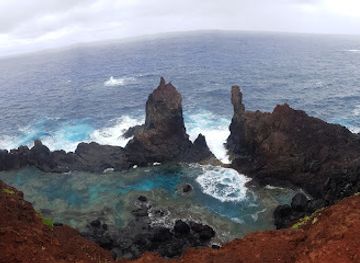
Down Rope is not defined by a single monument or monumental building; its principal landmarks are elements of a rugged inhabited landscape. Steep volcanic slopes, exposed coastal edges and broad Pacific horizons convey the physical isolation that has shaped Pitcairn’s history. Local tracks and named rural places are significant because they connect homes, cultivated areas and the coast, although access may depend on permission and weather. The best-known historic landmarks associated with Pitcairn, including Adamstown’s community buildings and locations linked with the Bounty settlement, are outside Down Rope and should not be treated as part of the locality itself. Even so, the area contributes to the wider historical landscape: this is the terrain within which descendants of the original settlement have maintained homes, routes and working practices across generations. Visitors should regard natural features, private land and local place-names as part of a lived cultural landscape rather than as an open-air museum.
-
Tourist attraction
St. Paul's Pool
Experience the breathtaking beauty of St. Paul's Pool on the Pitcairn Islands, a hidden gem for swimming and snorkeling enthusiasts.
-
Museum
Pitcairn Islands Museum
Explore the Pitcairn Islands Museum to uncover the intriguing history and culture of this remote paradise, from the Bounty mutiny to modern island life.

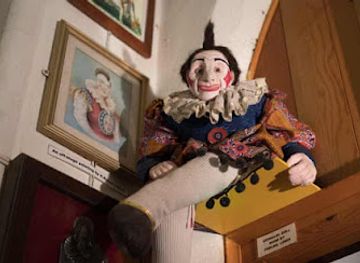
Explore Down Rope on the map
Plan your trip on one map. See where the top cities, national parks and sights are, and book hotels and experiences in a few clicks.
Best hotels in Down Rope
Best restaurants in Down Rope
Down Rope has no independent restaurant district or established dining infrastructure. Visitors normally eat through accommodation arrangements or locally organised hospitality, with meals shaped by supplies available on an isolated Pacific island. Fresh fish, locally grown fruit and vegetables, root crops and home cooking may feature, although availability is seasonal and cannot be assumed. Adamstown, outside Down Rope, is the practical location for confirming meals, purchasing limited provisions and discussing dietary needs with hosts. Supplies arrive by sea and choice is narrower than in mainland destinations, so visitors should disclose allergies and bring durable specialist foods where necessary. Shared meals and locally prepared dishes can offer a more meaningful introduction to Pitcairn life than a conventional restaurant visit, but arrangements should be agreed in advance rather than expected spontaneously. New Zealand-influenced groceries and Pacific ingredients coexist within the island’s modern food culture.
-
Italian
Andy´s Pizzeria
Discover authentic Italian flavors at Andy's Pizzeria in Adamstown – where every slice tells a story!
Best bars in Down Rope
Down Rope has no bar or nightclub scene. Evening life on Pitcairn is generally based around private hospitality, conversation, community occasions and quiet observation of the night sky rather than late commercial entertainment. Adamstown, outside the locality, is the centre for most public and community activity, but visitors should not expect fixed opening hours, a concentration of venues or a nightlife district. Alcohol should be approached in the same considerate way as any other social custom: follow the arrangements of hosts, respect household and community expectations and avoid noise near homes. The island’s remoteness, limited electricity and small population make an unhurried evening walk, a shared meal or a locally guided discussion of island history more characteristic than clubbing.
-
Tourist attraction
St. Paul's Pool
Discover the serene beauty of St. Paul's Pool, a tranquil oasis perfect for swimming, relaxation, and connecting with nature.
-
Museum
Pitcairn Islands Museum
Explore the unique history and culture of the Pitcairn Islands at the captivating Pitcairn Islands Museum in Adamstown.
-
Historical landmark
Christian's Cave
Explore the enchanting depths of Christian's Cave, a historical landmark rich in culture and natural beauty, perfect for the adventurous traveler.
-
Coffee shop
Marco Boa's Cafe & Restaurant
Discover the authentic flavors of the region at Marco Boa's Cafe & Restaurant, a cozy coffee shop serving delightful local dishes.


Best nightclubs in Down Rope
Down Rope has no bar or nightclub scene. Evening life on Pitcairn is generally based around private hospitality, conversation, community occasions and quiet observation of the night sky rather than late commercial entertainment. Adamstown, outside the locality, is the centre for most public and community activity, but visitors should not expect fixed opening hours, a concentration of venues or a nightlife district. Alcohol should be approached in the same considerate way as any other social custom: follow the arrangements of hosts, respect household and community expectations and avoid noise near homes. The island’s remoteness, limited electricity and small population make an unhurried evening walk, a shared meal or a locally guided discussion of island history more characteristic than clubbing.
-
Tourist attraction
St. Paul's Pool
Explore St. Paul's Pool, a serene oasis perfect for swimming, relaxation, and enjoying nature's beauty in a picturesque setting.
-
Coffee shop
Marco Boa's Cafe & Restaurant
Experience the essence of local coffee culture at Marco Boa's Cafe & Restaurant, where every sip and bite tells a story.
Best shops in Down Rope
Down Rope has no shops, shopping centre or regular retail street. Shopping for practical supplies and locally made items is concentrated in Adamstown, outside the locality, where availability depends on shipments, local production and community arrangements. Visitors may find Pitcairn honey, fruit products, crafts, woodwork, books or other small-scale souvenirs, but stock and payment methods are subject to change. Buying directly through recognised local channels supports residents and provides more useful context than treating the island as a destination for mass-produced souvenirs. Bring essential toiletries, specialist food, medications and walking equipment from overseas, since replacements may be difficult to obtain. Shopping on Pitcairn is therefore limited and personal: the emphasis is on locally produced goods, practical self-sufficiency and respectful interaction rather than extensive retail choice.
-
Tourist attraction
St. Paul's Pool
Discover the serene beauty of St. Paul's Pool on the Pitcairn Islands, a natural oasis perfect for swimming and relaxation amidst stunning landscapes.
-
Museum
Pitcairn Islands Museum
Explore the rich history of the Pitcairn Islands at the Pitcairn Islands Museum, showcasing artifacts from the descendants of the HMS Bounty mutineers.
-
Historical landmark
Christian's Cave
Discover the mesmerizing beauty and historical significance of Christian's Cave, a breathtaking natural landmark waiting to be explored.


Get your free copy of our complete guide to Down Rope, delivered straight to you.
Everything on this page, from attractions and restaurants to essentials and local phrases, in one PDF you can read offline, print or share.
Already have an account? Sign in
Your Down Rope guide is ready.
We'll send it to · Not you? Sign out

Getting your guide ready…
We are putting together a fresh copy of the Down Rope guide. This can take up to a minute.
This can take a few moments. If your browser asks, choose Allow so the download can start. You'll find the guide in your Downloads folder.
Nothing happened? Download it again
Sorry, the guide is taking longer than usual. Please try again in a minute, or get it by email instead.
Down Rope essentials
Currency and Payment
Safety
Emergency Situations
Do's and Don'ts
Local Tips
From Eve
Local phrases worth knowing
You don't need to get them perfect. A few words go a long way, and locals appreciate the effort.
Basics
| English | Local | Say it |
|---|---|---|
| Hello | Kia ora | [kee-ah or-ah] |
| Goodbye | E noho rā | [eh noh-hoh rah] |
| Yes | Āe | [ah-eh] |
| No | Kāore | [kah-oh-reh] |
| Please/You're welcome | Tēnā koa | [teh-nah koh-ah] |
| Thank you | Ngā mihi | [nah mee-hee] |
| Excuse me/Sorry | Tēnā koa | [teh-nah koh-ah] |
| How are you? | Kei te pēhea koe? | [kay teh peh-heh-ah koy] |
| Fine. And you? | Pai. Āe, ko koe? | [pie. ah-eh, koh koy] |
| Do you speak English? | Ka taea e koe te kōrero Pākehā? | [kah tah-eh ah e koy teh koh-reh-roh pah-keh-hah] |
| I don't understand | Kāore au e mārama | [kah-oh-reh ow eh mah-rah-mah] |
Eating & Drinking
| English | Local | Say it |
|---|---|---|
| I'd like to see the menu, please | Ka hiahia au ki te kite i te rārangi kai, tēnā koa | [kah hee-ah-hee ah-oo kee teh kee-teh ee teh rah-rah-ngi ky] |
| I don't eat meat | Kāore au e kai i te mīti | [kah-oh-reh ow eh kye ee teh mee-tee] |
| Cheers! | Kia ora! | [kee-ah or-ah] |
| I would like to pay, please | Ka hiahia au ki te utu, tēnā koa | [kah hee-ah-hee ow kee teh oo-too, teh-nah koh-ah] |
Emergencies
| English | Local | Say it |
|---|---|---|
| Help! | Tautoko! | [tau-toh-koh] |
| Go away! | Haere atu! | [hai-reh ah-too] |
| Call the Police! | Karanga te Pirihimana! | [kah-rah-ngah teh pee-ree-hee-mah-nah] |
| Call a doctor! | Karanga he tākuta! | [kah-rah-ngah heh tah-koo-tah] |
| I'm lost | Kāore au e taea te mōhio | [kah-oh-reh ow eh tah-eh teh moh-hee-oh] |
| I'm ill | E pātea ana au | [eh pah-teh-ah ah-nah ow] |
Shopping
| English | Local | Say it |
|---|---|---|
| I'd like to buy... | Ka hiahia au ki te hoko... | [kah hee-ah-hee ow kee teh hoh-koh] |
| I'm just looking | Kei te tirohia au | [kay teh tee-roh-hee-ah ow] |
| How much is it? | E hia te utu? | [eh hee-ah teh oo-too] |
| That's too expensive | He nui rawa te utu | [heh noo-ee rah-wah teh oo-too] |
| Can you lower the price? | Ka taea e koe te whakaiti i te utu? | [kah tah-eh ah e koy teh fah-kah-ee-tee ee teh oo-too] |
Time & Numbers
| English | Local | Say it |
|---|---|---|
| What time is it? | He aha te wā? | [heh ah-hah teh wah] |
| It's one o'clock | Kotahi te karaka | [koh-tah-hee teh kah-rah-kah] |
| Half past (10) | Hāwhe ki te (10) | [hah-weh kee teh] |
| Morning | Ata | [ah-tah] |
| Afternoon | Popo | [poh-poh] |
| Evening | Pō | [poh] |
| Yesterday | Inā noa | [ee-nah noh-ah] |
| Today | I tēnei rā | [ee teh-neh rah] |
| Tomorrow | Āpōpō | [ah-poh-poh] |
| 1 | Tahi | [tah-hee] |
| 2 | Rua | [roo-ah] |
| 3 | Toru | [toh-roo] |
| 4 | Whā | [fah] |
| 5 | Rima | [ree-mah] |
| 6 | Ono | [oh-noh] |
| 7 | Whitu | [fee-too] |
| 8 | Waru | [wah-roo] |
| 9 | Iwa | [ee-wah] |
| 10 | Tekau | [teh-kah-oo] |
Transport & Directions
| English | Local | Say it |
|---|---|---|
| Where's a/the...? | Kei te hea ...? | [kay teh he-ah] |
| What's the address? | He aha te wāhitau? | [heh ah-hah teh wah-hee-tah-oo] |
| Can you show me (on the map)? | Ka taea e koe te whakaatu ki a au (i te mapi)? | [kah tah-eh ah e koy teh fah-kah-ah-too kee ah ow (ee teh mah-pee)] |
| When's the next (bus)? | Āhea te bus e whai ake? | [ah-heh-ah teh bus eh figh ah-keh] |
| A ticket (to ....) | He tikiti (ki ...) | [heh tee-kee-tee (kee ...)] |
History of Down Rope
Polynesian Settlement and Early Archaeology
Pitcairn was settled by Polynesian voyagers centuries before the arrival of Europeans. Archaeological evidence, including stone tools, carvings and other remains, records activity associated with eastern Polynesian seafaring networks. The island’s rugged volcanic terrain and limited resources shaped where people could live and work. Although Down Rope is not generally presented as a separate archaeological settlement, its landscape forms part of the wider island environment in which earlier communities moved, cultivated land and used the coast.
European Discovery and the Island’s Charted Identity
The island was sighted by Europeans in the seventeenth century and later entered Pacific navigation charts. Its remote position, difficult coastline and lack of a useful harbour kept it far from regular colonial settlement. Those geographical characteristics would eventually make Pitcairn attractive as a place of refuge for the Bounty mutineers. The island’s isolation, which still affects travel to Down Rope, is therefore not a recent inconvenience but a longstanding feature of its history.
The Bounty Settlement, 1790
In 1790, Fletcher Christian and fellow mutineers from HMS Bounty arrived at Pitcairn with Polynesian companions after seizing control of the ship in the Pacific. They established a secluded community on the island, attempting to avoid discovery by British authorities. The settlement’s early years were marked by conflict, loss and changing leadership, but its descendants created the historical community with which Pitcairn is still most closely associated. The story gives the island’s rural places, including Down Rope, a significance beyond their physical isolation.
Christianity and the Advent of Missionary Influence
In the early nineteenth century, religious change reshaped Pitcairn society. John Adams, the last surviving Bounty mutineer, became an important figure in the community’s adoption of Christianity and education. Missionary influence brought new religious practices, literacy and social organisation, while also connecting the island more closely to British institutions. Christian traditions remain an important part of community life, although contemporary Pitcairn society is also shaped by its Polynesian and maritime inheritance.
The Move to Norfolk Island, 1856
As Pitcairn’s population grew and resources became more limited, almost the entire community relocated to Norfolk Island in 1856. The move was authorised by the British government and intended to provide more land and opportunities. Some families later returned to Pitcairn, re-establishing the permanent community that exists today. The migration explains why many Pitcairn descendants live elsewhere and why the island’s population has remained very small. It also links Pitcairn’s history with that of another remote Pacific island.
British Administration and Modern Isolation
Pitcairn became a British Overseas Territory, with local institutions operating within a wider constitutional relationship with the United Kingdom. Government, courts and public services developed on a very small scale, while communication and supply remained dependent on ships and later on modern telecommunications. The absence of an airport has preserved the island’s unusual remoteness. Down Rope is consequently part of a living territory where historical continuity, limited infrastructure and practical self-reliance remain visible in everyday life.
Contemporary Heritage and Environmental Stewardship
In the modern era, Pitcairn’s identity has been shaped by heritage tourism, marine conservation and efforts to sustain a small resident population. The surrounding waters form part of a large protected marine environment, while the island’s terrestrial landscapes support endemic plants, seabirds and other wildlife. Visitors are expected to balance curiosity about the Bounty story with respect for present-day residents and their environment. Places such as Down Rope are best understood as lived landscapes rather than scenery separated from community life.
Down Rope in Photos
Browse through our photo collection highlighting the charm and character of the destination.
Neighbouring regions of Down Rope
The closest regions to Down Rope, if you have time for more than one.
-

-

-

-
-


Swipe for more regions
Explore more

Explore more of Pitcairn Islands
Discover the remote Pitcairn Islands, where history meets pristine natural beauty, offering a unique blend of adventure, culture, and tranquility in the South Pacific.
Explore Pitcairn Islands