

Free Tedside Travel Guide & Mobile App
Explore Tedside with free travel guides. Discover regional history, expert tips, proposed trips, and audio guides on web or mobile app.


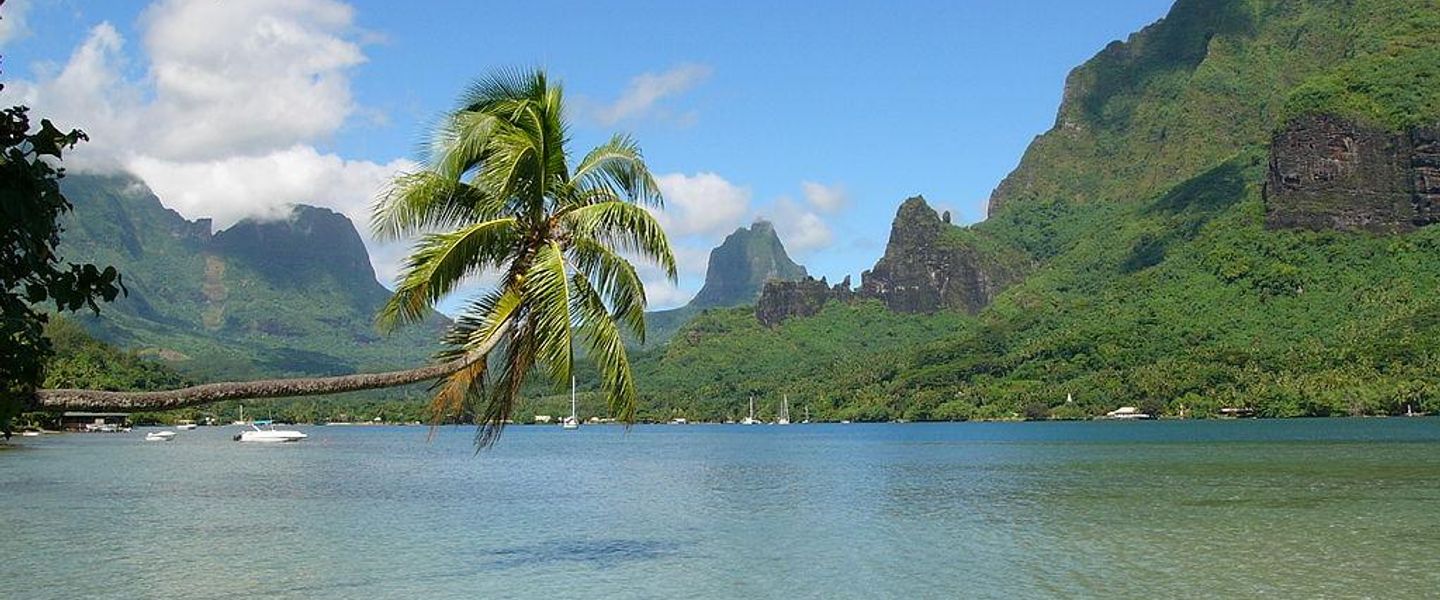


Discover Tedside on remote Pitcairn Island, where rugged tracks, Pacific landscapes, local history and community life shape a rare South Pacific journey.
Read more about Tedside
When is the best time to visit Tedside?
Best: April–June · 23–25°C| Month | High (°C) | Rainfall (mm) |
|---|---|---|
| January | 26 | 100 |
| February | 26 | 90 |
| March | 26 | 80 |
| April (best) | 25 | 70 |
| May (best) | 24 | 60 |
| June (best) | 23 | 50 |
| July | 23 | 50 |
| August | 23 | 50 |
| September | 23 | 60 |
| October | 24 | 70 |
| November | 25 | 80 |
| December | 26 | 90 |
Getting to and around Tedside
How to get there
Transportation
Top city travel guides in Tedside
The cities of Tedside, and the easiest places to base yourself.
-

-


Swipe for more cities
Best attractions in Tedside
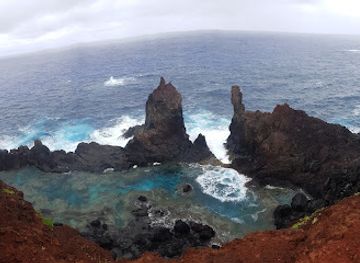
Tedside's attractions are primarily landscape-based and experiential rather than formal visitor sites. The locality offers access to the rugged interior and coastal environment of Pitcairn Island, where steep tracks, tropical vegetation, exposed slopes and wide Pacific views reveal the island's volcanic character. Walks should be arranged with local guidance because routes can cross private land, become slippery or be affected by weather. The wider island's principal cultural attraction is Adamstown, where visitors can learn about the Bounty settlement, local families and the island's religious and social history through community institutions and the museum. Boat-based views of the cliffs and offshore waters provide another perspective, although landings depend on sea conditions. Birdlife, garden plots and traces of long-established paths add interest for attentive walkers, while the sea itself is central to Pitcairn's identity and supply system. Tedside is not suited to a checklist of independent sightseeing stops; its value lies in seeing how a small community inhabits a remote volcanic landscape and in experiencing the contrasts between settlement, upland tracks and open ocean.
-
Tourist attraction
St. Paul's Pool
Explore the natural beauty and tranquil waters of St. Paul's Pool, a serene lagoon perfect for relaxation and adventure in paradise.
-
Tourist attraction
Pitcairn Islands Museum
Discover the rich history and culture of the Pitcairn Islands at the Pitcairn Islands Museum, a treasure trove of stories waiting to be explored.
-
Tourist attraction
Christian's Cave
Explore Christian's Cave, a breathtaking tourist attraction and historical landmark filled with stunning geological formations and rich cultural stories.
-
 Tourist attraction
Pitcairn Island's Western Point
Explore the captivating Western Point of Pitcairn Island, where breathtaking landscapes and rich history await adventurous travelers.


Best landmarks in Tedside
Tedside's significance is tied less to monumental architecture than to Pitcairn's named landscape and the way its tracks connect remote ground with the settled community. Steep volcanic slopes, cliff-lined shores and the open Pacific form the dominant visual landmarks, while the locality's paths show how residents move through terrain that has no level coastal plain or conventional road grid. The most important historic landmarks on the wider island are concentrated around Adamstown and the Bounty narrative, including the places associated with the community's early settlement and Christian development; these should be visited as living heritage rather than as scenery detached from local people. Bounty Bay, on the eastern side of Pitcairn and outside Tedside, is the island's principal maritime arrival area and should be understood as a nearby geographic reference, not a Tedside landmark. Because access, ownership and path conditions can change, local guidance is essential before treating any named track, viewpoint or historic location as open to independent exploration.
-
Island
Pitcairn Island
Explore Pitcairn Island: An isolated gem in the Pacific filled with breathtaking landscapes, rich history, and unique cultural experiences.
-
Historical landmark
The Bounty Anchor
Discover the historical essence of The Bounty Anchor in Adamstown, a landmark steeped in maritime history and surrounded by breathtaking natural beauty.
-
Tourist attraction
St. Paul's Pool
Experience the serene beauty of St. Paul's Pool, a hidden gem in the Pacific offering tranquility, stunning views, and unforgettable memories.
-
Museum
Pitcairn Islands Museum
Uncover the rich history and culture of the Pitcairn Islands at the captivating Pitcairn Islands Museum in Adamstown.


Explore Tedside on the map
Plan your trip on one map. See where the top cities, national parks and sights are, and book hotels and experiences in a few clicks.
Best hotels in Tedside
Best restaurants in Tedside
Tedside has no independent restaurant district or dependable dining infrastructure. Visitors normally eat in accommodation, through pre-arranged community hospitality or aboard the vessel used to reach Pitcairn, so meal arrangements should be confirmed before arrival. Pitcairn's food culture reflects household gardens, fishing, imported provisions and the practical limits of maritime supply. Locally grown produce may include fruit, vegetables and honey, while fish and seafood can feature when available; availability is seasonal and cannot be assumed. Adamstown is the place to ask about any current community meals, home dining or locally made products, but services are not comparable with a mainland town and may require advance notice. Bring suitable dietary supplies, especially for allergies or specialised diets, and do not expect regular cafés, takeaway outlets or shops in Tedside. The most respectful approach is to treat food as part of a locally organised visit rather than an on-demand commercial service.
-
Tourist attraction
St. Paul's Pool
Explore St. Paul's Pool: A Hidden Oasis for Relaxation Amidst Stunning Natural Beauty.
-
Museum
Pitcairn Islands Museum
Explore the intriguing history and culture of Pitcairn Island at its charming museum—an essential stop for any traveler.
-
Historical landmark
Christian's Cave
Explore Christian's Cave: A Historical Landmark Offering Adventure, Natural Beauty, and Rich Cultural Heritage.


Best bars in Tedside
Tedside has no bars, nightclubs or organised nightlife scene. Evening life on Pitcairn is small-scale and community-based, centred on homes, pre-arranged hospitality and the quiet rhythm of a remote island rather than late-night entertainment. Visitors may encounter local gatherings or informal social occasions, but these should never be assumed or treated as public performances. Adamstown is the practical centre for any community contact, although opening arrangements and hospitality vary. The absence of street lighting, steep tracks and limited transport make walking after dark hazardous, particularly away from settled areas. Plan to return before nightfall unless a local host has arranged otherwise, and enjoy the island's night skies, ocean sounds and quiet surroundings without creating noise or light disturbance for residents.
-
Island
Pitcairn Island
Explore the hidden gem of Pitcairn Island, where history meets stunning natural beauty in a remote paradise of the South Pacific.
-
Historical landmark
The Bounty Anchor
Explore the Bounty Anchor, a historical landmark in Adamstown that celebrates maritime history and the spirit of adventure.
-
Tourist attraction
St. Paul's Pool
Experience the tranquility of St. Paul's Pool, a natural oasis perfect for relaxation and outdoor adventure in the Pacific.
-
Museum
Pitcairn Islands Museum
Uncover the rich maritime history and cultural heritage of the Pitcairn Islands at the unique Pitcairn Islands Museum.


Best nightclubs in Tedside
Tedside has no bars, nightclubs or organised nightlife scene. Evening life on Pitcairn is small-scale and community-based, centred on homes, pre-arranged hospitality and the quiet rhythm of a remote island rather than late-night entertainment. Visitors may encounter local gatherings or informal social occasions, but these should never be assumed or treated as public performances. Adamstown is the practical centre for any community contact, although opening arrangements and hospitality vary. The absence of street lighting, steep tracks and limited transport make walking after dark hazardous, particularly away from settled areas. Plan to return before nightfall unless a local host has arranged otherwise, and enjoy the island's night skies, ocean sounds and quiet surroundings without creating noise or light disturbance for residents.
-
Museum
Pitcairn Islands Museum
Discover the captivating history and vibrant culture of the Pitcairn Islands at the Pitcairn Islands Museum, a hidden gem for curious travelers.
-
Coffee shop
Marco Boa's Cafe & Restaurant
Discover the exquisite flavors and cozy ambiance of Marco Boa's Cafe & Restaurant, the perfect retreat for coffee lovers and foodies alike on your island getaway.
Best shops in Tedside
Tedside has no shops or retail centre. Shopping on Pitcairn is concentrated around limited community outlets and pre-arranged local sales in or near Adamstown, with availability governed by supply vessels, household production and small-scale manufacturing. Visitors may find locally made honey, woodwork, crafts, postage stamps, souvenirs or other island products, but stock and payment methods should be confirmed locally rather than assumed. Pitcairn stamps and locally produced goods have particular interest because they reflect the territory's distinctive postal and cultural identity. Bring essential personal items, medicines and specialist foods from the gateway point or home, since Tedside cannot provide replacement supplies. Purchases should be made directly and respectfully, recognising that local products are made on a small scale and are not mass-market souvenirs.
-
Tourist attraction
St. Paul's Pool
Experience the tranquility and natural beauty of St. Paul's Pool, a must-visit destination for relaxation and adventure in paradise.
-
Museum
Pitcairn Islands Museum
Explore the Pitcairn Islands Museum and uncover the fascinating history of one of the world’s most isolated communities.
-
Historical landmark
Christian's Cave
Explore the enchanting Christian's Cave, a historical landmark rich in geological wonders and cultural significance, perfect for all adventurers.
-
School
Pulau School
Explore the vibrant educational landscape of Pulau School, where local culture and community spirit come together in the heart of Adamstown.


Get your free copy of our complete guide to Tedside, delivered straight to you.
Everything on this page, from attractions and restaurants to essentials and local phrases, in one PDF you can read offline, print or share.
Already have an account? Sign in
Your Tedside guide is ready.
We'll send it to · Not you? Sign out

Getting your guide ready…
We are putting together a fresh copy of the Tedside guide. This can take up to a minute.
This can take a few moments. If your browser asks, choose Allow so the download can start. You'll find the guide in your Downloads folder.
Nothing happened? Download it again
Sorry, the guide is taking longer than usual. Please try again in a minute, or get it by email instead.
Tedside essentials
Currency and Payment
Safety
Emergency Situations
Do's and Don'ts
Local Tips
From Eve
Local phrases worth knowing
You don't need to get them perfect. A few words go a long way, and locals appreciate the effort.
Basics
| English | Local | Say it |
|---|---|---|
| Hello | Hola | [O-la] |
| Goodbye | Aloha | [A-lo-ha] |
| Yes | Ae | [E] |
| No | Aroha | [A-ro-ha] |
| Please/You're welcome | Fakaofa | [Fa-ka-o-fa] |
| Thank you | Meitaki | [Mei-ta-ki] |
| Excuse me/Sorry | Papaki | [Pa-pa-ki] |
| How are you? | Pei tei? | [Pei-tei] |
| Fine. And you? | Kei tei. E tei? | [Kei-tei E-tei] |
| Do you speak English? | Kua korero Pākehā? | [Kua-ko-re-ro Pa-ke-ha] |
| I don't understand | E kore au e mōhio | [E-ko-re Au-e Mo-hio] |
Eating & Drinking
| English | Local | Say it |
|---|---|---|
| I'd like to see the menu, please | Ka hiahia au ki te kite i te rārangi kai | [Ka-hi-a Au-ki Te-kite I-te-ra-rangi-kai] |
| I don't eat meat | Kāore au e kai kararehe | [Ka-o-re Au-e Kai Ka-ra-re-he] |
| Cheers! | Haere mai! | [Ha-e-re Mai] |
| I would like to pay, please | Ka hiahia au ki te utu, tēnā | [Ka-hi-a Au-ki Te-u-tu Te-na] |
Emergencies
| English | Local | Say it |
|---|---|---|
| Help! | Awhina! | [A-whi-na] |
| Go away! | Haere atu! | [Ha-e-re A-tu] |
| Call the Police! | Karanga te Pūremu! | [Ka-ranga Te-Pu-re-mu] |
| Call a doctor! | Karanga he tāngata rongoā! | [Ka-ranga He-ta-ngata Ro-ngo-a] |
| I'm lost | Kua ngaro au | [Kua-na-ro Au] |
| I'm ill | Kei te mate au | [Kei-te Ma-te Au] |
Shopping
| English | Local | Say it |
|---|---|---|
| I'd like to buy... | Ka hiahia au ki te hoko... | [Ka-hi-a Au-ki Te-ho-ko] |
| I'm just looking | Kei te tirohia noa | [Kei-te Ti-ro-hia No-a] |
| How much is it? | E hia te utu? | [E-hia Te-u-tu] |
| That's too expensive | He tino utu teitei | [He Ti-no U-tu Tei-tei] |
| Can you lower the price? | Ka taea e koe te whakaheke i te utu? | [Ka-ta-ea E-ko-e Te-whaka-he-ke I-te-u-tu] |
Time & Numbers
| English | Local | Say it |
|---|---|---|
| What time is it? | He aha te wā? | [He A-ha Te-wa] |
| It's one o'clock | Kotahi te karaka | [Ko-ta-hi Te-ka-ra-ka] |
| Half past (10) | Hāwhe ki te (10) | [Hā-whe Ki-te] |
| Morning | Ata | [A-ta] |
| Afternoon | Ahiahi | [A-hi-a-hi] |
| Evening | Pō | [Pō] |
| Yesterday | Inā tata | [I-na-ta-ta] |
| Today | I tēnei rā | [I-te-nei Rā] |
| Tomorrow | Āpōpō | [Ā-po-po] |
| 1 | Tahi | [Ta-hi] |
| 2 | Rua | [Ru-a] |
| 3 | Toru | [To-ru] |
| 4 | Whā | [Whā] |
| 5 | Rima | [Ri-ma] |
| 6 | Ono | [O-no] |
| 7 | Whitu | [Whi-tu] |
| 8 | Waru | [Wa-ru] |
| 9 | Iwa | [I-wa] |
| 10 | Tekau | [Te-ka-u] |
Transport & Directions
| English | Local | Say it |
|---|---|---|
| Where's a/the...? | Kei te hea te...? | [Kei-te He-a Te] |
| What's the address? | He aha te wāhitau? | [He A-ha Te-wā-hi-tau] |
| Can you show me (on the map)? | Ka taea e koe te whakaatu ki ahau (i runga i te mapi)? | [Ka-ta-ea E-ko-e Te-whaka-a-tu Ki-au (i Ru-ng-a I Te-Ma-pi)] |
| When's the next (bus)? | Āhea te pahi e whai ake nei? | [Ā-he-a Te-Pahi E-Whai-A-ke-Nei] |
| A ticket (to ....) | He tikiti (ki ....) | [He Ti-ki-ti (Ki)] |
History of Tedside
Polynesian Settlement and Early Archaeology
Pitcairn Island was settled by Polynesian voyagers before European contact, and archaeological evidence records habitation, food production and religious or ceremonial activity. The island's steep terrain and isolation shaped how communities used coastal landing places, valleys and upland resources. Although the most visible modern history concerns the Bounty settlement, the earlier Polynesian presence is an essential part of Pitcairn's story. Local place names and archaeological remains also underline that the island was not an empty landscape when Europeans first encountered it.
European Sightings and the Island's Nautical Setting
European navigators recorded Pitcairn during the age of Pacific exploration, but its cliffs, small size and lack of a protected harbour kept it outside the main colonial port network. The island's position between major ocean routes nevertheless made it a recognisable landmark to mariners. The same geography that gave Pitcairn strategic visibility also created the practical difficulties that persist today: there is no natural harbour suitable for ordinary commercial shipping, and visitors must usually transfer from vessels offshore.
The Bounty Settlement of 1790
Pitcairn became internationally known when Fletcher Christian and fellow mutineers from HMS Bounty, together with Polynesian companions, settled on the island in 1790. Their community developed in isolation, and the history involved conflict, bereavement and social change as well as the dramatic mutiny narrative. The settlement established the historical identity through which Pitcairn is most widely recognised. Around the island, including places reached by tracks rather than formal roads, the landscape remains connected to the descendants and inherited stories of that community.
Missionary Influence and Conversion in the Nineteenth Century
In the early nineteenth century, the arrival and teaching of John Adams contributed to the community's conversion to Christianity and the development of a more formally organised society. Religious practice became central to public life, and the island's Sabbath observance and relationship with the Seventh-day Adventist Church remain notable aspects of local culture. The period also strengthened links with British authorities and visitors, while preserving a strong sense of community identity in a settlement far from established colonial centres.
British Administration and Community Relocations
Pitcairn became a British colony in the nineteenth century, although administration remained distant and local life continued to depend heavily on the island's own community structures. Population pressure, limited resources and the search for more sustainable conditions led to the community's relocation to Norfolk Island in 1856. Most later returned to Pitcairn, but the episode demonstrates how environmental constraints and transport difficulties have repeatedly shaped the island's history. Tedside's remote tracks are best understood within this wider story of adaptation to a small volcanic island.
Communications, Maritime Supply and Modern Isolation
For much of its history, Pitcairn depended on passing ships for news, mail, visitors and essential goods. Modern communications have improved contact with the outside world, but maritime access remains fundamental because the island has no airport and no conventional port. Supply vessels, expedition ships and private yachts continue to shape the rhythm of travel. This combination of digital connection and physical remoteness distinguishes contemporary Pitcairn and explains why visiting places such as Tedside requires more preparation than reaching an ordinary rural destination.
Tedside in Photos
Browse through our photo collection highlighting the charm and character of the destination.
Neighbouring regions of Tedside
The closest regions to Tedside, if you have time for more than one.
-

-

-

-

-


Swipe for more regions
Explore more

Explore more of Pitcairn Islands
Discover the remote Pitcairn Islands, where history meets pristine natural beauty, offering a unique blend of adventure, culture, and tranquility in the South Pacific.
Explore Pitcairn Islands