

Free Garnet's Ridge Travel Guide & Mobile App
Explore Garnet's Ridge with free travel guides. Discover regional history, expert tips, proposed trips, and audio guides on web or mobile app.


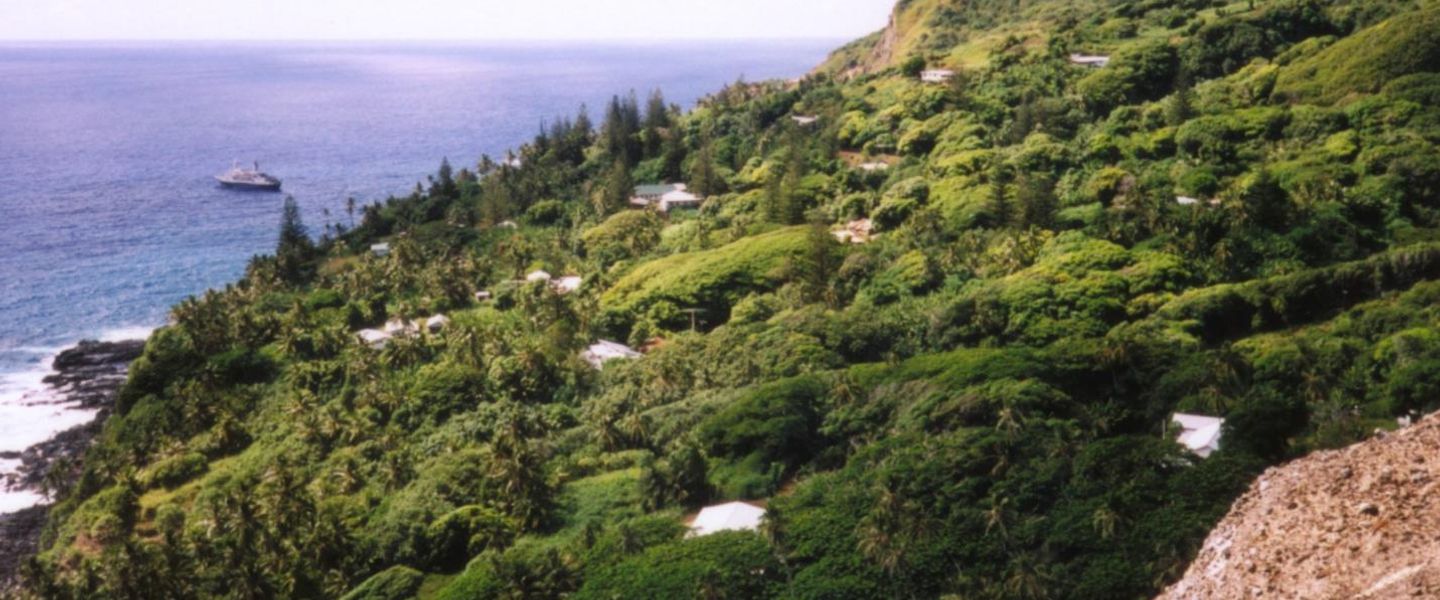


Garnet's Ridge offers a remote Pitcairn landscape of volcanic hills, maritime history, local trails and carefully arranged island exploration.
Read more about Garnet's Ridge
When is the best time to visit Garnet's Ridge?
Best: June–August · 27–28°C| Month | High (°C) | Rainfall (mm) |
|---|---|---|
| January | 30 | 120 |
| February | 29 | 115 |
| March | 29 | 110 |
| April | 29 | 105 |
| May | 28 | 100 |
| June (best) | 28 | 95 |
| July (best) | 27 | 90 |
| August (best) | 28 | 95 |
| September | 28 | 100 |
| October | 29 | 105 |
| November | 29 | 110 |
| December | 29 | 115 |
Getting to and around Garnet's Ridge
How to get there
Transportation
Top city travel guides in Garnet's Ridge
The cities of Garnet's Ridge, and the easiest places to base yourself.
-

-


Swipe for more cities
Best attractions in Garnet's Ridge
Garnet's Ridge is best considered a countryside feature within Pitcairn's wider landscape, not a developed attraction with marked facilities. The island's main visitor experiences combine local history, guided exploration and close observation of a steep volcanic environment. Adamstown provides the principal concentration of community life and historical interpretation, while Bounty Bay is the important maritime landing place associated with the island's settlement story. Walks through valleys, slopes and cultivated areas can reveal how residents have adapted to limited flat land, but routes and access conditions should be confirmed locally. Other Pitcairn interests include coastal viewpoints, small-scale handicrafts, community buildings and opportunities to learn about the Bounty descendants' continuing history. The nearby islands of Henderson, Oeno and Ducie belong to the Pitcairn Islands territory but are separate islands, not attractions within Garnet's Ridge or Pitcairn's inhabited settlement. Henderson, in particular, is an important natural and archaeological site, but reaching it is a demanding expedition requiring separate maritime planning.
-
 Historical landmark
The Bounty Anchor
Discover The Bounty Anchor in Adamstown, a historic landmark that tells the tale of maritime adventures and offers stunning views of the Pacific Ocean.
Best landmarks in Garnet's Ridge
The most important landmarks connected with Garnet's Ridge are found across Pitcairn's inhabited landscape rather than on the ridge itself. Bounty Bay is the island's principal maritime landmark and the arrival point traditionally associated with the 1790 settlement of the Bounty community. Adamstown, spread across the interior slopes, is the territory's capital and provides the clearest concentration of civic, religious and historical references. The island's steep ridgelines, deep valleys and exposed coastal edges are significant geographical landmarks in their own right, explaining both its defensibility and the difficulty of modern movement. Christian's Cave, above Adamstown, is associated with longstanding local tradition and offers a perspective on the settlement's elevated terrain, but visitors should confirm current route and access conditions. Pitcairn's most famous historical symbolism is also maritime: the Bounty story is rooted as much in the surrounding ocean and landing coast as in any single building.
-
Historical landmark
The Bounty Anchor
Explore The Bounty Anchor in Adamstown, a historical landmark that embodies the maritime heritage of the Pitcairn Islands amidst stunning coastal views.
-
Tourist attraction
St. Paul's Pool
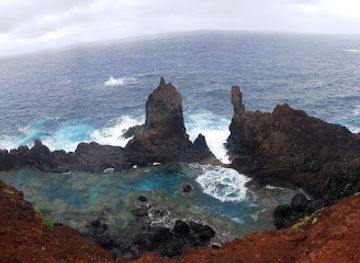
Experience the tranquil beauty of St. Paul's Pool, a natural swimming haven surrounded by stunning landscapes and perfect for relaxation and exploration.
-
Museum
Pitcairn Islands Museum
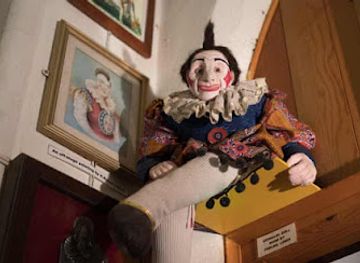
Discover the unique history and heritage of the Pitcairn Islands at its captivating museum, showcasing artifacts and stories of island life.
-
Historical landmark
Christian's Cave
Discover the ancient wonders and historical significance of Christian's Cave, a breathtaking landmark that enchants visitors with its stunning formations.


Explore Garnet's Ridge on the map
Plan your trip on one map. See where the top cities, national parks and sights are, and book hotels and experiences in a few clicks.
Best hotels in Garnet's Ridge
Best restaurants in Garnet's Ridge
Pitcairn has no broad restaurant district and dining is usually organised through accommodation providers, local hosts or occasional community arrangements. Meals may draw on locally grown produce, fresh fish, preserved foods and practical home cooking, reflecting the island's small population and long supply chain rather than a formal regional cuisine with numerous specialist establishments. Visitors should arrange meals in advance, especially when staying away from Adamstown, and confirm what can be supplied locally. Imported provisions arrive irregularly and selection is necessarily limited, while gardens and smallholdings contribute seasonally available fruit and vegetables. Honey and handmade food products may be available through local channels, subject to production and supply. Dining is generally a social and host-based part of the visit, so flexibility and advance communication matter more than searching for independent restaurants.
-
Historical landmark
The Bounty Anchor
Discover The Bounty Anchor: A Historical Landmark Celebrating Maritime Heritage Amidst Stunning Natural Beauty.
-
Tourist attraction
St. Paul's Pool
Discover tranquility at St. Paul's Pool – a serene escape surrounded by nature's beauty in the heart of the Pacific.
-
Museum
Pitcairn Islands Museum
Explore the captivating history and culture of Pitcairn Islands at its charming museum in Adamstown.
-
Historical landmark
Christian's Cave
Explore Christian's Cave: A Historical Landmark Offering Stunning Geological Formations and Rich Cultural Heritage.


Best bars in Garnet's Ridge
Garnet's Ridge has no nightlife venues, and Pitcairn does not have a conventional bar or nightclub scene. Evening life is centred on private homes, accommodation, community gatherings and conversations arranged locally, with the small social calendar shaped by the island's population and visiting vessels. Adamstown is the principal place to ask about any public event or available evening arrangement, but opening times and activities should never be assumed. Visitors may encounter locally made or imported drinks, yet alcohol is not a defining requirement of the destination. The more characteristic evening experience is a quiet one: watching the light fade over the Pacific, discussing island history with a host or preparing for an early journey on foot or by boat. Respect local households and community routines when making plans after dark.
-
Historical landmark
The Bounty Anchor
Discover the captivating history of The Bounty Anchor, a maritime landmark that tells tales of adventure and exploration in Adamstown.
-
Tourist attraction
St. Paul's Pool
Explore the tranquil St. Paul's Pool, a hidden gem perfect for relaxation and outdoor adventures in a picturesque natural setting.
-
Museum
Pitcairn Islands Museum
Explore the captivating history and cultural heritage of the Pitcairn Islands at the unique Pitcairn Islands Museum in Adamstown.
-
Historical landmark
Christian's Cave
Discover the enchanting history and geological wonders of Christian's Cave, a must-visit historical landmark for every traveler.


Best nightclubs in Garnet's Ridge
Garnet's Ridge has no nightlife venues, and Pitcairn does not have a conventional bar or nightclub scene. Evening life is centred on private homes, accommodation, community gatherings and conversations arranged locally, with the small social calendar shaped by the island's population and visiting vessels. Adamstown is the principal place to ask about any public event or available evening arrangement, but opening times and activities should never be assumed. Visitors may encounter locally made or imported drinks, yet alcohol is not a defining requirement of the destination. The more characteristic evening experience is a quiet one: watching the light fade over the Pacific, discussing island history with a host or preparing for an early journey on foot or by boat. Respect local households and community routines when making plans after dark.
-
Historical landmark
The Bounty Anchor
Explore The Bounty Anchor in Adamstown, a historic landmark rich in maritime tales and scenic beauty, perfect for cultural and historical enthusiasts.
-
Tourist attraction
St. Paul's Pool
Discover tranquility at St. Paul's Pool, a stunning tropical oasis perfect for relaxation and enjoyment.
-
Museum
Pitcairn Islands Museum
Explore the unique history and culture of the Pitcairn Islands at the captivating Pitcairn Islands Museum.
-
Historical landmark
Christian's Cave
Discover the enchanting Christian's Cave, a historical landmark featuring stunning geological formations and rich stories waiting to be explored.

Best shops in Garnet's Ridge
Shopping around Garnet's Ridge is limited and locally focused rather than retail-oriented. Adamstown is the practical centre for small purchases, while visiting ships and community outlets may provide locally made crafts, souvenirs, honey, artworks, post-related collectibles and other products when supplies permit. Handicrafts often reflect Pitcairn's maritime history, island identity and connections with the Bounty descendants, but stock can be seasonal and quantities are small. Visitors should not expect a shopping centre, regular luxury retail or a dependable market schedule. Carry suitable New Zealand-dollar cash, ask locally about current payment arrangements and buy responsibly from recognised community sources. Food supplies and personal essentials should be obtained or arranged before arrival where possible, since the island's remote location means that replacement purchases cannot be treated like a quick mainland errand.
-
Historical landmark
The Bounty Anchor
Discover The Bounty Anchor, a historical landmark in Adamstown, where maritime history meets breathtaking views.
-
Tourist attraction
St. Paul's Pool
Experience the serene beauty of St. Paul's Pool, a hidden gem perfect for swimming, relaxation, and connecting with nature in a tranquil setting.
-
Museum
Pitcairn Islands Museum
Explore the rich history and culture of the Pitcairn Islands at the fascinating Pitcairn Islands Museum, a must-visit for history enthusiasts.
-
Historical landmark
Christian's Cave
Explore the captivating history and stunning formations at Christian's Cave, a hidden gem for adventurous tourists seeking unique experiences.


Get your free copy of our complete guide to Garnet's Ridge, delivered straight to you.
Everything on this page, from attractions and restaurants to essentials and local phrases, in one PDF you can read offline, print or share.
Already have an account? Sign in
Your Garnet's Ridge guide is ready.
We'll send it to · Not you? Sign out

Getting your guide ready…
We are putting together a fresh copy of the Garnet's Ridge guide. This can take up to a minute.
This can take a few moments. If your browser asks, choose Allow so the download can start. You'll find the guide in your Downloads folder.
Nothing happened? Download it again
Sorry, the guide is taking longer than usual. Please try again in a minute, or get it by email instead.
Garnet's Ridge essentials
Currency and Payment
Safety
Emergency Situations
Do's and Don'ts
Local Tips
From Eve
Local phrases worth knowing
You don't need to get them perfect. A few words go a long way, and locals appreciate the effort.
Basics
| English | Local | Say it |
|---|---|---|
| Hello | Talofa | [Tah-loh-fah] |
| Goodbye | Tofa | [Toh-fah] |
| Yes | Ae | [Eye] |
| No | Leai | [Lay-eye] |
| Please/You're welcome | Fa'amolemole | [Fah-ah-moh-leh-moh-leh] |
| Thank you | Fa'afetai | [Fah-ah-feh-tah-ee] |
| Excuse me/Sorry | Fa'amolemole | [Fah-ah-moh-leh-moh-leh] |
| How are you? | Oa mai oe? | [Oh-ah my oh-eh] |
| Fine. And you? | Māfuā. Oa mai oe? | [Mah-foo-ah. Oh-ah my oh-eh] |
| Do you speak English? | E te le fa'aaogā i le Gagana Ingilisi? | [Eh teh leh fah-ah-oh-ngah ee leh Gah-gah-nah In-gee-lee-see] |
| I don't understand | Ou te le malamalama | [Oh-oo teh leh mah-lah-mah-lah] |
Eating & Drinking
| English | Local | Say it |
|---|---|---|
| I'd like to see the menu, please | Ou te manaʻo e va'ai i le menu, fa'amolemole | [Oh-oo teh mah-nah-oh eh vah-ee ee leh meh-noo, fah-ah-moh-leh-moh-leh] |
| I don't eat meat | Ou te le 'ai i mea 'ai | [Oh-oo teh leh eye ee meh-ah eye] |
| Cheers! | Tēnā! | [Teh-nah!] |
| I would like to pay, please | Ou te manaʻo e totogi, fa'amolemole | [Oh-oo teh mah-nah-oh eh toh-toh-gee, fah-ah-moh-leh-moh-leh] |
Emergencies
| English | Local | Say it |
|---|---|---|
| Help! | Fesoasoani! | [Feh-so-ah-oh-nee!] |
| Go away! | Alu i fafo! | [Ah-loo ee fah-fo!] |
| Call the Police! | Fa'auluulu i le Policía! | [Fah-ah-oo-loo-loo ee leh Poh-lee-see-ah!] |
| Call a doctor! | Fa'auluulu se foma'i! | [Fah-ah-oo-loo-loo seh fo-mah-ee!] |
| I'm lost | Ou te le iloa | [Oh-oo teh leh ee-loh-ah] |
| I'm ill | Ou te ma'i | [Oh-oo teh mah-ee] |
Shopping
| English | Local | Say it |
|---|---|---|
| I'd like to buy... | Ou te manaʻo e fa'atau... | [Oh-oo teh mah-nah-oh eh fah-tah-oo] |
| I'm just looking | Ou na'o va'ai | [Oh-oo nah-oh vah-eye] |
| How much is it? | E fia le tau? | [Eh fee-ah leh tau?] |
| That's too expensive | E le mafai le tau | [Eh leh mah-fah-ee leh tau] |
| Can you lower the price? | E mafai ona e fa'aitiitia le tau? | [Eh mah-fah-ee oh-nah eh fah-ee-tee-tia leh tau?] |
Time & Numbers
| English | Local | Say it |
|---|---|---|
| What time is it? | O le ā le taimi? | [Oh leh ah leh tie-mee?] |
| It's one o'clock | O le 1 o le uo | [Oh leh one oh leh oo-oh] |
| Half past (10) | O le 10 i le afa | [Oh leh ten ee leh ah-fah] |
| Morning | Talafai | [Tah-lah-fai] |
| Afternoon | Afiafi | [Ah-fee-ah-fee] |
| Evening | Po | [Poh] |
| Yesterday | I le aso ananafi | [Ee leh ah-so ah-nah-nah-fee] |
| Today | I le aso lenei | [Ee leh ah-so leh-nee] |
| Tomorrow | I le aso taeao | [Ee leh ah-so tie-eh-ow] |
| 1 | Tasi | [Tah-see] |
| 2 | Lua | [Loo-ah] |
| 3 | Tolu | [Toh-loo] |
| 4 | Fa | [Fah] |
| 5 | Lima | [Lee-mah] |
| 6 | Ono | [Oh-noh] |
| 7 | Fitufitu | [Fee-too-fee-too] |
| 8 | Valu | [Vah-loo] |
| 9 | Iva | [Ee-vah] |
| 10 | Ten | [Ten] |
Transport & Directions
| English | Local | Say it |
|---|---|---|
| Where's a/the...? | O fea le...? | [Oh feh-ah leh...?] |
| What's the address? | O le ā le tuatusiga? | [Oh leh ah leh too-ah-too-see-gah?] |
| Can you show me (on the map)? | E mafai ona e fa'aali mai ia te a'u (i le ata)? | [Eh mah-fah-ee oh-nah eh fah-ah-lee my ee-ah teh ah-oo (ee leh ah-tah)?] |
| When's the next (bus)? | O le ā le taimi e sosoo ai (le bus)? | [Oh leh ah leh tie-mee eh so-soo eye (leh bus)?] |
| A ticket (to ....) | O se tiketi (i le....) | [Oh seh tee-keh-tee (ee leh....)] |
History of Garnet's Ridge
Polynesian Settlement and Early Archaeology
Pitcairn and the other islands of the territory were reached by Polynesian voyagers centuries before European exploration. Archaeological evidence on Pitcairn includes traces of settlement, cultivation and religious activity, although the island was later uninhabited before the arrival of the Bounty community. This earlier history is important because Pitcairn's cultural landscape did not begin with the famous mutiny. The steep terrain, freshwater sources and sheltered coastal areas shaped where people could live and move, providing the long-term environmental context for later settlement around the island's valleys and ridges.
European Exploration in the South Pacific
European navigators recorded Pitcairn during the era of Pacific exploration, including the sighting by Philip Carteret in 1767. The island's isolated position meant that it remained outside regular colonial settlement for many years. Its location, difficult landing coast and absence of a natural harbour limited routine contact, but those same characteristics later helped the Bounty settlers remain undiscovered. The remote setting represented by Garnet's Ridge is part of this broader geography of isolation, in which steep hills and open ocean separated Pitcairn from the main routes of empire and commerce.
The Bounty Settlement, 1789–1790
After the mutiny on HMS Bounty in 1789, acting Lieutenant Fletcher Christian and several fellow mutineers, together with their Polynesian companions, sought a remote refuge. They reached Pitcairn in January 1790 and established a settlement, later destroying the ship to reduce the chance of discovery. Relationships within the small community were complex and often violent, particularly during the early years. The settlement's survival depended on cultivation, local resources and knowledge of the island's difficult terrain, with valleys, slopes and coastal landing places all influencing daily life.
The Christian Family and the Growth of a Community
John Adams, the last surviving Bounty mutineer, became a central figure in the community's later development. In the nineteenth century, the island's population grew from the original settlement, and descendants of the Bounty community remained closely connected through family, religion and shared memory. The arrival of missionaries and conversion to Christianity in the early nineteenth century also shaped community life and education. Adamstown developed as the social centre, while the surrounding ridges and valleys continued to support gardens, smallholdings and routes between isolated parts of the island.
British Administration and the Move to Norfolk Island
Pitcairn became a British colony in the nineteenth century, although its small population and remoteness required an unusual form of local administration. In 1856, nearly the entire community was relocated to Norfolk Island, where descendants of the Bounty settlers still live. Some residents later returned to Pitcairn, restoring the continuity of the island community. This episode explains why Pitcairn's identity has always extended beyond its physical size: family histories, language, religious traditions and memories connect the island with Norfolk Island as well as Britain and Polynesia.
Modern Pitcairn and a Maritime Economy
During the twentieth and early twenty-first centuries, Pitcairn remained one of the world's most remote inhabited communities. Visiting vessels, supply ships, subsistence gardening, fishing, handicrafts and small-scale tourism have all contributed to local life, although none has transformed the island into a conventional resort. In recent decades, concerns about depopulation, access, communications and economic resilience have influenced public planning. For places such as Garnet's Ridge, modern history is therefore inseparable from practical questions of land access, conservation, transport and the preservation of a small island community.
Garnet's Ridge in Photos
Browse through our photo collection highlighting the charm and character of the destination.
Neighbouring regions of Garnet's Ridge
The closest regions to Garnet's Ridge, if you have time for more than one.
-

-

-

-

-


Swipe for more regions
Explore more

Explore more of Pitcairn Islands
Discover the remote Pitcairn Islands, where history meets pristine natural beauty, offering a unique blend of adventure, culture, and tranquility in the South Pacific.
Explore Pitcairn Islands