

Free Kurpie Travel Guide & Mobile App
Explore Kurpie with free travel guides. Discover regional history, expert tips, proposed trips, and audio guides on web or mobile app.


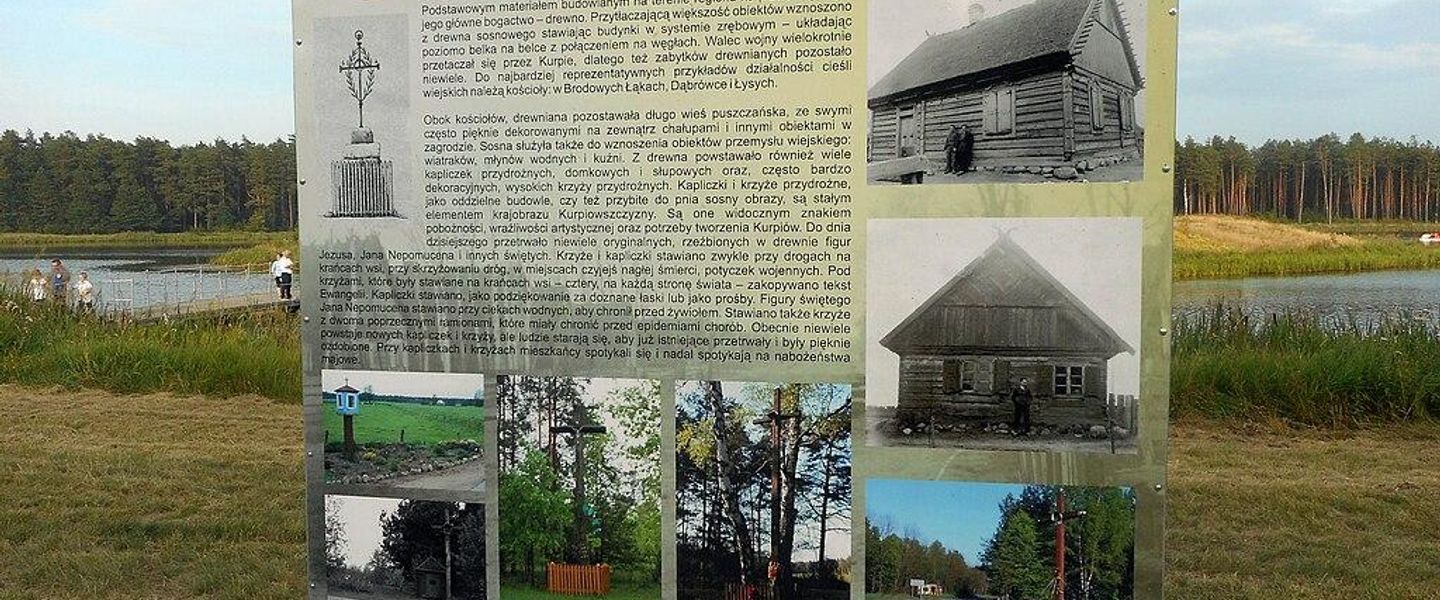


Explore Kurpie in Poland for pine forests, Narew wetlands, distinctive folk art, village traditions and the living heritage of Myszyniec and Kadzidło.
Read more about Kurpie
When is the best time to visit Kurpie?
Best: June–August · 22–24°C| Month | High (°C) | Rainfall (mm) |
|---|---|---|
| January | 1 | 40 |
| February | 3 | 35 |
| March | 8 | 40 |
| April | 14 | 45 |
| May | 19 | 55 |
| June (best) | 22 | 65 |
| July (best) | 24 | 75 |
| August (best) | 24 | 70 |
| September | 19 | 60 |
| October | 13 | 50 |
| November | 7 | 45 |
| December | 2 | 40 |
Getting to and around Kurpie
How to get there
Transportation
Best attractions in Kurpie
Kurpie’s attractions are dispersed across a cultural landscape of pine forest, river meadow and small market town rather than concentrated in one large visitor complex. The Museum of Kurpiowska Culture in Ostrołęka introduces local history, costume, craft and the region’s relationship with the Narew and forest economy. In Kadzidło, the Zagroda Kurpiowska presents traditional rural buildings and material culture in an open-air setting, while Myszyniec provides a useful base for exploring northern Kurpie and its religious heritage. Łyse is particularly associated with Palm Sunday customs and decorated palms. Across the countryside, walking and cycling routes lead through woodland, fields and wetland margins, with birdwatching opportunities around the Narew valley and other river landscapes. The open-air museum at Nowogród, outside Kurpie’s core area in the Podlaskie Voivodeship, is a worthwhile nearby extension for visitors interested in regional wooden architecture. Seasonal festivals, craft workshops, village churches and local cultural centres reveal traditions that are still practised rather than merely displayed.
-
Museum
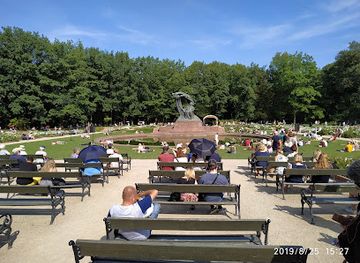
Royal Łazienki Park
Experience the enchanting beauty and cultural richness of Royal Łazienki Park, a must-visit destination in Warsaw for every traveler seeking tranquility.
-
Local history museum
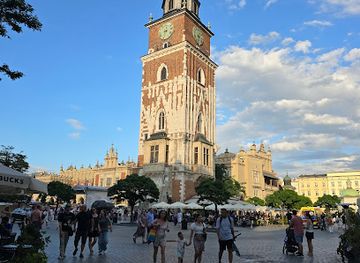
Rynek Underground Museum
Discover Kraków's hidden history at Rynek Underground Museum, where past and present blend in captivating exhibits beneath the city's vibrant square.
-
Museum
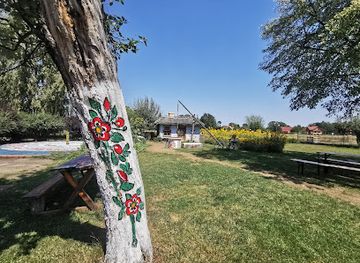
Dom Malarek w Zalipiu
Explore the vibrant folk art and rich culture of Poland at Dom Malarek in Zalipie, a unique museum celebrating local traditions.
-
Ethnographic museum
National Museum of Ethnography
Uncover the diverse cultures of the world at Warsaw's National Museum of Ethnography, a hub of interactive exhibits and rich cultural heritage.
Best landmarks in Kurpie
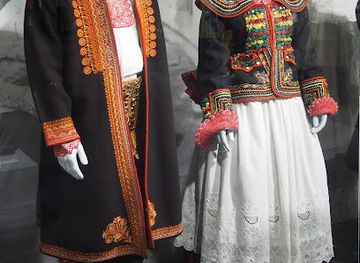
The most recognisable landmarks of Kurpie are closely tied to its religious history, rural architecture and forest culture. The collegiate church complex at Myszyniec is a major visual and historical reference point in northern Kurpie, reflecting the town’s long role as a religious and commercial centre. The church at Łyse is strongly associated with the region’s Palm Sunday traditions, when the surrounding community becomes a focus of distinctive decorated palms and procession customs. Kadzidło’s traditional rural buildings and open-air heritage setting preserve the scale and forms of a Kurpie village, while wooden houses, roadside shrines and small village churches create a recurring architectural vocabulary throughout the countryside. In Ostrołęka, the Museum of Kurpiowska Culture provides an important institutional landmark for understanding the region. Beyond built heritage, the Narew valley, forest margins and broad clearings are geographical landmarks in their own right: they explain settlement patterns, livelihoods and the enduring symbolism of the Kurpie forest.
-
Museum
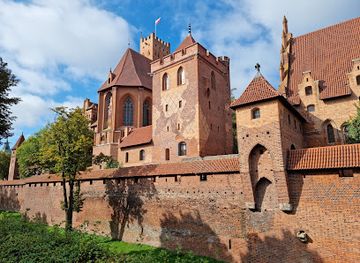
Malbork Castle
Discover the grandeur of Malbork Castle, the largest brick castle in the world, rich in history and stunning architecture, perfect for every traveler.
-
Tourist attraction
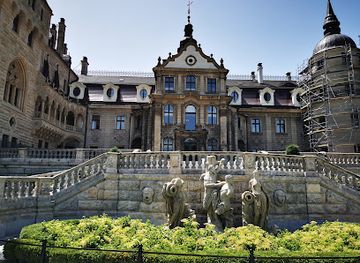
Moszna Castle
Explore the magical Moszna Castle, a stunning blend of architectural styles set in beautiful gardens, perfect for history lovers and nature enthusiasts alike.
-
Tourist attraction
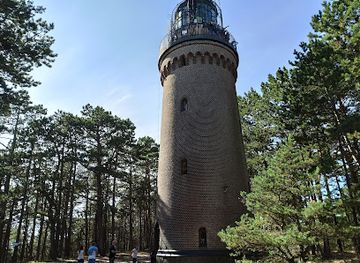
Słowiński National Park
Explore the stunning landscapes of Słowiński National Park, a unique national park in Poland known for its shifting sand dunes and pristine beaches.
-
Museum
Sukiennice
Experience the vibrant culture and rich history of Sukiennice, a must-visit marketplace in Kraków's Main Market Square.
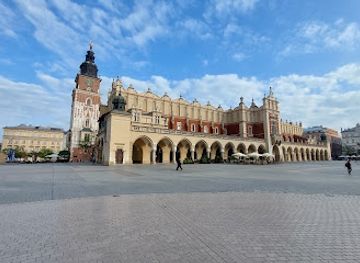
Explore Kurpie on the map
Plan your trip on one map. See where the top cities, national parks and sights are, and book hotels and experiences in a few clicks.
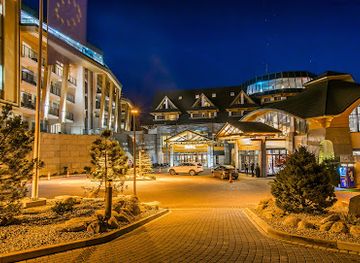
Best hotels in Kurpie
Best restaurants in Kurpie
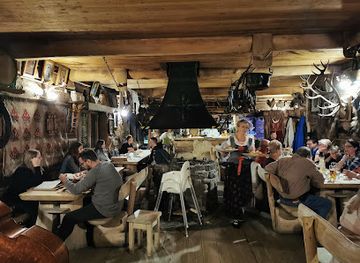
Kurpie’s food culture is rooted in forest produce, beekeeping and modest farm households. Honey is one of the region’s most characteristic products, while mushrooms, berries, potatoes, buckwheat, cabbage and freshwater fish appear in home cooking and seasonal dishes. Visitors may encounter potato-based specialities, buckwheat preparations, sour soups, farmhouse bread, pickles and pastries at folk events, market stalls and traditional dining rooms, though recipes and names vary between communities. In Ostrołęka and the larger towns, restaurants offer broader Polish cuisine alongside contemporary interpretations of regional ingredients. Rural inns and agritourism farms can provide the most direct introduction to local produce, but opening arrangements are often seasonal or reservation-based. Look for honey, preserves, smoked products and baked goods at markets and cultural festivals, and distinguish genuinely local goods from generic Polish souvenirs. Kurpie’s culinary identity is less about a single universally standardised dish than about the practical use of woodland and farm resources.
-
Polish
Bąkowo Zohylina Niźnio
Experience authentic Polish cuisine at Bąkowo Zohylina Niźnio in Zakopane—where tradition meets flavor amidst stunning mountain views.
-
Polish
GOŚCINIEC Polskie Pierogi
Experience authentic Polish cuisine at GOŚCINIEC Polskie Pierogi in Warsaw—home of delicious dumplings and warm hospitality.
-
Restaurant
Nosalowy Dwór Resort & SPA
Experience luxury at Nosalowy Dwór Resort & SPA in Zakopane - your ultimate destination for relaxation and adventure amidst stunning mountain views.
-
Family-friendly
Bąkowo Zohylina Wyźnio
Experience authentic Polish cuisine at Bąkowo Zohylina Wyźnio, a family-friendly restaurant nestled in the scenic beauty of Zakopane.
Best bars in Kurpie
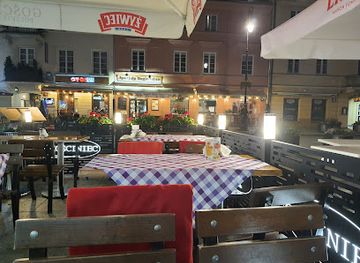
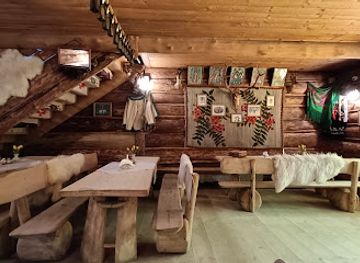
Evening life in Kurpie is modest and locally focused. Ostrołęka has the widest choice of restaurants, cafés, pubs and occasional live-music events, while Myszyniec and other market towns tend towards traditional pubs, casual bars and places attached to restaurants. In villages, evenings are more likely to centre on family gatherings, community halls, seasonal festivals or an agritourism property than on dedicated nightlife. Folk performances and summer cultural events can provide a more distinctive evening activity than clubbing, particularly during local celebrations in Kadzidło, Łyse and surrounding communities. Visitors should not expect a dense nightclub scene or late-opening venues across the countryside. Drink-driving rules are strict in Poland, and anyone relying on public transport should check the return journey before going out, since rural services can be limited after evening hours.
-
Gastropub
Alchemia
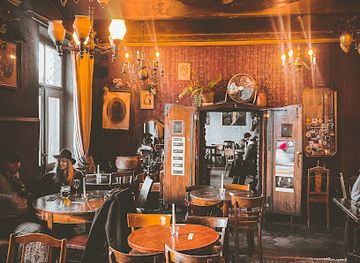
Experience the vibrant culture and culinary delights of Alchemia, a unique gastropub in the heart of Kraków, Poland.
-
Pub
Cybermachina Game Pub - Kraków
Discover the ultimate gaming and nightlife experience at Cybermachina Game Pub in Kraków, where fun and friendship come together.
-
Pub
Omerta
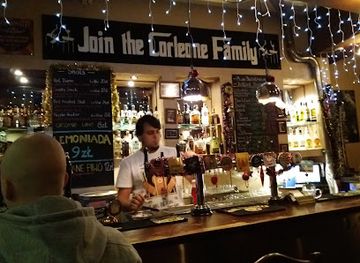
Experience Kraków's vibrant nightlife at Omerta Pub, where exceptional drinks meet local culture in a lively atmosphere.
-
Bar
Czupito Shot Bar
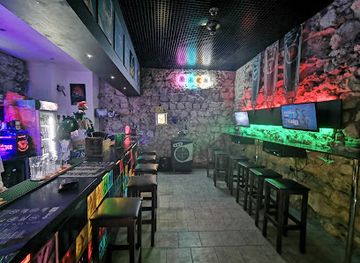
Discover Czupito Shot Bar in Warsaw, where vibrant nightlife meets unique shot flavors, perfect for socializing and memorable experiences.

Best nightclubs in Kurpie
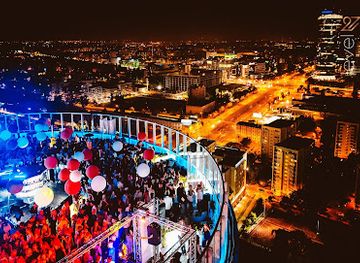
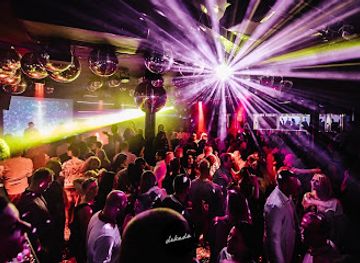
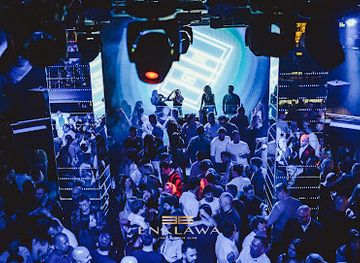
Evening life in Kurpie is modest and locally focused. Ostrołęka has the widest choice of restaurants, cafés, pubs and occasional live-music events, while Myszyniec and other market towns tend towards traditional pubs, casual bars and places attached to restaurants. In villages, evenings are more likely to centre on family gatherings, community halls, seasonal festivals or an agritourism property than on dedicated nightlife. Folk performances and summer cultural events can provide a more distinctive evening activity than clubbing, particularly during local celebrations in Kadzidło, Łyse and surrounding communities. Visitors should not expect a dense nightclub scene or late-opening venues across the countryside. Drink-driving rules are strict in Poland, and anyone relying on public transport should check the return journey before going out, since rural services can be limited after evening hours.
-
Night club
Level 27
Discover Warsaw's nightlife at Level 27, an upscale club featuring stunning views, live music, and expertly crafted cocktails for an unforgettable experience.
-
Night club
Dekada Club
Discover the electric nightlife of Warsaw at Dekada Club, where music, dancing, and vibrant energy come together in a premier experience.
-
Night club
RITUAL Cocktail Club
Experience the vibrant atmosphere of RITUAL Cocktail Club, where expertly crafted cocktails meet live music in Warsaw's bustling nightlife.
-
Night club
ENKLAWA Art & Music Club
Discover the vibrant nightlife of Warsaw at ENKLAWA Art & Music Club, where art meets music for an unforgettable experience.

Best shops in Kurpie
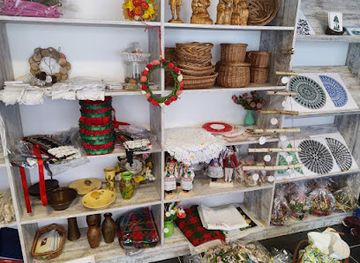
Shopping in Kurpie is centred on market towns, local food and craft rather than large retail districts. Ostrołęka offers the broadest selection of everyday shops, while Myszyniec, Kadzidło and other smaller centres are useful for markets and practical supplies. At cultural festivals and museum events, look for Kurpiowska wycinanki paper cut-outs, embroidered or woven articles, carved wooden objects, amber jewellery and traditional decorative pieces. Honey, beeswax products, preserves, dried mushrooms and baked goods make useful food souvenirs when purchased from reputable local producers. Market stalls can be seasonal, and some small sellers accept cash only. Choose objects made by identifiable regional artists or craft groups where possible, particularly when buying traditional designs that have genuine cultural significance. Contemporary galleries and cultural centres may also sell locally produced work, but the range changes throughout the year rather than following a permanent tourist-shopping circuit.
-
Craft store
Galeria Kurpiowska (Kurpsioska)
Explore unique handmade crafts at Galeria Kurpiowska, a cultural gem in Kadzidło showcasing the artistry of the Kurpie region.
Get your free copy of our complete guide to Kurpie, delivered straight to you.
Everything on this page, from attractions and restaurants to essentials and local phrases, in one PDF you can read offline, print or share.
Already have an account? Sign in
Your Kurpie guide is ready.
We'll send it to · Not you? Sign out

Getting your guide ready…
We are putting together a fresh copy of the Kurpie guide. This can take up to a minute.
This can take a few moments. If your browser asks, choose Allow so the download can start. You'll find the guide in your Downloads folder.
Nothing happened? Download it again
Sorry, the guide is taking longer than usual. Please try again in a minute, or get it by email instead.
Kurpie essentials
Currency and Payment
Safety
Emergency Situations
Do's and Don'ts
Local Tips
From Eve
Local phrases worth knowing
You don't need to get them perfect. A few words go a long way, and locals appreciate the effort.
Basics
| English | Local | Say it |
|---|---|---|
| Hello | Cześć | [cheshch] |
| Goodbye | Do widzenia | [do veedzenya] |
| Yes | Tak | [tak] |
| No | Nie | [nyeh] |
| Please/You're welcome | Proszę | [proh-sheh] |
| Thank you | Dziękuję | [dzyen-koo-yeh] |
| Excuse me/Sorry | Przepraszam | [psheh-pra-sham] |
| How are you? | Jak się masz? | [yak shay mash] |
| Fine. And you? | Dobrze. A ty? | [dob-zheh. A ti?] |
| Do you speak English? | Czy mówisz po angielsku? | [chi moo-veesh po an-gyehl-skoo] |
| I don't understand | Nie rozumiem | [nyeh roh-zoo-myem] |
Eating & Drinking
| English | Local | Say it |
|---|---|---|
| I'd like to see the menu, please | Chciałbym zobaczyć menu, proszę | [hchow-bim zo-bah-chich meh-noo, proh-sheh] |
| I don't eat meat | Nie jem mięsa | [nyeh yem myen-sah] |
| Cheers! | Na zdrowie! | [nah zdroh-vyeh] |
| I would like to pay, please | Chciałbym zapłacić, proszę | [hchow-bim zah-plah-chich, proh-sheh] |
Emergencies
| English | Local | Say it |
|---|---|---|
| Help! | Pomocy! | [poh-moh-tsih] |
| Go away! | Idź stąd! | [eej sh-tont] |
| Call the Police! | Zadzwoń po policję! | [zahdz-von po poh-leet-syeh] |
| Call a doctor! | Zadzwoń po lekarza! | [zahdz-von po leh-kah-zhah] |
| I'm lost | Zgubiłem się | [zgoo-bee-wem shay] |
| I'm ill | Jestem chory | [yes-tem kho-ryh] |
Shopping
| English | Local | Say it |
|---|---|---|
| I'd like to buy... | Chciałbym kupić... | [hchow-bim koo-peech] |
| I'm just looking | Tylko oglądam | [til-koh oh-glah-dahm] |
| How much is it? | Ile to kosztuje? | [ee-leh toh kosh-too-yeh] |
| That's too expensive | To jest za drogie | [to yest zah droh-geh] |
| Can you lower the price? | Czy możesz obniżyć cenę? | [chi moh-zhehsh ob-nee-zhych tseh-neh] |
Time & Numbers
| English | Local | Say it |
|---|---|---|
| What time is it? | Która godzina? | [ktoo-rah goh-dzee-nah] |
| It's one o'clock | Jest pierwsza | [yest pyehr-vshah] |
| Half past (10) | Pięć po | [pyench po] |
| Morning | Poranek | [poh-rah-nek] |
| Afternoon | Popołudnie | [poh-poh-ood-nyeh] |
| Evening | Wieczór | [vyeh-choor] |
| Yesterday | Wczoraj | [fcho-rai] |
| Today | Dzisiaj | [jee-shai] |
| Tomorrow | Jutro | [yoo-troh] |
| 1 | 1 | [1] |
| 2 | 2 | [2] |
| 3 | 3 | [3] |
| 4 | 4 | [4] |
| 5 | 5 | [5] |
| 6 | 6 | [6] |
| 7 | 7 | [7] |
| 8 | 8 | [8] |
| 9 | 9 | [9] |
| 10 | 10 | [10] |
Transport & Directions
| English | Local | Say it |
|---|---|---|
| Where's a/the...? | Gdzie jest...? | [gdzye yest...?] |
| What's the address? | Jakie jest adres? | [yah-kee yest ah-dres] |
| Can you show me (on the map)? | Możesz mi pokazać (na mapie)? | [moh-zhehsh mee poh-kah-zhach (nah mah-pyeh)?] |
| When's the next (bus)? | Kiedy następny (autobus)? | [kyeh-dih nah-stemp-nee (ow-to-boos)?] |
| A ticket (to ....) | Bilet (do ...) | [bee-let (doh ...)] |
History of Kurpie
Forest Settlement and the Kurpie Identity
Kurpie developed in the forests north of the Narew, especially in the Puszcza Zielona and Puszcza Biała areas. From the sixteenth century onwards, settlers established clearings and villages in woodland that had been under royal authority. Their livelihoods combined beekeeping, hunting, fishing, timber work, tar production and limited agriculture. The name Kurpie is linked to traditional bark or bast footwear, although the region’s identity rests on a much broader social and cultural history. Relative isolation encouraged distinctive speech, dress, music, architecture and customs that remain recognisable today.
Royal Forest Economy and Myszyniec
The forest economy shaped the growth of settlements including Myszyniec, which became an important religious and commercial centre in northern Kurpie. Jesuit activity helped establish a stronger institutional presence in the area during the seventeenth and eighteenth centuries, while markets connected forest communities with towns beyond the region. Kurpie households depended on seasonal work and natural resources, and the practical knowledge of woodland, bees and wetland environments became central to local culture. Surviving churches, village layouts and craft traditions still reflect this long relationship with the forest.
Kurpie Resistance in the Great Northern War
Kurpie communities gained a reputation for military resourcefulness during the Great Northern War. Local fighters opposed Swedish forces in the forests and marshes, using their knowledge of difficult terrain to conduct irregular warfare. The most celebrated figure is Stach Konwa, traditionally remembered as a Kurpie leader who fought the Swedes and later became a symbol of regional independence and courage. Accounts of individual episodes are partly shaped by oral tradition, but the wider historical importance is clear: the forest population was not merely remote or passive, and its local knowledge could influence the course of conflict.
Partitions and Changing Forest Administration
The partitions of Poland at the end of the eighteenth century divided the wider Kurpie area between different administrations, altering taxation, land control and access to forest resources. Communities that had previously enjoyed particular customary rights faced more formal state management. During the nineteenth century, roads, markets and administrative links gradually tied the region more closely to surrounding towns, although many villages remained economically rural. The division between Kurpie areas also illustrates why the region is better treated as a cultural landscape than as a single modern administrative unit.
Insurrection, War and Rural Continuity
Kurpie inhabitants participated in the political and military upheavals that affected Polish lands in the nineteenth and twentieth centuries, including the January Uprising of 1863 and the conflicts that followed the First World War. Forests provided concealment and difficult terrain for insurgent and partisan activity, but also exposed villages to reprisals and disruption. During the Second World War, the region again experienced occupation, resistance and severe wartime pressures. Memorials, cemeteries and local church records preserve parts of this history, while family traditions often connect the modern landscape with these periods of upheaval.
Ethnographic Preservation and Modern Kurpie
From the late nineteenth century, ethnographers and local enthusiasts began documenting Kurpie speech, costumes, buildings, music and paper-cutting traditions. Adam Chętnik was particularly influential in recording the region’s material culture and in developing the open-air museum at Nowogród, located in the wider Kurpie cultural area. After the Second World War, museums, cultural centres, schools and folklore groups helped sustain traditions during a period of migration and economic change. Contemporary Kurpie identity combines inherited crafts and ceremonies with modern agriculture, commuting, tourism and community festivals.
Kurpie in Photos
Browse through our photo collection highlighting the charm and character of the destination.
Neighbouring regions of Kurpie
The closest regions to Kurpie, if you have time for more than one.
-

-

-

-

-


Swipe for more regions
Explore more

Explore more of Poland
Discover Poland's rich history, vibrant cities, and scenic landscapes, from the medieval streets of Kraków to the serene beauty of the Tatra Mountains and Masurian Lakes.
Explore Poland