

Free Warmia Travel Guide & Mobile App
Explore Warmia with free travel guides. Discover regional history, expert tips, proposed trips, and audio guides on web or mobile app.


Explore Warmia in Poland for Gothic castles, Copernican heritage, forested lakes, historic towns and the broad waters of the Vistula Lagoon.
Read more about Warmia
When is the best time to visit Warmia?
Best: June–August · 22–23°C| Month | High (°C) | Rainfall (mm) |
|---|---|---|
| January | 0 | 32 |
| February | 1 | 28 |
| March | 6 | 34 |
| April | 13 | 39 |
| May | 19 | 47 |
| June (best) | 22 | 63 |
| July (best) | 23 | 75 |
| August (best) | 23 | 67 |
| September | 18 | 53 |
| October | 12 | 45 |
| November | 7 | 41 |
| December | 2 | 38 |
Getting to and around Warmia
How to get there
Transportation
Top city travel guides in Warmia
The cities of Warmia, and the easiest places to base yourself.
-

-


Swipe for more cities
Best attractions in Warmia
Warmia’s attractions are shaped by the meeting of ecclesiastical history and lake-country landscapes. Olsztyn provides the broadest choice, with its Gothic castle, historic old town, museums, planetarium and easy access to Lake Ukiel, Lake Długie and surrounding woodland. Frombork’s fortified Cathedral Hill is the region’s most important Copernican site, combining religious architecture, museums and views across the Vistula Lagoon. Lidzbark Warmiński offers one of Poland’s most substantial medieval episcopal residences, while Reszel adds a compact historic centre, Gothic castle and artistic heritage. Smaller towns such as Orneta, Dobre Miasto and Braniewo are valuable for churches, market squares and evidence of Warmia’s long civic and religious history. Outside the towns, visitors can walk, cycle, kayak, sail and observe waterbirds around lakes, rivers, forests and lagoon shores. The region’s appeal lies less in a single concentration of attractions than in linking castles and cathedrals with quiet roads, village churches, wooded recreation areas and northern waters.
-
Tourist attraction
Pier Giżycko
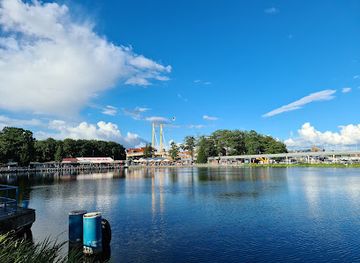
Explore the stunning Pier in Giżycko, a vibrant waterfront hub offering breathtaking views, local cuisine, and exciting water activities in the heart of Mazury.
-
Tourist attraction
Rynek w Mikołajkach
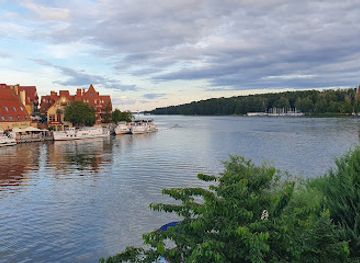
Discover the charm of Rynek w Mikołajki, a vibrant town square filled with local shops, cafes, and scenic beauty in the heart of Poland's Masurian Lake District.
-
Tourist attraction
Park wodny Tropikana
Dive into excitement at Park Wodny Tropikana, Mikołajki's premier water park featuring thrilling slides, relaxing jacuzzis, and unique thermal caves.
-
Tourist attraction
Buczyniec Slope
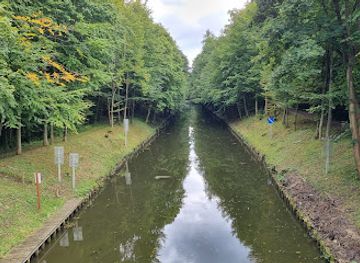
Explore the breathtaking beauty of Buczyniec Slope, Poland's natural treasure, perfect for outdoor enthusiasts and nature lovers seeking tranquility.
Best landmarks in Warmia
Olsztyn Castle is Warmia’s most prominent urban landmark, a red-brick Gothic complex once connected with the cathedral chapter and with Nicolaus Copernicus, whose astronomical work was carried out during his residence there. Frombork Cathedral Hill forms a dramatic fortified ensemble above the town and includes the cathedral, defensive walls and buildings associated with the Warmian chapter; it is inseparable from Copernicus’s memory. Lidzbark Warmiński Castle, the former residence of the bishops, is a major example of medieval brick architecture with a powerful institutional and political history. Reszel Castle and the town’s historic streets create a distinctive medieval silhouette, while the Gothic churches of Orneta, Dobre Miasto and Braniewo demonstrate the scale of religious building in the former bishopric. In Olsztyn, the old town gates and cathedral add civic and ecclesiastical landmarks, while Lake Ukiel and the wooded lake margins provide a natural counterpoint to the region’s masonry heritage. Along the north, the Vistula Lagoon is Warmia’s defining open-water landscape.
-
Historical place
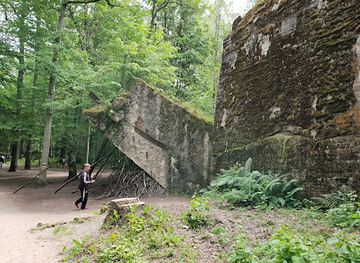
Wolf's Lair
Uncover the secrets of the Wolf's Lair, a historic WWII site in Poland, where nature and history intertwine in a captivating journey through time.
-
Fortress
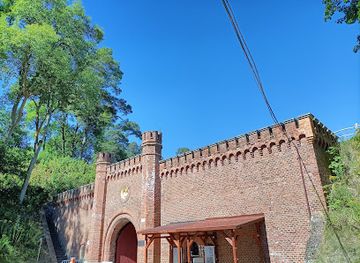
Boyen Fortress
Discover the historical charm of Boyen Fortress in Giżycko, a must-visit destination for history lovers and nature enthusiasts alike.
-
Ethnographic museum
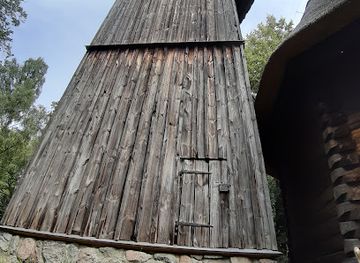
Ethnographic Park in Olsztynek
Explore the Ethnographic Park in Olsztynek, a vibrant open-air museum showcasing Poland's rich cultural heritage through immersive experiences and traditional crafts.
-
Museum
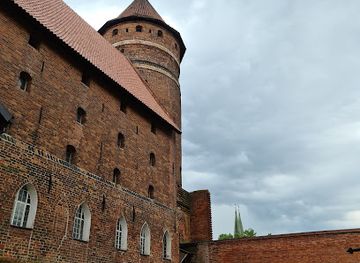
Muzeum Warmii i Mazur w Olsztynie
Explore the fascinating history and culture of Warmia and Mazury at the Museum of Warmia and Mazury, Olsztyn's iconic castle museum.
Explore Warmia on the map
Plan your trip on one map. See where the top cities, national parks and sights are, and book hotels and experiences in a few clicks.
Best hotels in Warmia
Best restaurants in Warmia
Warmian dining belongs to the wider food culture of northern Poland but has a strong local emphasis on freshwater fish, potatoes, grains, dairy, forest mushrooms, berries and preserved foods. Restaurants in Olsztyn offer the widest range, from contemporary Polish cooking to cafés and international menus, while smaller towns rely more on traditional restaurants, inns and bakeries. Fish from local lakes and the lagoon region may feature seasonally, alongside soups, potato dishes, dumplings, pickled vegetables and cakes associated with home-style cooking. Rural agrotourism farms and market stalls can provide a closer connection to regional produce, although availability varies by season. Look for locally made honey, dairy products, bread, smoked foods and fruit preserves when shopping outside the principal towns. Dining times and choice are more limited in small settlements, so visitors exploring castles and churches should plan meals rather than assume a full restaurant will be open nearby.
-
Czech
Česká Republika Olsztyn
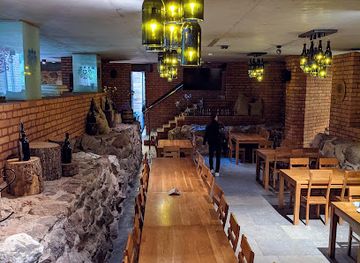
Experience authentic Czech cuisine and local brews at Česká Republika Olsztyn - a culinary treasure in Poland's vibrant city.
-
Modern European
Restauracja „Przystań”
Discover exquisite modern European cuisine at Restauracja „Przystań”, where every meal is an artful experience amidst breathtaking views.
-
Polish
Karczma Warmińska
Experience authentic Polish cuisine at Karczma Warmińska in Gietrzwałd – where tradition meets taste in a charming setting.
-
Brewpub
Browar Warmia
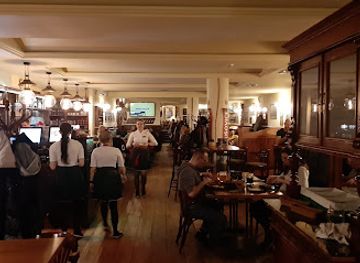
Discover Browar Warmia: A delightful brewpub in Olsztyn serving craft beers and delicious Polish cuisine in a welcoming atmosphere.
Best bars in Warmia
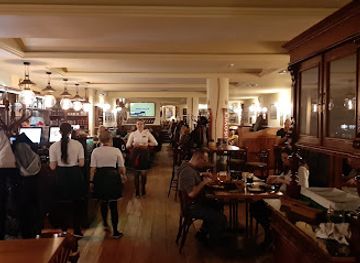
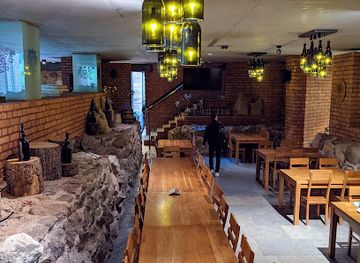
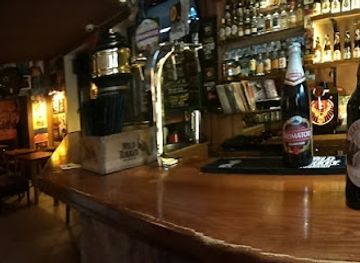
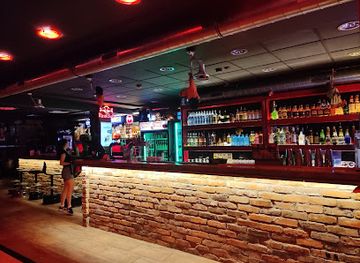
Evening life in Warmia is concentrated in Olsztyn, where the old town and central streets offer pubs, cafés, cocktail bars, restaurants and venues for live music or cultural events. The city’s student population supports a more varied night-time scene than is found elsewhere in the region, although individual venues and programmes change. In Frombork, Lidzbark Warmiński, Reszel and other smaller towns, evenings are generally centred on restaurants, hotel bars, traditional pubs and seasonal cultural events rather than large clubs. Lakeside areas may have busier summer evenings, particularly around Olsztyn, but rural Warmia becomes quiet after dark. Local breweries and regional drinks may appear on menus, yet drinking is not necessary to appreciate the area’s evening culture; concerts, theatre, illuminated historic streets and relaxed meals provide equally characteristic options.
-
Czech
Česká Republika Olsztyn
Savor authentic Czech cuisine and vibrant beer hall culture in the heart of Olsztyn, Poland.
-
Brewpub
Browar Warmia
Discover the craft beer revolution at Browar Warmia, a lively brewpub in Olsztyn, where flavor and culture meet.
-
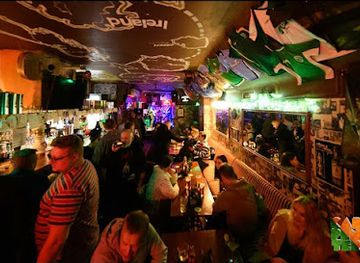
Irish pub
Irish Pub Carpenter Inn
Discover the Irish Pub Carpenter Inn in Olsztyn – where great food, live music, and a friendly atmosphere await every visitor.
-
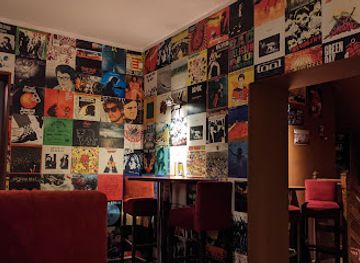
Brewpub
Vinyl Pub
Discover the vibrant atmosphere and craft brews at Vinyl Pub in Olsztyn, a perfect blend of local culture and music.

Best nightclubs in Warmia
Evening life in Warmia is concentrated in Olsztyn, where the old town and central streets offer pubs, cafés, cocktail bars, restaurants and venues for live music or cultural events. The city’s student population supports a more varied night-time scene than is found elsewhere in the region, although individual venues and programmes change. In Frombork, Lidzbark Warmiński, Reszel and other smaller towns, evenings are generally centred on restaurants, hotel bars, traditional pubs and seasonal cultural events rather than large clubs. Lakeside areas may have busier summer evenings, particularly around Olsztyn, but rural Warmia becomes quiet after dark. Local breweries and regional drinks may appear on menus, yet drinking is not necessary to appreciate the area’s evening culture; concerts, theatre, illuminated historic streets and relaxed meals provide equally characteristic options.
-
Night club
Level 27
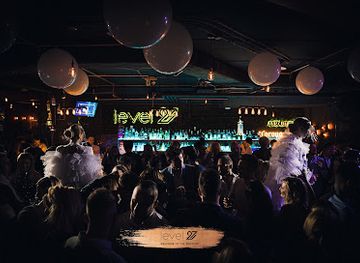
Experience the thrill of Warsaw's nightlife at Level 27, a premier nightclub offering stunning views, vibrant music, and an unforgettable atmosphere.
-
Irish pub
Irish Pub Carpenter Inn
Discover the lively charm of Olsztyn at Irish Pub Carpenter Inn, where great food, drinks, and live music create unforgettable experiences.
-
Brewpub
Vinyl Pub
Experience the vibrant craft beer culture at Vinyl Pub in Olsztyn, where local brews and a lively atmosphere await every visitor.
-
Night club
Chmielna 101 Cooltura
Discover Gdańsk's nightlife at Chmielna 101 Cooltura, where electrifying music and crafted cocktails create unforgettable memories.
Best shops in Warmia
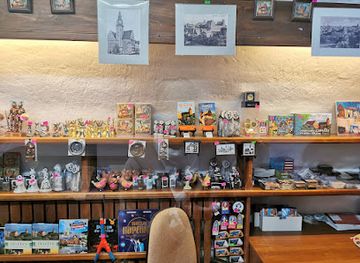
Shopping in Warmia is strongest in Olsztyn, where the old town combines independent shops, bookshops, galleries, cafés and everyday retail with larger commercial areas outside the historic centre. Smaller towns such as Lidzbark Warmiński, Frombork and Reszel are better suited to browsing local food shops, bakeries, craft outlets and occasional market stalls than to extensive retail excursions. Regional purchases may include honey, preserves, smoked products, bread, dairy, herbal goods and drinks made by local producers, although labels should be checked because not every item sold in the region is locally produced. Art galleries and craft shops in historic towns can offer ceramics, textiles, woodwork and contemporary work inspired by Warmian landscapes. Farmers’ markets and seasonal fairs vary in timing, so current local information is useful. The most distinctive souvenirs are connected with the region’s castles, cathedral heritage, Copernican history and Baltic-influenced food culture rather than mass-produced national memorabilia.
-
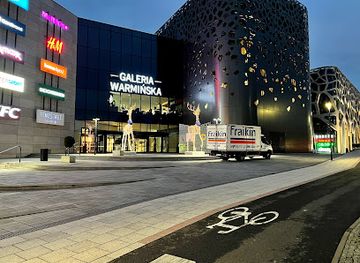
Shopping mall
Galeria Warmińska
Experience the dynamic shopping and dining scene at Galeria Warmińska, Olsztyn's top shopping destination for tourists and locals alike.
-
Shopping mall
Aura Centrum Olsztyna
Discover Aura Centrum Olsztyna - the ultimate shopping destination blending culture, cuisine, and entertainment in the heart of Olsztyn.
-
Museum
Muzeum Warmii i Mazur w Olsztynie
Discover the vibrant history and culture of Olsztyn at Muzeum Warmii i Mazur, where art and heritage come together in a stunning castle setting.
-
Shopping mall
Manhattan. trading house
Explore Manhattan trading house in Olsztyn, a vibrant shopping mall offering a diverse range of stores, delicious dining, and entertaining experiences.

Get your free copy of our complete guide to Warmia, delivered straight to you.
Everything on this page, from attractions and restaurants to essentials and local phrases, in one PDF you can read offline, print or share.
Already have an account? Sign in
Your Warmia guide is ready.
We'll send it to · Not you? Sign out

Getting your guide ready…
We are putting together a fresh copy of the Warmia guide. This can take up to a minute.
This can take a few moments. If your browser asks, choose Allow so the download can start. You'll find the guide in your Downloads folder.
Nothing happened? Download it again
Sorry, the guide is taking longer than usual. Please try again in a minute, or get it by email instead.
Warmia essentials
Currency and Payment
Safety
Emergency Situations
Do's and Don'ts
Local Tips
From Eve
Local phrases worth knowing
You don't need to get them perfect. A few words go a long way, and locals appreciate the effort.
Basics
| English | Local | Say it |
|---|---|---|
| Hello | Cześć | [cheshch] |
| Goodbye | Do widzenia | [do veedzenia] |
| Yes | Tak | [tahk] |
| No | Nie | [nyeh] |
| Please/You're welcome | Proszę | [pro-sheh] |
| Thank you | Dziękuję | [jen-koo-yeh] |
| Excuse me/Sorry | Przepraszam | [psheh-pra-sham] |
| How are you? | Jak się masz? | [yak shay mash?] |
| Fine. And you? | Dobrze. A ty? | [dob-zheh. ah ti?] |
| Do you speak English? | Czy mówisz po angielsku? | [chih moo-veesh po an-gyehl-skoo?] |
| I don't understand | Nie rozumiem | [nyeh roh-zoo-myem] |
Eating & Drinking
| English | Local | Say it |
|---|---|---|
| I'd like to see the menu, please | Chciałbym zobaczyć menu, proszę | [hchah-wib zoh-bah-chih men-oo, pro-sheh] |
| I don't eat meat | Nie jem mięsa | [nyeh yem myen-sah] |
| Cheers! | Na zdrowie! | [nah zdroh-vyeh] |
| I would like to pay, please | Chciałbym zapłacić, proszę | [hchah-wib zah-pwah-chih, pro-sheh] |
Emergencies
| English | Local | Say it |
|---|---|---|
| Help! | Pomocy! | [poh-mo-tsih] |
| Go away! | Idź sobie! | [ee-dj so-byeh] |
| Call the Police! | Zadzwoń na Policję! | [zahd-zvoh-ny nah poh-litsyeh] |
| Call a doctor! | Zadzwoń po lekarza! | [zahd-zvoh-ny poh leh-kah-zha] |
| I'm lost | Zgubiłem się | [zgoo-bee-wem shay] |
| I'm ill | Jestem chory | [yes-tem kho-ree] |
Shopping
| English | Local | Say it |
|---|---|---|
| I'd like to buy... | Chciałbym kupić... | [hchah-wib koo-pich...] |
| I'm just looking | Tylko się rozglądam | [til-koh shay roz-glah-dahm] |
| How much is it? | Ile to kosztuje? | [ee-leh toh kosh-too-yeh?] |
| That's too expensive | To jest za drogie | [to yest zah droh-geh] |
| Can you lower the price? | Czy możesz obniżyć cenę? | [chih moh-zesh ob-nee-zhich tseh-neh?] |
Time & Numbers
| English | Local | Say it |
|---|---|---|
| What time is it? | Która godzina? | [ktoora go-jee-nah?] |
| It's one o'clock | Jest pierwsza | [yest pyehr-vsha] |
| Half past (10) | Dziesięć po | [dzhye-syench po] |
| Morning | Poranek | [po-rah-nek] |
| Afternoon | Popołudnie | [po-po-wud-nyeh] |
| Evening | Wieczór | [vyeh-choor] |
| Yesterday | Wczoraj | [fcho-ry] |
| Today | Dziś | [dzhish] |
| Tomorrow | Jutro | [yooh-tro] |
| 1 | 1 | [1] |
| 2 | 2 | [2] |
| 3 | 3 | [3] |
| 4 | 4 | [4] |
| 5 | 5 | [5] |
| 6 | 6 | [6] |
| 7 | 7 | [7] |
| 8 | 8 | [8] |
| 9 | 9 | [9] |
| 10 | 10 | [10] |
Transport & Directions
| English | Local | Say it |
|---|---|---|
| Where's a/the...? | Gdzie jest...? | [g-dye yest...?] |
| What's the address? | Jakie jest adres? | [ya-kye yest ah-dres?] |
| Can you show me (on the map)? | Czy możesz mi pokazać (na mapie)? | [chih moh-zesh mee poh-kah-zaht (nah mah-pyeh)?] |
| When's the next (bus)? | Kiedy jest następny (autobus)? | [kye-dih yest nah-stemp-ny (ow-to-boos)?] |
| A ticket (to ....) | Bilet (do ...) | [bee-let (doh ...)] |
History of Warmia
Prussian and Early Medieval Settlement
Before the arrival of the Teutonic Order, the area was inhabited by Old Prussian communities whose language and religious culture differed from those of the later Polish-speaking population. Medieval colonisation, Christianisation and military conquest transformed the landscape from the thirteenth century onwards. The Old Prussian past survives most clearly through archaeological evidence and place-name history, while the region’s later towns and churches largely reflect the political and religious structures introduced during the conquest and settlement of Prussia.
The Prince-Bishopric of Warmia, 1243–1772
In 1243, Warmia became one of the dioceses established in the Prussian territories under the authority of the Roman Catholic Church. Much of the region formed the semi-autonomous Prince-Bishopric of Warmia, governed by bishops who combined spiritual authority with territorial power. They founded or developed towns including Frombork, Lidzbark Warmiński, Orneta and Reszel, built castles and churches, and encouraged settlement. This ecclesiastical state gave Warmia a political identity that distinguished it from neighbouring parts of Prussia for centuries.
Frombork and the Age of Copernicus
Nicolaus Copernicus served as a canon at Frombork Cathedral and held administrative responsibilities connected with Warmia. He also spent time at Olsztyn Castle, where he managed chapter estates and carried out astronomical work. Frombork’s cathedral complex, fortified walls and astronomical traditions remain closely associated with his life, although his achievements formed part of a broader European scientific revolution. His Warmian career also illustrates the region’s importance as an ecclesiastical and intellectual centre rather than simply a rural frontier.
Warmia in the Polish–Teutonic and Prussian Conflict
Warmia’s political allegiance shifted during the long contest between the Teutonic Order, Poland and neighbouring powers. After the Second Peace of Thorn in 1466, the Prince-Bishopric became part of Royal Prussia under the Polish Crown, while retaining substantial institutional privileges. War damaged towns and castles at different points, but the region’s links with Poland strengthened. The resulting blend of Catholic institutions, German-speaking settlement and Polish political connections became a defining feature of Warmian history.
Partitions and Prussian Rule, 1772–1918
The First Partition of Poland in 1772 brought Warmia into the Kingdom of Prussia and ended the Prince-Bishopric’s separate political existence. Administrative reforms integrated the region into the Prussian state, while German became increasingly dominant in official life and education. Roads, postal links and later railways improved connections between towns, but religious and linguistic identities remained complex. Red-brick civic buildings, railway infrastructure and nineteenth-century urban development in places such as Olsztyn reflect this period of state modernisation.
War, Border Change and Post-war Reconstruction
The First World War and the collapse of the German Empire were followed by the 1920 plebiscite in parts of East Prussia, including areas near Warmia, in which most voters favoured remaining within Germany. The Second World War then brought destruction, displacement and the redrawing of Poland’s western and northern borders. After 1945, Warmia became part of Poland and received a largely new population alongside communities that remained. Historic buildings were repaired, adapted or rebuilt, and the region’s Polish cultural identity developed within the post-war state.
Warmia in Contemporary Poland
Today Warmia forms a historically recognised part of the Warmian-Masurian Voivodeship rather than a separate administrative province. Olsztyn functions as the political, educational and cultural centre, while smaller towns draw visitors through heritage, pilgrimage, lakes and the Vistula Lagoon. Conservation of Gothic churches, castles and cathedral complexes has accompanied a broader shift from agriculture and public administration towards tourism, services, culture and outdoor recreation. The distinction between Warmia and Masuria is increasingly important in regional interpretation and destination planning.
Warmia in Photos
Browse through our photo collection highlighting the charm and character of the destination.
Neighbouring regions of Warmia
The closest regions to Warmia, if you have time for more than one.
-

-

-

-

-


Swipe for more regions
Explore more

Explore more of Poland
Discover Poland's rich history, vibrant cities, and scenic landscapes, from the medieval streets of Kraków to the serene beauty of the Tatra Mountains and Masurian Lakes.
Explore Poland