

Free Mazury Travel Guide & Mobile App
Explore Mazury with free travel guides. Discover regional history, expert tips, proposed trips, and audio guides on web or mobile app.


Explore Mazury’s interconnected lakes, pine forests, sailing towns, Teutonic heritage and quiet waterways in north-eastern Poland.
Read more about Mazury
When is the best time to visit Mazury?
Best: June–August · 22–24°C| Month | High (°C) | Rainfall (mm) |
|---|---|---|
| January | 0 | 30 |
| February | 1 | 27 |
| March | 7 | 33 |
| April | 12 | 39 |
| May | 18 | 52 |
| June (best) | 22 | 62 |
| July (best) | 24 | 76 |
| August (best) | 23 | 70 |
| September | 18 | 56 |
| October | 13 | 45 |
| November | 6 | 38 |
| December | 2 | 35 |
Getting to and around Mazury
How to get there
Transportation
Top city travel guides in Mazury
The cities of Mazury, and the easiest places to base yourself.

Swipe for more cities
Destinations in Mazury
Resorts, valleys and scenic spots worth a trip of their own.

Swipe for more destinations
Best attractions in Mazury
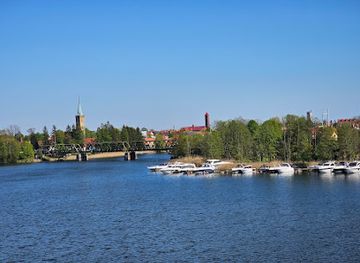
Mazury’s attractions are organised less around a single city than around the relationship between water, woodland and history. The Great Masurian Lakes provide the region’s central experience, with sailing, cruising, swimming, paddleboarding and kayaking on routes linking lakes around Giżycko, Mikołajki and Węgorzewo. The Krutynia river, in the southern lake district, is particularly associated with gentle canoeing through forests, meadows and reed-fringed channels. The Masurian Landscape Park and the Łuknajno reserve add opportunities for birdwatching, walking and observing wetland habitats. Historic attractions include Giżycko’s Boyen Fortress, Ryn Castle and the religious complex at Święta Lipka, while the Wolf’s Lair near Gierłoż presents the remains of a major Second World War headquarters. Ełk and the eastern lake country offer railway, waterfront and town-based excursions, while smaller villages provide access to rural landscapes and forest roads. The best itineraries combine active days on the water with visits to military, religious and architectural sites rather than treating Mazury solely as a summer beach destination.
-
Tourist attraction
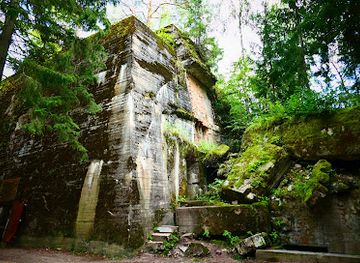
Wolf's Lair
Uncover the secrets of World War II at Wolf's Lair, a historic site where history and nature intertwine in beautiful Poland.
-
Tourist attraction
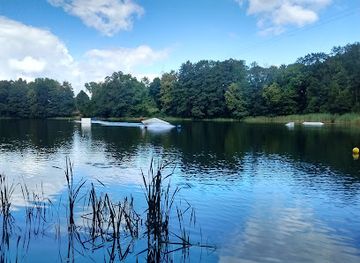
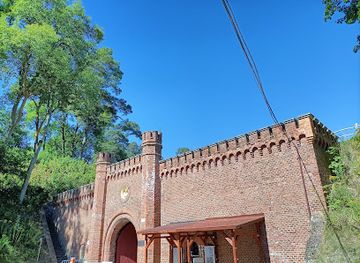
Boyen Fortress
Explore the enchanting Boyen Fortress in Giżycko, a historical gem showcasing Poland's military heritage amidst stunning natural landscapes.
-
Tourist attraction
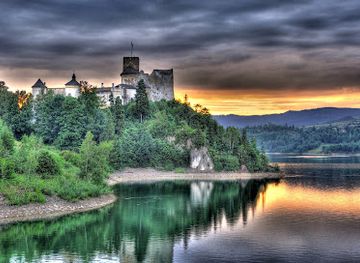
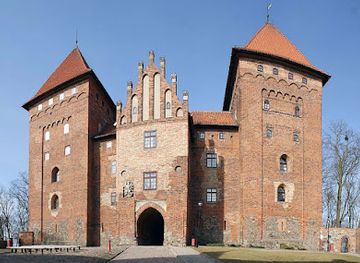
Teutonic castle in Nidzica (Warmian-Masurian Voivodeship)
Explore the historic Teutonic Castle in Nidzica, a stunning medieval fortress rich in local history and breathtaking architecture.
-
Tourist attraction
Reszel Castle
Explore Reszel Castle, a historical gem in Poland, where medieval architecture meets art and culinary delights in a stunning setting.

Best landmarks in Mazury
The Boyen Fortress in Giżycko is one of Mazury’s defining built landmarks: a nineteenth-century star-shaped defensive complex positioned between lakes to control an important passage through the water district. Near Ryn, the red-brick castle reflects the Teutonic Order’s medieval presence and later transformations into a residence and hotel. Święta Lipka, west of the main lake corridor, is recognised for its richly decorated Baroque church and cloistered complex, an important Catholic pilgrimage site surrounded by the historical landscape of former East Prussia. The Wolf’s Lair near Gierłoż is less architectural than monumental in its impact; its massive concrete ruins mark the place where the 1944 attempt to kill Hitler was planned and carried out. Lake Śniardwy is Mazury’s most imposing natural landmark, its open expanse revealing the scale and glacial origins of the lake country. In the east, Ełk’s waterfront and railway heritage provide a more urban expression of the region, contrasting with the defensive, religious and natural landmarks elsewhere.
-
Historical place
Wolf's Lair
Explore Wolf's Lair: A Historic Military Headquarters Set Amidst the Enchanting Masurian Forests - A Must-Visit for History Buffs.
-
Fortress
Boyen Fortress
Discover the historical wonders and scenic beauty of Boyen Fortress, a key landmark in Giżycko, Poland, perfect for history buffs and nature lovers.
-
Water park
Park wodny Tropikana
Discover endless aquatic fun at Park Wodny Tropikana in Mikołajki – a water park paradise for families and thrill-seekers.
-
Castle
Teutonic castle in Nidzica (Warmian-Masurian Voivodeship)
Explore the enchanting Teutonic Castle in Nidzica, a historical gem that showcases Poland's rich medieval heritage and stunning architecture.
Explore Mazury on the map
Plan your trip on one map. See where the top cities, national parks and sights are, and book hotels and experiences in a few clicks.
Best hotels in Mazury
Best restaurants in Mazury
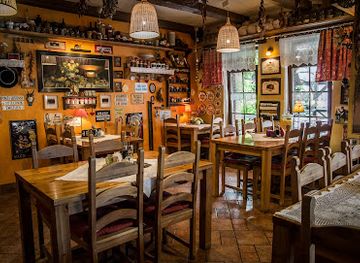
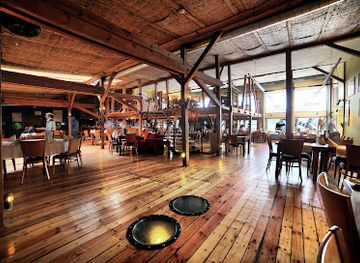
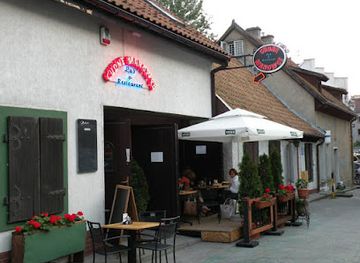
Mazurian dining reflects Poland’s broader culinary traditions while drawing strongly on the region’s lakes, forests and farming landscape. Freshwater fish such as pike-perch, pike and perch appear in restaurants and seasonal fish establishments, although quality and provenance vary, so menus should be read carefully. Regional cooking also makes use of rye bread, potatoes, pickled vegetables, sour soups, mushrooms and forest berries, with Polish dumplings, soups and substantial meat dishes widely available. Lakeside towns such as Giżycko and Mikołajki have the broadest choice of cafés, casual restaurants and summer terraces, while rural inns often offer more traditional menus. Farm shops and local markets can be useful for honey, preserves, smoked products and baked goods. Dining outside the main resorts may involve shorter opening periods and fewer late options, particularly beyond the summer season, so a little planning is sensible when travelling between lakes.
-
Polish
Spiżarnia Restaurant
Experience authentic Polish cuisine at Spiżarnia Restaurant in Mikołajki – where every dish tells a story.
-
Modern European
Restauracja „Przystań”
Experience modern European cuisine at Restauracja „Przystań”, Olsztyn's top destination for exquisite dining with stunning waterfront views.
-
Polish
Karczma Warmińska
Discover the heart of Polish culinary tradition at Karczma Warmińska in Gietrzwałd – a must-visit destination for food lovers.
-
Family-friendly
Cudne Manowce
Discover Cudne Manowce: A family-friendly restaurant in Olsztyn offering delicious Polish cuisine in a warm atmosphere.

Best bars in Mazury
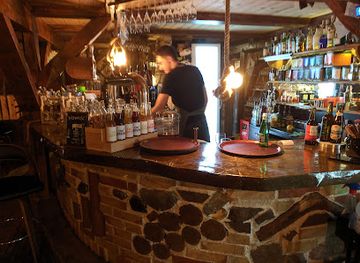
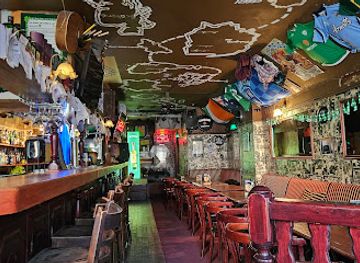
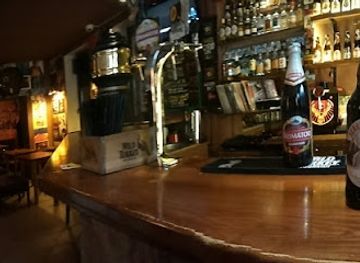
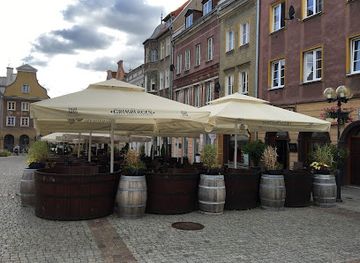
Evening life in Mazury is closely tied to the lake season and is generally more relaxed than club-centred. Giżycko and Mikołajki have the largest concentration of waterfront bars, cafés, restaurants and seasonal entertainment, with activity increasing markedly during July and August. Pubs and hotel bars are common in the smaller towns, while marinas provide places to meet after sailing without turning the whole region into a nightlife destination. Some venues offer live music or occasional events, but schedules and opening arrangements change from year to year. Ruciane-Nida and other southern lake settlements tend to favour quiet dinners, traditional inns and evenings by the water, while Ełk has a broader town-based selection of restaurants and bars. Local breweries and Polish spirits may appear on menus, but exploring Mazury does not require drinking; sunset walks, boat trips and informal lakeside dining are equally characteristic ways to spend the evening.
-
Restaurant
We Młynie
Experience a culinary journey at We Młynie, where Polish and Italian flavors blend beautifully in a picturesque setting.
-
Irish pub
Irish Pub Carpenter Inn
Discover the lively atmosphere of Irish Pub Carpenter Inn, where delicious food, live music, and friendly vibes await you in the heart of Olsztyn.
-
Brewpub
Vinyl Pub
Experience the vibrant atmosphere of Vinyl Pub in Olsztyn, where craft beer meets music and community in a unique brewpub setting.
-
Pub
Highlander Whiskey Bar
Experience Olsztyn's vibrant pub scene at the Highlander Whiskey Bar, where fine spirits meet delicious cuisine in a welcoming atmosphere.
Best nightclubs in Mazury
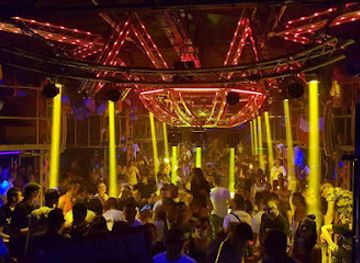
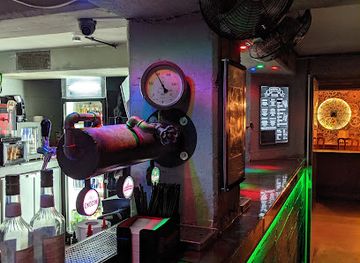
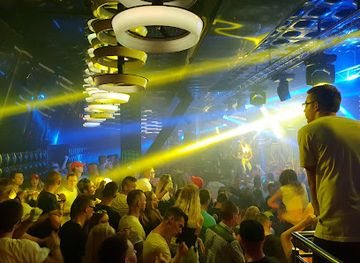
Evening life in Mazury is closely tied to the lake season and is generally more relaxed than club-centred. Giżycko and Mikołajki have the largest concentration of waterfront bars, cafés, restaurants and seasonal entertainment, with activity increasing markedly during July and August. Pubs and hotel bars are common in the smaller towns, while marinas provide places to meet after sailing without turning the whole region into a nightlife destination. Some venues offer live music or occasional events, but schedules and opening arrangements change from year to year. Ruciane-Nida and other southern lake settlements tend to favour quiet dinners, traditional inns and evenings by the water, while Ełk has a broader town-based selection of restaurants and bars. Local breweries and Polish spirits may appear on menus, but exploring Mazury does not require drinking; sunset walks, boat trips and informal lakeside dining are equally characteristic ways to spend the evening.
-
Night club
Level 27
Experience the vibrant nightlife of Warsaw at Level 27, a premier nightclub offering cocktails, live music, and an electric atmosphere.
-
Disco club
Dyskoteka Omen Club Płośnica
Discover the electrifying nightlife at Dyskoteka Omen Club Płośnica, where music, dancing, and friendly faces await you.
-
Night club
Bunkier Music Club
Discover the lively Bunkier Music Club in Gdańsk, where live music, craft brews, and unforgettable nightlife experiences await you.
-
Night club
Ibiza Klub Gwiździny
Experience the vibrant nightlife at Ibiza Klub Gwiździny, where music, dancing, and an electric atmosphere unite for an unforgettable night out.

Best shops in Mazury
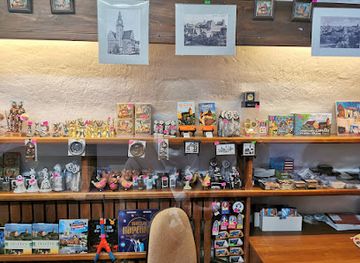
Shopping in Mazury is concentrated in the high streets, waterfronts and market areas of towns such as Giżycko, Mikołajki, Ełk, Ryn and Węgorzewo rather than in large metropolitan centres. Summer markets and small independent shops sell practical sailing goods, clothing, postcards and souvenirs, alongside regional food products such as honey, preserves, smoked foods, breads and confectionery. Craft shops and galleries may offer amber jewellery, woodwork, pottery, textiles and lake-themed artwork, although quality and provenance differ between sellers. Ełk provides the broadest everyday retail choice in the eastern part of the region, while the resort towns focus more on seasonal visitors and outdoor equipment. Supermarkets are useful for provisions before a boating or camping trip, particularly in areas where villages have limited services. For a more meaningful souvenir, look for locally made food, traditional craftwork or a book about Masurian history rather than generic merchandise found along busy waterfronts.
-
Shopping mall
Galeria Warmińska
Discover the ultimate shopping experience at Galeria Warmińska in Olsztyn, where fashion, dining, and entertainment come together.
-
Museum
Muzeum Warmii i Mazur w Olsztynie
Explore the rich history and culture of the Warmia and Masuria regions at Muzeum Warmii i Mazur, a captivating museum and castle in Olsztyn.
-
Fish store
Gospodarstwo Rybackie Szwaderki
Discover the freshest fish and chips at Gospodarstwo Rybackie Szwaderki, where local fishing traditions meet delightful culinary experiences.
-
Tourist attraction
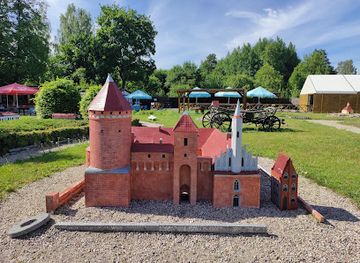
Mazurolandia and Miniature Park Warmia i Mazur
Experience the magic of Mazurolandia and Miniature Park in Warmia and Mazur, where fun meets Polish history in a breathtaking setting.


Get your free copy of our complete guide to Mazury, delivered straight to you.
Everything on this page, from attractions and restaurants to essentials and local phrases, in one PDF you can read offline, print or share.
Already have an account? Sign in
Your Mazury guide is ready.
We'll send it to · Not you? Sign out

Getting your guide ready…
We are putting together a fresh copy of the Mazury guide. This can take up to a minute.
This can take a few moments. If your browser asks, choose Allow so the download can start. You'll find the guide in your Downloads folder.
Nothing happened? Download it again
Sorry, the guide is taking longer than usual. Please try again in a minute, or get it by email instead.
Mazury essentials
Currency and Payment
Safety
Emergency Situations
Do's and Don'ts
Local Tips
From Eve
Local phrases worth knowing
You don't need to get them perfect. A few words go a long way, and locals appreciate the effort.
Basics
| English | Local | Say it |
|---|---|---|
| Hello | Cześć | [cheh-shch] |
| Goodbye | Do widzenia | [doh veed-zen-yah] |
| Yes | Tak | [tahk] |
| No | Nie | [nyeh] |
| Please/You're welcome | Proszę | [proh-sheh] |
| Thank you | Dziękuję | [jen-koo-yeh] |
| Excuse me/Sorry | Przepraszam | [psheh-prah-shahm] |
| How are you? | Jak się masz? | [yahk shay mahsh] |
| Fine. And you? | Dobrze. A ty? | [doh-bzheh. ah tih] |
| Do you speak English? | Czy mówisz po angielsku? | [chih moo-veesh poh ahn-gyehl-skoo] |
| I don't understand | Nie rozumiem | [nyeh roh-zoo-myem] |
Eating & Drinking
| English | Local | Say it |
|---|---|---|
| I'd like to see the menu, please | Chciałbym zobaczyć menu, proszę | [hch-yaw-bihm zo-bah-chihch meh-noo, proh-sheh] |
| I don't eat meat | Nie jem mięsa | [nyeh yem myen-sah] |
| Cheers! | Na zdrowie! | [nah zdroh-vyeh] |
| I would like to pay, please | Chciałbym zapłacić, proszę | [hch-yaw-bihm za-pwah-chihch, proh-sheh] |
Emergencies
| English | Local | Say it |
|---|---|---|
| Help! | Pomocy! | [poh-moh-tsih] |
| Go away! | Idź sobie! | [eedj so-byeh] |
| Call the Police! | Zadzwoń po policję! | [zahdz-von poh poh-leet-see-eh] |
| Call a doctor! | Zadzwoń po lekarza! | [zahdz-von poh leh-kah-rzah] |
| I'm lost | Zgubiłem się | [zgoo-bee-wem shay] |
| I'm ill | Jestem chory | [yeh-stem khorih] |
Shopping
| English | Local | Say it |
|---|---|---|
| I'd like to buy... | Chciałbym kupić... | [hch-yaw-bihm koo-peech] |
| I'm just looking | Tylko się rozglądam | [til-koh shay roh-zglah-dahm] |
| How much is it? | Ile to kosztuje? | [ee-leh toh kosh-too-yeh] |
| That's too expensive | To za drogie | [toh zah droh-gyeh] |
| Can you lower the price? | Czy możesz obniżyć cenę? | [chih moh-zhehsh ob-nee-zhych tseh-neh] |
Time & Numbers
| English | Local | Say it |
|---|---|---|
| What time is it? | Która godzina? | [ktoo-rah goh-dzee-nah] |
| It's one o'clock | Jest pierwsza | [yeh-st pyer-shah] |
| Half past (10) | Wpół do (11) | [fpoo-doh (yeh-dnaście)] |
| Morning | Rano | [rah-noh] |
| Afternoon | Popołudnie | [poh-poh-ood-nyeh] |
| Evening | Wieczór | [vyet-choor] |
| Yesterday | Wczoraj | [fcho-rah-e] |
| Today | Dziś | [dzhish] |
| Tomorrow | Jutro | [yoo-troh] |
| 1 | 1 | [1] |
| 2 | 2 | [2] |
| 3 | 3 | [3] |
| 4 | 4 | [4] |
| 5 | 5 | [5] |
| 6 | 6 | [6] |
| 7 | 7 | [7] |
| 8 | 8 | [8] |
| 9 | 9 | [9] |
| 10 | 10 | [10] |
Transport & Directions
| English | Local | Say it |
|---|---|---|
| Where's a/the...? | Gdzie jest...? | [g-dzyeh yest] |
| What's the address? | Jaki jest adres? | [yah-kee yest ah-dres] |
| Can you show me (on the map)? | Czy możesz mi pokazać (na mapie)? | [chih moh-zhehsh mee poh-kah-zahch (nah mah-pyeh)] |
| When's the next (bus)? | Kiedy następny (autobus)? | [kyed-y nah-stemp-nee (ow-toh-boos)] |
| A ticket (to ....) | Bilet (do ....) | [bee-let (doh ....)] |
History of Mazury
Glacial lakes and early settlement
Mazury’s landscape was formed by the last Ice Age, whose retreat left the region’s chains of lakes, moraines and wetlands. Human settlement followed these favourable waterways and forest clearings long before written records. The area was inhabited by Baltic peoples, including the Old Prussians, whose language and culture differed from those of the later Polish and German-speaking populations. Archaeological evidence from the wider lake district includes hillforts, burial sites and traces of long-distance exchange, showing that the region was not an isolated wilderness but part of the changing cultural world of the southern Baltic.
The Teutonic Order and medieval fortifications
From the thirteenth century, the Teutonic Order conquered and Christianised much of the territory then known as Prussia. Castles, churches and planned settlements followed, and the order’s political and military system reshaped the region. Ryn Castle and the castle complex at Kętrzyn preserve elements of this medieval legacy, while many later towns grew from foundations established during or after the order’s rule. The period connected Mazury to the broader history of the Baltic crusades, trade routes and the formation of Prussia.
Ducal Prussia and the growth of Masuria
After the secularisation of the Teutonic state in 1525, the territory became Ducal Prussia, a Lutheran duchy under Polish overlordship. German-speaking administrators and settlers lived alongside Masurian communities whose East Slavic-influenced Polish dialects and local customs developed over centuries. Protestant churches became a defining feature of many settlements, although Catholic institutions remained especially important in neighbouring Warmia and at sites such as Święta Lipka. The region’s cultural mixture was therefore shaped by religion, language, political borders and movement between villages and market towns.
Prussian rule and nineteenth-century modernisation
The partitions of Poland and the expansion of the Prussian state brought Mazury firmly into the Kingdom of Prussia and, after 1871, the German Empire. Roads, railways, canals and administrative reforms connected the lake district more closely with regional and national markets. Agriculture, forestry, timber floating and small-scale manufacturing remained important, while tourism began to develop around the lakes and forests. The construction and later use of strategic facilities such as the Boyen Fortress at Giżycko reflected the military value of the waterways, which could impede movement through the eastern frontier zone.
The First World War and the plebiscite of 1920
Mazury became a major theatre of fighting on the Eastern Front during the First World War. Battles around the Masurian Lakes formed part of the German-Russian conflict, and towns and villages suffered disruption, damage and displacement. After the war, a plebiscite was held in 1920 to determine whether parts of the region would join Poland or remain in East Prussia. The result favoured Germany, although the vote took place amid difficult political and social conditions. Its outcome left the frontier and the region’s national identity contested during the interwar period.
The Second World War and the Wolf’s Lair
During the Second World War, East Prussia was incorporated into Nazi Germany, and the forests around Gierłoż near Kętrzyn hosted the Wolf’s Lair, Adolf Hitler’s heavily guarded military headquarters. The complex was where the failed 20 July 1944 assassination attempt took place, when Colonel Claus von Stauffenberg detonated a bomb during a military briefing. The retreating German forces destroyed much of the site in 1945, but its concrete ruins remain a stark historical memorial. The region also experienced occupation, forced labour, military mobilisation and severe civilian upheaval.
Post-war population change and modern tourism
In 1945, Mazury became part of Poland and its pre-war German-speaking population was largely displaced, while settlers arrived from central Poland and territories transferred from pre-war Poland to the Soviet Union. This transformed the region’s language, religious life and social structure. Former German buildings and churches acquired new uses within a Polish landscape, while memories of earlier communities became an increasingly important subject of regional history. From the later twentieth century, sailing, kayaking, holiday homes and nature tourism expanded, making the lakes a major domestic and international leisure destination.
Mazury in Photos
Browse through our photo collection highlighting the charm and character of the destination.
Neighbouring regions of Mazury
The closest regions to Mazury, if you have time for more than one.
-

-

-

-

-


Swipe for more regions
Explore more

Explore more of Poland
Discover Poland's rich history, vibrant cities, and scenic landscapes, from the medieval streets of Kraków to the serene beauty of the Tatra Mountains and Masurian Lakes.
Explore Poland