

Free Sudetes Travel Guide & Mobile App
Explore Sudetes with free travel guides. Discover regional history, expert tips, proposed trips, and audio guides on web or mobile app.


Explore Poland’s Sudetes for alpine Karkonosze trails, sandstone rock formations, spa towns, castles and layered Lower Silesian heritage.
Read more about Sudetes
When is the best time to visit Sudetes?
Best: June–August · 21°C| Month | High (°C) | Rainfall (mm) |
|---|---|---|
| January | 2 | 30 |
| February | 3 | 30 |
| March | 7 | 40 |
| April | 13 | 50 |
| May | 18 | 60 |
| June (best) | 21 | 70 |
| July (best) | 21 | 80 |
| August (best) | 21 | 70 |
| September | 17 | 60 |
| October | 12 | 50 |
| November | 6 | 40 |
| December | 3 | 30 |
Getting to and around Sudetes
How to get there
Transportation
Top city travel guides in Sudetes
The cities of Sudetes, and the easiest places to base yourself.
-

-


Swipe for more cities
Destinations in Sudetes
Resorts, valleys and scenic spots worth a trip of their own.
-

-


Swipe for more destinations
Best attractions in Sudetes
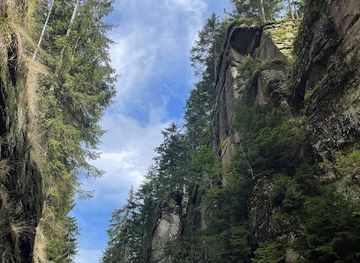
The Sudetes offer a broad mixture of mountain landscapes, protected nature and cultural sites. Karkonosze National Park is the region’s principal high-mountain attraction, with routes towards Śnieżka, Szrenica, glacial valleys and waterfalls near Karpacz and Szklarska Poręba. The Góry Stołowe provide a very different experience: narrow sandstone passages and elevated viewpoints at Szczeliniec Wielki and Błędne Skały create a natural maze unlike the granite scenery of the Karkonosze. Forested ranges such as the Góry Sowie and Góry Bystrzyckie suit longer walks and cycling, while the Kłodzko Valley combines countryside with spa towns, museums and historic churches. Castles and fortifications add a strong human dimension, notably Książ near Wałbrzych and the monumental Srebrna Góra fortress. Winter sports are concentrated around established resorts including Karpacz, Szklarska Poręba and Zieleniec, while warmer months favour hiking, cycling, climbing and scenic drives. Former mines, glassmaking traditions and industrial sites broaden the region’s attractions beyond scenery, showing how geology and natural resources shaped local communities.
-
Tourist attraction
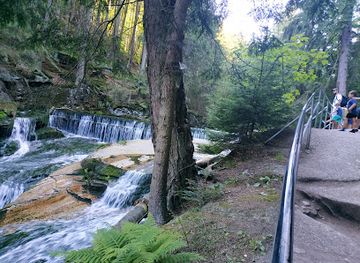
Kamieńczyk Waterfall
Discover the breathtaking Kamieńczyk Waterfall in Szklarska Poręba, a natural wonder ideal for hiking and capturing stunning photographs.
-
Castle
Moszna Zamek
Discover the enchanting Moszna Castle, a fairytale gem in Poland, where history, nature, and culinary delights converge for an unforgettable experience.
-
National park
Karkonosze National Park
Explore Karkonosze National Park, a stunning natural wonder in Poland, perfect for hiking, wildlife spotting, and immersing in breathtaking landscapes.
-
Tourist attraction
Szklarki Waterfall
Explore the stunning Szklarki Waterfall in the Karkonosze Mountains, a breathtaking natural attraction perfect for hikers and nature lovers.

Best landmarks in Sudetes
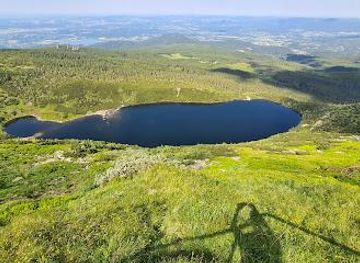
Śnieżka is the defining natural landmark of the Polish Sudetes, rising above the Karkonosze and visible from many surrounding valleys. Its exposed summit, distinctive weather and historic mountain buildings give it a strong symbolic presence, although ascent conditions can be demanding. The granite formations and waterfalls of the Karkonosze provide a contrasting group of landscape landmarks, including Szrenica and the Kamieńczyk waterfall near Szklarska Poręba. In the Góry Stołowe, the flat-topped Szczeliniec Wielki and the narrow rock corridors of Błędne Skały are among Poland’s most recognisable sandstone landscapes. Książ Castle, set above wooded ravines near Wałbrzych, is one of the region’s major architectural symbols, while the Srebrna Góra fortress represents its strategic military history. The Kłodzko fortress, rising above the town of Kłodzko, adds another powerful defensive landmark. Historic spa promenades and villas in Polanica-Zdrój, Duszniki-Zdrój and Kudowa-Zdrój complete the picture, showing how the Sudetes’ identity extends from summits and rock formations to designed urban landscapes.
-
 Castle
Książ Castle
Explore the enchanting Książ Castle in Wałbrzych, a historical gem blending stunning architecture and rich heritage amidst beautiful landscapes.
-
National park
Karkonosze National Park
Explore Karkonosze National Park: A breathtaking blend of nature, adventure, and rich cultural heritage in Poland's stunning mountain landscape.
-
Tourist attraction
Szklarki Waterfall
Experience the breathtaking beauty of Szklarki Waterfall, a stunning natural attraction perfect for hiking and photography enthusiasts in Poland's Karkonosze region.
-
Tourist attraction
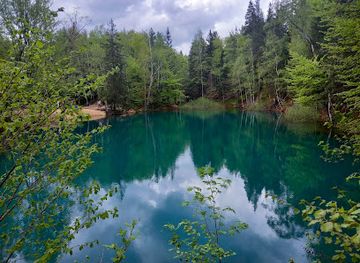
Kolorowe Jeziorka
Explore the enchanting Kolorowe Jeziorka, Poland's vibrant ecological park with stunning colored lakes, scenic trails, and delightful local cuisine.

Explore Sudetes on the map
Plan your trip on one map. See where the top cities, national parks and sights are, and book hotels and experiences in a few clicks.
Best hotels in Sudetes
Best restaurants in Sudetes
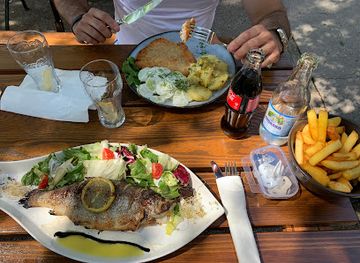
Dining in the Sudetes reflects Lower Silesian, Polish and mountain influences rather than a single narrowly defined regional cuisine. Resort towns and spa centres offer restaurants ranging from contemporary kitchens to traditional inns serving soups, dumplings, potato dishes, pork, trout and seasonal mushrooms. Hearty meals are well suited to walking weather, while cafés in Karpacz, Szklarska Poręba and the Kłodzko Valley cater to hikers with cakes, hot drinks and simple lunches. Spa towns such as Polanica-Zdrój, Duszniki-Zdrój and Kudowa-Zdrój combine elegant cafés with dining rooms serving mineral-water visitors and holidaymakers. Local markets and farm shops are useful for breads, cheeses, smoked goods, preserves and honey, though availability varies by town and season. In mountain areas, refuges and rustic restaurants provide practical food rather than elaborate menus. Polish staples such as pierogi and żurek are common, but the region’s culinary interest lies particularly in its mixture of rural produce, inherited Lower Silesian traditions and modern interpretations found in larger resorts.
-
Polish
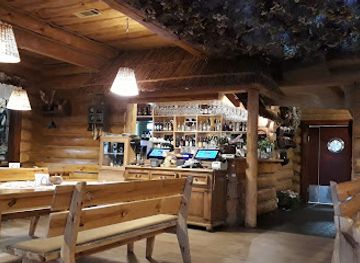
Mazurkowa Chata
Experience authentic Polish cuisine at Mazurkowa Chata in Jelenia Góra – where tradition meets family-friendly dining.
-
Travel agency
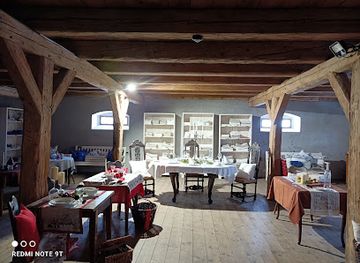
Hotel Restauracja - Pałac Łomnica
Experience luxury and history at Hotel Restauracja - Pałac Łomnica, your ideal retreat in picturesque Łomnica.
-
Restaurant
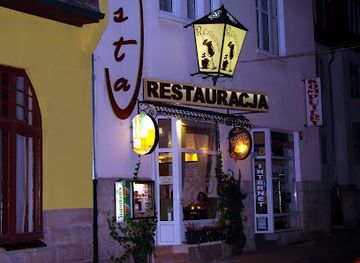
Restauracja Sjesta • Kudowa-Zdrój
Discover the unique blend of Polish and Italian flavors at Restauracja Sjesta in Kudowa-Zdrój, where culinary tradition meets modern dining.
-
Restaurant
Made in Sudety restauracja
Experience authentic Polish cuisine at Made in Sudety – where tradition meets taste in the heart of Karłów.
Best bars in Sudetes
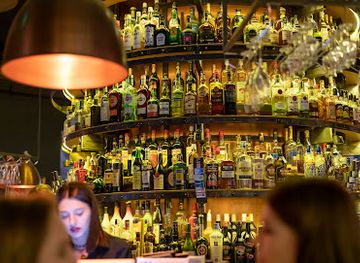
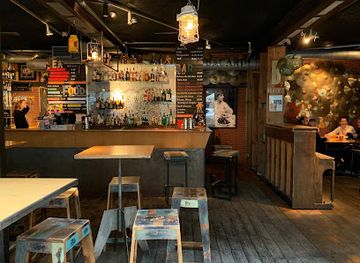
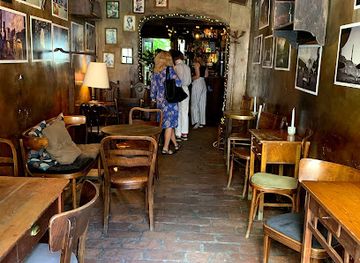
Evenings in the Sudetes are generally centred on pubs, hotel bars, cafés and restaurants rather than a large club scene. Karpacz and Szklarska Poręba have the broadest resort-oriented choice, including casual bars and places that stay open later during busy holiday periods. Wałbrzych and Jelenia Góra offer a more urban selection of pubs, cultural venues and live music, while the spa towns favour polished cafés, hotel lounges and quiet evening promenades. In smaller mountain settlements, traditional inns and accommodation bars are more common than dedicated nightlife venues. Regional breweries and Polish craft-beer selections may appear alongside established lagers, while seasonal events can bring outdoor music to resorts and town centres. Opening arrangements vary significantly outside the main season, so visitors should check locally rather than assume that a venue operates late every night.
-
Cocktail bar
Coctail Bar Max & Dom Whisky
Experience Warsaw's vibrant nightlife at Cocktail Bar Max & Dom Whisky, where expertly crafted cocktails and a vast whisky selection await.
-
Bar
Kraken Rum Bar
Discover the vibrant Kraken Rum Bar in Warsaw, where delicious tapas and an extensive rum selection await in a lively maritime-themed setting.
-
Bar
Eszeweria
Experience the unique charm of Eszeweria, a cozy bar in Kraków, blending vintage decor with a lively atmosphere and an extensive drink menu.
-
Cocktail bar
Flisak '76
Discover Flisak '76, Gdańsk's premier cocktail bar offering an unforgettable mix of innovative drinks and a lively atmosphere.
Best nightclubs in Sudetes
Evenings in the Sudetes are generally centred on pubs, hotel bars, cafés and restaurants rather than a large club scene. Karpacz and Szklarska Poręba have the broadest resort-oriented choice, including casual bars and places that stay open later during busy holiday periods. Wałbrzych and Jelenia Góra offer a more urban selection of pubs, cultural venues and live music, while the spa towns favour polished cafés, hotel lounges and quiet evening promenades. In smaller mountain settlements, traditional inns and accommodation bars are more common than dedicated nightlife venues. Regional breweries and Polish craft-beer selections may appear alongside established lagers, while seasonal events can bring outdoor music to resorts and town centres. Opening arrangements vary significantly outside the main season, so visitors should check locally rather than assume that a venue operates late every night.
-
Night club
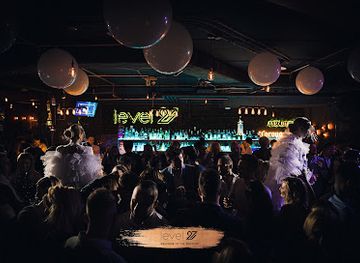
Level 27
Immerse yourself in Warsaw's nightlife at Level 27, a multi-faceted entertainment venue with breathtaking views and electrifying events.
-
Night club
ENKLAWA Art & Music Club
Experience the vibrant nightlife of Warsaw at ENKLAWA Art & Music Club, where music, art, and unforgettable memories come together.
-
Night club
Luzztro
Experience Warsaw's vibrant nightlife at Luzztro, a nightclub where music, dance, and culture converge for an unforgettable evening.
-
Night club
Capitol Warsaw Club
Capitol Warsaw Club: Dive into the dynamic nightlife of Warsaw with electrifying music, stylish ambiance, and an unforgettable party atmosphere.

Best shops in Sudetes
Shopping in the Sudetes is strongest in market towns and mountain resorts rather than in large-scale retail districts. Karpacz and Szklarska Poręba have shops aimed at walkers and winter-sports visitors, alongside outlets selling woollens, wooden goods, local food and mountain-themed souvenirs. Spa towns such as Polanica-Zdrój, Duszniki-Zdrój and Kudowa-Zdrój combine small retail streets with galleries, confectioners and shops offering mineral-water products and regional specialities. Wałbrzych and Jelenia Góra provide broader everyday shopping and independent businesses, while historic centres in the Kłodzko Valley are suitable for browsing smaller craft, book and antique shops. Look for honey, preserves, smoked foods, ceramics, glassware and handmade textiles, checking provenance where a product is marketed as regional. Seasonal markets and town festivals can be useful places to meet local producers, but their dates vary. Visitors seeking significant designer or luxury shopping will find more choice in Wrocław, outside the Sudetes, than in the mountain towns themselves.
-
Shopping mall
Złote Tarasy
Explore Złote Tarasy, Warsaw's premier shopping mall featuring over 200 stores, diverse dining options, and a unique architectural design.
-
Shopping mall
Westfield Arkadia
Experience the best of shopping and dining at Westfield Arkadia, Warsaw's largest and most vibrant shopping mall with over 200 stores.
-
Shopping mall
Ptak Outlet
Experience unbeatable shopping at Ptak Outlet in Rzgów, Poland, where fashion meets affordability in a vibrant atmosphere.
-
Outlet mall
Designer Outlet Warszawa
Explore Designer Outlet Warszawa for unbeatable fashion deals and a delightful shopping experience just outside of Warsaw.

Get your free copy of our complete guide to Sudetes, delivered straight to you.
Everything on this page, from attractions and restaurants to essentials and local phrases, in one PDF you can read offline, print or share.
Already have an account? Sign in
Your Sudetes guide is ready.
We'll send it to · Not you? Sign out

Getting your guide ready…
We are putting together a fresh copy of the Sudetes guide. This can take up to a minute.
This can take a few moments. If your browser asks, choose Allow so the download can start. You'll find the guide in your Downloads folder.
Nothing happened? Download it again
Sorry, the guide is taking longer than usual. Please try again in a minute, or get it by email instead.
Sudetes essentials
Currency and Payment
Safety
Emergency Situations
Do's and Don'ts
Local Tips
From Eve
Local phrases worth knowing
You don't need to get them perfect. A few words go a long way, and locals appreciate the effort.
Basics
| English | Local | Say it |
|---|---|---|
| Hello | Cześć | [cheh-shch] |
| Goodbye | Do widzenia | [doh vee-dzen-yah] |
| Yes | Tak | [tahk] |
| No | Nie | [nyeh] |
| Please/You're welcome | Proszę | [proh-sheh] |
| Thank you | Dziękuję | [jen-koo-yeh] |
| Excuse me/Sorry | Przepraszam | [psheh-prah-sham] |
| How are you? | Jak się masz? | [yahk shay mahsh] |
| Fine. And you? | Dobrze. A ty? | [doh-bzheh. ah ti?] |
| Do you speak English? | Czy mówisz po angielsku? | [chih moo-veesh poh ahn-gyehl-skoo] |
| I don't understand | Nie rozumiem | [nyeh roh-zoo-myem] |
Eating & Drinking
| English | Local | Say it |
|---|---|---|
| I'd like to see the menu, please | Chciałbym zobaczyć menu, proszę | [kh-chah-wihm zoh-bah-chihch meh-noo, proh-sheh] |
| I don't eat meat | Nie jem mięsa | [nyeh yem myen-sah] |
| Cheers! | Na zdrowie! | [nah zdroh-vyeh] |
| I would like to pay, please | Chciałbym zapłacić, proszę | [kh-chah-wihm zah-plah-chihch, proh-sheh] |
Emergencies
| English | Local | Say it |
|---|---|---|
| Help! | Pomocy! | [poh-moh-tsih] |
| Go away! | Idź sobie! | [eedj soh-byeh] |
| Call the Police! | Zadzwoń po policję! | [zahdz-von poh poh-leet-syeh] |
| Call a doctor! | Zadzwoń po lekarza! | [zahdz-von poh leh-kah-zhah] |
| I'm lost | Zgubiłem się | [zgoo-bee-wem shay] |
| I'm ill | Jestem chory | [yeh-stehm khoh-rih] |
Shopping
| English | Local | Say it |
|---|---|---|
| I'd like to buy... | Chciałbym kupić... | [kh-chah-wihm koo-peach] |
| I'm just looking | Tylko się rozglądam | [til-koh shay roh-zglah-dahm] |
| How much is it? | Ile to kosztuje? | [ee-leh toh kosh-too-yeh] |
| That's too expensive | To za drogie | [toh zah droh-gyeh] |
| Can you lower the price? | Czy możesz obniżyć cenę? | [chih moh-zhehsh ob-nee-zhihch tseh-neh] |
Time & Numbers
| English | Local | Say it |
|---|---|---|
| What time is it? | Która godzina? | [ktoo-rah goh-dzee-nah] |
| It's one o'clock | Jest pierwsza | [yeh-st pyer-vsha] |
| Half past (10) | Wpół do (11) | [vpoo-doh (yeh-dy-eh-st)] |
| Morning | Poranek | [poh-rah-nek] |
| Afternoon | Popołudnie | [poh-poh-ood-nyeh] |
| Evening | Wieczór | [vyeh-choor] |
| Yesterday | Wczoraj | [vcho-rah-yh] |
| Today | Dzisiaj | [djee-shy] |
| Tomorrow | Jutro | [yoo-troh] |
| 1 | 1 | [oo-neh] |
| 2 | 2 | [dwa] |
| 3 | 3 | [trzy] |
| 4 | 4 | [cztery] |
| 5 | 5 | [pięć] |
| 6 | 6 | [sześć] |
| 7 | 7 | [siedem] |
| 8 | 8 | [osiem] |
| 9 | 9 | [dziewięć] |
| 10 | 10 | [dziesięć] |
Transport & Directions
| English | Local | Say it |
|---|---|---|
| Where's a/the...? | Gdzie jest...? | [gdjeh yest] |
| What's the address? | Jaki jest adres? | [yah-kee yest ah-dres] |
| Can you show me (on the map)? | Czy możesz mi pokazać (na mapie)? | [chih moh-zhehsh mee poh-kah-zahch (nah mah-pyeh)] |
| When's the next (bus)? | Kiedy jest następny (autobus)? | [kyeh-dih yest nah-stemp-nih (ow-toh-boos)] |
| A ticket (to ....) | Bilet (do ....) | [bee-let (doh)] |
History of Sudetes
Early settlement and the Sudetic landscape
The Sudetes have been used and settled since prehistoric times, with archaeological evidence across the foothills and valleys showing farming, metalworking and movement through mountain passes. The ranges were not an isolated wilderness: their rivers, forests and mineral resources connected communities on both sides of the modern Polish-Czech frontier. Ancient routes followed easier valleys and passes, while higher terrain remained more sparsely occupied. The landscape’s geology later became equally important, providing stone, ores, timber and sources of mineral water that would shape the region’s economy and settlement pattern.
Medieval Silesia and fortified settlements
During the Middle Ages, much of the Polish Sudetes formed part of the changing political world of Silesia, influenced successively by Piast rulers, Bohemian kings and the Holy Roman Empire. Towns developed along trade routes, while castles and fortified sites guarded valleys and passes. Kłodzko, now Kłodzko, grew into an important strategic centre, and numerous market towns acquired churches, defensive walls and civic squares. Religious foundations, German-speaking settlement and agricultural colonisation also altered the cultural landscape, leaving a legacy visible in historic town plans and church architecture.
Mining, metals and mountain resources
From the late Middle Ages onwards, mining and metalworking became important in several Sudetic districts. Gold, silver, copper, iron and other minerals were extracted in different periods, while forests supplied charcoal and building timber. Wałbrzych later became a major coal-mining centre, and Lower Silesian industrial settlements expanded around pits, railways and processing works. In the western mountains, glassmaking developed through the combination of quartz, timber and skilled workers, particularly around the Jizera and Karkonosze lands. Industrial traces remain part of the region’s cultural landscape, even where mines and furnaces have closed.
Religious change and the Bohemian-Silesian borderlands
The Sudetes were shaped by the Reformation, the Counter-Reformation and the religious conflicts of early modern Central Europe. Catholic churches, Protestant communities and later renewed Catholic foundations left different architectural and cultural marks. The Thirty Years’ War brought military disruption and economic damage, while the Habsburg monarchy consolidated control over much of Silesia and the County of Kłodzko. Baroque churches, pilgrimage sites and landscaped estates built or remodelled after these conflicts remain prominent in valleys and towns, illustrating how religious policy was expressed through architecture.
Prussia, industrialisation and the growth of transport
Most of Silesia, including the Sudetic lands that are now in Poland, came under Prussian rule during the eighteenth century. Administrative reform, industrial investment and railway construction accelerated during the nineteenth century. Rail links connected mountain towns with Wrocław and other markets, supporting coal, textiles, glass, tourism and spa development. Wałbrzych’s mines expanded, while places such as Duszniki-Zdrój, Polanica-Zdrój and Kudowa-Zdrój gained reputations as health resorts. Hotels, promenades, villas and stations from this period still define parts of the region’s built character.
Mountain tourism and the romantic landscape
Nineteenth-century interest in walking, landscape painting, folklore and health treatments transformed the Sudetes into a recognised tourist region. Karpacz, Szklarska Poręba and the spa towns developed accommodation and guiding services, while expeditions to Śnieżka and other summits became increasingly accessible. Writers, artists and naturalists helped popularise the mountain landscapes and their legends, including traditions associated with the figure of Rübezahl, known in Polish as Liczyrzepa. Tourism did not replace industry, but it created a durable second economy based on scenery, climate and recreation.
War, border change and population transformation after 1945
The Second World War and its aftermath brought a profound transformation. In 1945, the Polish-German border moved west, and most of Lower Silesia became part of Poland. The previous German population was largely expelled or displaced, while newcomers from central Poland and territories incorporated into the Soviet Union settled in the towns and villages. Place names, institutions and ownership patterns changed, although buildings, cemeteries and industrial structures preserved earlier layers. The Sudetes subsequently developed within post-war Poland as a borderland region combining inherited architecture with new communities.
Conservation, heritage and contemporary tourism
Since the later twentieth century, nature conservation and heritage tourism have become increasingly important to the Sudetic economy. Karkonosze National Park, Stołowe Mountains National Park and other protected areas safeguard fragile forests, alpine habitats and sandstone formations. Former industrial sites, fortresses and historic resorts have gained new uses, while ski centres, cycling routes and walking infrastructure attract visitors in different seasons. The region continues to balance tourism with conservation, woodland management, local livelihoods and the preservation of a complex Polish, Czech, German and Silesian heritage.
Sudetes in Photos
Browse through our photo collection highlighting the charm and character of the destination.
Neighbouring regions of Sudetes
The closest regions to Sudetes, if you have time for more than one.
-

-

-

-

-


Swipe for more regions
Explore more

Explore more of Poland
Discover Poland's rich history, vibrant cities, and scenic landscapes, from the medieval streets of Kraków to the serene beauty of the Tatra Mountains and Masurian Lakes.
Explore Poland