

Free Olsztyn Travel Guide & Mobile App
Plan your Olsztyn trip with Evendo. Get free guides to top attractions, restaurants, hotels, and bars. Web access or download the mobile app.


Olsztyn, Poland: explore a Gothic castle, Copernicus heritage, Warmian cuisine, lakes, forests and lively Old Town culture in the heart of Masuria.
A Historic Warmian Capital
Olsztyn stands in the midst of Warmia, a lake-dotted region in north-eastern Poland where wooded landscapes, brick Gothic architecture and a strong regional identity meet. The city’s historic core gathers around the red-brick Castle of the Warmian Chapter, whose early sixteenth-century administrator was Nicolaus Copernicus. Nearby, the Old Town unfolds through compact streets, market squares and restored façades, while the Gothic Cathedral of St James provides one of its most imposing architectural landmarks. Olsztyn is a regional capital rather than a vast metropolis, and its scale makes it particularly approachable on foot.Read more about Olsztyn
City Life Between Water and Woodland
Warmian Character
When is the best time to visit Olsztyn?
Best: June–August · 22–24°C| Month | High (°C) | Rainfall (mm) |
|---|---|---|
| January | 2 | 25 |
| February | 4 | 25 |
| March | 7 | 25 |
| April | 13 | 30 |
| May | 20 | 35 |
| June (best) | 22 | 45 |
| July (best) | 24 | 50 |
| August (best) | 23 | 45 |
| September | 18 | 40 |
| October | 13 | 35 |
| November | 6 | 30 |
| December | 3 | 25 |
Getting to and around Olsztyn
How to get there
Transportation
Best attractions in Olsztyn
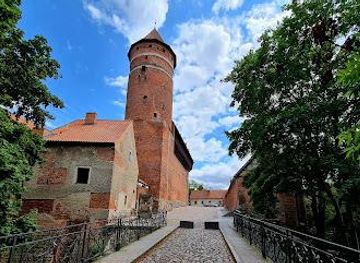
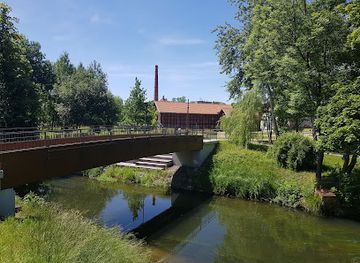
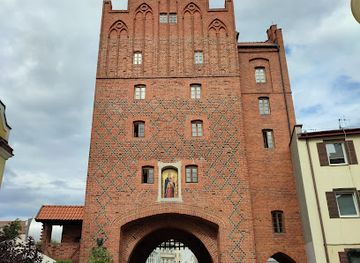
Olsztyn’s principal sights fit naturally into a walk through the Old Town, beginning at the High Gate and continuing towards the Castle of the Warmian Chapter. The castle houses the Museum of Warmia and Mazury, whose collections explain the region’s religious, civic and artistic history and its connection with Nicolaus Copernicus. St James’s Cathedral, with its Gothic brick structure and soaring interior, provides another important stop, while the Planetarium and Astronomical Observatory extend the city’s scientific associations. Beyond the centre, the Łyna River and surrounding parks offer leafy walking routes, and Lake Ukiel brings beaches, promenades and seasonal recreation close to the urban area. Lake Długie and the university district of Kortowo provide further opportunities to see Olsztyn as a city shaped by water and woodland rather than only by its monuments.
-
Castle
Muzeum Warmii i Mazur w Olsztynie
Explore the captivating history and cultural treasures at Muzeum Warmii i Mazur, a former castle in Olsztyn showcasing the rich heritage of the region.
17 min walk · 1.4 km from city centre
-
Tourist attraction
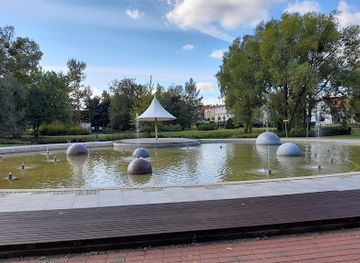
Central Park
Experience the natural beauty and tranquility of Central Park in Olsztyn, a perfect escape for tourists seeking relaxation and recreation amid vibrant landscapes.
15 min walk · 1.2 km from city centre
-
Tourist attraction
Forest Arboretum of Warmia i Mazur
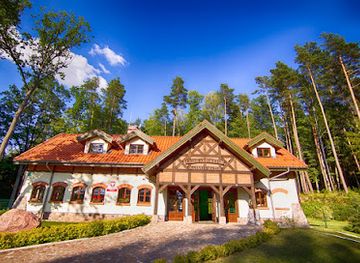
Discover the Forest Arboretum of Warmia i Mazur, a serene oasis of biodiversity and natural beauty in Kudypy, Poland, perfect for nature lovers and families.
23 min drive · 7.7 km from city centre
-
Tourist attraction
Park im. Janusza Kusocińskiego
Discover tranquility at Park im. Janusza Kusocińskiego in Olsztyn, a serene park filled with lush greenery, beautiful flowerbeds, and scenic walking paths.
12 min walk · 1.0 km from city centre

Best landmarks in Olsztyn
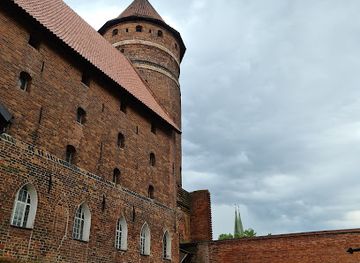
The Castle of the Warmian Chapter is Olsztyn’s defining historic structure, a red-brick medieval complex that served the Warmian chapter and later housed Nicolaus Copernicus during his administrative work. Its cloister and surviving astronomical table give the building particular scientific as well as architectural importance. The High Gate, formerly part of the medieval defensive circuit, marks the approach to the Old Town, while St James’s Cathedral represents the religious and civic prominence of medieval Warmia through its Gothic brick form and substantial interior. The Old Town Hall anchors the market area, and the Monument to the Battle of Grunwald reflects the enduring place of Polish historical memory in the city. Together these landmarks show how ecclesiastical authority, defence, urban administration and national history have shaped Olsztyn’s public landscape.
-
 Hotel
HotelPrzystań Hotel&Spa
Discover tranquility and luxury at Przystań Hotel & Spa in Olsztyn, where wellness meets stunning natural beauty for a perfect getaway.
8 min drive · 2.8 km from city centre
-
Museum
Muzeum Warmii i Mazur w Olsztynie
Explore the captivating history and culture of Olsztyn at Muzeum Warmii i Mazur, housed in a stunning medieval castle.
17 min walk · 1.4 km from city centre
-
Tourist attraction
Upper Gate in the Old Town
Explore the iconic Upper Gate in Olsztyn's Old Town, a historical masterpiece that offers a glimpse into the city's rich medieval heritage and vibrant culture.
15 min walk · 1.2 km from city centre
-
Park
Central Park
Explore Olsztyn's Central Park, a lush urban oasis perfect for relaxation, picnics, and cultural events amidst stunning natural beauty.
15 min walk · 1.2 km from city centre
Explore Olsztyn on the map
Plan your Olsztyn trip on one map. See where the top attractions, landmarks, restaurants, bars and hotels are, find what's near where you're staying, and book hotels and experiences in a few clicks.
Best hotels in Olsztyn
Best restaurants in Olsztyn
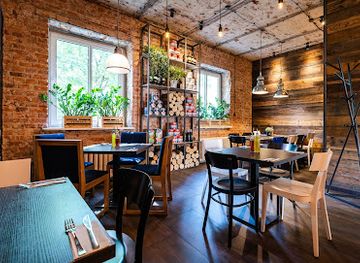
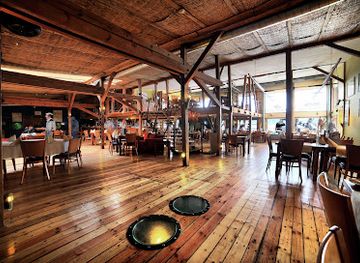
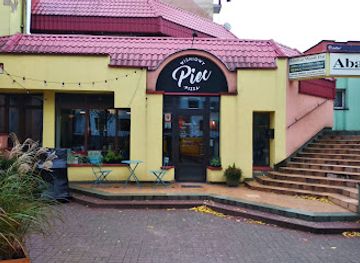
Olsztyn’s dining scene reflects the food traditions of Warmia, northern Poland and the wider lake district. Regional menus may feature dzyndzałki warmińskie, small dumplings traditionally filled with meat, alongside plińce z pomoćką, potato pancakes served with a regional sauce, and fafernuchy, a spiced baked speciality associated with Warmian cooking. Fish from the region’s lakes appears in some restaurants, while rye, potatoes, forest mushrooms, berries and fermented ingredients connect local food with the surrounding landscape. The Old Town contains the greatest concentration of cafés, restaurants and bars, ranging from traditional Polish cooking to contemporary kitchens, and food halls or market stalls add more casual choices. Polish pastries and coffee are well suited to a pause between museums, while neighbourhood restaurants beyond the centre offer a more everyday view of local dining.
-
Czech
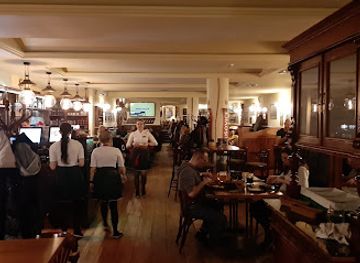
Česká Republika Olsztyn
Experience authentic Czech cuisine at Česká Republika Olsztyn - where tradition meets taste in a vibrant beer hall setting.
16 min walk · 1.3 km from city centre
-
Pizza
Drewno i Ogień
Experience authentic Neapolitan pizza at Drewno i Ogień in Olsztyn - where every slice tells a story of tradition and flavor.
18 min walk · 1.5 km from city centre
-
Modern European
Restauracja „Przystań”
Discover exquisite modern European cuisine at Restauracja „Przystań”, where lakeside views meet culinary artistry in Olsztyn.
8 min drive · 2.7 km from city centre
-
Pizza
Cherry Stove
Experience authentic Italian pizza at Cherry Stove in Olsztyn - where fresh ingredients meet warm Polish hospitality.
7 min walk · 0.6 km from city centre
Best bars in Olsztyn
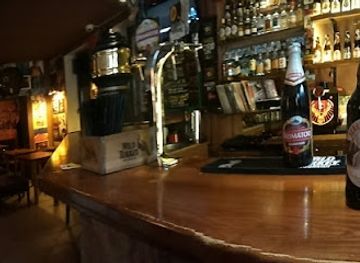
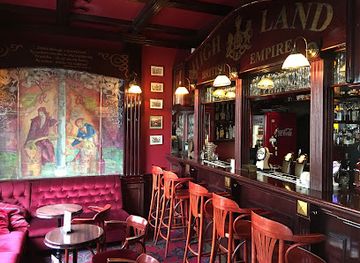
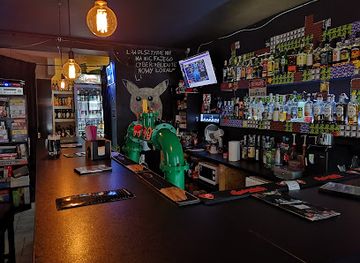
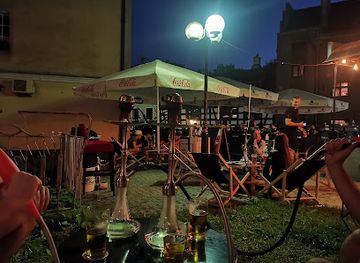
Olsztyn’s evening life is concentrated mainly around the Old Town, where compact streets bring together pubs, cafés, cocktail-led venues and places with live music. The scale is more sociable than club-dominated, with students from the University of Warmia and Mazury contributing strongly to the atmosphere during the academic year. Kortowo can also feel lively in term time, particularly around university events, while the Old Town provides the more dependable setting for an evening out. Cultural programmes at venues such as the Olsztyn Puppet Theatre and the city’s concert and arts institutions offer alternatives to drinking, with performances and seasonal events adding variety. Visitors should expect changes in opening patterns and event schedules, especially outside the summer and university seasons, so local listings are useful for current information.
-
Irish pub
Irish Pub Carpenter Inn
Discover the lively atmosphere of the Irish Pub Carpenter Inn in Olsztyn, where authentic flavors and live music create unforgettable memories.
16 min walk · 1.3 km from city centre
-
Brewpub
Vinyl Pub
Discover the rhythmic blend of craft beer and live music at Vinyl Pub, Olsztyn's top brewpub destination for tourists.
17 min walk · 1.3 km from city centre
-
Pub
Highlander Whiskey Bar
Discover Highlander Whiskey Bar in Olsztyn for an extraordinary blend of whiskeys, local cuisine, and a cozy atmosphere that reflects Polish tradition.
17 min walk · 1.4 km from city centre
-
Bar
Cybermachina
Experience the eclectic charm of Cybermachina, Olsztyn's must-visit bar for unique drinks and vibrant social gatherings.
16 min walk · 1.2 km from city centre

Best nightclubs in Olsztyn
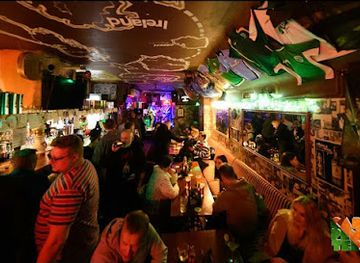
Olsztyn’s evening life is concentrated mainly around the Old Town, where compact streets bring together pubs, cafés, cocktail-led venues and places with live music. The scale is more sociable than club-dominated, with students from the University of Warmia and Mazury contributing strongly to the atmosphere during the academic year. Kortowo can also feel lively in term time, particularly around university events, while the Old Town provides the more dependable setting for an evening out. Cultural programmes at venues such as the Olsztyn Puppet Theatre and the city’s concert and arts institutions offer alternatives to drinking, with performances and seasonal events adding variety. Visitors should expect changes in opening patterns and event schedules, especially outside the summer and university seasons, so local listings are useful for current information.
-
Irish pub
Irish Pub Carpenter Inn
Discover the vibrant atmosphere of Irish Pub Carpenter Inn, where live music, hearty Irish dishes, and a friendly crowd await in Olsztyn.
16 min walk · 1.3 km from city centre
-
Brewpub
Vinyl Pub
Discover the lively atmosphere and unique craft beers at Vinyl Pub, Olsztyn's premier brewpub for locals and tourists alike.
17 min walk · 1.3 km from city centre
-
Lounge
Valhalla
Experience the vibrant nightlife of Olsztyn at Valhalla, a cozy lounge and pub with a diverse drink menu and inviting atmosphere.
18 min walk · 1.4 km from city centre
-
Disco club
American Party club
Experience the electrifying nightlife at American Party Club in Olsztyn, where music, cocktails, and unforgettable moments come together.
5 min drive · 1.5 km from city centre


Best shops in Olsztyn
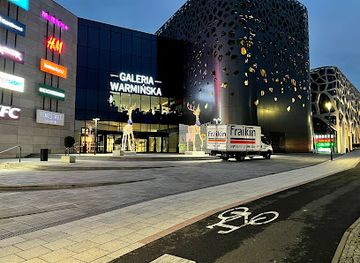
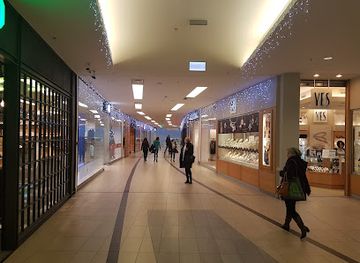
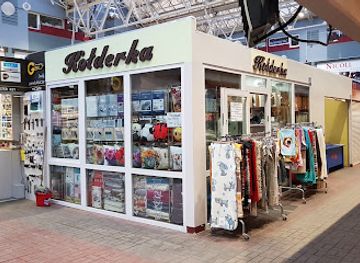
Shopping in Olsztyn ranges from small Old Town businesses to modern retail centres serving the wider region. The streets around the Starówka and Targ Rybny are the most atmospheric places to browse independent shops, cafés, galleries and locally themed souvenirs, although the selection changes over time. Visitors interested in regional products can look for Warmian food specialities, preserves, honey, decorative ceramics and craft items rather than relying on generic souvenirs. Galeria Warmińska and Aura Centrum provide larger-scale shopping, familiar Polish chains and practical services, while markets offer a more everyday view of local life and seasonal produce. Traditional goods should be checked for genuine regional origin, particularly when buying amber, textiles or food products marketed broadly as Polish rather than specifically Warmian.
-
Shopping mall
Galeria Warmińska
Experience the best of shopping, dining, and entertainment at Galeria Warmińska in Olsztyn - a must-visit for every traveler!
10 min drive · 3.4 km from city centre
-
Shopping mall
Aura Centrum Olsztyna
Experience the best of shopping, dining, and entertainment at Aura Centrum Olsztyna, the vibrant heart of Olsztyn.
12 min walk · 1.0 km from city centre
-
Shopping mall
Manhattan. trading house
Discover the vibrant Manhattan Trading House in Olsztyn, where shopping meets dining in a modern and inviting atmosphere.
5 min walk · 0.4 km from city centre
-
Gift shop
Flying Tiger Copenhagen
Discover a world of fun and affordable gifts at Flying Tiger Copenhagen in Olsztyn, where creativity meets shopping bliss.
16 min walk · 1.3 km from city centre
Get your free copy of our complete guide to Olsztyn, delivered straight to you.
Everything on this page, from attractions and restaurants to essentials and local phrases, in one PDF you can read offline, print or share.
Already have an account? Sign in
Your Olsztyn guide is ready.
We'll send it to · Not you? Sign out

Getting your guide ready…
We are putting together a fresh copy of the Olsztyn guide. This can take up to a minute.
This can take a few moments. If your browser asks, choose Allow so the download can start. You'll find the guide in your Downloads folder.
Nothing happened? Download it again
Sorry, the guide is taking longer than usual. Please try again in a minute, or get it by email instead.
Olsztyn essentials
Currency and Payment
Safety
Emergency Situations
Do's and Don'ts
Local Tips
From Eve
Local phrases worth knowing
You don't need to get them perfect. A few words go a long way, and locals appreciate the effort.
Basics
| English | Local | Say it |
|---|---|---|
| Hello | Cześć | [cheshch] |
| Goodbye | Do widzenia | [doh veedzenyah] |
| Yes | Tak | [tahk] |
| No | Nie | [nyeh] |
| Please/You're welcome | Proszę | [proh-sheh] |
| Thank you | Dziękuję | [jyen-koo-yeh] |
| Excuse me/Sorry | Przepraszam | [psheh-prah-sham] |
| How are you? | Jak się masz? | [yahk syeh mahsh] |
| Fine. And you? | Dobrze. A ty? | [doh-bzheh. ah tih] |
| Do you speak English? | Czy mówisz po angielsku? | [chi mooh-veesh poh ahn-gyehl-skoo] |
| I don't understand | Nie rozumiem | [nyeh roh-zoo-myem] |
Eating & Drinking
| English | Local | Say it |
|---|---|---|
| I'd like to see the menu, please | Chciałbym zobaczyć menu, proszę | [hchyah-bim zoh-bah-chich meh-noo, proh-sheh] |
| I don't eat meat | Nie jem mięsa | [nyeh yem myen-sah] |
| Cheers! | Na zdrowie! | [nah zdroh-vee-eh] |
| I would like to pay, please | Chciałbym zapłacić, proszę | [hchyah-bim zah-plah-cheech, proh-sheh] |
Emergencies
| English | Local | Say it |
|---|---|---|
| Help! | Pomocy! | [poh-moh-tsih] |
| Go away! | Idź sobie! | [eej soh-bee-eh] |
| Call the Police! | Zadzwoń po policję! | [zahd-vohn poh po-lee-tsyeh] |
| Call a doctor! | Zadzwoń po lekarza! | [zahd-vohn poh leh-kah-zah] |
| I'm lost | Zgubiłem się | [zgoo-bee-wem syeh] |
| I'm ill | Jestem chory | [yeh-stem hoh-ri] |
Shopping
| English | Local | Say it |
|---|---|---|
| I'd like to buy... | Chciałbym kupić... | [hchyah-bim koo-peech] |
| I'm just looking | Tylko się rozglądam | [tih-koh syeh rohz-gwah-dahm] |
| How much is it? | Ile to kosztuje? | [ee-leh toh kohs-too-yeh] |
| That's too expensive | To jest za drogie | [toh yest zah droh-gyeh] |
| Can you lower the price? | Czy możesz obniżyć cenę? | [chi mo-zhes ohb-nee-zhich tseh-neh] |
Time & Numbers
| English | Local | Say it |
|---|---|---|
| What time is it? | Która jest godzina? | [ktoo-rah yest goh-dzih-nah] |
| It's one o'clock | Jest pierwsza | [yest pyehrv-shah] |
| Half past (10) | Pół do (10) | [poow doh] |
| Morning | Rano | [rah-noh] |
| Afternoon | Popołudnie | [poh-poo-wood-nyeh] |
| Evening | Wieczór | [vyeh-choor] |
| Yesterday | Wczoraj | [vchaw-rye] |
| Today | Dziś | [jeesh] |
| Tomorrow | Jutro | [yoo-troh] |
| 1 | Jeden | [yeh-den] |
| 2 | Dwa | [dvah] |
| 3 | Trzy | [trzih] |
| 4 | Cztery | [ch-teh-rih] |
| 5 | Pięć | [pyehnch] |
| 6 | Sześć | [sheshch] |
| 7 | Siedem | [syeh-dem] |
| 8 | Osiem | [oh-shyem] |
| 9 | Dziewięć | [jyeh-vyenhch] |
| 10 | Dziesięć | [jyeh-shyenhch] |
Transport & Directions
| English | Local | Say it |
|---|---|---|
| Where's a/the...? | Gdzie jest... | [gdzhe yest] |
| What's the address? | Jaki jest adres? | [yah-kee yest ah-dresh] |
| Can you show me (on the map)? | Czy możesz mi pokazać (na mapie)? | [chi mo-zhes mee poh-kah-zahch (nah mah-pyeh)] |
| When's the next (bus)? | Kiedy jest następny (autobus)? | [kyeh-dih yest nah-stehp-ny ah-oo-toh-boos] |
| A ticket (to ....) | Bilet (do ....) | [bee-let (doh)] |
History of Olsztyn
The Foundation of Allenstein
Olsztyn emerged in the fourteenth century within Warmia, a territory governed by the bishops and cathedral chapter of Warmia under the influence of the Teutonic Order. The settlement was founded in 1353 under the name Allenstein, and a fortified castle began to take shape soon afterwards beside the Łyna River. Its location supported administration, trade and agriculture in a region settled by communities from both German-speaking and Polish-speaking cultural spheres. The town developed around a planned medieval centre, enclosed by defensive walls and entered through gates such as the High Gate. The surviving street pattern and fragments of fortification still reveal this medieval foundation, although later rebuilding has altered much of the original townscape.
Warmia and the Polish Crown
For centuries, Olsztyn belonged to the Prince-Bishopric of Warmia, an autonomous ecclesiastical territory connected to the Polish Crown. The Thirteen Years’ War of 1454–1466 brought Warmia into the Polish political sphere, while the castle and town continued to serve administrative and defensive functions. This period helped establish the region’s distinctive cultural position between Polish and German lands. Olsztyn experienced the disruptions common to frontier territories, including military campaigns and changing political allegiance, but its religious institutions remained central to civic life. The castle, cathedral and medieval town plan are tangible reminders of the period when ecclesiastical government shaped both the city’s architecture and its relationship with the surrounding countryside.
Copernicus at the Castle
Nicolaus Copernicus served as an administrator of the Warmian chapter’s estates at Olsztyn Castle from 1516 to 1521. During this time he combined administrative responsibilities with astronomical work, and a surviving astronomical table painted on the castle’s cloister is associated with his observations. Copernicus also played a practical role during the Polish–Teutonic War, helping organise the defence of Olsztyn in 1521. His presence links the city to one of Europe’s most consequential scientific figures, but the castle’s importance was broader than his career: it was a working centre of ecclesiastical administration, land management and regional defence. The museum now interprets both the building’s history and its Copernican associations.
From Prussian Rule to Allenstein
The First Partition of Poland in 1772 brought Warmia, including Olsztyn, under the rule of the Kingdom of Prussia. The city was incorporated into the province of East Prussia and gradually developed beyond its medieval walls. Administrative change, improved roads and the arrival of the railway in the nineteenth century encouraged population growth and commercial activity. German became increasingly prominent in official life, while Polish-speaking communities and Catholic traditions remained important in the region. Industrial and civic development reshaped the town with new public buildings, housing and transport links. The nineteenth-century expansion explains why Olsztyn today contains both its compact medieval core and broader districts formed during the period of Prussian and later German administration.
The Interwar Plebiscite
After the First World War, the future of southern East Prussia was addressed through a plebiscite held in 1920 under the Treaty of Versailles. The area around Allenstein voted overwhelmingly to remain within Germany, although the result reflected the political pressures and national identities of a complicated borderland. During the interwar years the city continued as a regional centre in East Prussia, with expanding municipal services and a population shaped by both German and Polish cultural influences. The plebiscite remains part of the region’s difficult twentieth-century history, illustrating how language, religion, local loyalty and state politics did not always coincide neatly in Warmia.
Olsztyn in Modern Poland
In the final stages of the Second World War, Allenstein was occupied by Soviet forces in January 1945, and the city’s German population was displaced or departed amid the wider redrawing of borders. Olsztyn became part of Poland and was repopulated by people from different parts of the country, including those displaced from territories incorporated into the Soviet Union. The post-war city was rebuilt and developed as the capital of the restored Warmian-Masurian region. New housing, public institutions and the University of Warmia and Mazury expanded its urban role, while the Old Town and castle remained anchors of historical identity. Contemporary Olsztyn consequently reflects medieval Warmia, German-period urban growth and post-war Polish reconstruction.
Travel experiences inspired by this city
-
 8 Day Trip
Family Adventure in the Masurian Lake District
Discover the natural beauty of Poland's Masurian Lake District: a perfect family getaway with lakes, forests, and cultural experiences.
8 Day Trip
Family Adventure in the Masurian Lake District
Discover the natural beauty of Poland's Masurian Lake District: a perfect family getaway with lakes, forests, and cultural experiences.
 1 Mar 2026
By Marcin Lewandowski -
 8 Day Trip
A Serene Escape to the Masurian Lake District
Discover the tranquility of Poland's Masurian Lake District with Róisín Boyle as she embarks on a solo adventure through stunning landscapes.
8 Day Trip
A Serene Escape to the Masurian Lake District
Discover the tranquility of Poland's Masurian Lake District with Róisín Boyle as she embarks on a solo adventure through stunning landscapes.
 10 Jun 2025
By Róisín Boyle -
 15 Day Trip
Family Adventure in the Masurian Lake District
Explore the enchanting Masurian Lake District with family, embracing nature and culture in Poland's picturesque heartland.
25 May 2025
15 Day Trip
Family Adventure in the Masurian Lake District
Explore the enchanting Masurian Lake District with family, embracing nature and culture in Poland's picturesque heartland.
25 May 2025
By Róisín Boyle
Swipe for more travel diaries
Olsztyn in Photos
Browse through our photo collection highlighting the charm and character of the destination.
Cities near Olsztyn
The closest cities to Olsztyn, if you have time for more than one stop.
-

-

-

-

-


Swipe for more cities
Explore more

Explore more of Poland
Discover Poland's rich history, vibrant cities, and scenic landscapes, from the medieval streets of Kraków to the serene beauty of the Tatra Mountains and Masurian Lakes.
Explore Poland