

Free Radom Travel Guide & Mobile App
Plan your Radom trip with Evendo. Get free guides to top attractions, restaurants, hotels, and bars. Web access or download the mobile app.


Radom, Poland blends medieval history, the Nihil novi legacy, Malczewski’s art, industrial heritage and open-air countryside culture.
A Central Polish City with Deep Roots
Radom lies in central Poland, between Warsaw and the Świętokrzyskie region, and offers a quieter, more locally grounded introduction to the country than the major tourist centres. Its history reaches back to the medieval Piast period, while the city’s historic core preserves churches, market-square buildings and traces of the former royal route. Radom’s most significant political moment came in 1505, when the Sejm held here adopted the constitution known as Nihil novi, an important step in the development of the Polish parliamentary tradition.Read more about Radom
Art, Architecture and Industrial Memory
Craft, Countryside and Contemporary Life
When is the best time to visit Radom?
Best: June–August · 22–24°C| Month | High (°C) | Rainfall (mm) |
|---|---|---|
| January | 1 | 25 |
| February | 1 | 20 |
| March | 5 | 25 |
| April | 12 | 30 |
| May | 19 | 40 |
| June (best) | 22 | 45 |
| July (best) | 24 | 55 |
| August (best) | 24 | 50 |
| September | 19 | 45 |
| October | 13 | 40 |
| November | 7 | 35 |
| December | 2 | 30 |
Getting to and around Radom
How to get there
Transportation
Best attractions in Radom
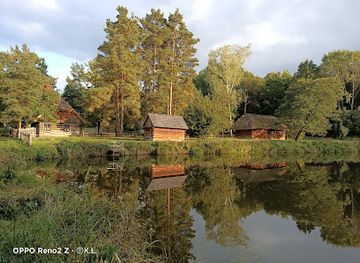
Radom’s sightseeing begins in the Old Town, where Market Square, the Gąski and Esterka houses and the medieval street pattern introduce the city’s earlier history. The Jacek Malczewski Museum, housed in a historic former school complex, explores the work of the Radom-born Symbolist painter alongside regional art and natural-history collections. The Museum of the Radom Countryside offers a more expansive experience, with wooden homes, farm buildings, windmills and religious structures relocated or recreated across a large open-air landscape. The Bernardine church and monastery provide a quieter architectural counterpoint, while Żeromskiego Street leads through the nineteenth-century centre towards shops, cafés and civic buildings. Visitors interested in modern Polish history can seek out places associated with the June 1976 protests and the city’s industrial development. Parks and pedestrian areas add breathing space between museums, churches and urban streets.
-
Tourist attraction
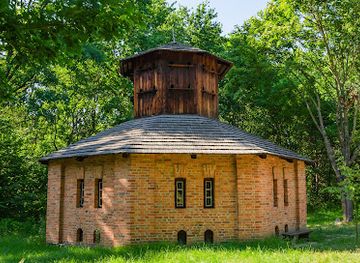
Radom Countryside Museum
Explore the rich heritage of the Polish countryside at Radom Countryside Museum, where history and nature blend beautifully.
20 min drive · 6.5 km from city centre
-
Tourist attraction
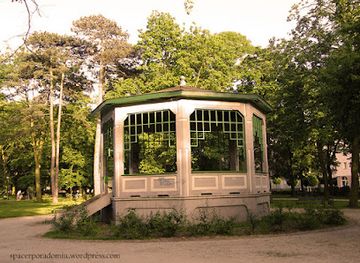
Park Kościuszki
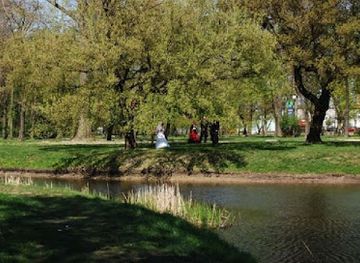
Explore the tranquil beauty of Park Kościuszki in Radom, a lush haven for relaxation and recreation in the heart of Poland.
11 min walk · 0.9 km from city centre
-
Tourist attraction
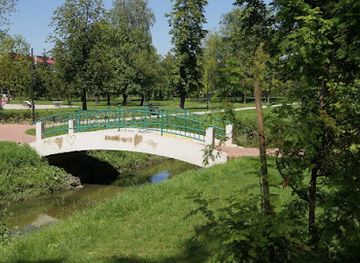
Stary Ogród w Radomiu
Discover the natural beauty and cultural richness of Stary Ogród in Radom, a perfect blend of tranquility and history.
9 min walk · 0.7 km from city centre
-
Tourist attraction
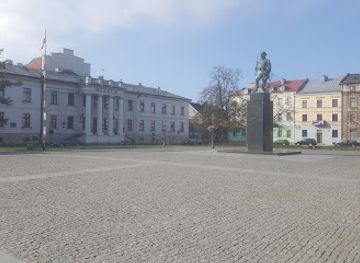
Museum of Jacek Malczewski in Radom
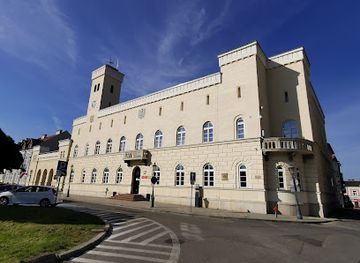
Discover the artistic legacy of Jacek Malczewski at the premier museum in Radom, celebrating Polish culture and history through stunning artworks.
4 min walk · 0.3 km from city centre
Best landmarks in Radom
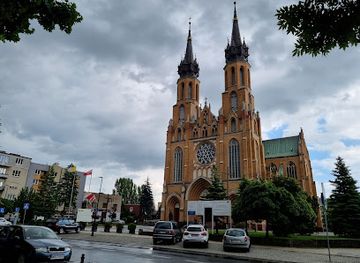
Radom’s principal landmarks reveal several layers of its history. St John the Baptist’s Church, founded in the medieval period and repeatedly altered, stands close to the former royal and civic centre and is one of the Old Town’s defining buildings. The Bernardine Church and Monastery represent the long presence of the Bernardine order and form an important historic religious complex. Market Square is framed by remnants of the old urban fabric, including the Gąski and Esterka houses, whose names belong to Radom’s enduring local tradition. The Cathedral of the Protection of the Blessed Virgin Mary on Żeromskiego Street reflects the city’s nineteenth-century expansion in a prominent neo-Gothic form. Fragmentary remains of the royal castle and town walls recall Radom’s medieval and parliamentary significance, while memorials connected with the June 1976 protests mark its modern civic history.
-
Heritage museum
Radom Countryside Museum
Explore the charm of Radom's heritage at the Countryside Museum, showcasing traditional architecture and local culture in a serene setting.
20 min drive · 6.5 km from city centre
-
Park
Park Kościuszki
Explore the natural beauty and cultural charm of Park Kościuszki, a serene retreat in Radom, perfect for relaxation and recreation.
11 min walk · 0.9 km from city centre
-
Park
Stary Ogród w Radomiu
Explore the lush landscapes of Stary Ogród w Radomiu, a tranquil park perfect for relaxation, family outings, and enjoying nature's beauty in the heart of the city.
9 min walk · 0.7 km from city centre
-
Museum
Museum of Jacek Malczewski in Radom
Explore the Museum of Jacek Malczewski in Radom, where art, history, and Polish culture converge in a breathtaking exhibition.
4 min walk · 0.3 km from city centre
Explore Radom on the map
Plan your Radom trip on one map. See where the top attractions, landmarks, restaurants, bars and hotels are, find what's near where you're staying, and book hotels and experiences in a few clicks.
Best hotels in Radom
Best restaurants in Radom
Radom’s food scene reflects the cooking of central Poland: soups, dumplings, pork and poultry dishes, seasonal vegetables, sour rye preparations and baked goods remain familiar foundations of local dining. Traditional Polish restaurants and milk bars offer inexpensive, straightforward meals, while cafés and contemporary restaurants around the centre adapt national recipes to a more modern setting. Żeromskiego Street and the surrounding central streets provide the greatest concentration of cafés and restaurants, with additional choices near shopping centres and residential districts. Visitors may encounter regional versions of pierogi, naleśniki, placki ziemniaczane and barszcz, alongside cakes and cheesecakes served with coffee. Markets and bakeries are useful for everyday provisions rather than a formally defined food-tourism scene. Menus vary seasonally, and a little Polish vocabulary can help when exploring establishments away from the principal central streets.
-
Restaurant
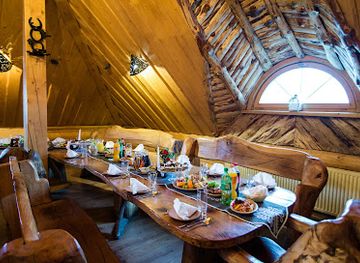
Karczma Bankrut
Experience authentic Polish cuisine at Karczma Bankrut in Radom - a perfect blend of tradition and flavor awaits you.
12 min drive · 3.9 km from city centre
-
Restaurant
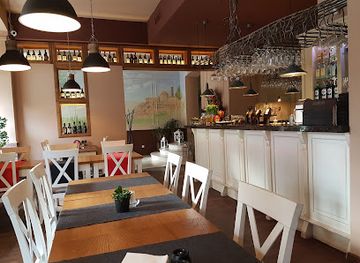
Mela Rossa
Experience authentic Italian cuisine at Mela Rossa in Radom - where delicious flavors meet a warm atmosphere.
12 min walk · 1.0 km from city centre
-
Restaurant
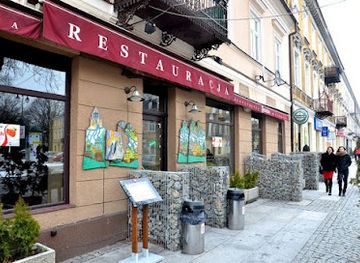
Restauracja Teatralna
Discover the culinary charm of Restauracja Teatralna in Radom—where tradition meets modern flavors in a cozy atmosphere.
11 min walk · 0.8 km from city centre
-
Restaurant
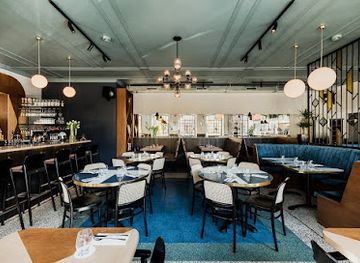
Kraft Bistro
Discover the culinary excellence of Kraft Bistro in Radom – where traditional Polish flavors meet modern dining.
11 min walk · 0.9 km from city centre
Best bars in Radom
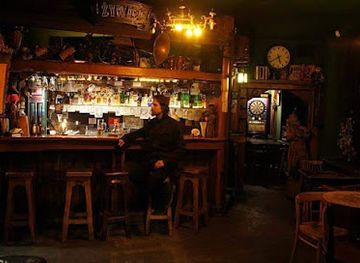
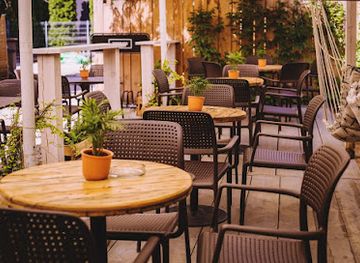
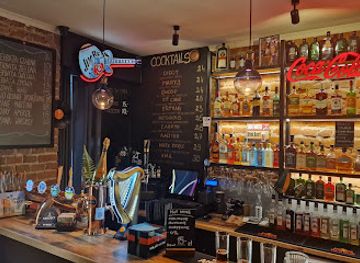
Radom’s evening life is modest and locally focused rather than built around a large club district. The centre, particularly around Żeromskiego Street and nearby side streets, has cafés, pubs and bars where residents meet for beer, cocktails, coffee or a late conversation. Cultural venues and cinemas provide alternatives to drinking, while theatres and concert programmes can add a more formal evening to a visit; schedules change, so current listings are worth checking. The city’s student population and seasonal events can bring extra activity to selected venues, but expectations should remain appropriate to a medium-sized regional city. As elsewhere in Poland, carry identification when required by venues, use licensed transport late at night and observe restrictions on public alcohol consumption.
-
Pub
Nasza Szkapa
Discover the charm of Nasza Szkapa in Radom, a cozy pub offering local drinks and a vibrant atmosphere perfect for unwinding after a day of exploration.
16 min walk · 1.3 km from city centre
-
Coffee shop
Otwarta - Wine Cafe
Discover the enchanting Otwarta - Wine Cafe in Radom, a perfect blend of cozy ambiance and delightful beverages for an unforgettable experience.
5 min walk · 0.4 km from city centre
-
Brewpub
Soul
Discover the cozy atmosphere and exceptional craft beer selection at Soul Brewpub, a gem in the heart of Radom, Poland.
5 min walk · 0.4 km from city centre
-
Gastropub
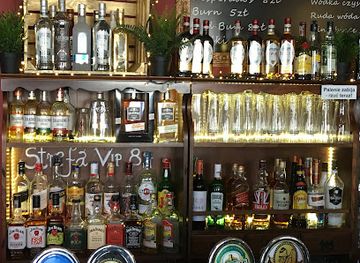
Ministerstwo Śledzia i Wódki
Experience the vibrant flavors of Poland at Ministerstwo Śledzia i Wódki, a gastropub in Radom known for its herring and local vodka.
5 min walk · 0.4 km from city centre
Best nightclubs in Radom
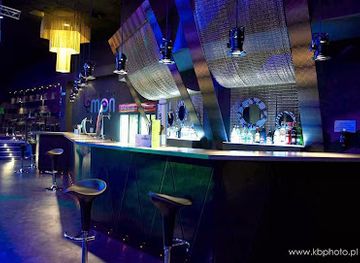
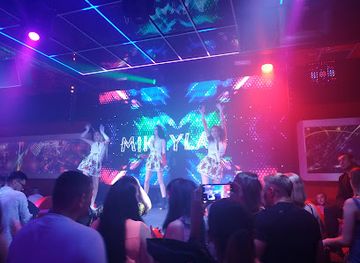
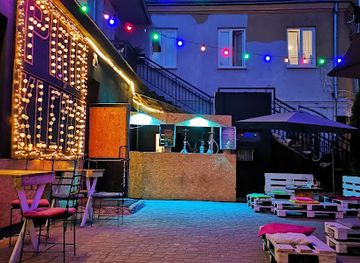
Radom’s evening life is modest and locally focused rather than built around a large club district. The centre, particularly around Żeromskiego Street and nearby side streets, has cafés, pubs and bars where residents meet for beer, cocktails, coffee or a late conversation. Cultural venues and cinemas provide alternatives to drinking, while theatres and concert programmes can add a more formal evening to a visit; schedules change, so current listings are worth checking. The city’s student population and seasonal events can bring extra activity to selected venues, but expectations should remain appropriate to a medium-sized regional city. As elsewhere in Poland, carry identification when required by venues, use licensed transport late at night and observe restrictions on public alcohol consumption.
-
Night club
LEMON Sound Gallery
Dive into Radom's nightlife at LEMON Sound Gallery, where live music and electrifying vibes create unforgettable nights.
17 min walk · 1.3 km from city centre
-
Night club
Klub Explosion
Discover the vibrant nightlife of Radom at Klub Explosion, a premier night club with electrifying music and an unforgettable atmosphere.
10 min walk · 0.8 km from city centre
-
Night club
Piąta Klepka
Dive into the vibrant nightlife of Radom at Piąta Klepka, your go-to destination for karaoke, hookah, and unforgettable evenings.
5 min walk · 0.4 km from city centre
-
Lounge
Bar Tank
Discover the vibrant atmosphere of Bar Tank, Radom's favorite lounge for cocktails and relaxation in the heart of the city.
5 min walk · 0.4 km from city centre
Best shops in Radom
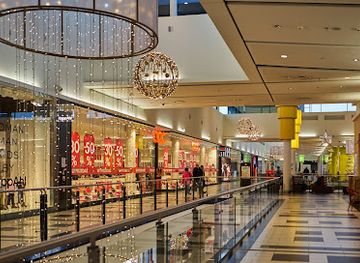
Shopping in Radom combines ordinary Polish city retail with a modest historic-centre scene. Żeromskiego Street and the adjoining central streets contain independent shops, cafés, services and smaller specialist retailers, making them the most natural area for browsing while sightseeing. The Galeria Słoneczna shopping centre provides mainstream fashion, food and everyday retail in a modern setting, while local markets and neighbourhood shops are better suited to fresh produce, household goods and informal shopping. Bakeries and delicatessens offer practical edible souvenirs, including regional-style breads, cakes and preserves when available. Radom’s industrial past is more visible in its history than in a highly distinctive souvenir trade, so visitors seeking crafts may find a broader selection through museum shops, seasonal fairs and regional cultural events rather than permanent specialist streets.
-
Shopping mall
Galeria Słoneczna
Discover Galeria Słoneczna, Radom’s top shopping mall with diverse stores, delicious eateries, and entertainment for all ages.
9 min walk · 0.7 km from city centre
-
Shopping mall
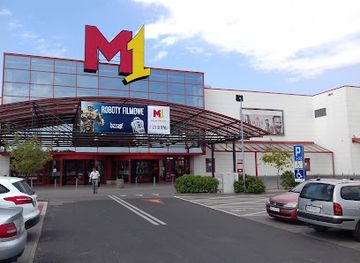
M1 Radom
Discover a shopping paradise at M1 Radom, featuring a diverse range of stores, dining experiences, and entertainment for every visitor.
8 min drive · 2.8 km from city centre
-
Shopping mall
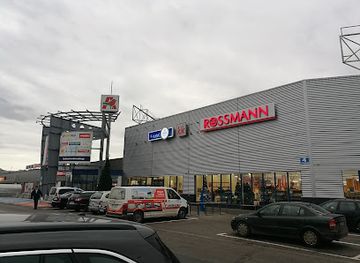
M Park
Discover M Park in Radom: Your ultimate shopping destination featuring diverse retail, delightful dining, and exciting entertainment options.
8 min drive · 2.6 km from city centre
-
Shopping mall
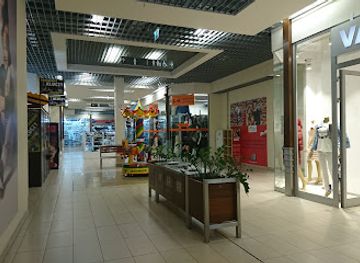
Omni Centrum
Explore Omni Centrum in Radom, a shopping paradise with diverse stores, delightful cafes, and a vibrant atmosphere perfect for tourists and locals.
8 min walk · 0.6 km from city centre
Get your free copy of our complete guide to Radom, delivered straight to you.
Everything on this page, from attractions and restaurants to essentials and local phrases, in one PDF you can read offline, print or share.
Already have an account? Sign in
Your Radom guide is ready.
We'll send it to · Not you? Sign out

Getting your guide ready…
We are putting together a fresh copy of the Radom guide. This can take up to a minute.
This can take a few moments. If your browser asks, choose Allow so the download can start. You'll find the guide in your Downloads folder.
Nothing happened? Download it again
Sorry, the guide is taking longer than usual. Please try again in a minute, or get it by email instead.
Radom essentials
Currency and Payment
Safety
Emergency Situations
Do's and Don'ts
Local Tips
From Eve
Local phrases worth knowing
You don't need to get them perfect. A few words go a long way, and locals appreciate the effort.
Basics
| English | Local | Say it |
|---|---|---|
| Hello | Cześć | [cheshch] |
| Goodbye | Do widzenia | [do veedzenya] |
| Yes | Tak | [tak] |
| No | Nie | [nye] |
| Please/You're welcome | Proszę | [prosheh] |
| Thank you | Dziękuję | [jen-koo-yeh] |
| Excuse me/Sorry | Przepraszam | [pzheh-prah-sham] |
| How are you? | Jak się masz? | [yak shay mas] |
| Fine. And you? | Dobrze. A ty? | [doh-bzheh. ah tih] |
| Do you speak English? | Czy mówisz po angielsku? | [chi moo-vish poh ahn-gyehl-skoo] |
| I don't understand | Nie rozumiem | [nye roh-zoo-myem] |
Eating & Drinking
| English | Local | Say it |
|---|---|---|
| I'd like to see the menu, please | Chciałbym zobaczyć menu, proszę | [h-chyaw-bim zoh-bah-chich meh-noo, pro-sheh] |
| I don't eat meat | Nie jem mięsa | [nye yem myen-sa] |
| Cheers! | Na zdrowie! | [nah zdroh-vee-eh] |
| I would like to pay, please | Chciałbym zapłacić, proszę | [h-chyaw-bim zah-plah-cheech, pro-sheh] |
Emergencies
| English | Local | Say it |
|---|---|---|
| Help! | Pomocy! | [poh-mo-tsi] |
| Go away! | Idź precz! | [eedgeh prech] |
| Call the Police! | Zadzwoń po policję! | [zahd-voon poh po-leetz-yeh] |
| Call a doctor! | Zadzwoń po lekarza! | [zahd-voon poh leh-kah-zah] |
| I'm lost | Zgubiłem się | [zgoo-bee-wem shyeh] |
| I'm ill | Jestem chory | [yeh-stem hoh-ri] |
Shopping
| English | Local | Say it |
|---|---|---|
| I'd like to buy... | Chciałbym kupić... | [h-chyaw-bim koo-peech] |
| I'm just looking | Tylko się rozglądam | [tih-ko shyeh rohz-gwah-dam] |
| How much is it? | Ile to kosztuje? | [ee-leh toh kohs-too-yeh] |
| That's too expensive | To za drogie | [toh zah droh-gyeh] |
| Can you lower the price? | Czy możesz obniżyć cenę? | [chi moo-zhesh ohb-nee-zhoo-ch cheh-neh] |
Time & Numbers
| English | Local | Say it |
|---|---|---|
| What time is it? | Która jest godzina? | [ktoo-rah yest goh-dzee-nah] |
| It's one o'clock | Jest pierwsza | [yest pyerv-shah] |
| Half past (10) | Pół do dziesiątej | [poo doh dzyeh-shon-tey] |
| Morning | Rano | [rah-noh] |
| Afternoon | Popołudnie | [poh-po-woo-dnyeh] |
| Evening | Wieczór | [vyeh-chor] |
| Yesterday | Wczoraj | [v-cho-rye] |
| Today | Dziś | [jeesh] |
| Tomorrow | Jutro | [yoo-troh] |
| 1 | Jeden | [yeh-den] |
| 2 | Dwa | [dvah] |
| 3 | Trzy | [tshih] |
| 4 | Cztery | [ch-teh-ri] |
| 5 | Pięć | [pyench] |
| 6 | Sześć | [sheshch] |
| 7 | Siedem | [syeh-dem] |
| 8 | Osiem | [oh-syem] |
| 9 | Dziewięć | [dzyev-nyehch] |
| 10 | Dziesięć | [dzyeh-shon-tyech] |
Transport & Directions
| English | Local | Say it |
|---|---|---|
| Where's a/the...? | Gdzie jest... | [gdzyeh yest] |
| What's the address? | Jaki jest adres? | [yah-ki yest ah-dresh] |
| Can you show me (on the map)? | Czy możesz mi pokazać (na mapie)? | [chi moo-zhesh mee poh-kah-zahch (nah mah-pyeh)] |
| When's the next (bus)? | Kiedy jest następny (autobus)? | [kyeh-dey yest nah-stehp-nih (ow-toh-boos)] |
| A ticket (to ....) | Bilet (do ...) | [bee-let (doh)] |
History of Radom
Early Settlement and Medieval Foundations
The beginnings of Radom are associated with settlements around the Mleczna River and the development of an early fortified centre in what is now the Old Town area. A settlement known as Radom is recorded in medieval sources, and the town grew under the Piast monarchy as administration, trade and ecclesiastical life became more organised in central Poland. The present urban centre developed around a market and a parish church, while the castle and royal connections later strengthened Radom’s political importance. In the fourteenth century, during the reign of Casimir III the Great, the town received urban privileges and new defensive works, including sections of wall and a royal residence. The surviving church foundations, street plan and fragments of fortification reflect this medieval phase.
Royal Radom and the Polish Sejm
Radom’s position between Kraków, Warsaw and the eastern territories made it useful to Poland’s rulers and assemblies. The royal castle served as a residence and administrative centre, and the town hosted important political gatherings during the late medieval and early modern periods. In 1505, the Sejm met at Radom and adopted the constitution known as Nihil novi, commonly summarised as the principle that nothing new could be decided without the consent of the nobility’s representatives and the Senate. The act marked a significant stage in the development of the Polish parliamentary system. Although the castle was later damaged and its remains are fragmentary, the event gives Radom a place in the constitutional history of the Polish–Lithuanian Commonwealth.
Religious Foundations and Commonwealth Change
Early modern Radom was shaped by Catholic religious institutions, guilds and regional commerce. The Bernardines established a monastery and church in the fifteenth century, creating a complex that remains one of the city’s most important historic ensembles. St John the Baptist’s Church and other religious buildings helped define the old urban landscape as the town expanded around its market. Radom shared the fortunes of the Polish–Lithuanian Commonwealth, experiencing periods of prosperity as well as the disruption caused by seventeenth-century wars and political decline. The partitions of Poland at the end of the eighteenth century placed the city under foreign rule, beginning a new period in which administrative changes and imperial policies altered its institutions and economic connections.
Nineteenth-Century Growth and Industry
Under nineteenth-century partition administrations, Radom became an increasingly important regional centre. New roads, public buildings and manufacturing enterprises reshaped the town beyond its medieval core, while the arrival of railway connections in the later nineteenth century improved movement of people and goods. The period brought urban expansion along streets that are now associated with the city’s central architectural character, including Żeromskiego Street. Factories and workshops encouraged the growth of an industrial workforce and linked Radom to wider economic changes in the Congress Kingdom of Poland. The city also became associated with cultural and educational development. Jacek Malczewski, born in Radom in 1854, later became one of Poland’s most important Symbolist painters.
War, Occupation and Post-War Reconstruction
Radom suffered deeply during the Second World War and the German occupation of Poland. Its Jewish community, which had formed an important part of the city’s social and commercial life before the war, was persecuted, confined in a ghetto and largely destroyed in the Holocaust. The occupation also brought executions, forced labour and the suppression of Polish institutions. After 1945, Radom was rebuilt and expanded within the centrally planned economy of the Polish People’s Republic. Manufacturing became central to the city’s identity, with engineering, footwear, metalwork and arms production providing employment. New housing districts grew around the older centre, creating the urban form in which historic streets and twentieth-century industrial neighbourhoods stand side by side.
The 1976 Protests and Democratic Memory
On 25 June 1976, workers in Radom protested against proposed increases in food prices announced by the communist government. Demonstrations led to clashes, arrests and harsh reprisals, but the events also stimulated support networks for persecuted workers and helped strengthen the wider democratic opposition. The Committee for the Defence of Workers, established later that year, emerged in this atmosphere of civic resistance. Radom’s protests are therefore remembered as an important prelude to the political changes that eventually brought the end of communist rule in Poland. Memorials and local historical institutions preserve this legacy, while the city’s post-1989 development has involved economic restructuring, new cultural initiatives and renewed attention to its architectural and social history.
Radom in Photos
Browse through our photo collection highlighting the charm and character of the destination.
Cities near Radom
The closest cities to Radom, if you have time for more than one stop.
-

-

-

-

-


Swipe for more cities
Explore more

Explore more of Poland
Discover Poland's rich history, vibrant cities, and scenic landscapes, from the medieval streets of Kraków to the serene beauty of the Tatra Mountains and Masurian Lakes.
Explore Poland