

Free Bydgoszcz Travel Guide & Mobile App
Plan your Bydgoszcz trip with Evendo. Get free guides to top attractions, restaurants, hotels, and bars. Web access or download the mobile app.


Discover Bydgoszcz, a hidden gem in northern Poland, boasting stunning architecture, lush riversides, and a vibrant cultural scene that promises a unique and unforgettable experience.
Read more about Bydgoszcz
When is the best time to visit Bydgoszcz?
Best: June–August · 25–27°C| Month | High (°C) | Rainfall (mm) |
|---|---|---|
| January | 2 | 25 |
| February | 3 | 25 |
| March | 7 | 25 |
| April | 14 | 30 |
| May | 21 | 35 |
| June (best) | 25 | 45 |
| July (best) | 27 | 50 |
| August (best) | 26 | 45 |
| September | 22 | 35 |
| October | 14 | 35 |
| November | 7 | 30 |
| December | 3 | 30 |
Getting to and around Bydgoszcz
How to get there
Transportation
Best attractions in Bydgoszcz
Bydgoszcz offers visitors a mix of historical charm and modern attractions. From the picturesque Old Town with its colorful buildings and charming cobblestone streets to the iconic Mill Island with its historic mills and museums, there is something for everyone to enjoy. Take a leisurely stroll along the Brda River, visit the stunning Bydgoszcz Cathedral, explore the interactive Museum of Soap and History of Dirt, or catch a performance at the stunning Opera Nova. Don't forget to taste the local delicacies at the bustling market square and experience the vibrant nightlife in the city center. Bydgoszcz is a hidden gem just waiting to be discovered.
-
Park
Mill Island
Explore the natural beauty and rich history of Mill Island in Bydgoszcz, a perfect escape for nature lovers and cultural enthusiasts alike.
11 min walk · 0.8 km from city centre
-
Tourist attraction
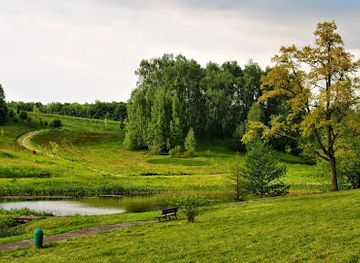
Myślęcinek Leśny Park Kultury i Wypoczynku
Discover the beauty of Myślenice Forest Cultural and Recreation Park in Bydgoszcz, a perfect blend of nature, adventure, and family-friendly fun.
14 min drive · 4.6 km from city centre
-
Tourist attraction
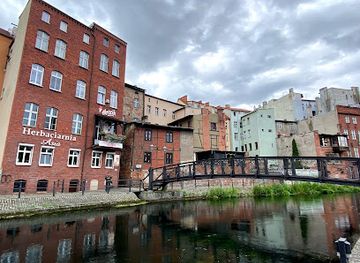
Stary Rynek
Experience the vibrant culture and stunning architecture of Stary Rynek, Bydgoszcz's historic market square, where history meets modern charm.
7 min walk · 0.6 km from city centre
-
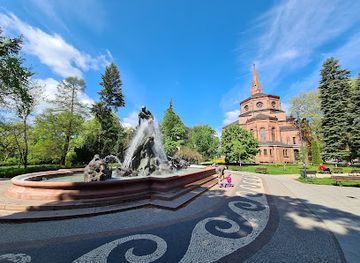
Fountain
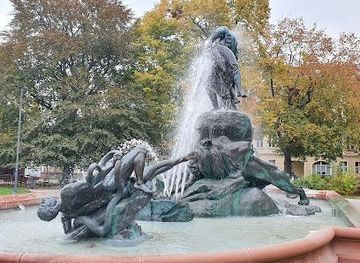
Deluge Fountain
Explore the Deluge Fountain in Bydgoszcz, a captivating blend of art and water that enchants every visitor with its stunning displays and vibrant atmosphere.
4 min walk · 0.3 km from city centre


Best landmarks in Bydgoszcz
Bydgoszcz, a charming city in Poland, offers visitors a blend of historical landmarks and modern attractions. From the picturesque Old Town Square with its colorful buildings and lively atmosphere, to the iconic Mill Island with its historic architecture and beautiful waterfront views, there is something for everyone to enjoy. Don't miss a visit to the stunning Bydgoszcz Cathedral, a masterpiece of Gothic architecture, and the impressive Opera Nova, a modern cultural hub showcasing a variety of performances. With its rich history, vibrant culture, and welcoming atmosphere, Bydgoszcz is a must-visit destination for any traveler.
-
Park
Mill Island
Explore Mill Island in Bydgoszcz: A tranquil park blending natural beauty with rich history for an unforgettable experience.
11 min walk · 0.8 km from city centre
-
Fountain
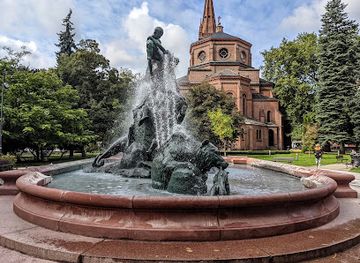
Deluge Fountain
Discover the stunning Deluge Fountain in Bydgoszcz, a captivating blend of art and nature at the heart of this charming Polish city.
4 min walk · 0.3 km from city centre
-
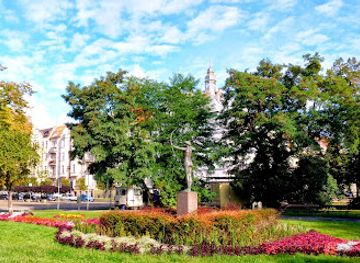
Park
Park. Casimir the Great
Explore the enchanting beauty of Park Casimir the Great in Bydgoszcz, where nature, art, and culture create a serene urban escape.
4 min walk · 0.3 km from city centre
-
State park
Park Jana Kochanowskiego w Bydgoszczy
Experience the lush beauty and tranquility of Park Jana Kochanowskiego, a must-visit green oasis in Bydgoszcz for nature lovers and families alike.
9 min walk · 0.7 km from city centre
Explore Bydgoszcz on the map
Plan your Bydgoszcz trip on one map. See where the top attractions, landmarks, restaurants, bars and hotels are, find what's near where you're staying, and book hotels and experiences in a few clicks.
Neighbourhoods in Bydgoszcz
-

-

-

-


Swipe for more neighbourhoods
Best hotels in Bydgoszcz
Best restaurants in Bydgoszcz
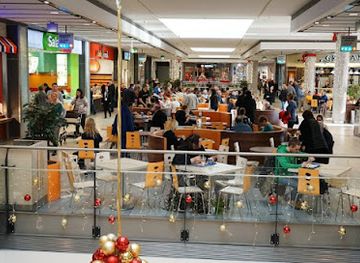
Bydgoszcz offers a diverse dining scene that caters to all tastes and budgets. From traditional Polish cuisine served in charming local eateries to trendy cafes and international restaurants, visitors can indulge in a culinary adventure. Be sure to try local specialties like pierogi, gołąbki, and kielbasa, and wash it down with a cold glass of regional beer or a shot of flavored vodka. With a mix of cozy atmospheres, friendly service, and delicious food, dining in Bydgoszcz is a delightful experience that will leave a lasting impression on every traveler.
-
Crêperie
Manekin
Savor delightful sweet and savory crêpes at Manekin in Bydgoszcz - an affordable culinary gem perfect for every palate.
7 min walk · 0.5 km from city centre
-
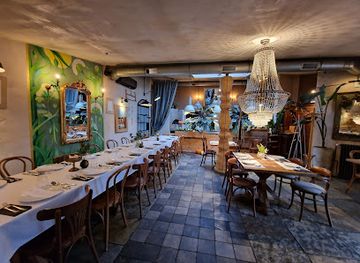
Restaurant
Czosnek i Oliwa
Discover authentic Polish cuisine at Czosnek i Oliwa, where fresh ingredients meet traditional flavors in the heart of Bydgoszcz.
15 min walk · 1.2 km from city centre
-
Restaurant
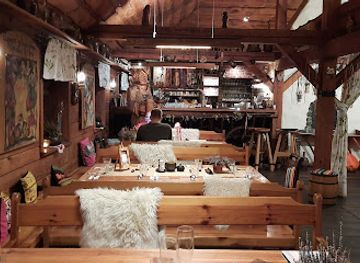
Karczma Rzym
Experience authentic Polish cuisine at Karczma Rzym in Bydgoszcz - where tradition meets flavor in a warm and welcoming setting.
25 min drive · 8.4 km from city centre
-
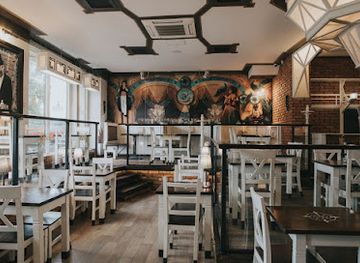
Restaurant
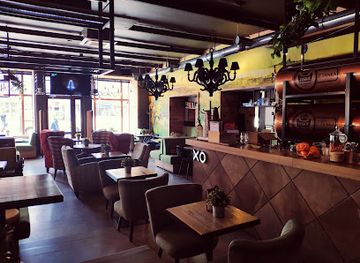
XOXO
Experience the best of Polish cuisine at XOXO in Bydgoszcz's historic Old Market Square.
7 min walk · 0.5 km from city centre
Best bars in Bydgoszcz
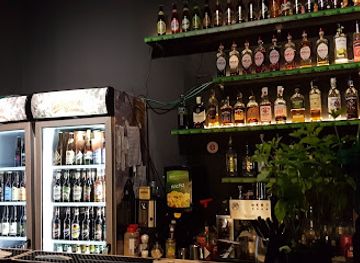
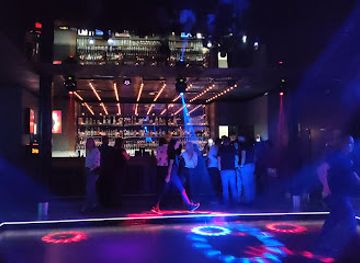
Bydgoszcz's nightlife scene offers a vibrant mix of trendy bars, cozy pubs, and energetic nightclubs that cater to a variety of tastes. From chic cocktail lounges to lively dance floors, visitors can expect a diverse array of options to enjoy a night out on the town. Whether you're looking to sip on craft cocktails in a stylish setting or dance the night away to the latest hits, Bydgoszcz has something for everyone. With a lively atmosphere and friendly locals, the city's nightlife scene is sure to leave a lasting impression on tourists looking for a memorable evening out.
-
European
Warzelnia Piwa Bydgoszcz
Explore the vibrant fusion of European and Indian flavors at Warzelnia Piwa Bydgoszcz, where unique beers and cozy ambiance await every visitor.
12 min walk · 1.0 km from city centre
-
Pub
Pub Kubryk
Discover the lively charm of Pub Kubryk, a vibrant pub in Bydgoszcz, offering great drinks, local culture, and a friendly atmosphere for all visitors.
5 min walk · 0.4 km from city centre
-
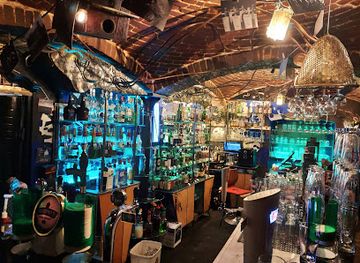
Brewpub
Cybermachina
Experience the best of Bydgoszcz at Cybermachina, a lively brewpub offering craft beers, cocktails, and delicious bites in a vibrant atmosphere.
11 min walk · 0.9 km from city centre
-
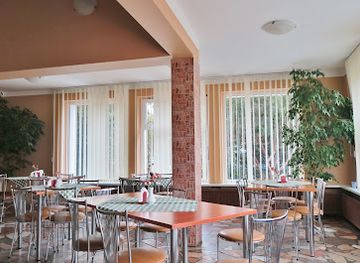
Bar
Bar Kaprys
Discover the essence of Polish cuisine at Bar Kaprys, a cozy bistro in Bydgoszcz serving delicious traditional dishes in a warm atmosphere.
17 min walk · 1.4 km from city centre
Best nightclubs in Bydgoszcz
Bydgoszcz's nightlife scene offers a vibrant mix of trendy bars, cozy pubs, and energetic nightclubs that cater to a variety of tastes. From chic cocktail lounges to lively dance floors, visitors can expect a diverse array of options to enjoy a night out on the town. Whether you're looking to sip on craft cocktails in a stylish setting or dance the night away to the latest hits, Bydgoszcz has something for everyone. With a lively atmosphere and friendly locals, the city's nightlife scene is sure to leave a lasting impression on tourists looking for a memorable evening out.
-
Jazz
Eljazz Club, Art Center Eljazz
Immerse yourself in the enchanting world of jazz at Eljazz Club, Bydgoszcz's premier live music venue for unforgettable nights.
6 min walk · 0.5 km from city centre
-
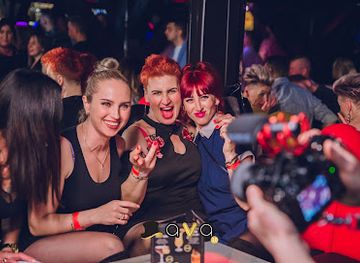
Night club
AVA 3.0
Discover the electrifying nightlife at AVA 3.0 in Bydgoszcz, where unforgettable moments await amidst great music and a vibrant atmosphere.
2 min walk · 0.2 km from city centre
-
Night club
Strefa Disco 24/7
Experience the electrifying nightlife of Bydgoszcz at Strefa Disco 24/7, where every night is a celebration of music, dance, and cocktails.
7 min walk · 0.6 km from city centre
-
Club
POINT Club
Discover the electrifying nightlife at POINT Club in Bydgoszcz, where unforgettable dance parties and vibrant music await you.
6 min walk · 0.5 km from city centre

Best shops in Bydgoszcz
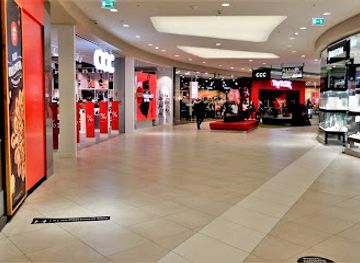
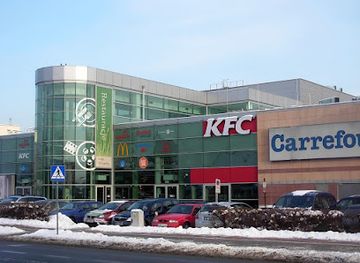
Bydgoszcz offers a diverse shopping scene for visitors, from bustling marketplaces to modern shopping centers. Explore Stary Rynek, the old town square, where you can find unique souvenirs and local crafts. Don't miss the historic Mill Island, with its charming boutiques and antique stores. For a more contemporary shopping experience, head to the Galeria Pomorska or the Focus Mall for a wide selection of international brands. With its mix of traditional and modern shopping options, Bydgoszcz has something for every visitor's taste.
-
Shopping mall
Zielone Arkady Bydgoszcz
Explore the bustling Zielone Arkady Bydgoszcz, a shopping paradise offering diverse stores, dining, and entertainment in Poland's charming city.
11 min walk · 0.8 km from city centre
-
Shopping mall
Galeria Pomorska Bydgoszcz
Experience the best of shopping, dining, and entertainment at Galeria Pomorska, Bydgoszcz's premier shopping mall.
12 min drive · 4.0 km from city centre
-
Shopping mall
Focus Bydgoszcz
Explore the vibrant shopping scene at Focus Bydgoszcz, where retail therapy meets culinary delights in a modern setting.
8 min walk · 0.7 km from city centre
-
Shopping mall
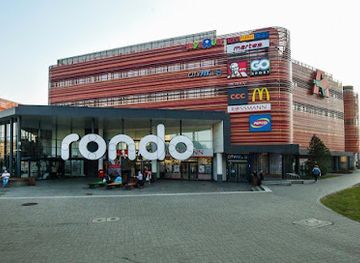
Shopping Centre Rondo
Discover Shopping Centre Rondo in Bydgoszcz, a vibrant shopping mall offering a unique blend of retail, dining, and entertainment for all visitors.
5 min drive · 1.6 km from city centre
Get your free copy of our complete guide to Bydgoszcz, delivered straight to you.
Everything on this page, from attractions and restaurants to essentials and local phrases, in one PDF you can read offline, print or share.
Already have an account? Sign in
Your Bydgoszcz guide is ready.
We'll send it to · Not you? Sign out

Getting your guide ready…
We are putting together a fresh copy of the Bydgoszcz guide. This can take up to a minute.
This can take a few moments. If your browser asks, choose Allow so the download can start. You'll find the guide in your Downloads folder.
Nothing happened? Download it again
Sorry, the guide is taking longer than usual. Please try again in a minute, or get it by email instead.
Bydgoszcz essentials
Currency and Payment
Safety
Emergency Situations
Do's and Don'ts
Local Tips
From Eve
Local phrases worth knowing
You don't need to get them perfect. A few words go a long way, and locals appreciate the effort.
Basics
| English | Local | Say it |
|---|---|---|
| Hello | Cześć | [cheshch] |
| Goodbye | Do widzenia | [do veedzenia] |
| Yes | Tak | [tak] |
| No | Nie | [nye] |
| Please/You're welcome | Proszę | [proshe] |
| Thank you | Dziękuję | [dzyen-koo-yeh] |
| Excuse me/Sorry | Przepraszam | [psheh-prashaam] |
| How are you? | Jak się masz? | [yak sheh mahsh] |
| Fine. And you? | Dobrze. A ty? | [doh-bzheh. ah tih] |
| Do you speak English? | Czy mówisz po angielsku? | [chi moo-vish poh ahng-yehl-skoo] |
| I don't understand | Nie rozumiem | [nye roh-zoo-myem] |
Eating & Drinking
| English | Local | Say it |
|---|---|---|
| I'd like to see the menu, please | Chciałbym zobaczyć menu, proszę | [hchyaow-bim zoh-bah-chich meh-noo, pro-sheh] |
| I don't eat meat | Nie jem mięsa | [nye yem myen-sah] |
| Cheers! | Na zdrowie! | [nah zdroh-vee-eh] |
| I would like to pay, please | Chciałbym zapłacić, proszę | [hchyaow-bim zah-plah-cheech, pro-sheh] |
Emergencies
| English | Local | Say it |
|---|---|---|
| Help! | Pomocy! | [poh-mo-tsi] |
| Go away! | Odejdź! | [oh-deydzh] |
| Call the Police! | Zadzwoń po policję! | [zahdz-wohn poh poh-lee-tsyeh] |
| Call a doctor! | Zadzwoń po lekarza! | [zahdz-wohn poh leh-kahr-zah] |
| I'm lost | Zgubiłem się | [zgoo-bee-wem sheh] |
| I'm ill | Jestem chory | [yeh-stem hoh-ri] |
Shopping
| English | Local | Say it |
|---|---|---|
| I'd like to buy... | Chciałbym kupić... | [hchyaow-bim koo-peech] |
| I'm just looking | Tylko się rozglądam | [tih-koh sheh rohz-gwah-dahm] |
| How much is it? | Ile to kosztuje? | [ee-leh toh kohs-too-yeh] |
| That's too expensive | To jest za drogie | [toh yest zah droh-gyeh] |
| Can you lower the price? | Czy można obniżyć cenę? | [chi moozh-nah ohb-nee-zhich cheh-neh] |
Time & Numbers
| English | Local | Say it |
|---|---|---|
| What time is it? | Która godzina? | [ktoo-rah goh-dzee-nah] |
| It's one o'clock | Jest pierwsza | [yest pyeh-rvshah] |
| Half past (10) | Pół do dziesiątej | [poo doh dzyeh-shon-tey] |
| Morning | Rano | [rah-noh] |
| Afternoon | Popołudnie | [poh-poo-woot-nyeh] |
| Evening | Wieczór | [vyeh-choor] |
| Yesterday | Wczoraj | [vchaw-rye] |
| Today | Dziś | [dzhish] |
| Tomorrow | Jutro | [yoo-troh] |
| 1 | Jeden | [yeh-den] |
| 2 | Dwa | [dvah] |
| 3 | Trzy | [tshih] |
| 4 | Cztery | [ch-teh-ri] |
| 5 | Pięć | [pyen-ch] |
| 6 | Sześć | [sheh-shch] |
| 7 | Siedem | [sye-dyem] |
| 8 | Osiem | [oh-shyem] |
| 9 | Dziewięć | [dzyev-nyeh-ch] |
| 10 | Dziesięć | [dzyeh-shon-tyeh-ch] |
Transport & Directions
| English | Local | Say it |
|---|---|---|
| Where's a/the...? | Gdzie jest... | [gdyeh yest] |
| What's the address? | Jaki jest adres? | [yah-ki yest ah-dres] |
| Can you show me (on the map)? | Czy możesz mi pokazać (na mapie)? | [chi moo-zhesh mee poh-kah-zahch (nah mah-pyeh)] |
| When's the next (bus)? | Kiedy jest następny (autobus)? | [kyeh-dih yest nah-stemp-nih (ow-toh-boos)] |
| A ticket (to ....) | Bilet (do ....) | [byeh-let (doh)] |
History of Bydgoszcz
Early Beginnings
The history of Bydgoszcz dates back to the early Middle Ages. The first settlement in the area was established by the Polans tribe in the 10th century. The strategic location by the Brda River made it an important site for trade and defense.
Medieval Development
Bydgoszcz received city rights in 1346 from King Casimir III the Great. This period saw significant growth and development, with the construction of important buildings and the establishment of trade routes. The city's location along the Brda River and the Bydgoszcz Canal made it a key point in the trade network connecting the Baltic Sea with central Poland.
The Teutonic Order and Polish-Lithuanian Commonwealth
During the 14th and 15th centuries, Bydgoszcz was involved in the conflicts between the Kingdom of Poland and the Teutonic Order. The city played a crucial role in the Polish-Lithuanian Commonwealth, serving as a royal city and an economic hub.
Swedish Deluge
In the mid-17th century, Bydgoszcz suffered during the Swedish invasion known as the Deluge. The city was occupied and heavily damaged, leading to a period of decline.
Prussian Partition
Following the First Partition of Poland in 1772, Bydgoszcz became part of the Kingdom of Prussia. It was renamed Bromberg and underwent significant Germanization. The city's infrastructure expanded, including the construction of the Bydgoszcz Canal, which further boosted its economic importance.
Industrial Revolution
The 19th century brought industrialization to Bydgoszcz. The city became a major industrial center with the development of factories, railways, and urban infrastructure. This period of economic growth attracted a diverse population, contributing to the city's cultural richness.
Return to Poland
After World War I and the Treaty of Versailles in 1919, Bydgoszcz was reintegrated into the newly independent Poland. The interwar period saw further industrial and cultural development, making it one of the key cities in the Second Polish Republic.
World War II
Bydgoszcz was occupied by Nazi Germany during World War II, leading to significant destruction and the persecution of its inhabitants. The city was liberated by Soviet and Polish forces in 1945, but it faced a long process of rebuilding in the post-war years.
Post-War Reconstruction
The post-war period saw major reconstruction efforts in Bydgoszcz. The city was rebuilt and expanded, with a focus on industrial development. It became an important center for education, culture, and science in the People's Republic of Poland.
Modern Era
Since the fall of communism in 1989, Bydgoszcz has experienced rapid modernization and growth. The city has transformed into a vibrant cultural and economic center, with a revitalized old town, numerous festivals, and a thriving arts scene. It continues to be a key player in Poland's economic and cultural landscape.
Bydgoszcz in Photos
Browse through our photo collection highlighting the charm and character of the destination.
Cities near Bydgoszcz
The closest cities to Bydgoszcz, if you have time for more than one stop.
-

-

-

-

-


Swipe for more cities
Explore more

Explore more of Poland
Discover Poland's rich history, vibrant cities, and scenic landscapes, from the medieval streets of Kraków to the serene beauty of the Tatra Mountains and Masurian Lakes.
Explore Poland