

Free Sopot Travel Guide & Mobile App
Plan your Sopot trip with Evendo. Get free guides to top attractions, restaurants, hotels, and bars. Web access or download the mobile app.


Sopot, Poland, pairs a Baltic beach, historic pier, spa heritage, leafy villas and lively Monte Cassino promenade with easy access to the Tri-City.
A Historic Baltic Resort
Sopot occupies a narrow stretch of Poland’s Baltic coast between Gdańsk and Gdynia, forming part of the Tri-City metropolitan area. Its identity was shaped by the sea and by spa culture: elegant villas, wooded hills and broad sandy beaches surround a compact centre focused on the pedestrianised Bohaterów Monte Cassino Street. The town’s most recognisable feature is its long wooden pier, extending into the Gulf of Gdańsk beside a sheltered marina and lively waterfront.Read more about Sopot
Streets, Villas and Cultural Life
Beach, Forest and the Gulf
When is the best time to visit Sopot?
Best: June–August · 23–24°C| Month | High (°C) | Rainfall (mm) |
|---|---|---|
| January | 2 | 30 |
| February | 2 | 30 |
| March | 6 | 30 |
| April | 12 | 40 |
| May | 19 | 40 |
| June (best) | 23 | 50 |
| July (best) | 24 | 60 |
| August (best) | 24 | 50 |
| September | 19 | 40 |
| October | 13 | 40 |
| November | 8 | 40 |
| December | 4 | 30 |
Getting to and around Sopot
How to get there
Transportation
Best attractions in Sopot
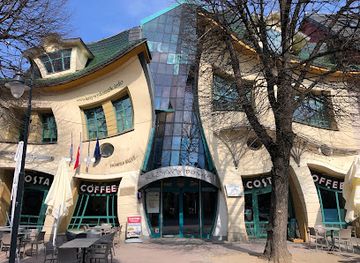
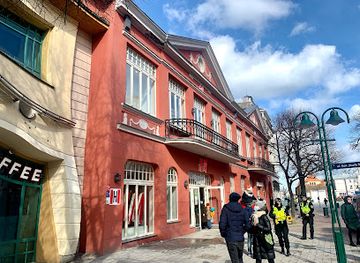
Sopot’s sightseeing begins at the wooden pier, which projects into the Gulf of Gdańsk beside a marina and gives the town its defining coastal perspective. From there, Bohaterów Monte Cassino Street leads through the pedestrian centre, passing cafés, shops and the whimsical Crooked House, whose irregular façade is one of the city’s most photographed contemporary features. The Museum of Sopot, housed in the historic Claaszen Villa, introduces the town’s domestic and resort history, while the Sopot Lighthouse offers views over the coast when open to visitors. Beyond the centre, the Forest Opera occupies a wooded natural amphitheatre associated with major music events. The sandy beach, coastal promenade and cycle paths provide a more informal way to experience the resort, while the wooded trails of the Tricity Landscape Park reveal the hills and ravines behind the built-up shore.
-
Tourist attraction
Molo w Sopocie
Experience the breathtaking views and vibrant atmosphere of Sopot Pier, a must-visit seaside attraction in Poland.
12 min walk · 0.9 km from city centre
-
Tourist attraction
Molo w Brzeźnie
Discover the stunning views and vibrant atmosphere of Molo w Brzeźnie, a must-visit pier in Gdańsk, perfect for relaxation and local cuisine.
16 min drive · 5.2 km from city centre
-
Park
Oliwski Park
Explore the natural beauty and historical charm of Oliwski Park in Gdańsk, a perfect retreat for relaxation and adventure in a serene landscape.
10 min drive · 3.4 km from city centre
-
Tourist attraction
Orłowo Pier
Experience the charm and breathtaking views of Orłowo Pier, a serene escape along the stunning Polish coastline in Gdynia.
13 min drive · 4.3 km from city centre


Best landmarks in Sopot
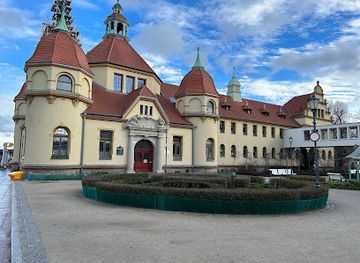
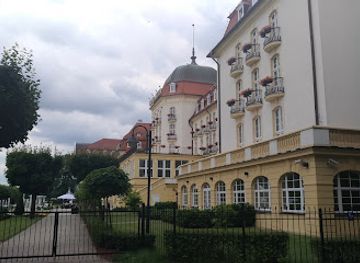
Sopot’s principal landmarks express its evolution from a small coastal settlement into a fashionable Baltic resort. The wooden Sopot Pier is the city’s signature structure and one of the defining public spaces on the Gulf of Gdańsk, while the nearby lighthouse, built as part of a former balneological complex, remains a prominent waterfront feature. The Grand Hotel represents the grand resort architecture that developed during the town’s imperial-era expansion, and the ornate villas around the centre preserve the domestic scale of that period. On Bohaterów Monte Cassino Street, the Crooked House provides a striking modern contrast to the historic buildings. The Forest Opera, set among woodland, is important not only as an architectural venue but also as a symbol of Sopot’s longstanding connection with large-scale music and cultural events. Together these places chart the resort’s civic, social and entertainment history.
-
Tourist attraction
Sopot Pier
Experience the charm of Sopot Pier, where stunning sea views and vibrant cultural life create unforgettable moments.
12 min walk · 0.9 km from city centre
-
Tourist attraction
Krzywy Domek
Explore the Crooked House in Sopot, a stunning architectural wonder blending shopping and whimsical design for an unforgettable experience.
6 min walk · 0.5 km from city centre
-
Water park
Aquapark Sopot
Dive into adventure and relaxation at Aquapark Sopot, the ultimate water park experience featuring thrilling slides, relaxing spas, and fun for all ages.
6 min drive · 2.0 km from city centre
-
Park
Northern Park
Explore the natural beauty and serene landscapes of Northern Park in Sopot, a perfect getaway for relaxation and leisure in Poland.
5 min drive · 1.5 km from city centre
Explore Sopot on the map
Plan your Sopot trip on one map. See where the top attractions, landmarks, restaurants, bars and hotels are, find what's near where you're staying, and book hotels and experiences in a few clicks.
Best hotels in Sopot
Best restaurants in Sopot
Sopot’s dining scene reflects its coastal setting and its long tradition as a resort, with restaurants, cafés, bakeries and seasonal venues concentrated around Monte Cassino, the pier and the streets leading towards the beach. Menus commonly draw on Polish cooking, including pierogi, soups, freshwater and Baltic fish, potato-based dishes and cakes, while the wider Pomeranian region contributes smoked fish, dairy products and hearty northern flavours. Seafood is especially associated with the waterfront, though the quality and origin of catches vary by establishment and season. Cafés are central to the resort rhythm, offering coffee, pastries and an easy place to watch the pedestrian flow. More contemporary restaurants bring international techniques and modern Polish cooking to restored villas and stylish interiors, while casual food stalls and ice-cream shops cater to beachgoers in summer.
-
Fish restaurant
Bar Przystań
Discover the best seafood at Bar Przystań in Sopot – where fresh catches meet stunning coastal views.
18 min walk · 1.4 km from city centre
-
European
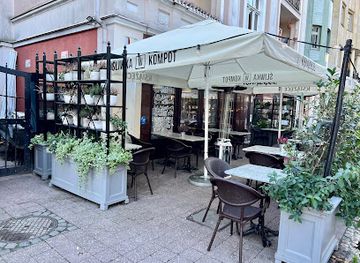
Śliwka w Kompot
Discover the exquisite European flavors at Śliwka w Kompot in Sopot—a culinary treasure offering an unforgettable dining experience.
6 min walk · 0.5 km from city centre
-
Polish
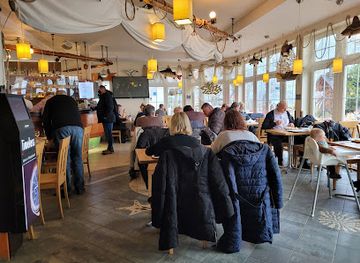
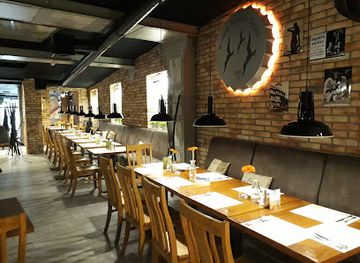
Browar Miejski Sopot
Discover Browar Miejski Sopot: Where Polish cuisine meets exquisite craft beers in a lively brewpub atmosphere.
4 min walk · 0.3 km from city centre
-
Bistro
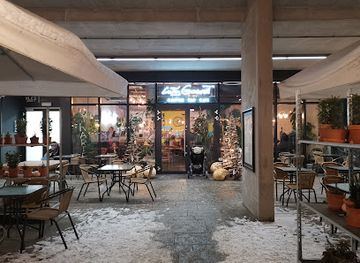
Cały Gaweł Cantine Bar Cafe
Experience the perfect blend of bistro charm and bar vibrancy at Cały Gaweł Cantine Bar Cafe in Sopot.
2 min walk · 0.1 km from city centre
Best bars in Sopot
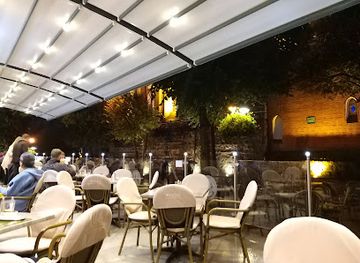
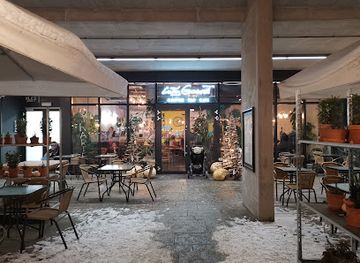
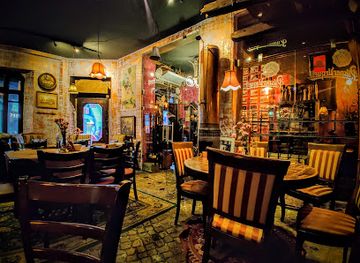
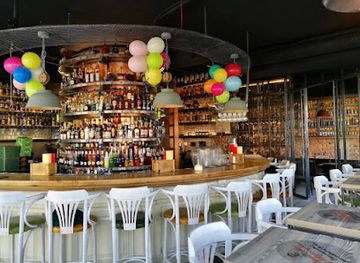
Evening life in Sopot is concentrated around Bohaterów Monte Cassino Street and the adjoining streets, where cafés, cocktail bars, pubs and restaurants remain active after the beach quietens. The town has a stronger nightlife reputation than its size might suggest, particularly during summer weekends, when the central promenade attracts a young local and visiting crowd. Options range from relaxed bars and wine-led venues to places featuring DJs and late-night dancing, while larger cultural programmes may include concerts, theatre and performances at the Forest Opera or other established venues. The atmosphere becomes markedly calmer away from the centre, especially towards the residential villas and wooded slopes. Visitors should expect seasonal variation, busy peak periods and ordinary city precautions around crowded nightlife areas rather than assuming that every venue operates throughout the year.
-
Polish
Browar Miejski Sopot
Discover Browar Miejski Sopot, where authentic Polish cuisine meets craft brewing in a vibrant setting.
4 min walk · 0.3 km from city centre
-
Bar
Cały Gaweł Cantine Bar Cafe
Discover Cały Gaweł Cantine Bar Cafe in Sopot, where delicious cuisine meets a vibrant atmosphere in the heart of the seaside.
2 min walk · 0.1 km from city centre
-
Restaurant
Błękitny Pudel
Błękitny Pudel: Experience the flavors of Poland and Europe at this inviting restaurant and cocktail bar in Sopot.
6 min walk · 0.5 km from city centre
-
Cocktail bar
Coctail Bar Max & Dom Whisky
Discover Sopot's premier cocktail destination, where innovative drinks and a stylish lounge atmosphere come together for an unforgettable experience.
9 min walk · 0.7 km from city centre
Best nightclubs in Sopot
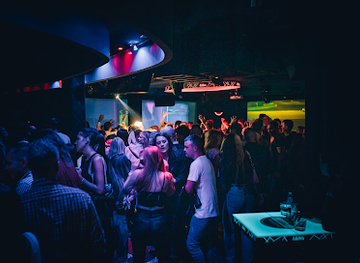
Evening life in Sopot is concentrated around Bohaterów Monte Cassino Street and the adjoining streets, where cafés, cocktail bars, pubs and restaurants remain active after the beach quietens. The town has a stronger nightlife reputation than its size might suggest, particularly during summer weekends, when the central promenade attracts a young local and visiting crowd. Options range from relaxed bars and wine-led venues to places featuring DJs and late-night dancing, while larger cultural programmes may include concerts, theatre and performances at the Forest Opera or other established venues. The atmosphere becomes markedly calmer away from the centre, especially towards the residential villas and wooded slopes. Visitors should expect seasonal variation, busy peak periods and ordinary city precautions around crowded nightlife areas rather than assuming that every venue operates throughout the year.
-
Live Music
Unique Club Sopot
Unique Club Sopot offers live music and a vibrant nightlife experience in Sopot, Poland, perfect for party-goers and music lovers alike.
9 min walk · 0.7 km from city centre
-
Disco club
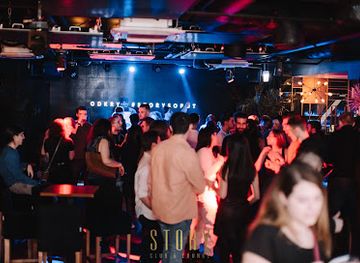
Klub Story Disco Sopot & Shisha Lounge
Discover the ultimate nightlife experience at Klub Story Disco Sopot & Shisha Lounge, where dancing meets relaxation in a vibrant atmosphere.
3 min walk · 0.2 km from city centre
-
Night club
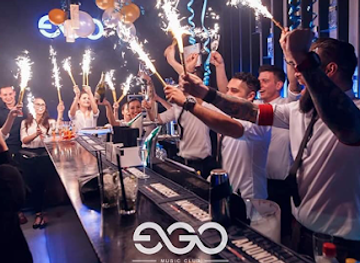
EGO SOPOT
Discover the vibrant nightlife at EGO SOPOT, a premier night club in Sopot, Poland, offering electrifying music and an unforgettable party atmosphere.
6 min walk · 0.5 km from city centre
-
Night club
Zła Kobieta. Klub nocny
Discover the electrifying atmosphere of Zła Kobieta Night Club in Sopot, where music, dance, and nightlife converge for an extraordinary experience.
6 min walk · 0.5 km from city centre

Best shops in Sopot
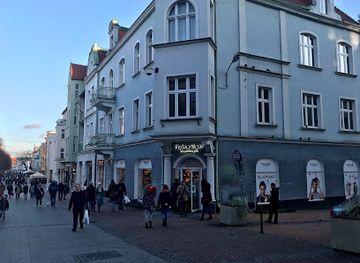
Shopping in Sopot is centred on Bohaterów Monte Cassino Street and the lanes around the railway station, where visitors find fashion shops, cafés, bookshops, galleries, pharmacies and stores aimed at the seasonal resort trade. The waterfront adds stalls and small outlets selling beach goods, postcards, sweets and souvenirs, while the streets near the beach often have a more informal summer character. Useful Polish gifts include regional foods, amber jewellery and small craft items, although buyers should distinguish established workshops and reputable retailers from generic souvenirs. Sopot is not primarily a traditional market town, so its shopping experience is more about independent businesses, resort merchandise and contemporary retail than a single historic bazaar. For a wider choice of major retail centres and specialist shops, the connected cities of Gdańsk and Gdynia are easily reached by SKM train.
-
Shopping mall
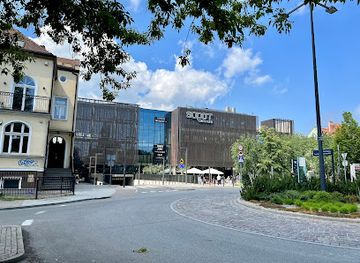
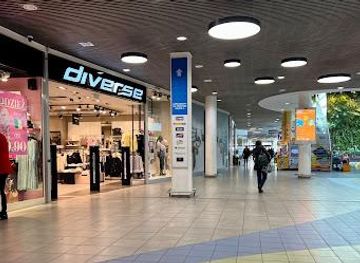
Sopot Centrum
Discover the vibrant Sopot Centrum, a premier shopping mall offering a unique blend of fashion, dining, and local culture in the heart of Sopot.
3 min walk · 0.2 km from city centre
-
Gift shop
Flying Tiger Copenhagen
Explore a whimsical world of affordable gifts and unique finds at Flying Tiger Copenhagen in Sopot, Poland's charming coastal gem.
4 min walk · 0.4 km from city centre
-
Shopping mall
Galeria Przymorze
Immerse yourself in the vibrant shopping and dining experience at Galeria Przymorze, Gdańsk's premier shopping mall.
12 min drive · 4.2 km from city centre
-
Clothing store
H&M
Explore the vibrant H&M in Sopot, where fashion meets affordability with stylish clothing and accessories for the whole family.
7 min walk · 0.5 km from city centre
Get your free copy of our complete guide to Sopot, delivered straight to you.
Everything on this page, from attractions and restaurants to essentials and local phrases, in one PDF you can read offline, print or share.
Already have an account? Sign in
Your Sopot guide is ready.
We'll send it to · Not you? Sign out

Getting your guide ready…
We are putting together a fresh copy of the Sopot guide. This can take up to a minute.
This can take a few moments. If your browser asks, choose Allow so the download can start. You'll find the guide in your Downloads folder.
Nothing happened? Download it again
Sorry, the guide is taking longer than usual. Please try again in a minute, or get it by email instead.
Sopot essentials
Currency and Payment
Safety
Emergency Situations
Do's and Don'ts
Local Tips
From Eve
Local phrases worth knowing
You don't need to get them perfect. A few words go a long way, and locals appreciate the effort.
Basics
| English | Local | Say it |
|---|---|---|
| Hello | Cześć | [cheshch] |
| Goodbye | Do widzenia | [do veedzenya] |
| Yes | Tak | [tak] |
| No | Nie | [nye] |
| Please/You're welcome | Proszę | [proshe] |
| Thank you | Dziękuję | [dzyenkoo-yeh] |
| Excuse me/Sorry | Przepraszam | [pshay-prah-sham] |
| How are you? | Jak się masz? | [yak sheh mahsh] |
| Fine. And you? | Dobrze. A ty? | [dohb-zheh. ah tee] |
| Do you speak English? | Czy mówisz po angielsku? | [chi moovish poh ahng-yell-skoo] |
| I don't understand | Nie rozumiem | [nye roh-zoo-myem] |
Eating & Drinking
| English | Local | Say it |
|---|---|---|
| I'd like to see the menu, please | Chciałbym zobaczyć menu, proszę | [h-chyaw-beem zoh-bah-chich meh-noo, pro-sheh] |
| I don't eat meat | Nie jem mięsa | [nye yem myen-sah] |
| Cheers! | Na zdrowie! | [nah zdrov-yeh] |
| I would like to pay, please | Chciałbym zapłacić, proszę | [h-chyaw-beem zah-plah-cheech, pro-sheh] |
Emergencies
| English | Local | Say it |
|---|---|---|
| Help! | Pomocy! | [poh-moh-tsy] |
| Go away! | Idź sobie! | [eedzh soh-bee-eh] |
| Call the Police! | Zadzwoń po policję! | [zahd-zvon poh poh-leets-yeh] |
| Call a doctor! | Zadzwoń po lekarza! | [zahd-zvon poh leh-kah-zah] |
| I'm lost | Zgubiłem się | [zgoo-bee-wem sheh] |
| I'm ill | Jestem chory | [yeh-stem hoh-ri] |
Shopping
| English | Local | Say it |
|---|---|---|
| I'd like to buy... | Chciałbym kupić... | [h-chyaw-beem koo-peech] |
| I'm just looking | Tylko się rozejrzę | [tsoo-koh sheh roh-yeh-zheh] |
| How much is it? | Ile to kosztuje? | [ee-leh toh kohs-too-yeh] |
| That's too expensive | To jest za drogie | [toh yest zah droh-gyeh] |
| Can you lower the price? | Czy możesz obniżyć cenę? | [chi mo-zhes ob-nee-zhich tseh-neh] |
Time & Numbers
| English | Local | Say it |
|---|---|---|
| What time is it? | Która jest godzina? | [k-too-rah yest goh-dzee-nah] |
| It's one o'clock | Jest pierwsza | [yest pyehrv-shah] |
| Half past (10) | Pół do dziesiątej | [poow doh dzyeh-shoohn-teh-eh] |
| Morning | Ranek | [rah-nek] |
| Afternoon | Popołudnie | [poh-poo-wood-nyeh] |
| Evening | Wieczór | [vyeh-choor] |
| Yesterday | Wczoraj | [v-cho-rye] |
| Today | Dziś | [jeesh] |
| Tomorrow | Jutro | [yoo-troh] |
| 1 | Jeden | [yeh-den] |
| 2 | Dwa | [d-vah] |
| 3 | Trzy | [tshih] |
| 4 | Cztery | [ch-teh-ri] |
| 5 | Pięć | [pyen-ch] |
| 6 | Sześć | [shesh-ch] |
| 7 | Siedem | [shyeh-dem] |
| 8 | Osiem | [oh-shem] |
| 9 | Dziewięć | [dzyeh-vyenh-ch] |
| 10 | Dziesięć | [dzyeh-shyenh-ch] |
Transport & Directions
| English | Local | Say it |
|---|---|---|
| Where's a/the...? | Gdzie jest... | [gdzhe yest] |
| What's the address? | Jaki jest adres? | [yah-kee yest ah-dresh] |
| Can you show me (on the map)? | Czy możesz mi pokazać (na mapie)? | [chi mo-zhes mee poh-kah-zach (nah mah-pyeh)] |
| When's the next (bus)? | Kiedy jest następny (autobus)? | [kyeh-dy yest nah-stehp-nih (ow-toh-boos)] |
| A ticket (to ....) | Bilet (do ...) | [bee-let (doh)] |
History of Sopot
Early Settlement and the Monastic Estate
The area now occupied by Sopot developed within the wider landscape of historic Pomerania, where settlement, fishing and woodland shaped communities along the Baltic shore. Medieval Sopot was associated with the Cistercian monastery at Oliwa, which controlled estates in the region and influenced its agricultural and economic development. The settlement remained comparatively small for centuries, with scattered rural properties rather than an urban centre. Its position beside the Gulf of Gdańsk, however, gave it access to maritime routes and to the prosperous port city of Gdańsk. That relationship would later become important when Sopot began to attract visitors seeking the sea air and reputed therapeutic qualities of its coastal environment.
The Rise of the Seaside Resort
Sopot’s transformation began in the early nineteenth century, when the physician Jean Georg Haffner established bathing facilities and promoted the settlement as a health resort. The first pier was built in 1827, creating a place for promenading and sea bathing, while hotels, villas and treatment facilities followed. Improved roads and railway connections in the nineteenth century made the coast accessible to visitors from Gdańsk and further afield. As the resort expanded, Sopot developed the spacious streets, landscaped areas and resort buildings that still distinguish its centre. Its early identity was therefore not based on heavy industry, but on leisure, health treatments and the social rituals of seaside tourism.
Imperial-Era Expansion
Sopot grew rapidly in the late nineteenth and early twentieth centuries, when the resort attracted affluent visitors from across the German Empire and the wider Baltic region. The railway increased seasonal arrivals, and new hotels, villas, restaurants and entertainment venues gave the town an increasingly sophisticated character. The pier was extended several times, while the development of the Grand Hotel and other prominent properties strengthened Sopot’s reputation as an elegant resort. In 1901, Sopot received town rights, marking its administrative development into an established urban community. The architecture of this period, including ornate villas and resort buildings, remains central to the town’s visual identity.
Sopot in the Free City of Danzig
After the First World War, Sopot became part of the Free City of Danzig, a League of Nations-administered territory created by the Treaty of Versailles. The resort continued to serve visitors and retained its connection with the cultural and economic life of nearby Gdańsk, then known internationally as Danzig. Its hotels, casino culture and seaside facilities remained important, although political tensions increasingly affected the region. The Free City period ended with the German invasion of Poland in September 1939 and the incorporation of the area into Nazi Germany. The Second World War brought profound upheaval to Pomerania and altered the political map in which Sopot had developed.
Post-War Poland and Reconstruction
In 1945, Sopot became part of Poland as national borders shifted dramatically after the Second World War. The pre-war German-speaking population was displaced, while newcomers from other parts of Poland settled in the city. Sopot’s resort infrastructure survived in substantial measure, allowing its beaches, hotels and cultural institutions to continue serving visitors during the Polish People’s Republic. The Forest Opera, established before the war and developed further after 1945, became a significant venue for music festivals and televised performances. The city’s spa and holiday character remained strong, even as its social composition, political setting and relationship with Gdańsk changed completely.
The Contemporary Tri-City Resort
Since the democratic transition of 1989, Sopot has developed within the integrated urban region formed by Gdańsk, Sopot and Gdynia. Restoration of historic villas and public spaces has accompanied the growth of cafés, restaurants, cultural venues and private tourism. The pier, beach, Monte Cassino promenade and Forest Opera continue to anchor the visitor economy, while the railway links Sopot closely with the other two cities. Contemporary Sopot balances a strong resort identity with year-round residential and cultural life. Its modern character is therefore built on continuity: the historic spa landscape remains visible, but it now accommodates domestic tourism, international visitors and the daily movement of the wider metropolitan area.
Sopot in Photos
Browse through our photo collection highlighting the charm and character of the destination.
Cities near Sopot
The closest cities to Sopot, if you have time for more than one stop.
-

-

-

-

-


Swipe for more cities
Explore more

Explore more of Poland
Discover Poland's rich history, vibrant cities, and scenic landscapes, from the medieval streets of Kraków to the serene beauty of the Tatra Mountains and Masurian Lakes.
Explore Poland