

Free Podhale Travel Guide & Mobile App
Explore Podhale with free travel guides. Discover regional history, expert tips, proposed trips, and audio guides on web or mobile app.


Explore Podhale for Tatra trails, Zakopane architecture, highland villages, winter sports and distinctive mountain food in southern Poland.
When is the best time to visit Podhale?
Best: June–August · 20–23°C| Month | High (°C) | Rainfall (mm) |
|---|---|---|
| January | 0 | 40 |
| February | 1 | 35 |
| March | 6 | 40 |
| April | 12 | 50 |
| May | 18 | 65 |
| June (best) | 20 | 80 |
| July (best) | 23 | 90 |
| August (best) | 23 | 85 |
| September | 19 | 65 |
| October | 12 | 50 |
| November | 6 | 40 |
| December | 2 | 40 |
Getting to and around Podhale
How to get there
Transportation
Top city travel guides in Podhale
The cities of Podhale, and the easiest places to base yourself.

Swipe for more cities
Destinations in Podhale
Resorts, valleys and scenic spots worth a trip of their own.
-

-


Swipe for more destinations
Best attractions in Podhale
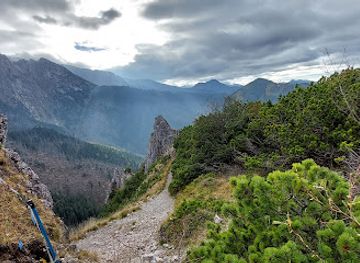
Podhale’s attractions combine high mountain scenery, living highlander culture and a substantial range of outdoor activities. The Tatra National Park is the region’s central natural draw, with marked trails through valleys and forests towards peaks, passes and glacial lakes; demanding routes should be planned around weather, daylight and experience. Zakopane provides museums, galleries, mountain guides, historic villas and access to the Gubałówka ridge, while the villages of Kościelisko, Chochołów and Bukowina Tatrzańska reveal different aspects of traditional architecture and local life. Winter sports are concentrated around Zakopane, Białka Tatrzańska and Bukowina Tatrzańska, where skiing, snowboarding and thermal bathing are major seasonal activities. Nowy Targ offers markets, town history and a base for exploring the northern part of the region. Families may prefer accessible valleys, scenic viewpoints and bathing complexes, whereas experienced walkers can use Podhale as a base for longer Tatra excursions. Wooden churches, shepherding traditions, folk performances and small cultural museums add depth beyond the headline mountain routes.
-
Tourist attraction
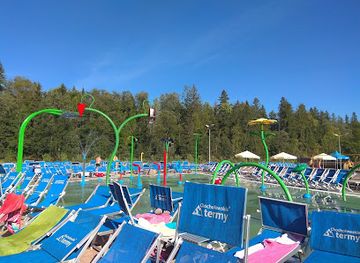
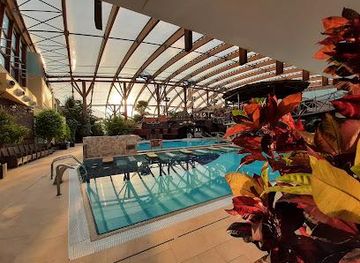
Chochołowskie Termy
Experience the ultimate relaxation and fun at Chochołowskie Termy, the premier thermal spa and water park in Poland, surrounded by stunning mountain views.
-
Castle
Orava Castle
Explore Orava Castle, a medieval marvel in Slovakia, offering stunning views, rich history, and captivating exhibits for every traveler.
-
National park
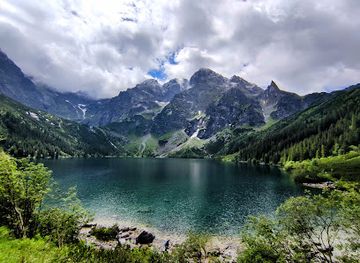
Tatra National Park, Poland
Explore Tatra National Park in Poland, a breathtaking national park renowned for its stunning landscapes, diverse wildlife, and extensive hiking trails.
-
Water park
Tatralandia
Discover the ultimate water adventure at Tatralandia, where fun meets relaxation in the breathtaking landscapes of Liptovský Mikuláš.

Best landmarks in Podhale
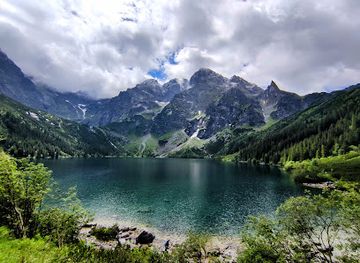
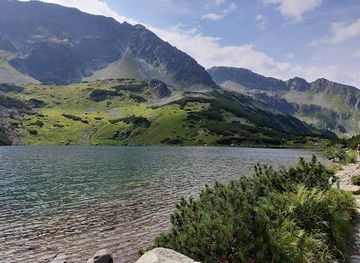
The Tatra skyline is Podhale’s defining natural landmark, with the Giewont massif particularly recognisable from Zakopane and nearby valleys. The mountain’s summit cross has long been a prominent visual and religious symbol, although the route to it is exposed and can become congested. Within the Tatra National Park, Morskie Oko is distinguished by its glacial lake, enclosing peaks and historic mountain-shelter setting, while the Valley of the Five Polish Lakes represents the high alpine character of the range. In Zakopane, the wooden Villa Koliba is a key example of the Zakopane Style associated with Stanisław Witkiewicz. The Chapel on Jaszczurówka, also designed in that idiom, is another important architectural reference. The wooden village church at Dębno, on Podhale’s eastern edge, is a nationally significant example of historic timber ecclesiastical architecture and forms part of the UNESCO-listed Wooden Churches of Southern Małopolska. Chochołów’s preserved wooden houses provide a particularly coherent image of traditional village building, while the Dunajec and Białka valleys explain the settlement pattern beneath the mountains.
-
Sports complex
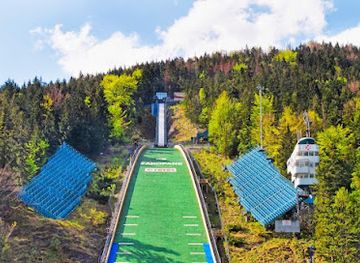
The Great Krokiew
Explore The Great Krokiew in Zakopane, Poland's largest ski jumping hill offering thrilling sports events and breathtaking mountain views.
-
National park
Tatra National Park, Poland
Discover the stunning landscapes and thrilling adventures at Tatra National Park, Poland's breathtaking natural wonder in the Tatra Mountains.
-
Tourist attraction
Sarnia Skała
Explore the captivating beauty of Sarnia Skała in Tatra National Park, a must-visit destination for nature lovers and outdoor enthusiasts in Poland.
-
Park
Five Polish Ponds Valley
Explore the breathtaking beauty of Five Polish Ponds Valley in Bukowina Tatrzańska, Poland, a perfect destination for nature lovers and outdoor enthusiasts.
Explore Podhale on the map
Plan your trip on one map. See where the top cities, national parks and sights are, and book hotels and experiences in a few clicks.
Best hotels in Podhale
Best restaurants in Podhale
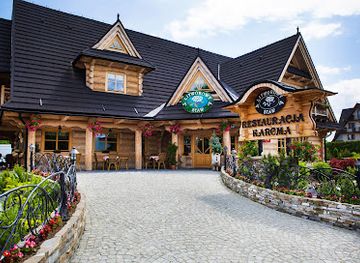
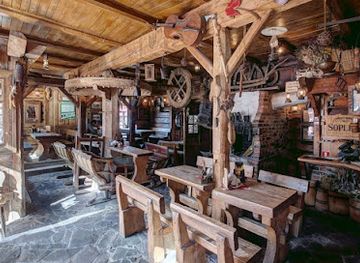
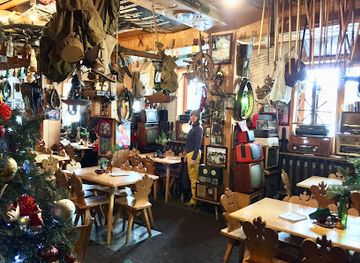
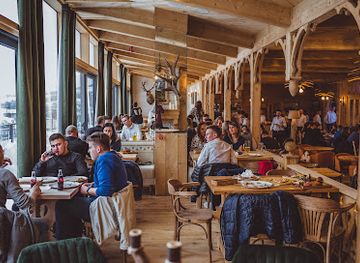
Podhale’s food reflects pastoral life, mountain agriculture and the hearty cooking suited to cold winters. Oscypek, the region’s famous smoked sheep’s-milk cheese, is sold seasonally by certified producers, while bundz, bryndza and other cheeses appear in village stalls and menus. Kwaśnica, a sour cabbage soup often prepared with meat, is a familiar highland dish, alongside potato-based specialities, dumplings, grilled meats, sourdough breads and pancakes. Zakopane has the broadest choice of restaurants, from traditional karczmas with timber interiors to contemporary kitchens and cafés, while villages offer family-run inns, guesthouse dining and regional menus. Nowy Targ’s markets and food shops are useful for seeing everyday local produce rather than only visitor-oriented specialities. Polish beers, fruit preserves and warming non-alcoholic drinks commonly accompany meals. Recipes vary between households and restaurants, so dishes labelled as highlander cuisine should be understood as a living regional tradition rather than a fixed menu.
-
Family-friendly
Karczma Litworowy Staw
Experience authentic Polish cuisine in a cozy setting at Karczma Litworowy Staw, perfect for families visiting Białka Tatrzańska.
-
Polish
Gazdowo Kuźnia Karczma
Discover authentic Polish flavors at Gazdowo Kuźnia Karczma in Zakopane, where traditional cuisine meets warm hospitality.
-
Polish
Marzanna i Ryszard Bubka
Experience authentic Polish flavors at Marzanna i Ryszard Bubka in Zakopane - perfect for families seeking delicious meals.
-
Restaurant
Restauracja Góralski Browar | Zakopane - Krupówki
Discover Góralski Browar in Zakopane: A blend of traditional Polish cuisine and modern European flair with breathtaking mountain views.
Best bars in Podhale
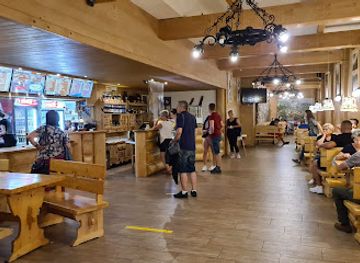
Evening life in Podhale is centred on restaurants, traditional inns, cafés and music venues rather than a continuous metropolitan club scene. Zakopane has the largest selection of bars, late-opening restaurants and venues offering live or recorded music, with activity concentrated around the main pedestrian streets and central resort area. Highlander-style inns may feature folk music, although performances and schedules vary by season. Białka Tatrzańska and Bukowina Tatrzańska develop a busier après-ski atmosphere in winter, while thermal resorts and hotel bars provide quieter evening options. In Nowy Targ, nightlife is more local and dispersed, with pubs, cafés and occasional cultural events. Outside the main towns, evenings are generally oriented towards guesthouse meals, rural inns and conversation rather than nightclubs. Visitors should check current arrangements directly, as opening patterns change between the winter and summer seasons.
-
Bar
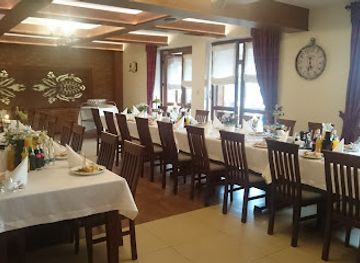
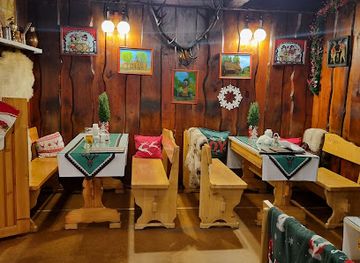
Tatrzański Bar Mleczny
Discover authentic Polish flavors at Tatrzański Bar Mleczny in Zakopane, where traditional dishes meet a friendly atmosphere.
-
Lunch
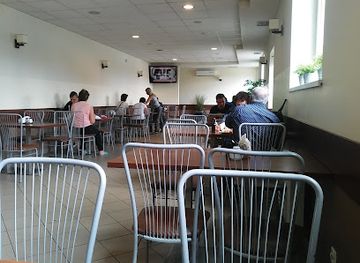
Rumcajs
Discover the flavors of Poland at Rumcajs, a cozy self-service restaurant in Nowy Targ, perfect for satisfying your lunch cravings.
-
Restaurant
Bar U Romka
Discover authentic Polish cuisine at Bar U Romka in Nowy Targ, where tradition meets warmth in a cozy dining atmosphere.
-
Polish
Bar Zajezdnia
Discover authentic Polish flavors at Bar Zajezdnia, a cozy cafeteria in Nowy Targ offering delicious traditional dishes at affordable prices.
Best nightclubs in Podhale
Evening life in Podhale is centred on restaurants, traditional inns, cafés and music venues rather than a continuous metropolitan club scene. Zakopane has the largest selection of bars, late-opening restaurants and venues offering live or recorded music, with activity concentrated around the main pedestrian streets and central resort area. Highlander-style inns may feature folk music, although performances and schedules vary by season. Białka Tatrzańska and Bukowina Tatrzańska develop a busier après-ski atmosphere in winter, while thermal resorts and hotel bars provide quieter evening options. In Nowy Targ, nightlife is more local and dispersed, with pubs, cafés and occasional cultural events. Outside the main towns, evenings are generally oriented towards guesthouse meals, rural inns and conversation rather than nightclubs. Visitors should check current arrangements directly, as opening patterns change between the winter and summer seasons.
-
Live Music
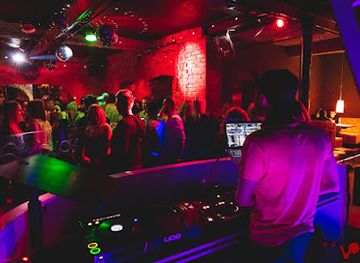
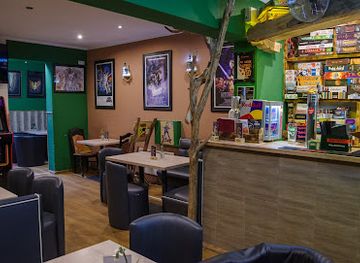
Klub Vavavoom
Discover the lively atmosphere of Klub Vavavoom, Zakopane's premier brewpub and live music venue, a perfect blend of local culture and entertainment.
-
Pub
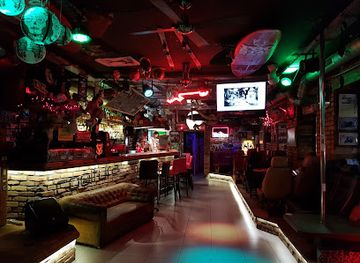
Na Końcu Świata
Discover the vibrant atmosphere and delightful offerings of Na Końcu Świata, a must-visit pub in Zakopane, Poland.
-
Night club
Chmielna 101 Cooltura
Discover the vibrant nightlife of Gdańsk at Chmielna 101 Cooltura, a premier night club and cocktail bar offering unforgettable evenings of music and dancing.
-
Night club
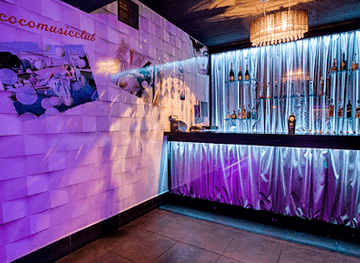
Coco | Music Club
Experience the vibrant nightlife of Kraków at Coco Music Club, a stylish venue for music, dancing, and unforgettable memories.
Best shops in Podhale
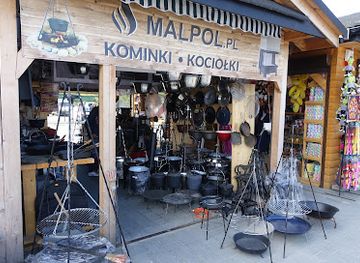
Shopping in Podhale ranges from Zakopane’s busy pedestrian streets to the everyday markets and independent shops of Nowy Targ and the villages. Visitors commonly look for certified oscypek and other mountain cheeses, honey, preserves, herbal products, woollen goods, carved wooden objects, pottery and locally inspired textiles. Zakopane has the largest concentration of souvenir shops, galleries and stalls, but quality and authenticity vary, so labels and producer information are worth checking. The town’s Krupówki area is convenient for browsing but is strongly oriented towards tourism; smaller village workshops and regional craft outlets can offer a more direct connection with makers. Nowy Targ’s long-established market tradition provides a broader mixture of food, clothing, household goods and rural trade, rather than a solely visitor-focused selection. Art galleries and craft shops also reflect the continuing influence of Tatra landscapes and highlander design. Avoid buying wildlife products, uncertified food or antiquities whose provenance is unclear.
-
Farmers' market
Nowa Targowica
Discover the heart of Nowy Targ at Nowa Targowica, where fresh produce meets local crafts in a vibrant market experience.
-
Shopping mall
Dekada
Experience the best shopping and dining in Nowy Targ at Dekada, a lively mall that brings together local culture and modern retail.
-
Home improvement store
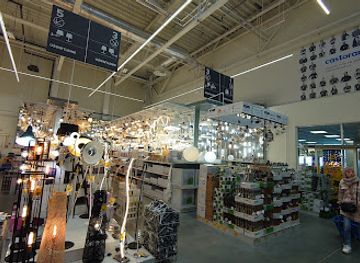
Castorama
Explore Castorama in Nowy Targ for all your home improvement needs, from DIY supplies to expert advice, and elevate your living space effortlessly.
-
Shopping mall
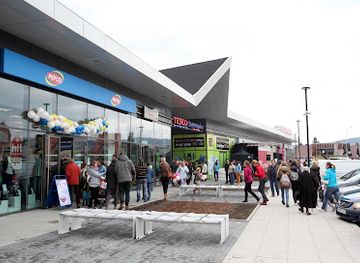
New Market Shopping Centre Buy & fly
Explore the vibrant New Market Shopping Centre in Nowy Targ, a shopper's paradise with diverse shops, dining, and family-friendly entertainment.
Get your free copy of our complete guide to Podhale, delivered straight to you.
Everything on this page, from attractions and restaurants to essentials and local phrases, in one PDF you can read offline, print or share.
Already have an account? Sign in
Your Podhale guide is ready.
We'll send it to · Not you? Sign out

Getting your guide ready…
We are putting together a fresh copy of the Podhale guide. This can take up to a minute.
This can take a few moments. If your browser asks, choose Allow so the download can start. You'll find the guide in your Downloads folder.
Nothing happened? Download it again
Sorry, the guide is taking longer than usual. Please try again in a minute, or get it by email instead.
Podhale essentials
Currency and Payment
Safety
Emergency Situations
Do's and Don'ts
Local Tips
From Eve
Local phrases worth knowing
You don't need to get them perfect. A few words go a long way, and locals appreciate the effort.
Basics
| English | Local | Say it |
|---|---|---|
| Hello | Cześć | [cheh-shch] |
| Goodbye | Do widzenia | [doh veed-zenia] |
| Yes | Tak | [tahk] |
| No | Nie | [nyeh] |
| Please/You're welcome | Proszę | [pro-sheh] |
| Thank you | Dziękuję | [djen-koo-yeh] |
| Excuse me/Sorry | Przepraszam | [psheh-prah-sham] |
| How are you? | Jak się masz? | [yak shay mahsh] |
| Fine. And you? | Dobrze. A ty? | [doh-bzheh. ah tih] |
| Do you speak English? | Czy mówisz po angielsku? | [chih moo-veesh poh an-gyehl-skoo] |
| I don't understand | Nie rozumiem | [nyeh roh-zoo-myem] |
Eating & Drinking
| English | Local | Say it |
|---|---|---|
| I'd like to see the menu, please | Chciałbym zobaczyć menu, proszę | [hch-yow-bim zoh-bah-chich meh-noo, pro-sheh] |
| I don't eat meat | Nie jem mięsa | [nyeh yem myen-sah] |
| Cheers! | Na zdrowie! | [nah zdroh-vyeh] |
| I would like to pay, please | Chciałbym zapłacić, proszę | [hch-yow-bim zah-pwah-cheech, pro-sheh] |
Emergencies
| English | Local | Say it |
|---|---|---|
| Help! | Pomocy! | [poh-moh-tsih] |
| Go away! | Idź stąd! | [eej stohnd] |
| Call the Police! | Zadzwoń na Policję! | [zahd-zvohn nah poh-leet-syeh] |
| Call a doctor! | Zadzwoń do lekarza! | [zahd-zvohn doh leh-kah-rzah] |
| I'm lost | Zgubiłem się | [zgoo-bee-wem shay] |
| I'm ill | Jestem chory | [yeh-stem khoh-ri] |
Shopping
| English | Local | Say it |
|---|---|---|
| I'd like to buy... | Chciałbym kupić... | [hch-yow-bim koo-peech] |
| I'm just looking | Tylko się rozglądam | [til-koh shay roh-zglon-dahm] |
| How much is it? | Ile to kosztuje? | [ee-leh toh kosh-too-yeh] |
| That's too expensive | To jest za drogie | [to yest zah droh-gyeh] |
| Can you lower the price? | Czy możesz obniżyć cenę? | [chih moh-zesh ob-nee-zhić tseh-neh] |
Time & Numbers
| English | Local | Say it |
|---|---|---|
| What time is it? | Która godzina? | [ktoo-rah goh-dzeen-ah] |
| It's one o'clock | Jest pierwsza | [yeh-st pyair-vshah] |
| Half past (10) | Wpół do (11) | [vpoo doh (yena-stah-jesh)] |
| Morning | Poranek | [poh-ra-nek] |
| Afternoon | Popołudnie | [poh-poh-ood-nyay] |
| Evening | Wieczór | [vyeh-choor] |
| Yesterday | Wczoraj | [fcho-rah-y] |
| Today | Dziś | [dzhish] |
| Tomorrow | Jutro | [yoo-troh] |
| 1 | 1 | [1] |
| 2 | 2 | [2] |
| 3 | 3 | [3] |
| 4 | 4 | [4] |
| 5 | 5 | [5] |
| 6 | 6 | [6] |
| 7 | 7 | [7] |
| 8 | 8 | [8] |
| 9 | 9 | [9] |
| 10 | 10 | [10] |
Transport & Directions
| English | Local | Say it |
|---|---|---|
| Where's a/the...? | Gdzie jest...? | [gjeh yest] |
| What's the address? | Jaki jest adres? | [yah-kee yest ah-dres] |
| Can you show me (on the map)? | Możesz mi pokazać (na mapie)? | [moh-zesh mee poh-kah-zhahch (nah mah-pyeh)] |
| When's the next (bus)? | Kiedy jest następny (autobus)? | [kyeh-dih yest nah-stemp-ny (ow-toh-boos)] |
| A ticket (to ....) | Bilet (do ....) | [bee-let (doh ....)] |
History of Podhale
Early settlement and pastoral traditions
Podhale’s valleys and uplands were settled gradually, with agriculture and livestock keeping shaped by altitude, short growing seasons and access to mountain pastures. Medieval colonisation brought Slavic-speaking farming communities into the basin, while later Wallachian pastoral movements contributed to the highland economy and traditions of seasonal sheep grazing. Over time, villages developed around fields, meadows, woodland and shared mountain pastures. The pastoral culture associated with the region’s shepherds, cheese-making and seasonal movement is therefore the result of several historical influences rather than a single founding event.
Medieval trade and the rise of Nowy Targ
Nowy Targ became Podhale’s principal market settlement during the medieval period, benefiting from its position between the Kraków region, the mountain passes and routes towards Hungary. Its urban privileges and regular markets strengthened the town’s role as a centre for livestock, agricultural goods, crafts and later timber trading. The surrounding villages remained primarily rural, but their economic links to Nowy Targ helped organise the region’s exchange of food, wool, leather and forest products. The town’s continuing commercial importance is one of the clearest historical threads running through Podhale.
The Tatra estate and the foundation of Zakopane
For centuries, much of the area around present-day Zakopane was connected with the extensive lands of the Kraków bishops and later private estates. Zakopane developed from a highland settlement into a recognised village and then a resort as visitors, scientists and health seekers began arriving in the nineteenth century. Improved roads and rail connections to the wider Polish network made the Tatra foothills more accessible. The expanding resort economy changed local livelihoods, introducing lodging, guiding, trade and services alongside farming and pastoralism.
Zakopane Style and the cultural awakening
At the turn of the twentieth century, Zakopane became an important centre of Polish artistic and national culture. Writer and artist Stanisław Witkiewicz developed the Zakopane Style, drawing on highlander timber architecture, carved decoration and steep roof forms while adapting them for villas and public buildings. Artists, writers and musicians were attracted by the Tatra landscape and highlander culture. This period helped transform local design into a widely recognised expression of Polish identity, while also creating tensions between authentic rural traditions and the tastes of visitors and urban patrons.
The Tatra National Park and post-war tourism
The Tatra National Park was established in 1954 to protect the Polish side of the Tatra range, including forests, alpine habitats, geological features and a rich variety of wildlife. Conservation brought a new legal framework to mountain travel, forestry and grazing, while tourism continued to expand in Zakopane and neighbouring villages. After the Second World War, organised holidays, mountaineering, skiing and coach travel made Podhale one of Poland’s principal domestic destinations. The region’s modern visitor economy grew from this combination of protected landscapes and accessible mountain recreation.
Contemporary Podhale and cultural continuity
Since the political and economic changes of the late twentieth century, Podhale has experienced rapid growth in accommodation, restaurants, ski infrastructure and private housing. Tourism now stands alongside agriculture, construction, trade and services as a major source of income. The expansion has brought improved facilities but also traffic, development pressure and debate over landscape protection. Highland music, dress, architecture and food remain visible in public life, although they continue to evolve within a region connected to national and international tourism markets.
Podhale in Photos
Browse through our photo collection highlighting the charm and character of the destination.
Neighbouring regions of Podhale
The closest regions to Podhale, if you have time for more than one.
-

-

-

-

-


Swipe for more regions
Explore more

Explore more of Poland
Discover Poland's rich history, vibrant cities, and scenic landscapes, from the medieval streets of Kraków to the serene beauty of the Tatra Mountains and Masurian Lakes.
Explore Poland