

Free Silesia Travel Guide & Mobile App
Explore Silesia with free travel guides. Discover regional history, expert tips, proposed trips, and audio guides on web or mobile app.


Explore Polish Silesia through Katowice’s industrial culture, historic towns, limestone landscapes, regional food and the Beskid Mountains.
Read more about Silesia
When is the best time to visit Silesia?
Best: June–August · 22–23°C| Month | High (°C) | Rainfall (mm) |
|---|---|---|
| January | 3 | 30 |
| February | 4 | 25 |
| March | 8 | 35 |
| April | 13 | 40 |
| May | 18 | 45 |
| June (best) | 22 | 50 |
| July (best) | 23 | 55 |
| August (best) | 23 | 50 |
| September | 19 | 45 |
| October | 14 | 40 |
| November | 8 | 35 |
| December | 4 | 30 |
Getting to and around Silesia
How to get there
Transportation
Top city travel guides in Silesia
The cities of Silesia, and the easiest places to base yourself.
-

-

-

-

-

-


Swipe for more cities
Destinations in Silesia
Resorts, valleys and scenic spots worth a trip of their own.
-

-

-

-

-


Swipe for more destinations
Best attractions in Silesia
Silesia’s attractions range from working relics of heavy industry to mountain landscapes and religious heritage. In the Katowice area, the Silesian Museum, the former Katowice coal-mine complex and the Nikiszowiec workers’ estate reveal how mining shaped architecture, community life and regional identity. Zabrze’s Guido Mine offers an underground industrial experience, while Tarnowskie Góry Historic Silver Mine and its associated water-management heritage illustrate the older mining history of the northern uplands. Częstochowa’s Jasna Góra is a major pilgrimage destination, and the nearby Kraków-Częstochowa Upland provides limestone formations, caves, forests and castles along the Eagles’ Nests Trail. Pszczyna combines a historic palace with parkland, while the southern towns of Bielsko-Biała, Szczyrk, Wisła and Ustroń provide access to hiking, cycling and winter sports in the Beskids. Museums, concert venues and regenerated industrial spaces add a strong cultural dimension, making the region’s visitor landscape as much about social and economic history as about conventional monuments.
-
Amusement park
Energylandia
Discover Energylandia, Poland's largest amusement park, packed with thrilling rides, family-friendly attractions, and unforgettable entertainment.
-
Tourist attraction
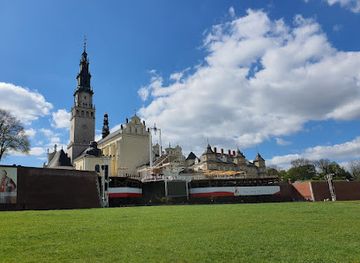
Jasna Góra
Discover the spiritual heart of Poland at Jasna Góra, home to the Black Madonna and a treasure of Baroque architecture.
-
Tourist attraction
Zamek Ogrodzieniec
Discover the enchanting Zamek Ogrodzieniec, a historical castle in Poland, offering breathtaking views and a glimpse into medieval history.
-
Tourist attraction
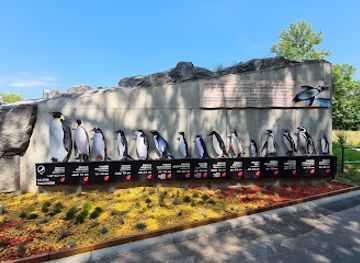
Silesian Zoological Park
Experience the wonders of nature and wildlife at the Silesian Zoological Park in Chorzów, a family-friendly destination with over 700 animal species.

Best landmarks in Silesia
The Silesian Museum complex in Katowice is a landmark of industrial conversion: its galleries occupy a former coal-mine site, while headframes and surviving machinery recall the area’s working past. Nikiszowiec, built as a planned workers’ estate in red brick, is one of the region’s most recognisable architectural ensembles, with arcaded courtyards and a distinctive urban plan. In Zabrze, the Guido Mine’s surface structures and deep underground routes embody the engineering history of Upper Silesian coal. Jasna Góra in Częstochowa is both a monumental monastery complex and Poland’s most important Catholic pilgrimage landmark, centred on the Chapel of the Black Madonna. Pszczyna Castle and its park preserve an aristocratic architectural landscape, while the limestone crags and hilltop fortifications of the Eagles’ Nests Trail form a powerful natural and historical sequence north of the industrial belt. In the south, the Beskid ridges around Szczyrk, Wisła and Ustroń provide Silesia’s most prominent mountain horizons.
-
Castle
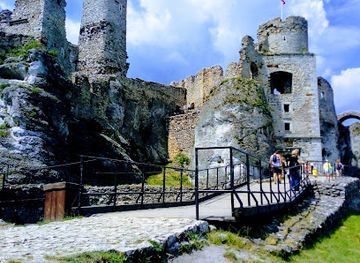
Zamek Ogrodzieniec
Discover the captivating ruins of Zamek Ogrodzieniec, an iconic castle in Poland that offers breathtaking views and a glimpse into medieval history.
-
Shopping mall
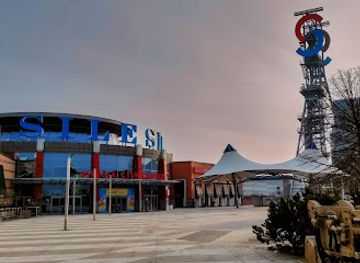
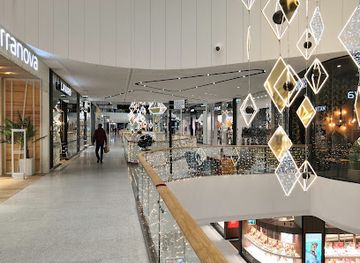
Silesia City Center
Explore Silesia City Center, Katowice's premier shopping destination with diverse stores, dining, and entertainment options for every traveler.
-
National park
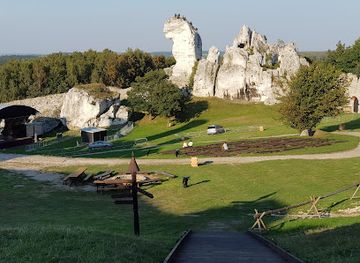
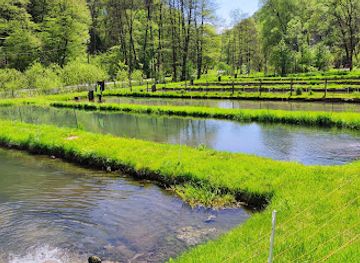
Ojcowski National Park
Experience the natural beauty and rich history of Ojcowski National Park, a must-see destination in Poland for outdoor lovers and adventure seekers.
-
Zoo
Silesian Zoological Park
Explore the Silesian Zoological Park, a premier destination for wildlife enthusiasts and families, featuring diverse species in a stunning natural setting.
Explore Silesia on the map
Plan your trip on one map. See where the top cities, national parks and sights are, and book hotels and experiences in a few clicks.
Best hotels in Silesia
Best restaurants in Silesia
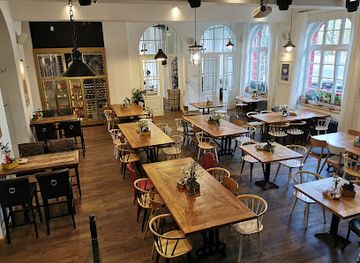
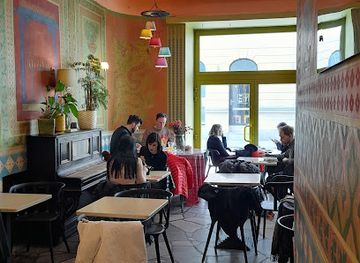
Silesian cooking is substantial, practical and shaped by Polish, Central European and industrial-community traditions. A classic regional meal may include rolada śląska, a rolled beef dish, with kluski śląskie, soft potato dumplings marked with a dimple, and modra kapusta, or sweet-and-sour red cabbage. Żur śląski, a sour rye soup, appears in several local variations, while kołocz śląski is a traditional yeasted cake made with fillings such as cheese, poppy seed or apple. Katowice and the surrounding cities offer modern Polish restaurants, cafés, brewery restaurants and international dining, whereas smaller towns retain family-run eateries, bakeries and traditional inns. Market halls and food shops are useful for regional cheeses, cured meats, bread and seasonal produce. In the Beskids, menus often reflect mountain traditions, while the central conurbation provides the broadest choice and the most experimental contemporary cooking.
-
Restaurant
Śląska Prohibicja
Discover authentic Polish cuisine at Śląska Prohibicja in Katowice, where tradition meets creativity in every dish.
-
Vegetarian
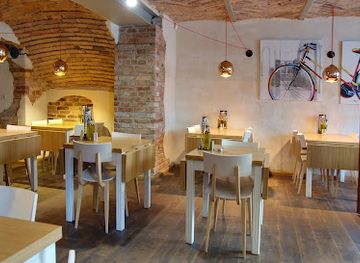
Golden Donkey
Experience innovative vegetarian and vegan cuisine at Golden Donkey in Katowice - where taste meets sustainability.
-
American
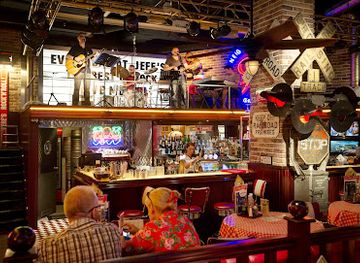
JEFF'S SILESIA CITY CENTER
Discover the flavors of America at Jeff's Silesia City Center in Katowice—where barbecue meets gourmet burgers!
-
Italian
Bar a Boo
Experience authentic Italian cuisine at Bar a Boo in Katowice – where every dish tells a story of flavor and tradition.
Best bars in Silesia
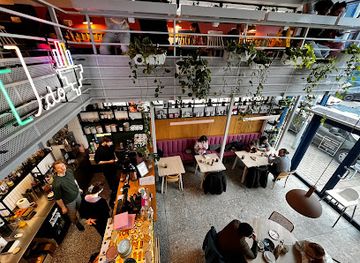
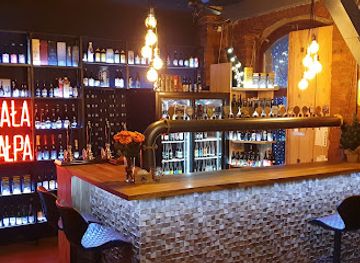
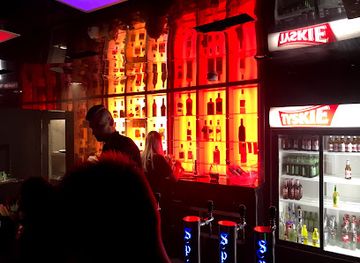
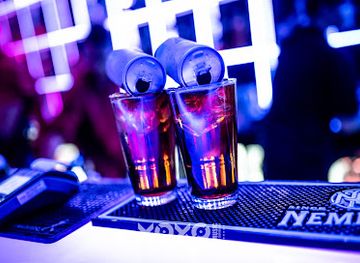
Katowice is Silesia’s main evening hub, with a concentrated selection of pubs, cocktail bars, craft-beer venues, live-music rooms and clubs around the city centre. Its cultural institutions and concert venues also support a varied programme beyond nightlife, while nearby Gliwice and Bielsko-Biała offer smaller but active scenes linked to students, local arts and music. In industrial towns such as Zabrze and Bytom, evening life is more dispersed and often centres on pubs, restaurants and cultural events rather than a large club district. Mountain resorts including Szczyrk, Wisła and Ustroń have seasonal bars and après-ski-style venues, though activity varies considerably by time of year. Across the region, traditional pubs remain important social spaces, but visitors should not assume that rural areas have late-night transport or regular club opening.
-
Live Music
Orange Club Katowice
Dive into the electrifying nightlife of Orange Club Katowice, where live music and disco blend for an unforgettable experience.
-
Cafe
Kafej
Discover Kafej in Katowice, where delicious breakfasts and a cozy atmosphere await every visitor.
-
Brewpub
Biała Małpa Mexico
Discover the vibrant flavors of Mexico at Biała Małpa Mexico in Katowice, where craft beer and delicious cuisine create a festive dining experience.
-
Disco club
Spiż Katowice
Discover the pulsating nightlife of Spiż Katowice, a premier disco club where music, dance, and fun come together in a vibrant atmosphere.
Best nightclubs in Silesia
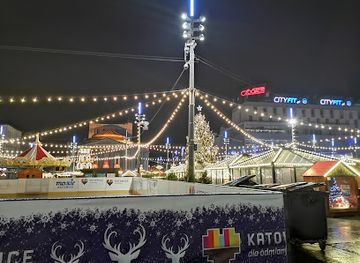
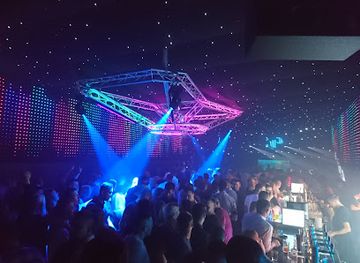
Katowice is Silesia’s main evening hub, with a concentrated selection of pubs, cocktail bars, craft-beer venues, live-music rooms and clubs around the city centre. Its cultural institutions and concert venues also support a varied programme beyond nightlife, while nearby Gliwice and Bielsko-Biała offer smaller but active scenes linked to students, local arts and music. In industrial towns such as Zabrze and Bytom, evening life is more dispersed and often centres on pubs, restaurants and cultural events rather than a large club district. Mountain resorts including Szczyrk, Wisła and Ustroń have seasonal bars and après-ski-style venues, though activity varies considerably by time of year. Across the region, traditional pubs remain important social spaces, but visitors should not assume that rural areas have late-night transport or regular club opening.
-
Live Music
Orange Club Katowice
Unleash your energy at Orange Club Katowice, where music, dance, and unforgettable nights await you in the heart of Poland's vibrant nightlife.
-
Disco club
Spiż Katowice
Discover the electric atmosphere of Spiż Katowice, a premier disco club offering unforgettable nights of dance and fun in the heart of the city.
-
Disco club
XOXO Music & Cocktail Bar - Bielsko-Biała
Discover Bielsko-Biała's premier disco club, XOXO Music & Cocktail Bar, where live music meets exquisite cocktails for an unforgettable night out.
-
Night club
Klub Bavitto Katowice
Discover the heart of Katowice's nightlife at Klub Bavitto, where cocktails, dance, and vibrant energy await you.


Best shops in Silesia
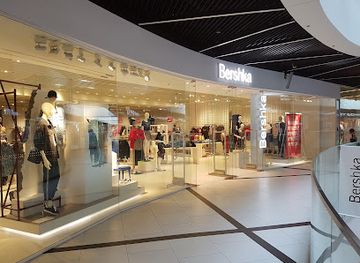
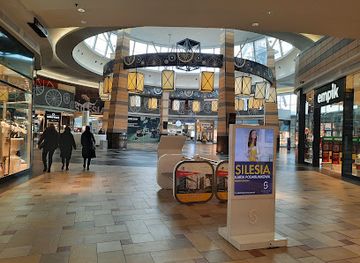
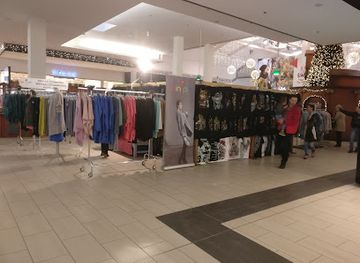
Shopping in Silesia is strongest in its city centres, market squares and regenerated cultural districts rather than in one single regional retail quarter. Katowice offers department-style retail, independent fashion and design shops, bookshops, cafés and contemporary cultural retail, while Gliwice, Bielsko-Biała, Częstochowa and Pszczyna each have their own high streets and market areas. Local food is one of the most practical souvenirs: look for packaged kołocz, regional bread, preserves, honey, smoked products and Silesian-style sweets. Craft and design shops connected with galleries or cultural venues may stock ceramics, prints, jewellery and small works by local makers. In mountain towns, shops focus on outdoor equipment, woollens and practical clothing, while fairs and seasonal markets can provide handmade goods and farm produce. Check market days locally, as smaller-town trading arrangements vary and some stalls operate only at particular times of the week.
-
Shopping mall
Galeria Katowicka
Explore Galeria Katowicka: A premier shopping mall in Katowice offering diverse stores, dining, and entertainment for all visitors.
-
Shopping mall
Silesia City Center
Experience the vibrant shopping culture at Silesia City Center in Katowice, offering a diverse range of shops, dining, and entertainment for all tastes.
-
Shopping mall
M1 Shopping Centre
Explore the vibrant M1 Shopping Centre in Czeladź, where shopping, dining, and entertainment come together for an unforgettable experience.
-
Shopping mall
Centrum Handlowe Libero
Explore the bustling Centrum Handlowe Libero in Katowice, where shopping meets entertainment in an unforgettable experience.
Get your free copy of our complete guide to Silesia, delivered straight to you.
Everything on this page, from attractions and restaurants to essentials and local phrases, in one PDF you can read offline, print or share.
Already have an account? Sign in
Your Silesia guide is ready.
We'll send it to · Not you? Sign out

Getting your guide ready…
We are putting together a fresh copy of the Silesia guide. This can take up to a minute.
This can take a few moments. If your browser asks, choose Allow so the download can start. You'll find the guide in your Downloads folder.
Nothing happened? Download it again
Sorry, the guide is taking longer than usual. Please try again in a minute, or get it by email instead.
Silesia essentials
Currency and Payment
Safety
Emergency Situations
Do's and Don'ts
Local Tips
From Eve
Local phrases worth knowing
You don't need to get them perfect. A few words go a long way, and locals appreciate the effort.
Basics
| English | Local | Say it |
|---|---|---|
| Hello | Cześć | [cheh-shch] |
| Goodbye | Do widzenia | [doh veed-zen-yah] |
| Yes | Tak | [tahk] |
| No | Nie | [nyeh] |
| Please/You're welcome | Proszę | [proh-sheh] |
| Thank you | Dziękuję | [jen-koo-yeh] |
| Excuse me/Sorry | Przepraszam | [psheh-prah-shahm] |
| How are you? | Jak się masz? | [yak shay mahsh] |
| Fine. And you? | Dobrze. A ty? | [doh-bzheh. ah ti?] |
| Do you speak English? | Czy mówisz po angielsku? | [chi moo-veesh poh ahn-gyel-skoo] |
| I don't understand | Nie rozumiem | [nyeh roh-zoo-myem] |
Eating & Drinking
| English | Local | Say it |
|---|---|---|
| I'd like to see the menu, please | Chciałbym zobaczyć menu, proszę | [hch-yow-bihm zo-bah-chihch meh-noo, proh-sheh] |
| I don't eat meat | Nie jem mięsa | [nyeh yem myen-sah] |
| Cheers! | Na zdrowie! | [nah zdroh-vyeh] |
| I would like to pay, please | Chciałbym zapłacić, proszę | [hch-yow-bihm zah-plah-cheech, proh-sheh] |
Emergencies
| English | Local | Say it |
|---|---|---|
| Help! | Pomocy! | [poh-moh-tsih] |
| Go away! | Idź stąd! | [eedzh stohnd] |
| Call the Police! | Zadzwoń po policję! | [zahdz-voyn poh poh-leet-see-eh] |
| Call a doctor! | Zadzwoń po lekarza! | [zahdz-voyn poh leh-kah-rzah] |
| I'm lost | Zgubiłem się | [zgoo-bee-wem shay] |
| I'm ill | Jestem chory | [yeh-stem kho-ree] |
Shopping
| English | Local | Say it |
|---|---|---|
| I'd like to buy... | Chciałbym kupić... | [hch-yow-bihm koo-peach] |
| I'm just looking | Tylko oglądam | [til-koh oh-glah-dahm] |
| How much is it? | Ile to kosztuje? | [ee-leh toh kohsh-too-yeh] |
| That's too expensive | To za drogie | [toh zah droh-gyeh] |
| Can you lower the price? | Możesz obniżyć cenę? | [moh-zhehsh ob-nee-zhich tseh-neh] |
Time & Numbers
| English | Local | Say it |
|---|---|---|
| What time is it? | Która godzina? | [ktoo-rah goh-dzee-nah] |
| It's one o'clock | Jest pierwsza | [yeh-st pyehr-vshah] |
| Half past (10) | Wpół do (11) | [fpool doh (jedenaście)] |
| Morning | Poranek | [poh-rah-nek] |
| Afternoon | Popołudnie | [poh-poh-ood-nyeh] |
| Evening | Wieczór | [vyeh-choor] |
| Yesterday | Wczoraj | [fcho-rah-yh] |
| Today | Dzisiaj | [jee-shyah] |
| Tomorrow | Jutro | [yoo-troh] |
| 1 | 1 | [1] |
| 2 | 2 | [2] |
| 3 | 3 | [3] |
| 4 | 4 | [4] |
| 5 | 5 | [5] |
| 6 | 6 | [6] |
| 7 | 7 | [7] |
| 8 | 8 | [8] |
| 9 | 9 | [9] |
| 10 | 10 | [10] |
Transport & Directions
| English | Local | Say it |
|---|---|---|
| Where's a/the...? | Gdzie jest...? | [gdjeh yest...?] |
| What's the address? | Jaki jest adres? | [yah-kee yest ah-dres?] |
| Can you show me (on the map)? | Możesz mi pokazać (na mapie)? | [moh-zhehsh mee poh-kah-zahch (nah mah-pyeh)?] |
| When's the next (bus)? | Kiedy jest następny (autobus)? | [kyeh-dih yest nah-stemp-ny (ow-toh-boos)?] |
| A ticket (to ....) | Bilet (do ....) | [bee-let (doh ....)] |
History of Silesia
Early Settlement and Medieval Silesian Principalities
The lands of Silesia were settled by Slavic communities and later became part of the medieval Piast sphere. From the twelfth century, regional divisions produced several Silesian principalities ruled by branches of the Piast dynasty. Towns developed under German town law, trade routes expanded and monasteries helped organise agriculture and settlement. In the area of present-day Upper Silesia, medieval foundations remain visible in the layouts of towns such as Gliwice and in surviving churches, market squares and castle sites. Silesia’s position between Polish, Bohemian and German political worlds contributed to the layered language, architecture and cultural influences that still distinguish the region.
Bohemian and Habsburg Rule
From the fourteenth century, much of Silesia became connected to the Bohemian Crown and subsequently to the Habsburg monarchy. Political authority changed hands without erasing the region’s local institutions, towns or dynastic traditions. Upper Silesian territories retained a complex mixture of Polish-speaking and German-speaking communities, while Catholic institutions remained influential. The period left architectural traces in churches, palace complexes and town centres, as well as a durable Central European cultural imprint. Silesia’s location also made it a strategic borderland, repeatedly affected by conflicts involving the Bohemian lands, Austria and neighbouring German states.
Prussian Expansion and the Silesian Wars
The Silesian Wars of the eighteenth century brought most of Silesia under Prussian rule, a major political transformation that separated the region from the Habsburg lands. Administration, taxation and military organisation were reshaped, while new economic policies encouraged mining and manufacturing. The change also strengthened connections with Berlin and other northern German territories. In Upper Silesia, however, local Polish-speaking communities remained substantial. The coexistence of Polish, German and Silesian linguistic and cultural traditions became a recurring feature of regional public life, particularly as industrialisation accelerated in the following century.
Coal, Steel and Industrial Upper Silesia
During the nineteenth century, Upper Silesia became one of Central Europe’s major industrial districts. Coal mining, iron production, zinc works, railways and engineering transformed villages into dense industrial settlements and attracted workers from surrounding areas. Company-built housing estates, factory complexes and mine shafts spread across what is now the central Silesian conurbation. Industrial wealth supported churches, schools and civic buildings, while working conditions and environmental damage created enduring social and political tensions. Much of the region’s contemporary identity, from the architecture of Nikiszowiec to museums in former mines, derives from this period of rapid industrial growth.
The Plebiscite and Division after the First World War
After the First World War, the future of Upper Silesia became an international political issue. A plebiscite was held in 1921, followed by three Silesian Uprisings involving Polish insurgents and conflict over the region’s national affiliation. In 1922, eastern Upper Silesia was divided between Germany and the newly re-established Polish state, with the Polish part receiving substantial autonomy within the Silesian Voivodeship. The division affected families, industry and transport networks, and its consequences remained important during the interwar period. Memorials and museums across the region preserve this difficult history.
Occupation, War and Post-war Reconstruction
The Second World War brought German occupation, repression, forced labour, persecution and large-scale destruction to Silesia. The region’s industrial infrastructure was exploited for the German war economy, while its Jewish communities were devastated in the Holocaust. After 1945, borders shifted again and many inhabitants were displaced or resettled. Poland rebuilt and expanded the industrial district under a centrally planned economy, concentrating investment on coal, steel, machinery and urban housing. Post-war estates and monumental civic architecture therefore stand alongside older workers’ colonies and surviving pre-war town centres.
Industrial Transformation after 1989
The transition to a market economy after 1989 brought profound change. Coal mines and heavy-industrial plants closed, merged or reduced employment, leaving environmental and social challenges but also creating opportunities for regeneration. Former industrial sites have been converted into museums, cultural venues, concert spaces and visitor attractions. Katowice’s former mine complex, now home to the Silesian Museum and other institutions, symbolises this shift from production to culture and services. The region remains industrially important, but its public image increasingly includes design, music, technology, higher education, gastronomy and environmental restoration.
Silesia in Photos
Browse through our photo collection highlighting the charm and character of the destination.
Neighbouring regions of Silesia
The closest regions to Silesia, if you have time for more than one.
-

-

-

-

-


Swipe for more regions
Explore more

Explore more of Poland
Discover Poland's rich history, vibrant cities, and scenic landscapes, from the medieval streets of Kraków to the serene beauty of the Tatra Mountains and Masurian Lakes.
Explore Poland