

Free Orava Travel Guide & Mobile App
Explore Orava with free travel guides. Discover regional history, expert tips, proposed trips, and audio guides on web or mobile app.


Explore Polish Orava through wooden churches, highland villages, folk heritage and mountain routes near Babia Góra and the Slovak border.
Read more about Orava
When is the best time to visit Orava?
Best: June–August · 20–22°C| Month | High (°C) | Rainfall (mm) |
|---|---|---|
| January | -1 | 35 |
| February | 1 | 30 |
| March | 5 | 35 |
| April | 11 | 40 |
| May | 17 | 50 |
| June (best) | 20 | 70 |
| July (best) | 22 | 75 |
| August (best) | 22 | 70 |
| September | 18 | 55 |
| October | 13 | 45 |
| November | 6 | 40 |
| December | 1 | 35 |
Getting to and around Orava
How to get there
Transportation
Best attractions in Orava
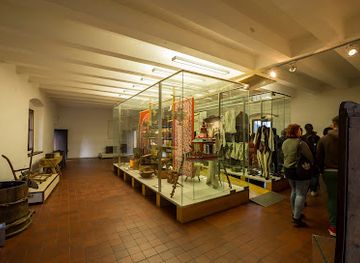
Polish Orawa's attractions are concentrated in cultural landscapes rather than large urban institutions. The Orawa Ethnographic Park in Zubrzyca Górna is the region's principal heritage site, presenting timber houses, farm buildings, workshops and the Moniak manor in a setting that explains how households once worked the land. Orawka's wooden Church of St John the Baptist provides a more intimate encounter with local religious art and craftsmanship, while smaller village churches, roadside shrines and old houses reward slow travel along the local roads. The mountain environment adds a second layer of activity. Marked trails and cycling routes lead through valleys and forested foothills, and Polish Orawa is a practical base for excursions towards Babia Góra National Park, which should be planned as a demanding mountain outing rather than a casual village walk. The region also suits scenic drives, photography, birdwatching and visits focused on pastoral landscapes. Families may find the open-air museum more engaging than a conventional gallery, especially when demonstrations or seasonal cultural programmes are taking place, but current arrangements should be checked before arrival.
-
Tourist attraction
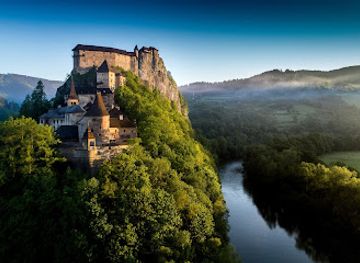
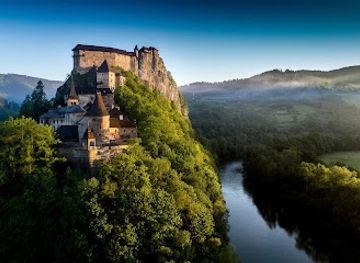
Orava Castle
Discover the enchanting Orava Castle, a historic fortress in Slovakia offering breathtaking views and a glimpse into medieval life.
-
Tourist attraction
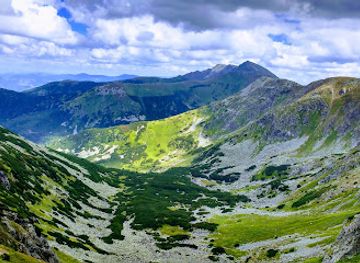
Low Tatras National Park
Explore the breathtaking Low Tatras National Park, a stunning natural paradise in Slovakia, perfect for hiking, wildlife watching, and year-round adventures.
-
National park
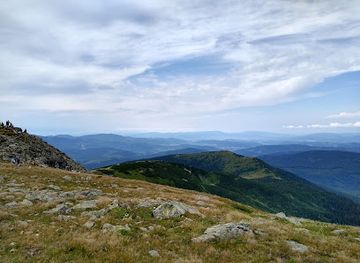
Babia Góra National Park
Discover the breathtaking beauty of Babia Góra National Park, a UNESCO Biosphere Reserve, perfect for outdoor adventures and nature lovers.
-
Tourist attraction
Belianska Cave
Discover the breathtaking beauty and fascinating geology of Belianska Cave in Slovakia's High Tatras, a must-see for every traveler.

Best landmarks in Orava
The most recognisable built landmark in Polish Orawa is the wooden Church of St John the Baptist at Orawka. Its timber structure, painted interior and long history make it an important example of the region's religious and architectural heritage. In Zubrzyca Górna, the Moniak manor within the Orawa Ethnographic Park represents the landed side of rural society, while the surrounding timber buildings show how ordinary households, workshops and farmsteads were organised. Across the villages, wooden houses, granaries, shrines and church towers form a dispersed architectural landscape rather than a single historic centre. The broad mountain presence of Babia Góra is the region's defining natural landmark, although the summit and much of its protected landscape should be understood as part of the adjoining Babia Góra National Park and wider Beskid Żywiecki destination. The frontier itself is also significant: roads near Chyżne and the southern villages pass through a landscape where Polish and Slovak Orawa meet, making the borderland history visible in both language and settlement patterns.
-
Museum
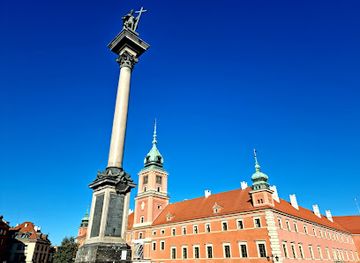
The Royal Castle in Warsaw
Experience the grandeur of The Royal Castle in Warsaw, an iconic landmark rich in Polish history and breathtaking architecture.
-
Castle
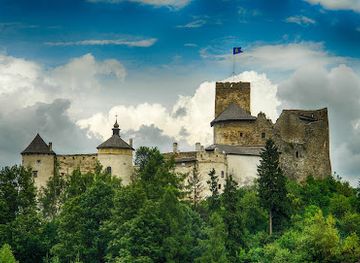
Zamek Dunajec w Niedzicy, Stowarzyszenie Historyków Sztuki
Explore the majestic Zamek Dunajec, a medieval castle in Niedzica, Poland, offering stunning views, rich history, and captivating exhibitions.
-
Castle
Orava Castle
Discover Orava Castle, Slovakia's breathtaking medieval fortress, blending rich history with stunning natural landscapes.
-
National park
Babia Góra National Park
Discover the breathtaking landscapes and rich biodiversity of Babia Góra National Park, a hidden gem in Poland's Beskid Mountains.
Explore Orava on the map
Plan your trip on one map. See where the top cities, national parks and sights are, and book hotels and experiences in a few clicks.
Best hotels in Orava
Best restaurants in Orava
Dining in Polish Orawa is rooted in the food of the Małopolska and Carpathian borderlands. Village inns, family restaurants and accommodation kitchens commonly serve soups, potatoes, cabbage, dumplings, pork, smoked meats and dairy products, with menus varying according to the season and the size of the settlement. Highland cheeses associated with the wider Podhale area may appear alongside local mountain produce, although not every cheese sold in the region is specifically an Orawa speciality. Bread, preserves, honey and baked goods are useful purchases from local shops or occasional markets. Jabłonka offers the broadest choice of everyday dining, while smaller villages tend towards traditional inns and limited-service cafés rather than a concentrated restaurant district. Visitors should expect earlier closing times outside the main centres and should not rely on finding a full meal late at night. Regional festivals and heritage events may provide the best opportunity to encounter local cooking, but dates and food stalls vary from year to year.
-
Polish
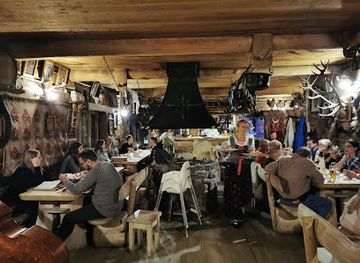
Karczma Zapiecek
Experience authentic Polish cuisine at Karczma Zapiecek in Zakopane—where hearty meals meet warm hospitality in a charming mountain setting.
-
Polish
Bąkowo Zohylina Niźnio
Experience authentic Polish country cuisine at Bąkowo Zohylina Niźnio in Zakopane – where every dish tells a story.
-
Polish
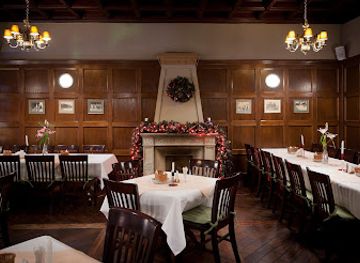
Bazyliszek Restaurant
Experience authentic Polish cuisine in Warsaw's historic Old Town at Bazyliszek Restaurant, where tradition meets flavor.
-
Restaurant
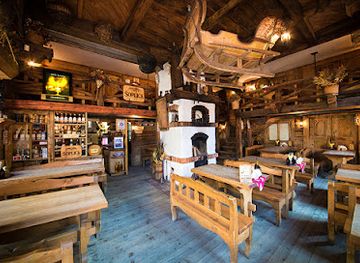
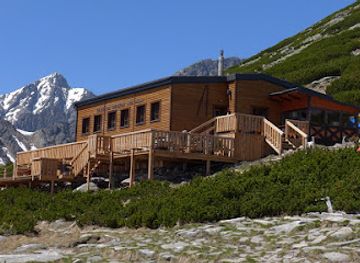
COTTAGE Solisko 1840 m asl
Experience authentic Slovak cuisine at Cottage Solisko while soaking in breathtaking views from this charming mountain cabin in Vysoké Tatry.
Best bars in Orava
Polish Orawa has a modest evening scene shaped by village pubs, restaurants, hotel bars and occasional live music rather than nightclubs. Jabłonka is the most practical place to look for a choice of evening venues, while in smaller settlements social life generally centres on family-run inns and local establishments. Visitors can expect beer, spirits, soft drinks and simple food, with some venues reflecting the wider highland tradition of music and communal gatherings. Nightlife is quieter than in Kraków, Zakopane or the larger Podhale resorts, and rural businesses may close earlier or operate seasonally. The region is better suited to an evening meal, conversation and views of the dark mountain landscape than to a late-night entertainment itinerary. Anyone crossing into Slovakia for nightlife should plan transport carefully and check border, taxi and public transport arrangements in advance.
-
Bar
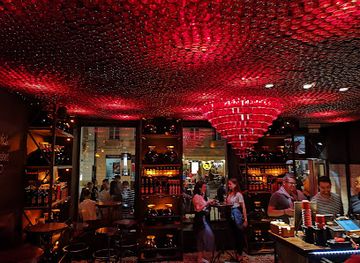
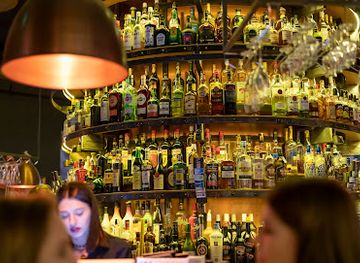
Pijana Wiśnia
Experience the vibrant nightlife at Pijana Wiśnia, Warsaw's premier wine bar offering a unique blend of atmosphere, drinks, and local culture.
-
Cocktail bar
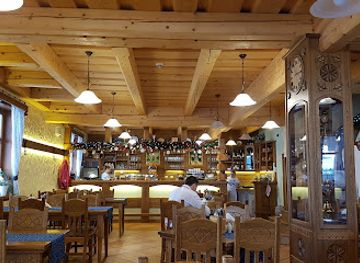
Coctail Bar Max & Dom Whisky
Experience the vibrant nightlife of Warsaw at Cocktail Bar Max & Dom Whisky, where expertly crafted cocktails meet a lively atmosphere.
-
Restaurant
Salaš - koliba Syrex
Discover the authentic flavors of Slovak cuisine amidst breathtaking landscapes at Salaš - Koliba Syrex in Zázrivá.
-
Cocktail bar
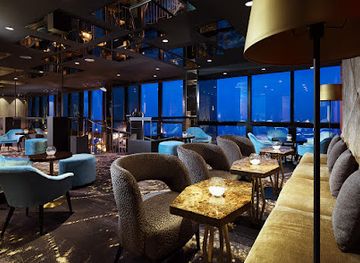
Panorama Sky Bar
Experience the height of luxury at Panorama Sky Bar in Warsaw, where stunning views and exquisite cocktails create unforgettable moments.
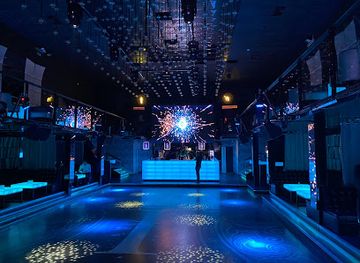
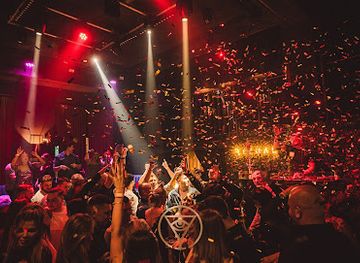
Best nightclubs in Orava
Polish Orawa has a modest evening scene shaped by village pubs, restaurants, hotel bars and occasional live music rather than nightclubs. Jabłonka is the most practical place to look for a choice of evening venues, while in smaller settlements social life generally centres on family-run inns and local establishments. Visitors can expect beer, spirits, soft drinks and simple food, with some venues reflecting the wider highland tradition of music and communal gatherings. Nightlife is quieter than in Kraków, Zakopane or the larger Podhale resorts, and rural businesses may close earlier or operate seasonally. The region is better suited to an evening meal, conversation and views of the dark mountain landscape than to a late-night entertainment itinerary. Anyone crossing into Slovakia for nightlife should plan transport carefully and check border, taxi and public transport arrangements in advance.
-
Night club
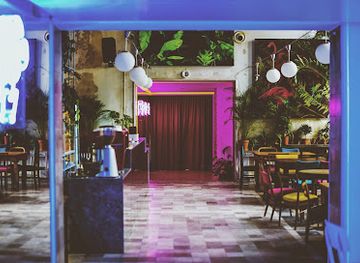
Level 27
Discover Level 27, Warsaw's premier night club, offering breathtaking views, live music, and a lively atmosphere perfect for unforgettable evenings.
-
Live Music
NIEBO
Discover the artistic and musical heartbeat of Warsaw at NIEBO, a cultural gem offering live music, art, and exquisite dining experiences.
-
Night club
Shine Club Kraków
Discover Shine Club Kraków: A premier nightclub offering live music, exquisite cocktails, and an electrifying atmosphere that guarantees unforgettable nights.
-
Night club
RITUAL Cocktail Club
Experience Warsaw's nightlife at RITUAL Cocktail Club, where craft cocktails meet live music in an energetic atmosphere.

Best shops in Orava
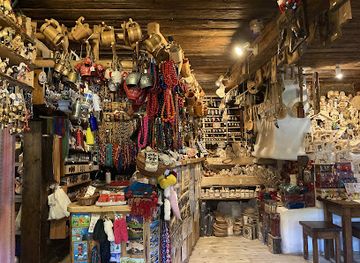
Shopping in Polish Orawa is primarily local and practical, with the strongest selection found in Jabłonka and other larger villages rather than in a dedicated retail district. Small shops sell bread, dairy products, honey, preserves, smoked foods and other provisions suitable for a self-catering stay. Visitors may also find highland-style woollen goods, woodwork, embroidered textiles, religious items and small crafts connected with the wider Carpathian region, though availability varies by season and seller. The Orawa Ethnographic Park shop and cultural events can be useful places to look for locally themed books, crafts and food products, but stock should not be assumed to be permanent. Markets and festival stalls offer a more direct connection with village producers when they are operating. For a broader range of outdoor equipment, regional food and general retail, Nowy Targ outside Orawa is the nearest significant shopping centre; it should be treated as a nearby service destination rather than part of the historical region itself.
-
Castle
Orava Castle
Experience the enchanting beauty and rich history of Orava Castle, a stunning medieval fortress overlooking the picturesque Slovak landscape.
-
Heritage museum
Orava Village Museum
Discover the charm of traditional Slovak culture at the Orava Village Museum, an open-air treasure in Zuberec showcasing authentic heritage.
-
Ski resort
Jasna Low Tatras
Discover the beauty and adventure of Jasna Low Tatras, Slovakia's premier ski and hiking resort, nestled in breathtaking Alpine landscapes.
-
Restaurant
Salaš - koliba Syrex
Experience authentic Slovak cuisine in a charming setting at Salaš - Koliba Syrex in Zázrivá.

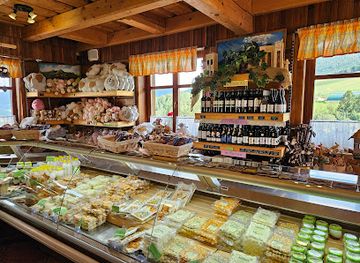
Get your free copy of our complete guide to Orava, delivered straight to you.
Everything on this page, from attractions and restaurants to essentials and local phrases, in one PDF you can read offline, print or share.
Already have an account? Sign in
Your Orava guide is ready.
We'll send it to · Not you? Sign out

Getting your guide ready…
We are putting together a fresh copy of the Orava guide. This can take up to a minute.
This can take a few moments. If your browser asks, choose Allow so the download can start. You'll find the guide in your Downloads folder.
Nothing happened? Download it again
Sorry, the guide is taking longer than usual. Please try again in a minute, or get it by email instead.
Orava essentials
Currency and Payment
Safety
Emergency Situations
Do's and Don'ts
Local Tips
From Eve
Local phrases worth knowing
You don't need to get them perfect. A few words go a long way, and locals appreciate the effort.
Basics
| English | Local | Say it |
|---|---|---|
| Hello | Cześć | [cheh-shch] |
| Goodbye | Do widzenia | [doh veed-zenia] |
| Yes | Tak | [tahk] |
| No | Nie | [nyeh] |
| Please/You're welcome | Proszę | [proh-sheh] |
| Thank you | Dziękuję | [jen-koo-yeh] |
| Excuse me/Sorry | Przepraszam | [psheh-prah-sham] |
| How are you? | Jak się masz? | [yahk shay mahsh] |
| Fine. And you? | Dobrze. A ty? | [doh-bzheh. ah ti?] |
| Do you speak English? | Czy mówisz po angielsku? | [chih moo-veesh poh ahn-ghel-skoo] |
| I don't understand | Nie rozumiem | [nyeh roh-zoo-myem] |
Eating & Drinking
| English | Local | Say it |
|---|---|---|
| I'd like to see the menu, please | Chciałbym zobaczyć menu, proszę | [hchow-bym zo-bah-chih men-oo, proh-sheh] |
| I don't eat meat | Nie jem mięsa | [nyeh yem myen-sah] |
| Cheers! | Na zdrowie! | [nah zdroh-vee-eh] |
| I would like to pay, please | Chciałbym zapłacić, proszę | [hchow-bym zah-pwah-chich, proh-sheh] |
Emergencies
| English | Local | Say it |
|---|---|---|
| Help! | Pomocy! | [poh-moh-tsih] |
| Go away! | Idź stąd! | [ee-dzh stont] |
| Call the Police! | Zadzwoń po policję! | [zahdz-voy poh poh-leet-see-eh] |
| Call a doctor! | Zadzwoń po lekarza! | [zahdz-voy poh leh-kah-rzah] |
| I'm lost | Zgubiłem się | [zgoo-bee-wem shay] |
| I'm ill | Jestem chory | [yes-tem ho-ree] |
Shopping
| English | Local | Say it |
|---|---|---|
| I'd like to buy... | Chciałbym kupić... | [hchow-bym koo-pich] |
| I'm just looking | Tylko się przyglądam | [til-koh shay pshih-glah-dahm] |
| How much is it? | Ile to kosztuje? | [ee-leh toh kosh-too-yeh] |
| That's too expensive | To jest za drogie | [to yest zah droh-gyeh] |
| Can you lower the price? | Czy możesz obniżyć cenę? | [chih moh-zesh ob-nee-zhich tseh-neh] |
Time & Numbers
| English | Local | Say it |
|---|---|---|
| What time is it? | Która godzina? | [ktoo-rah go-jee-nah] |
| It's one o'clock | Jest pierwsza godzina | [yest pyerv-shah go-jee-nah] |
| Half past (10) | Wpół do (11) | [fpool doh (jedenaście)] |
| Morning | Poranek | [poh-rah-nek] |
| Afternoon | Popołudnie | [poh-poh-ood-nyeh] |
| Evening | Wieczór | [vyeh-choor] |
| Yesterday | Wczoraj | [fcho-raj] |
| Today | Dziś | [jeesh] |
| Tomorrow | Jutro | [yoo-troh] |
| 1 | 1 | [1] |
| 2 | 2 | [2] |
| 3 | 3 | [3] |
| 4 | 4 | [4] |
| 5 | 5 | [5] |
| 6 | 6 | [6] |
| 7 | 7 | [7] |
| 8 | 8 | [8] |
| 9 | 9 | [9] |
| 10 | 10 | [10] |
Transport & Directions
| English | Local | Say it |
|---|---|---|
| Where's a/the...? | Gdzie jest...? | [gjeh yest] |
| What's the address? | Jaki jest adres? | [yah-kee yest ah-dress] |
| Can you show me (on the map)? | Czy możesz pokazać mi (na mapie)? | [chih moh-zesh poh-kah-zhih mee (nah mah-pyeh)] |
| When's the next (bus)? | Kiedy jest następny (autobus)? | [kyeh-dih yest nah-stemp-ny (ow-toob-oos)] |
| A ticket (to ....) | Bilet (do ....) | [bee-let (doh ....)] |
History of Orava
Medieval Borderland and the Kingdom of Hungary
Orawa developed on the northern edge of the medieval Kingdom of Hungary, whose political and ecclesiastical structures shaped the region for centuries. The boundary with Polish lands ran through a mountainous landscape where settlement was comparatively dispersed. Villages grew through farming, pastoral activity and woodland use, while parish churches and administrative ties linked communities towards the south as well as towards Kraków. This long Hungarian connection helps explain why Polish Orawa shares architectural and cultural features with Slovak Orava, even though part of the historical region now lies within Poland.
Settlement, Pastoral Farming and Village Society
From the late medieval period into the early modern era, Orawa was settled through a mixture of agricultural colonisation and highland pastoral practice. Communities cleared forest, cultivated difficult slopes and used mountain meadows for grazing. Houses, barns and granaries were built mainly from timber, with their form adapted to snow, terrain and household production. Landholding varied between larger estates and village farms, while parish churches became centres of religious and social life. The surviving buildings and field patterns around Zubrzyca and Orawka preserve aspects of this long rural economy.
The Orava Estate and Early Modern Administration
Much of historical Orava was associated with the Orava estate, administered from the castle that now stands in Slovakia. The estate controlled land, forests and aspects of local administration, while the villages supplied agricultural produce and labour. Although the castle itself is outside Polish Orawa, the estate's influence reached the northern communities and forms part of their historical background. Local churches, manors and farm buildings reflect the interaction between estate authority and village life, rather than a history shaped solely by isolated mountain communities.
Religious Heritage and the Church at Orawka
Roman Catholic parish life became a powerful force in the shaping of Orawa's settlements. The wooden Church of St John the Baptist at Orawka, founded in the seventeenth century, is among the region's most important surviving monuments. Its painted interior and timber construction document the religious culture of a borderland whose clergy and congregations were connected to the wider ecclesiastical structures of the Kingdom of Hungary. The church also demonstrates how local craftsmanship, devotional art and community identity were brought together in a single village building.
The End of Hungarian Rule and the 1920 Settlement
The dissolution of Austria-Hungary after the First World War transformed Orawa's political geography. The region became part of a broader dispute between the newly established Czechoslovakia and Poland, with the border eventually established through international decisions in 1920. Several northern Orawa villages were assigned to Poland, while neighbouring settlements remained in Czechoslovakia. Later adjustments altered parts of the frontier, leaving the Polish section as a compact historical region whose cultural connections still cross the modern state boundary.
Border Changes in 1938 and the Second World War
The frontier was altered again during the unsettled political period before the Second World War. In 1938 Poland took control of additional areas of former Czechoslovak territory, including parts of Orawa, but the arrangement was short-lived. After the German invasion of Poland in 1939, the border situation changed once more as Slovakia took control of disputed areas. Post-war settlements restored the basic division between Polish and Slovak Orawa. These changes remain part of local historical memory and explain the region's strong borderland character.
Preserving Orawa's Rural Heritage
During the twentieth century, improved roads, migration, modern building materials and changes in agriculture altered village life across Orawa. Many older timber structures disappeared or were adapted for new uses. The creation of the Orawa Ethnographic Park in Zubrzyca Górna helped preserve representative houses, farm buildings and manor architecture while presenting them within a working cultural landscape. Today, heritage conservation, local craft and regional tourism provide ways to interpret the history of a farming society without reducing it to a museum display.
Orava in Photos
Browse through our photo collection highlighting the charm and character of the destination.
Neighbouring regions of Orava
The closest regions to Orava, if you have time for more than one.
-

-

-

-

-


Swipe for more regions
Explore more

Explore more of Poland
Discover Poland's rich history, vibrant cities, and scenic landscapes, from the medieval streets of Kraków to the serene beauty of the Tatra Mountains and Masurian Lakes.
Explore Poland