

Free Spisz Travel Guide & Mobile App
Explore Spisz with free travel guides. Discover regional history, expert tips, proposed trips, and audio guides on web or mobile app.


Discover Polish Spisz through medieval Niedzica, wooden villages, mountain scenery, Lake Czorsztyn and cross-border Carpathian traditions.
Read more about Spisz
When is the best time to visit Spisz?
Best: June–August · 22–24°C| Month | High (°C) | Rainfall (mm) |
|---|---|---|
| January | 1 | 25 |
| February | 2 | 25 |
| March | 8 | 30 |
| April | 13 | 40 |
| May | 18 | 55 |
| June (best) | 22 | 65 |
| July (best) | 24 | 75 |
| August (best) | 23 | 70 |
| September | 19 | 55 |
| October | 14 | 45 |
| November | 7 | 35 |
| December | 2 | 30 |
Getting to and around Spisz
How to get there
Transportation
Best attractions in Spisz
Polish Spisz offers a varied but generally intimate group of attractions centred on heritage, scenery and outdoor activity. Niedzica Castle is the best-known historic site, combining medieval architecture with views over Lake Czorsztyn, while the reservoir itself supports cycling, walking, sightseeing cruises and lakeside excursions. The surrounding villages provide a slower cultural experience, with historic churches, roadside shrines, traditional buildings and agricultural landscapes in Kacwin, Frydman, Łapsze Niżne, Łapsze Wyżne, Krempachy, Nowa Biała and Trybsz. The higher settlements of Jurgów, Rzepiska and Czarna Góra offer mountain viewpoints, pastoral scenery and access to winter sports facilities. Białka Tatrzańska is an important base for skiing and thermal bathing on the Spisz-Podhale fringe. Routes around the lake suit cyclists, while foothill paths provide walking without requiring a high-mountain expedition. The region's attraction landscape is strongest when these elements are combined: a castle and reservoir in the morning, a village church or local heritage site in the afternoon, and open views towards the Tatras before evening.
-
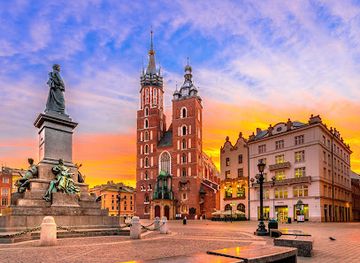
Plaza
Rynek Główny
Discover the vibrant heart of Kraków at Rynek Główny, a historic plaza brimming with culture, architecture, and local charm.
-
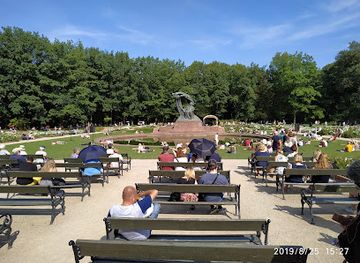
Tourist attraction
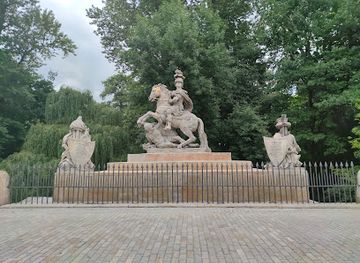
Royal Łazienki Park
Explore the serene beauty and rich history of Royal Łazienki Park in Warsaw, a perfect blend of nature, culture, and relaxation.
-
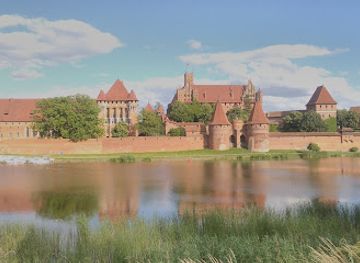
Tourist attraction
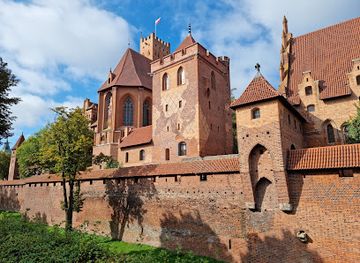
Malbork Castle
Explore the grandeur of Malbork Castle, a UNESCO World Heritage Site, showcasing medieval architecture and rich historical exhibitions in Poland.
-
Tourist attraction
Ojcowski National Park
Explore the natural beauty and rich biodiversity of Ojcowski National Park, Poland's hidden gem for outdoor adventures and serene escapes.

Best landmarks in Spisz
Niedzica Castle is the defining built landmark of Polish Spisz. Known locally as Zamek Dunajec, the medieval stronghold stands on a rocky rise above the former Dunajec valley and remains closely associated with the region's links to the Hungarian crown and historic borderlands. Its position above Lake Czorsztyn gives it both defensive and visual importance. The Church of Saint Stanislaus in Frydman and its surrounding historic settlement reflect the village's long estate history, while the churches of Krempachy, Łapsze Niżne and other Spisz communities preserve distinctive forms of mountain religious architecture. The region's landmarks are not limited to monuments: Lake Czorsztyn, the Dunajec valley and the wooded foothills form a geographical framework visible from roads and village viewpoints. In Jurgów, traditional highland buildings and the historic settlement pattern provide a strong sense of place, while the elevated villages around Rzepiska and Czarna Góra look towards the Tatra skyline. Together, these landmarks show how defence, faith, farming and topography shaped the region.
-
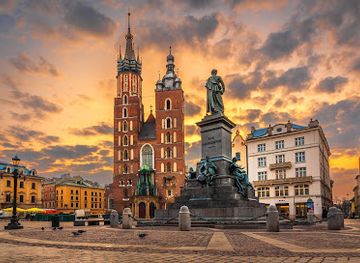
Plaza
Rynek Główny
Discover the vibrant heart of Kraków at Rynek Główny, a stunning plaza filled with rich history, captivating architecture, and vibrant local culture.
-
Tourist attraction
Royal Łazienki Park
Explore the serene Royal Łazienki Park, a lush urban oasis in Warsaw, rich in history, culture, and natural beauty, perfect for tranquil escapes.
-
Castle
Malbork Castle
Discover the grandeur of Malbork Castle, a UNESCO World Heritage site, and immerse yourself in Poland's medieval history and stunning architecture.
-
Tourist attraction
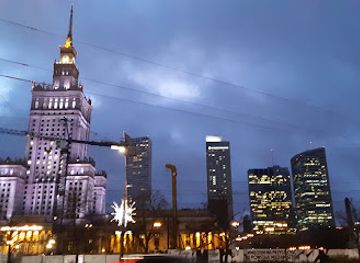
Palace of Culture and Science
Explore Warsaw's iconic Palace of Culture and Science, a symbol of history, architecture, and cultural vibrancy in the heart of Poland.
Explore Spisz on the map
Plan your trip on one map. See where the top cities, national parks and sights are, and book hotels and experiences in a few clicks.
Best hotels in Spisz
Best restaurants in Spisz
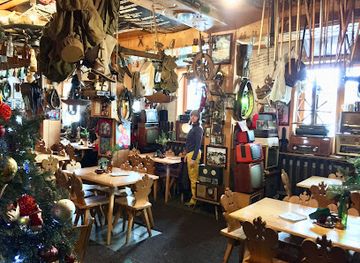
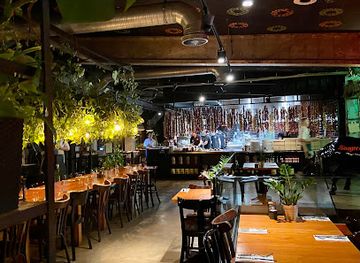
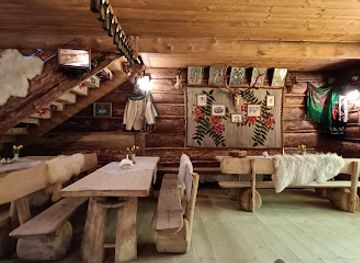
Dining in Spisz reflects the food culture of the Carpathian borderlands, with hearty dishes suited to a cool mountain climate and a history of small-scale farming. Potatoes, cabbage, flour, bread, smoked meats and dairy products appear frequently, while sheep's cheeses such as oscypek are associated with the wider Polish highlands rather than Spisz alone. Look for regional produce in village shops, market stalls and traditional inns, and ask about the source of cheeses and smoked goods. Restaurants in Niedzica, Białka Tatrzańska and other tourist centres generally offer Polish mountain cooking alongside familiar international dishes; rural establishments may have shorter menus and seasonal availability. Trout, soups, dumplings, potato-based dishes and baked goods are practical choices near the lake and foothill villages. In the resort areas, dining ranges from casual family restaurants to more contemporary venues, whereas smaller villages are better suited to pre-arranged meals, local cafés and traditional inns. The Slovak and Polish borderland influence is most apparent in flavours, ingredients and family recipes rather than in one single dish that defines the region.
-
Restaurant
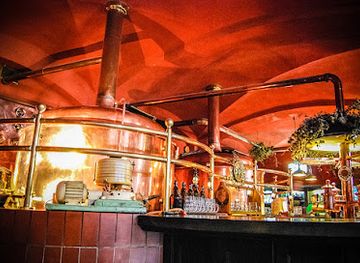
Spiż - Microbrewery and Restaurant
Discover the essence of Poland at Spiż Microbrewery & Restaurant in Wrocław - where craft beer meets authentic Polish cuisine.
-
Polish
Marzanna i Ryszard Bubka
Experience authentic Polish cuisine at Marzanna i Ryszard Bubka in Zakopane - a family-friendly restaurant with delicious dishes and warm hospitality.
-
Restaurant
ORZO Kraków
Discover ORZO Kraków - A family-friendly restaurant offering diverse breakfast and lunch options with delightful vegan specialties in a cozy atmosphere.
-
Family-friendly
Bąkowo Zohylina Wyźnio
Experience delightful Polish cuisine at Bąkowo Zohylina Wyźnio - where family-friendly dining meets stunning mountain views.
Best bars in Spisz
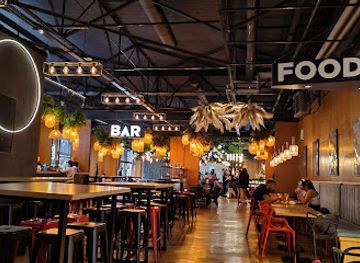
Evening life in Polish Spisz is concentrated in Białka Tatrzańska, Niedzica and the larger accommodation centres rather than spread across a continuous nightlife district. Traditional inns, hotel bars, cafés and restaurants provide the main settings for an evening, with local beer, Polish spirits, hot drinks and regional food often more prominent than late-night clubbing. Białka Tatrzańska has the broadest resort-oriented choice, including venues connected with skiing and thermal tourism, while Niedzica offers quieter evenings near the castle and lake. In the smaller villages, nightlife usually means an unhurried meal, a local pub or time spent at a guesthouse; opening patterns can be seasonal and informal. Live music and larger events may occur during holiday periods, but visitors should not expect the extensive club scene found in Kraków or even in the biggest Tatra resorts. Respect the quiet character of residential villages, especially late at night.
-
Food court
Forum Przestrzenie
Discover a culinary haven at Forum Przestrzenie, where delicious food meets lively entertainment in the heart of Kraków.
-
Restaurant
Spiż - Microbrewery and Restaurant
Discover authentic Polish cuisine and craft beer at Spiż, Wrocław's beloved microbrewery and restaurant in the heart of the Old Town.
-
Bar
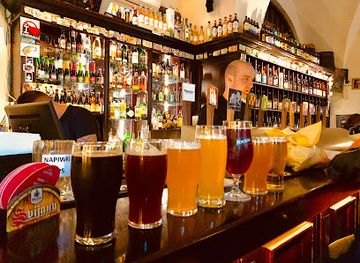
House of Beer
Experience the essence of Kraków at House of Beer, where local craft brews and delicious cuisine unite in a vibrant atmosphere.
-
Gastropub
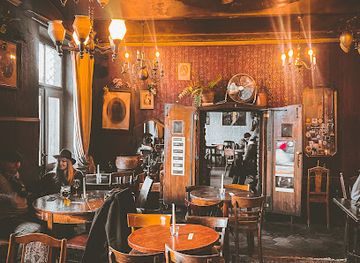
Alchemia
Discover Alchemia, where culinary delights meet vibrant nightlife in the heart of Kraków.
Best nightclubs in Spisz
Evening life in Polish Spisz is concentrated in Białka Tatrzańska, Niedzica and the larger accommodation centres rather than spread across a continuous nightlife district. Traditional inns, hotel bars, cafés and restaurants provide the main settings for an evening, with local beer, Polish spirits, hot drinks and regional food often more prominent than late-night clubbing. Białka Tatrzańska has the broadest resort-oriented choice, including venues connected with skiing and thermal tourism, while Niedzica offers quieter evenings near the castle and lake. In the smaller villages, nightlife usually means an unhurried meal, a local pub or time spent at a guesthouse; opening patterns can be seasonal and informal. Live music and larger events may occur during holiday periods, but visitors should not expect the extensive club scene found in Kraków or even in the biggest Tatra resorts. Respect the quiet character of residential villages, especially late at night.
-
Disco club
Spiż Katowice
Dive into the heart of Katowice's nightlife at Spiż, a vibrant disco club offering unforgettable music and dancing in a stylish atmosphere.
-
Night club
Level 27
Experience the vibrant nightlife of Warsaw at Level 27, featuring stunning views, live music, and expertly crafted cocktails.
-
Night club
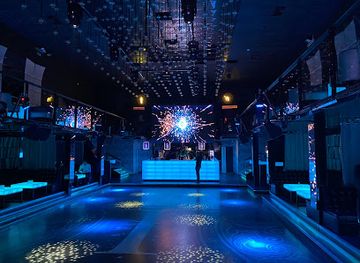
Shine Club Kraków
Discover the ultimate nightlife experience at Shine Club Kraków, where live music, cocktails, and dancing await in an electric atmosphere.
-
Night club
Prozak 2.0
Experience the vibrant nightlife and electrifying live music at Prozak 2.0, Kraków's iconic night club in the heart of the city.



Best shops in Spisz
Shopping in Polish Spisz is modest in scale and primarily local in character. Białka Tatrzańska and Niedzica have the broadest selection of practical goods, outdoor equipment, food products and tourist souvenirs, while smaller villages rely on convenience shops and occasional local sales. Look for highland cheeses, smoked foods, honey, preserves, bread and other regional produce, but check labelling when seeking products made specifically in Spisz. Craft stalls and shops may offer woollen goods, carved items, ceramics, textiles and designs influenced by the wider Podhale and Carpathian traditions. The market towns outside the region, particularly Nowy Targ, provide a larger range of everyday shopping and markets and can be useful on a longer itinerary. Independent galleries and seasonal stalls are more likely around tourist attractions and holiday periods than in ordinary village streets. Souvenirs connected with Niedzica Castle, Lake Czorsztyn and local religious or folk motifs are widely available, though the most meaningful purchases are often edible products or handmade items bought directly from established local producers.
-
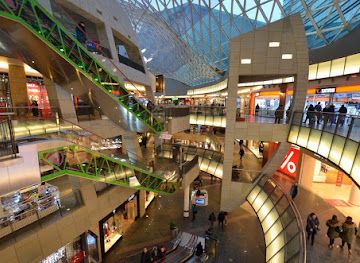
Shopping mall
Złote Tarasy
Discover a vibrant shopping and entertainment hub in Warsaw at Złote Tarasy, where modern architecture meets unique shopping experiences.
-
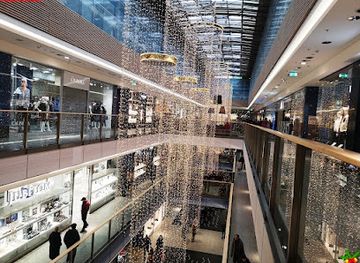
Shopping mall
Galeria Krakowska
Explore Galeria Krakowska – your ultimate shopping and dining experience in the heart of Kraków, Poland.
-
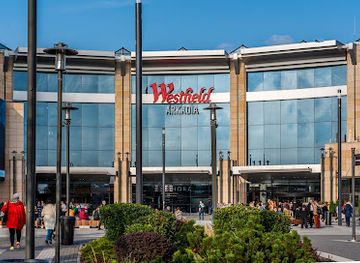
Shopping mall
Westfield Arkadia
Explore Westfield Arkadia, Poland's largest shopping mall in Warsaw, and enjoy a vibrant mix of shopping, dining, and entertainment.
-
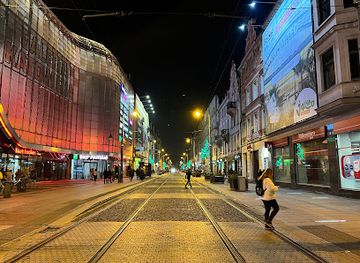
Shopping mall
Galeria Katowicka
Discover Galeria Katowicka: A vibrant shopping mall in Katowice featuring diverse stores, delicious dining, and entertaining experiences for all.
Get your free copy of our complete guide to Spisz, delivered straight to you.
Everything on this page, from attractions and restaurants to essentials and local phrases, in one PDF you can read offline, print or share.
Already have an account? Sign in
Your Spisz guide is ready.
We'll send it to · Not you? Sign out

Getting your guide ready…
We are putting together a fresh copy of the Spisz guide. This can take up to a minute.
This can take a few moments. If your browser asks, choose Allow so the download can start. You'll find the guide in your Downloads folder.
Nothing happened? Download it again
Sorry, the guide is taking longer than usual. Please try again in a minute, or get it by email instead.
Spisz essentials
Currency and Payment
Safety
Emergency Situations
Do's and Don'ts
Local Tips
From Eve
Local phrases worth knowing
You don't need to get them perfect. A few words go a long way, and locals appreciate the effort.
Basics
| English | Local | Say it |
|---|---|---|
| Hello | Cześć | [cheh-shch] |
| Goodbye | Do widzenia | [doh vee-dzen-yah] |
| Yes | Tak | [tahk] |
| No | Nie | [nyeh] |
| Please/You're welcome | Proszę | [proh-sheh] |
| Thank you | Dziękuję | [jen-koo-yeh] |
| Excuse me/Sorry | Przepraszam | [psheh-prah-shahm] |
| How are you? | Jak się masz? | [yahk shyeh mahsh] |
| Fine. And you? | Dobrze. A ty? | [doh-bzheh. ah tee] |
| Do you speak English? | Czy mówisz po angielsku? | [chih moo-veesh poh ahn-gyehl-skoo] |
| I don't understand | Nie rozumiem | [nyeh roh-zoo-myem] |
Eating & Drinking
| English | Local | Say it |
|---|---|---|
| I'd like to see the menu, please | Chciałbym zobaczyć menu, proszę | [hchah-wihm zoh-bah-chihch meh-noo, proh-sheh] |
| I don't eat meat | Nie jem mięsa | [nyeh yem myen-sah] |
| Cheers! | Na zdrowie! | [nah zdroh-vyeh] |
| I would like to pay, please | Chciałbym zapłacić, proszę | [hchah-wihm zah-pwah-chihch, proh-sheh] |
Emergencies
| English | Local | Say it |
|---|---|---|
| Help! | Pomocy! | [poh-moh-tsih] |
| Go away! | Idź stąd! | [eej shtond] |
| Call the Police! | Zadzwoń na policję! | [zahdz-voyn nah poh-leet-syeh] |
| Call a doctor! | Zadzwoń po lekarza! | [zahdz-voyn poh leh-kah-zhah] |
| I'm lost | Zgubiłem się | [zgoo-bee-wem shyeh] |
| I'm ill | Jestem chory | [yeh-stem kho-ree] |
Shopping
| English | Local | Say it |
|---|---|---|
| I'd like to buy... | Chciałbym kupić... | [hchah-wihm koo-peach] |
| I'm just looking | Tylko oglądam | [til-koh oh-glah-dahm] |
| How much is it? | Ile to kosztuje? | [ee-leh toh kosh-too-yeh] |
| That's too expensive | To za drogo | [toh zah droh-goh] |
| Can you lower the price? | Czy możesz obniżyć cenę? | [chih moh-zhehsh oh-bnee-zhihch tseh-neh] |
Time & Numbers
| English | Local | Say it |
|---|---|---|
| What time is it? | Która godzina? | [ktoo-rah goh-jee-nah] |
| It's one o'clock | Jest pierwsza | [yeh-st pyehr-vshah] |
| Half past (10) | Wpół do (11) | [fpool doh (jedenaście)] |
| Morning | Poranek | [poh-rah-nek] |
| Afternoon | Popołudnie | [poh-poh-ood-nyeh] |
| Evening | Wieczór | [vyeh-choor] |
| Yesterday | Wczoraj | [fcho-rah-y] |
| Today | Dziś | [dzhish] |
| Tomorrow | Jutro | [yoo-troh] |
| 1 | 1 | [1] |
| 2 | 2 | [2] |
| 3 | 3 | [3] |
| 4 | 4 | [4] |
| 5 | 5 | [5] |
| 6 | 6 | [6] |
| 7 | 7 | [7] |
| 8 | 8 | [8] |
| 9 | 9 | [9] |
| 10 | 10 | [10] |
Transport & Directions
| English | Local | Say it |
|---|---|---|
| Where's a/the...? | Gdzie jest...? | [gdyeh yest...?] |
| What's the address? | Jaki jest adres? | [yah-kee yest ah-dres?] |
| Can you show me (on the map)? | Czy możesz mi pokazać (na mapie)? | [chih moh-zhehsh mee poh-kah-zahch (nah mah-pyeh)?] |
| When's the next (bus)? | Kiedy jest następny (autobus)? | [kyeh-dih yest nah-stem-nee (ow-toh-boos)?] |
| A ticket (to ....) | Bilet (do ....) | [bee-let (doh ....)] |
History of Spisz
Early Settlement and Carpathian Borderlands
The wider Spiš basin and its surrounding foothills have been occupied since prehistoric times, with archaeological evidence of early farming and later settlement across the Carpathian region. The Polish section developed within a landscape of river valleys, forests and mountain passes rather than as an isolated upland community. Its location made it a zone of cultural contact: populations connected with the Polish lands interacted with communities to the south, while changing political frontiers brought different administrative and religious influences. The surviving village pattern is therefore the result of many centuries of settlement rather than a single founding period.
Medieval Colonisation and the Hungarian Connection
During the Middle Ages, Spiš formed part of the Kingdom of Hungary's northern borderlands. New settlements, estates and churches developed under a mixture of royal, aristocratic and ecclesiastical authority, and German-speaking settlers played an important role in the economic development of the wider region. The villages now regarded as Polish Spisz were connected to estates and communities south of the present border. This history helps explain the region's distinctive architecture, Catholic traditions and long-standing links with towns and territories that are now in Slovakia.
The Polish Crown and the Spiš Pledge of 1412
In 1412, King Sigismund of Luxembourg pledged a group of Spiš towns to the Polish king Władysław II Jagiełło as security for a loan. Although the arrangement concerned towns mainly in present-day Slovakia, it strengthened Polish political and economic influence in the wider Spiš borderland. For centuries, administration, trade and family connections operated across a frontier that was more changeable and permeable than the modern international boundary. The old relationship remains part of the historical context behind Poland's enduring association with a region whose name and cultural geography extend beyond its current borders.
Estates, Villages and Highland Agriculture
From the early modern period into the nineteenth century, the communities of Polish Spisz were shaped by manorial estates, ecclesiastical landholding and small-scale agriculture. Villages cultivated limited arable land, kept livestock and used mountain meadows and forests, while local churches and roadside shrines provided visible centres of community life. Estate owners influenced settlement and architecture, particularly in places such as Frydman and Niedzica. The resulting landscape of compact villages, fields and pasture is still legible today, even though modern tourism and improved roads have changed the regional economy.
National Movements and the 1920 Frontier
The collapse of Austria-Hungary after the First World War brought the question of Spiš's political future into sharp focus. Poland and Czechoslovakia disputed sections of the former borderland, and the 1920 settlement assigned a number of Spiš villages to Poland. The decision divided communities that had shared religious, linguistic and economic connections for generations. The modern Polish section of Spisz was consequently defined not only by its local culture but also by an international boundary established in the twentieth century. The nearby border remains an important part of the region's contemporary identity.
War, Occupation and Post-war Borders
The Second World War disrupted life throughout the region. In 1939, the Polish section of Spisz was incorporated into the Slovak state under German influence, while the surrounding territory was occupied by Nazi Germany. Administrative changes, wartime controls and the wider destruction experienced across southern Poland affected travel, work and family connections. After the war, the villages returned to Poland and the frontier was re-established. The post-war period brought expanded roads, public services and gradual economic change, while older buildings and customs preserved evidence of the region's more complex past.
Tourism and the Modern Mountain Economy
From the later twentieth century, Spisz became increasingly connected with the expanding tourist economies of Podhale, the Pieniny and the Tatras. Niedzica Castle and the construction of the Czorsztyn reservoir created a major visitor focus, while winter sports and thermal tourism grew around Białka Tatrzańska and neighbouring settlements. Farming remains visible, but accommodation, services, construction and outdoor recreation now contribute substantially to local livelihoods. Contemporary Spisz therefore combines a living rural landscape with tourism, while its borderland traditions continue to distinguish it from the larger resort centres nearby.
Spisz in Photos
Browse through our photo collection highlighting the charm and character of the destination.
Neighbouring regions of Spisz
The closest regions to Spisz, if you have time for more than one.
-

-

-

-

-


Swipe for more regions
Explore more

Explore more of Poland
Discover Poland's rich history, vibrant cities, and scenic landscapes, from the medieval streets of Kraków to the serene beauty of the Tatra Mountains and Masurian Lakes.
Explore Poland