

Free Tatra Mountains Travel Guide & Mobile App
Explore Tatra Mountains with free travel guides. Discover regional history, expert tips, proposed trips, and audio guides on web or mobile app.


Discover the stunning Tatra Mountains in Poland, a perfect destination for hiking, skiing, and immersing yourself in the beauty of nature and traditional culture.
Read more about Tatra Mountains
When is the best time to visit Tatra Mountains?
Best: June–August · 19–20°C| Month | High (°C) | Rainfall (mm) |
|---|---|---|
| January | 0 | 30 |
| February | 1 | 30 |
| March | 6 | 35 |
| April | 11 | 40 |
| May | 15 | 50 |
| June (best) | 19 | 60 |
| July (best) | 20 | 65 |
| August (best) | 20 | 65 |
| September | 17 | 55 |
| October | 11 | 45 |
| November | 5 | 40 |
| December | 1 | 35 |
Getting to and around Tatra Mountains
How to get there
Transportation
Top city travel guides in Tatra Mountains
The cities of Tatra Mountains, and the easiest places to base yourself.

Swipe for more cities
Best attractions in Tatra Mountains
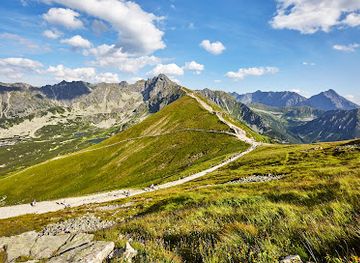
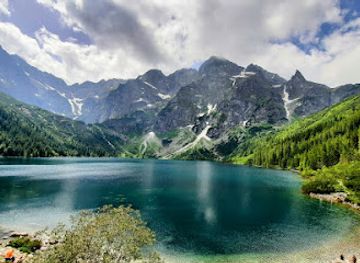
Nestled in the heart of Poland, the Tatra Mountains offer a breathtaking tapestry of natural beauty and cultural heritage, perfect for adventure seekers and history enthusiasts alike. Visitors can marvel at the stunning vistas from Gubałówka Hill, explore the enchanting Morskie Oko lake, and hike through the pristine trails of the Tatra National Park, home to diverse flora and fauna. The charming town of Zakopane, with its unique wooden architecture and vibrant local markets, provides a perfect base to immerse in the region's rich traditions and folklore. For those seeking a rush of adrenaline, the Tatras boast some of the best skiing and mountaineering opportunities in Central Europe. Hidden caves, cascading waterfalls, and ancient shepherd huts add layers of intrigue, making every corner of this mountain range a new discovery waiting to be made.
-
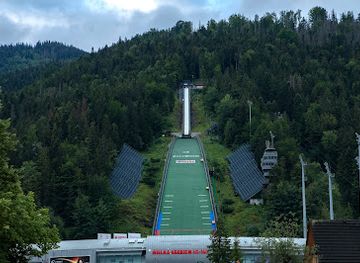
 Sports complex
The Great Krokiew
Experience the thrill of ski jumping and the stunning beauty of the Tatra Mountains at The Great Krokiew, Zakopane's premier sports complex.
-
Tourist attraction
Zakopiańskie Krupówki
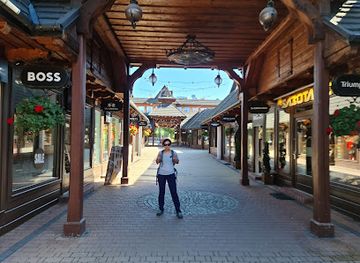
Discover the charm of Zakopane at Krupówki Street, a bustling promenade filled with shops, restaurants, and breathtaking mountain views.
-
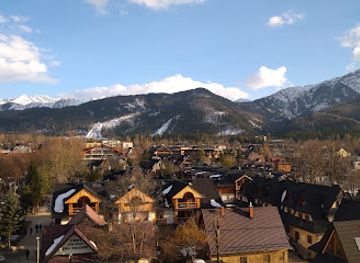
Ski resort
Polana Szymoszkowa
Experience thrilling adventures and breathtaking views at Polana Szymoszkowa, a premier ski resort and tourist destination in the Tatra Mountains.
-
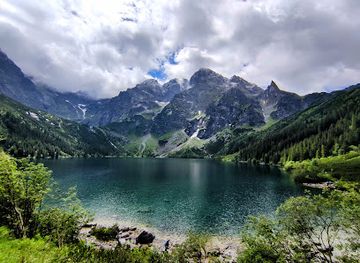
National park
Tatra National Park, Poland
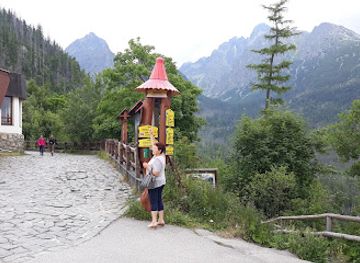
Explore the breathtaking Tatra National Park in Poland, an outdoor paradise with stunning mountain views, diverse wildlife, and thrilling adventures.
Best landmarks in Tatra Mountains
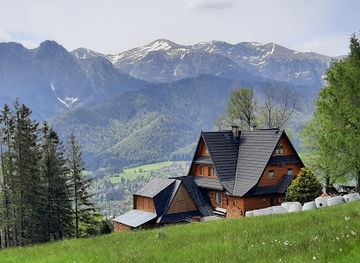
Nestled in the heart of Poland, the Tatra Mountains are a captivating destination brimming with natural and historical wonders. Visitors can marvel at the stunning Morskie Oko, a pristine alpine lake surrounded by towering peaks, or trek through the verdant valleys to the iconic Giewont Mountain, which is steeped in local folklore. The region is also home to charming wooden architecture, like the traditional Zakopane-style cottages, and historical sites such as the 17th-century wooden church in Jaszczurówka. Adventure seekers can explore the extensive network of hiking trails, cascading waterfalls, and the thrilling Gubałówka Hill funicular, which offers panoramic views of the Tatras and the town of Zakopane below. Whether you're an avid hiker, a history enthusiast, or simply in search of breathtaking scenery, the Tatra Mountains promise an unforgettable experience.
-
Sports complex
The Great Krokiew
Experience the thrill of ski jumping at The Great Krokiew, Zakopane's iconic sports complex, set against the stunning backdrop of the Tatra Mountains.
-
Mountain cable car
Kasprowy Wierch Cable Railway - Ground Station
Discover the breathtaking views and exhilarating experiences at the Kasprowy Wierch Cable Railway in the Tatra Mountains, a must-visit attraction for tourists.
-
Hiking area
Vysoké Tatry - Hrebienok
Discover the natural beauty of Vysoké Tatry - Hrebienok, a premier hiking destination in Slovakia, offering stunning trails and breathtaking views.
-
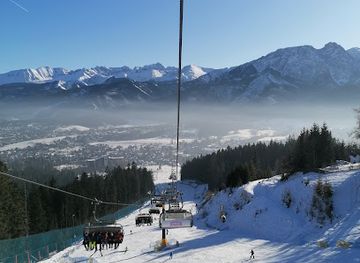
Ski resort
Polana Szymoszkowa
Discover Polana Szymoszkowa, a thrilling ski resort in the Tatra Mountains, offering skiing, roller coasters, and a water park for the ultimate family adventure.
Explore Tatra Mountains on the map
Plan your trip on one map. See where the top cities, national parks and sights are, and book hotels and experiences in a few clicks.
Best hotels in Tatra Mountains
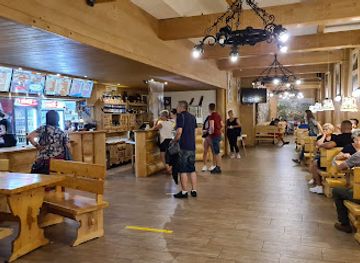
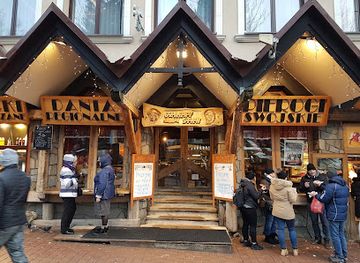
Best restaurants in Tatra Mountains
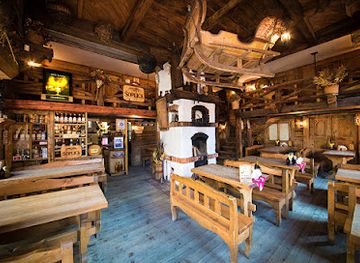
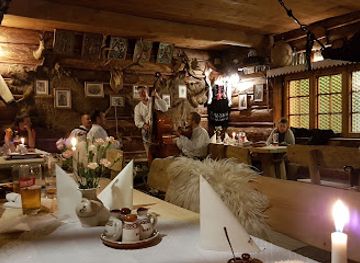
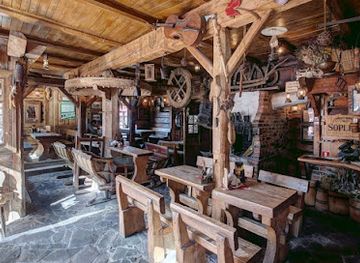
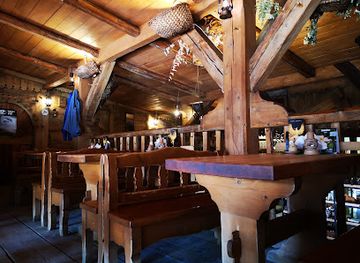
Nestled in the heart of the Tatra Mountains, the dining scene offers an enchanting blend of rustic charm and culinary sophistication, making it a must-visit for any food enthusiast. Expect to be greeted by the warm, smoky aroma of traditional highlander dishes such as 'oscypek'—a smoked cheese made from sheep's milk—served with cranberry sauce, and hearty 'kwaśnica,' a tangy sauerkraut soup that warms you from the inside out. The region's restaurants, often nestled in cozy wooden cottages with panoramic views of the majestic peaks, also serve up a variety of modern interpretations of Polish cuisine, incorporating locally-sourced ingredients like wild mushrooms, fresh trout, and forest berries. Dining in the Tatras is not just about the food; it's an experience where the ambiance, the heritage, and the stunning natural backdrop come together to create unforgettable meals.
-
Polish
Karczma Zapiecek
Savor authentic Polish flavors at Karczma Zapiecek, where every dish is crafted with tradition and passion in the heart of Zakopane.
-
Polish
Bąkowo Zohylina Niźnio
Experience authentic Polish flavors at Bąkowo Zohylina Niźnio in Zakopane - a culinary gem nestled in the heart of Poland's stunning mountains.
-
Polish
Gazdowo Kuźnia Karczma
Discover the flavors of Poland at Gazdowo Kuźnia Karczma in Zakopane - a delightful culinary escape offering traditional dishes and warm hospitality.
-
Restaurant
Stek Chałupa
Experience culinary delights at Stek Chałupa - Zakopane's premier destination for steak lovers and barbecue enthusiasts.
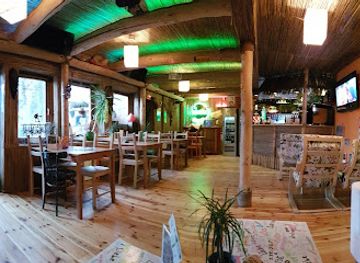
Best bars in Tatra Mountains
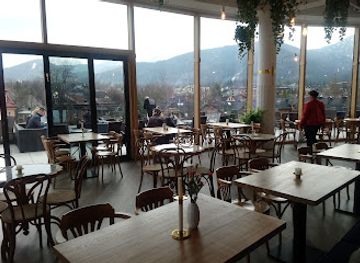
The nightlife in the Tatra Mountains offers a unique blend of rustic charm and vibrant entertainment, perfect for those seeking both relaxation and excitement. As the sun sets behind the majestic peaks, the area comes alive with cozy mountain inns and lively bars, where you can sip on traditional Polish vodka or craft beers while enjoying live folk music. Zakopane, the heart of the region, boasts a variety of nightclubs and pubs that cater to different tastes, from high-energy dance floors to intimate lounges with roaring fireplaces. Some venues even offer breathtaking views of the star-studded sky and snow-capped mountains, creating an unforgettable backdrop for your night out. Whether you're looking to dance the night away or unwind with a drink in hand, the Tatra Mountains' nightlife scene promises an enchanting experience.
-
Restaurant
Restauracja Góralski Browar | Zakopane - Krupówki
Experience the flavors of Zakopane at Restauracja Góralski Browar, where tradition meets modernity in a breathtaking setting.
-
Bar
Tatrzański Bar Mleczny
Experience authentic Polish cuisine at Tatrzański Bar Mleczny in Zakopane, a cozy self-service restaurant offering affordable deliciousness.
-
Grill
Czarny Staw
Discover the flavors of Poland at Czarny Staw, a vibrant grill restaurant in Zakopane, perfect for family meals and memorable gatherings.
-
Restaurant
La Playa Beach Bar & ChillOut Lounge
Experience the vibrant atmosphere of La Playa Beach Bar & ChillOut Lounge in Zakopane, where delightful cocktails and delicious pizzas await you.
Best nightclubs in Tatra Mountains
The nightlife in the Tatra Mountains offers a unique blend of rustic charm and vibrant entertainment, perfect for those seeking both relaxation and excitement. As the sun sets behind the majestic peaks, the area comes alive with cozy mountain inns and lively bars, where you can sip on traditional Polish vodka or craft beers while enjoying live folk music. Zakopane, the heart of the region, boasts a variety of nightclubs and pubs that cater to different tastes, from high-energy dance floors to intimate lounges with roaring fireplaces. Some venues even offer breathtaking views of the star-studded sky and snow-capped mountains, creating an unforgettable backdrop for your night out. Whether you're looking to dance the night away or unwind with a drink in hand, the Tatra Mountains' nightlife scene promises an enchanting experience.
-
Night club
Level 27
Level 27: Warsaw's premier nightlife destination, offering stunning views, eclectic cocktails, and electrifying live music.
-
Live Music
Shine Club Kraków
Discover the heart of Kraków's nightlife at Shine Club, where live music, exquisite cocktails, and unforgettable experiences await.
-
Night club
RITUAL Cocktail Club
Discover the vibrant nightlife at RITUAL Cocktail Club in Warsaw, where exquisite cocktails meet electrifying music and an unforgettable atmosphere.
-
Night club
ENKLAWA Art & Music Club
Discover the pulse of Warsaw's nightlife at ENKLAWA Art & Music Club, where art, music, and unforgettable moments come together.



Best shops in Tatra Mountains
Nestled amidst the breathtaking landscapes of the Tatra Mountains, the shopping experience is a delightful blend of traditional charm and modern allure. Visitors can stroll through vibrant markets in Zakopane, the heart of the region, where they will find an array of handcrafted highlander goods, intricate lacework, and unique wooden carvings that reflect the rich cultural heritage of the Goral people. The bustling Krupówki Street offers a lively atmosphere with its mix of quaint boutiques, artisanal shops, and stylish fashion stores, ensuring there's something for every taste. Don’t miss the local delicacies, including the famous smoked cheese, oscypek, available at various market stalls. Whether you’re hunting for souvenirs or indulging in local craftsmanship, the Tatra Mountains promise a shopping adventure that is as enchanting as its natural beauty.
-
Mountain cable car
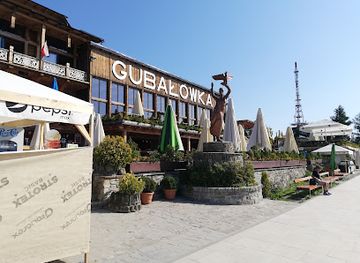
Kolej linowo-terenowa Gubałówka
Explore breathtaking views and thrilling adventures at Gubałówka Cable Car in Zakopane, Poland, a perfect tourist attraction for all seasons.
-
National park
Tatra National Park, Poland
Discover the breathtaking landscapes and diverse wildlife of Tatra National Park, a top hiking destination in Poland's majestic mountains.
-
Clothing store
Fashion Street Krupówki 29
Discover the diverse fashion landscape of Zakopane at Fashion Street Krupówki 29, where style meets affordability in a stunning mountain setting.
-
Local history museum
The Tatra Museum
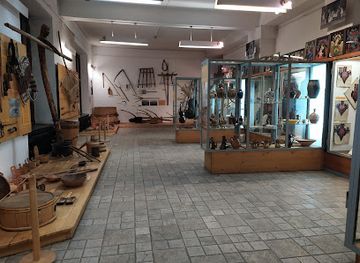
Explore the cultural and natural history of the Tatra Mountains at The Tatra Museum in Zakopane, a must-visit for every traveler.
Get your free copy of our complete guide to Tatra Mountains, delivered straight to you.
Everything on this page, from attractions and restaurants to essentials and local phrases, in one PDF you can read offline, print or share.
Already have an account? Sign in
Your Tatra Mountains guide is ready.
We'll send it to · Not you? Sign out

Getting your guide ready…
We are putting together a fresh copy of the Tatra Mountains guide. This can take up to a minute.
This can take a few moments. If your browser asks, choose Allow so the download can start. You'll find the guide in your Downloads folder.
Nothing happened? Download it again
Sorry, the guide is taking longer than usual. Please try again in a minute, or get it by email instead.
Tatra Mountains essentials
Currency and Payment
Safety
Emergency Situations
Do's and Don'ts
Local Tips
From Eve
Local phrases worth knowing
You don't need to get them perfect. A few words go a long way, and locals appreciate the effort.
Basics
| English | Local | Say it |
|---|---|---|
| Hello | Cześć | [cheshch] |
| Goodbye | Do widzenia | [doh vee-DZEN-yah] |
| Yes | Tak | [tak] |
| No | Nie | [nyeh] |
| Please/You're welcome | Proszę | [PROH-sheh] |
| Thank you | Dziękuję | [djen-KOO-yeh] |
| Excuse me/Sorry | Przepraszam | [psheh-PRAH-sham] |
| How are you? | Jak się masz? | [yak shay mahsh] |
| Fine. And you? | Dobrze. A ty? | [DOH-bzheh. A ti?] |
| Do you speak English? | Czy mówisz po angielsku? | [chi MOO-veesh po an-GYEL-skoo] |
| I don't understand | Nie rozumiem | [nyeh ro-ZOO-myem] |
Eating & Drinking
| English | Local | Say it |
|---|---|---|
| I'd like to see the menu, please | Chciałbym zobaczyć menu, proszę | [hchow-BIM zo-BAH-chih MEN-u, PROH-sheh] |
| I don't eat meat | Nie jem mięsa | [nyeh yem MYEN-sah] |
| Cheers! | Na zdrowie! | [nah zdROH-vyeh] |
| I would like to pay, please | Chciałbym zapłacić, proszę | [hchow-BIM zah-PLAH-chich, PROH-sheh] |
Emergencies
| English | Local | Say it |
|---|---|---|
| Help! | Pomocy! | [poh-MOH-tsih] |
| Go away! | Idź stąd! | [eedj stont] |
| Call the Police! | Zadzwoń po policję! | [zadz-VOHN poh poh-LEET-syeh] |
| Call a doctor! | Zadzwoń po lekarza! | [zadz-VOHN poh leh-KAR-zah] |
| I'm lost | Zgubiłem się | [zgoo-BEE-wem shay] |
| I'm ill | Jestem chory | [YES-tem KHO-ri] |
Shopping
| English | Local | Say it |
|---|---|---|
| I'd like to buy... | Chciałbym kupić... | [hchow-BIM KOO-pich...] |
| I'm just looking | Tylko się rozglądam | [TIL-koh shay ro-ZGLAH-dam] |
| How much is it? | Ile to kosztuje? | [EE-leh toh kosh-TOO-yeh] |
| That's too expensive | To za drogie | [to zah DROH-geh] |
| Can you lower the price? | Czy możesz obniżyć cenę? | [chi MOH-zesh ob-NEE-zhits TSEH-neh] |
Time & Numbers
| English | Local | Say it |
|---|---|---|
| What time is it? | Która godzina? | [KTOO-rah go-JEE-nah] |
| It's one o'clock | Jest pierwsza | [YEST pyER-vshah] |
| Half past (10) | Wpół do (11) | [vPOOL doh (ya-NAH-stah)] |
| Morning | Poranek | [poh-RAH-nek] |
| Afternoon | Popołudnie | [poh-poh-OOD-nyeh] |
| Evening | Wieczór | [VYEH-choor] |
| Yesterday | Wczoraj | [FCHO-rai] |
| Today | Dziś | [dzhish] |
| Tomorrow | Jutro | [YOO-troh] |
| 1 | 1 | [1] |
| 2 | 2 | [2] |
| 3 | 3 | [3] |
| 4 | 4 | [4] |
| 5 | 5 | [5] |
| 6 | 6 | [6] |
| 7 | 7 | [7] |
| 8 | 8 | [8] |
| 9 | 9 | [9] |
| 10 | 10 | [10] |
Transport & Directions
| English | Local | Say it |
|---|---|---|
| Where's a/the...? | Gdzie jest...? | [GJAY yest...?] |
| What's the address? | Jaki jest adres? | [YAH-kee yest AD-res?] |
| Can you show me (on the map)? | Czy możesz pokazać mi (na mapie)? | [chi MOH-zesh poh-KAH-zach mee (nah MAH-pyeh)?] |
| When's the next (bus)? | Kiedy przyjedzie następny (autobus)? | [KYED-y przi-YED-zje nas-TEMP-ny (ow-TOH-boos)?] |
| A ticket (to ....) | Bilet (do ...) | [BEE-let (doh ...)] |
History of Tatra Mountains
Early Settlements
The Tatra Mountains have a rich history of human settlement dating back to the Paleolithic era. Archaeological findings suggest that the first inhabitants were hunter-gatherers who took advantage of the natural resources available in the region. These early settlers left behind various stone tools and artifacts, offering a glimpse into their way of life.
Medieval Trade Routes
During the medieval period, the Tatra Mountains served as an important crossroads for trade routes between Poland, Hungary, and other neighboring regions. The rugged terrain was traversed by merchants carrying goods such as salt, furs, and spices. These trade routes not only facilitated commerce but also cultural exchange, enriching the heritage of the region.
Shepherding and Pastoralism
From the 15th century onwards, the Tatra Mountains became a hub for pastoral activities, particularly shepherding. The highland pastures provided ideal grazing grounds for sheep and cattle, leading to the development of a unique pastoral culture. Traditional wooden huts, known as 'bacówka,' were constructed to house shepherds during the grazing season, many of which still stand today as historical relics.
The Role in Polish National Identity
The Tatra Mountains hold a special place in Polish national identity. In the 19th century, during the period of partitions when Poland was divided between Austria, Prussia, and Russia, the mountains became a symbol of Polish resistance and independence. Prominent Polish poets and artists, such as Adam Mickiewicz, drew inspiration from the Tatras, embedding them deeply into the national consciousness.
Establishment of Tatra National Park
In the 20th century, the need to preserve the unique natural and cultural heritage of the Tatra Mountains led to the establishment of Tatra National Park in 1954. The park covers over 211 square kilometers and is home to a diverse array of flora and fauna, including the rare Tatra chamois and Tatra marmot. The creation of the park marked a significant milestone in the conservation efforts of the region.
WWII and Resistance Movements
During World War II, the Tatra Mountains became a refuge for Polish resistance fighters and partisans. The difficult and inaccessible terrain provided a strategic advantage for those opposing the Nazi occupation. Numerous skirmishes and clandestine operations were carried out in the region, contributing to the broader resistance movement within Poland.
Modern Tourism Development
With the advent of the 20th and 21st centuries, the Tatra Mountains have evolved into a popular tourist destination. Modern infrastructure, including cable cars, hiking trails, and ski resorts, has been developed to cater to visitors. The town of Zakopane, often referred to as the 'Winter Capital of Poland,' serves as the gateway to the Tatras, attracting millions of tourists annually.
Tatra Mountains in Photos
Browse through our photo collection highlighting the charm and character of the destination.
Neighbouring regions of Tatra Mountains
The closest regions to Tatra Mountains, if you have time for more than one.
-

-

-

-

-


Swipe for more regions
Explore more

Explore more of Poland
Discover Poland's rich history, vibrant cities, and scenic landscapes, from the medieval streets of Kraków to the serene beauty of the Tatra Mountains and Masurian Lakes.
Explore Poland