

Vilamoura Travel Guide - Free Web & App
Your ultimate guide to Vilamoura. Discover top landmarks, proposed trips, and local tips. Free on the web or via the Evendo companion app.


Vilamoura, Portugal combines a lively marina, Atlantic beaches, Roman ruins, championship golf and Algarve sunshine with elegant resort living and coastal escapes.
A Planned Resort by the Atlantic
Vilamoura occupies a broad stretch of Portugal’s central Algarve coast, close to Quarteira and within the municipality of Loulé. Rather than growing organically from an old village, it was developed from the 1960s as a purpose-built leisure resort around a large marina. Its identity is defined by the contrast between manicured avenues, golf landscapes and waterfront restaurants on one side, and the open Atlantic, dune-backed beaches and salt-marsh habitats of the coast on the other.Read more about Vilamoura
Marina Life and Coastal Landscapes
Archaeology and the Wider Algarve
When is the best time to visit Vilamoura?
Best: June–July, September · 26–28°C| Month | High (°C) | Rainfall (mm) |
|---|---|---|
| January | 16 | 60 |
| February | 16 | 50 |
| March | 17 | 50 |
| April | 18 | 40 |
| May | 23 | 30 |
| June (best) | 26 | 20 |
| July (best) | 28 | 20 |
| August | 28 | 20 |
| September (best) | 27 | 30 |
| October | 22 | 40 |
| November | 18 | 50 |
| December | 16 | 60 |
Getting to and around Vilamoura
How to get there
Transportation
Best attractions in Vilamoura
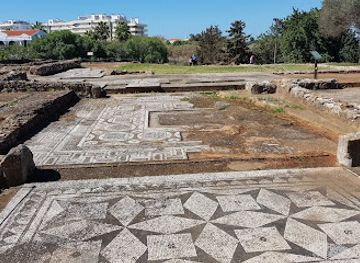
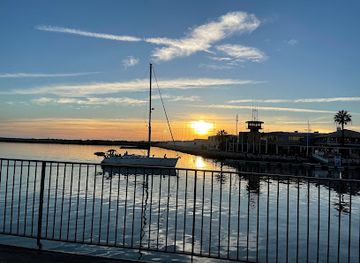
Vilamoura’s principal attraction is its marina, where promenades, boats, restaurants and waterfront activity provide the resort’s most recognisable setting. Praia de Vilamoura lies directly alongside the developed coast, with further beaches extending towards Quarteira and the eastern Algarve shoreline. At Cerro da Vila, visitors can examine the remains of a Roman-period settlement, including baths, domestic spaces and mosaic decoration, within a landscape now surrounded by modern resort development. Golf is another defining attraction, with several established courses distributed across the wooded and landscaped interior. Boat excursions from the marina offer views of the coast and access to marine activities, subject to conditions and seasonal operation. Nearby Quarteira adds a working-town atmosphere, a long beachfront and everyday Portuguese commerce, while Loulé provides an inland market town and a gateway to the Algarve’s rural scenery. These places are close to Vilamoura but remain distinct from the resort itself.
-
Tourist attraction
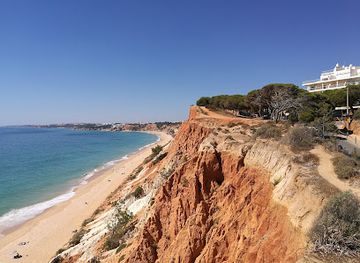
Praia da Falésia
Explore the breathtaking Praia da Falésia, where stunning red cliffs meet golden sands and aquamarine waters in Portugal's Algarve region.
-
Seafood
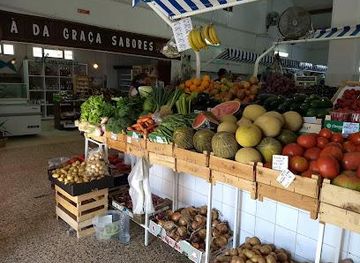
Fish Market
Experience the vibrant flavors of the Algarve at Quarteira Fish Market, where fresh seafood and local culture come together in a lively atmosphere.
-
Beach
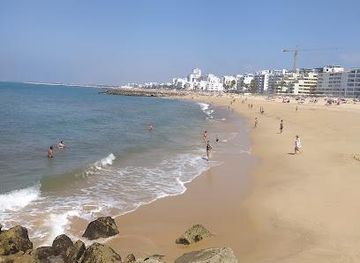
Praia do Forte Novo
Experience the serene beauty of Praia do Forte Novo, a stunning beach in Quarteira, Portugal, perfect for relaxation and adventure.
-
Flea market
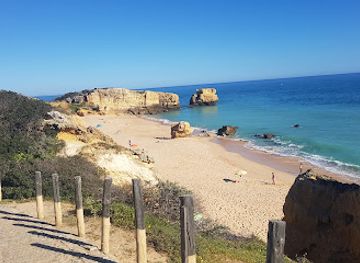
Mercado da Fonte Santa
Explore Mercado da Fonte Santa, Quarteira's vibrant flea market filled with local treasures, delicious food, and a lively cultural atmosphere.
Best landmarks in Vilamoura
The Vilamoura Marina is the resort’s defining built landmark, with its sheltered basin, waterfront promenades and dense concentration of leisure activity. Cerro da Vila is its most important historic landmark, preserving Roman-period remains that reveal the long-established settlement and productive use of this coastal landscape. The sandy shoreline at Praia de Vilamoura, together with the dune and beach systems towards nearby Quarteira, forms the principal natural landmark, linking the resort to the open Atlantic. The network of golf courses is also a significant modern landscape feature: their fairways, lakes and planted grounds occupy territory that was once predominantly rural. Nearby Quarteira’s beachfront and fishing heritage provide useful context, while Loulé’s older urban fabric and market are related regional landmarks rather than features within Vilamoura itself.
-
Archaeological museum
Cerro da Vila
Discover the rich history of the Algarve at Cerro da Vila, a captivating archaeological museum in Quarteira showcasing Roman and Moorish heritage.
-
Tourist attraction
Farol de Vilamoura
Discover the breathtaking views and rich maritime history at Farol de Vilamoura, a stunning lighthouse along the beautiful Algarve coastline.
Explore Vilamoura on the map
Plan your trip on one map. See where the top attractions, landmarks, restaurants and hotels are, and book hotels and experiences in a few clicks.
Best hotels in Vilamoura
Best restaurants in Vilamoura
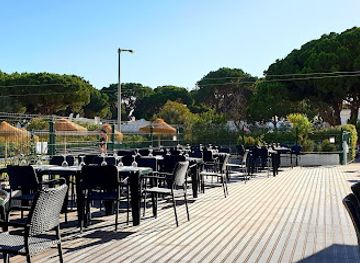
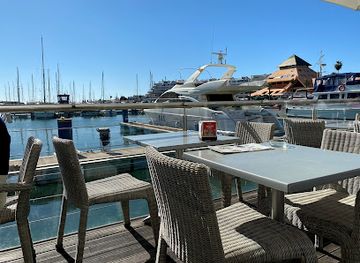
Dining in Vilamoura is concentrated around the marina, hotel areas and commercial streets, where visitors find Portuguese cooking alongside international menus shaped by the resort’s overseas clientele. Fresh fish and shellfish, grilled meats, cataplana, rice dishes, salads, bread, olives and Algarve citrus feature prominently in the regional food tradition, while almond- and fig-based sweets reflect the wider southern Portuguese pantry. Quarteira, just west of Vilamoura, offers additional cafés, seafood restaurants and informal Portuguese eateries associated with its fishing-town history. Loulé and the surrounding inland villages provide further opportunities to encounter market produce, bakeries and traditional regional cooking. Menus and opening patterns change seasonally, so smaller establishments outside the marina may operate more limited hours than the resort’s principal dining areas.
-
Restaurant
La Pizza Loca
Experience authentic Italian cuisine at La Pizza Loca in Quarteira—delicious pizzas and more await you!
-
Italian
Nosolo Italia - Marina Vilamoura
Experience authentic Italian cuisine at Nosolo Italia in Marina Vilamoura, where every dish is crafted with passion and served with stunning waterfront views.
-
Restaurant
Figo Decklounge Vilamoura
Discover Figo Decklounge: A vibrant restaurant offering delightful cuisine with stunning views at Vilamoura Marina.
-
Indian
United kitchens of India
Experience authentic Indian cuisine at United Kitchens of India in Quarteira - a delightful blend of flavors and culture awaits you.

Best bars in Vilamoura
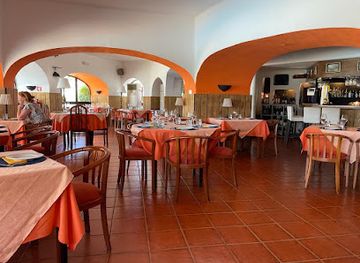
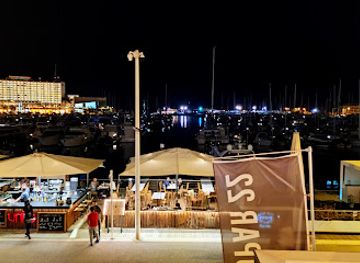
Vilamoura has one of the liveliest evening scenes among the Algarve’s purpose-built resorts, centred largely on the marina. Bars and lounge-style venues serve the waterfront crowd, while hotel areas and nearby commercial streets provide a broader range of evening settings. Casino Vilamoura adds organised entertainment close to the marina, subject to its own admission and operating arrangements. In summer, the resort generally feels busier and later than in the quieter months, when evening life is more concentrated in established restaurants, hotel bars and a smaller number of venues. Quarteira offers a more local, less resort-focused alternative nearby, but Vilamoura should not be confused with a single continuous nightlife district: venues are dispersed, seasonal patterns vary and the atmosphere changes considerably outside peak periods.
-
Irish pub
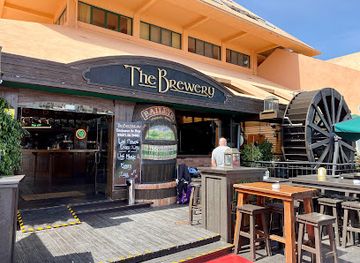
The Brewery
Discover the essence of Irish culture at The Brewery, a lively pub in Vilamoura's marina offering traditional dishes and a warm atmosphere.
-
Bar
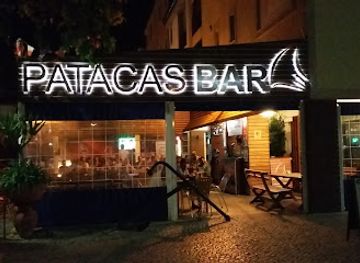
Patacas Bar
Discover the lively nightlife at Patacas Bar in Vilamoura, where great drinks and a vibrant atmosphere await you late into the night.
-
Bar
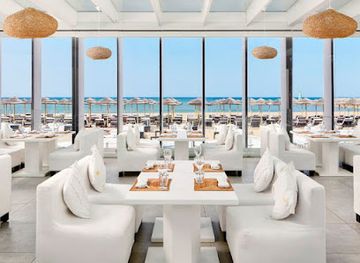
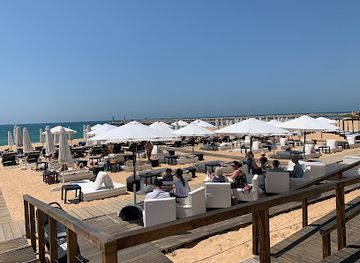
Purobeach Vilamoura
Experience luxury and relaxation at Purobeach Vilamoura, a premier beach club in the heart of the Algarve, offering stunning views and exquisite dining.
-
Bar
The Irish Bar
Experience the lively spirit of Ireland at The Irish Bar in Quarteira, where live music, great drinks, and unforgettable nights await.
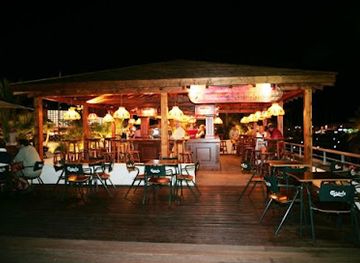
Best nightclubs in Vilamoura
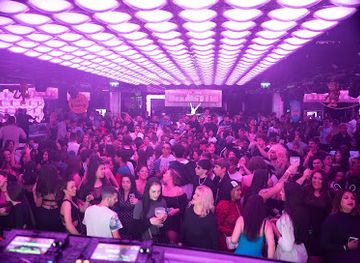
Vilamoura has one of the liveliest evening scenes among the Algarve’s purpose-built resorts, centred largely on the marina. Bars and lounge-style venues serve the waterfront crowd, while hotel areas and nearby commercial streets provide a broader range of evening settings. Casino Vilamoura adds organised entertainment close to the marina, subject to its own admission and operating arrangements. In summer, the resort generally feels busier and later than in the quieter months, when evening life is more concentrated in established restaurants, hotel bars and a smaller number of venues. Quarteira offers a more local, less resort-focused alternative nearby, but Vilamoura should not be confused with a single continuous nightlife district: venues are dispersed, seasonal patterns vary and the atmosphere changes considerably outside peak periods.
-
Bar
Purobeach Vilamoura
Experience the ultimate beach club vibe at Purobeach Vilamoura, where elegance meets the stunning Algarve coastline.
-
Piano bar
Atlantic Piano Bar
Discover the enchanting Atlantic Piano Bar in Vilamoura, where vibrant nightlife meets live music for an unforgettable experience!
-
Dance club
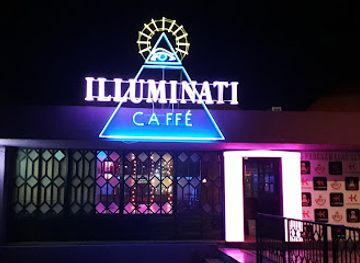
Illuminati Café
Discover the vibrant nightlife at Illuminati Café in Quarteira, where lively music and an energetic atmosphere await every night.
-
Disco club
Disco Dice Club
Dive into the energetic nightlife of Vilamoura at Disco Dice Club, where the music never stops and the dance floor awaits you.
Best shops in Vilamoura
Shopping in Vilamoura is primarily resort-oriented, with retail concentrated around the marina, accommodation zones and commercial areas serving visitors, boat users and golfers. These areas offer clothing, beach goods, gifts, jewellery, convenience items and leisure-related services, alongside cafés and restaurants. For more recognisably local shopping, nearby Quarteira has everyday Portuguese commerce, food shops and a market tradition linked to its established town community, while Loulé is a stronger destination for regional produce, crafts and traditional market browsing. Algarve specialities such as almonds, figs, carob products, olive oil, ceramics and cork goods may be encountered across the region, although stock differs between businesses and seasons. The resort is not a major specialist craft centre, so visitors seeking antiques, local food producers or broader retail choice should look beyond the marina area.
-
 Shopping mall
Marina Plaza
Explore Marina Plaza in Quarteira for a shopping experience that blends local charm with diverse retail and dining options.
-
Fashion accessories store
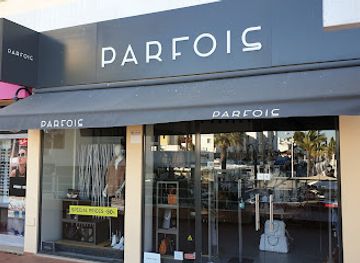
Parfois - Marina de Vilamoura
Explore the stylish world of Parfois at Marina de Vilamoura, where fashion accessories meet the charm of the stunning Algarve coast.
-
Shopping mall
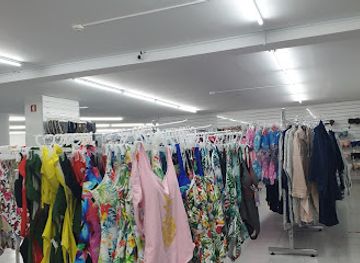
Oriental Shopping vilamoura
Explore Oriental Shopping in Vilamoura for a unique retail experience with beachwear, groceries, and local treasures.
-
Gift basket store
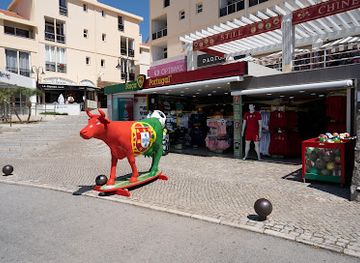
Forca Portugal
Discover Forca Portugal in Quarteira for exquisite gift baskets filled with authentic Portuguese delicacies and charming souvenirs.
Get your free copy of our complete guide to Vilamoura, delivered straight to you.
Everything on this page, from attractions and restaurants to essentials and local phrases, in one PDF you can read offline, print or share.
Already have an account? Sign in
Your Vilamoura guide is ready.
We'll send it to · Not you? Sign out

Getting your guide ready…
We are putting together a fresh copy of the Vilamoura guide. This can take up to a minute.
This can take a few moments. If your browser asks, choose Allow so the download can start. You'll find the guide in your Downloads folder.
Nothing happened? Download it again
Sorry, the guide is taking longer than usual. Please try again in a minute, or get it by email instead.
Vilamoura essentials
Currency and Payment
Safety
Emergency Situations
Do's and Don'ts
Local Tips
From Eve
Local phrases worth knowing
You don't need to get them perfect. A few words go a long way, and locals appreciate the effort.
Basics
| English | Local | Say it |
|---|---|---|
| Hello | Olá | [oh-lah] |
| Goodbye | Adeus | [ah-deh-oosh] |
| Yes | Sim | [seem] |
| No | Não | [now] |
| Please/You're welcome | Por favor | [por fah-vohr] |
| Thank you | Obrigado/a | [oh-bree-gah-doh/dah] |
| Excuse me/Sorry | Com licença/Desculpe | [kohm lee-sen-sah/dehs-kool-peh] |
| How are you? | Como está? | [koh-moh ehs-tah] |
| Fine. And you? | Bem. E você? | [behn. eh voh-seh] |
| Do you speak English? | Fala inglês? | [fah-lah een-glehsh] |
| I don't understand | Não entendo | [now ehn-tehn-doh] |
Eating & Drinking
| English | Local | Say it |
|---|---|---|
| I'd like to see the menu, please | Gostaria de ver o menu, por favor | [goh-stah-ree-ah deh vehr ooh meh-noo, poor fah-vohr] |
| I don't eat meat | Não como carne | [now koh-moh kahr-neh] |
| Cheers! | Saúde! | [sah-oo-deh] |
| I would like to pay, please | Gostaria de pagar, por favor | [goh-stah-ree-ah deh pah-gahr, poor fah-vohr] |
Emergencies
| English | Local | Say it |
|---|---|---|
| Help! | Socorro! | [soh-koh-roh] |
| Go away! | Vá embora! | [vah ehm-boh-rah] |
| Call the Police! | Chame a polícia! | [shah-meh ah poh-lee-see-ah] |
| Call a doctor! | Chame um médico! | [shah-meh oom meh-dee-koo] |
| I'm lost | Estou perdido/a | [eh-stoh pehr-dee-doo/dah] |
| I'm ill | Estou doente | [eh-stoh doo-ehn-teh] |
Shopping
| English | Local | Say it |
|---|---|---|
| I'd like to buy... | Gostaria de comprar... | [goh-stah-ree-ah deh kohm-prahr] |
| I'm just looking | Estou só a ver | [eh-stoh soh ah vehr] |
| How much is it? | Quanto custa? | [kwahn-too koos-tah] |
| That's too expensive | Isso é demasiado caro | [ee-soh eh dah-mah-see-ah-doo kahr-oo] |
| Can you lower the price? | Pode baixar o preço? | [poh-deh bahy-shahr oo preh-soo] |
Time & Numbers
| English | Local | Say it |
|---|---|---|
| What time is it? | Que horas são? | [keh oh-rahz sah-oh] |
| It's one o'clock | É uma hora | [eh ooh-mah oh-rah] |
| Half past (10) | Meia (10) | [meh-yah (dehs)] |
| Morning | Manhã | [mah-nyah] |
| Afternoon | Tarde | [tahr-dah] |
| Evening | Noite | [noy-tay] |
| Yesterday | Ontem | [ohn-tehm] |
| Today | Hoje | [oh-zhay] |
| Tomorrow | Amanhã | [ah-mah-nyah] |
| 1 | Um | [oom] |
| 2 | Dois | [doyz] |
| 3 | Três | [treysh] |
| 4 | Quatro | [kwah-troh] |
| 5 | Cinco | [seen-koh] |
| 6 | Seis | [saysh] |
| 7 | Sete | [seh-teh] |
| 8 | Oito | [oy-toh] |
| 9 | Nove | [noh-veh] |
| 10 | Dez | [dehz] |
Transport & Directions
| English | Local | Say it |
|---|---|---|
| Where's a/the...? | Onde fica o/a...? | [ohn-deh fee-kah oo/ah] |
| What's the address? | Qual é o endereço? | [kahl eh oo ehn-deh-reh-soo] |
| Can you show me (on the map)? | Pode mostrar-me (no mapa)? | [poh-deh mohs-trahr-meh (noo mah-pah)] |
| When's the next (bus)? | Quando é o próximo (autocarro)? | [kwahn-doh eh oo proh-ksee-moh (ow-toh-kah-roo)] |
| A ticket (to ....) | Um bilhete (para ...) | [oom beel-yeh-teh (pah-rah)] |
History of Vilamoura
A Roman Coastal Estate
The earliest substantial remains at Vilamoura are concentrated at Cerro da Vila, where archaeological evidence records a Roman-period rural and maritime settlement. The complex included residential spaces, bathing facilities, working areas and richly decorated floors, reflecting an organised estate connected with the productive coastal economy of southern Lusitania. Its position near former waterways and the sea helps explain the importance of fishing, agriculture and the processing of marine resources in the area. Although much of the modern resort dates from the twentieth century, Cerro da Vila demonstrates that Vilamoura’s coast had an established economic and settlement history long before the marina and golf courses appeared.
Medieval and Early Modern Algarve
After the Roman period, the Algarve passed through Visigothic and Islamic phases before becoming part of the Portuguese kingdom in the thirteenth century. Vilamoura itself did not develop as a major medieval town; the more enduring urban centres nearby were Loulé and Faro, while the coast remained associated with small-scale agriculture, fishing and rural estates. Quarteira, immediately west of the resort, retained a stronger maritime identity. The surrounding landscape was shaped by orchards, dry farming, wells and traditional settlements, patterns that continued into the early modern period even as coastal commerce and fishing evolved.
From Rural Coast to Planned Resort
For much of the twentieth century, the area around present-day Vilamoura consisted largely of farmland, pine stands and lightly developed coastline. Its transformation began in the 1960s, when a large planned tourism project introduced golf, leisure facilities, landscaped residential areas and a marina. This was a different model from the historic fishing settlement of Quarteira: Vilamoura was designed as an integrated resort whose accommodation, sport, boating and entertainment facilities would operate together. The development formed part of the Algarve’s wider shift towards international tourism, while also changing land use and the visual character of the coast.
Golf, Marina and International Tourism
During the late twentieth century and into the present, Vilamoura expanded into one of the Algarve’s best-known resort areas. Golf became central to its identity, with several courses laid out in the surrounding landscape, while the marina developed into a focus for dining, boating and evening activity. Hotels, apartments, villas and commercial areas followed, attracting visitors from Portugal and overseas. The resort’s growth also increased its connections with Quarteira, Loulé and the wider central Algarve, creating a tourism landscape in which planned leisure facilities coexist with older settlements and surviving archaeological remains.
Heritage and Coastal Management
Modern Vilamoura contains a clear tension between intensive resort use and the protection of archaeological and coastal environments. Cerro da Vila preserves evidence of the area’s ancient settlement, while beaches, dunes, wetlands and shoreline habitats require careful management in a heavily visited region. Contemporary tourism is therefore experienced within a landscape where access, construction, golf, boating and beach recreation must coexist with heritage conservation and the natural dynamics of the Atlantic coast. Seasonal pressure, changing weather and coastal erosion continue to shape how the resort manages its public spaces and waterfront.
Vilamoura in Photos
Browse through our photo collection highlighting the charm and character of the destination.
Neighbouring destination travel guides
The closest destinations to Vilamoura, if you have time for more than one.
-

-

-

-

-


Swipe for more destinations
Explore more
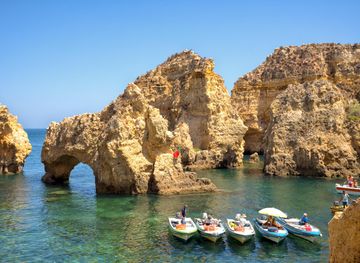
Explore more of Algarve
Discover Algarve: A sun-soaked destination in southern Portugal, offering stunning beaches, rich history, vibrant culture, and exquisite culinary delights.
Explore Algarve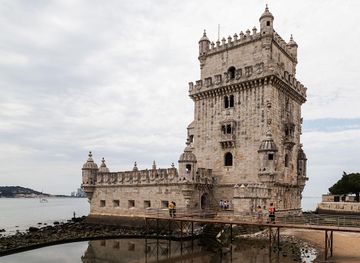
Explore more of Portugal
Discover Portugal: A blend of historic charm, stunning coastlines, and delightful cuisine awaits in this captivating European gem.
Explore Portugal