

Free Algarve Travel Guide & Mobile App
Explore Algarve with free travel guides. Discover regional history, expert tips, proposed trips, and audio guides on web or mobile app.


Explore the Algarve for Atlantic beaches, Moorish heritage, seafood, island wetlands, whitewashed towns and the green Serra de Monchique.
Read more about Algarve
When is the best time to visit Algarve?
Best: June, September–October · 24–27°C| Month | High (°C) | Rainfall (mm) |
|---|---|---|
| January | 15 | 60 |
| February | 16 | 50 |
| March | 18 | 40 |
| April | 20 | 20 |
| May | 22 | 15 |
| June (best) | 26 | 5 |
| July | 29 | 3 |
| August | 29 | 5 |
| September (best) | 27 | 15 |
| October (best) | 24 | 20 |
| November | 19 | 40 |
| December | 16 | 50 |
Getting to and around Algarve
How to get there
Transportation
Top city travel guides in Algarve
The cities of Algarve, and the easiest places to base yourself.

Swipe for more cities
Destinations in Algarve
Resorts, valleys and scenic spots worth a trip of their own.
-

-

-

-

-

-


Swipe for more destinations
Best attractions in Algarve
The Algarve’s attractions range from Atlantic scenery to historic towns and protected wetlands. On the western coast, the cliffs and beaches around Sagres, Lagos and Aljezur offer walking, viewpoints, surfing and exposure to a more open Atlantic landscape. The central coast is more developed, with boat trips, water activities, golf and family-oriented leisure facilities around Portimão, Albufeira and Vilamoura. In the east, the Ria Formosa Natural Park provides opportunities for birdwatching, kayaking and island excursions, while Tavira and Olhão give access to the lagoon’s maritime culture. Inland, Silves, Loulé and the villages of the Barrocal combine castles, churches, markets and traditional architecture. The Serra de Monchique brings wooded hills, springs, viewpoints and walking routes, contrasting with the dry coastal plain. Museums in Faro, Portimão and other larger towns interpret archaeology, fishing, maritime history and regional culture. Visitors should plan around heat, tides, seasonal fire precautions and the distances between dispersed beaches and inland sites.
-
Theme park
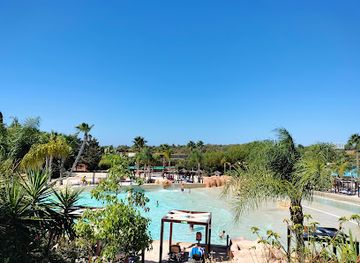
Zoomarine Algarve, Portugal
Discover the ultimate family adventure at Zoomarine Algarve, a spectacular theme park with thrilling rides, captivating animal shows, and refreshing water attractions.
-
Tourist attraction
Benagil Cave
Discover the enchanting Benagil Cave in Lagoa, Portugal, a stunning natural wonder perfect for adventurers and nature lovers seeking breathtaking coastal views.
-
History museum
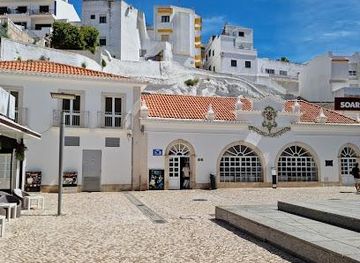
Albufeira Old Town
Explore Albufeira Old Town, a historical gem on Portugal's Algarve coast, offering charming streets, delicious cuisine, and stunning ocean views.
-
Tourist attraction
Praia da Falésia
Experience the stunning cliffs and golden sands of Praia da Falésia, a breathtaking beach destination in Portugal's Algarve region.


Best landmarks in Algarve
The Algarve’s most recognisable landmarks reflect Islamic, Portuguese maritime and coastal histories. Silves Castle, built in distinctive red sandstone, dominates the former Islamic capital and stands beside Silves Cathedral, whose later Gothic form records the city’s incorporation into the Portuguese kingdom. Tavira’s castle walls and hilltop church offer a visual link to the town’s medieval past, while its Roman-era bridge spans the Gilão in the historic centre. In Lagos, the Forte da Ponta da Bandeira guards the harbour entrance and recalls the town’s strategic maritime role. Sagres Fortress occupies a dramatic headland at the southwestern limit of the region, associated with Portugal’s seafaring expansion. Faro’s old city is enclosed by historic walls and entered through the Arco da Vila, while the Ria Formosa’s shifting barrier islands form a natural landmark rather than a single monument. The limestone cliffs around Ponta da Piedade near Lagos and the elevated summit of Foia in Monchique provide two contrasting geographical symbols: one shaped by Atlantic erosion, the other by the wooded interior hills.
-
Scenic spot
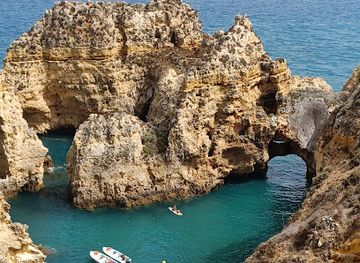
Ponta da Piedade
Explore the iconic Ponta da Piedade, where stunning cliffs meet crystal-clear waters, creating unforgettable views and experiences in the Algarve.
-
Fortress
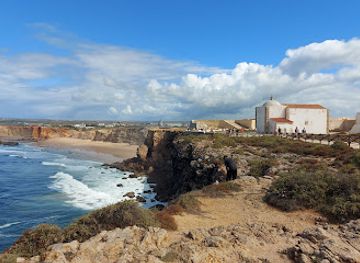
Sagres Fortress
Explore the historic Sagres Fortress, where Portugal’s maritime legacy meets breathtaking coastal views in the Algarve region.
-
Castle
Castelo de Silves
Explore the historic beauty of Castelo de Silves, a medieval castle in the Algarve that offers breathtaking views and a glimpse into Portugal's rich heritage.
-
Nature preserve
Castro Marim and Vila Real de Santo António Marsh Natural Reserve
Experience nature's beauty at Castro Marim and Vila Real de Santo António Marsh Natural Reserve, where rich biodiversity meets breathtaking landscapes in Portugal's Algarve.
Explore Algarve on the map
Plan your trip on one map. See where the top cities, national parks and sights are, and book hotels and experiences in a few clicks.
Best hotels in Algarve
Best restaurants in Algarve
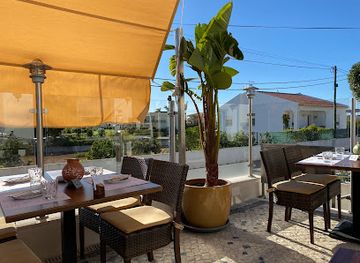
Algarve cooking is strongly divided between the resources of the sea and those of the dry interior. Coastal restaurants serve sardines, grilled fish, clams, octopus, cuttlefish and shellfish, with cataplana often used for seafood stews containing combinations that vary by locality and season. Around Ria Formosa communities, oysters, clams and other lagoon produce are especially prominent. Inland menus include pork, goat, chickpeas, local sausages, figs, almonds, carob and citrus fruit, while chicken piri-piri is widely available but belongs to the broader Portuguese culinary tradition rather than being exclusive to the Algarve. Look for açorda, a bread-and-herb preparation whose ingredients differ across kitchens, and regional almond sweets in bakeries and confectioners. Traditional cafés, village restaurants, beachside fish houses, market stalls and contemporary dining rooms all form part of the scene. Medronho and Algarve wines provide local drinks, though availability varies between producers and restaurants.
-
Portuguese
Casa da Fonte
Experience authentic Portuguese cuisine at Casa da Fonte in Albufeira – where tradition meets taste.
-
Restaurant
Restaurante Praia da Galé
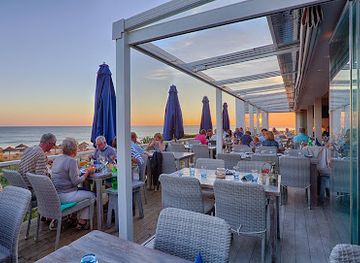
Beachfront haven on Praia da Galé serving fresh seafood, Portuguese steaks, and sunset views in a casual Algarve setting since 1982.
-
Portuguese
Restaurante O Marinheiro
Experience exquisite Portuguese flavors at Restaurante O Marinheiro with stunning coastal views and a welcoming ambiance.
-
Portuguese
Maria's Restaurant and Beach, Algarve
Experience exceptional Portuguese flavors at Maria's Restaurant & Beach in Algarve—where culinary excellence meets breathtaking ocean views.
Best bars in Algarve
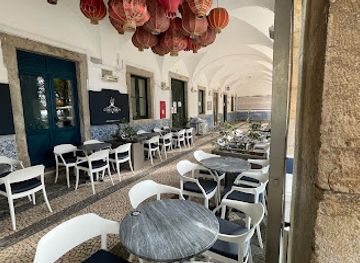
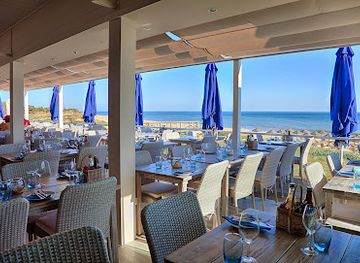
Evening life varies sharply across the Algarve. Historic centres in Lagos, Tavira, Faro and Albufeira offer cafés, wine bars, small music venues and restaurants, while Albufeira and the resort areas around Vilamoura and Praia da Rocha have the region’s most concentrated late-night entertainment. The central coast includes cocktail bars, sports bars and seasonal venues serving holiday visitors, whereas inland towns generally settle into a quieter rhythm of cafés, village festas and local restaurants. Faro has a more year-round atmosphere because it is a regional administrative and university centre, with cultural programming alongside nightlife. Traditional tascas and pubs remain important meeting places across the region, and some coastal towns have venues for live music without resembling a large metropolitan club scene. Opening patterns and seasonal programming change frequently, so visitors should check locally rather than rely on outdated listings.
-
Restaurant
Columbus
Experience the vibrant atmosphere and culinary delights at Columbus, Faro's top restaurant and cocktail bar, blending tradition with modern flair.
-
Portuguese
Maria's Restaurant and Beach, Algarve
Experience the best of Portuguese cuisine at Maria's Restaurant and Beach, a family-friendly seafood haven with breathtaking views in Algarve.
-
Irish pub
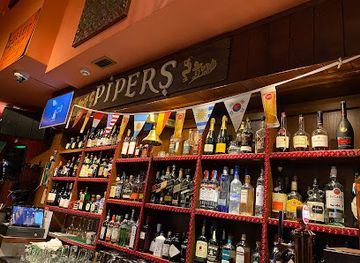
Piper's Irish Pub & Bar
Visit Piper's Irish Pub & Bar in Faro for an authentic taste of Ireland with delicious food, a lively atmosphere, and a fantastic selection of drinks.
-
Bar
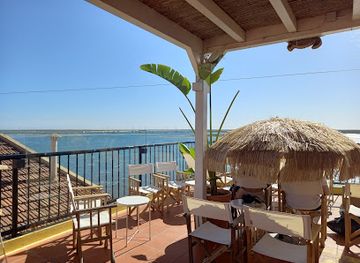
LAB Terrace - Sunset Bar
Enjoy breathtaking sunsets and expertly crafted cocktails at LAB Terrace - Sunset Bar in Faro, the perfect retreat for travelers seeking relaxation.
Best nightclubs in Algarve
Evening life varies sharply across the Algarve. Historic centres in Lagos, Tavira, Faro and Albufeira offer cafés, wine bars, small music venues and restaurants, while Albufeira and the resort areas around Vilamoura and Praia da Rocha have the region’s most concentrated late-night entertainment. The central coast includes cocktail bars, sports bars and seasonal venues serving holiday visitors, whereas inland towns generally settle into a quieter rhythm of cafés, village festas and local restaurants. Faro has a more year-round atmosphere because it is a regional administrative and university centre, with cultural programming alongside nightlife. Traditional tascas and pubs remain important meeting places across the region, and some coastal towns have venues for live music without resembling a large metropolitan club scene. Opening patterns and seasonal programming change frequently, so visitors should check locally rather than rely on outdated listings.
-
Bar
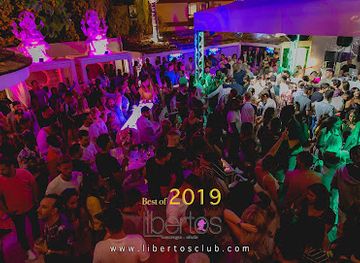
Libertos Club
Discover the vibrant nightlife at Libertos Club, Albufeira's premier bar offering cocktails, DJ services, and a unique hookah experience.
-
Bar
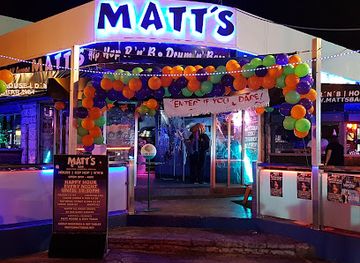
Matt's Bar
Discover the lively atmosphere and vibrant nightlife at Matt's Bar in Albufeira, a top destination for music and fun lovers.
-
Bar
Purobeach Vilamoura
Experience the luxury of sun, sea, and exquisite dining at Purobeach Vilamoura, the ultimate beach club destination in Algarve.
-
Disco club
Kiss Disco Club
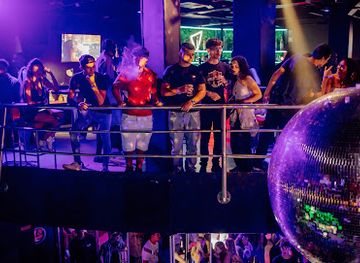
Experience the electrifying nightlife at Kiss Disco Club in Albufeira, where the dance floor comes alive with music and energy until dawn.
Best shops in Algarve
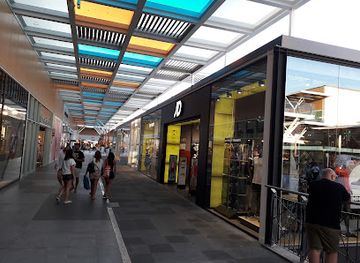
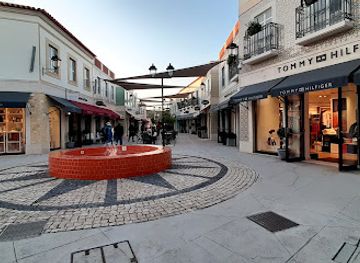
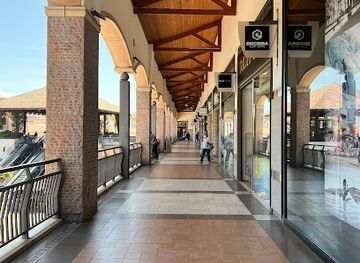
Shopping in the Algarve ranges from practical town markets to resort boutiques and specialist food shops. Faro, Loulé, Olhão and Tavira provide some of the broadest choices, with traditional markets selling fish, fruit, vegetables and regional produce alongside everyday goods. Loulé is particularly associated with its covered market building and craft traditions, while Olhão’s market halls reflect the town’s longstanding connection with fishing and the Ria Formosa. Across the region, look for cork goods, woven items, pottery, baskets, embroidered textiles, handmade ceramics and decorative azulejo-style pieces, checking that products are genuinely made locally when provenance matters. Food shops and markets offer almonds, figs, carob products, citrus preserves, olive oil, flor de sal and regional sweets. Resort areas contain larger retail complexes and international brands, but smaller historic streets are better for independent shops, galleries and traditional products. Summer opening patterns can be adapted to the heat, and market days differ between towns, so confirm details locally.
-
Shopping mall
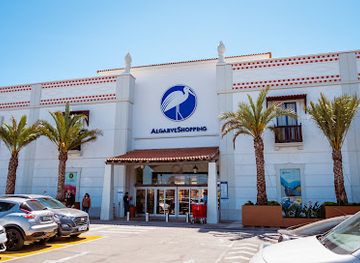
Algarve Shopping
Explore Algarve Shopping in Guia, Portugal - your ultimate destination for shopping, dining, and entertainment in the Algarve region.
-
Shopping mall
Aqua Portimão Shopping Centre
Discover shopping paradise at Aqua Portimão Shopping Centre, where fashion, food, and fun come together for an unforgettable experience.
-
Shopping mall
MAR Shopping Algarve
Experience shopping like never before at MAR Shopping Algarve, where fashion, dining, and entertainment meet in the heart of Almancil.
-
Shopping mall
Forum Algarve
Explore Forum Algarve in Faro, the ultimate shopping destination that combines style, dining, and entertainment for an unforgettable experience.
Get your free copy of our complete guide to Algarve, delivered straight to you.
Everything on this page, from attractions and restaurants to essentials and local phrases, in one PDF you can read offline, print or share.
Already have an account? Sign in
Your Algarve guide is ready.
We'll send it to · Not you? Sign out

Getting your guide ready…
We are putting together a fresh copy of the Algarve guide. This can take up to a minute.
This can take a few moments. If your browser asks, choose Allow so the download can start. You'll find the guide in your Downloads folder.
Nothing happened? Download it again
Sorry, the guide is taking longer than usual. Please try again in a minute, or get it by email instead.
Algarve essentials
Currency and Payment
Safety
Emergency Situations
Do's and Don'ts
Local Tips
From Eve
Local phrases worth knowing
You don't need to get them perfect. A few words go a long way, and locals appreciate the effort.
Basics
| English | Local | Say it |
|---|---|---|
| Hello | Olá | [oh-LAH] |
| Goodbye | Adeus | [ah-DEH-oos] |
| Yes | Sim | [seem] |
| No | Não | [now] |
| Please/You're welcome | Por favor/De nada | [por fah-VOR/de NAH-dah] |
| Thank you | Obrigado/Obrigada | [oh-bree-GAH-do/oh-bree-GAH-dah] |
| Excuse me/Sorry | Desculpe | [des-KOOL-peh] |
| How are you? | Como está? | [KOH-moo es-TAH] |
| Fine. And you? | Bem. E você? | [BAYM. E vo-SEH?] |
| Do you speak English? | Você fala inglês? | [vo-SEH FAH-lah een-GLESH?] |
| I don't understand | Eu não entendo | [AY-o NOW ent-EN-do] |
Eating & Drinking
| English | Local | Say it |
|---|---|---|
| I'd like to see the menu, please | Gostaria de ver o menu, por favor | [goh-stah-REE-ah de VEHR oo meh-NOO, por fah-VOR] |
| I don't eat meat | Eu não como carne | [AY-o NOW KOH-mo KAR-nee] |
| Cheers! | Saúde! | [sah-OO-deh] |
| I would like to pay, please | Gostaria de pagar, por favor | [goh-stah-REE-ah de pah-GAR, por fah-VOR] |
Emergencies
| English | Local | Say it |
|---|---|---|
| Help! | Ajuda! | [ah-ZHOOD-ah] |
| Go away! | Vá embora! | [vah em-BOH-rah] |
| Call the Police! | Chame a polícia! | [SHAH-meh ah poh-LEE-syah] |
| Call a doctor! | Chame um médico! | [SHAH-meh oom MEH-dee-co] |
| I'm lost | Estou perdido | [es-TOH per-DEE-do] |
| I'm ill | Estou doente | [es-TOH do-EN-teh] |
Shopping
| English | Local | Say it |
|---|---|---|
| I'd like to buy... | Gostaria de comprar... | [goh-stah-REE-ah de com-PRAHR...] |
| I'm just looking | Estou apenas a olhar | [es-TOH ah-PEN-as ah oh-LYAR] |
| How much is it? | Quanto custa? | [KWAN-toh KOOS-tah?] |
| That's too expensive | Isso é muito caro | [EE-soh eh MOYN-toh KAH-roh] |
| Can you lower the price? | Pode baixar o preço? | [POH-deh bye-SHAR oo PREH-so?] |
Time & Numbers
| English | Local | Say it |
|---|---|---|
| What time is it? | Que horas são? | [keh OH-ras sow?] |
| It's one o'clock | É uma hora | [eh OO-mah OH-rah] |
| Half past (10) | Dez e meia | [DEZ eh MAY-ah] |
| Morning | Manhã | [mahn-YAH] |
| Afternoon | Tarde | [TAR-deh] |
| Evening | Noite | [NOY-teh] |
| Yesterday | Ontem | [ON-tem] |
| Today | Hoje | [OH-zhe] |
| Tomorrow | Amanhã | [ah-mahn-YAH] |
| 1 | Um | [oom] |
| 2 | Dois | [doyz] |
| 3 | Três | [trehz] |
| 4 | Quatro | [KWAH-tro] |
| 5 | Cinco | [SEEN-ko] |
| 6 | Seis | [says] |
| 7 | Sete | [SEH-teh] |
| 8 | Oito | [OY-toh] |
| 9 | Nove | [NOH-veh] |
| 10 | Dez | [DEZ] |
Transport & Directions
| English | Local | Say it |
|---|---|---|
| Where's a/the...? | Onde está um/a...? | [ON-deh es-TAH oom/ah...?] |
| What's the address? | Qual é o endereço? | [kwahl eh oo en-deh-REH-so?] |
| Can you show me (on the map)? | Você pode me mostrar (no mapa)? | [vo-SEH POH-deh meh mohs-TRAR (no MAH-pah)?] |
| When's the next (bus)? | Quando é o próximo (autocarro)? | [KWAN-do eh oo PROH-see-mo (ow-to-KAHR-ro)?] |
| A ticket (to ....) | Um bilhete (para ....) | [oom bee-LYEH-teh (PAH-rah ....)] |
History of Algarve
Prehistoric Communities and Megalithic Landscapes
Human settlement in the Algarve reaches back into prehistory, with archaeological evidence from caves, coastal sites and inland landscapes. Neolithic and Chalcolithic communities farmed, raised animals and worked local stone, leaving behind funerary monuments and other traces of organised settlement. The region’s sheltered coast, river valleys and fertile Barrocal supported connections between inland and maritime communities. Although much of the visible historic environment is later, prehistoric remains help explain the long importance of the Algarve as a meeting point between the Atlantic, Iberia and North Africa.
Roman Algarve and Lusitanian Trade
Roman rule brought the southern part of present-day Portugal into a wider imperial economy. Settlements and agricultural estates developed around ports, river valleys and roads, with fish-salting, olive oil, wine and ceramics forming part of regional production. The important Roman town of Ossonoba stood near modern Faro, while Balsa, close to Tavira, was a significant settlement and maritime centre. Roman infrastructure and commercial connections reinforced patterns of coastal urbanisation that continued, in altered form, through later periods.
Islamic Al-Gharb
From the eighth century, the Algarve became part of the Islamic western lands of Iberia, known as al-Gharb, meaning the west. Muslim rule influenced agriculture, water management, crafts, architecture and urban life. Silves grew into a major political and cultural centre, and settlements such as Faro, Tavira and Loulé developed within networks connected to North Africa and the wider Mediterranean. The legacy survives in place names, street layouts, agricultural practices, building traditions and the distinctive whitewashed architecture associated with many Algarve towns.
The Portuguese Conquest, 1189–1249
The incorporation of the Algarve into the Portuguese kingdom took place in stages during the Christian reconquest. Silves was captured temporarily in 1189 with crusader assistance, but Muslim control was restored before the city and the remaining Algarve territories were conquered for Portugal in the reign of Afonso III, traditionally dated to 1249. The subsequent settlement of churches, castles and royal administration reshaped the region. The title King of Portugal and the Algarve also reflected the region’s distinct historical and political identity within the kingdom.
Lagos, Sagres and Portugal’s Maritime Expansion
During the fifteenth century, ports on the Algarve’s western and southern coast participated in Portugal’s maritime expansion. Lagos became an important base for voyages along the Atlantic coast and for military and commercial activity, while Sagres acquired enduring associations with Prince Henry and navigation, even though later popular accounts simplified the precise nature of the so-called school of navigation. Seafaring, fishing and overseas trade left a lasting mark on coastal towns, particularly Lagos and Portimão, and helped connect the Algarve to wider Atlantic networks.
Agriculture, Fishing and Regional Industries
For centuries, the Algarve economy rested on mixed agriculture, fishing, salt production and small-scale craft industries. Almonds, figs, carob, olives, citrus fruit and wine shaped both the landscape and local food traditions. Along the coast, fish processing and canning became especially important during the nineteenth and twentieth centuries, with Portimão developing a notable canning industry. Cork harvesting in the uplands and interior also connected the region to Portugal’s wider cork economy. These activities declined or changed as markets and employment patterns shifted, but their buildings, products and landscapes remain part of the region’s heritage.
Tourism and the Modern Algarve
From the mid-twentieth century, improved roads, air links and international tourism transformed the Algarve’s economy and coastline. Faro Airport, opened in 1965, helped accelerate overseas access, while resort development expanded around Albufeira, Vilamoura, Praia da Rocha and the eastern coast. Hotels, holiday apartments, golf courses and marinas brought substantial employment and investment, but also altered land use and placed pressure on water, habitats and traditional communities. Contemporary planning increasingly balances tourism with wetland conservation, heritage protection, agricultural interests and the needs of year-round residents.
Algarve in Photos
Browse through our photo collection highlighting the charm and character of the destination.
Neighbouring regions of Algarve
The closest regions to Algarve, if you have time for more than one.
-

-

-

-

-


Swipe for more regions
Explore more
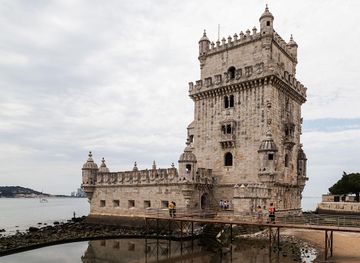
Explore more of Portugal
Discover Portugal: A blend of historic charm, stunning coastlines, and delightful cuisine awaits in this captivating European gem.
Explore Portugal