

Free Bayamón Region Travel Guide & Mobile App
Explore Bayamón Region with free travel guides. Discover regional history, expert tips, proposed trips, and audio guides on web or mobile app.


Bayamón, Puerto Rico, combines museums, riverfront paths, rum heritage, local food and easy access to the wider San Juan metropolitan area.
Read more about Bayamón Region
When is the best time to visit Bayamón Region?
Best: January–March · 30°C| Month | High (°C) | Rainfall (mm) |
|---|---|---|
| January (best) | 30 | 60 |
| February (best) | 30 | 50 |
| March (best) | 30 | 55 |
| April | 31 | 70 |
| May | 32 | 90 |
| June | 32 | 100 |
| July | 32 | 105 |
| August | 32 | 110 |
| September | 32 | 115 |
| October | 32 | 120 |
| November | 31 | 105 |
| December | 30 | 80 |
Getting to and around Bayamón Region
How to get there
Transportation
Top city travel guides in Bayamón Region
The cities of Bayamón Region, and the easiest places to base yourself.

Swipe for more cities
Best attractions in Bayamón Region
Bayamón’s attractions combine urban culture, local history and accessible outdoor recreation rather than relying on a single resort-style sight. In the historic centre, the Museo de Arte de Bayamón, Casa Museo José Celso Barbosa and Teatro Braulio Castillo provide different perspectives on Puerto Rican art, political life and performance. Hacienda Santa Ana adds agricultural and rum heritage, linking the municipality to the island’s sugar economy. For outdoor time, the Paseo Lineal Río Bayamón follows a green riverside route suitable for walking and cycling, while Parque Nacional Julio Enrique Monagas offers trails and open space within a much larger natural setting. The Parque de las Ciencias Luis A. Ferré has long provided science-oriented activities for families, although visitors should confirm current operations before going. Shopping centres, local food businesses and community cultural programming complete the visitor offering. Bayamón is most rewarding when its museums and historic sites are combined with its parks, revealing the contrast between a heavily urbanised metropolitan municipality and the river valley and wooded terrain that shaped its earlier development.
-
Park
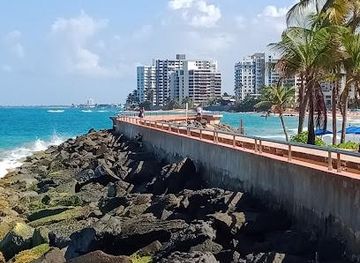
La Ventana al Mar
Discover La Ventana al Mar, a beautiful park in San Juan offering stunning ocean views, lush landscapes, and a vibrant cultural atmosphere.
-
Beach
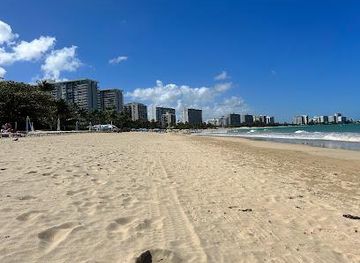
Playa Ocean Park
Experience the beauty and vibrancy of Playa Ocean Park, a top beach destination in San Juan, Puerto Rico, perfect for relaxation and adventure.
-
Beach
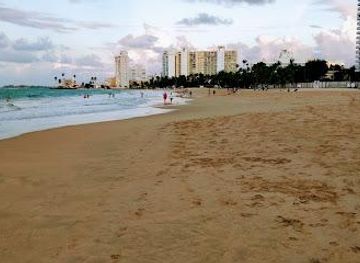
Hobie Beach
Experience the sun-soaked shores and vibrant atmosphere of Hobie Beach in Isla Verde, Puerto Rico, a perfect destination for relaxation and adventure.
-
Alcohol manufacturer
Ron del Barrilito - Hacienda Santa Ana
Explore the rich history and craftsmanship of Puerto Rican rum at Ron del Barrilito, a must-visit historical landmark and museum in Bayamón.

Best landmarks in Bayamón Region
Bayamón’s most meaningful landmarks express its religious, civic, political and industrial history. Santa Cruz Church anchors the historic centre and recalls the town established during the Spanish colonial period, while the surrounding streets preserve the municipality’s traditional civic core amid extensive modern development. Casa Museo José Celso Barbosa commemorates the Bayamón-born physician and political thinker whose ideas influenced Puerto Rican public life. Hacienda Santa Ana is significant for its connection with plantation agriculture, sugar processing and the island’s rum-making heritage, offering a physical link to an economy that shaped the northern plain. The Bayamón River and its landscaped linear corridor are important natural and recreational markers, even where the surrounding city is densely built. Modern Bayamón is also defined by the Tren Urbano’s western terminus, a transport landmark that illustrates the municipality’s role within the metropolitan area. These sites are not all monumental in scale, but together they explain how a colonial settlement became a major Puerto Rican urban centre.
-
Historical place
San Juan National Historic Site
Discover the captivating history and breathtaking views at San Juan National Historic Site, Puerto Rico's premier historical destination.
-
Castle
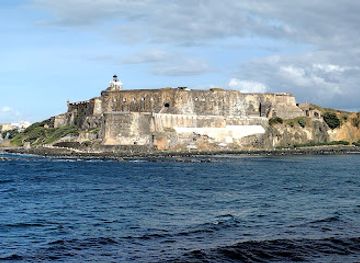
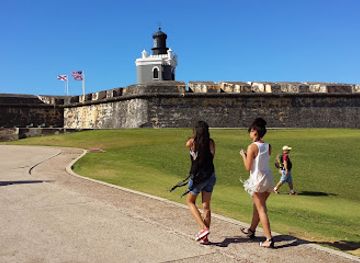
Castillo San Felipe del Morro
Discover the historic Castillo San Felipe del Morro in San Juan, Puerto Rico - a breathtaking fortress steeped in history and stunning ocean views.
-
National forest
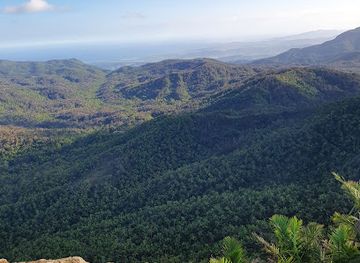
El Yunque National Forest
Experience the breathtaking beauty and diverse ecosystems of El Yunque National Forest, a unique tropical rainforest in Puerto Rico.
-
Castle
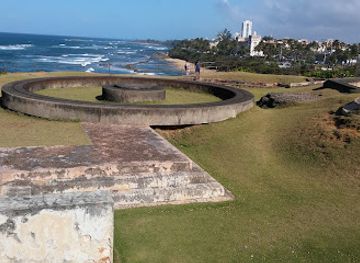
Castillo San Cristóbal
Discover the grandeur of Castillo San Cristóbal, a historic fortress in San Juan, Puerto Rico, embodying centuries of military history and stunning views.
Explore Bayamón Region on the map
Plan your trip on one map. See where the top cities, national parks and sights are, and book hotels and experiences in a few clicks.
Best hotels in Bayamón Region
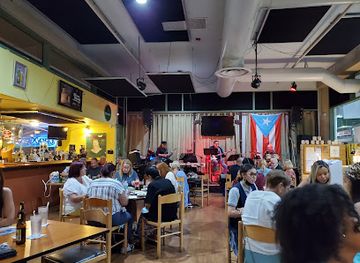
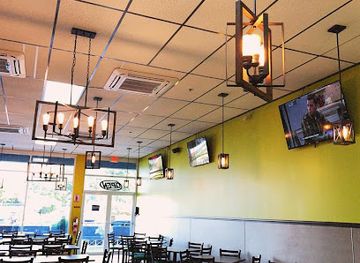
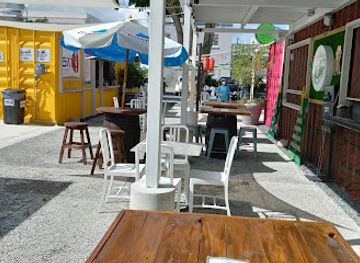
Best restaurants in Bayamón Region
Dining in Bayamón reflects Puerto Rico’s everyday culinary culture, with bakeries, cafeterias, family restaurants, food kiosks and contemporary venues spread through the municipality. Visitors can look for familiar island dishes such as mofongo, arroz con gandules, pernil, pastelón and fried snacks, while seafood and grilled meats appear alongside more casual sandwiches and breakfast fare. Bakeries are useful for coffee, pastries and quick meals, and roadside kiosks may offer fritters and other traditional snacks when operating. The municipality’s connection with sugar and rum gives local food history an agricultural dimension, although the broader Puerto Rican culinary tradition is the main reference point. Large shopping areas provide a wide international choice, while neighbourhood establishments offer a more local setting. Menus, service styles and opening patterns vary considerably, so asking residents or accommodation staff for current recommendations is often more useful than relying on a fixed list of businesses.
-
American
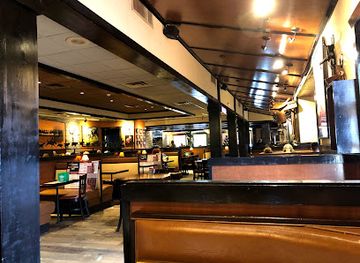
LongHorn Steakhouse
Experience authentic American cuisine at LongHorn Steakhouse in Bayamón – where flavor meets comfort in every bite!
-
Puerto Rican
Doña Ana
Savor the authentic flavors of Puerto Rico at Doña Ana in Bayamón's bustling El Mercado.
-
Puerto Rican
Tostón Jibareño
Discover the rich flavors of Puerto Rico at Tostón Jibareño in Bayamón – where tradition meets taste in every dish.
-
Food court
Los Trailers (Pop-up market & food)
Discover Los Trailers in Bayamón: A vibrant food court celebrating gourmet burgers and local flavors amidst lively atmosphere.
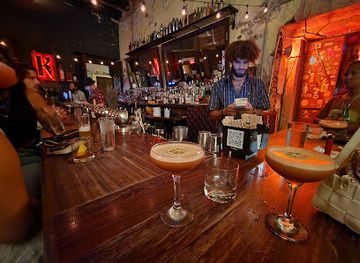
Best bars in Bayamón Region
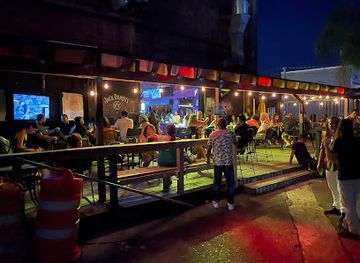
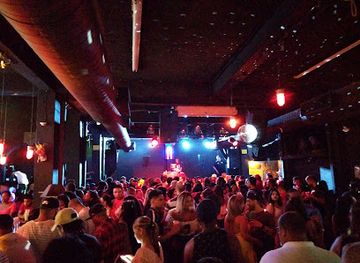
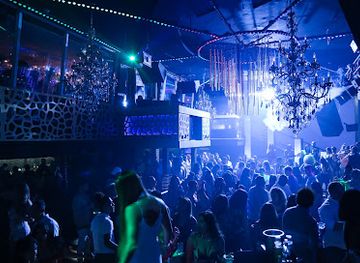
Bayamón’s evening scene is metropolitan but generally more low-key than San Juan’s principal nightlife districts. Traditional bars, casual restaurants, bakeries and neighbourhood establishments provide places for conversation, food and drinks, while larger commercial areas offer contemporary dining and occasional live entertainment. Puerto Rican music and social gatherings are part of the wider cultural setting, but the municipality is not primarily a destination for a concentrated club circuit. Nightlife is more dispersed, and many venues are reached more easily by car or taxi than on foot. Visitors who want late-night dancing or a broader choice of dedicated clubs may find a larger selection in San Juan, outside the Bayamón region, while those staying locally can focus on restaurants, bars and cultural performances. Check transport arrangements before drinking and returning to accommodation, particularly in areas beyond the Tren Urbano corridor.
-
Restaurant
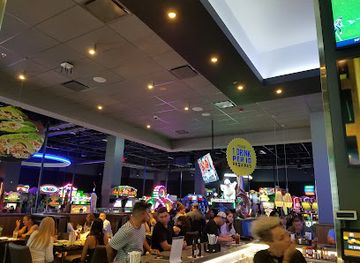
Dave & Buster's Bayamon
Experience the ultimate fusion of dining and entertainment at Dave & Buster's Bayamon, where every visit is a celebration of fun and flavor.
-
Bar
La Factoría
Experience the best of San Juan's nightlife at La Factoría, where innovative cocktails meet Caribbean charm in a lively atmosphere.
-
Bar
Handlebar
Experience the pulse of rock and metal at Handlebar, San Juan's premier bar for live music and craft beers.
-
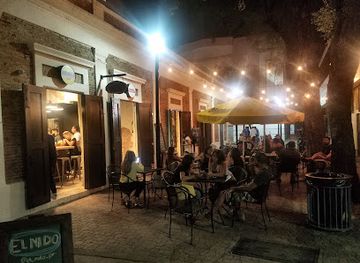
Restaurant
El Nido Bayamón
Discover El Nido Bayamón, where Puerto Rican flavors meet modern culinary artistry in a vibrant, lively atmosphere.
Best nightclubs in Bayamón Region
Bayamón’s evening scene is metropolitan but generally more low-key than San Juan’s principal nightlife districts. Traditional bars, casual restaurants, bakeries and neighbourhood establishments provide places for conversation, food and drinks, while larger commercial areas offer contemporary dining and occasional live entertainment. Puerto Rican music and social gatherings are part of the wider cultural setting, but the municipality is not primarily a destination for a concentrated club circuit. Nightlife is more dispersed, and many venues are reached more easily by car or taxi than on foot. Visitors who want late-night dancing or a broader choice of dedicated clubs may find a larger selection in San Juan, outside the Bayamón region, while those staying locally can focus on restaurants, bars and cultural performances. Check transport arrangements before drinking and returning to accommodation, particularly in areas beyond the Tren Urbano corridor.
-
Night club
Club 77
Discover the lively atmosphere of Club 77, a premier night club in San Juan, where great music and a friendly vibe create unforgettable experiences.
-
Night club
La Respuesta
Experience the vibrant nightlife at La Respuesta, Santurce's favorite night club and live music venue, where rhythms come alive in San Juan.
-
Night club
Club Brava
Immerse yourself in the electric nightlife of Club Brava, Puerto Rico's premier dance club with live music and signature cocktails.
-
Night club
7eight7
Unleash your spirit at 7eight7, the heartbeat of San Juan's nightlife with electrifying music and vibrant dance floors.

Best shops in Bayamón Region
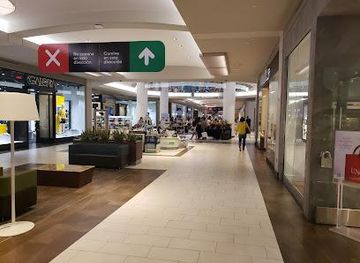
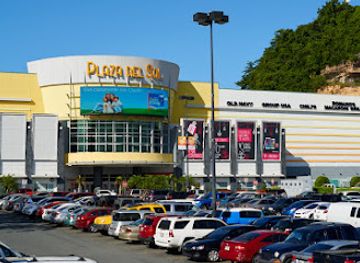
Shopping in Bayamón is led by substantial commercial centres, busy retail corridors and practical neighbourhood businesses rather than a concentrated historic shopping quarter. Plaza del Sol is one of the municipality’s principal retail destinations, offering established shops, services and dining, while other commercial areas provide supermarkets, fashion, electronics and everyday goods. For a more local experience, explore independent bakeries, specialist food shops, craft sellers and small businesses near established neighbourhoods, although stock and opening patterns can change. Puerto Rican coffee, sweets, sauces, rum-related products and packaged specialities make useful edible souvenirs when purchased from reputable retailers. Art and cultural institutions may offer locally produced work, prints or books connected with Puerto Rican artists and historical figures. Markets and temporary vendor events are best checked locally, as their days and locations are not always permanent. Bayamón is better suited to practical retail and locally themed purchases than to luxury shopping.
-
Shopping mall
Plaza Las Américas
Discover the ultimate shopping destination in San Juan at Plaza Las Américas, where culture, dining, and entertainment come together.
-
Shopping mall
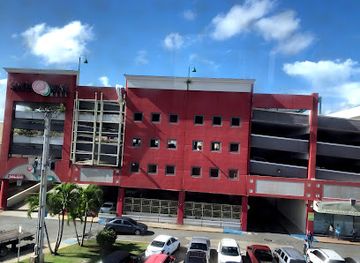
Plaza del Sol
Discover shopping, dining, and entertainment at Plaza del Sol in Bayamón, Puerto Rico - a must-visit shopping destination for tourists.
-
Shopping mall
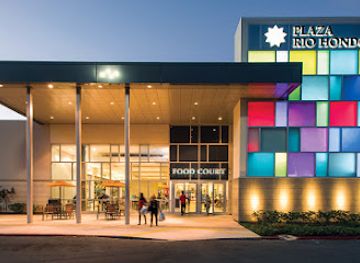
Plaza Río Hondo
Explore Plaza Río Hondo in Bayamón, Puerto Rico—your ultimate shopping and entertainment destination with diverse stores and delightful dining options.
-
Shopping mall
Santa Rosa Mall
Explore the Santa Rosa Mall in Bayamón for an exceptional shopping experience combined with delightful dining and entertainment options.
Get your free copy of our complete guide to Bayamón Region, delivered straight to you.
Everything on this page, from attractions and restaurants to essentials and local phrases, in one PDF you can read offline, print or share.
Already have an account? Sign in
Your Bayamón Region guide is ready.
We'll send it to · Not you? Sign out

Getting your guide ready…
We are putting together a fresh copy of the Bayamón Region guide. This can take up to a minute.
This can take a few moments. If your browser asks, choose Allow so the download can start. You'll find the guide in your Downloads folder.
Nothing happened? Download it again
Sorry, the guide is taking longer than usual. Please try again in a minute, or get it by email instead.
Bayamón Region essentials
Currency and Payment
Safety
Emergency Situations
Do's and Don'ts
Local Tips
From Eve
Local phrases worth knowing
You don't need to get them perfect. A few words go a long way, and locals appreciate the effort.
Basics
| English | Local | Say it |
|---|---|---|
| Hello | Hola | [OH-lah] |
| Goodbye | Adiós | [ah-DYOS] |
| Yes | Sí | [SEE] |
| No | No | [NO] |
| Please/You're welcome | Por favor/De nada | [por fah-VOR/deh NAH-dah] |
| Thank you | Gracias | [GRAH-syas] |
| Excuse me/Sorry | Perdón/Lo siento | [per-DON/lo SYEN-to] |
| How are you? | ¿Cómo estás? | [KOH-mo es-TAS] |
| Fine. And you? | Bien. ¿Y tú? | [BYEN. ee TOO?] |
| Do you speak English? | ¿Hablas inglés? | [AH-blas een-GLES?] |
| I don't understand | No entiendo | [NO en-TYEN-do] |
Eating & Drinking
| English | Local | Say it |
|---|---|---|
| I'd like to see the menu, please | Me gustaría ver el menú, por favor | [meh goos-tah-REE-ah ver el meh-NOO, por fah-VOR] |
| I don't eat meat | No como carne | [NO KOH-mo KAR-neh] |
| Cheers! | ¡Salud! | [sah-LOOD] |
| I would like to pay, please | Me gustaría pagar, por favor | [meh goos-tah-REE-ah pah-GAR, por fah-VOR] |
Emergencies
| English | Local | Say it |
|---|---|---|
| Help! | ¡Ayuda! | [ah-YOO-dah] |
| Go away! | ¡Vete! | [VEH-te] |
| Call the Police! | ¡Llama a la policía! | [YAH-ma ah la poh-lee-SIA] |
| Call a doctor! | ¡Llama a un doctor! | [YAH-ma ah oon dok-TOR] |
| I'm lost | Estoy perdido | [es-TOY per-DI-do] |
| I'm ill | Estoy enfermo/a | [es-TOY en-FER-mo/a] |
Shopping
| English | Local | Say it |
|---|---|---|
| I'd like to buy... | Me gustaría comprar... | [meh goos-tah-REE-ah kom-PRAR...] |
| I'm just looking | Solo estoy mirando | [SO-lo es-TOY mee-RAN-do] |
| How much is it? | ¿Cuánto cuesta? | [KWAN-to KWES-ta?] |
| That's too expensive | Eso es muy caro | [EH-so es MOO-ee KAH-ro] |
| Can you lower the price? | ¿Puedes bajar el precio? | [PWEH-des bah-HAR el PREH-syo?] |
Time & Numbers
| English | Local | Say it |
|---|---|---|
| What time is it? | ¿Qué hora es? | [KEH OH-ra es?] |
| It's one o'clock | Es la una | [es la OO-na] |
| Half past (10) | Y media (10) | [ee MEH-dee-ah (10)] |
| Morning | Mañana | [ma-NYAH-na] |
| Afternoon | Tarde | [TAR-deh] |
| Evening | Noche | [NO-che] |
| Yesterday | Ayer | [ah-YER] |
| Today | Hoy | [OY] |
| Tomorrow | Mañana | [ma-NYAH-na] |
| 1 | Uno | [OO-no] |
| 2 | Dos | [DOS] |
| 3 | Tres | [TRES] |
| 4 | Cuatro | [KWAH-tro] |
| 5 | Cinco | [SEEN-ko] |
| 6 | Seis | [SAYS] |
| 7 | Siete | [SYEH-teh] |
| 8 | Ocho | [OH-cho] |
| 9 | Nueve | [NWEH-veh] |
| 10 | Diez | [DYEZ] |
Transport & Directions
| English | Local | Say it |
|---|---|---|
| Where's a/the...? | ¿Dónde hay un/una...? | [DON-deh ai oon/OO-na...?] |
| What's the address? | ¿Cuál es la dirección? | [KWAL es la dee-rek-SYON?] |
| Can you show me (on the map)? | ¿Me puedes mostrar (en el mapa)? | [meh PWEH-des mos-TRAR (en el MAH-pa)?] |
| When's the next (bus)? | ¿Cuándo es el próximo (bus)? | [KWAN-do es el PROK-see-mo (bus)?] |
| A ticket (to ....) | Un boleto (a ...) | [oon bo-LEH-to (a ...)] |
History of Bayamón Region
Taíno Landscape and the Bayamón River
Before Spanish colonisation, the river valleys and coastal plain around present-day Bayamón formed part of the Taíno cultural landscape of Puerto Rico. The name Bayamón is generally associated with an Indigenous origin, although interpretations of its precise meaning vary. The river, fertile soils and access between the northern coast and the interior helped shape later settlement. Archaeological evidence across Puerto Rico provides the wider context for understanding the communities who lived, farmed and travelled through this region before the establishment of the Spanish town.
The Founding of Bayamón in 1772
Bayamón was formally founded in 1772 during the Spanish colonial period, developing around the settlement and parish of Santa Cruz. Its position west of San Juan gave it both agricultural importance and a practical relationship with the island’s capital. The town expanded gradually across the river valley, while its church and civic institutions became anchors of local identity. The historic centre still reflects this foundational period, although modern urban growth has transformed much of the surrounding municipality.
Sugar, Plantations and Hacienda Santa Ana
During the nineteenth century and into the modern period, agriculture, particularly sugar production, influenced Bayamón’s economy and landscape. Estates and haciendas connected the municipality to Puerto Rico’s wider plantation system, whose labour history included enslaved labour before abolition in 1873 and later forms of wage work. Hacienda Santa Ana preserves an important part of this agricultural and industrial story. Its association with rum production also illustrates how sugar-cane cultivation generated related processing and commercial industries in the region.
José Celso Barbosa and Puerto Rican Political Thought
José Celso Barbosa was born in Bayamón in 1857 and became one of Puerto Rico’s most influential physicians and political thinkers. He studied medicine in the United States, returned to the island and advocated statehood and social reform, while also contributing to public-health discussions. His life connects Bayamón with major debates about Puerto Rico’s political status and modernisation during the late Spanish and early American periods. The Casa Museo José Celso Barbosa preserves his memory within the municipality where his public story began.
Industrialisation and Metropolitan Expansion
After the mid-twentieth century, Bayamón changed from an agricultural municipality into a major urban and industrial centre. Manufacturing, new housing, roads and commercial development drew population westward from San Juan and linked Bayamón more closely to the expanding metropolitan economy. The growth brought educational and cultural institutions as well as substantial pressure on land and transport networks. Contemporary Bayamón therefore contains historic town fabric, older rural traces and extensive planned urban districts within the same municipal boundaries.
The Tren Urbano and Twenty-First-Century Bayamón
The opening of the Tren Urbano in 2004 strengthened Bayamón’s connection with San Juan and other parts of the metropolitan area. Its western terminal is in Bayamón, making the municipality an important public-transport gateway even though many visitors still arrive by road. In the twenty-first century, Bayamón has continued to balance dense urban development with river corridors, parks, museums and heritage projects. Recovery from major hurricanes, including Hurricane María in 2017, also highlighted the importance of resilient infrastructure and community services.
Bayamón Region in Photos
Browse through our photo collection highlighting the charm and character of the destination.
Neighbouring regions of Bayamón Region
The closest regions to Bayamón Region, if you have time for more than one.
-

-

-

-

-


Swipe for more regions
Explore more

Explore more of Puerto Rico
Discover Puerto Rico, where vibrant culture, stunning beaches, and rich history create an unforgettable Caribbean experience. Perfect for adventurers and relaxation seekers alike.
Explore Puerto Rico