

Free Sierra de Cayey Travel Guide & Mobile App
Explore Sierra de Cayey with free travel guides. Discover regional history, expert tips, proposed trips, and audio guides on web or mobile app.


Explore Sierra de Cayey for cloud-forest roads, coffee country, Carite landscapes and Puerto Rican mountain cuisine around Cayey.
Read more about Sierra de Cayey
When is the best time to visit Sierra de Cayey?
Best: January–March · 27°C| Month | High (°C) | Rainfall (mm) |
|---|---|---|
| January (best) | 27 | 85 |
| February (best) | 27 | 75 |
| March (best) | 27 | 85 |
| April | 28 | 115 |
| May | 29 | 135 |
| June | 29 | 145 |
| July | 29 | 145 |
| August | 29 | 165 |
| September | 29 | 185 |
| October | 29 | 175 |
| November | 28 | 125 |
| December | 27 | 105 |
Getting to and around Sierra de Cayey
How to get there
Transportation
Top city travel guides in Sierra de Cayey
The cities of Sierra de Cayey, and the easiest places to base yourself.
-

-

-


Swipe for more cities
Destinations in Sierra de Cayey
Resorts, valleys and scenic spots worth a trip of their own.

Swipe for more destinations
Best attractions in Sierra de Cayey
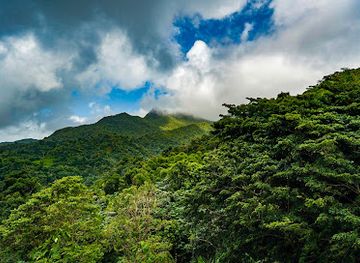
The Sierra de Cayey’s attractions are primarily environmental, culinary and cultural rather than concentrated in a single chain of monumental sights. The Bosque Estatal de Carite provides the main outdoor setting, with forest roads, streams, reservoirs and opportunities for walking and birdwatching. Access and trail conditions vary, so visitors should treat the forest as a protected landscape rather than an organised theme park. Charco Azul, on the Patillas side of the Carite highlands, is known for freshwater bathing when conditions permit, while scenic drives along the Ruta Panorámica reveal the changing vegetation and steep relief of the interior. Cayey adds museums, university-related cultural activity and a useful introduction to local history. Guavate is the region’s best-known food-focused attraction, drawing visitors to lechoneras, music and rural social life. Coffee landscapes, small farms, roadside viewpoints and mountain communities complete the experience, with the balance shifting from developed town spaces to quiet forest and agricultural roads as the elevation rises.
-
Tourist attraction
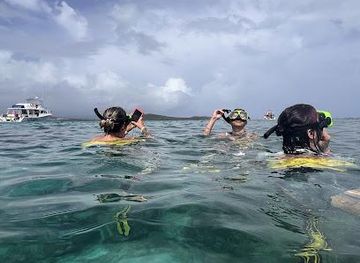
Snorkeling Puerto Rico | Boat Tours
Discover the breathtaking underwater world of Puerto Rico with Snorkeling Puerto Rico, where unforgettable adventures await in crystal-clear waters.
-
National forest
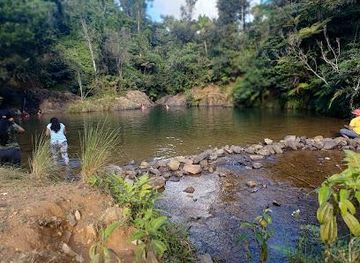
Bosque Estatal de Carite
Explore the enchanting Bosque Estatal de Carite, a national forest in Guayama, Puerto Rico, featuring stunning landscapes and diverse wildlife for nature lovers.
-
Beach
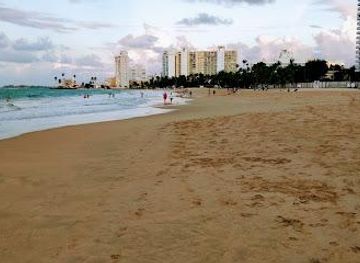
Hobie Beach
Discover the vibrant atmosphere and stunning scenery at Hobie Beach, the ultimate beach destination in Isla Verde, Puerto Rico for sun, surf, and social fun.
-
Park
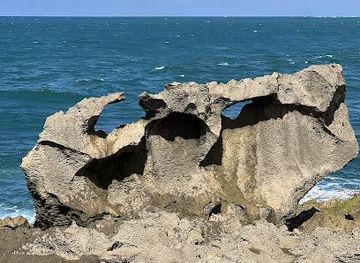
Bahía del Ojo del Buey
Experience the serene beauty of Bahía del Ojo del Buey, a tranquil park in Dorado, Puerto Rico, perfect for nature lovers and outdoor activities.
Best landmarks in Sierra de Cayey
The most recognisable landmarks of the Sierra de Cayey are shaped by topography and rural history. The forested ridges of the Bosque Estatal de Carite form the region’s defining natural backdrop, marking the transition between Cayey’s uplands and the southern municipalities of Guayama and Patillas. Charco Azul is a notable natural feature associated with the Carite highlands, valued for its clear freshwater setting but subject to changing conditions after rain. The Ruta Panorámica Luis Muñoz Marín is another important regional marker: its winding mountain roads express the historic effort to connect interior communities while offering elevated views across Puerto Rico’s central and southern landscapes. In Cayey itself, the town’s churches, civic buildings and traditional urban centre reflect its development as a highland municipality founded during the Spanish colonial period. Guavate’s roadside lechoneras are less formal landmarks, but their concentration gives the district a strong cultural identity rooted in food, music and rural gathering.
-
National forest
El Yunque National Forest
Explore El Yunque National Forest, Puerto Rico's lush tropical rainforest filled with diverse wildlife, stunning waterfalls, and breathtaking hiking trails.
-
Lechon restaurant
Lechonera El Rancho Original
Experience the authentic taste of Puerto Rico at Lechonera El Rancho Original, famous for its traditional lechon and vibrant atmosphere.
-
Historical landmark
Plaza Pública Santiago R. Palmer
Discover the charm of Plaza Pública Santiago R. Palmer in Caguas, a historical landmark that blends beauty, culture, and community spirit in Puerto Rico.
-
Shopping mall
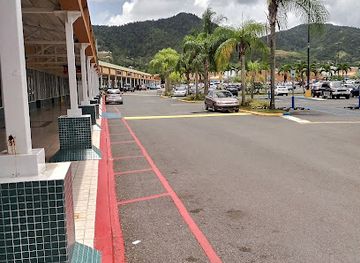
Plaza Cayey
Discover the vibrant Plaza Cayey, a shopping haven in Puerto Rico offering diverse stores, delicious dining, and a taste of local culture.

Explore Sierra de Cayey on the map
Plan your trip on one map. See where the top cities, national parks and sights are, and book hotels and experiences in a few clicks.
Best hotels in Sierra de Cayey
Best restaurants in Sierra de Cayey
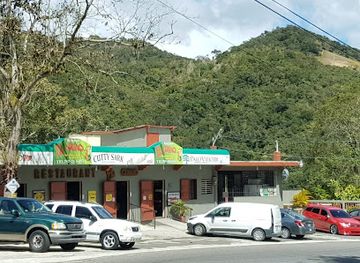
Dining in the Sierra de Cayey is closely tied to Puerto Rico’s mountain food culture. Guavate is particularly associated with lechoneras, where roast pork is served alongside rice, beans, plantains, root vegetables and other familiar Puerto Rican accompaniments. The atmosphere can be lively at weekends, with music and large family groups, while smaller roadside establishments and cafés offer a quieter introduction to local cooking. Cayey has the widest choice of restaurants, from everyday Puerto Rican cooking to contemporary menus, bakeries and casual cafés. Coffee is an important part of the upland identity, although production and availability vary from farm to farm. Visitors may also encounter dishes built around yautía, cassava, sweet plantain and pigeon peas, reflecting the agricultural traditions of the interior. In rural areas, opening arrangements and payment methods can be limited, so carrying cash and checking locally is sensible.
-
Lechon restaurant
Lechonera El Rancho Original
Experience the heart of Puerto Rican cuisine at Lechonera El Rancho Original – home to succulent lechon and vibrant local flavors.
-
Puerto Rican
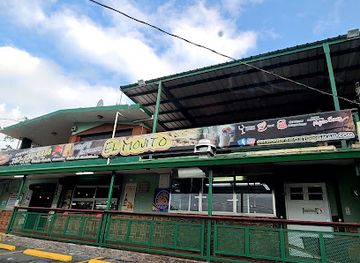
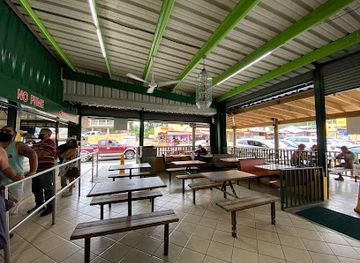
Lechonera El Mojito
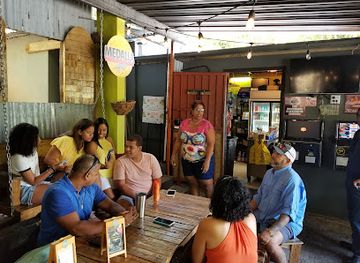
Experience authentic Puerto Rican cuisine at Lechonera El Mojito in Cayey, featuring mouthwatering lechon and local delicacies.
-
Puerto Rican
Lechonera Los Pinos
Experience authentic Puerto Rican flavors at Lechonera Los Pinos, renowned for its delicious lechón asado in a vibrant atmosphere.
-
Lechon restaurant
Lechonera El Cuñao
Discover the authentic taste of Puerto Rico at Lechonera El Cuñao, where succulent lechón and vibrant flavors await every visitor.
Best bars in Sierra de Cayey
Evening life in the Sierra de Cayey is centred more on food, conversation, music and community gatherings than on a large nightclub scene. Guavate’s lechoneras can become lively at weekends, with live music and a social atmosphere that extends beyond the meal, while Cayey has the region’s broadest selection of casual bars, restaurants and venues for local entertainment. Residents may also travel to larger nearby towns for more extensive nightlife, but those destinations are outside the mountain region. Rural evenings are generally quieter, and many establishments close earlier than venues in San Juan or the main coastal resort areas. Visitors should avoid assuming that a scenic mountain road will have late-night services, and should arrange a safe return before travelling into the hills after dark.
-
Puerto Rican
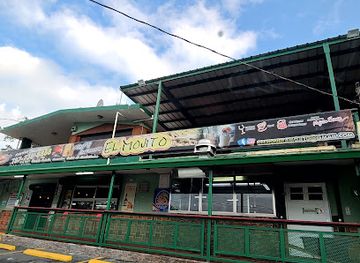
Lechonera El Mojito
Discover the essence of Puerto Rican cuisine at Lechonera El Mojito, renowned for its delicious lechon and vibrant island atmosphere.
-
Restaurant
Chili's Grill & Bar
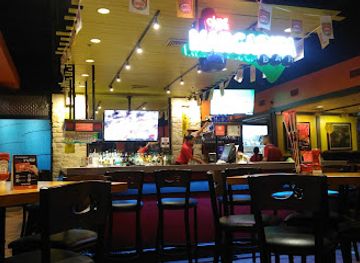
Experience the vibrant culinary scene at Chili's Grill & Bar in Cayey, Puerto Rico, where American and Tex-Mex flavors collide in a delightful dining experience.
-
Grill
Barra Vieja
Discover the authentic taste of Puerto Rico at Barra Vieja, where local flavors meet a warm and welcoming atmosphere.
-
Restaurant
ECO Lounge Bar
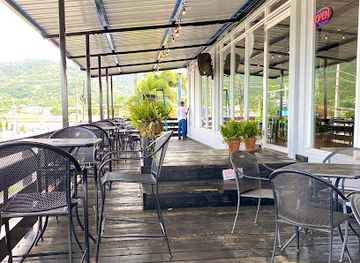
Discover the vibrant flavors of Puerto Rico at ECO Lounge Bar, a must-visit restaurant in Cayey offering delicious cuisine and a relaxed atmosphere.
Best nightclubs in Sierra de Cayey
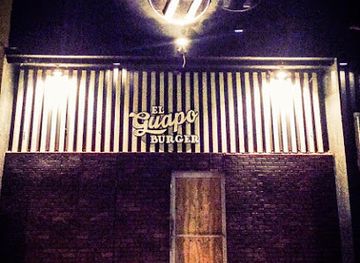
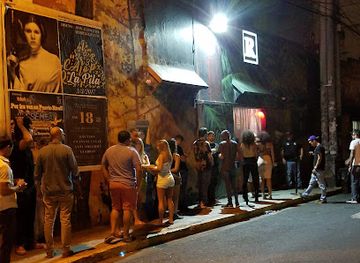
Evening life in the Sierra de Cayey is centred more on food, conversation, music and community gatherings than on a large nightclub scene. Guavate’s lechoneras can become lively at weekends, with live music and a social atmosphere that extends beyond the meal, while Cayey has the region’s broadest selection of casual bars, restaurants and venues for local entertainment. Residents may also travel to larger nearby towns for more extensive nightlife, but those destinations are outside the mountain region. Rural evenings are generally quieter, and many establishments close earlier than venues in San Juan or the main coastal resort areas. Visitors should avoid assuming that a scenic mountain road will have late-night services, and should arrange a safe return before travelling into the hills after dark.
-
Restaurant
ECO Lounge Bar
Discover the vibrant flavors of Puerto Rico at ECO Lounge Bar, where culinary creativity meets a lively atmosphere in the heart of Cayey.
-
Night club
Club 77
Discover the vibrant nightlife at Club 77 in San Juan, where music, dancing, and unforgettable experiences await you.
-
Night club
La Respuesta
Dive into the heart of San Juan's nightlife at La Respuesta, a vibrant nightclub and live music venue in Santurce, Puerto Rico.
-
Night club
Club Brava
Discover the electrifying nightlife at Club Brava in Puerto Rico - a premier dance club with live music, cocktails, and vibrant energy.

Best shops in Sierra de Cayey
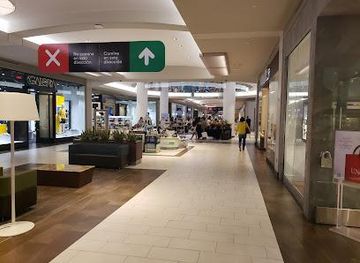
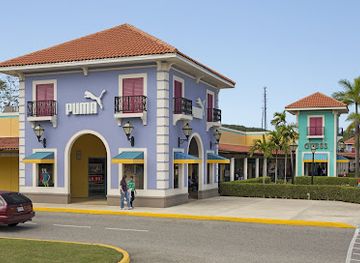
Shopping in the Sierra de Cayey is modest in scale and closely linked to everyday town life, local food and rural culture rather than luxury retail. Cayey is the practical place for supermarkets, pharmacies, bakeries, household supplies and small independent businesses, while roadside establishments around Guavate sell prepared foods and locally associated products. Visitors may find Puerto Rican coffee, sweets, sauces, craft items and souvenirs, although selection varies and not every product is made in the Sierra de Cayey itself. Small galleries, cultural venues and community events can provide opportunities to buy art, music or handmade goods, but these are not necessarily permanent retail outlets. For a wider choice of shopping centres and specialist stores, travellers generally need to leave the mountain region for larger urban areas. Carry cash for small vendors and remember that rural opening arrangements may be less predictable than those in Cayey.
-
Shopping mall
Plaza Las Américas
Discover the ultimate shopping experience at Plaza Las Américas in San Juan, Puerto Rico, where retail therapy meets entertainment and culinary delights.
-
Outlet mall
Puerto Rico Premium Outlets
Discover amazing savings and top brands at Puerto Rico Premium Outlets, where shopping meets tropical charm!
-
Shopping mall
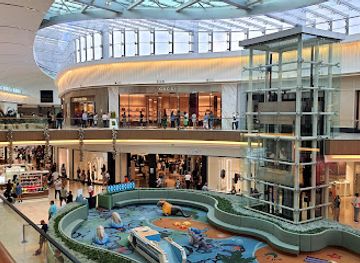
The Mall of San Juan
Discover luxury shopping and local flavors at The Mall of San Juan, Puerto Rico's premier shopping destination showcasing the best brands and dining.
-
Department store
Walmart Supercenter
Discover the ultimate shopping destination at Walmart Supercenter in Cayey, Puerto Rico, featuring groceries, clothing, electronics, and more at great prices.

Get your free copy of our complete guide to Sierra de Cayey, delivered straight to you.
Everything on this page, from attractions and restaurants to essentials and local phrases, in one PDF you can read offline, print or share.
Already have an account? Sign in
Your Sierra de Cayey guide is ready.
We'll send it to · Not you? Sign out

Getting your guide ready…
We are putting together a fresh copy of the Sierra de Cayey guide. This can take up to a minute.
This can take a few moments. If your browser asks, choose Allow so the download can start. You'll find the guide in your Downloads folder.
Nothing happened? Download it again
Sorry, the guide is taking longer than usual. Please try again in a minute, or get it by email instead.
Sierra de Cayey essentials
Currency and Payment
Safety
Emergency Situations
Do's and Don'ts
Local Tips
From Eve
Local phrases worth knowing
You don't need to get them perfect. A few words go a long way, and locals appreciate the effort.
Basics
| English | Local | Say it |
|---|---|---|
| Hello | Hola | [Ola] |
| Goodbye | Adiós | [A-dios] |
| Yes | Sí | [Si] |
| No | No | [No] |
| Please/You're welcome | Por favor | [Por fa-bor] |
| Thank you | Gracias | [Gra-sias] |
| Excuse me/Sorry | Discúlpame | [Dis-kul-pa-me] |
| How are you? | ¿Cómo estás? | [Ko-mo es-tas] |
| Fine. And you? | Bien. ¿Y tú? | [Byen. I tu] |
| Do you speak English? | ¿Hablas inglés? | [A-blas in-gles] |
| I don't understand | No entiendo | [No en-tien-do] |
Eating & Drinking
| English | Local | Say it |
|---|---|---|
| I'd like to see the menu, please | Me gustaría ver el menú, por favor | [Me gus-ta-ri-a ver el me-nu, por fa-bor] |
| I don't eat meat | No como carne | [No ko-mo kar-ne] |
| Cheers! | ¡Salud! | [Sa-lud] |
| I would like to pay, please | Me gustaría pagar, por favor | [Me gus-ta-ri-a pa-gar, por fa-bor] |
Emergencies
| English | Local | Say it |
|---|---|---|
| Help! | ¡Ayuda! | [A-yu-da] |
| Go away! | ¡Vete! | [Ve-te] |
| Call the Police! | ¡Llama a la policía! | [Ya-ma a la po-li-cia] |
| Call a doctor! | ¡Llama a un doctor! | [Ya-ma a un doc-tor] |
| I'm lost | Estoy perdido | [Es-toy per-di-do] |
| I'm ill | Estoy enfermo/a | [Es-toy en-fer-mo/a] |
Shopping
| English | Local | Say it |
|---|---|---|
| I'd like to buy... | Me gustaría comprar... | [Me gus-ta-ri-a kom-prar] |
| I'm just looking | Solo estoy mirando | [So-lo es-toy mi-ran-do] |
| How much is it? | ¿Cuánto cuesta? | [Kwan-to kwes-ta] |
| That's too expensive | Eso es muy caro | [E-so es muy ka-ro] |
| Can you lower the price? | ¿Puedes bajar el precio? | [Pwe-des ba-har el pre-sio] |
Time & Numbers
| English | Local | Say it |
|---|---|---|
| What time is it? | ¿Qué hora es? | [Ke o-ra es] |
| It's one o'clock | Es la una | [Es la u-na] |
| Half past (10) | Diez y media | [Dyez y me-dia] |
| Morning | Mañana | [Ma-ña-na] |
| Afternoon | Tarde | [Tar-de] |
| Evening | Noche | [No-che] |
| Yesterday | Ayer | [A-yer] |
| Today | Hoy | [Oi] |
| Tomorrow | Mañana | [Ma-ña-na] |
| 1 | Uno | [U-no] |
| 2 | Dos | [Dos] |
| 3 | Tres | [Tres] |
| 4 | Cuatro | [Kwa-tro] |
| 5 | Cinco | [Sin-co] |
| 6 | Seis | [Seis] |
| 7 | Siete | [Sye-te] |
| 8 | Ocho | [O-cho] |
| 9 | Nueve | [Nwe-ve] |
| 10 | Diez | [Dyez] |
Transport & Directions
| English | Local | Say it |
|---|---|---|
| Where's a/the...? | ¿Dónde hay un/una...? | [Don-de ai un/una] |
| What's the address? | ¿Cuál es la dirección? | [Kwal es la di-rek-sion] |
| Can you show me (on the map)? | ¿Me puedes mostrar (en el mapa)? | [Me pwe-des mos-trar (en el ma-pa)] |
| When's the next (bus)? | ¿Cuándo es el próximo (autobús)? | [Kwan-do es el pro-xi-mo (au-to-bus)] |
| A ticket (to ....) | Un boleto (a ....) | [Un bo-le-to (a ....)] |
History of Sierra de Cayey
Taíno settlement and the pre-colonial highlands
Before Spanish colonisation, the mountains of Puerto Rico formed part of a wider Taíno landscape of settlements, cultivation, rivers and travel routes. The evidence is more fragmentary in the Sierra de Cayey than at some coastal archaeological sites, but the highlands were connected to the island’s broader indigenous economy. Taíno agricultural knowledge, especially the cultivation of root crops, continued to influence foodways after Spanish settlement. Place names, landscape practices and archaeological traces across Puerto Rico preserve aspects of this earlier history, even though colonial records later reshaped the identity of the mountain region.
Spanish colonisation and the founding of Cayey
Spanish settlement expanded into Puerto Rico’s interior during the eighteenth century as colonial authorities encouraged towns, agriculture and more reliable routes between the coast and the mountains. Cayey was founded in 1773, developing in a highland position that linked agricultural communities with the southern plain. The town’s name is generally associated with an indigenous chief or local indigenous tradition, although interpretations of Taíno names are not always certain. Churches, civic buildings and the pattern of later roads reflect the gradual consolidation of a Spanish colonial municipality in difficult mountain terrain.
Coffee, tobacco and the rise of the jíbaro countryside
During the nineteenth century, coffee became one of Puerto Rico’s most important exports, and the humid uplands around Cayey and the neighbouring Sierra de Cayey were well suited to coffee cultivation. Tobacco, subsistence crops and livestock also supported rural households. Farmsteads, small processing operations and mountain roads tied communities to coastal ports and market towns. This period helped shape the cultural image of the jíbaro, the Puerto Rican mountain farmer, whose music, dress, agricultural knowledge and rural celebrations remain important elements of regional identity, even though the historical countryside was economically varied and socially unequal.
Changing transport and the mountain road network
Improved roads gradually connected Cayey and the surrounding highlands with San Juan, Caguas, Guayama and the southern coast. Routes across the mountains reduced the isolation of upland communities and made it easier to move coffee, food and people between interior farms and commercial centres. Later highway construction made the journey from the metropolitan area faster, while scenic roads such as those incorporated into the Ruta Panorámica preserved access to more remote landscapes. The contrast between modern highway travel and older winding mountain routes remains visible in the way visitors experience the region.
The Carite forest and twentieth-century conservation
The forests of the Carite highlands became increasingly important as Puerto Rico sought to protect watersheds, regulate land use and conserve mountain ecosystems. The Bosque Estatal de Carite now safeguards forested terrain and water resources across parts of the Cayey, Guayama and Patillas area. Conservation has not erased the region’s human history: roads, reservoirs, rural communities and agricultural edges remain part of the landscape. The forest is significant both for biodiversity and for the practical role that upland ecosystems play in supplying and regulating water in the surrounding region.
Modern Cayey: education, migration and resilient rural culture
In the twentieth and twenty-first centuries, Cayey developed beyond its agricultural foundations through education, public institutions, manufacturing and stronger links with the island’s urban economy. The University of Puerto Rico’s Cayey campus has contributed to cultural and intellectual life, while migration and commuting have connected local families to San Juan, Caguas, Guayama and communities abroad. Agriculture remains part of the region’s identity, but contemporary life is not exclusively rural. Restaurants, music, community traditions and environmental recreation continue to reinterpret the highland heritage for residents and visitors.
Sierra de Cayey in Photos
Browse through our photo collection highlighting the charm and character of the destination.
Neighbouring regions of Sierra de Cayey
The closest regions to Sierra de Cayey, if you have time for more than one.
-

-

-

-

-


Swipe for more regions
Explore more

Explore more of Puerto Rico
Discover Puerto Rico, where vibrant culture, stunning beaches, and rich history create an unforgettable Caribbean experience. Perfect for adventurers and relaxation seekers alike.
Explore Puerto Rico