

Free La Cordillera Central Travel Guide & Mobile App
Explore La Cordillera Central with free travel guides. Discover regional history, expert tips, proposed trips, and audio guides on web or mobile app.


La Cordillera Central reveals Puerto Rico through cloud forests, coffee farms, jíbaro culture, mountain towns and winding scenic roads.
Read more about La Cordillera Central
When is the best time to visit La Cordillera Central?
Best: February–April · 23–24°C| Month | High (°C) | Rainfall (mm) |
|---|---|---|
| January | 23 | 110 |
| February (best) | 23 | 100 |
| March (best) | 24 | 110 |
| April (best) | 24 | 120 |
| May | 25 | 130 |
| June | 25 | 140 |
| July | 25 | 150 |
| August | 26 | 160 |
| September | 25 | 170 |
| October | 25 | 160 |
| November | 25 | 150 |
| December | 24 | 130 |
Getting to and around La Cordillera Central
How to get there
Transportation
Top city travel guides in La Cordillera Central
The cities of La Cordillera Central, and the easiest places to base yourself.
-

-

-

-

-

-


Swipe for more cities
Destinations in La Cordillera Central
Resorts, valleys and scenic spots worth a trip of their own.
-

-


Swipe for more destinations
Best attractions in La Cordillera Central
La Cordillera Central’s attractions are defined by landscape and culture as much as by individual monuments. Forest reserves and mountain trails around Jayuya, Adjuntas, Ciales and other highland municipalities provide opportunities for walking, birdwatching and viewing steep valleys, although trails and access can change after storms. Cerro de Punta offers the region’s most elevated setting, while the Ruta Panorámica links scenic roads, overlooks and small communities across the interior. Utuado’s reservoirs and river valleys add a different character, with broad water views contrasting with narrow, densely wooded ravines. Coffee farms and processing areas reveal the agricultural foundations of the mountains, but access often needs to be arranged in advance. In Jayuya, Indigenous heritage sites, petroglyphs and cultural institutions provide context for the island’s pre-colonial past and continuing traditions. Town plazas, local museums, craft workshops and music events are valuable attractions in their own right, especially for visitors who want to understand how rural Puerto Rican culture has adapted to modern life. Outdoor activities should be planned with weather, road conditions and local guidance in mind.
-
Tourist attraction
Toro Verde Adventure Park
Experience the thrill of a lifetime at Toro Verde Adventure Park, Puerto Rico’s premier destination for zip-lining and outdoor adventures in a breathtaking natural setting.
-
Arena
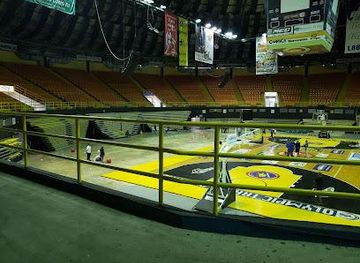
Coliseo Manuel G. "Petaca" Iguina Reyes
Experience the excitement of live events at Coliseo Manuel G. Petaca Iguina Reyes, Arecibo's premier arena for sports and entertainment.
-
Tourist attraction
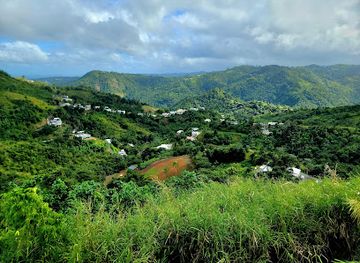
Mirador de El Gato (Orocovis)
Discover the breathtaking vistas and serene beauty of Mirador de El Gato in Orocovis, Puerto Rico, a perfect escape for nature lovers and photographers alike.
-
Lake
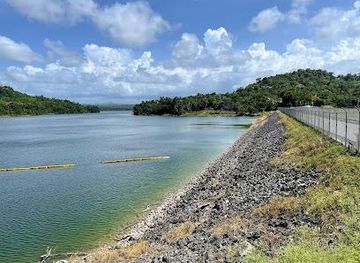
Guajataca Lake
Explore the breathtaking beauty of Guajataca Lake, a serene retreat in Puerto Rico, offering adventure and tranquility amidst stunning landscapes.

Best landmarks in La Cordillera Central
Cerro de Punta in the Jayuya area is the defining geographical landmark of La Cordillera Central and the highest point in Puerto Rico, giving the interior a strong sense of elevation and scale. The forested ridges and viewpoints along the Ruta Panorámica form a second, dispersed landmark: together they show how roads, settlements and mountain scenery are woven into the central landscape. Jayuya’s Indigenous heritage sites and petroglyphs are culturally significant landmarks, preserving evidence of Taíno presence and connecting the modern town with a much older history. In Utuado, the Dos Bocas and Caonillas reservoir landscapes mark the transformation of mountain valleys by water infrastructure, while the surrounding hills retain a strongly rural character. Town churches, plazas and traditional houses in municipalities such as Adjuntas, Barranquitas and Orocovis provide smaller-scale architectural reference points. Coffee haciendas and processing buildings, where preserved or still operating, are important agricultural landmarks because they reflect the economic history that shaped settlement throughout the highlands.
-
Historical place
San Juan National Historic Site
Discover the enchanting history and natural beauty of San Juan National Historic Site, where the spirit of Puerto Rico's past comes alive.
-
Castle
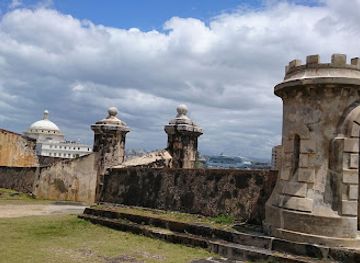
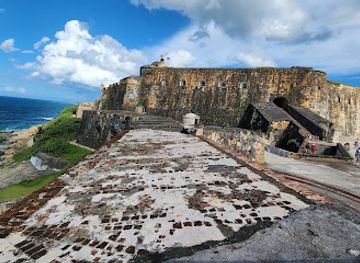
Castillo San Felipe del Morro
Explore the iconic Castillo San Felipe del Morro in San Juan, Puerto Rico – a historic fortress with stunning views and captivating history.
-
National forest
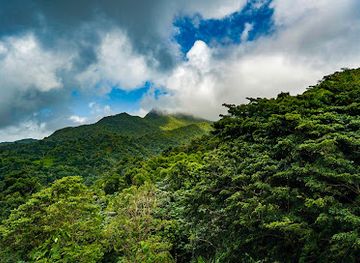
El Yunque National Forest
Explore the breathtaking El Yunque National Forest, where lush rainforests, stunning waterfalls, and unique wildlife await in Puerto Rico's tropical paradise.
-
Castle
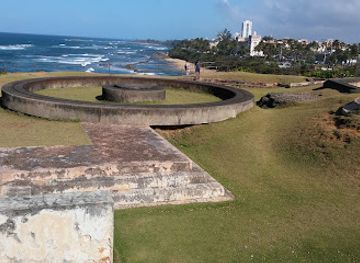
Castillo San Cristóbal
Discover the majestic Castillo San Cristóbal, a historical fortress in San Juan, Puerto Rico, offering breathtaking views and rich colonial history.
Explore La Cordillera Central on the map
Plan your trip on one map. See where the top cities, national parks and sights are, and book hotels and experiences in a few clicks.
Best hotels in La Cordillera Central
Best restaurants in La Cordillera Central
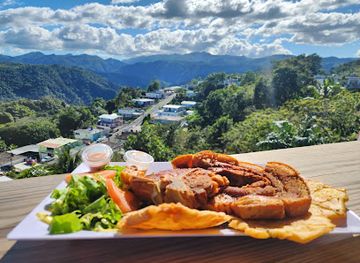
Food in La Cordillera Central reflects Puerto Rico’s rural pantry: plantains, yautía, yuca, sweet potatoes, beans, pork, chicken and seasonal fruit appear in home-style cooking, roadside stalls, cafés and traditional restaurants. Mountain municipalities are closely associated with coffee, and a farm visit or cup of locally grown coffee can provide a direct connection to the region’s agricultural history. Menus often include mofongo, rice dishes, soups, pasteles and other Puerto Rican staples, while local cooks adapt recipes to produce available from nearby farms. In the eastern approaches around Cayey, the Guavate area is known for lechón and roadside dining, although food traditions extend well beyond this single corridor. Rural eateries may keep simpler hours and accept cash, so it is sensible to eat earlier when travelling between towns. Markets, bakeries and small food stands are useful places to find snacks, fresh produce and regional specialities without expecting a formal dining scene in every mountain community.
-
Puerto Rican
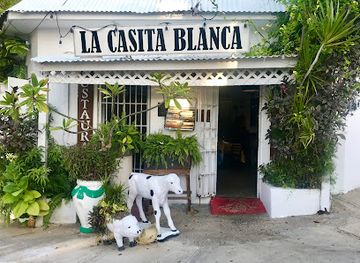
La Casita Blanca
Experience authentic Puerto Rican flavors at La Casita Blanca in Santurce – where tradition meets taste.
-
Restaurant
El Caney Resturaunt
Experience authentic Puerto Rican cuisine at El Caney Restaurant in Ciales – where flavors come alive in every dish.
-
Restaurant
La Casita Restaurant by Chef Javier
Experience authentic Puerto Rican cuisine with a modern twist at La Casita Restaurant by Chef Javier in Coabey.
-
Restaurant
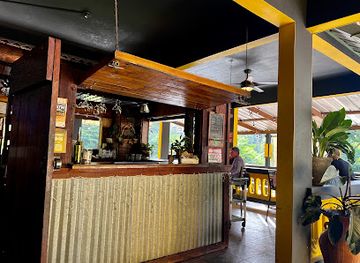
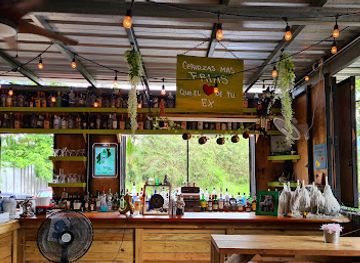
La Bodega De Las Brujas Jayuya
Discover authentic Puerto Rican flavors at La Bodega De Las Brujas in Jayuya - a must-visit restaurant for every food lover.
Best bars in La Cordillera Central
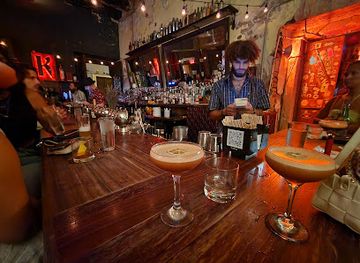
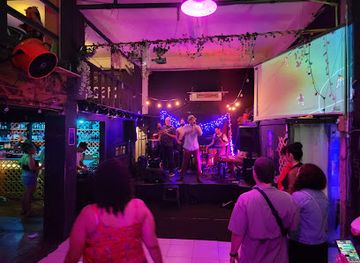
Nightlife in La Cordillera Central is generally informal and community-oriented rather than centred on large clubs. Town plazas, neighbourhood bars, cafés and restaurants provide evening meeting places, with music sometimes taking the form of salsa, plena, trova or live acoustic performances. Cayey and other larger or more accessible municipalities offer a broader choice of restaurants and bars, while smaller highland towns tend to quieten earlier. Local festivals and cultural events can bring temporary evening activity, but dates and programmes vary and should be confirmed locally. Visitors should not expect a continuous nightlife district across the mountain range; evenings are better suited to relaxed meals, music, conversation and views of the cooler upland landscape. Those driving between towns should plan a sober return journey, as roads can be dark, steep and difficult to navigate after nightfall.
-
Bar
La Factoría
Experience the vibrant nightlife at La Factoría, San Juan's premier cocktail bar with a lively atmosphere and inventive drinks.
-
Beer hall
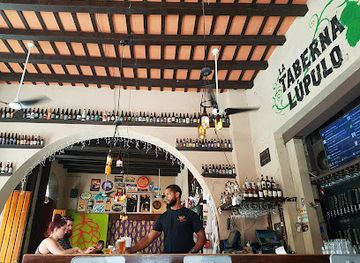
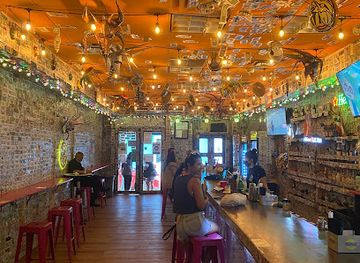
La Taberna Lúpulo
Experience the vibrant craft beer scene and delicious grill offerings at La Taberna Lúpulo, a must-visit spot in historic San Juan, Puerto Rico.
-
Bar
Los 3 Cuernos
Experience the vibrant nightlife of San Juan at Los 3 Cuernos, where unique decor and delicious drinks create unforgettable memories.
-
Bar
El Nie Bar
Discover San Juan's vibrant nightlife at El Nie Bar, where delicious tapas and lively dancing await in a tropical setting.
Best nightclubs in La Cordillera Central
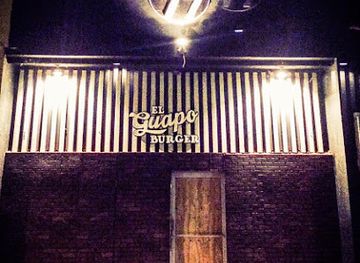
Nightlife in La Cordillera Central is generally informal and community-oriented rather than centred on large clubs. Town plazas, neighbourhood bars, cafés and restaurants provide evening meeting places, with music sometimes taking the form of salsa, plena, trova or live acoustic performances. Cayey and other larger or more accessible municipalities offer a broader choice of restaurants and bars, while smaller highland towns tend to quieten earlier. Local festivals and cultural events can bring temporary evening activity, but dates and programmes vary and should be confirmed locally. Visitors should not expect a continuous nightlife district across the mountain range; evenings are better suited to relaxed meals, music, conversation and views of the cooler upland landscape. Those driving between towns should plan a sober return journey, as roads can be dark, steep and difficult to navigate after nightfall.
-
Night club
Club 77
Discover the heart of San Juan's nightlife at Club 77, where great music, affordable drinks, and a vibrant atmosphere collide.
-
Dance club
Club Vibra
Experience the vibrant nightlife of San Juan at Club Vibra, where music, dance, and unforgettable moments come together in La Placita de Santurce.
-
Night club
La Respuesta
Experience the vibrant nightlife of Puerto Rico at La Respuesta, the ultimate night club and live music venue in Santurce, San Juan.
-
Night club
Club Brava
Discover Club Brava, Puerto Rico's top nightlife destination featuring live music, dancing, and exquisite cocktails in a stunning atmosphere.



Best shops in La Cordillera Central
Shopping in La Cordillera Central is primarily local and practical, with town high streets, small businesses, bakeries, produce sellers and occasional markets rather than large retail complexes. Visitors can look for Puerto Rican coffee from highland growers, locally made sweets, sauces, preserves and other food products, checking labels for the actual place of production. Jayuya, Orocovis, Barranquitas, Adjuntas and other municipalities have strong links with craft traditions, including woodwork, musical instruments, textiles and festival-related folk art, although availability varies by shop and season. Cultural centres and artisan fairs are often better sources than general souvenir outlets, particularly for work made in the region. Farmers’ markets and roadside stands may offer plantains, root vegetables, fruit and coffee, but payment is frequently in cash. For a wider selection of retail goods, visitors usually need to travel to larger towns or coastal urban centres outside the mountain region.
-
Gift shop
Utopia Souvenir Shop
Explore colorful gifts, local crafts, and tasty treats at Utopia Souvenir Shop in Ponce, Puerto Rico - a shop that captures the spirit of the island.
-
Coffee shop
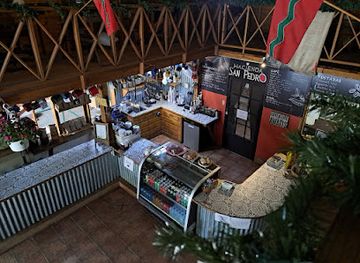
Hacienda San Pedro Jayuya - Coffee Shop
Discover the authentic flavors of Puerto Rican coffee at Hacienda San Pedro Jayuya, a charming coffee shop nestled in the hills of Jayuya.
-
Home goods store
Bargain City
Explore Bargain City in Jayuya for unique home goods and souvenirs at unbeatable prices, capturing the spirit of Puerto Rico in every purchase.
-
Bakery
Vega Linda Bakery
Experience the authentic taste of Puerto Rico at Vega Linda Bakery in Jayuya, where every bite tells a delicious story.

Get your free copy of our complete guide to La Cordillera Central, delivered straight to you.
Everything on this page, from attractions and restaurants to essentials and local phrases, in one PDF you can read offline, print or share.
Already have an account? Sign in
Your La Cordillera Central guide is ready.
We'll send it to · Not you? Sign out

Getting your guide ready…
We are putting together a fresh copy of the La Cordillera Central guide. This can take up to a minute.
This can take a few moments. If your browser asks, choose Allow so the download can start. You'll find the guide in your Downloads folder.
Nothing happened? Download it again
Sorry, the guide is taking longer than usual. Please try again in a minute, or get it by email instead.
La Cordillera Central essentials
Currency and Payment
Safety
Emergency Situations
Do's and Don'ts
Local Tips
From Eve
Local phrases worth knowing
You don't need to get them perfect. A few words go a long way, and locals appreciate the effort.
Basics
| English | Local | Say it |
|---|---|---|
| Hello | Hola | [Ola] |
| Goodbye | Adiós | [Adios] |
| Yes | Sí | [Si] |
| No | No | [No] |
| Please/You're welcome | Por favor | [Por favor] |
| Thank you | Gracias | [Grasias] |
| Excuse me/Sorry | Perdón | [Perdon] |
| How are you? | ¿Cómo estás? | [Como estas] |
| Fine. And you? | Bien. ¿Y tú? | [Bien. I tu] |
| Do you speak English? | ¿Hablas inglés? | [Hablas ingles] |
| I don't understand | No entiendo | [No entiendo] |
Eating & Drinking
| English | Local | Say it |
|---|---|---|
| I'd like to see the menu, please | Me gustaría ver el menú, por favor | [Me gustaria ver el menu, por favor] |
| I don't eat meat | No como carne | [No como carne] |
| Cheers! | ¡Salud! | [Salud] |
| I would like to pay, please | Me gustaría pagar, por favor | [Me gustaria pagar, por favor] |
Emergencies
| English | Local | Say it |
|---|---|---|
| Help! | ¡Ayuda! | [Ayuda] |
| Go away! | ¡Vete! | [Vete] |
| Call the Police! | ¡Llama a la policía! | [Llama a la policia] |
| Call a doctor! | ¡Llama a un doctor! | [Llama a un doctor] |
| I'm lost | Estoy perdido | [Estoy perdido] |
| I'm ill | Estoy enfermo | [Estoy enfermo] |
Shopping
| English | Local | Say it |
|---|---|---|
| I'd like to buy... | Me gustaría comprar... | [Me gustaria comprar] |
| I'm just looking | Solo estoy mirando | [Solo estoy mirando] |
| How much is it? | ¿Cuánto cuesta? | [Cuanto cuesta] |
| That's too expensive | Eso es muy caro | [Eso es muy caro] |
| Can you lower the price? | ¿Puedes bajar el precio? | [Puedes bajar el precio] |
Time & Numbers
| English | Local | Say it |
|---|---|---|
| What time is it? | ¿Qué hora es? | [Que hora es] |
| It's one o'clock | Es la una | [Es la una] |
| Half past (10) | Y media (10) | [Y media 10] |
| Morning | Mañana | [Mañana] |
| Afternoon | Tarde | [Tarde] |
| Evening | Noche | [Noche] |
| Yesterday | Ayer | [Ayer] |
| Today | Hoy | [Hoy] |
| Tomorrow | Mañana | [Mañana] |
| 1 | Uno | [Uno] |
| 2 | Dos | [Dos] |
| 3 | Tres | [Tres] |
| 4 | Cuatro | [Cuatro] |
| 5 | Cinco | [Cinco] |
| 6 | Seis | [Seis] |
| 7 | Siete | [Siete] |
| 8 | Ocho | [Ocho] |
| 9 | Nueve | [Nueve] |
| 10 | Diez | [Diez] |
Transport & Directions
| English | Local | Say it |
|---|---|---|
| Where's a/the...? | ¿Dónde hay un/una...? | [Donde hay un/una] |
| What's the address? | ¿Cuál es la dirección? | [Cual es la direccion] |
| Can you show me (on the map)? | ¿Puedes mostrarme (en el mapa)? | [Puedes mostrarme en el mapa] |
| When's the next (bus)? | ¿Cuándo es el próximo (autobús)? | [Cuando es el proximo autobus] |
| A ticket (to ....) | Un boleto (a....) | [Un boleto a] |
History of La Cordillera Central
Taíno Settlement and Indigenous Landscapes
Before Spanish colonisation, the interior mountains were inhabited and used by Taíno communities whose settlements, agricultural practices and sacred places were connected to rivers, valleys and forested slopes. Jayuya is especially associated with Indigenous heritage, including petroglyphs and archaeological sites that preserve evidence of this earlier cultural landscape. Indigenous influence also survives in place names, food plants and aspects of Puerto Rico’s cultural vocabulary. Visitors should understand these sites as part of a continuing history rather than as isolated relics of a vanished society.
Spanish Colonisation and Highland Agriculture
Spanish settlement developed more slowly in the rugged interior than on the coastal plains. Roads, livestock raising and small farms gradually connected mountain communities to ports and towns elsewhere on the island. The highlands supplied food crops and timber, while their difficult terrain allowed local communities to retain distinctive patterns of rural life. Catholic churches, town plazas and the later road network became important centres of settlement. Many of the region’s present-day towns grew from this gradual process of agricultural colonisation rather than from a single planned urban foundation.
The Rise of Puerto Rican Coffee
During the nineteenth century, coffee became a major commercial crop in Puerto Rico, and the central mountains were among its most important growing areas. The combination of elevation, rainfall and shaded slopes supported plantations and small farms, while merchants and transport routes linked mountain production with coastal export centres. Coffee wealth influenced houses, processing buildings and local social structures, although prosperity was uneven and dependent on international markets. The region’s continuing coffee culture, farm landscapes and traditional methods are reminders of this formative economic period.
Mountain Communities and Jíbaro Culture
The rural highlands became strongly associated with the jíbaro, a figure representing Puerto Rican country life, farming knowledge and vernacular music. In practice, mountain society included farmers, labourers, merchants, artisans and families with varied backgrounds, but jíbaro culture became an important expression of national identity. Décima poetry, trova, the cuatro and agricultural festivals helped preserve and reinterpret that heritage. Museums, cultural centres and town celebrations in the Cordillera Central continue to present these traditions as living culture rather than merely as historical costume.
Roads, Schools and Modern State Development
Improved roads and public services during the twentieth century connected the central mountains more closely with coastal cities and the wider Puerto Rican economy. Route building was particularly transformative in a region where steep terrain had long restricted movement. Schools, electrification and public institutions changed daily life, while better transport made it easier for agricultural products and workers to move between the interior and the coast. The Ruta Panorámica reflects both practical infrastructure and a later appreciation of the mountains as a scenic and cultural region.
Agricultural Change and Migration
The twentieth century brought major changes to Puerto Rico’s economy, including industrialisation, urban growth and the contraction of traditional agriculture. Many highland families moved to coastal towns, San Juan or the United States in search of work, while coffee and other crops faced changing prices, hurricanes and land-use pressures. Yet farming did not disappear: coffee, plantains, root crops, fruit and livestock remain part of the regional economy. Contemporary mountain communities combine agricultural traditions with commuting, tourism, public services and small businesses.
Hurricanes, Resilience and Environmental Stewardship
Hurricanes and intense tropical rainfall have repeatedly affected the central mountains, damaging roads, crops, bridges, homes and utilities. Hurricane Maria in 2017 exposed the vulnerability of isolated communities and produced long-lasting disruption across the interior. Recovery also highlighted local knowledge, mutual aid and the importance of restoring communications and transport links. Today, forest protection, watershed management and more resilient infrastructure are central concerns, because the Cordillera Central supplies important ecosystems and water resources as well as supporting rural communities.
La Cordillera Central in Photos
Browse through our photo collection highlighting the charm and character of the destination.
Neighbouring regions of La Cordillera Central
The closest regions to La Cordillera Central, if you have time for more than one.
-

-

-

-

-


Swipe for more regions
Explore more

Explore more of Puerto Rico
Discover Puerto Rico, where vibrant culture, stunning beaches, and rich history create an unforgettable Caribbean experience. Perfect for adventurers and relaxation seekers alike.
Explore Puerto Rico