

Free San Juan Metropolitan Area Travel Guide & Mobile App
Explore San Juan Metropolitan Area with free travel guides. Discover regional history, expert tips, proposed trips, and audio guides on web or mobile app.


Explore the San Juan Metropolitan Area for Spanish fortresses, Caribbean beaches, Puerto Rican food, contemporary arts and lively urban neighbourhoods.
Read more about San Juan Metropolitan Area
When is the best time to visit San Juan Metropolitan Area?
Best: January–March · 29–30°C| Month | High (°C) | Rainfall (mm) |
|---|---|---|
| January (best) | 29 | 60 |
| February (best) | 29 | 50 |
| March (best) | 30 | 50 |
| April | 31 | 70 |
| May | 31 | 110 |
| June | 32 | 130 |
| July | 32 | 130 |
| August | 32 | 150 |
| September | 32 | 170 |
| October | 31 | 160 |
| November | 30 | 130 |
| December | 29 | 100 |
Getting to and around San Juan Metropolitan Area
How to get there
Transportation
Top city travel guides in San Juan Metropolitan Area
The cities of San Juan Metropolitan Area, and the easiest places to base yourself.
-

-

-

-

-

-


Swipe for more cities
Destinations in San Juan Metropolitan Area
Resorts, valleys and scenic spots worth a trip of their own.

Swipe for more destinations
Best attractions in San Juan Metropolitan Area
The metropolitan area’s attractions range from the fortified streets of Old San Juan to beaches, museums, performance spaces and contemporary neighbourhoods. The National Historic Site forts, including El Morro and San Cristóbal, explain the city’s strategic role, while the smaller museums, churches, plazas and waterfront promenades reveal its social and religious history. Santurce is the main centre for galleries, murals, theatres and cultural events, and the Museo de Arte de Puerto Rico presents important Puerto Rican art in a substantial urban setting. Condado and Isla Verde provide accessible city beaches, although conditions vary and visitors should follow local warnings. The Luis A. Ferré Performing Arts Center hosts major cultural programming, while Hato Rey and Río Piedras show the region’s commercial and university sides. Bayamón and Guaynabo add parks, civic facilities and suburban cultural attractions, though these areas are more dispersed and usually easier to reach by car or taxi. The bayfront, lagoons and wetlands demonstrate the ecological setting behind the built-up coast, while nearby Piñones, outside the core metropolitan area in Loíza, offers a useful excursion for visitors interested in coastal food and mangrove landscapes.
-
National forest
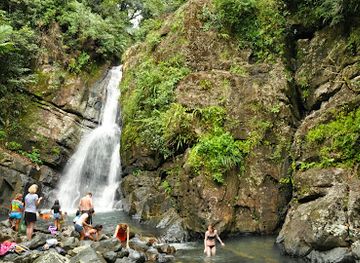
El Yunque National Forest
Explore the enchanting El Yunque National Forest, a tropical paradise in Puerto Rico, filled with diverse wildlife, stunning trails, and breathtaking waterfalls.
-
Monument
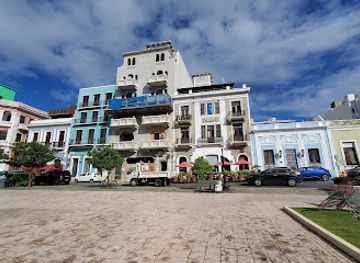
Plaza Colón
Discover the historical significance and vibrant atmosphere of Plaza Colón in Old San Juan, a must-visit monument and park for all tourists in Puerto Rico.
-
Park
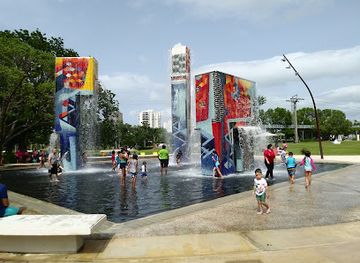
Parque Luis Muñoz Marín
Immerse yourself in the natural beauty and cultural vibrancy of Parque Luis Muñoz Marín, a serene escape in the heart of San Juan, Puerto Rico.
-
City park
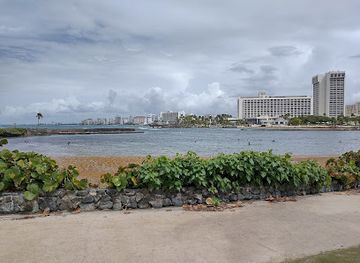
Luis Muñoz Rivera Park
Discover the beauty and tranquility of Luis Muñoz Rivera Park, a must-visit urban oasis in the heart of San Juan, Puerto Rico.
Best landmarks in San Juan Metropolitan Area
The walls and fortifications of Old San Juan are the metropolitan area’s defining landmarks. Castillo San Felipe del Morro stands at the harbour entrance, its broad defensive terraces facing the Atlantic, while Castillo San Cristóbal protected the eastern approach to the city. Together with the surviving city walls, they illustrate the scale of Spanish defensive planning in the Caribbean. La Fortaleza, the historic governor’s residence, occupies a prominent street in the old city, and nearby San Juan Cathedral is among the most important religious buildings in Puerto Rico. The colourful façades, balconies and narrow streets of Old San Juan form a landmark ensemble rather than a single monument. Beyond the historic core, the modern skyline of Condado and Hato Rey records the region’s twentieth-century expansion, while the Santurce skyline and public murals reflect contemporary cultural life. The San Juan Bay waterfront, oceanfront avenues and beaches in Carolina provide a contrasting geographical frame, showing how the metropolitan capital remains connected to its harbour and coastline. These places matter because they express the region’s military, political, architectural, commercial and cultural development in a compact but layered setting.
-
Historical place
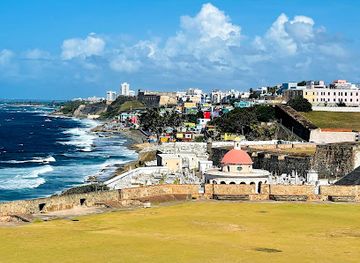
San Juan National Historic Site
Discover the historical treasures of San Juan National Historic Site, where the past meets stunning coastal beauty in Puerto Rico.
-
Castle
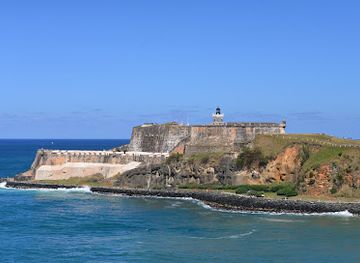
Castillo San Felipe del Morro
Explore Castillo San Felipe del Morro, a historic fortress in San Juan, Puerto Rico, offering stunning ocean views and a deep dive into colonial history.
-
Castle
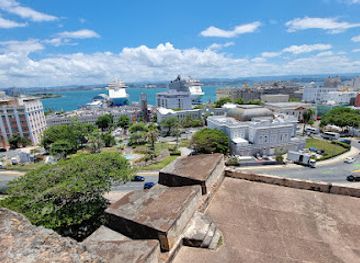
Castillo San Cristóbal
Explore the historical significance and breathtaking views at Castillo San Cristóbal, a stunning fortress in San Juan, Puerto Rico.
-
Monument
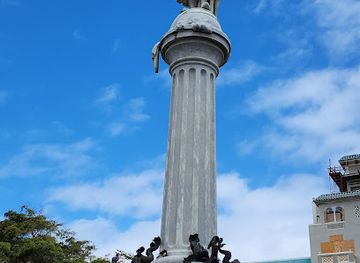
Plaza Colón
Explore Plaza Colón, a historical monument in Old San Juan, where culture, history, and beauty converge amidst lush gardens and colonial architecture.
Explore San Juan Metropolitan Area on the map
Plan your trip on one map. See where the top cities, national parks and sights are, and book hotels and experiences in a few clicks.
Best hotels in San Juan Metropolitan Area
Best restaurants in San Juan Metropolitan Area
San Juan’s dining culture combines Puerto Rican home cooking with Caribbean, Spanish, African and United States influences. Look for mofongo, plantains, rice and beans, roasted pork, seafood, soups, fritters and sweets made with coconut or tropical fruit, while local bakeries provide an important everyday food tradition. Traditional fondas and cafeterias are particularly useful for straightforward lunches, and roadside kiosks and casual eateries broaden the choice beyond hotel districts. Santurce, Condado, Miramar and Old San Juan contain the greatest concentration of contemporary restaurants, cocktail-led dining rooms and international cuisines, while Isla Verde caters strongly to visitors and beachgoers. Bayamón, Guaynabo and Río Piedras offer neighbourhood restaurants, bakeries and markets with a more residential setting. Menus and opening arrangements can change, so the most dependable way to eat regionally is to combine a well-established restaurant with a bakery, market or informal local establishment. Expect rice, plantains, pork and seafood to appear often, but not in a single standard form across the metropolitan area.
-
Puerto Rican
Restaurante Raíces
Experience authentic Puerto Rican cuisine at Restaurante Raíces in San Juan - a culinary gem showcasing traditional flavors and vibrant ambiance.
-
Puerto Rican
Barrachina
Experience authentic Puerto Rican flavors at Barrachina - home of the original Piña Colada and vibrant Caribbean cuisine.
-
Puerto Rican
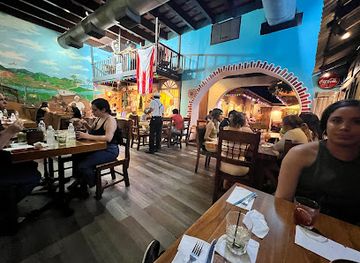
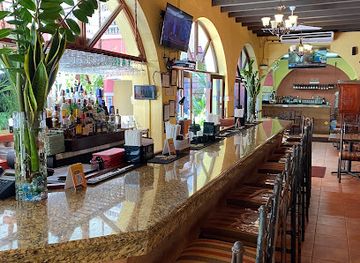
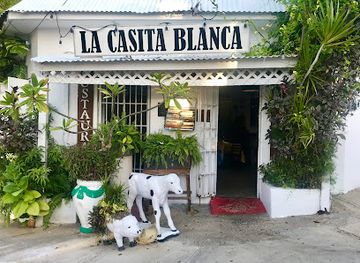
La Casita Blanca
Discover authentic Puerto Rican cuisine at La Casita Blanca in San Juan's vibrant Santurce neighborhood.
-
Italian
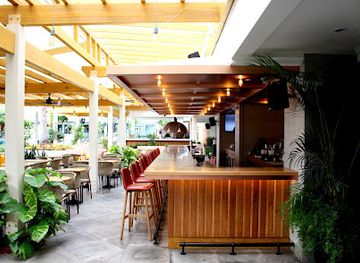
Serafina San Juan Restaurant
Experience authentic Italian flavors at Serafina San Juan, where exquisite pizzas meet vibrant cocktails in a charming ambiance.
Best bars in San Juan Metropolitan Area
Nightlife is concentrated in Old San Juan, Santurce, Condado, Miramar and parts of Isla Verde, with the atmosphere changing from historic streets and cocktail bars to music venues, hotel lounges and beach-oriented establishments. Santurce has a particularly strong connection with live music, salsa, reggaetón, theatre and the visual arts, although the exact mix of venues changes over time. Old San Juan offers bars in colonial buildings and busy evening streets, while Condado and Isla Verde have a larger selection of hotel bars, lounges and late-night venues. In Bayamón, Guaynabo and Río Piedras, evening life is more dispersed and often centred on restaurants, neighbourhood bars, cultural events or university-linked activity rather than a single entertainment quarter. Check current arrangements locally, especially for performances and clubs, and remember that the region’s nightlife is not limited to drinking: music, food, dancing and the arts are equally important parts of the evening scene.
-
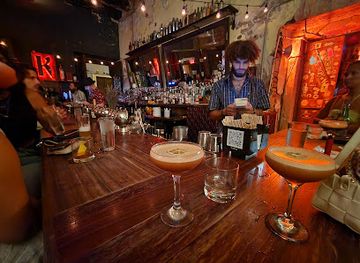
Bar
La Factoría
Discover La Factoría, a premier cocktail bar in San Juan, where innovative drinks and vibrant nightlife create an unforgettable local experience.
-
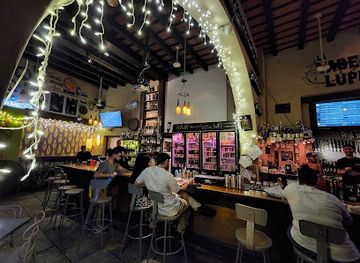
Beer hall
La Taberna Lúpulo
Discover La Taberna Lúpulo: the ultimate beer hall in San Juan, offering craft brews and delicious cuisine in a lively atmosphere.
-
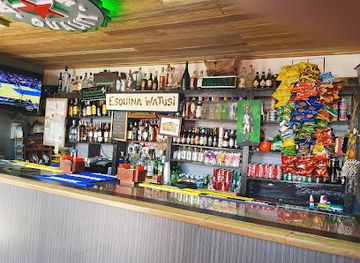
Bar
Esquina El Watusi
Experience the vibrant nightlife and rich culture at Esquina El Watusi, a must-visit bar in the heart of Santurce, San Juan.
-
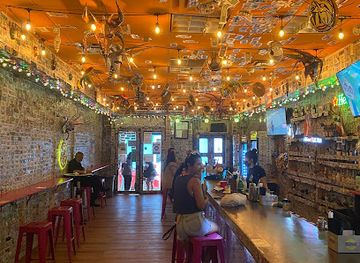
Bar
Los 3 Cuernos
Experience the vibrant nightlife of Old San Juan at Los 3 Cuernos, a bar known for its lively atmosphere and local flavors.
Best nightclubs in San Juan Metropolitan Area
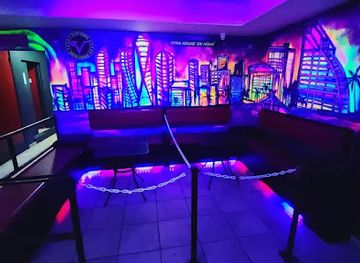
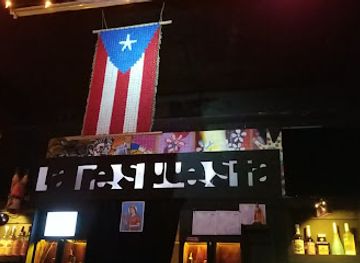
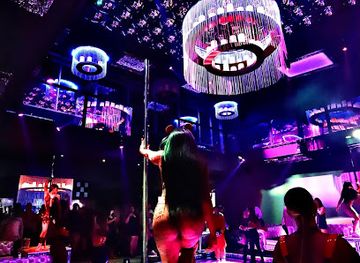
Nightlife is concentrated in Old San Juan, Santurce, Condado, Miramar and parts of Isla Verde, with the atmosphere changing from historic streets and cocktail bars to music venues, hotel lounges and beach-oriented establishments. Santurce has a particularly strong connection with live music, salsa, reggaetón, theatre and the visual arts, although the exact mix of venues changes over time. Old San Juan offers bars in colonial buildings and busy evening streets, while Condado and Isla Verde have a larger selection of hotel bars, lounges and late-night venues. In Bayamón, Guaynabo and Río Piedras, evening life is more dispersed and often centred on restaurants, neighbourhood bars, cultural events or university-linked activity rather than a single entertainment quarter. Check current arrangements locally, especially for performances and clubs, and remember that the region’s nightlife is not limited to drinking: music, food, dancing and the arts are equally important parts of the evening scene.
-
Night club
Club 77
Discover the electrifying nightlife at Club 77 in San Juan, a vibrant night club offering affordable drinks, great music, and a friendly atmosphere.
-
Dance club
Club Vibra
Discover the electrifying nightlife at Club Vibra in San Juan, where rhythm meets excitement in a vibrant dance club atmosphere.
-
Night club
La Respuesta
Experience the vibrant nightlife of La Respuesta in Santurce, where live music and a lively atmosphere create unforgettable memories.
-
Night club
7eight7
Discover San Juan's nightlife at 7eight7, a top-rated night club offering exhilarating music, vibrant atmosphere, and unforgettable dance experiences.

Best shops in San Juan Metropolitan Area
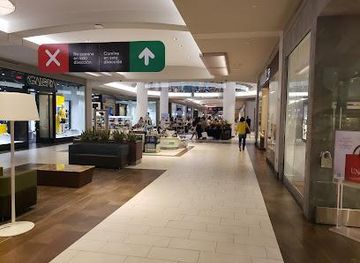
Old San Juan is the principal shopping area for visitors, with independent boutiques, galleries, jewellery shops, handicrafts, books, art and Puerto Rican food products spread through its historic streets. These shops sit alongside everyday businesses, so the district is more than a souvenir quarter. Santurce and Condado provide contemporary fashion, design, galleries and smaller independent retailers, while shopping centres and larger commercial areas are more prominent in Hato Rey, Carolina, Bayamón and Guaynabo. Markets and bakeries are useful places to buy coffee, sweets, spices and packaged regional products, although selection and trading days vary. Look for locally made art, prints, ceramics, textiles and jewellery, but ask about materials and provenance when purchasing craftwork. The best shopping choices depend on the character sought: Old San Juan for historic surroundings and traditional gifts, Santurce for art and design, and the wider metropolitan suburbs for practical retail and major commercial centres. Keep receipts for higher-value purchases and protect goods from heat and rain while moving between shops.
-
Shopping mall
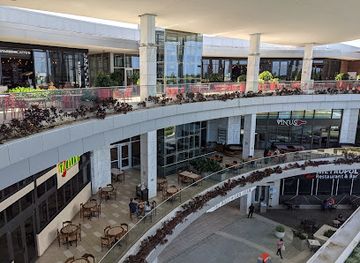
Plaza Las Américas
Discover the ultimate shopping and cultural experience at Plaza Las Américas, Puerto Rico's largest shopping mall, blending local charm and global brands.
-
Shopping mall
The Mall of San Juan
Explore luxury shopping and diverse dining at The Mall of San Juan, Puerto Rico's premier shopping destination with top brands and entertainment.
-
Art gallery
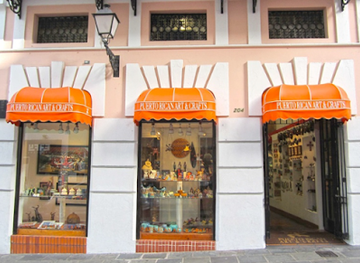
Puerto Rican Art & Crafts
Explore the vibrant artistry and unique crafts of Puerto Rico, showcasing local talent and cultural heritage in a captivating gallery experience.
-
Antique store
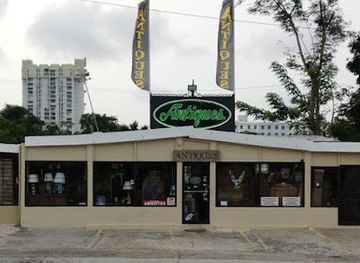
Cosas de Ayer y Hoy
Explore the enchanting world of antiques at Cosas de Ayer y Hoy in San Juan, where every piece tells a story and history comes alive.
Get your free copy of our complete guide to San Juan Metropolitan Area, delivered straight to you.
Everything on this page, from attractions and restaurants to essentials and local phrases, in one PDF you can read offline, print or share.
Already have an account? Sign in
Your San Juan Metropolitan Area guide is ready.
We'll send it to · Not you? Sign out

Getting your guide ready…
We are putting together a fresh copy of the San Juan Metropolitan Area guide. This can take up to a minute.
This can take a few moments. If your browser asks, choose Allow so the download can start. You'll find the guide in your Downloads folder.
Nothing happened? Download it again
Sorry, the guide is taking longer than usual. Please try again in a minute, or get it by email instead.
San Juan Metropolitan Area essentials
Currency and Payment
Safety
Emergency Situations
Do's and Don'ts
Local Tips
From Eve
Local phrases worth knowing
You don't need to get them perfect. A few words go a long way, and locals appreciate the effort.
Basics
| English | Local | Say it |
|---|---|---|
| Hello | Hola | [OH-lah] |
| Goodbye | Adiós | [ah-DYOS] |
| Yes | Sí | [SEE] |
| No | No | [NO] |
| Please/You're welcome | Por favor/De nada | [por fah-VOR/deh NAH-dah] |
| Thank you | Gracias | [GRAH-sias] |
| Excuse me/Sorry | Perdón | [pehr-DON] |
| How are you? | ¿Cómo estás? | [KOH-moh es-TAS] |
| Fine. And you? | Bien. ¿Y tú? | [BYEN. ee TOO] |
| Do you speak English? | ¿Hablas inglés? | [AH-blas een-GLES] |
| I don't understand | No entiendo | [NO en-TYEN-doh] |
Eating & Drinking
| English | Local | Say it |
|---|---|---|
| I'd like to see the menu, please | Me gustaría ver el menú, por favor | [meh goos-TAH-ree-ah VEHR el meh-NOO, por fah-VOR] |
| I don't eat meat | No como carne | [NO KOH-mo KAR-neh] |
| Cheers! | ¡Salud! | [sah-LOOD] |
| I would like to pay, please | Me gustaría pagar, por favor | [meh goos-TAH-ree-ah pah-GAR, por fah-VOR] |
Emergencies
| English | Local | Say it |
|---|---|---|
| Help! | ¡Ayuda! | [ah-YOO-dah] |
| Go away! | ¡Vete! | [VEH-teh] |
| Call the Police! | ¡Llama a la policía! | [YAH-mah ah la poh-lee-SIA] |
| Call a doctor! | ¡Llama a un doctor! | [YAH-mah ah oon dok-TOR] |
| I'm lost | Estoy perdido | [es-TOY per-DI-doh] |
| I'm ill | Estoy enfermo | [es-TOY en-FER-mo] |
Shopping
| English | Local | Say it |
|---|---|---|
| I'd like to buy... | Me gustaría comprar... | [meh goos-TAH-ree-ah kom-PRAHR] |
| I'm just looking | Solo estoy mirando | [SO-lo es-TOY mee-RAN-doh] |
| How much is it? | ¿Cuánto cuesta? | [KWAN-toh KWES-tah] |
| That's too expensive | Eso es muy caro | [EH-so es MOO-ee KAH-roh] |
| Can you lower the price? | ¿Puedes bajar el precio? | [PWEH-des bah-HAR el PREH-sio] |
Time & Numbers
| English | Local | Say it |
|---|---|---|
| What time is it? | ¿Qué hora es? | [KEH OH-rah es] |
| It's one o'clock | Es la una | [es la OO-nah] |
| Half past (10) | Diez y media | [DYEZ ee MEH-dee-ah] |
| Morning | Mañana | [mah-NYAH-nah] |
| Afternoon | Tarde | [TAR-deh] |
| Evening | Noche | [NOH-cheh] |
| Yesterday | Ayer | [ah-YER] |
| Today | Hoy | [OY] |
| Tomorrow | Mañana | [mah-NYAH-nah] |
| 1 | Uno | [OO-no] |
| 2 | Dos | [DOS] |
| 3 | Tres | [TRES] |
| 4 | Cuatro | [KWA-tro] |
| 5 | Cinco | [SEEN-koh] |
| 6 | Seis | [SAYS] |
| 7 | Siete | [SYEH-teh] |
| 8 | Ocho | [OH-cho] |
| 9 | Nueve | [NWEH-beh] |
| 10 | Diez | [DYEZ] |
Transport & Directions
| English | Local | Say it |
|---|---|---|
| Where's a/the...? | ¿Dónde está un/una ...? | [DON-deh es-TAH oon/OO-nah ...?] |
| What's the address? | ¿Cuál es la dirección? | [KWAL es la dee-rek-SYON] |
| Can you show me (on the map)? | ¿Puedes mostrarme (en el mapa)? | [PWEH-des mos-TRAR-me (en el MAH-pah)?] |
| When's the next (bus)? | ¿Cuándo sale el próximo (autobús)? | [KWAN-doh SAH-leh el PROK-si-mo (ow-toh-BOOS)?] |
| A ticket (to ....) | Un boleto (a ....) | [OON boh-LEH-to (ah ....)] |
History of San Juan Metropolitan Area
Taíno Heritage and Early European Settlement
Before Spanish colonisation, the island was inhabited by Taíno communities whose agriculture, trade networks and cultural traditions shaped the region long before San Juan existed. The bay and coastal plain offered a strategic setting for settlement and maritime activity. Spanish colonists founded San Juan in the early sixteenth century, initially establishing the settlement on Caparra before moving it to the islet now known as Old San Juan in 1521. The new position provided a defensible harbour and a more practical base for Atlantic navigation.
The Spanish Port and Atlantic Fortifications
San Juan became one of Spain’s most important Caribbean ports, serving as a gateway for ships, soldiers, administrators and goods moving between Europe and the Americas. Its strategic position encouraged the construction of extensive defences, including El Morro, San Cristóbal and the city walls. These fortifications developed over several centuries and helped protect the harbour from rival European powers and privateers. Their scale explains why Old San Juan remains the region’s most concentrated expression of imperial military architecture.
Colonial Society, Churches and Urban Life
Spanish rule created a layered society shaped by European institutions, African contributions, enslaved labour, free Black communities, Taíno survivals and continuing migration from across the Caribbean. Churches, convents, government buildings and merchant houses gave San Juan an enduring urban form. San Juan Cathedral, La Fortaleza and the street network of the old city reflect the political and religious importance of the colonial capital. The surrounding mainland later developed its own settlements and agricultural communities, linking the port city to the island’s wider economy.
The Transition to United States Rule
The Spanish-American War brought Puerto Rico under United States administration in 1898. The change altered the island’s political, economic and military relationships while leaving Spanish law, language, architecture and cultural institutions deeply influential. San Juan’s port and strategic position continued to matter, and the city increasingly operated as the island’s administrative and commercial centre. This period also formed part of the longer political history that led to Puerto Rico’s present Commonwealth status, established in 1952.
Industrialisation and Metropolitan Expansion
During the twentieth century, San Juan expanded beyond the old walled city into a metropolitan network of suburbs, business districts and transport corridors. Industrialisation, public investment, port activity and population growth transformed areas such as Santurce, Hato Rey, Río Piedras, Bayamón, Guaynabo and Carolina. The establishment and growth of the University of Puerto Rico’s Río Piedras campus contributed to the district’s educational and cultural importance. High-rise development, shopping centres and modern infrastructure changed the skyline while older neighbourhoods retained distinct identities.
Contemporary Puerto Rican Cultural Expression
The modern metropolitan area became a major platform for Puerto Rican music, visual arts, theatre, food and media. Santurce in particular developed a strong reputation for galleries, murals, performance spaces and nightlife, while salsa, reggaetón and other forms of Caribbean popular culture connected local creativity with international audiences. Festivals, community arts and independent businesses continue to shape the region’s identity. Contemporary San Juan therefore combines preserved colonial heritage with a living urban culture rather than treating history as a separate museum experience.
San Juan Metropolitan Area in Photos
Browse through our photo collection highlighting the charm and character of the destination.
Neighbouring regions of San Juan Metropolitan Area
The closest regions to San Juan Metropolitan Area, if you have time for more than one.
-

-

-

-

-


Swipe for more regions
Explore more

Explore more of Puerto Rico
Discover Puerto Rico, where vibrant culture, stunning beaches, and rich history create an unforgettable Caribbean experience. Perfect for adventurers and relaxation seekers alike.
Explore Puerto Rico