

Free Caguas Region Travel Guide & Mobile App
Explore Caguas Region with free travel guides. Discover regional history, expert tips, proposed trips, and audio guides on web or mobile app.


Explore the Caguas Region for inland Puerto Rican culture, botanical gardens, historic towns, mountain roads and distinctive local food.
Read more about Caguas Region
When is the best time to visit Caguas Region?
Best: January–March · 29–30°C| Month | High (°C) | Rainfall (mm) |
|---|---|---|
| January (best) | 29 | 57 |
| February (best) | 29 | 51 |
| March (best) | 30 | 52 |
| April | 31 | 86 |
| May | 31 | 175 |
| June | 32 | 169 |
| July | 32 | 181 |
| August | 32 | 193 |
| September | 32 | 214 |
| October | 31 | 196 |
| November | 30 | 178 |
| December | 29 | 102 |
Getting to and around Caguas Region
How to get there
Transportation
Top city travel guides in Caguas Region
The cities of Caguas Region, and the easiest places to base yourself.
-

-

-

-

-

-


Swipe for more cities
Destinations in Caguas Region
Resorts, valleys and scenic spots worth a trip of their own.

Swipe for more destinations
Best attractions in Caguas Region
The Caguas Region’s attractions combine urban culture with the landscapes of Puerto Rico’s interior. In Caguas, the historic centre, local museums and the Caguas Botanical Garden provide a coherent introduction to the island’s history, plant life, agriculture and public culture. The botanical grounds are particularly valuable for understanding how tropical vegetation, cultivated species and regional history intersect. Museums devoted to Caguas, tobacco and local heritage add context to the city’s development beyond its modern commercial identity. Outside the centre, Aguas Buenas offers greener upland scenery and a more rural setting, while Gurabo and San Lorenzo provide historic town spaces, river-valley views and access to interior roads. The region suits visitors interested in gardens, architecture, photography, local history and short countryside excursions rather than those seeking a concentrated resort complex. Hiking and nature activities are possible, but conditions, access and road quality vary, so local information is important before entering less developed areas. Cultural programming, seasonal celebrations and municipal events can add music, crafts and food to the itinerary, although dates and arrangements change. The strongest experience comes from combining a planned cultural visit in Caguas with unhurried exploration of the surrounding municipalities.
-
Tourist attraction
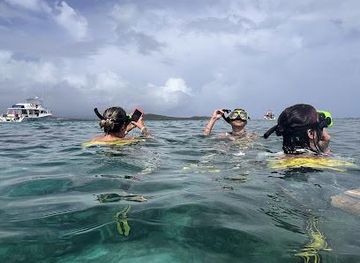
Snorkeling Puerto Rico | Boat Tours
Experience the vibrant marine life of Puerto Rico with Snorkeling tours in Fajardo – a perfect adventure for ocean lovers and nature enthusiasts.
-
Amusement center
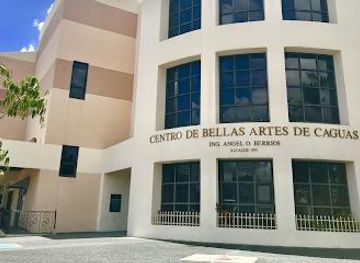
Centro de Bellas Artes de Caguas
Discover the artistic heartbeat of Puerto Rico at the Centro de Bellas Artes de Caguas, where culture and creativity converge.
-
Beach
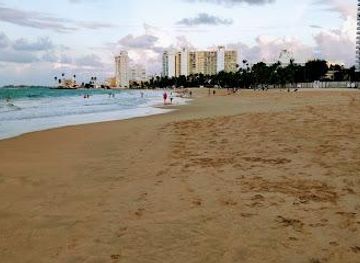
Hobie Beach
Discover the sun-kissed beauty and vibrant atmosphere of Hobie Beach in Isla Verde, Puerto Rico – the perfect getaway for relaxation and adventure.
-
Nature preserve
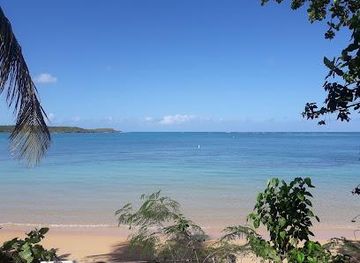
Reserva Natural Cabezas de San Juan - Para la Naturaleza
Discover the breathtaking beauty and rich biodiversity of Reserva Natural Cabezas de San Juan, a top nature preserve and historical landmark in Fajardo, Puerto Rico.
Best landmarks in Caguas Region
The Plaza Santiago R. Palmer and Catedral Dulce Nombre de Jesús form the historic civic and religious focus of central Caguas, where the city’s urban history can be read through its public spaces and surrounding architecture. The Caguas Botanical Garden is a landmark of a different kind: its landscaped grounds and preserved natural setting express the region’s interest in tropical botany, agriculture and cultural memory. The city’s museums, including the Museo de Caguas and the Museo del Tabaco Herminio Torres Grillo, give physical form to stories of municipal development and tobacco production. In Aguas Buenas, Gurabo and San Lorenzo, town churches, plazas and traditional civic buildings provide smaller-scale landmarks that reflect the structure of Puerto Rican municipalities. The green hills and river valleys around these towns are also important geographical markers, particularly where roads rise from the Caguas Valley into the Cordillera Central foothills. Rather than one monumental castle or coastal icon, the region’s visual identity is built from civic squares, churches, gardens, agricultural terrain and the relationship between compact towns and surrounding hills.
-
Historical place
San Juan National Historic Site
Discover the rich history and stunning architecture of San Juan National Historic Site, a captivating UNESCO World Heritage Site in Puerto Rico.
-
Castle
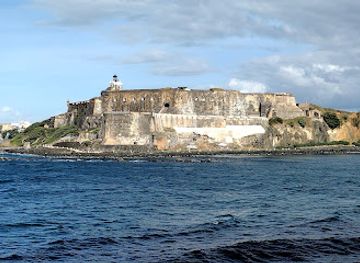
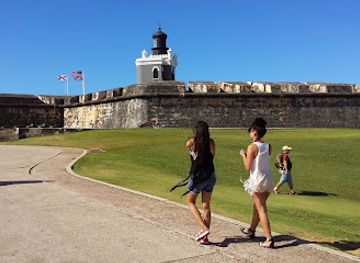
Castillo San Felipe del Morro
Explore the historic Castillo San Felipe del Morro, a majestic fortress in San Juan that offers breathtaking views and a glimpse into Puerto Rico's rich past.
-
National forest
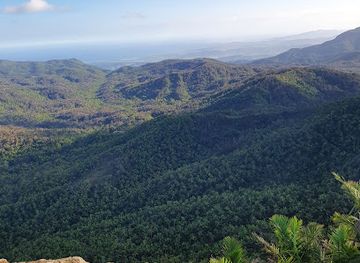
El Yunque National Forest
Explore El Yunque National Forest: A Tropical Paradise with Lush Trails, Stunning Waterfalls, and Diverse Wildlife in Puerto Rico.
-
Castle
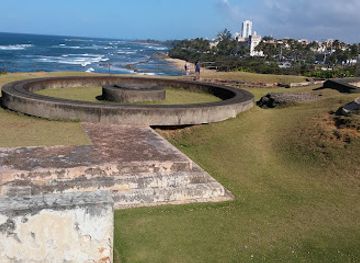
Castillo San Cristóbal
Explore the historic Castillo San Cristóbal, a monumental fortress in San Juan, Puerto Rico, showcasing rich history and stunning coastal views.
Explore Caguas Region on the map
Plan your trip on one map. See where the top cities, national parks and sights are, and book hotels and experiences in a few clicks.
Best hotels in Caguas Region
Best restaurants in Caguas Region
Dining in the Caguas Region reflects Puerto Rico’s inland food culture, with casual restaurants, bakeries, cafés, bars and family kitchens forming the everyday foundation. Menus commonly draw on rice and beans, plantains, pork, chicken, soups, seafood brought inland from the coast and dishes such as mofongo, while sandwiches and pastries are practical choices for road journeys. Caguas has the broadest range of restaurants, from long-established local establishments to contemporary venues, whereas smaller municipalities tend to offer a more limited but often deeply local selection. Coffee, tropical fruit, root vegetables and seasonal produce connect the region’s tables with its agricultural surroundings. Farmers’ markets and community events may provide access to local produce and traditional snacks, but specific schedules vary. Visitors should distinguish Puerto Rican regional cooking from generic Caribbean menus: seasoning, cooking methods and the prominence of plantains, sofrito and pork are part of the island’s own culinary vocabulary. Service is generally relaxed, and lunch can be an important meal, particularly outside the largest commercial areas.
-
Restaurant
Hacienda Muñoz
Historic Puerto Rican coffee hacienda with award-winning brews, generous farm-fresh meals, and stunning hilltop views—just 30 minutes from San Juan.
-
Restaurant
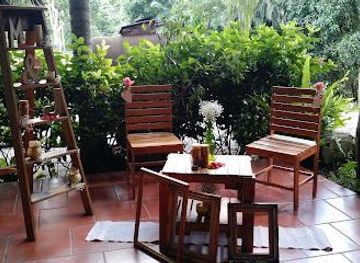
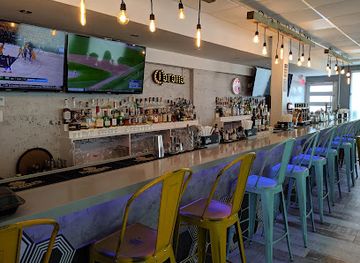
El Manjar Criollo
Discover authentic Puerto Rican cuisine at El Manjar Criollo - a culinary delight in Caguas offering vibrant flavors and cultural experiences.
-
Restaurant
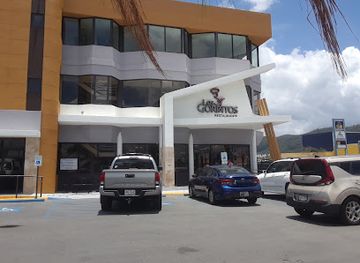
Los Gorditos
Discover authentic Puerto Rican cuisine at Los Gorditos in Caguas—where every dish tells a story of tradition and flavor.
-
Steak
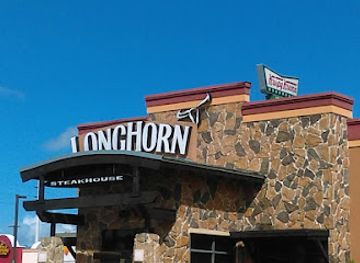
LongHorn Steakhouse
Experience top-notch steaks and authentic American flavors at LongHorn Steakhouse in Caguas—where every bite is crafted to perfection.
Best bars in Caguas Region
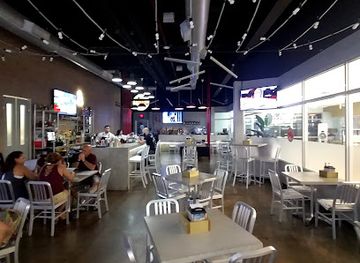
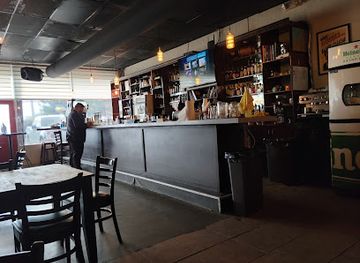
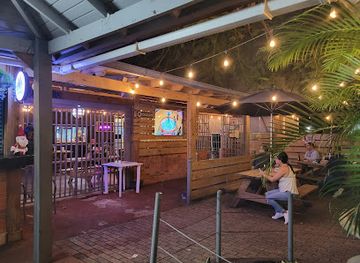
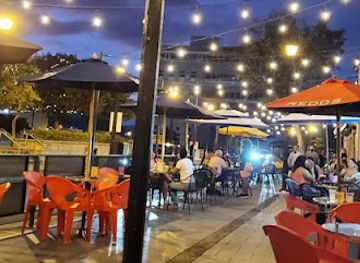
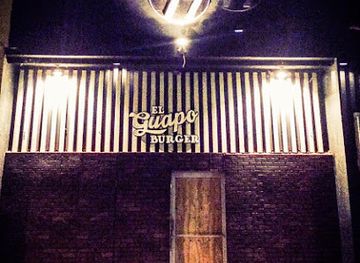
Evening life in the Caguas Region is centred more on restaurants, neighbourhood bars, traditional cafés, live music and social plazas than on a large-scale nightclub scene. Caguas offers the widest choice, particularly around its central urban area and commercial districts, with venues that may combine food, drinks, music and televised sport. Gurabo, Aguas Buenas and San Lorenzo have a smaller, more community-oriented evening offer, often focused on local bars and restaurants rather than dedicated clubs. Puerto Rican music styles may feature in seasonal events or selected venues, but programming and opening arrangements change regularly. Visitors should check current local information rather than expect a fixed entertainment district or late-night timetable. Alcohol is not necessary to enjoy the region’s evening culture: a meal, coffee, a town-square walk or a municipal cultural event can be equally representative. If driving on mountain roads after dark, arrange a designated driver or return transport in advance, since lighting and roadside services become less predictable outside Caguas.
-
Hamburger
El After Lounge
Discover the flavors of Caguas at El After Lounge, where delicious hamburgers and delightful breakfasts await every visitor.
-
Restaurant
Ojalá Restaurant & Bar
Experience the vibrant flavors of Puerto Rican cuisine at Ojalá Restaurant & Bar, a culinary gem in the heart of Caguas.
-
Grill
La Lomita de Charlie
Discover La Lomita de Charlie, a vibrant grill and bar in Caguas, where delicious grilled delights and refreshing drinks await your taste buds.
-
Bar
La Vergüenza Caguas
Experience the vibrant nightlife at La Vergüenza Caguas, where delicious drinks and lively atmosphere unite for an unforgettable night out.
Best nightclubs in Caguas Region
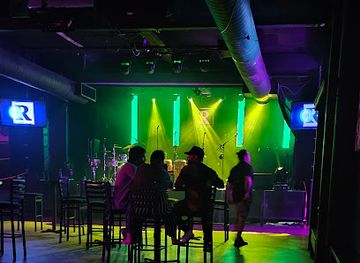
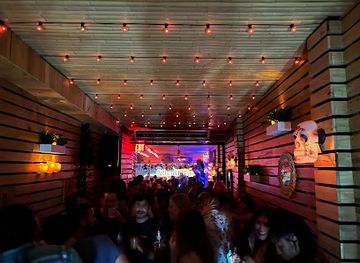
Evening life in the Caguas Region is centred more on restaurants, neighbourhood bars, traditional cafés, live music and social plazas than on a large-scale nightclub scene. Caguas offers the widest choice, particularly around its central urban area and commercial districts, with venues that may combine food, drinks, music and televised sport. Gurabo, Aguas Buenas and San Lorenzo have a smaller, more community-oriented evening offer, often focused on local bars and restaurants rather than dedicated clubs. Puerto Rican music styles may feature in seasonal events or selected venues, but programming and opening arrangements change regularly. Visitors should check current local information rather than expect a fixed entertainment district or late-night timetable. Alcohol is not necessary to enjoy the region’s evening culture: a meal, coffee, a town-square walk or a municipal cultural event can be equally representative. If driving on mountain roads after dark, arrange a designated driver or return transport in advance, since lighting and roadside services become less predictable outside Caguas.
-
Night club
Club 77
Discover the pulse of San Juan's nightlife at Club 77, where music, dance, and fun come together for an unforgettable experience.
-
Night club
La Respuesta
Discover the heart of San Juan's nightlife at La Respuesta, a vibrant night club and live music venue offering an unforgettable experience.
-
Night club
7eight7
Discover the electrifying nightlife of San Juan at 7eight7, where music, dance, and culture come together for an unforgettable experience.
-
Night club
Tulum La Placita
Dive into the vibrant nightlife at Tulum La Placita, San Juan's ultimate night club and cocktail bar for unforgettable evenings of music and dance.

Best shops in Caguas Region
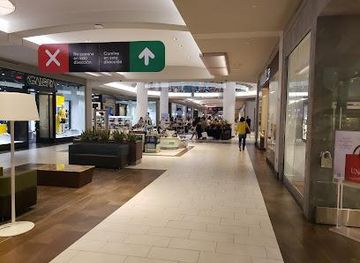
Shopping in the Caguas Region is concentrated in Caguas, where central streets, commercial areas and larger retail developments provide the broadest selection of everyday goods, clothing, books, food and services. The historic centre is better suited to local businesses, cafés, cultural purchases and small-scale browsing than to luxury retail. In smaller municipalities, shopping is more closely tied to practical high-street stores, bakeries, convenience shops and occasional community markets. Look for Puerto Rican food products, coffee, sweets, sauces, crafts, locally themed books and artworks rather than generic beach souvenirs. Municipal cultural events and farmers’ or produce markets, when operating, can be useful places to find regional specialities, although schedules are not always daily. Independent galleries and craft sellers may have changing stock, so allow time to browse and carry cash for small purchases. The region is not primarily a designer-shopping destination; its retail character is strongest in local food, cultural merchandise and the ordinary commercial life of an inland Puerto Rican city.
-
Shopping mall
Plaza Las Américas
Discover the largest shopping mall in the Caribbean, Plaza Las Américas, where shopping, dining, and entertainment unite in vibrant San Juan.
-
Shopping mall
Plaza Centro Mall
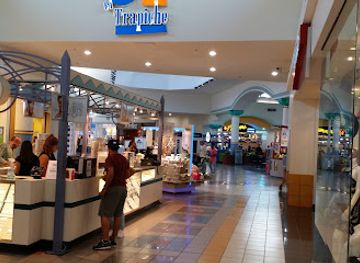
Explore Plaza Centro Mall in Caguas, Puerto Rico - a vibrant shopping destination with diverse stores, delicious dining, and family-friendly entertainment.
-
Shopping mall
Shops at Caguas
Experience the vibrant blend of shopping, dining, and entertainment at the Shops at Caguas, a premier destination in Puerto Rico.
-
Shopping mall
Los Prados Shopping Center
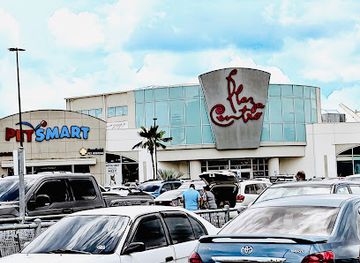
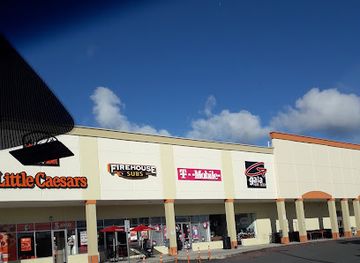
Explore Los Prados Shopping Center: A vibrant shopping destination in Caguas with diverse retail, dining, and entertainment options for visitors.
Get your free copy of our complete guide to Caguas Region, delivered straight to you.
Everything on this page, from attractions and restaurants to essentials and local phrases, in one PDF you can read offline, print or share.
Already have an account? Sign in
Your Caguas Region guide is ready.
We'll send it to · Not you? Sign out

Getting your guide ready…
We are putting together a fresh copy of the Caguas Region guide. This can take up to a minute.
This can take a few moments. If your browser asks, choose Allow so the download can start. You'll find the guide in your Downloads folder.
Nothing happened? Download it again
Sorry, the guide is taking longer than usual. Please try again in a minute, or get it by email instead.
Caguas Region essentials
Currency and Payment
Safety
Emergency Situations
Do's and Don'ts
Local Tips
From Eve
Local phrases worth knowing
You don't need to get them perfect. A few words go a long way, and locals appreciate the effort.
Basics
| English | Local | Say it |
|---|---|---|
| Hello | Hola | [OH-lah] |
| Goodbye | Adiós | [ah-DYOS] |
| Yes | Sí | [SEE] |
| No | No | [NO] |
| Please/You're welcome | Por favor/De nada | [por fah-VOR/deh NAH-dah] |
| Thank you | Gracias | [GRAH-syahs] |
| Excuse me/Sorry | Perdón | [per-DON] |
| How are you? | ¿Cómo estás? | [KOH-moh es-TAS] |
| Fine. And you? | Bien. ¿Y tú? | [BYEN. ee TOO] |
| Do you speak English? | ¿Hablas inglés? | [AH-blahs een-GLES] |
| I don't understand | No entiendo | [NO en-TIEN-doh] |
Eating & Drinking
| English | Local | Say it |
|---|---|---|
| I'd like to see the menu, please | Me gustaría ver el menú, por favor | [meh goos-tah-REE-ah BEHR el meh-NEW, por fah-VOR] |
| I don't eat meat | No como carne | [NO KOH-moh KAR-neh] |
| Cheers! | ¡Salud! | [sah-LOOD] |
| I would like to pay, please | Me gustaría pagar, por favor | [meh goos-tah-REE-ah pah-GAR, por fah-VOR] |
Emergencies
| English | Local | Say it |
|---|---|---|
| Help! | ¡Ayuda! | [ah-YOO-dah] |
| Go away! | ¡Vete! | [BEH-teh] |
| Call the Police! | ¡Llama a la Policía! | [YAH-mah ah lah poh-lee-SIA] |
| Call a doctor! | ¡Llama a un doctor! | [YAH-mah ah oon dok-TOR] |
| I'm lost | Estoy perdido | [es-TOY per-DIDO] |
| I'm ill | Estoy enfermo/a | [es-TOY en-FER-mo/a] |
Shopping
| English | Local | Say it |
|---|---|---|
| I'd like to buy... | Me gustaría comprar... | [meh goos-tah-REE-ah kom-PRAR] |
| I'm just looking | Solo estoy mirando | [SO-lo es-TOY mee-RAN-do] |
| How much is it? | ¿Cuánto cuesta? | [KWAN-toh KWES-tah] |
| That's too expensive | Eso es muy caro | [EH-so es MOO-ee KAH-ro] |
| Can you lower the price? | ¿Puedes bajar el precio? | [PWEH-des bah-HAR el PREH-syo] |
Time & Numbers
| English | Local | Say it |
|---|---|---|
| What time is it? | ¿Qué hora es? | [KEH OH-rah es] |
| It's one o'clock | Es la una | [es lah OO-nah] |
| Half past (10) | Y media (10) | [ee MEH-diah (10)] |
| Morning | Mañana | [mah-NYAH-nah] |
| Afternoon | Tarde | [TAR-deh] |
| Evening | Noche | [NO-cheh] |
| Yesterday | Ayer | [ah-YER] |
| Today | Hoy | [OY] |
| Tomorrow | Mañana | [mah-NYAH-nah] |
| 1 | Uno | [OO-no] |
| 2 | Dos | [DOS] |
| 3 | Tres | [TRES] |
| 4 | Cuatro | [KWA-tro] |
| 5 | Cinco | [SEEN-koh] |
| 6 | Seis | [SAYS] |
| 7 | Siete | [SYEH-teh] |
| 8 | Ocho | [OH-cho] |
| 9 | Nueve | [NWEH-beh] |
| 10 | Diez | [DYEZ] |
Transport & Directions
| English | Local | Say it |
|---|---|---|
| Where's a/the...? | ¿Dónde hay un/una...? | [DON-deh eye oon/OO-nah] |
| What's the address? | ¿Cuál es la dirección? | [KWAL es lah dee-rek-SYON] |
| Can you show me (on the map)? | ¿Puedes mostrarme (en el mapa)? | [PWEH-des mos-TRAR-meh (en el MAH-pah)] |
| When's the next (bus)? | ¿Cuándo es el próximo (autobús)? | [KWAN-doh es el PROK-simo (au-toh-BOOS)] |
| A ticket (to ....) | Un billete (a ....) | [OON bee-YET-teh (ah ....)] |
History of Caguas Region
Taíno and Pre-Colonial Interior
Before Spanish colonisation, the valleys and uplands of what is now the Caguas Region formed part of the Taíno cultural landscape of eastern and central Puerto Rico. Rivers, fertile soils and access between the coast and interior supported settlement, cultivation and movement. Archaeological evidence across the island shows the importance of villages, ceremonial spaces and agricultural practices, although the surviving record is uneven and should not be reduced to a single local narrative. The region’s rivers and valleys remained important geographical routes after colonisation, helping shape later settlements and agricultural activity.
Spanish Settlement and the Foundation of Caguas
Caguas was formally founded in 1775 as San Sebastián del Barrero, later taking the name Caguas in reference to the Taíno cacique Caguax. Spanish settlement concentrated on productive interior land and on routes linking the central valleys with the coast. Churches, farms and administrative institutions gradually established the town as a local centre. The surrounding communities developed at different speeds, but their histories share the wider colonial pattern of agriculture, Catholic institutions and transport links connecting inland production with ports and coastal towns.
Coffee, Tobacco and Agricultural Growth
During the nineteenth century, Puerto Rico’s interior economy was shaped by coffee, tobacco, sugar and subsistence farming, with the balance varying according to altitude, soil and access to transport. Tobacco became particularly significant to Caguas’s identity and is remembered in local museums and cultural interpretation. Small farms and larger estates relied on seasonal labour and commercial networks extending beyond the immediate valley. Agricultural wealth also influenced town architecture, religious life and the emergence of local families whose commercial and civic roles helped shape the region.
Roads, Railways and Regional Connections
Improved roads and historic railway links eventually connected the inland towns more closely with San Juan and Puerto Rico’s coastal trading system. These connections changed the movement of crops, manufactured goods and people, while encouraging the growth of Caguas as a service centre. Rail transport later declined across Puerto Rico, but the broader legacy remains visible in the region’s role as an interior crossroads. Modern highways have strengthened that role, making Caguas closely connected to the capital while preserving the more rural character of the surrounding hills.
American Rule and Changing Institutions
After the Spanish-American War in 1898, Puerto Rico became a United States territory, bringing major changes in administration, education, law and economic policy. The region’s towns participated in island-wide debates over political status, land, labour and access to public services. Municipal institutions, schools and civic organisations expanded during the twentieth century, while older agricultural structures gradually interacted with new commercial and industrial models. The period’s legacy is visible in public architecture, bilingual encounters and the political culture shared across Puerto Rico.
Industrialisation and Operation Bootstrap
From the 1940s onwards, Puerto Rico’s Operation Bootstrap development programme encouraged a shift from an agricultural economy towards manufacturing and urban employment. Caguas benefited from its strategic position near San Juan and from expanding road infrastructure, developing into an important industrial and residential centre. This transformation brought new jobs and population growth but also reduced the relative importance of traditional farming and altered the relationship between town and countryside. The region today reflects both sides of that history: modern commercial districts alongside agricultural landscapes and institutions preserving tobacco, rural and municipal heritage.
Contemporary Cultural Renewal
In recent decades, Caguas and neighbouring municipalities have invested in museums, public gardens, historic-centre improvements and cultural programming intended to strengthen local identity. Projects such as the Caguas Botanical Garden and the preservation of museums and civic spaces interpret Puerto Rico’s ecology, agriculture and social history for residents and visitors. This cultural work does not erase the region’s industrial and urban character; instead, it presents the inland municipalities as places where environmental stewardship, local memory and contemporary Puerto Rican life continue to develop together.
Caguas Region in Photos
Browse through our photo collection highlighting the charm and character of the destination.
Neighbouring regions of Caguas Region
The closest regions to Caguas Region, if you have time for more than one.
-

-

-

-

-


Swipe for more regions
Explore more

Explore more of Puerto Rico
Discover Puerto Rico, where vibrant culture, stunning beaches, and rich history create an unforgettable Caribbean experience. Perfect for adventurers and relaxation seekers alike.
Explore Puerto Rico