

Culebra Island, Puerto Rico Travel Guide
Discover Culebra Island, Puerto Rico's hidden gem, where pristine beaches, vibrant marine life, and a serene atmosphere await you.
Culebra Island, located off the east coast of Puerto Rico, is a stunning paradise known for its pristine beaches and vibrant marine life. This small island, roughly 7 miles long and 3 miles wide, offers an escape from the hustle and bustle of city life. It is the perfect destination for those looking to relax in a serene and natural setting. One of the main attractions of Culebra Island is Flamenco Beach, often ranked among the best beaches in the world. With its soft white sand and crystal-clear turquoise waters, it is an ideal spot for swimming, snorkeling, and sunbathing. The beach is also famous for its colorful, rusting military tanks, remnants of the island's past as a U.S. Navy training ground. For those interested in wildlife, Culebra National Wildlife Refuge is a must-visit. The refuge covers over 1,500 acres of the island and several surrounding cays, providing a sanctuary for endangered sea turtles, seabirds, and other wildlife. Visitors can hike along the trails, enjoy birdwatching, or take a kayak tour through the mangroves. Snorkeling and diving enthusiasts will find Culebra's underwater world fascinating. The island is surrounded by coral reefs teeming with tropical fish, sea turtles, and other marine creatures. Popular snorkeling spots include Carlos Rosario Beach and Tamarindo Beach, both offering easy access to the vibrant reef ecosystems. Culebra's laid-back atmosphere extends to its charming town of Dewey, where visitors can explore local shops, dine at quaint restaurants, and experience the island's rich culture and history. Whether you're looking for adventure or relaxation, Culebra Island offers a unique and unforgettable experience.

Know before you go
Hi, I'm Eve. Here are a few practical things to know before exploring Culebra Island.
- Ferry tickets to Culebra can sell out quickly. Book in advance, especially during peak seasons.
- Rent a golf cart or scooter to easily explore the island's beaches and attractions.
- Bring cash, as many small businesses on the island do not accept credit cards.
- Pack sunscreen and bug spray to protect yourself from the sun and insects.
- Visit the local markets for fresh seafood and unique handmade souvenirs.
Top City Travel Guides in Culebra Island
The cities of Culebra Island, and the easiest places to base yourself.

Explore Culebra Island: Things to Do, Places to Eat, Hotels & More
Handpicked recommendations for top attractions, local dining, accommodations, and more

Top Attractions & Sightseeing in Culebra Island
Top-rated picks
Best Attractions

Snorkeling Puerto Rico | Boat Tours
Experience the best of Fajardo with unforgettable snorkeling adventures and boat tours showcasing Puerto Rico's stunning marine life.

Flamenco Beach
Discover the breathtaking beauty of Flamenco Beach, a Caribbean paradise known for its stunning white sands and crystal-clear waters, perfect for relaxation and adventure.

Reserva Natural de Culebra / Culebra Nature Reserve
Experience the untouched beauty of Culebra Nature Reserve, a serene paradise of white sand beaches and vibrant ecosystems in Puerto Rico.

Zoni Beach
Discover the breathtaking beauty of Zoni Beach in Culebra, Puerto Rico, where pristine sands meet crystal-clear waters.

Best landmarks in Culebra Island
Top-rated picks
Best Landmarks

Playa Flamenco Beach
Discover the breathtaking Playa Flamenco Beach in Culebra, Puerto Rico - a tropical paradise with pristine sands and crystal-clear waters perfect for relaxation and adventure.

Dinghy Dock Restaurant
Experience the vibrant flavors of Puerto Rico at Dinghy Dock Restaurant, Culebra's premier Caribbean dining destination with stunning sea views.

Flamenco Beach
Discover the breathtaking beauty of Flamenco Beach in Culebra, a top destination for sun, sand, and unforgettable experiences in Puerto Rico.
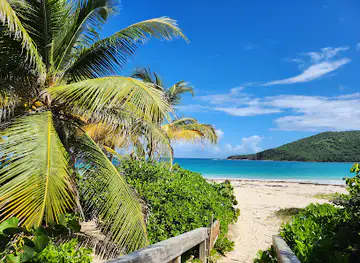
Reserva Natural de Culebra / Culebra Nature Reserve
Discover the pristine beauty of Culebra Nature Reserve, where stunning beaches, vibrant wildlife, and serene landscapes await every traveler.

Best restaurants in Culebra Island
Top-rated picks
Best Restaurants
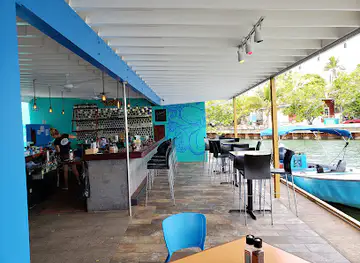
Dinghy Dock Restaurant
Experience authentic Puerto Rican cuisine at Dinghy Dock Restaurant in Culebra - where every meal is accompanied by breathtaking ocean views.

Zaco's Tacos Restaurant
Discover authentic Mexican flavors at Zaco's Tacos Restaurant in Culebra - where every bite is a celebration of taste.

Heather's Pizza
Discover authentic Puerto Rican-style pizza at Heather's Pizza in Culebra – a culinary delight for every traveler.

Mamacitas Guest House
Experience authentic Caribbean hospitality at Mamacitas Guest House with delicious seafood dining and easy access to Culebra's stunning beaches.

Best bars in Culebra Island
Top-rated picks
Best Bars

Dinghy Dock Restaurant
Discover the flavors of Culebra at Dinghy Dock Restaurant, where Caribbean cuisine meets stunning waterfront views for an unforgettable dining experience.
Mamacitas Guest House
Experience the vibrant charm of Mamacitas Guest House in Culebra—where delicious seafood meets cozy accommodations for a unique island getaway.

Blac Flamingo Coffee
Discover the charm of Blac Flamingo Coffee, a must-visit coffee shop in Culebra, Puerto Rico, offering exceptional brews and a relaxing atmosphere.

La Cocina Del Navegante
Experience authentic Puerto Rican flavors at La Cocina Del Navegante, a top-rated restaurant in Culebra, where every dish tells a story.

Best nightclubs in Culebra Island
Top-rated picks
Best Nightclubs
Club Seabourne
Discover the enchanting beauty of Culebra, Puerto Rico at Club Seabourne, your perfect getaway for relaxation and adventure.

C Note Jazz Club
Experience the vibrant jazz scene at C Note Jazz Club in Luquillo, where live music meets stunning views and delightful drinks.

Club Brava
Discover the electrifying nightlife at Club Brava, Puerto Rico's premier nightclub offering top DJs, creative cocktails, and unforgettable dance experiences!

La Lobina
Experience the vibrant spirit of Culebra at La Lobina, where ocean views meet exquisite cocktails in a lively atmosphere.

Best shops in Culebra Island
Top-rated picks
Best Shops

Havensight Mall
Explore Havensight Mall in St. Thomas for a unique shopping experience blending local crafts and international brands with stunning coastal views.

Blac Flamingo Coffee
Experience the vibrant atmosphere and exquisite coffee at Blac Flamingo Coffee, a must-visit gem in Culebra, Puerto Rico.

Pan Café
Discover the flavorful delights of Pan Café, Culebra's beloved bakery offering a taste of local culture and exquisite baked goods.

Colmado y Carnicería Milka
Explore the authentic flavors of Culebra at Colmado y Carnicería Milka, your go-to grocery store and butcher shop for local delicacies.

Explore Culebra Island on the Map
A handpicked selection of must-see spots in Culebra Island, mapped for you.
Culebra Island Essentials
-
Culebra Island can be accessed by air and sea. The easiest way to get there is by taking a flight from San Juan's Luis Muñoz Marín International Airport (SJU) to Culebra's Benjamin Rivera Noriega Airport (CPX). The flight takes approximately 30 minutes. Alternatively, you can take a ferry from Ceiba, located on the eastern coast of Puerto Rico. The ferry ride takes about 1.5 hours and offers scenic views of the Caribbean Sea.
-
Once on Culebra Island, transportation options include renting a car, golf cart, or scooter. These can be rented from local agencies near the airport and ferry terminal. Taxis are also available but can be less convenient due to limited availability. Bicycles are another popular way to explore the island, especially for shorter distances.
-
The official currency of Puerto Rico is the U.S. Dollar (USD). Credit cards are widely accepted on Culebra Island, but it is advisable to carry some cash, especially for smaller establishments and remote areas. ATMs are available but can sometimes run out of cash during peak tourist seasons, so plan accordingly.
-
Culebra Island is generally a safe destination for tourists. However, it is always wise to take standard precautions such as avoiding isolated areas at night and keeping an eye on personal belongings. The island has a low crime rate, but petty theft can occur, especially in crowded beach areas. Flamenco Beach is popular but always stay alert and use common sense.
-
In case of an emergency, dial 911 for immediate assistance. The island has a small medical clinic near the town of Dewey, which can handle minor medical issues. For more serious conditions, you may need to be transported to the mainland. Make sure to have travel insurance that covers medical emergencies. Pharmacies are available for over-the-counter medications.
-
Fashion: Do wear light, breathable clothing suitable for a tropical climate. Don’t wear revealing swimwear outside of beach areas. Religion: Do be respectful when visiting religious sites. Public Transport: Do be patient as public transportation options are limited. Don't expect strict schedules. Greetings: Do greet people with a friendly 'hola' or 'buenos días.' Eating & Drinking: Do try local cuisine and seafood. Don’t litter on the beaches or natural reserves.
-
To experience Culebra Island like a local, visit the local markets and shops in Dewey. Engage with locals who are often friendly and willing to share tips. Don’t miss out on snorkeling at Carlos Rosario Beach or the underwater wildlife at Tamarindo Beach. For a unique experience, take a kayak tour through the island’s mangroves. Additionally, try to visit during the off-peak seasons for a more tranquil experience.
When is the best time to visit Culebra Island?
Useful Local Phrases for Culebra Island
You don't need to speak the language perfectly. Even learning a few simple words can make conversations warmer—and locals usually appreciate the effort.
— Eve

Here are the phrases I use most often in Culebra Island. Try a few—you'll be surprised how far they go! 😊
❤️
-
- HelloHola
[oh-lah] - GoodbyeAdiós
[ah-dee-ohs] - YesSí
[see] - NoNo
[noh] - Please/You're welcomePor favor/De nada
[por fah-vor/deh nah-dah] - Thank youGracias
[grah-syahs] - Excuse me/SorryPerdón
[pehr-dohn] - How are you?¿Cómo estás?
[koh-moh eh-stahs] - Fine. And you?Bien. ¿Y tú?
[byen. ee too] - Do you speak English?¿Hablas inglés?
[ah-blahs een-glehs] - I don't understandNo entiendo
[noh en-tyen-doh]
- HelloHola
-
- I'd like to see the menu, pleaseMe gustaría ver el menú, por favor
[meh goos-tah-ree-ah vehr el meh-noo, por fah-vor] - I don't eat meatNo como carne
[noh koh-mo kar-neh] - Cheers!¡Salud!
[sah-lood] - I would like to pay, pleaseMe gustaría pagar, por favor
[meh goos-tah-ree-ah pah-gar, por fah-vor]
- I'd like to see the menu, pleaseMe gustaría ver el menú, por favor
-
- Help!¡Ayuda!
[ah-yoo-dah] - Go away!¡Vete!
[veh-teh] - Call the Police!¡Llame a la policía!
[yah-meh ah lah poh-lee-see-ah] - Call a doctor!¡Llame a un doctor!
[yah-meh ah oon dok-tor] - I'm lostEstoy perdido
[es-toy pehr-dee-doh] - I'm illEstoy enfermo/a
[es-toy en-fehr-mo/a]
- Help!¡Ayuda!
-
- I'd like to buy...Me gustaría comprar...
[meh goos-tah-ree-ah kom-prar] - I'm just lookingSolo estoy mirando
[soh-lo es-toy mee-ran-doh] - How much is it?¿Cuánto cuesta?
[kwahn-toh kwes-tah] - That's too expensiveEso es muy caro
[eh-so es mooy kah-roh] - Can you lower the price?¿Puedes bajar el precio?
[pweh-des bah-har el preh-syo]
- I'd like to buy...Me gustaría comprar...
-
- What time is it?¿Qué hora es?
[keh oh-rah es] - It's one o'clockEs la una
[es lah oo-nah] - Half past (10)Y media (10)
[ee meh-dee-ah (10)] - MorningMañana
[mah-nyah-nah] - AfternoonTarde
[tar-deh] - EveningNoche
[noh-cheh] - YesterdayAyer
[ah-yehr] - TodayHoy
[oy] - TomorrowMañana
[mah-nyah-nah] - 1Uno
[oo-noh] - 2Dos
[dohs] - 3Tres
[tres] - 4Cuatro
[kwah-troh] - 5Cinco
[seen-koh] - 6Seis
[seys] - 7Siete
[syet-eh] - 8Ocho
[oh-choh] - 9Nueve
[nweh-veh] - 10Diez
[dyehs]
- What time is it?¿Qué hora es?
-
- Where's a/the...?¿Dónde está...?
[dohn-deh es-tah] - What's the address?¿Cuál es la dirección?
[kwahl es lah dee-rek-syohn] - Can you show me (on the map)?¿Me puedes mostrar (en el mapa)?
[meh pweh-des mos-trar (en el mah-pah)] - When's the next (bus)?¿Cuándo es el próximo (autobús)?
[kwahn-doh es el prohk-see-mo (ow-toh-boos)] - A ticket (to ....)Un boleto (a ....)
[oon bo-leh-toh (ah ....)]
- Where's a/the...?¿Dónde está...?
History of Culebra Island
-
Culebra Island, originally known as Isla Pasaje, was inhabited by the Taíno people long before Christopher Columbus arrived in the New World. The Taínos were an Arawak-speaking people who lived off the island's rich marine life and the fertile land. Archaeological evidence suggests that these indigenous people were skilled in fishing, hunting, and agriculture, leaving behind a legacy of petroglyphs and artifacts.
-
In 1493, Christopher Columbus is believed to have sighted Culebra during his second voyage to the Americas. Although he did not land on the island, his discovery marked the beginning of European interest in the region. Over the following centuries, Culebra was largely ignored by Spanish settlers who focused on larger islands like Puerto Rico and Hispaniola.
-
During the 17th and 18th centuries, Culebra Island became a refuge for pirates and privateers who roamed the Caribbean Sea. The island's hidden coves and bays provided perfect hideouts for these seafaring outlaws. Legends tell of infamous pirates such as Sir Francis Drake and Captain Kidd using Culebra as a base for their operations.
-
In 1880, Spanish settlers officially began to colonize Culebra. The island was initially used as a cattle ranching outpost, but soon small communities began to form. The settlement was named San Ildefonso in honor of the Spanish King Alfonso XII. One of the earliest structures built was the Culebrita Lighthouse in 1886, which remains standing today as a historical landmark.
-
In 1901, the United States Navy established a presence on Culebra Island following the Spanish-American War. The island was used primarily for gunnery and bombing practice. This military occupation lasted until 1975 and left a significant impact on the island's development, including the displacement of residents and environmental challenges.
-
With the departure of the U.S. Navy, Culebra began to shift its focus towards conservation and tourism. In 1976, the Culebra National Wildlife Refuge was established, protecting the island's diverse ecosystems and endangered species, such as the leatherback turtle. Efforts to preserve the natural beauty of the island continue to this day, making Culebra a haven for ecotourism.
-
Culebra boasts a unique blend of Spanish, Taíno, and African cultural influences. Traditional music, dance, and cuisine reflect this rich heritage. Festivals such as the Patron Saint Festival in honor of San Ildefonso and the annual Fish Fry celebrate the island's cultural diversity and community spirit.
Neighbouring Regions of Culebra Island
The closest regions to Culebra Island, if you have time for more than one.




Your all‑in‑one travel companion app
Explore expert travel guides, compare and book tours, experiences, hotels, and more—all from the palm of your hand. Download now for seamless trip planning wherever your wanderlust takes you.


Explore More of Puerto Rico

Looking beyond Culebra Island? Discover Puerto Rico for broader travel guides, local hot-spots, and regional highlights.
Explore Puerto RicoCulebra Island in Photos
Browse through our photo collection highlighting the charm and character of the destination.


Culebra Island: Puerto Rico's Hidden Gem
Culebra Island, located off the east coast of Puerto Rico, is a stunning paradise known for its pristine beaches and vibrant marine life. This small island, roughly 7 miles long and 3 miles wide, offers an escape from the hustle and bustle of city life. It is the perfect destination for those looking to relax in a serene and natural setting. One of the main attractions of Culebra Island is Flamenco Beach, often ranked among the best beaches in the world. With its soft white sand and crystal-clear turquoise waters, it is an ideal spot for swimming, snorkeling, and sunbathing. The beach is also famous for its colorful, rusting military tanks, remnants of the island's past as a U.S. Navy training ground. For those interested in wildlife, Culebra National Wildlife Refuge is a must-visit. The refuge covers over 1,500 acres of the island and several surrounding cays, providing a sanctuary for endangered sea turtles, seabirds, and other wildlife. Visitors can hike along the trails, enjoy birdwatching, or take a kayak tour through the mangroves. Snorkeling and diving enthusiasts will find Culebra's underwater world fascinating. The island is surrounded by coral reefs teeming with tropical fish, sea turtles, and other marine creatures. Popular snorkeling spots include Carlos Rosario Beach and Tamarindo Beach, both offering easy access to the vibrant reef ecosystems. Culebra's laid-back atmosphere extends to its charming town of Dewey, where visitors can explore local shops, dine at quaint restaurants, and experience the island's rich culture and history. Whether you're looking for adventure or relaxation, Culebra Island offers a unique and unforgettable experience.