

Sierra de Luquillo, Puerto Rico Travel Guide
Explore the lush Sierra de Luquillo in Puerto Rico, home to El Yunque National Forest, rare wildlife, scenic trails, and stunning waterfalls for an unforgettable nature experience.
Nestled in the northeastern part of Puerto Rico, Sierra de Luquillo is a lush, verdant mountain range that promises an enchanting experience for nature lovers. This pristine wilderness is home to the El Yunque National Forest, the only tropical rainforest in the United States National Forest System. Its rich biodiversity, cascading waterfalls, and scenic trails make it a haven for adventure seekers and tranquility chasers alike. The Sierra de Luquillo is renowned for its vibrant flora and fauna. Here, you can encounter the Puerto Rican parrot, one of the rarest birds in the world, along with countless species of trees, orchids, and other plant life. The forest is crisscrossed by hiking trails that vary in difficulty, from easy walks to challenging hikes that lead to breathtaking vantage points. Waterfalls are another highlight of Sierra de Luquillo. La Mina Falls, one of the most popular, offers a refreshing swim in its natural pool. Another must-visit is La Coca Falls, located near the park’s entrance, which is perfect for photography enthusiasts. Whether you're hiking, bird watching, or simply soaking in the lush surroundings, Sierra de Luquillo provides an unforgettable encounter with nature's splendor.

Know before you go
Hi, I'm Eve. Here are a few practical things to know before exploring Sierra de Luquillo.
- Start early to avoid crowds and enjoy cooler temperatures.
- Wear sturdy hiking boots and bring rain gear, as the weather can change quickly.
- Stay on marked trails to protect the fragile ecosystem and for your safety.
- Bring insect repellent to ward off mosquitoes, especially during the wetter months.
- Pack plenty of water and snacks, as amenities are limited within the park.
Top City Travel Guides in Sierra de Luquillo
The cities of Sierra de Luquillo, and the easiest places to base yourself.

Destinations in Sierra de Luquillo
Resorts, valleys and scenic spots worth a trip of their own.

Explore Sierra de Luquillo: Things to Do, Places to Eat, Hotels & More
Handpicked recommendations for top attractions, local dining, accommodations, and more

Top Attractions & Sightseeing in Sierra de Luquillo
Top-rated picks
Best Attractions

Snorkeling Puerto Rico | Boat Tours
Discover the underwater paradise of Fajardo, Puerto Rico, with unforgettable snorkeling tours and vibrant marine life adventures.

Charco El Hippie
Experience the serene beauty of Charco El Hippie, a nature preserve in Naguabo, Puerto Rico, offering breathtaking landscapes and tranquil waters.

Hobie Beach
Discover Hobie Beach in Carolina, Puerto Rico – a stunning coastal escape perfect for relaxation, adventure, and unforgettable sunsets.

Reserva Natural Cabezas de San Juan - Para la Naturaleza
Explore the rich biodiversity and historical landmarks of Reserva Natural Cabezas de San Juan, a stunning nature preserve in Fajardo, Puerto Rico.

Best landmarks in Sierra de Luquillo
Top-rated picks
Best Landmarks

Torre Yokahú
Explore the breathtaking views from Torre Yokahú in El Yunque National Forest, a must-visit observation deck in Puerto Rico's lush tropical paradise.

Vereda Angelito
Experience the tranquil beauty of Vereda Angelito, a hidden gem in Luquillo, Puerto Rico, perfect for nature lovers and seekers of serenity.

Torre Britton
Explore Torre Britton, a stunning historical landmark in Río Grande, Puerto Rico, where culture and nature converge for an unforgettable experience.

Teodoro Moscoso Bridge
Experience breathtaking views and architectural elegance at the Teodoro Moscoso Bridge in San Juan, Puerto Rico, a must-visit landmark for every traveler.

Best restaurants in Sierra de Luquillo
Top-rated picks
Best Restaurants

La Parrilla
Discover La Parrilla: A premier seafood and steakhouse in Luquillo offering fresh flavors and unforgettable dining experiences.

Lolita's Mexican Food
Experience authentic Mexican cuisine at Lolita's Mexican Food in Luquillo - where vibrant flavors meet Caribbean charm.

Wepa Arepa
Experience authentic Puerto Rican flavors with delicious arepas at Wepa Arepa in Luquillo's vibrant kiosks.

Terruño
Experience the best of Puerto Rican gourmet cuisine at Terruño in Luquillo – where flavor meets tradition.

Best bars in Sierra de Luquillo
Top-rated picks
Best Bars

Boardrider's Surf Bar and Grill
Experience the vibrant surf culture at Boardrider's Surf Bar and Grill in Luquillo, Puerto Rico, offering delicious food and stunning ocean views.

Edelweiss Bar & Grill
Experience authentic Puerto Rican flavors at Edelweiss Bar & Grill, a vibrant dining spot in Luquillo, perfect for tourists seeking local cuisine.

A Fuego Bar & Restaurant
Experience the rich flavors of Puerto Rican cuisine at A Fuego Bar & Restaurant in Luquillo, a vibrant spot for locals and tourists alike.
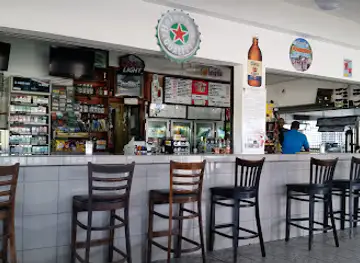
El Flamboyán
Discover the vibrant atmosphere of El Flamboyán in Luquillo, where refreshing drinks and local culture await you in a charming tropical setting.

Best nightclubs in Sierra de Luquillo
Top-rated picks
Best Nightclubs

El Flamboyán
Discover the vibrant atmosphere of El Flamboyán, where authentic Puerto Rican flavors meet a lively bar experience in Luquillo.

MojitoLab
Discover the ultimate mojito haven at MojitoLab, where tropical breezes and refreshing cocktails create an unforgettable experience in Luquillo, Puerto Rico.

C Note Jazz Club
Experience the magic of live jazz music at C Note Jazz Club, Luquillo's premier lounge destination for music and cocktails.

Bikini Sport Bar
Experience the vibrant tropical atmosphere at Bikini Sport Bar in Luquillo, Puerto Rico, where delicious food, refreshing drinks, and live entertainment await.

Best shops in Sierra de Luquillo
Top-rated picks
Best Shops

Plaza Las Américas
Explore Plaza Las Américas, San Juan's largest shopping mall, featuring an array of shops, dining, and entertainment options in a vibrant atmosphere.

Amigo
Discover the flavors of Puerto Rico at Amigo, Luquillo's premier supermarket and bakery, offering fresh produce and delicious local treats.

Kioskos de Luquillo
Explore the vibrant Kioskos de Luquillo, a culinary haven offering local flavors and fresh seafood along Puerto Rico's stunning coastline.

Antique Bakery
Experience the delightful flavors of Antique Bakery in Luquillo, where every pastry tells a story and breakfast is a celebration of taste.

Explore Sierra de Luquillo on the Map
A handpicked selection of must-see spots in Sierra de Luquillo, mapped for you.
Sierra de Luquillo Essentials
-
Sierra de Luquillo is located in the northeastern part of Puerto Rico, within the El Yunque National Forest. The nearest major airport is Luis Muñoz Marín International Airport (SJU) in San Juan, approximately 50 kilometers away. From the airport, you can rent a car, take a taxi, or use a shuttle service to reach the Sierra de Luquillo area. The drive typically takes about an hour via PR-3 and PR-191.
-
While renting a car is the most convenient way to explore Sierra de Luquillo, there are other options available. Local taxis and ride-sharing services like Uber operate in the area. Public transportation is limited, but you can find some local buses that connect to nearby towns. For those interested in hiking, many trails are accessible from the main visitor centers, and some guided tours offer transportation to and from these trails.
-
Puerto Rico uses the United States Dollar (USD) as its currency. Credit and debit cards are widely accepted in hotels, restaurants, and larger stores, but it's advisable to carry some cash for smaller establishments and rural areas. ATMs are available in most towns, including near the entrance to El Yunque National Forest.
-
Sierra de Luquillo is generally a safe destination for tourists. However, it's important to take standard precautions. Avoid leaving valuables in your car, especially in parking areas near trailheads. While the forest itself is quite safe, exercise caution in the nearby towns of Fajardo and Luquillo, particularly at night. Stick to well-lit areas and avoid secluded spots if you are unfamiliar with the surroundings.
-
In case of emergency, dial 911 for immediate assistance. The El Yunque National Forest has ranger stations where you can seek help. For medical emergencies, the nearest hospitals are in Fajardo and Río Grande. It is also recommended to carry a first aid kit while hiking. Make sure you have travel insurance that covers medical emergencies and outdoor activities.
-
Fashion: Do wear comfortable and breathable clothing suitable for hiking and outdoor activities. Don’t wear flip-flops or open-toed shoes on trails. Religion: While there are no specific religious customs to be aware of in the forest, respect local traditions and practices in nearby communities. Public Transport: Do be patient with limited public transport options and plan accordingly. Don’t rely solely on public transport for getting around. Greetings: Do greet locals with a friendly 'hola' or 'buenos días.' Don’t ignore people, as Puerto Ricans are generally very friendly and outgoing. Eating & Drinking: Do try local delicacies like mofongo and fresh seafood. Don’t forget to stay hydrated, especially when hiking.
-
To experience Sierra de Luquillo like a local, consider visiting during weekdays to avoid the weekend crowds. Engage with local guides who can offer insights into the flora, fauna, and history of the area. Don’t miss the chance to swim in the natural pools and waterfalls, such as La Mina Falls. For a unique experience, try the local street food in the town of Luquillo, particularly at the famous 'Kioskos de Luquillo.'
When is the best time to visit Sierra de Luquillo?
Useful Local Phrases for Sierra de Luquillo
You don't need to speak the language perfectly. Even learning a few simple words can make conversations warmer—and locals usually appreciate the effort.
— Eve

Here are the phrases I use most often in Sierra de Luquillo. Try a few—you'll be surprised how far they go! 😊
❤️
-
- HelloHola
[OH-lah] - GoodbyeAdiós
[ah-DYOS] - YesSí
[SEE] - NoNo
[NO] - Please/You're welcomePor favor
[por fah-VOR] - Thank youGracias
[GRAH-syahs] - Excuse me/SorryPerdón
[pehr-DON] - How are you?¿Cómo estás?
[KOH-moh es-TAS] - Fine. And you?Bien. ¿Y tú?
[BYEN. ee TOO] - Do you speak English?¿Hablas inglés?
[AH-blahs een-GLES] - I don't understandNo entiendo
[NO en-TYEN-doh]
- HelloHola
-
- I'd like to see the menu, pleaseMe gustaría ver el menú, por favor
[meh goos-tah-REE-ah vehr el meh-NOO, por fah-VOR] - I don't eat meatNo como carne
[NO KOH-mo KAR-neh] - Cheers!¡Salud!
[sah-LOOD] - I would like to pay, pleaseMe gustaría pagar, por favor
[meh goos-tah-REE-ah pah-GAR, por fah-VOR]
- I'd like to see the menu, pleaseMe gustaría ver el menú, por favor
-
- Help!¡Ayuda!
[ah-YOO-dah] - Go away!¡Vete!
[VEH-teh] - Call the Police!¡Llama a la policía!
[YAH-mah ah lah poh-lee-SEE-ah] - Call a doctor!¡Llama a un doctor!
[YAH-mah ah oon dok-TOR] - I'm lostEstoy perdido
[es-TOY per-DI-doh] - I'm illEstoy enfermo
[es-TOY en-FER-mo]
- Help!¡Ayuda!
-
- I'd like to buy...Me gustaría comprar...
[meh goos-tah-REE-ah kom-PRAR] - I'm just lookingSolo estoy mirando
[SO-lo es-TOY mee-RAN-doh] - How much is it?¿Cuánto cuesta?
[KWAN-toh KWES-tah] - That's too expensiveEso es muy caro
[EH-so es MOO-ee KAH-roh] - Can you lower the price?¿Puedes bajar el precio?
[PWEH-des bah-HAR el PREH-syo]
- I'd like to buy...Me gustaría comprar...
-
- What time is it?¿Qué hora es?
[KEH OH-rah es] - It's one o'clockEs la una
[es lah OO-nah] - Half past (10)Y media (10)
[ee MEH-dee-ah (diez)] - MorningMañana
[mah-NYAH-nah] - AfternoonTarde
[TAR-deh] - EveningNoche
[NO-cheh] - YesterdayAyer
[ah-YER] - TodayHoy
[OY] - TomorrowMañana
[mah-NYAH-nah] - 1Uno
[OO-no] - 2Dos
[DOS] - 3Tres
[TRES] - 4Cuatro
[KWA-tro] - 5Cinco
[SEEN-koh] - 6Seis
[SAYS] - 7Siete
[SYEH-teh] - 8Ocho
[OH-cho] - 9Nueve
[NWEH-veh] - 10Diez
[DIEZ]
- What time is it?¿Qué hora es?
-
- Where's a/the...?¿Dónde está un/una...?
[DON-deh es-TAH oon/OO-nah] - What's the address?¿Cuál es la dirección?
[KWAL es lah dee-rek-SYON] - Can you show me (on the map)?¿Puedes mostrarme (en el mapa)?
[PWEH-des mos-TRAR-meh (en el MAH-pah)] - When's the next (bus)?¿Cuándo es el próximo (autobús)?
[KWAN-doh es el PROK-see-mo (ow-toh-BOOS)] - A ticket (to ....)Un boleto (a ....)
[OON boh-LEH-toh (ah ....)]
- Where's a/the...?¿Dónde está un/una...?
History of Sierra de Luquillo
-
Long before the arrival of Europeans, the Sierra de Luquillo was home to the Taíno people, the indigenous inhabitants of Puerto Rico. The Taíno left behind petroglyphs and artifacts that provide a glimpse into their rich culture and spiritual life. They considered the mountains sacred and believed that the spirits of their ancestors resided there. The Taíno heritage is an integral part of the region's history, offering a deep connection to the island's pre-Columbian past.
-
In the early 16th century, Spanish explorers arrived on the shores of Puerto Rico, marking the beginning of a new era for the Sierra de Luquillo. The region's dense forests and challenging terrain made it less accessible, but it was eventually explored for its natural resources. Spanish colonization brought significant changes, including new agricultural practices and the introduction of European flora and fauna. The Sierra de Luquillo became a backdrop for the dramatic changes that swept across the island during this period.
-
In 1876, King Alfonso XII of Spain declared the Sierra de Luquillo a protected reserve, recognizing its unique ecological value. This early conservation effort laid the groundwork for what would eventually become El Yunque National Forest. Officially designated as a national forest in 1903, El Yunque is the only tropical rainforest in the United States National Forest System. It is renowned for its biodiversity, featuring hundreds of plant and animal species, some of which are found nowhere else on Earth.
-
During World War II, the strategic importance of Puerto Rico led to the construction of radar installations in the Sierra de Luquillo. The U.S. military established several radar sites to monitor the Caribbean and protect the Panama Canal from enemy threats. These installations played a crucial role in the defense strategy of the United States during the war. Although many of these radar sites are now abandoned, they remain part of the region's historical landscape.
-
Over the years, the Sierra de Luquillo has become a beloved destination for both locals and tourists. The region's cultural significance is celebrated through various festivals, traditions, and local crafts. Visitors are drawn to the area's natural beauty, hiking trails, and waterfalls, such as La Mina Falls. The Sierra de Luquillo is not only a place of ecological importance but also a cultural treasure that offers a deep connection to the island's heritage.
Neighbouring Regions of Sierra de Luquillo
The closest regions to Sierra de Luquillo, if you have time for more than one.


Your all‑in‑one travel companion app
Explore expert travel guides, compare and book tours, experiences, hotels, and more—all from the palm of your hand. Download now for seamless trip planning wherever your wanderlust takes you.


Explore More of Puerto Rico

Looking beyond Sierra de Luquillo? Discover Puerto Rico for broader travel guides, local hot-spots, and regional highlights.
Explore Puerto RicoSierra de Luquillo in Photos
Browse through our photo collection highlighting the charm and character of the destination.


Enchanting Wilderness: Sierra de Luquillo
Nestled in the northeastern part of Puerto Rico, Sierra de Luquillo is a lush, verdant mountain range that promises an enchanting experience for nature lovers. This pristine wilderness is home to the El Yunque National Forest, the only tropical rainforest in the United States National Forest System. Its rich biodiversity, cascading waterfalls, and scenic trails make it a haven for adventure seekers and tranquility chasers alike. The Sierra de Luquillo is renowned for its vibrant flora and fauna. Here, you can encounter the Puerto Rican parrot, one of the rarest birds in the world, along with countless species of trees, orchids, and other plant life. The forest is crisscrossed by hiking trails that vary in difficulty, from easy walks to challenging hikes that lead to breathtaking vantage points. Waterfalls are another highlight of Sierra de Luquillo. La Mina Falls, one of the most popular, offers a refreshing swim in its natural pool. Another must-visit is La Coca Falls, located near the park’s entrance, which is perfect for photography enthusiasts. Whether you're hiking, bird watching, or simply soaking in the lush surroundings, Sierra de Luquillo provides an unforgettable encounter with nature's splendor.