

Free Yunque National Forest Travel Guide & Mobile App
Explore Yunque National Forest with free travel guides. Discover regional history, expert tips, proposed trips, and audio guides on web or mobile app.


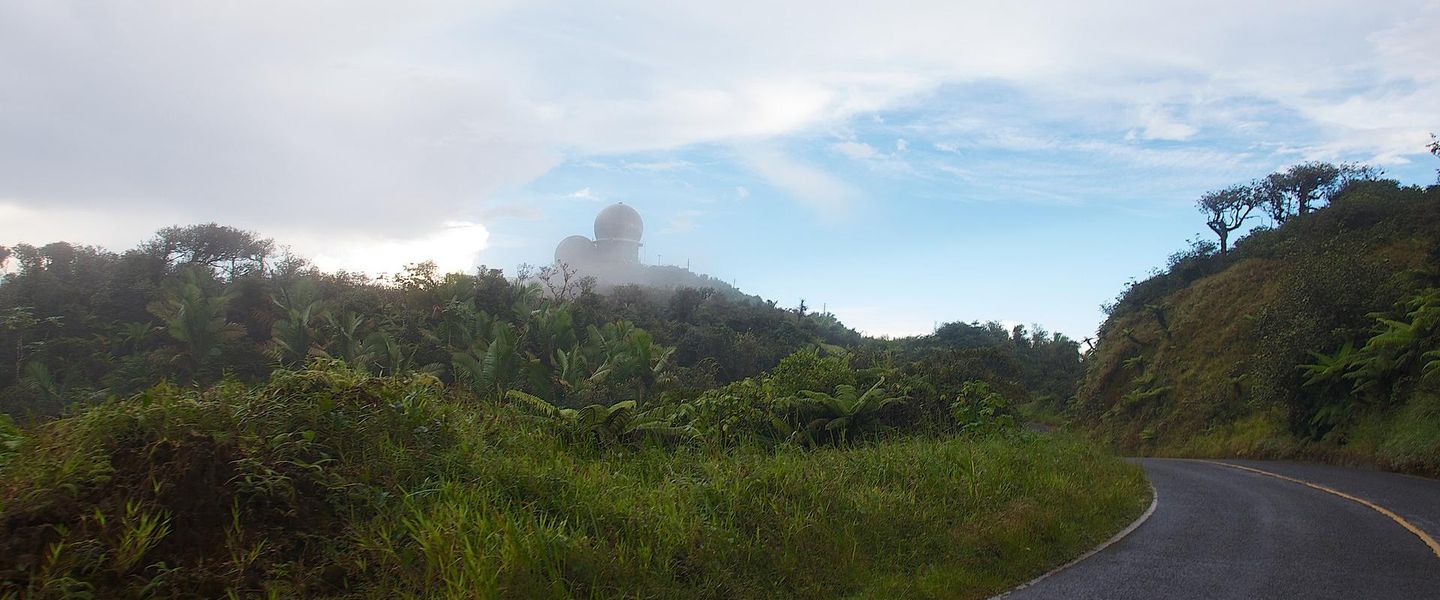


Explore Yunque National Forest in Puerto Rico for rainforest trails, waterfalls, cloud-covered peaks and wildlife near the island’s eastern coast.
Read more about Yunque National Forest
When is the best time to visit Yunque National Forest?
Best: February–April · 26–27°C| Month | High (°C) | Rainfall (mm) |
|---|---|---|
| January | 26 | 200 |
| February (best) | 26 | 160 |
| March (best) | 26 | 140 |
| April (best) | 27 | 160 |
| May | 27 | 200 |
| June | 28 | 220 |
| July | 28 | 220 |
| August | 28 | 220 |
| September | 28 | 240 |
| October | 27 | 240 |
| November | 27 | 220 |
| December | 26 | 200 |
Getting to and around Yunque National Forest
How to get there
Transportation
Top city travel guides in Yunque National Forest
The cities of Yunque National Forest, and the easiest places to base yourself.

Swipe for more cities
Destinations in Yunque National Forest
Resorts, valleys and scenic spots worth a trip of their own.

Swipe for more destinations
Best attractions in Yunque National Forest
Yunque National Forest’s attractions are built around rainforest ecology, mountain scenery and outdoor exploration rather than a dense collection of monuments. Interpretive facilities at El Portal introduce the forest’s habitats and conservation work, while forest roads lead towards viewpoints, towers and trailheads at different elevations. Walks range from short routes to more demanding climbs through palm-filled forest, cloud-forest vegetation and steep mountain terrain. Yokahu Tower and Mount Britton are valued for elevated views when the weather is clear, while streams and waterfalls create natural focal points along several routes. The area is also important for birdwatching, although wildlife sightings are never guaranteed and the Puerto Rican parrot is especially elusive. Geological features, historic engineering works and watershed landscapes add depth for visitors interested in how the forest has been managed. Conditions and access at individual sites can change after hurricanes, landslides or heavy rainfall, so the current United States Forest Service position should guide the day’s itinerary. Nearby Río Grande, Luquillo and Fajardo are outside the forest and provide coastal accommodation, beaches and additional services rather than forming part of the protected mountain landscape.
-
Tourist attraction
Snorkeling Puerto Rico | Boat Tours
Experience the vibrant underwater world of Fajardo with top snorkeling tours, where adventure meets breathtaking marine beauty in Puerto Rico.
-
Beach
Hobie Beach
Discover Hobie Beach in Carolina, Puerto Rico, where sun-kissed shores and vibrant waters create an unforgettable tropical escape.
-
Nature preserve
Reserva Natural Cabezas de San Juan - Para la Naturaleza
Explore the breathtaking landscapes and rich biodiversity of Reserva Natural Cabezas de San Juan, a must-visit nature preserve in Fajardo, Puerto Rico.
-
Tour operator
Puerto Rico Bio Bay Tours LLC.
Explore the mesmerizing bioluminescence of Fajardo's Bio Bay with Puerto Rico Bio Bay Tours, a unique natural wonder illuminating your adventure.
Best landmarks in Yunque National Forest
The most recognisable landmarks of Yunque National Forest are its peaks, towers, roads and waterfalls, all shaped by the rainforest’s steep terrain. El Yunque Peak is the highest and most emblematic summit within the forest, while Los Picachos forms another distinctive high point along the mountain skyline. Yokahu Tower is a well-known observation structure, offering broad views over the forest and eastern Puerto Rico when cloud and weather permit. Mount Britton’s historic tower and mountain route combine elevated scenery with evidence of the infrastructure developed for forest access and management. Waterfalls such as La Coca Falls have become familiar visual symbols of the area, though the condition and accessibility of any waterfall should be checked after storms. The forest’s streams, ridges and cloud-covered slopes are landmarks in their own right: they define the watershed and create a landscape markedly different from the low coastal plain. These places are protected components of a national forest, not isolated attractions, so visitors should follow barriers, trail rules and conservation guidance.
-
Historical place
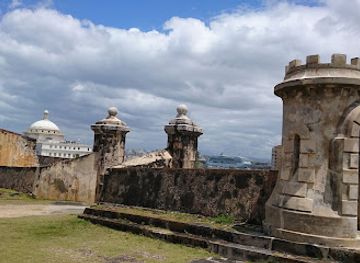
San Juan National Historic Site
Explore the enchanting San Juan National Historic Site, where history comes alive amidst stunning architecture and breathtaking ocean views.
-
Castle
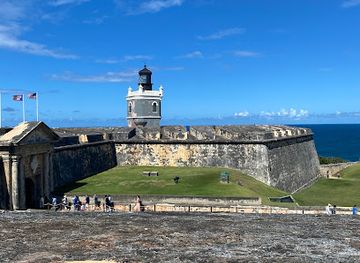
Castillo San Felipe del Morro
Discover the majestic Castillo San Felipe del Morro, a historic fortress offering breathtaking views and a glimpse into Puerto Rico's rich heritage.
-
 National forest
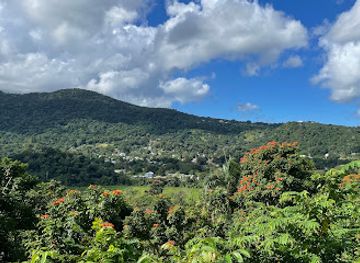
El Yunque National Forest
Explore El Yunque National Forest: A Tropical Paradise of Biodiversity, Waterfalls, and Scenic Trails in Puerto Rico's Natural Wonderland.
-
Theme park
Carabalí Rainforest Park
Experience the thrill of adventure and the beauty of nature at Carabalí Rainforest Park, Puerto Rico's premier destination for outdoor excitement.
Explore Yunque National Forest on the map
Plan your trip on one map. See where the top cities, national parks and sights are, and book hotels and experiences in a few clicks.
Best hotels in Yunque National Forest
Best restaurants in Yunque National Forest
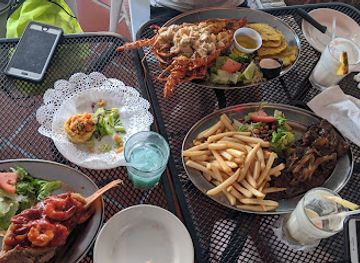
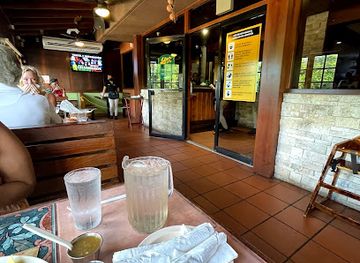
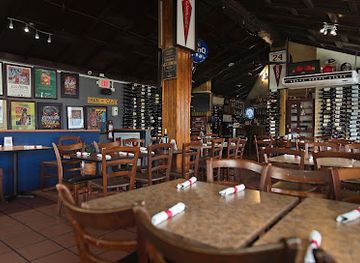
There is no substantial restaurant district inside Yunque National Forest, so most visitors eat before or after their walk in nearby Río Grande, Luquillo, Fajardo or other eastern Puerto Rican communities outside the forest. The surrounding area offers familiar Puerto Rican specialities such as rice and beans, plantains, stewed meats, roast pork, fritters and seafood, with menus varying between informal kiosks, cafés, bakeries, restaurants and traditional roadside establishments. Luquillo is particularly associated with its food kiosks along the coast, while the wider eastern region combines local cooking with contemporary Caribbean and international dining. Fresh fruit drinks, coffee and sweet pastries are useful provisions for an early start, but visitors should not assume that food or reliable water is available at every trailhead. Farmers’ markets and small shops in the surrounding towns can provide fruit and snacks, although opening arrangements vary. Carry food responsibly, keep it sealed from wildlife and take all rubbish out of the forest.
-
Seafood
La Parrilla
Experience La Parrilla: Where Seafood Meets Steak in Beautiful Luquillo – A Culinary Delight Awaiting Every Food Lover.
-
Mexican
Lolita's Mexican Food
Experience the vibrant taste of Mexico at Lolita's Mexican Food in Luquillo - where every bite tells a story.
-
Restaurant
El Verde BBQ
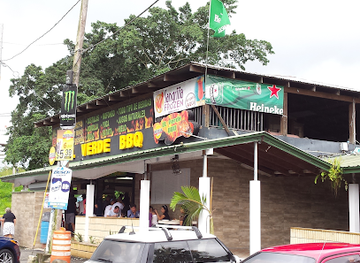
Experience authentic Puerto Rican barbecue at El Verde BBQ in Río Grande - where flavor meets hospitality.
-
Restaurant
Don Pepe
Discover the vibrant flavors of Puerto Rican cuisine at Don Pepe in Río Grande - where tradition meets taste!
Best bars in Yunque National Forest
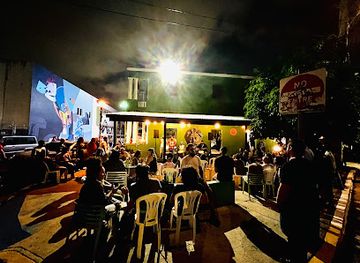
Evening life belongs principally to the communities around the forest rather than to Yunque National Forest itself. After dark, the protected mountain roads and trails are not a nightlife setting, and visitors should not plan informal night walks without appropriate authorised arrangements and equipment. Río Grande, Luquillo and Fajardo, all outside the forest, offer the most practical choice of restaurants, casual bars, beachfront drinks and occasional live music, with a generally relaxed coastal rhythm rather than a concentrated club scene. Traditional bars and informal eateries are places to sample conversation, music and local food, but alcohol is not necessary to engage with the area’s culture. Some larger resorts provide their own evening entertainment, while activity in smaller coastal communities can be seasonal and quieter during the week. Confirm transport back to accommodation in advance, especially after drinking, because mountain roads have limited lighting and public transport options within the forest are very restricted.
-
Bar
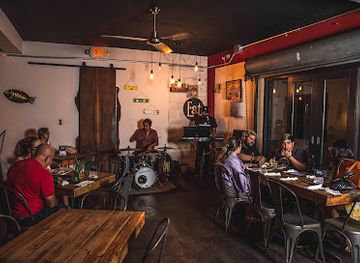
La Factoría
Experience the vibrant cocktail culture of San Juan at La Factoría, a unique bar blending creativity and local flavors in an unforgettable setting.
-
Bar
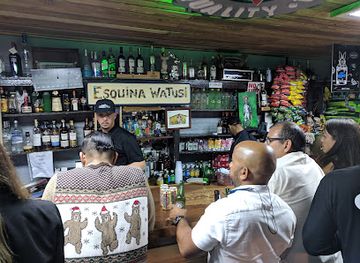
Esquina El Watusi
Discover the vibrant nightlife of San Juan at Esquina El Watusi, a beloved local bar offering a taste of authentic Puerto Rican culture and tropical cocktails.
-
Restaurant
Ekelekua - Brunch, Bar & Tapas
Discover the vibrant flavors of brunch and tapas at Ekelekua in Río Grande, Puerto Rico - a must-visit culinary destination for tourists.
-
Brewery
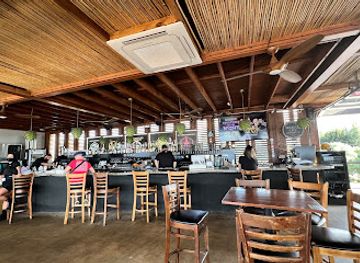
Ocean Lab Brewing Co.
Discover Ocean Lab Brewing Co.: A Craft Brewery Offering Unique Brews, Tasty Eats, and Live Music in Carolina, Puerto Rico.

Best nightclubs in Yunque National Forest
Evening life belongs principally to the communities around the forest rather than to Yunque National Forest itself. After dark, the protected mountain roads and trails are not a nightlife setting, and visitors should not plan informal night walks without appropriate authorised arrangements and equipment. Río Grande, Luquillo and Fajardo, all outside the forest, offer the most practical choice of restaurants, casual bars, beachfront drinks and occasional live music, with a generally relaxed coastal rhythm rather than a concentrated club scene. Traditional bars and informal eateries are places to sample conversation, music and local food, but alcohol is not necessary to engage with the area’s culture. Some larger resorts provide their own evening entertainment, while activity in smaller coastal communities can be seasonal and quieter during the week. Confirm transport back to accommodation in advance, especially after drinking, because mountain roads have limited lighting and public transport options within the forest are very restricted.
-
Club
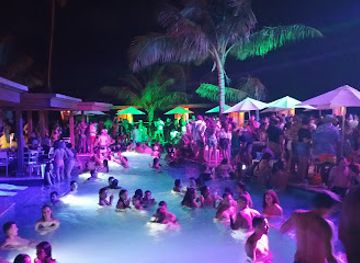
Vivo Beach Club
Experience the vibrant atmosphere of Vivo Beach Club, where delicious cuisine meets stunning ocean views and unforgettable entertainment.
-
Bar
El Boricua
Experience the vibrant nightlife of San Juan at El Boricua, a must-visit bar serving authentic drinks and live music in a warm and inviting atmosphere.
-
Night club
La Respuesta
Experience the electrifying nightlife of Santurce at La Respuesta, where live music and affordable drinks create unforgettable memories.
-
Night club
Club Brava
Discover the vibrant nightlife of Puerto Rico at Club Brava, the ultimate destination for dance, live music, and exquisite cocktails.


Best shops in Yunque National Forest
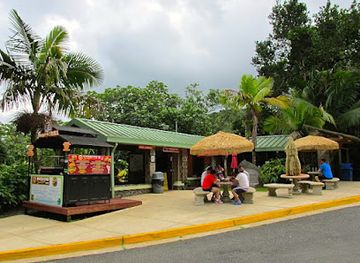
Shopping inside Yunque National Forest is limited to visitor-oriented materials and occasional practical provisions rather than a conventional retail scene. The more useful shopping opportunities are in nearby Río Grande, Luquillo and Fajardo, outside the forest, where small shops, supermarkets, bakeries and local food businesses can supply snacks, water and picnic items. Coastal communities also offer Puerto Rican crafts, artwork, coffee, sweets, sauces and other regional food products, although selection varies by neighbourhood and season. Luquillo’s food-focused coastal area is more about eating than formal shopping, while larger towns provide a broader range of everyday services. Forest visitors should buy essential supplies before ascending into the mountains, as there are few opportunities to shop once on the access roads. Choose locally made goods where their provenance is clear, avoid purchasing products made from protected plants or wildlife, and remember that shells, rocks and forest vegetation should remain where they are.
-
Shopping mall
Plaza Las Américas
Experience the ultimate shopping and dining adventure at Plaza Las Américas, the largest mall in the Caribbean, located in San Juan, Puerto Rico.
-
National forest
El Yunque National Forest
Explore El Yunque National Forest: A tropical paradise filled with lush flora, stunning waterfalls, and vibrant wildlife in Puerto Rico.
-
Shopping mall
The Mall of San Juan
Discover luxury shopping, delightful dining, and vibrant culture at The Mall of San Juan, Puerto Rico's premier retail destination.
-
Visitor center
El Portal de El Yunque Visitor Center - El Yunque National Forest
Explore El Yunque National Forest at the El Portal Visitor Center, a gateway to Puerto Rico's lush ecosystems and breathtaking landscapes.



Get your free copy of our complete guide to Yunque National Forest, delivered straight to you.
Everything on this page, from attractions and restaurants to essentials and local phrases, in one PDF you can read offline, print or share.
Already have an account? Sign in
Your Yunque National Forest guide is ready.
We'll send it to · Not you? Sign out

Getting your guide ready…
We are putting together a fresh copy of the Yunque National Forest guide. This can take up to a minute.
This can take a few moments. If your browser asks, choose Allow so the download can start. You'll find the guide in your Downloads folder.
Nothing happened? Download it again
Sorry, the guide is taking longer than usual. Please try again in a minute, or get it by email instead.
Yunque National Forest essentials
Currency and Payment
Safety
Emergency Situations
Do's and Don'ts
Local Tips
From Eve
Local phrases worth knowing
You don't need to get them perfect. A few words go a long way, and locals appreciate the effort.
Basics
| English | Local | Say it |
|---|---|---|
| Hello | Hola | [OH-lah] |
| Goodbye | Adiós | [ah-DYOS] |
| Yes | Sí | [SEE] |
| No | No | [NO] |
| Please/You're welcome | Por favor/De nada | [por fah-VOR/deh NAH-dah] |
| Thank you | Gracias | [GRAH-syahs] |
| Excuse me/Sorry | Perdón | [pehr-DON] |
| How are you? | ¿Cómo estás? | [KOH-moh ehs-TAS] |
| Fine. And you? | Bien. ¿Y tú? | [byen. ee TOO] |
| Do you speak English? | ¿Hablas inglés? | [AH-blahs een-GLES] |
| I don't understand | No entiendo | [NO en-TYEN-doh] |
Eating & Drinking
| English | Local | Say it |
|---|---|---|
| I'd like to see the menu, please | Me gustaría ver el menú, por favor | [meh goos-TAH-ree-ah BEHR el meh-NOO, por fah-VOR] |
| I don't eat meat | No como carne | [NO KOH-moh KAR-neh] |
| Cheers! | ¡Salud! | [sah-LOOD] |
| I would like to pay, please | Me gustaría pagar, por favor | [meh goos-TAH-ree-ah pah-GAR, por fah-VOR] |
Emergencies
| English | Local | Say it |
|---|---|---|
| Help! | ¡Ayuda! | [ah-YOO-dah] |
| Go away! | ¡Vete! | [VEH-teh] |
| Call the Police! | ¡Llama a la policía! | [YAH-mah ah lah poh-lee-SEE-ah] |
| Call a doctor! | ¡Llama a un doctor! | [YAH-mah ah oon dok-TOR] |
| I'm lost | Estoy perdido | [es-TOY pehr-DI-doh] |
| I'm ill | Estoy enfermo | [es-TOY en-FER-mo] |
Shopping
| English | Local | Say it |
|---|---|---|
| I'd like to buy... | Me gustaría comprar... | [meh goos-TAH-ree-ah kohm-PRAR...] |
| I'm just looking | Solo estoy mirando | [SO-lo es-TOY mee-RAN-doh] |
| How much is it? | ¿Cuánto cuesta? | [KWAN-toh KWEH-stah] |
| That's too expensive | Eso es muy caro | [EH-so es MOO-ee KAH-roh] |
| Can you lower the price? | ¿Puedes bajar el precio? | [PWEH-des bah-HAR el PREH-syo] |
Time & Numbers
| English | Local | Say it |
|---|---|---|
| What time is it? | ¿Qué hora es? | [KEH OH-rah es] |
| It's one o'clock | Es la una | [es lah OO-nah] |
| Half past (10) | Y media (10) | [ee MEH-diah (10)] |
| Morning | Mañana | [mah-NYAH-nah] |
| Afternoon | Tarde | [TAR-deh] |
| Evening | Noche | [NO-cheh] |
| Yesterday | Ayer | [ah-YER] |
| Today | Hoy | [OY] |
| Tomorrow | Mañana | [mah-NYAH-nah] |
| 1 | Uno | [OO-no] |
| 2 | Dos | [DOS] |
| 3 | Tres | [TRES] |
| 4 | Cuatro | [KWAH-tro] |
| 5 | Cinco | [SEEN-koh] |
| 6 | Seis | [SAYS] |
| 7 | Siete | [SYEH-teh] |
| 8 | Ocho | [OH-choh] |
| 9 | Nueve | [NWEH-veh] |
| 10 | Diez | [DYEZ] |
Transport & Directions
| English | Local | Say it |
|---|---|---|
| Where's a/the...? | ¿Dónde está un/ la...? | [DON-deh es-TAH oon/lah...?] |
| What's the address? | ¿Cuál es la dirección? | [KWAL es lah dee-rek-SYON] |
| Can you show me (on the map)? | ¿Puedes mostrarme (en el mapa)? | [PWEH-des mos-TRAR-meh (en el MAH-pah)?] |
| When's the next (bus)? | ¿Cuándo es el próximo (autobús)? | [KWAN-doh es el PROK-see-mo (ow-toh-BOOS)?] |
| A ticket (to ....) | Un boleto (a ...) | [OON boh-LEH-toh (ah ...)] |
History of Yunque National Forest
Taíno Heritage and the Luquillo Mountains
Long before the area became a protected forest, the Luquillo Mountains formed part of the homeland and cultural landscape of Taíno communities in eastern Puerto Rico. The mountains, rivers and forests supplied water, food and useful materials, while the wider region was connected to Indigenous settlement and travel networks. Much archaeological interpretation concerns eastern Puerto Rico as a whole rather than every location within the modern forest boundary, but Taíno heritage remains essential to understanding the rainforest as a lived landscape rather than an untouched wilderness.
Spanish Colonial Forest Use
Following Spanish colonisation, the mountains were incorporated into the developing colonial economy and administrative system of Puerto Rico. Timber, charcoal, agricultural clearings and other forest resources were used at different times, while settlements expanded around the lower slopes and coastal plain. The difficult terrain limited intensive development in the highlands, helping preserve large areas of rainforest. Roads, place names and historic land-use patterns around the forest reflect the long interaction between mountain resources and the communities of eastern Puerto Rico.
Royal Forest Reserves in the Nineteenth Century
During the nineteenth century, Spanish authorities increasingly recognised the importance of protecting Puerto Rico’s mountainous forests, particularly as timber extraction and agriculture placed pressure on watersheds. The Luquillo forest became associated with royal and state forest reserve measures, an early form of formal conservation in the Caribbean. These policies were shaped partly by the need to protect water supplies and valuable timber, but they also established an administrative precedent for managing the mountains as a distinct public resource.
United States Forest Administration after 1898
After Puerto Rico came under United States administration in 1898, the Luquillo forest was placed within a new federal system of forest management. It became one of the earliest national forest areas established outside the continental United States and was later known as the Caribbean National Forest before receiving the name El Yunque National Forest in 2007. Forest roads, research, fire and watershed management, recreation facilities and conservation programmes developed through this period, creating much of the public infrastructure visitors see today.
Scientific Research and Conservation
The forest has long served as an important site for tropical ecology, hydrology and forestry research. Its steep climate zones, varied geology and exceptional rainfall allow scientists to study how Caribbean forests respond to storms, drought, invasive species and changing land use. Conservation work has also focused on endemic species, including the Puerto Rican parrot, whose survival depends on protecting suitable forest habitat and managing threats across northeastern Puerto Rico. Research and conservation remain central to the forest’s identity alongside recreation.
Hurricanes, Recovery and Climate Pressures
Major hurricanes have repeatedly reshaped the rainforest, with Hurricane Hugo in 1989 and Hurricane Maria in 2017 causing extensive damage to trees, roads, trails, communications and visitor facilities. Recovery has demonstrated both the resilience and vulnerability of tropical forest ecosystems. Fallen vegetation opens the canopy, rivers alter their courses and infrastructure requires prolonged repair, while intense rainfall and periods of drought create additional challenges. Conditions can therefore change faster than in many temperate parks, making current management notices important for visitors.
Yunque National Forest in Photos
Browse through our photo collection highlighting the charm and character of the destination.
Neighbouring regions of Yunque National Forest
The closest regions to Yunque National Forest, if you have time for more than one.
-

-

-

-

-


Swipe for more regions
Explore more

Explore more of Puerto Rico
Discover Puerto Rico, where vibrant culture, stunning beaches, and rich history create an unforgettable Caribbean experience. Perfect for adventurers and relaxation seekers alike.
Explore Puerto Rico