

Free Caribbean National Forest Travel Guide & Mobile App
Explore Caribbean National Forest with free travel guides. Discover regional history, expert tips, proposed trips, and audio guides on web or mobile app.


Explore Caribbean National Forest in Puerto Rico for cloud forest trails, waterfalls, wildlife and mountain views above the eastern coast.
Read more about Caribbean National Forest
When is the best time to visit Caribbean National Forest?
Best: January–March · 28–29°C| Month | High (°C) | Rainfall (mm) |
|---|---|---|
| January (best) | 28 | 150 |
| February (best) | 29 | 130 |
| March (best) | 29 | 120 |
| April | 30 | 140 |
| May | 30 | 160 |
| June | 31 | 170 |
| July | 31 | 180 |
| August | 31 | 200 |
| September | 31 | 220 |
| October | 31 | 210 |
| November | 30 | 180 |
| December | 29 | 160 |
Getting to and around Caribbean National Forest
How to get there
Transportation
Top city travel guides in Caribbean National Forest
The cities of Caribbean National Forest, and the easiest places to base yourself.

Swipe for more cities
Destinations in Caribbean National Forest
Resorts, valleys and scenic spots worth a trip of their own.

Swipe for more destinations
Best attractions in Caribbean National Forest
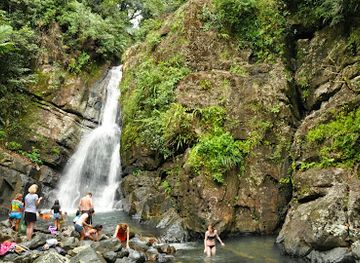
The forest’s attractions are primarily ecological and outdoor rather than urban. Short walks, longer mountain trails, roadside cascades, lookout towers and rainforest interpretation allow visitors to experience several elevations without leaving the Luquillo range. La Coca Falls is a prominent roadside stop, while Yokahú Tower and Mount Britton Tower provide elevated perspectives when cloud and weather permit. Streams, pools and waterfalls such as Juan Diego Falls appeal to walkers, although access and bathing conditions can change after storms. The forest also offers opportunities for birdwatching, plant observation, photography and quiet listening for the coquí frog. El Portal Rainforest Center provides orientation and interpretation when operating, but facilities and routes should be checked before travel. The Puerto Rican parrot’s habitat is protected and sightings are not guaranteed; visitors should avoid disturbing wildlife and should not approach nesting or research areas. The surrounding mountain roads are part of the experience, revealing differences between dense lower forest, palm-rich slopes and wind-shaped high-elevation woodland. Rather than trying to cover every trail in one day, visitors should choose routes according to weather, fitness, road conditions and current management guidance.
-
Theme park
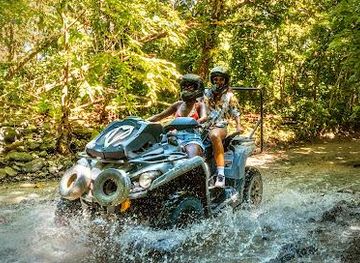
Carabalí Rainforest Park
Experience the excitement of Carabalí Rainforest Park in Luquillo, Puerto Rico – a haven for adventure enthusiasts and nature lovers alike.
-
Tourist attraction
Snorkeling Puerto Rico | Boat Tours
Experience the vibrant marine life of Puerto Rico with Snorkeling Puerto Rico's unforgettable boat tours and snorkeling adventures.
-
Tourist attraction
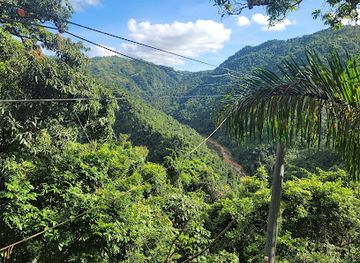
Toro Verde Adventure Park
Experience the thrill of a lifetime at Toro Verde Adventure Park, where exhilarating zip lines and stunning natural beauty await in Puerto Rico.
-
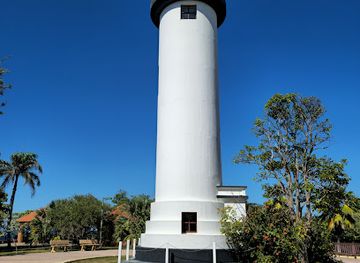
El Faro de Rincón
Discover the stunning El Faro de Rincón, a historical lighthouse offering breathtaking views and unforgettable sunsets on the Caribbean coast of Puerto Rico.

Best landmarks in Caribbean National Forest
Yokahú Tower is one of the forest’s most recognisable structures, rising above the canopy on the northern side of the Luquillo Mountains and offering a memorable viewpoint when visibility is good. Mount Britton Tower, reached by a mountain trail, marks a higher and often cloudier part of the forest and illustrates the relationship between elevation, wind and vegetation. La Coca Falls is another familiar landmark because the cascade is visible beside the main mountain road, while the Baño Grande area reflects the early development of public recreation and forest access. The winding roads themselves are significant features of the landscape, connecting steep slopes, watersheds and lookout points through dense tropical vegetation. Natural landmarks are at least as important as built ones: ridges, cloud forest, streams and waterfalls define the forest’s identity and change noticeably with rainfall. These places should be treated as parts of a protected watershed, not as unregulated swimming or climbing sites; closures and safety notices take precedence over older maps or photographs.
-
Historical place
San Juan National Historic Site
Discover the captivating history and stunning architecture of San Juan National Historic Site, a UNESCO World Heritage treasure in Puerto Rico.
-
Castle
Castillo San Felipe del Morro
Explore the historic Castillo San Felipe del Morro, a majestic fortress offering breathtaking views and a glimpse into Puerto Rico's storied past.
-
National forest
El Yunque National Forest
Discover the enchanting El Yunque National Forest, Puerto Rico's only tropical rainforest, filled with vibrant wildlife, stunning waterfalls, and breathtaking hiking trails.
-
Theme park
Carabalí Rainforest Park
Experience adventure and nature at Carabalí Rainforest Park, where thrilling activities and breathtaking views await every visitor.


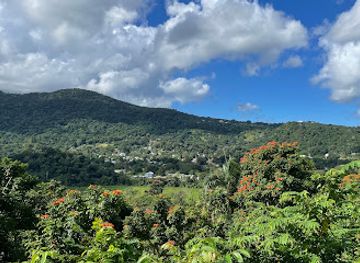
Explore Caribbean National Forest on the map
Plan your trip on one map. See where the top cities, national parks and sights are, and book hotels and experiences in a few clicks.
Best hotels in Caribbean National Forest
Best restaurants in Caribbean National Forest
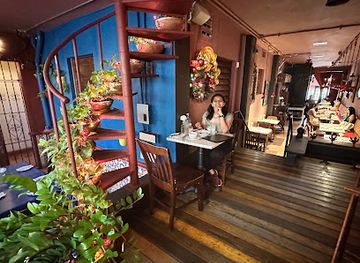
There are no restaurant districts within the rainforest, so dining is concentrated in nearby Río Grande, Luquillo, Fajardo and other communities on the eastern coastal plain. Visitors can find Puerto Rican cooking based on rice and beans, plantains, pork, chicken, soups and seafood, along with cafés, bakeries, casual eateries and roadside food businesses. Luquillo is particularly associated with its kiosks and informal coastal dining, while the wider east offers restaurants ranging from simple local meals to hotel-based and contemporary cooking. Fresh fish and seafood are more natural choices near the coast, whereas mountain visits are best supported by bringing water and a packed snack from an established shop. Try local fruit, juices, pastries and coffee when available, remembering that Puerto Rican food traditions are regional variations within the island’s broader cuisine rather than dishes confined strictly to the forest. Pack all provisions responsibly and never leave food or rubbish on trails.
-
Seafood
La Parrilla
Experience culinary excellence at La Parrilla in Luquillo—delicious seafood and steak with stunning coastal views.
-
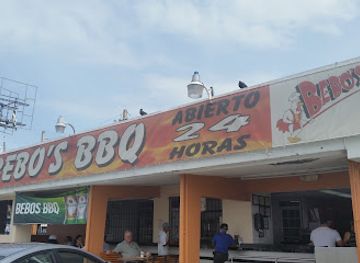
Barbecue
Bebo's BBQ
Experience the authentic taste of Puerto Rican barbecue at Bebo's BBQ in Carolina - where flavor meets affordability.
-
Puerto Rican
Casita Miramar
Experience the essence of Puerto Rican cuisine at Casita Miramar in San Juan - where every dish tells a story.
-
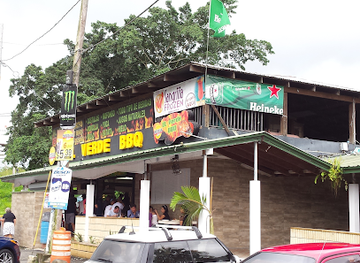
Restaurant
El Verde BBQ
Experience authentic Puerto Rican barbecue at El Verde BBQ in Río Grande—where every bite celebrates local flavors and culinary traditions.

Best bars in Caribbean National Forest
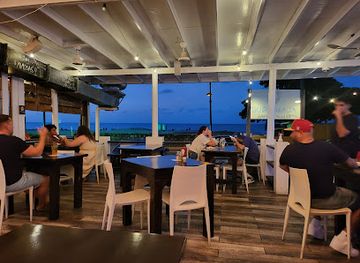
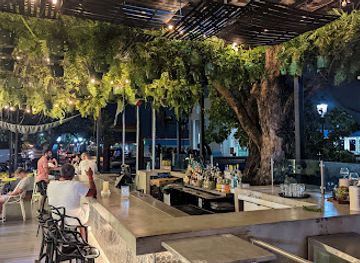
Nightlife is limited inside Caribbean National Forest because it is a protected mountain area with no town centre or late-night entertainment strip. Evening activity is more likely to involve an early meal, a quiet drink or conversation at a hotel, restaurant or bar in Río Grande, Luquillo or nearby Fajardo. Luquillo’s coastal kiosks and casual establishments create a more informal evening scene, while Fajardo, outside the forest, has a broader selection of restaurants and bars serving residents, visitors and boat-tour customers. Live music and seasonal entertainment may occur, but schedules change and should be checked locally. After dark, mountain roads are poorly suited to casual touring: visibility, rain, wildlife and sharp bends make a planned return before nightfall advisable. The forest’s evening appeal is its quiet, humid atmosphere and natural sounds rather than a formal club scene.
-
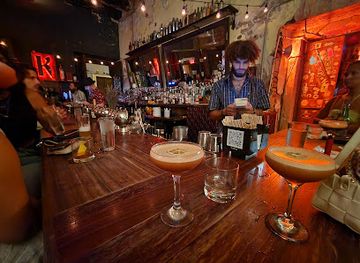
Bar
La Factoría
Explore the vibrant nightlife of San Juan at La Factoría, a cocktail bar with six unique spaces, each offering a distinct atmosphere and creative drinks.
-
Restaurant
Alambique Beach Lounge
Experience the vibrant flavors and stunning views at Alambique Beach Lounge, a culinary gem on the shores of Carolina, Puerto Rico.
-
Beer hall
La Taberna Lúpulo
Experience the vibrant atmosphere and exceptional craft beers at La Taberna Lúpulo, a must-visit beer hall in San Juan's historic district.
-
Restaurant
La Casita de Rones
Experience the vibrant flavors of Puerto Rico at La Casita de Rones, where culinary tradition meets modern flair in the heart of San Juan.

Best nightclubs in Caribbean National Forest
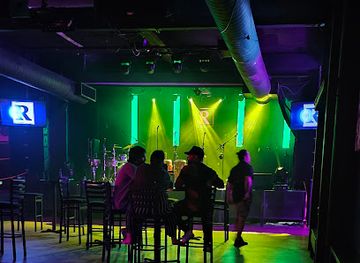
Nightlife is limited inside Caribbean National Forest because it is a protected mountain area with no town centre or late-night entertainment strip. Evening activity is more likely to involve an early meal, a quiet drink or conversation at a hotel, restaurant or bar in Río Grande, Luquillo or nearby Fajardo. Luquillo’s coastal kiosks and casual establishments create a more informal evening scene, while Fajardo, outside the forest, has a broader selection of restaurants and bars serving residents, visitors and boat-tour customers. Live music and seasonal entertainment may occur, but schedules change and should be checked locally. After dark, mountain roads are poorly suited to casual touring: visibility, rain, wildlife and sharp bends make a planned return before nightfall advisable. The forest’s evening appeal is its quiet, humid atmosphere and natural sounds rather than a formal club scene.
-
Club
Vivo Beach Club
Experience the vibrant energy of Vivo Beach Club, a premier venue in Puerto Rico offering stunning views, delicious food, and unforgettable events.
-
Night club
Club 77
Discover San Juan's nightlife at Club 77, where the beats are vibrant, the drinks are refreshing, and the atmosphere is electric.
-
Night club
La Respuesta
Experience the vibrant nightlife of Santurce at La Respuesta, where live music and eclectic beats create unforgettable nights out.
-
Night club
Club Brava
Discover the ultimate nightlife experience at Club Brava, Puerto Rico's top destination for music, dancing, and cocktails.



Best shops in Caribbean National Forest
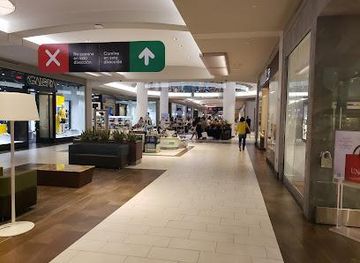
Shopping within Caribbean National Forest is limited and focused on visitor interpretation or practical supplies rather than a retail district. Most travellers buy food, water, insect repellent and other essentials in Río Grande, Luquillo or Fajardo before entering the mountains. Nearby coastal communities offer small independent shops, galleries, craft stalls and local food products, while Luquillo’s kiosk area is useful for combining refreshments with an eastern Puerto Rican atmosphere. Appropriate souvenirs include locally made crafts, artwork, coffee and packaged foods purchased from reputable sellers, rather than plants, shells, rocks or other material taken from the forest. Larger supermarkets and a broader range of shops are found outside the forest in the surrounding towns. Retail hours and individual businesses change, so visitors planning a long hike should not assume that a convenient shop will be open near a trailhead.
-
Shopping mall
Plaza Las Américas
Discover the ultimate shopping and dining experience at Plaza Las Américas, the Caribbean's largest mall in the heart of San Juan, Puerto Rico.
-
Shopping mall
Plaza Las Américas
Experience the ultimate shopping and dining destination at Plaza Las Américas in San Juan, Puerto Rico, where culture and commerce meet.
-
National forest
El Yunque National Forest
Discover the breathtaking beauty and rich biodiversity of El Yunque National Forest, a must-visit national park in Puerto Rico.
-
Outlet mall
Puerto Rico Premium Outlets
Explore unbeatable deals and a diverse range of brands at Puerto Rico Premium Outlets, a premier shopping destination in Barceloneta.


Get your free copy of our complete guide to Caribbean National Forest, delivered straight to you.
Everything on this page, from attractions and restaurants to essentials and local phrases, in one PDF you can read offline, print or share.
Already have an account? Sign in
Your Caribbean National Forest guide is ready.
We'll send it to · Not you? Sign out

Getting your guide ready…
We are putting together a fresh copy of the Caribbean National Forest guide. This can take up to a minute.
This can take a few moments. If your browser asks, choose Allow so the download can start. You'll find the guide in your Downloads folder.
Nothing happened? Download it again
Sorry, the guide is taking longer than usual. Please try again in a minute, or get it by email instead.
Caribbean National Forest essentials
Currency and Payment
Safety
Emergency Situations
Do's and Don'ts
Local Tips
From Eve
Local phrases worth knowing
You don't need to get them perfect. A few words go a long way, and locals appreciate the effort.
Basics
| English | Local | Say it |
|---|---|---|
| Hello | Hola | [Ola] |
| Goodbye | Adiós | [A-dios] |
| Yes | Sí | [See] |
| No | No | [No] |
| Please/You're welcome | Por favor/De nada | [Por fa-vor/De na-da] |
| Thank you | Gracias | [Gra-sias] |
| Excuse me/Sorry | Perdón | [Per-don] |
| How are you? | ¿Cómo estás? | [Ko-mo es-tas] |
| Fine. And you? | Bien. ¿Y tú? | [Byen. Ee tu?] |
| Do you speak English? | ¿Hablas inglés? | [A-blas in-gleis] |
| I don't understand | No entiendo | [No en-ti-en-do] |
Eating & Drinking
| English | Local | Say it |
|---|---|---|
| I'd like to see the menu, please | Me gustaría ver el menú, por favor | [Me gus-ta-ria ver el me-nu, por fa-vor] |
| I don't eat meat | No como carne | [No co-mo car-ne] |
| Cheers! | ¡Salud! | [Sa-lud] |
| I would like to pay, please | Me gustaría pagar, por favor | [Me gus-ta-ria pa-gar, por fa-vor] |
Emergencies
| English | Local | Say it |
|---|---|---|
| Help! | ¡Ayuda! | [A-yu-da] |
| Go away! | ¡Vete! | [Ve-te] |
| Call the Police! | ¡Llama a la policía! | [Ya-ma a la po-li-cia] |
| Call a doctor! | ¡Llama a un doctor! | [Ya-ma a un doc-tor] |
| I'm lost | Estoy perdido | [Es-toy per-di-do] |
| I'm ill | Estoy enfermo | [Es-toy en-fer-mo] |
Shopping
| English | Local | Say it |
|---|---|---|
| I'd like to buy... | Me gustaría comprar... | [Me gus-ta-ria com-prar] |
| I'm just looking | Solo estoy mirando | [So-lo es-toy mi-ran-do] |
| How much is it? | ¿Cuánto cuesta? | [Cuan-to cues-ta] |
| That's too expensive | Eso es demasiado caro | [E-so es de-ma-si-a-do ca-ro] |
| Can you lower the price? | ¿Puedes bajar el precio? | [Pwe-des ba-har el pre-cio] |
Time & Numbers
| English | Local | Say it |
|---|---|---|
| What time is it? | ¿Qué hora es? | [Ke o-ra es] |
| It's one o'clock | Es la una | [Es la u-na] |
| Half past (10) | Y media (10) | [Y me-dia] |
| Morning | Mañana | [Ma-ña-na] |
| Afternoon | Tarde | [Tar-de] |
| Evening | Noche | [No-che] |
| Yesterday | Ayer | [A-yer] |
| Today | Hoy | [Oi] |
| Tomorrow | Mañana | [Ma-ña-na] |
| 1 | Uno | [U-no] |
| 2 | Dos | [Dos] |
| 3 | Tres | [Tres] |
| 4 | Cuatro | [Cua-tro] |
| 5 | Cinco | [Cin-co] |
| 6 | Seis | [Seis] |
| 7 | Siete | [Sie-te] |
| 8 | Ocho | [O-cho] |
| 9 | Nueve | [Nue-ve] |
| 10 | Diez | [Diez] |
Transport & Directions
| English | Local | Say it |
|---|---|---|
| Where's a/the...? | ¿Dónde está un/una...? | [Don-de es-ta un/una] |
| What's the address? | ¿Cuál es la dirección? | [Kwal es la di-rec-ción] |
| Can you show me (on the map)? | ¿Puedes mostrarme (en el mapa)? | [Pwe-des mos-trar-me en el ma-pa] |
| When's the next (bus)? | ¿Cuándo es el próximo (bus)? | [Kwan-do es el pro-xi-mo] |
| A ticket (to ....) | Un boleto (a ....) | [Un bo-le-to a] |
History of Caribbean National Forest
Taíno landscapes before European colonisation
Before Spanish rule, the Luquillo Mountains formed part of the natural and cultural landscape of the Taíno communities of eastern Puerto Rico. The forest supplied water, timber, plants and wildlife, while the mountains and rivers held significance within a wider island network of settlements and travel routes. Archaeological evidence is more prominent in the surrounding coastal and lowland areas than within the steepest forest, but Taíno heritage remains an important part of understanding the region. Modern conservation interpretation generally presents the rainforest as a living environment with a long human history rather than as untouched wilderness.
Spanish colonial forestry and settlement
During Spanish colonial rule, the eastern mountains remained less densely settled than Puerto Rico’s coastal plains, although forests were used for timber, fuel, water and small-scale agriculture. Colonial authorities became increasingly concerned about forest resources and watershed protection as population and economic activity expanded. Roads and settlements around the Luquillo range connected the uplands with plantations and coastal communities. The forest’s present boundaries and management practices developed from this long tension between resource use and the need to safeguard steep slopes, rivers and reliable water supplies.
The Luquillo Forest Reserve, 1903
The United States established the Luquillo Forest Reserve in 1903, soon after Puerto Rico came under United States administration. This decision recognised the importance of protecting the mountains’ forests and watersheds at a time when land clearing and timber exploitation threatened ecological stability. The reserve became one of the earliest formally protected forest areas in Puerto Rico. Its creation laid the institutional foundation for today’s El Yunque National Forest and helped establish forestry, scientific study and public recreation as enduring features of the mountain region.
Creation of a national forest and modern infrastructure
In 1906 the reserve became a national forest, placing it within the United States national-forest system. During the twentieth century, roads, trails, lookout towers, research facilities and visitor infrastructure made parts of the Luquillo Mountains more accessible while management continued to balance recreation with watershed and habitat protection. The forest became a major site for tropical forestry research, including work on rainfall, soils, native species and forest regeneration. Its protected status also helped conserve habitat for species found only in Puerto Rico or the wider Caribbean.
The Caribbean National Forest and the name El Yunque
For much of its modern history the forest was officially called Caribbean National Forest, reflecting its position within the United States forest system and its importance to the wider Caribbean. In 2007 it was officially renamed El Yunque National Forest, using the name associated with the mountain range and the forest in Puerto Rican usage. The change recognised the site’s strong local identity while retaining its national-forest status. Both names remain familiar to travellers, and maps, websites and older guidebooks may use them interchangeably.
Hurricanes, conservation and forest recovery
Hurricanes have repeatedly shaped the forest’s ecology and visitor infrastructure. Hurricane Hugo in 1989 and Hurricane María in 2017 caused extensive damage to trees, roads, trails, communications and facilities, while also demonstrating the forest’s capacity for natural regeneration. Recovery has involved public agencies, researchers, local communities and conservation organisations, with some areas reopening gradually and others requiring prolonged repair. Today, storm resilience, native habitat restoration, watershed protection and responsible recreation remain central to the forest’s management.
Caribbean National Forest in Photos
Browse through our photo collection highlighting the charm and character of the destination.
Neighbouring regions of Caribbean National Forest
The closest regions to Caribbean National Forest, if you have time for more than one.
-

-

-

-

-


Swipe for more regions
Explore more

Explore more of Puerto Rico
Discover Puerto Rico, where vibrant culture, stunning beaches, and rich history create an unforgettable Caribbean experience. Perfect for adventurers and relaxation seekers alike.
Explore Puerto Rico