

Free Greater Antilles Travel Guide & Mobile App
Explore Greater Antilles with free travel guides. Discover regional history, expert tips, proposed trips, and audio guides on web or mobile app.


Explore Puerto Rico in the Greater Antilles through Spanish fortresses, rainforest trails, Caribbean food, lively music and varied coastal landscapes.
Read more about Greater Antilles
When is the best time to visit Greater Antilles?
Best: January–March · 29–30°C| Month | High (°C) | Rainfall (mm) |
|---|---|---|
| January (best) | 29 | 56 |
| February (best) | 29 | 40 |
| March (best) | 30 | 45 |
| April | 31 | 68 |
| May | 32 | 114 |
| June | 32 | 102 |
| July | 33 | 114 |
| August | 33 | 136 |
| September | 32 | 156 |
| October | 32 | 150 |
| November | 31 | 133 |
| December | 30 | 91 |
Getting to and around Greater Antilles
How to get there
Transportation
Best attractions in Greater Antilles
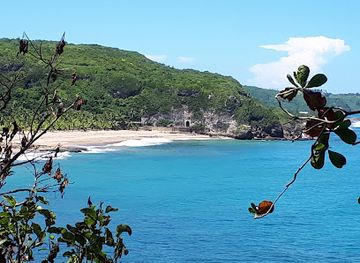
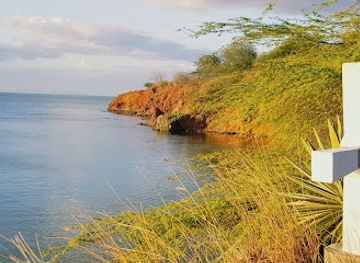
Puerto Rico’s attractions range from the fortified streets of Old San Juan to rainforest, caves, beaches and mountain villages. The capital’s historic district centres on the walls, plazas, churches and military buildings of the old city, while museums and cultural institutions provide context on Puerto Rican art and history. El Yunque National Forest offers marked trails through a tropical mountain environment, with streams, waterfalls and panoramic viewpoints, though weather can change quickly. In the interior, the Caguana Indigenous Ceremonial Park preserves important Taíno archaeological remains, and the karst landscapes around the north-west include caves and limestone formations. Ponce adds museums, historic streets and a strong regional identity, while the western coast is known for swimming, diving and surfing areas around towns such as Rincón and Cabo Rojo. Offshore, Vieques and Culebra provide beaches, marine habitats and protected landscapes, subject to transport and conservation arrangements. The island’s attraction landscape is defined by contrast: dense urban heritage in the north, drier coastal scenery in the south, wet mountains in the east and a more leisurely beach culture in the west.
-
Tourist attraction
Paseo Las Américas
Experience the vibrant culture, stunning views, and delicious cuisine at Paseo Las Américas, a must-visit destination in Arroyo, Puerto Rico.
-
Scenic spot
Mirador de Guajataca
Experience the stunning vistas of Mirador de Guajataca, a scenic viewpoint in Quebradillas, Puerto Rico, perfect for nature lovers and photographers alike.
-
Historical landmark
Faro Punta Higueras
Discover the breathtaking views and rich history at Faro Punta Higueras, a must-visit landmark in Aguada, Rincón, Puerto Rico.
-
Wildlife refuge
Refugio Nacional de Vida Silvestre de Cabo Rojo
Explore the breathtaking Cabo Rojo National Wildlife Refuge, a haven for birdwatching and nature enthusiasts in Puerto Rico's stunning coastal landscapes.

Best landmarks in Greater Antilles
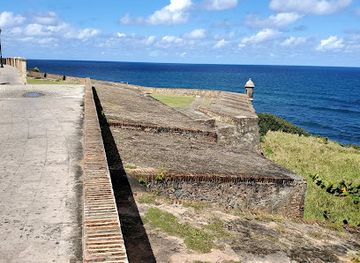
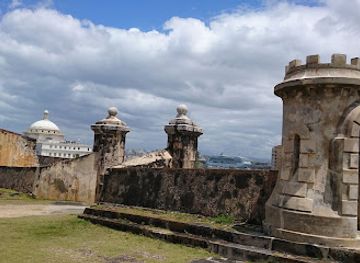
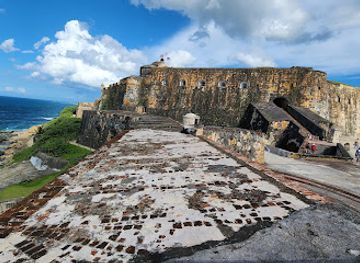
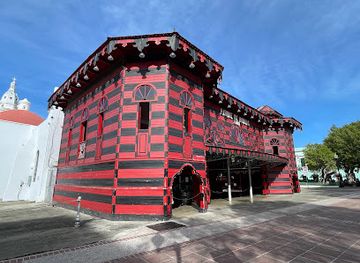
The walls and hilltop fortresses of Old San Juan are Puerto Rico’s most recognisable historic landmarks. Castillo San Felipe del Morro commands the harbour entrance, while Castillo San Cristóbal represents the city’s landward defences; together with the old city walls, they explain San Juan’s strategic role in the Spanish Caribbean. La Fortaleza, the historic governor’s residence, contributes to the architectural significance of the old city, whose narrow streets and plazas preserve a long urban tradition. In Ponce, the red-and-black striped Parque de Bombas is an emblematic nineteenth-century fire station and a prominent civic landmark, while the city’s neoclassical buildings reflect its commercial history. The Caguana ceremonial site in Utuado has particular archaeological importance for understanding Taíno society. Natural landmarks include the rainforest ridges and waterfalls of El Yunque, the limestone karst of the northern interior and the dry coastal landscapes of Cabo Rojo, each demonstrating the island’s marked geographical variety.
-
Historical place
San Juan National Historic Site
Explore the historic charm and breathtaking views of San Juan National Historic Site, a UNESCO World Heritage treasure in Puerto Rico.
-
Castle
Castillo San Felipe del Morro
Discover the historical significance and breathtaking vistas of Castillo San Felipe del Morro, a must-visit fortress in San Juan, Puerto Rico.
-
Castle
Castillo San Cristóbal
Explore Castillo San Cristóbal, a historic fortress in San Juan offering breathtaking views and rich insights into Puerto Rico's colonial past.
-
Museum
Parque de Bombas
Explore the iconic Parque de Bombas in Ponce, a vibrant museum showcasing the rich history and culture of Puerto Rico's firefighting heritage.

Explore Greater Antilles on the map
Plan your trip on one map. See where the top cities, national parks and sights are, and book hotels and experiences in a few clicks.
Best hotels in Greater Antilles
Best restaurants in Greater Antilles
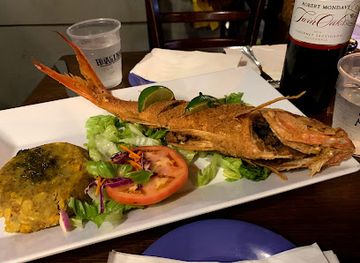
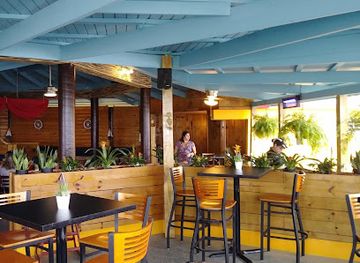
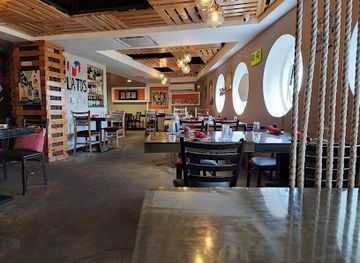
Puerto Rican dining draws on Taíno ingredients, Spanish techniques, African culinary traditions and later Caribbean influences. Mofongo, made with mashed green plantain, is widely served with seafood, meat or vegetables, while arroz con gandules, pasteles, alcapurrias and roasted pork are familiar parts of local cooking. Coastal communities make good use of fish and shellfish, whereas the central mountains are associated with plantains, root vegetables, pork and coffee-growing country. San Juan offers the widest range of contemporary restaurants, bakeries, cafés and cocktail-led dining, but smaller towns and roadside kiosks often provide especially direct access to traditional flavours. Ponce and other southern communities have their own food traditions, while the west combines seafood, casual beach dining and international influences. Farmers' markets, panaderías and family-run eateries are useful places to try pastries, bread, fruit drinks and everyday dishes without reducing Puerto Rican cuisine to resort menus.
-
Seafood
La Cueva del Mar | Calle Loíza
Experience the best of Puerto Rican seafood at La Cueva del Mar in Santurce – fresh flavors from the Caribbean await you.
-
Puerto Rican
Casita Miramar
Discover the authentic flavors of Puerto Rico at Casita Miramar in San Juan's lively Santurce district.
-
Restaurant
Islote Beach Restaurant
Experience exquisite local cuisine with stunning ocean views at Islote Beach Restaurant in Arecibo.
-
Puerto Rican
Platos
Experience authentic Puerto Rican cuisine at Platos in Carolina—where fresh seafood meets vibrant local flavors.
Best bars in Greater Antilles
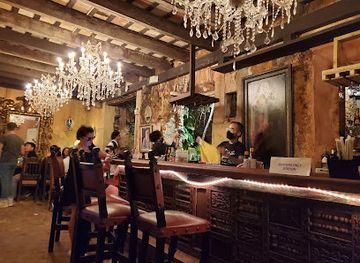
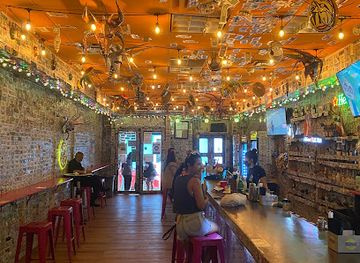
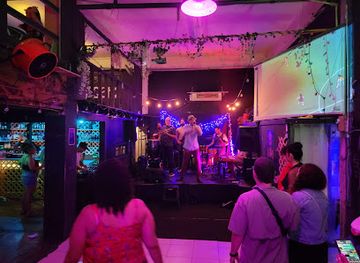
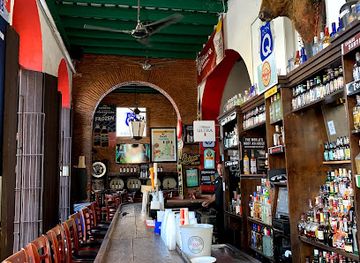
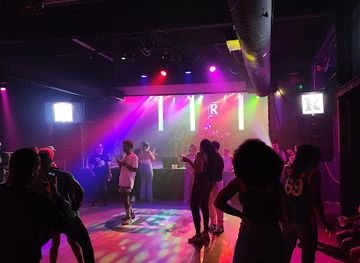
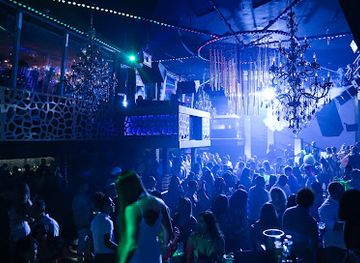
Nightlife is most developed in the San Juan metropolitan area, particularly around Condado, Santurce, Isla Verde and the historic streets of Old San Juan, where cocktail bars, music venues, lounges and late-opening restaurants occupy different parts of the evening economy. Salsa, plena and bomba are important cultural reference points, and live music can be found in both established venues and community settings. Ponce has a more local and measured evening scene centred on plazas, restaurants, bars and cultural events, while western towns combine casual beach bars, live music and restaurants rather than a dense club district. In rural and mountain areas, evenings generally revolve around food, conversation, small bars and occasional music events. Visitors should confirm current arrangements for individual venues, particularly outside the main urban areas and during periods affected by weather.
-
Bar
The Cannon Club - Restaurant & Piano Bar
Experience the vibrant fusion of live music and exquisite dining at The Cannon Club in San Juan, a must-visit for every tourist.
-
Bar
Los 3 Cuernos
Experience the vibrant atmosphere and local flavors at Los 3 Cuernos, a must-visit bar in San Juan, Puerto Rico.
-
Bar
El Nie Bar
Experience the vibrant nightlife of San Juan at El Nie Bar, where delicious tapas and lively dancing come together for an unforgettable evening.
-
Bar
Nono's
Experience the vibrant nightlife of San Juan at Nono's, a lively bar offering delicious cocktails and a taste of local culture.
Best nightclubs in Greater Antilles
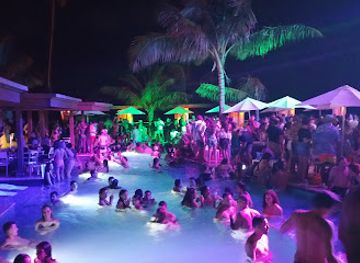
Nightlife is most developed in the San Juan metropolitan area, particularly around Condado, Santurce, Isla Verde and the historic streets of Old San Juan, where cocktail bars, music venues, lounges and late-opening restaurants occupy different parts of the evening economy. Salsa, plena and bomba are important cultural reference points, and live music can be found in both established venues and community settings. Ponce has a more local and measured evening scene centred on plazas, restaurants, bars and cultural events, while western towns combine casual beach bars, live music and restaurants rather than a dense club district. In rural and mountain areas, evenings generally revolve around food, conversation, small bars and occasional music events. Visitors should confirm current arrangements for individual venues, particularly outside the main urban areas and during periods affected by weather.
-
Club
Vivo Beach Club
Experience the vibrant atmosphere, exquisite cuisine, and beautiful ocean views at Vivo Beach Club in Carolina, Puerto Rico.
-
Night club
Club 77
Discover the vibrant nightlife of San Juan at Club 77, where music and dance create unforgettable experiences.
-
Night club
La Respuesta
Experience the rhythm of Puerto Rico at La Respuesta, Santurce's premier nightclub with live music and an electric atmosphere.
-
Night club
Club Brava
Experience the electrifying nightlife of Puerto Rico at Club Brava, the ultimate destination for dancing, live music, and signature cocktails.
Best shops in Greater Antilles
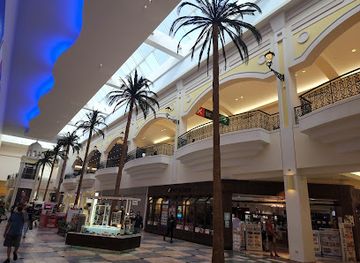
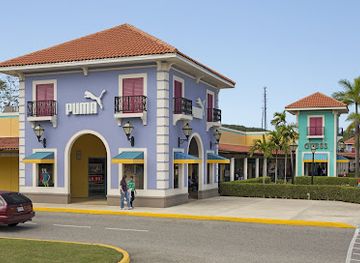
Shopping in Puerto Rico ranges from the specialist boutiques and galleries of San Juan to market stalls, bakeries and independent shops in smaller towns. Old San Juan is known for historic streets lined with jewellery, art, books, fashion and locally made goods, while Santurce has a more contemporary arts and design character. Shopping centres and large commercial districts are concentrated around the San Juan metropolitan area, but they provide a less specifically regional experience than local markets and small businesses. Useful purchases include Puerto Rican coffee, rum, sauces, sweets, spices, crafts, prints and items referencing Taíno or Afro-Puerto Rican heritage, provided they are produced and sold responsibly. Ponce and western towns offer independent shops, galleries and food products with a stronger local emphasis. Farmers' markets and panaderías are worthwhile for fresh produce, pastries and everyday island specialities rather than conventional souvenirs.
-
Shopping mall
Plaza Las Américas
Discover a shopping paradise at Plaza Las Américas in San Juan, where culture, fashion, and cuisine unite in an unforgettable experience.
-
Outlet mall
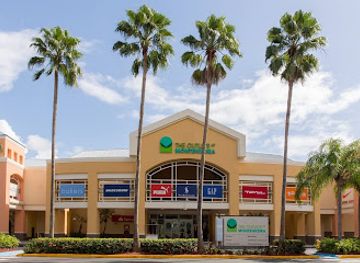
Puerto Rico Premium Outlets
Discover unbeatable savings on your favorite brands at Puerto Rico Premium Outlets, a must-visit shopping destination in the Caribbean.
-
Outlet mall
The Outlets at Montehiedra
Explore unbeatable deals on top brands at The Outlets at Montehiedra in San Juan, Puerto Rico. Shop, dine, and unwind in a vibrant atmosphere.
-
Shopping mall
Plaza Del Caribe
Explore Plaza Del Caribe, Ponce's premier shopping mall with diverse stores, delicious dining, and exciting entertainment for all ages.
Get your free copy of our complete guide to Greater Antilles, delivered straight to you.
Everything on this page, from attractions and restaurants to essentials and local phrases, in one PDF you can read offline, print or share.
Already have an account? Sign in
Your Greater Antilles guide is ready.
We'll send it to · Not you? Sign out

Getting your guide ready…
We are putting together a fresh copy of the Greater Antilles guide. This can take up to a minute.
This can take a few moments. If your browser asks, choose Allow so the download can start. You'll find the guide in your Downloads folder.
Nothing happened? Download it again
Sorry, the guide is taking longer than usual. Please try again in a minute, or get it by email instead.
Greater Antilles essentials
Currency and Payment
Safety
Emergency Situations
Do's and Don'ts
Local Tips
From Eve
Local phrases worth knowing
You don't need to get them perfect. A few words go a long way, and locals appreciate the effort.
Basics
| English | Local | Say it |
|---|---|---|
| Hello | Hola | [O-la] |
| Goodbye | Adiós | [A-dee-os] |
| Yes | Sí | [See] |
| No | No | [No] |
| Please/You're welcome | Por favor/De nada | [Por fa-vor/De na-da] |
| Thank you | Gracias | [Gra-sias] |
| Excuse me/Sorry | Perdón | [Per-don] |
| How are you? | ¿Cómo estás? | [Ko-mo es-tas] |
| Fine. And you? | Bien. ¿Y tú? | [Bee-en. Ee tu?] |
| Do you speak English? | ¿Hablas inglés? | [A-blas in-glez] |
| I don't understand | No entiendo | [No en-ti-en-do] |
Eating & Drinking
| English | Local | Say it |
|---|---|---|
| I'd like to see the menu, please | Quisiera ver el menú, por favor | [Kee-sye-ra ver el me-nu, por fa-vor] |
| I don't eat meat | No como carne | [No ko-mo car-ne] |
| Cheers! | ¡Salud! | [Sa-lud] |
| I would like to pay, please | Quisiera pagar, por favor | [Kee-sye-ra pa-gar, por fa-vor] |
Emergencies
| English | Local | Say it |
|---|---|---|
| Help! | ¡Ayuda! | [A-yu-da] |
| Go away! | ¡Vete! | [Ve-te] |
| Call the Police! | ¡Llama a la Policía! | [Ya-ma a la Po-li-cia] |
| Call a doctor! | ¡Llama a un doctor! | [Ya-ma a un doc-tor] |
| I'm lost | Estoy perdido | [Es-toy per-di-do] |
| I'm ill | Estoy enfermo/enferma | [Es-toy en-fer-mo/en-fer-ma] |
Shopping
| English | Local | Say it |
|---|---|---|
| I'd like to buy... | Quisiera comprar... | [Kee-sye-ra kom-prar] |
| I'm just looking | Solo estoy mirando | [So-lo es-toy mi-ran-do] |
| How much is it? | ¿Cuánto cuesta? | [Kwan-to kwes-ta] |
| That's too expensive | Eso es muy caro | [E-so es muy ka-ro] |
| Can you lower the price? | ¿Puedes bajar el precio? | [Pwe-des ba-har el pre-cio] |
Time & Numbers
| English | Local | Say it |
|---|---|---|
| What time is it? | ¿Qué hora es? | [Ke o-ra es] |
| It's one o'clock | Es la una | [Es la u-na] |
| Half past (10) | Y media (10) | [Ee me-dia (diez)] |
| Morning | Mañana | [Ma-nyana] |
| Afternoon | Tarde | [Tar-de] |
| Evening | Noche | [No-che] |
| Yesterday | Ayer | [A-yer] |
| Today | Hoy | [Oy] |
| Tomorrow | Mañana | [Ma-nyana] |
| 1 | Uno | [U-no] |
| 2 | Dos | [Dos] |
| 3 | Tres | [Tres] |
| 4 | Cuatro | [Kwa-tro] |
| 5 | Cinco | [Sin-co] |
| 6 | Seis | [Says] |
| 7 | Siete | [See-e-te] |
| 8 | Ocho | [O-cho] |
| 9 | Nueve | [Nwe-ve] |
| 10 | Diez | [Dyez] |
Transport & Directions
| English | Local | Say it |
|---|---|---|
| Where's a/the...? | ¿Dónde está un/una...? | [Don-de es-ta un/una] |
| What's the address? | ¿Cuál es la dirección? | [Kwal es la di-rec-cion] |
| Can you show me (on the map)? | ¿Puedes mostrarme (en el mapa)? | [Pwe-des mos-trar-me (en el ma-pa)] |
| When's the next (bus)? | ¿Cuándo es el próximo (autobús)? | [Kwan-do es el pro-xi-mo (au-to-bus)] |
| A ticket (to ....) | Un boleto (a....) | [Un bo-le-to (a....)] |
History of Greater Antilles
Taíno societies before European colonisation
Before Spanish arrival, Borikén, the island now known as Puerto Rico, was home to Taíno communities with organised settlements, agriculture, fishing networks and distinctive ceremonial traditions. Archaeological evidence includes ball courts, carved stone objects and ceremonial sites, with the Caguana Indigenous Ceremonial Park in Utuado among the most important surviving places associated with this heritage. Taíno influence remains visible in place names, food ingredients and words used in Puerto Rican Spanish, although colonial disease, violence and forced labour severely disrupted Indigenous society from the sixteenth century onwards.
Spanish settlement and the founding of San Juan
Spanish colonisation began in the early sixteenth century, and San Juan became the principal European settlement and administrative centre. The city’s protected harbour supported Spain’s wider Caribbean network, linking the island to Hispaniola, Cuba, mainland territories and transatlantic routes. Spanish institutions, Catholicism, livestock farming and plantation agriculture reshaped the island, while Indigenous survivors and Africans brought through the Atlantic slave trade formed essential parts of its society. The old city’s street plan, churches and defensive architecture preserve this formative colonial period.
The fortifications of San Juan
From the sixteenth to the eighteenth centuries, Spain developed San Juan into one of the most strongly defended ports in the Caribbean. Castillo San Felipe del Morro guarded the harbour entrance, while Castillo San Cristóbal protected the landward approaches and smaller works completed the defensive system. These fortifications helped San Juan withstand major attacks, including assaults by English forces in the sixteenth century. Their surviving walls and military structures illustrate the strategic importance of Puerto Rico within Spain’s imperial routes and remain central to the historic character of the capital.
Plantations, slavery and the nineteenth-century economy
During the nineteenth century, Puerto Rico’s economy became increasingly tied to sugar, coffee and tobacco, although production varied considerably between coastal and upland districts. Enslaved Africans and their descendants were fundamental to plantation agriculture, craft production and urban life; slavery was abolished in Puerto Rico in 1873. Coffee wealth helped shape towns and estates in the central highlands, while sugar estates influenced the southern and eastern coastal plains. The period left a complex legacy of rural architecture, social inequality, Afro-Puerto Rican culture and distinctive regional food traditions.
The Spanish-American War and United States administration
The Spanish-American War brought Puerto Rico under United States control in 1898, ending more than four centuries of Spanish rule. The island’s political status changed through successive arrangements, including the creation of a civilian government under the Foraker Act in 1900 and US citizenship for Puerto Ricans under the Jones Act of 1917. These changes redirected trade, administration and infrastructure towards the United States while leaving unresolved questions about political status. American influence became particularly visible in education, law, transport, agriculture and urban development.
Industrialisation, migration and modern Puerto Rico
After the Second World War, Puerto Rico experienced rapid industrialisation and urbanisation. Manufacturing expanded, especially in pharmaceuticals, chemicals and other industries, while agricultural employment declined. Large-scale migration to the United States transformed families, neighbourhoods and cultural exchange, with New York becoming a particularly important destination. San Juan and other cities grew, highways reshaped travel, and tourism developed around beaches, historic sites and natural areas. Contemporary Puerto Rico combines a globally connected economy with strong local traditions, ongoing debates about status and marked differences between metropolitan, coastal and mountain communities.
Greater Antilles in Photos
Browse through our photo collection highlighting the charm and character of the destination.
Neighbouring regions of Greater Antilles
The closest regions to Greater Antilles, if you have time for more than one.
-

-

-

-

-


Swipe for more regions
Explore more

Explore more of Puerto Rico
Discover Puerto Rico, where vibrant culture, stunning beaches, and rich history create an unforgettable Caribbean experience. Perfect for adventurers and relaxation seekers alike.
Explore Puerto Rico