

Free Mona Passage Travel Guide & Mobile App
Explore Mona Passage with free travel guides. Discover regional history, expert tips, proposed trips, and audio guides on web or mobile app.


Explore the Mona Passage from western Puerto Rico through marine excursions, protected islands, coastal wildlife, diving and Caribbean maritime history.
Read more about Mona Passage
When is the best time to visit Mona Passage?
Best: January–March · 29–30°C| Month | High (°C) | Rainfall (mm) |
|---|---|---|
| January (best) | 29 | 70 |
| February (best) | 29 | 55 |
| March (best) | 30 | 65 |
| April | 30 | 75 |
| May | 31 | 90 |
| June | 32 | 105 |
| July | 32 | 125 |
| August | 32 | 135 |
| September | 32 | 140 |
| October | 31 | 135 |
| November | 30 | 120 |
| December | 29 | 95 |
Getting to and around Mona Passage
How to get there
Transportation
Best attractions in Mona Passage
The Mona Passage’s attractions are primarily marine and expedition-based rather than urban. Mona Island is the central destination, offering dry forest, limestone cliffs, caves, beaches and surrounding waters of high ecological and archaeological interest, although access is controlled and facilities are minimal. Its caves contain Indigenous and historic traces, while the island’s isolation supports seabirds, reptiles and other wildlife. Offshore diving and snorkelling can reveal reefs, walls and open-water habitats, but visibility, currents and suitable sites vary with conditions. On the Puerto Rican side, Cabo Rojo’s salt flats, mangroves and coastal reserves provide a more accessible introduction to the western maritime environment, while the Mayagüez area offers museums, port history and practical services. The coast around Rincón and neighbouring municipalities supports surfing, diving and seasonal whale observation when conditions are appropriate. These mainland experiences should be understood as gateways and related coastal attractions, not as places physically located within the passage. The destination’s strongest appeal is the combination of difficult sea, remote island geology, wildlife and the history of navigation across the Greater Antilles.
-
Water park
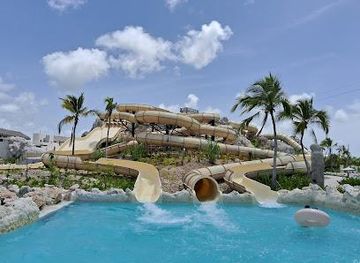
El Dorado Water Park
Experience endless fun and adventure at El Dorado Water Park in Punta Cana, featuring thrilling slides, relaxing pools, and a tropical paradise atmosphere.
-
Fishing charter
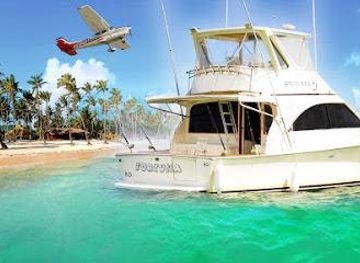
Big Marlin Charters Punta Cana
Discover the thrill of fishing in Punta Cana with Big Marlin Charters, your premier choice for unforgettable ocean adventures and spectacular catches.
-
Fishing charter
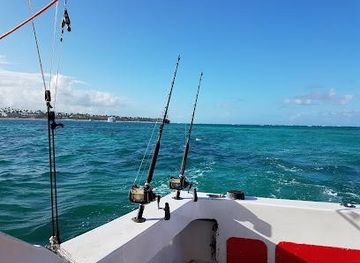
Gone Fishing Punta Cana
Discover the thrill of fishing in Punta Cana with Gone Fishing, where expert guidance meets stunning Caribbean waters for an unforgettable adventure.
-
Photography studio
Selfie World RD Punta Cana
Unleash your creativity while creating lasting memories at Selfie World RD, the ultimate photography studio in Punta Cana.

Best landmarks in Mona Passage
Mona Island is the defining landmark of the passage: a high, isolated limestone island whose cliffs, caves and dry landscape stand apart from the more densely settled coasts of Puerto Rico and Hispaniola. Its cave systems are significant for both Indigenous archaeology and later maritime history, while the island’s former guano-working areas recall an era of resource extraction in a remote setting. The surrounding sea, rather than a single monument, is itself a geographical landmark, marking one of the Caribbean’s important inter-island channels. On the Puerto Rican approach, Cabo Rojo’s limestone headlands, salt flats and coastal light structures provide recognisable points of reference, although they lie on the mainland rather than in the passage. Mayagüez’s harbour and waterfront represent the region’s continuing relationship with shipping and western Caribbean commerce. Together, these places express the passage’s character as a meeting point of geology, navigation, conservation and Puerto Rican coastal history.
-
Historical place
San Juan National Historic Site
Immerse yourself in history at San Juan National Historic Site, where stunning architecture and vibrant culture tell the story of Puerto Rico's past.
-
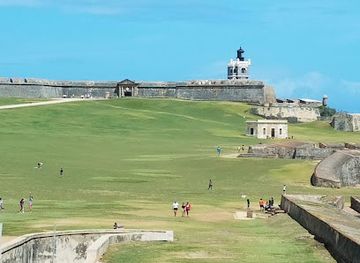
Castle
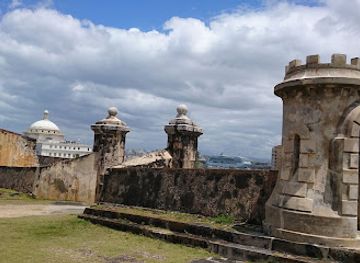
Castillo San Felipe del Morro
Explore Castillo San Felipe del Morro, a stunning fortress in San Juan, Puerto Rico, rich in history and breathtaking ocean views.
-
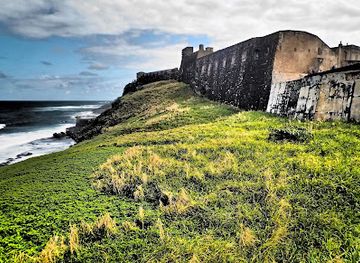
Castle
Castillo San Cristóbal
Discover the grandeur of Castillo San Cristóbal, a historic fortress in San Juan offering stunning views and a glimpse into Puerto Rico's past.
-
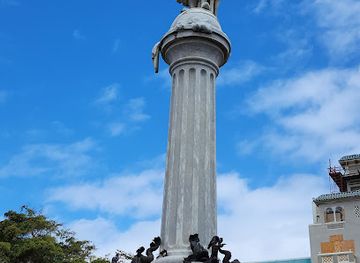
Monument
Plaza Colón
Explore the historical Plaza Colón in San Juan, a vibrant monument celebrating Christopher Columbus amidst lush gardens and colonial architecture.
Explore Mona Passage on the map
Plan your trip on one map. See where the top cities, national parks and sights are, and book hotels and experiences in a few clicks.
Best hotels in Mona Passage
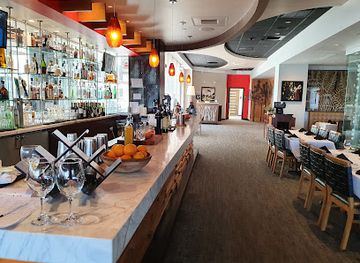
Best restaurants in Mona Passage
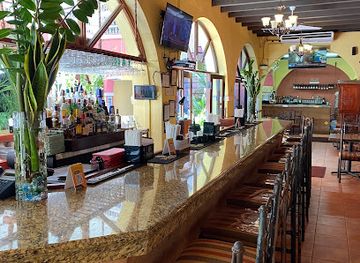
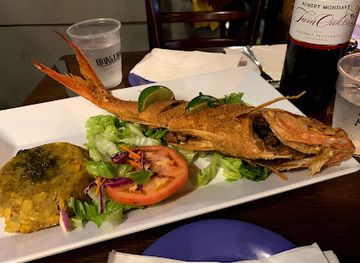
There is no restaurant scene on the open Mona Passage or on remote Mona Island, so dining is concentrated in western Puerto Rico’s gateway communities. Mayagüez offers the broadest choice of Puerto Rican cooking, casual cafés and restaurants, while Cabo Rojo and other coastal towns are associated with seafood, rice dishes, fried plantain and informal family-run dining. Rincón and nearby surfing communities add cafés, bakeries and contemporary menus shaped by visitors and residents from different backgrounds. Across the region, look for mofongo, fresh fish, stewed meats, pasteles when seasonal, and local sweets alongside familiar Caribbean staples. Roadside kiosks and small eateries can be useful before an early boat departure, but opening patterns vary outside the towns. For offshore excursions, confirm whether food and drinking water are supplied; passengers should not assume that provisions will be available once a vessel leaves the coast.
-
Brazilian
Fogo de Chão Brazilian Steakhouse
Experience authentic Brazilian cuisine at Fogo de Chão in San Juan - where exceptional service meets mouthwatering grilled meats.
-
Puerto Rican
Barrachina
Experience authentic Puerto Rican cuisine at Barrachina, home of the original piña colada and vibrant Caribbean flavors.
-
Seafood
La Cueva del Mar | Calle Loíza
Experience the vibrant flavors of Puerto Rico at La Cueva del Mar - where fresh seafood meets Caribbean charm in every dish.
-
Puerto Rican
Casita Miramar
Experience authentic Puerto Rican cuisine at Casita Miramar in San Juan - a culinary gem showcasing local flavors and warm hospitality.

Best bars in Mona Passage
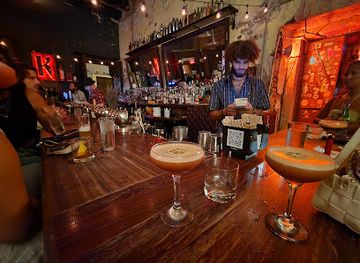
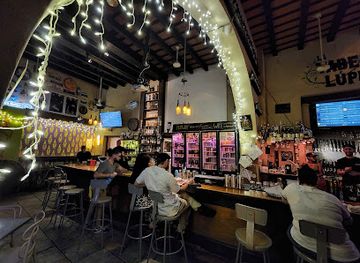
Nightlife belongs to the Puerto Rican coastal gateways rather than the passage itself. Mayagüez has the most substantial evening choice, with bars, restaurants, music and student-influenced venues, while Cabo Rojo and Rincón tend towards informal beachside establishments, cafés, small bars and live music rather than a large club circuit. In rural coastal areas, evenings may centre on food, conversation and local bars, with activity varying by season and day of the week. Visitors should not expect services on Mona Island or aboard most expedition vessels after dark. A sensible itinerary treats nightlife as a mainland complement to daytime marine activities, especially because early departures, long crossings and changing sea conditions can make late nights impractical before an offshore trip.
-
Bar
La Factoría
Experience the vibrant nightlife at La Factoría, a premier cocktail bar in San Juan, where culture and creativity blend in every sip.
-
Beer hall
La Taberna Lúpulo
Discover La Taberna Lúpulo, a craft beer haven in San Juan, where delightful brews and tasty bites create an unforgettable dining experience.
-
Hookah bar
Pani Agua - Hookah Lounge and Restaurant
Discover the vibrant atmosphere of Pani Agua, a must-visit hookah lounge and Caribbean restaurant in San Juan, offering delicious seafood and refreshing drinks.
-
Restaurant
Ojalá Restaurant & Bar
Explore Ojalá Restaurant & Bar in Caguas for delightful brunch, tapas, and a vibrant cocktail experience in a charming atmosphere.

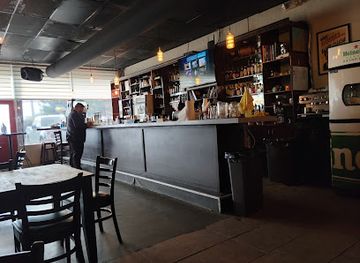
Best nightclubs in Mona Passage
Nightlife belongs to the Puerto Rican coastal gateways rather than the passage itself. Mayagüez has the most substantial evening choice, with bars, restaurants, music and student-influenced venues, while Cabo Rojo and Rincón tend towards informal beachside establishments, cafés, small bars and live music rather than a large club circuit. In rural coastal areas, evenings may centre on food, conversation and local bars, with activity varying by season and day of the week. Visitors should not expect services on Mona Island or aboard most expedition vessels after dark. A sensible itinerary treats nightlife as a mainland complement to daytime marine activities, especially because early departures, long crossings and changing sea conditions can make late nights impractical before an offshore trip.
-
Night club
Club 77
Discover the lively nightlife at Club 77 in San Juan, where vibrant music and friendly vibes create an unforgettable experience.
-
Dance club
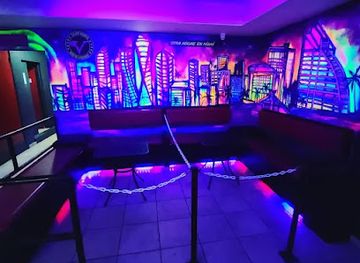
Club Vibra
Discover the electrifying nightlife at Club Vibra, the ultimate dance club in San Juan's La Placita, where music and culture come alive.
-
Night club
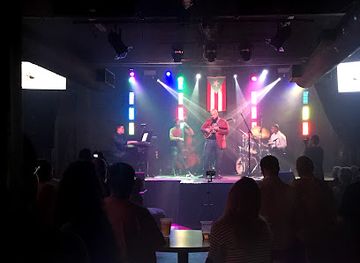
La Respuesta
Discover the vibrant nightlife of Santurce at La Respuesta, where live music and dancing create unforgettable experiences in San Juan.
-
Night club
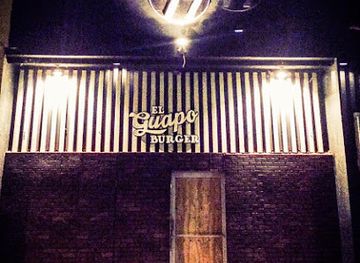
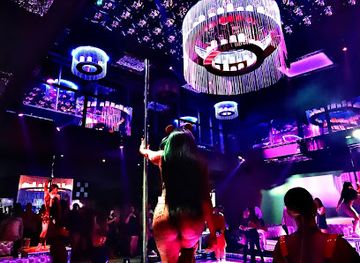
7eight7
Dive into the energetic nightlife of San Juan at 7eight7, where music and dance come together in a vibrant atmosphere.
Best shops in Mona Passage
Shopping associated with the Mona Passage is found on mainland Puerto Rico, particularly in Mayagüez and the western coastal towns used as excursion bases. Visitors can look for Puerto Rican coffee, rum, sweets, hot sauces, woodwork, ceramics, woven goods and locally designed clothing, while food shops and markets are useful for assembling provisions before a boat trip. Cabo Rojo and neighbouring communities offer small independent businesses and coastal souvenirs rather than a concentrated luxury-shopping district. Mayagüez provides the widest range of everyday retail, services and practical outdoor supplies. There are no normal retail facilities on Mona Island, and visitors should carry everything required for an authorised landing, then remove all rubbish and equipment that must return to the mainland. Buy crafts and food from established sellers, and avoid purchasing shells, coral, archaeological objects or products made from protected wildlife.
-
Outlet mall
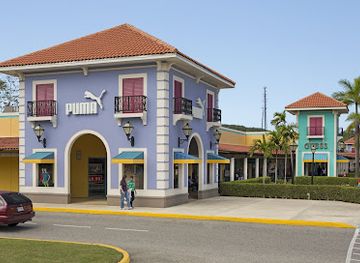
Puerto Rico Premium Outlets
Puerto Rico Premium Outlets: Your ultimate shopping destination for designer brands at unbeatable prices.
-
Shopping mall
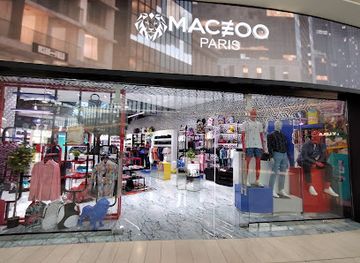
The Mall of San Juan
Experience luxury shopping, exquisite dining, and vibrant entertainment at The Mall of San Juan, a premier destination in Puerto Rico.
-
Art gallery
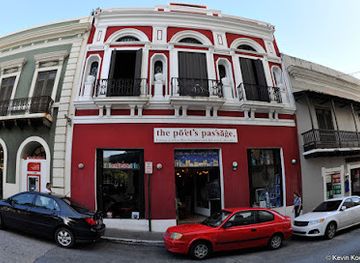
The Poet's Passage
Discover the artistic charm of The Poet's Passage in San Juan, a unique art gallery and souvenir store celebrating local creativity and culture.
-
Gift shop
Chez Nicole Boutique
Discover unique gifts and handcrafted treasures at Chez Nicole Boutique in Punta Cana, a haven for tourists seeking memorable souvenirs.

Get your free copy of our complete guide to Mona Passage, delivered straight to you.
Everything on this page, from attractions and restaurants to essentials and local phrases, in one PDF you can read offline, print or share.
Already have an account? Sign in
Your Mona Passage guide is ready.
We'll send it to · Not you? Sign out

Getting your guide ready…
We are putting together a fresh copy of the Mona Passage guide. This can take up to a minute.
This can take a few moments. If your browser asks, choose Allow so the download can start. You'll find the guide in your Downloads folder.
Nothing happened? Download it again
Sorry, the guide is taking longer than usual. Please try again in a minute, or get it by email instead.
Mona Passage essentials
Currency and Payment
Safety
Emergency Situations
Do's and Don'ts
Local Tips
From Eve
Local phrases worth knowing
You don't need to get them perfect. A few words go a long way, and locals appreciate the effort.
Basics
| English | Local | Say it |
|---|---|---|
| Hello | Hola | [Ola] |
| Goodbye | Adiós | [A-dyos] |
| Yes | Sí | [See] |
| No | No | [No] |
| Please/You’re welcome | Por favor/De nada | [Por fa-vor/De na-da] |
| Thank you | Gracias | [Gra-thyas] |
| Excuse me/Sorry | Perdón | [Per-don] |
| How are you? | ¿Cómo estás? | [Ko-mo es-tas] |
| Fine. And you? | Bien. ¿Y tú? | [Byen. E tu?] |
| Do you speak English? | ¿Hablas inglés? | [A-blas in-gleis] |
| I don't understand | No entiendo | [No en-tyen-do] |
Eating & Drinking
| English | Local | Say it |
|---|---|---|
| I’d like to see the menu, please | Me gustaría ver el menú, por favor | [Me gus-ta-ria ver el me-nu, por fa-vor] |
| I don’t eat meat | No como carne | [No ko-mo kar-ne] |
| Cheers! | ¡Salud! | [Sa-lud] |
| I would like to pay, please | Me gustaría pagar, por favor | [Me gus-ta-ria pa-gar, por fa-vor] |
Emergencies
| English | Local | Say it |
|---|---|---|
| Help! | ¡Ayuda! | [A-yu-da] |
| Go away! | ¡Vete! | [Ve-te] |
| Call the Police! | ¡Llama a la policía! | [Ya-ma a la po-li-cía] |
| Call a doctor! | ¡Llama a un doctor! | [Ya-ma a un doc-tor] |
| I’m lost | Estoy perdido | [Es-toy per-di-do] |
| I’m ill | Estoy enfermo/enferma | [Es-toy en-fer-mo/en-fer-ma] |
Shopping
| English | Local | Say it |
|---|---|---|
| I’d like to buy... | Me gustaría comprar... | [Me gus-ta-ria kom-prar] |
| I’m just looking | Solo estoy mirando | [So-lo es-toy mi-ran-do] |
| How much is it? | ¿Cuánto cuesta? | [Kwán-to kwes-ta] |
| That’s too expensive | Eso es muy caro | [E-so es muy ka-ro] |
| Can you lower the price? | ¿Puedes bajar el precio? | [Pwe-des ba-har el pre-cio] |
Time & Numbers
| English | Local | Say it |
|---|---|---|
| What time is it? | ¿Qué hora es? | [Ke o-ra es] |
| It’s one o'clock | Es la una | [Es la u-na] |
| Half past (10) | Y media (10) | [I me-dia (diez)] |
| Morning | Mañana | [Ma-nyana] |
| Afternoon | Tarde | [Tar-de] |
| Evening | Noche | [No-che] |
| Yesterday | Ayer | [A-yer] |
| Today | Hoy | [Oi] |
| Tomorrow | Mañana | [Ma-nyana] |
| 1 | Uno | [U-no] |
| 2 | Dos | [Dos] |
| 3 | Tres | [Tres] |
| 4 | Cuatro | [Kua-tro] |
| 5 | Cinco | [Sin-co] |
| 6 | Seis | [Seis] |
| 7 | Siete | [Sye-te] |
| 8 | Ocho | [O-cho] |
| 9 | Nueve | [Nwe-ve] |
| 10 | Diez | [Dyez] |
Transport & Directions
| English | Local | Say it |
|---|---|---|
| Where's a/the...? | ¿Dónde está un/una...? | [Don-de es-ta un/una] |
| What's the address? | ¿Cuál es la dirección? | [Kwal es la di-rec-ción] |
| Can you show me (on the map)? | ¿Puedes mostrarme (en el mapa)? | [Pwe-des mos-trar-me (en el ma-pa)] |
| When's the next (bus)? | ¿Cuándo es el próximo (autobús)? | [Kwan-do es el pro-xi-mo (au-to-bus)] |
| A ticket (to ....) | Un boleto (a....) | [Un bo-le-to (a....)] |
History of Mona Passage
Taíno Navigation and Greater Antillean Exchange
Before European colonisation, Taíno societies connected the islands of the Greater Antilles through seafaring, trade and kinship. The Mona Passage formed part of this wider Caribbean network, linking Puerto Rico with Hispaniola and the smaller islands between them. Mona Island’s position, caves and freshwater resources made it a useful stopping point in an otherwise demanding maritime environment. Archaeological evidence from Mona includes Indigenous artefacts and cave remains, demonstrating that the island was visited and used long before it became associated with Spanish navigation.
European Voyages and Spanish Caribbean Routes
Christopher Columbus passed through the waters around the Mona region during his second voyage in 1494, and Spanish expansion soon made the sea lanes between Hispaniola and Puerto Rico part of an imperial network. The passage was not merely an empty gap between islands: it connected colonial ports, settlements and supply routes across the northern Caribbean. Its open water, reefs and currents also made navigation hazardous, encouraging vessels to seek local knowledge and suitable weather before attempting the crossing.
Maritime Defence and Inter-Island Commerce
During the Spanish colonial period, shipping between Puerto Rico, Hispaniola and other Caribbean territories connected the passage with commercial and military activity. The broader waters of the region were affected by privateering, naval patrols and competition among European powers, although individual incidents are often difficult to attribute precisely to the passage itself. The western coast of Puerto Rico developed as a maritime frontier, with ports and anchorages supporting agriculture, coastal trade and communication with the wider Caribbean.
Mona Island’s Guano Industry
In the nineteenth and early twentieth centuries, Mona Island became known for guano, the accumulated droppings of seabirds and bats used as fertiliser. Extraction left a visible industrial imprint on parts of the island and brought workers and vessels into an otherwise remote environment. The industry declined as fertiliser practices changed and the difficulties of working on the island became more apparent. Its remains form part of Mona’s layered history, alongside Indigenous occupation, maritime use and the island’s later conservation importance.
Puerto Rico and the United States after 1898
Puerto Rico became a United States territory after the Spanish-American War in 1898, changing the political and administrative context of the western island and its surrounding waters. Maritime links with the United States and the wider Caribbean continued, while ports such as Mayagüez remained important to western Puerto Rico. The Mona Passage consequently sits within a territory whose history combines Spanish colonial institutions, Caribbean society and United States governance.
Conservation, Research and Modern Maritime Travel
During the twentieth century, increasing recognition of Mona Island’s dry forests, caves, seabird colonies, marine habitats and archaeological resources encouraged stronger protection. The island is now managed as a natural and cultural heritage area within Puerto Rico, with access more controlled than at ordinary coastal destinations. Modern interest in the passage centres on marine science, diving, wildlife observation and carefully managed expeditions, reflecting a shift from extraction and transport towards conservation and low-impact visitation.
Mona Passage in Photos
Browse through our photo collection highlighting the charm and character of the destination.
Neighbouring regions of Mona Passage
The closest regions to Mona Passage, if you have time for more than one.
-

-

-

-

-


Swipe for more regions
Explore more

Explore more of Puerto Rico
Discover Puerto Rico, where vibrant culture, stunning beaches, and rich history create an unforgettable Caribbean experience. Perfect for adventurers and relaxation seekers alike.
Explore Puerto Rico