

Free Mayagüez Region Travel Guide & Mobile App
Explore Mayagüez Region with free travel guides. Discover regional history, expert tips, proposed trips, and audio guides on web or mobile app.


Explore the Mayagüez Region of Puerto Rico for historic towns, surf beaches, coffee hills, coastal nature and the bioluminescent waters of La Parguera.
Read more about Mayagüez Region
When is the best time to visit Mayagüez Region?
Best: January–March · 29–30°C| Month | High (°C) | Rainfall (mm) |
|---|---|---|
| January (best) | 29 | 60 |
| February (best) | 29 | 50 |
| March (best) | 30 | 50 |
| April | 30 | 70 |
| May | 31 | 100 |
| June | 32 | 110 |
| July | 32 | 110 |
| August | 32 | 120 |
| September | 32 | 130 |
| October | 31 | 130 |
| November | 31 | 110 |
| December | 30 | 90 |
Getting to and around Mayagüez Region
How to get there
Transportation
Top city travel guides in Mayagüez Region
The cities of Mayagüez Region, and the easiest places to base yourself.
-

-

-

-

-


Swipe for more cities
Destinations in Mayagüez Region
Resorts, valleys and scenic spots worth a trip of their own.
-

-

-


Swipe for more destinations
Best attractions in Mayagüez Region
The Mayagüez Region offers a varied collection of coastal, historic and rural attractions spread across western Puerto Rico. Mayagüez itself provides museums, theatres, civic architecture and university-town culture, while San Germán is valued for its historic streets and colonial religious heritage. Along the coast, Rincón and neighbouring beaches attract surfers, swimmers and sunset watchers, whereas Aguadilla and Isabela combine broad beaches, limestone scenery and opportunities for water sports. Cabo Rojo’s National Wildlife Refuge includes salt flats, lagoons, dry forest and important bird habitat, and nearby cliffs create some of the region’s most memorable coastal views. In Lajas, La Parguera is a base for boat trips through mangroves and cays, including excursions to bioluminescent waters. Inland Maricao and Las Marías introduce coffee landscapes, forest trails and cooler mountain scenery. The region also contains caves, rural viewpoints, local festivals and food stops that reward independent exploration, although opening arrangements and access can vary by site and weather.
-
Beach
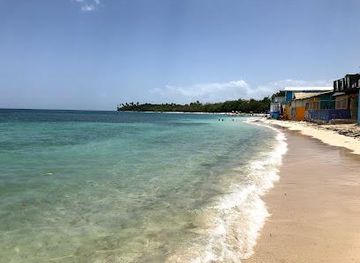
Buyé Beach
Experience the breathtaking beauty of Buyé Beach in Cabo Rojo, Puerto Rico, where sun, sand, and sea await every traveler.
-
Beach
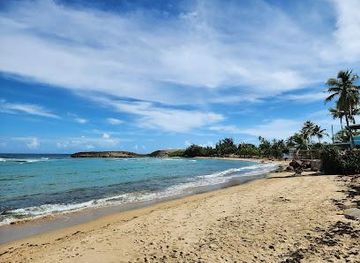
Playa Jobos
Discover the breathtaking beauty and vibrant waves at Playa Jobos, a premier beach destination in Isabela, Puerto Rico, perfect for sun lovers and water sports enthusiasts.
-
Historical landmark
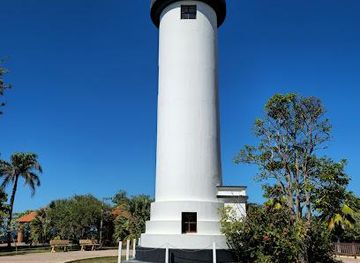
El Faro de Rincón
Discover the enchanting El Faro de Rincón, a historical lighthouse offering breathtaking Caribbean views and a glimpse into Puerto Rico's maritime heritage.
-
Tourist attraction
Bosque Estatal de Boquerón
Explore the serene landscapes and vibrant wildlife of Bosque Estatal de Boquerón, a natural preserve in Lajas, Puerto Rico.

Best landmarks in Mayagüez Region
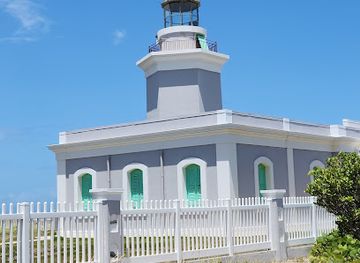
The historic centre of San Germán is one of the Mayagüez Region’s most important architectural landmarks, with its compact urban fabric and the Church of Porta Coeli, a celebrated early colonial religious building. In Mayagüez, the Yagüez Theatre, the Cathedral of Our Lady of the Candelaria and surrounding civic architecture express the city’s commercial and cultural importance, including rebuilding and adaptation after the 1918 earthquake. At Cabo Rojo, the Los Morrillos Lighthouse stands on a dramatic limestone headland above the sea, near salt flats and coastal cliffs whose colours and ecology are as significant as the structure itself. La Parguera’s mangrove channels and cays form a distinctive maritime landscape rather than a single monument, while the forested heights of Maricao provide a contrasting natural landmark within the western interior. Historic churches, town plazas and surviving agricultural houses in smaller municipalities complete a regional landscape in which architecture, coastline and mountain terrain are closely connected.
-
Historical place
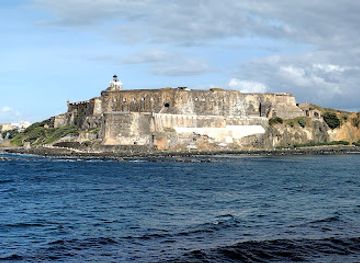
San Juan National Historic Site
Discover the breathtaking beauty and rich history of San Juan National Historic Site, a UNESCO World Heritage treasure in Puerto Rico.
-
 Resort hotel
Mayagüez Resort & Casino
Discover the ultimate blend of luxury and excitement at Mayagüez Resort & Casino, your go-to destination in Puerto Rico for relaxation and entertainment.
-
Historical landmark
Faro Los Morrillos
Discover the breathtaking Faro Los Morrillos, a historical landmark in Cabo Rojo offering stunning coastal views and a glimpse into Puerto Rico's maritime heritage.
-
Park
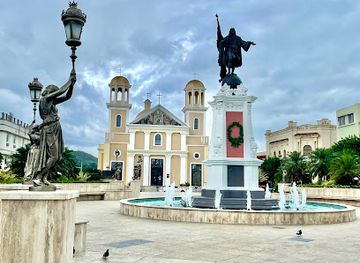
Plaza Cristóbal Colón
Experience the beauty and culture of Mayagüez at Plaza Cristóbal Colón, a vibrant park filled with history, greenery, and community spirit.
Explore Mayagüez Region on the map
Plan your trip on one map. See where the top cities, national parks and sights are, and book hotels and experiences in a few clicks.
Best hotels in Mayagüez Region
Best restaurants in Mayagüez Region
Food in the Mayagüez Region reflects Puerto Rico’s broad culinary traditions while giving particular prominence to seafood, coffee-growing uplands and informal coastal dining. Fish, shellfish and fried seafood are especially visible around fishing communities and the southwest coast, while rice dishes, stews, plantains, roasted meats and fritters appear in family restaurants, bakeries and roadside kiosks throughout the region. Mayagüez and the larger towns offer the widest choice of contemporary dining, cafés and international food, while smaller communities are better known for casual establishments and local specialities served at an unhurried pace. Coffee from the western mountains is a significant regional product, and bakeries are useful stops for breakfast, savoury pastries and sweets. In Cabo Rojo, Lajas, Rincón and other coastal areas, menus often respond to the day’s catch and seasonal trade. Farmers’ markets and roadside stalls may also offer fruit, preserves and snacks, but selection and opening days vary.
-
Seafood
González Sea Food Restaurant
Discover the freshest seafood delights at González Sea Food Restaurant in Mayagüez – where every dish tells a story of Puerto Rican coastal flavors.
-
Steak
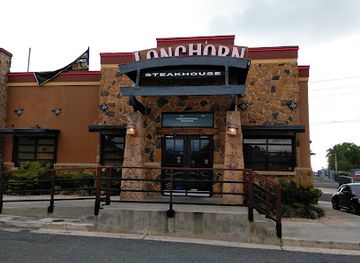
LongHorn Steakhouse
Experience the best American steak cuisine at LongHorn Steakhouse in Mayagüez—where flavor meets warmth in every bite.
-
Restaurant
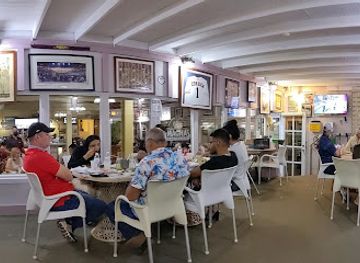
El Mesón Sandwiches (Mayaguez Terrace)
Discover delicious sandwiches and authentic Puerto Rican flavors at El Mesón Sandwiches in Mayagüez.
-
Restaurant
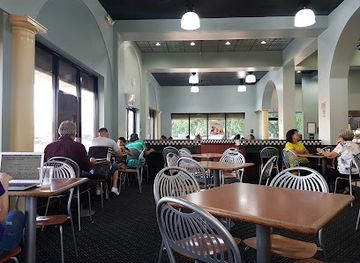
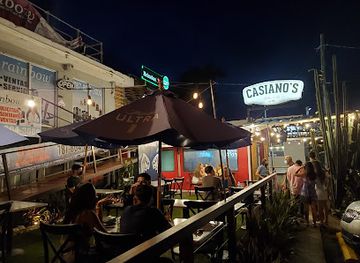
Casiano's Chicken & Ribs
Experience the authentic taste of Puerto Rico at Casiano's Chicken & Ribs in Mayagüez - where every bite is a celebration of flavor!
Best bars in Mayagüez Region
Evening life in the Mayagüez Region is centred more on plazas, restaurants, traditional bars, breweries, live music and coastal gatherings than on a large, concentrated nightclub scene. Mayagüez has the broadest urban choice, with student, cultural and restaurant-oriented nightlife that can change with the academic calendar. Rincón and other west-coast communities offer relaxed bars, sunset venues and occasional live music, while Aguadilla and Cabo Rojo provide a mixture of casual drinking spots and late dining rather than a single nightlife district. In smaller inland towns, evenings often revolve around the public square, family restaurants and community events. Local music may include salsa, plena and other Puerto Rican forms, but performances and schedules are variable. Check current arrangements locally, use licensed transport after drinking and remember that enjoying the region’s evening culture does not require heavy alcohol consumption.
-
Restaurant
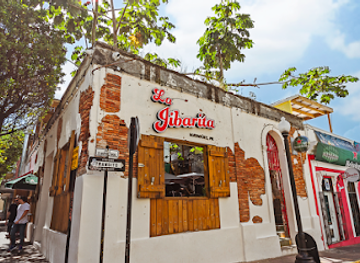
La Jibarita
Discover the vibrant flavors of Caribbean cuisine at La Jibarita, a culinary gem in Mayagüez that promises a delightful dining experience.
-
Grill
Jarana College Bar
Discover the lively essence of Puerto Rican nightlife at Jarana College Bar, where delicious food and vibrant cocktails await.
-
Restaurant
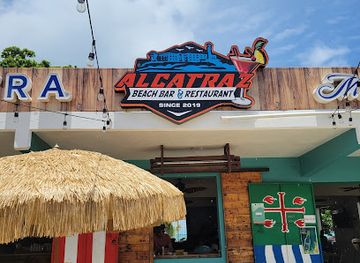
Alcatraz Beach Bar & Restaurant
Discover a culinary paradise at Alcatraz Beach Bar & Restaurant, where local flavors meet breathtaking waterfront views in El Mani, Puerto Rico.
-
Restaurant
Off The Wall Puerto Rico
Experience the vibrant flavors of Puerto Rico at Off The Wall, a top-rated hamburger restaurant in Mayagüez, perfect for tourists and locals alike.
Best nightclubs in Mayagüez Region
Evening life in the Mayagüez Region is centred more on plazas, restaurants, traditional bars, breweries, live music and coastal gatherings than on a large, concentrated nightclub scene. Mayagüez has the broadest urban choice, with student, cultural and restaurant-oriented nightlife that can change with the academic calendar. Rincón and other west-coast communities offer relaxed bars, sunset venues and occasional live music, while Aguadilla and Cabo Rojo provide a mixture of casual drinking spots and late dining rather than a single nightlife district. In smaller inland towns, evenings often revolve around the public square, family restaurants and community events. Local music may include salsa, plena and other Puerto Rican forms, but performances and schedules are variable. Check current arrangements locally, use licensed transport after drinking and remember that enjoying the region’s evening culture does not require heavy alcohol consumption.
-
Grill
Jarana College Bar
Discover the vibrant atmosphere of Jarana College Bar, where delicious grill dishes and creative cocktails meet lively social experiences in Mayagüez.
-
Pub
Barril Sin Fondo
Experience the lively ambiance and local flavors at Barril Sin Fondo, a must-visit pub in Mayagüez, Puerto Rico.
-
Bar
La Bodeguita
Experience the vibrant nightlife of Mayagüez at La Bodeguita, where local flavors and live music come together for an unforgettable evening.
-
Tapas Bar
BLACK CROW BAR&COCKTAILS
Discover an exciting blend of tapas and cocktails at BLACK CROW BAR&COCKTAILS in Mayagüez, Puerto Rico's vibrant nightlife destination.

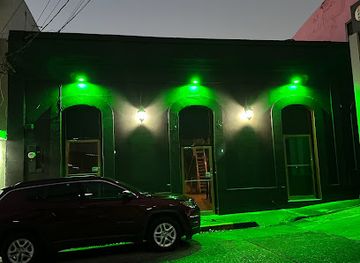
Best shops in Mayagüez Region
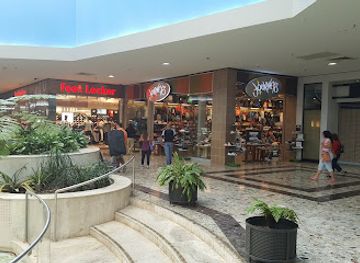
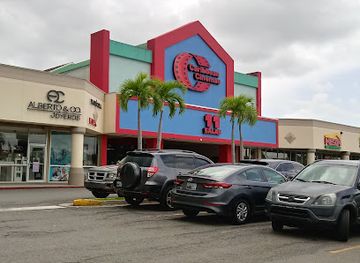
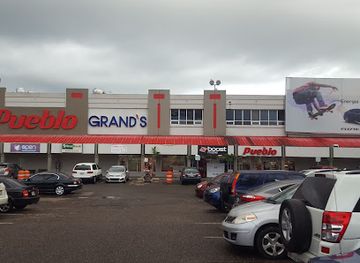
Shopping in the Mayagüez Region is generally local and town-based rather than centred on luxury retail. Mayagüez offers the broadest selection of department stores, services, independent businesses and everyday shopping, while San Germán, Cabo Rojo, Rincón, Aguadilla and Isabela have smaller high streets, galleries, cafés and specialist shops. Town markets and roadside stalls can be useful for fresh fruit, sweets, preserves, coffee and other Puerto Rican food products, though trading days and selection vary. Look for locally produced coffee from the western uplands, handmade foods, art, jewellery and craftwork, while coastal communities often sell practical beach goods and souvenirs. Historic town centres are better suited to browsing independent businesses than to extensive retail excursions. For distinctive purchases, ask whether an item was made locally rather than assuming that every island-themed product represents the western region. Larger commercial centres are found in and around the principal towns, but rural districts have fewer shops and shorter, less predictable trading hours.
-
Shopping mall
Mayagüez Mall
Experience the best of shopping, dining, and entertainment at Mayagüez Mall, Puerto Rico's premier retail destination.
-
Shopping mall
Western Plaza
Discover a blend of shopping, dining, and local culture at Western Plaza, the premier shopping destination in Mayagüez, Puerto Rico.
-
Shopping mall
Mayagüez Town Center
Explore Mayagüez Town Center: A vibrant shopping hub in Puerto Rico featuring local culture, diverse stores, delicious dining, and fun entertainment.
-
Shopping mall
University Plaza
Discover the vibrant shopping and dining experience at University Plaza in Mayagüez, a must-visit destination for all tourists.
Get your free copy of our complete guide to Mayagüez Region, delivered straight to you.
Everything on this page, from attractions and restaurants to essentials and local phrases, in one PDF you can read offline, print or share.
Already have an account? Sign in
Your Mayagüez Region guide is ready.
We'll send it to · Not you? Sign out

Getting your guide ready…
We are putting together a fresh copy of the Mayagüez Region guide. This can take up to a minute.
This can take a few moments. If your browser asks, choose Allow so the download can start. You'll find the guide in your Downloads folder.
Nothing happened? Download it again
Sorry, the guide is taking longer than usual. Please try again in a minute, or get it by email instead.
Mayagüez Region essentials
Currency and Payment
Safety
Emergency Situations
Do's and Don'ts
Local Tips
From Eve
Local phrases worth knowing
You don't need to get them perfect. A few words go a long way, and locals appreciate the effort.
Basics
| English | Local | Say it |
|---|---|---|
| Hello | Hola | [Oh-lah] |
| Goodbye | Adiós | [Ah-dee-ohs] |
| Yes | Sí | [See] |
| No | No | [No] |
| Please/You're welcome | Por favor/De nada | [Por fah-vor/Deh nah-dah] |
| Thank you | Gracias | [Gra-thee-as] |
| Excuse me/Sorry | Perdón | [Pehr-dohn] |
| How are you? | ¿Cómo estás? | [Koh-moh es-tas] |
| Fine. And you? | Bien. ¿Y tú? | [Byen. Ee too] |
| Do you speak English? | ¿Hablas inglés? | [Ah-blas een-glehs] |
| I don't understand | No entiendo | [No en-tyen-doh] |
Eating & Drinking
| English | Local | Say it |
|---|---|---|
| I'd like to see the menu, please | Me gustaría ver el menú, por favor | [Meh goo-stah-ree-ah vehr el meh-noo, por fah-vor] |
| I don't eat meat | No como carne | [No koh-moh kar-neh] |
| Cheers! | ¡Salud! | [Sah-lood] |
| I would like to pay, please | Me gustaría pagar, por favor | [Meh goo-stah-ree-ah pah-gar, por fah-vor] |
Emergencies
| English | Local | Say it |
|---|---|---|
| Help! | ¡Ayuda! | [Ah-yoo-dah] |
| Go away! | ¡Vete! | [Veh-teh] |
| Call the Police! | ¡Llama a la policía! | [Yah-mah ah lah poh-lee-see-ah] |
| Call a doctor! | ¡Llama a un doctor! | [Yah-mah ah oon dok-tor] |
| I'm lost | Estoy perdido | [Es-toy pehr-dee-doh] |
| I'm ill | Estoy enfermo | [Es-toy en-fair-mo] |
Shopping
| English | Local | Say it |
|---|---|---|
| I'd like to buy... | Me gustaría comprar... | [Meh goo-stah-ree-ah kom-prar] |
| I'm just looking | Solo estoy mirando | [Soh-lo es-toy mee-ran-doh] |
| How much is it? | ¿Cuánto cuesta? | [Kwan-toh kwes-tah] |
| That's too expensive | Eso es muy caro | [Eh-so es mwee kah-roh] |
| Can you lower the price? | ¿Puedes bajar el precio? | [Pweh-des bah-har el preh-sio] |
Time & Numbers
| English | Local | Say it |
|---|---|---|
| What time is it? | ¿Qué hora es? | [Ke oh-rah es] |
| It's one o'clock | Es la una | [Es lah oo-nah] |
| Half past (10) | Y media (10) | [Ee meh-dee-ah (10)] |
| Morning | Mañana | [Mah-nyah-nah] |
| Afternoon | Tarde | [Tar-deh] |
| Evening | Noche | [Noh-cheh] |
| Yesterday | Ayer | [Ah-yer] |
| Today | Hoy | [Oy] |
| Tomorrow | Mañana | [Mah-nyah-nah] |
| 1 | Uno | [Oo-no] |
| 2 | Dos | [Dos] |
| 3 | Tres | [Tres] |
| 4 | Cuatro | [Kwah-tro] |
| 5 | Cinco | [Seen-koh] |
| 6 | Seis | [Says] |
| 7 | Siete | [See-eh-teh] |
| 8 | Ocho | [Oh-cho] |
| 9 | Nueve | [Nweh-veh] |
| 10 | Diez | [Dyehs] |
Transport & Directions
| English | Local | Say it |
|---|---|---|
| Where's a/the...? | ¿Dónde hay un/una...? | [Dohn-deh eye oon/oo-nah] |
| What's the address? | ¿Cuál es la dirección? | [Kwal es lah dee-rek-syohn] |
| Can you show me (on the map)? | ¿Puedes mostrarme (en el mapa)? | [Pweh-des mohs-trar-me (en el mah-pah)] |
| When's the next (bus)? | ¿Cuándo es el próximo (autobús)? | [Kwan-doh es el prohk-see-mo (ow-toh-boos)] |
| A ticket (to ....) | Un boleto (a ...) | [Oon bo-leh-toh (ah ...)] |
History of Mayagüez Region
Taíno Settlement and Indigenous Landscapes
Before Spanish colonisation, western Puerto Rico was inhabited by Taíno communities whose settlements depended on coastal waters, rivers, fertile plains and upland resources. Indigenous place names remain part of the region’s geography, while archaeological evidence across Puerto Rico records agriculture, fishing, craft production and ceremonial life. The arrival of the Spanish brought disease, forced labour and profound demographic change, but Taíno knowledge and vocabulary continued to influence the island’s developing society.
Spanish Towns and the Founding of San Germán
Spanish settlement took firmer shape in the west during the sixteenth century, after an earlier settlement associated with San Germán was relocated and the town developed in its present inland setting. San Germán became an important centre of administration, religion and landholding. Its historic core, churches and surviving urban plan reflect the long Spanish colonial period, while the Church of Porta Coeli stands as one of the region’s most significant architectural reminders of early Puerto Rican Christianity.
Ports, Coffee and Sugar in the Nineteenth Century
During the nineteenth century, western Puerto Rico’s economy was shaped by sugar plantations on the coastal plains and coffee cultivation in the cooler mountains. Mayagüez grew as a commercial port, exporting agricultural products and importing goods for the surrounding districts. Coffee wealth also supported substantial houses, civic improvements and commercial activity in inland communities. The region’s foodways, rural landscapes and many historic buildings still carry traces of this agricultural economy.
Mayagüez’s Urban and Cultural Expansion
Mayagüez expanded considerably in the nineteenth and early twentieth centuries as trade, manufacturing, education and public institutions strengthened its role as the west’s principal city. The city’s theatre, cathedral, civic buildings and university connections reflect this period of urban confidence. Its port encouraged links with the Caribbean and beyond, while cultural organisations helped establish Mayagüez as a centre for performance, learning and public life rather than solely an agricultural market town.
The 1918 San Fermín Earthquake
On 11 October 1918, a major earthquake struck western Puerto Rico, followed by a destructive tsunami along parts of the coast. Mayagüez and other western communities suffered severe damage, and the disaster altered buildings, infrastructure and collective memory across the region. Reconstruction introduced new structures and safety awareness while leaving some historic fabric lost or transformed. The earthquake remains an important explanation for differences between older surviving buildings and later urban development.
Twentieth-Century Transformation
Across the twentieth century, western Puerto Rico moved through major economic and social changes. Sugar remained important for a time, but industrialisation, migration, public education, tourism and university life reshaped employment and settlement patterns. Coastal towns increasingly developed recreational and visitor economies, while mountain municipalities retained agricultural traditions but faced population pressures and changing land use. Contemporary Mayagüez Region culture combines Spanish Caribbean heritage with modern Puerto Rican urban, rural and coastal identities.
Mayagüez Region in Photos
Browse through our photo collection highlighting the charm and character of the destination.
Neighbouring regions of Mayagüez Region
The closest regions to Mayagüez Region, if you have time for more than one.
-

-

-

-

-


Swipe for more regions
Explore more

Explore more of Puerto Rico
Discover Puerto Rico, where vibrant culture, stunning beaches, and rich history create an unforgettable Caribbean experience. Perfect for adventurers and relaxation seekers alike.
Explore Puerto Rico