

Free Arecibo Region Travel Guide & Mobile App
Explore Arecibo Region with free travel guides. Discover regional history, expert tips, proposed trips, and audio guides on web or mobile app.


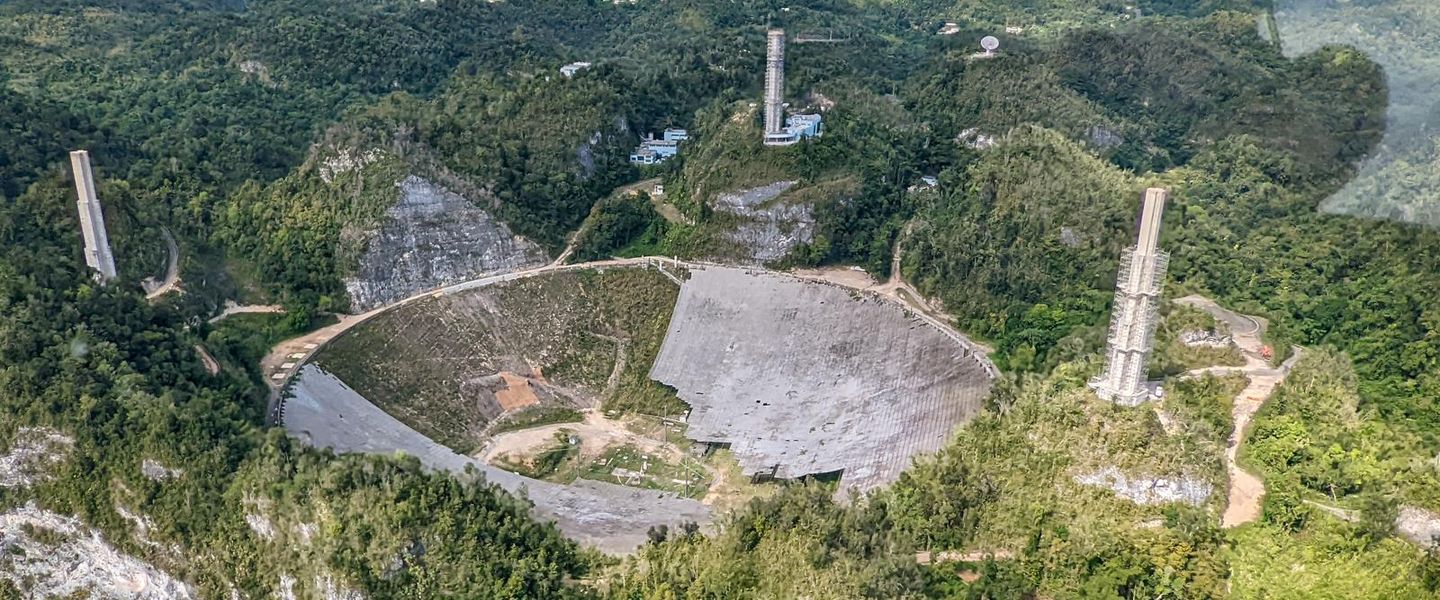


Explore Puerto Rico’s Arecibo Region for Atlantic beaches, limestone caves, historic towns, mountain roads and distinctive north-coast cuisine.
Read more about Arecibo Region
When is the best time to visit Arecibo Region?
Best: January–March · 29–30°C| Month | High (°C) | Rainfall (mm) |
|---|---|---|
| January (best) | 29 | 94 |
| February (best) | 30 | 71 |
| March (best) | 30 | 79 |
| April | 31 | 107 |
| May | 31 | 148 |
| June | 32 | 142 |
| July | 32 | 149 |
| August | 32 | 163 |
| September | 32 | 178 |
| October | 31 | 188 |
| November | 30 | 156 |
| December | 29 | 110 |
Getting to and around Arecibo Region
How to get there
Transportation
Top city travel guides in Arecibo Region
The cities of Arecibo Region, and the easiest places to base yourself.
-

-

-


Swipe for more cities
Destinations in Arecibo Region
Resorts, valleys and scenic spots worth a trip of their own.
-

-


Swipe for more destinations
Best attractions in Arecibo Region
The Arecibo Region’s attractions are shaped by the meeting of Atlantic coast and limestone interior. In Arecibo, visitors can explore the historic centre, cathedral, waterfront and the Parque Histórico y Arqueológico del Faro de Arecibo, whose coastal setting adds context to the city’s maritime history. The shoreline around La Poza del Obispo and Cueva del Indio combines beaches, fossil-rich limestone and Indigenous archaeological associations, although access and sea conditions should be checked. Inland, Río Camuy Cave Park presents one of Puerto Rico’s major cave and underground-river systems, with operations subject to weather and maintenance. The karst country around Camuy, Hatillo and Lares is also rewarding for landscape viewing and rural drives. Utuado brings mountain scenery, reservoirs and river valleys, while Lares offers coffee-country landscapes and historical museums connected with the Grito de Lares. The former Arecibo Observatory site remains important to the region’s scientific story, but the celebrated radio telescope collapsed in 2020, so current visitor access must be confirmed. Across the region, outdoor visits require sensible preparation for heat, rain, slippery rock and rapidly changing water conditions.
-
Tourist attraction
Reserva Natural Cueva del Indio
Explore the stunning caves and historical significance of Cueva del Indio, a captivating natural reserve in Arecibo, Puerto Rico.
-
Public beach
La Poza del Obispo
Experience the serene beauty of La Poza del Obispo, a stunning public beach in Arecibo, Puerto Rico, known for its crystal-clear waters and vibrant atmosphere.
-
Tourist attraction
Cueva Ventana
Discover Cueva Ventana, a breathtaking cave in Arecibo, Puerto Rico, offering stunning views and rich biodiversity for nature lovers and adventurers.
-
Park
Arecibo Lighthouse and Historical Park
Explore the scenic Arecibo Lighthouse and Historical Park, where history meets stunning coastal views in Puerto Rico's enchanting landscape.



Best landmarks in Arecibo Region
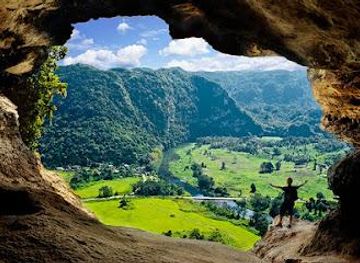
The Catedral de San Felipe Apóstol and Plaza de Colón form the architectural centre of historic Arecibo, expressing the city’s long civic and religious importance on the north coast. The Parque Histórico y Arqueológico del Faro de Arecibo preserves the setting and remains of the old lighthouse complex, a prominent coastal reminder of maritime navigation and Spanish-era defence. Cueva del Indio is a striking natural and archaeological landmark east of the city, where limestone cliffs, sea caves and Indigenous petroglyph traditions meet an exposed Atlantic shoreline; visitors should use authorised access and respect protected material. The Río Grande de Arecibo valley and its surrounding mogotes are defining geographical landmarks of the interior, while the cave systems of Camuy reveal the subterranean character of the region’s karst. Lares’s central plaza and commemorative sites carry the historical symbolism of the 1868 uprising. The former Arecibo Observatory telescope site is also a landmark of modern science, although the original structure collapsed in 2020 and should not be represented as intact.
-
Historical place
San Juan National Historic Site
Discover the historical treasures of San Juan National Historic Site, a UNESCO World Heritage destination brimming with culture and breathtaking ocean views.
-
Castle
Castillo San Felipe del Morro
Discover Castillo San Felipe del Morro: A historic fortress offering breathtaking views and rich history in the heart of San Juan, Puerto Rico.
-
Castle
Castillo San Cristóbal
Explore Castillo San Cristóbal, a stunning historical fortress in San Juan, Puerto Rico, offering breathtaking views and rich cultural heritage.
-
Museum
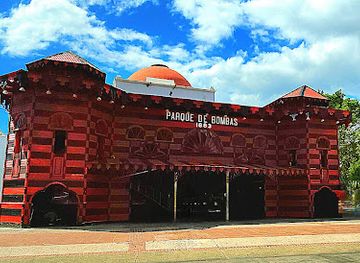
Parque de Bombas
Discover the charm and history of Parque de Bombas, a striking museum in Ponce, Puerto Rico, showcasing firefighting heritage and local culture.
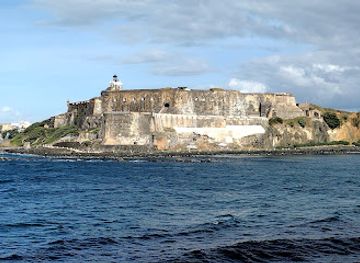
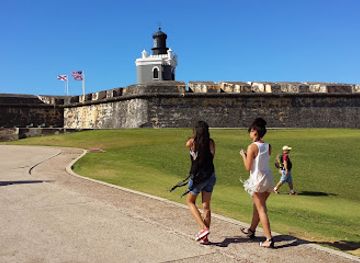
Explore Arecibo Region on the map
Plan your trip on one map. See where the top cities, national parks and sights are, and book hotels and experiences in a few clicks.
Best hotels in Arecibo Region
Best restaurants in Arecibo Region
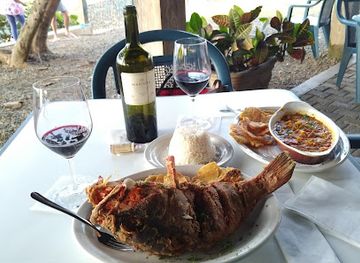
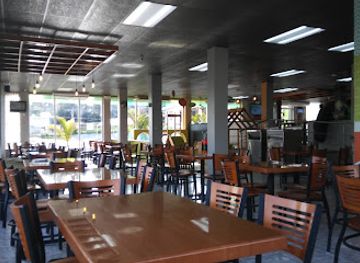
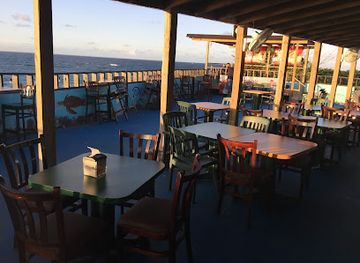
Dining in the Arecibo Region is grounded in Puerto Rican home-style cooking rather than a single formal food district. Arecibo’s restaurants, bakeries and casual cafés serve dishes built around rice, beans, plantains, pork, chicken, root vegetables and seafood, while coastal communities offer fish and shellfish when local supply allows. Inland roads towards Lares and Utuado bring roadside kiosks, cafeterias and rural eateries where portions are often substantial and the atmosphere informal. Look for mofongo, pasteles when seasonally available, alcapurrias, bacalaítos and other island favourites, while recognising that these dishes belong to the wider culinary culture of Puerto Rico rather than exclusively to Arecibo. Coffee from the central uplands, tropical fruit, sweets and freshly baked breads reflect the agricultural relationship between mountain and coast. Farmers’ stalls and small food businesses can be more useful for regional flavour than relying only on hotel dining, but opening times and payment options vary outside the principal towns.
-
Restaurant
Islote Beach Restaurant
Experience exquisite flavors at Islote Beach Restaurant in Arecibo—where local cuisine meets breathtaking ocean views.
-
Seafood
Salitre Mesón Costero
Discover the flavors of Puerto Rico at Salitre Mesón Costero, where fresh seafood meets gourmet dining in an unforgettable coastal setting.
-
Barbecue
Tony's BBQ
Experience authentic Puerto Rican barbecue at Tony's BBQ in Camuy—where flavor meets warmth in every delicious bite.
-
Restaurant
Playa Brava Arecibo
Discover Playa Brava Arecibo: A Culinary Gem by the Sea Offering Authentic Puerto Rican Flavors in a Breathtaking Setting.
Best bars in Arecibo Region
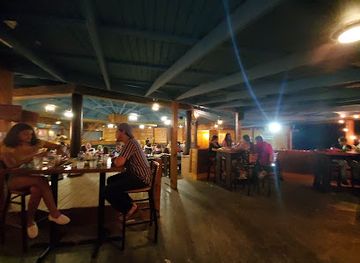
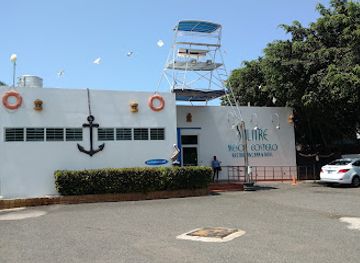
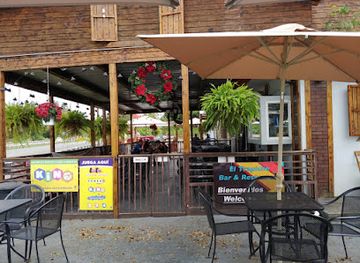
Evening life in the Arecibo Region is largely social and local rather than centred on a large nightclub circuit. Arecibo has the broadest choice of bars, casual restaurants and music-led venues, with activity often concentrated around the town centre and waterfront areas, while Hatillo, Camuy, Lares and Utuado offer smaller bars, cafés and neighbourhood gathering places. Traditional Puerto Rican bars may serve beer, rum-based drinks and simple food, and live music or community events can provide a stronger sense of local evening culture than formal clubbing. Coastal kiosks and restaurants may be busier at weekends, although conditions and schedules are seasonal. In rural districts, venues can be widely spaced and transport after drinking is limited, so arrange a taxi, designated driver or accommodation-based transport rather than assuming that late-night public transport will be available.
-
Restaurant
Islote Beach Restaurant
Experience the flavors of Puerto Rico at Islote Beach Restaurant, where fresh seafood meets stunning ocean views in a relaxed seaside setting.
-
Seafood
Salitre Mesón Costero
Explore the vibrant seafood scene at Salitre Mesón Costero, where fresh flavors meet stunning coastal views in Arecibo, Puerto Rico.
-
Barbecue
Bocata Smokehouse & Restaurant
Indulge in mouthwatering barbecue at Bocata Smokehouse & Restaurant, Arecibo's favorite spot for smoked meats and vibrant flavors.
-
Restaurant
El Trapiche Bar & Restaurant
Discover the authentic taste of Puerto Rican cuisine at El Trapiche Bar & Restaurant, a must-visit dining destination in Arecibo.

Best nightclubs in Arecibo Region
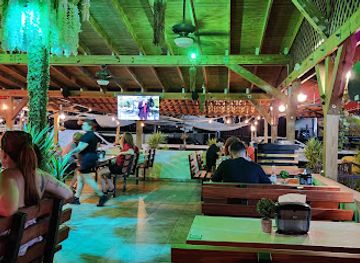
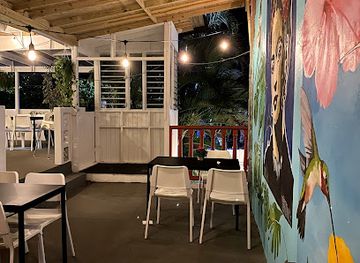
Evening life in the Arecibo Region is largely social and local rather than centred on a large nightclub circuit. Arecibo has the broadest choice of bars, casual restaurants and music-led venues, with activity often concentrated around the town centre and waterfront areas, while Hatillo, Camuy, Lares and Utuado offer smaller bars, cafés and neighbourhood gathering places. Traditional Puerto Rican bars may serve beer, rum-based drinks and simple food, and live music or community events can provide a stronger sense of local evening culture than formal clubbing. Coastal kiosks and restaurants may be busier at weekends, although conditions and schedules are seasonal. In rural districts, venues can be widely spaced and transport after drinking is limited, so arrange a taxi, designated driver or accommodation-based transport rather than assuming that late-night public transport will be available.
-
Sports bar
Willie's Sport Bar
Discover the vibrant sports scene at Willie's Sport Bar in Arecibo, where great food, drinks, and excitement await every visitor.
-
Bar
La Jungla Bar and Grill
Experience the vibrant flavors of the Caribbean at La Jungla Bar and Grill, where delicious food and live music create unforgettable memories.
-
Bar
La Terraza Sport Bar Dominguito
Discover the lively La Terraza Sport Bar Dominguito in Arecibo for great drinks, live music, and an unforgettable night out.
-
Puerto Rican
Amapola Rooftop
Experience the vibrant flavors of Puerto Rican cuisine at Amapola Rooftop, where stunning views and exquisite cocktails await every visitor.


Best shops in Arecibo Region
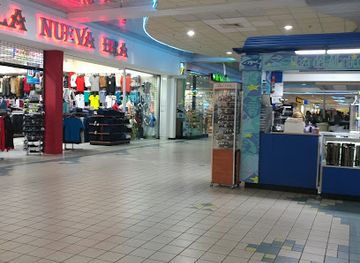
Shopping in the Arecibo Region is focused on practical town centres, independent businesses, food and locally made goods rather than destination luxury retail. Arecibo provides the widest selection of supermarkets, pharmacies, department stores and everyday shops, while the high streets and plazas of Camuy, Hatillo, Lares and Utuado support smaller local commerce. Bakeries, delicatessens and roadside stalls are useful places to buy Puerto Rican sweets, coffee, sauces, snacks and other food products for a journey. Craft stalls and galleries may offer carved wood, ceramics, jewellery, paintings and handmade souvenirs, though selection varies by town and season. Agricultural produce and coffee are particularly appropriate purchases from the upland districts, provided packaging and customs rules are considered for international travel. Markets and community events can change location or schedule, so ask locally rather than relying on an outdated listing. In historic centres, independent shops and small food businesses often provide a more regional shopping experience than large commercial outlets.
-
Shopping mall
Plaza del Norte
Discover the vibrant Plaza del Norte in Hatillo, Puerto Rico—a shopping haven with diverse stores, dining options, and lively entertainment!
-
Shopping mall
Plaza del Atlántico
Explore the bustling Plaza del Atlántico, Arecibo's premier shopping mall with diverse shops, dining, and entertainment for every visitor.
-
Supermarket
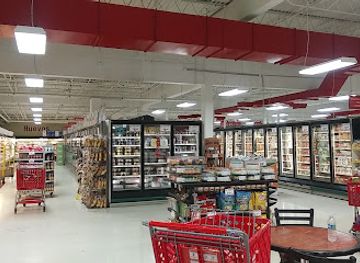
Supermercado Pueblo
Explore local flavors and vibrant culture at Supermercado Pueblo, the heart of Arecibo's shopping experience.
-
Department store
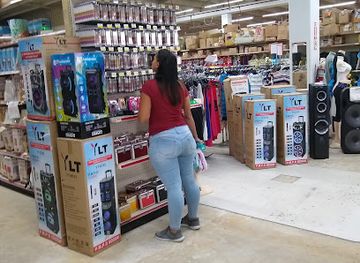
China Town & More #1
Discover the Essence of Puerto Rican Culture at China Town & More - A Premier Shopping Destination in Hato Abajo.

Get your free copy of our complete guide to Arecibo Region, delivered straight to you.
Everything on this page, from attractions and restaurants to essentials and local phrases, in one PDF you can read offline, print or share.
Already have an account? Sign in
Your Arecibo Region guide is ready.
We'll send it to · Not you? Sign out

Getting your guide ready…
We are putting together a fresh copy of the Arecibo Region guide. This can take up to a minute.
This can take a few moments. If your browser asks, choose Allow so the download can start. You'll find the guide in your Downloads folder.
Nothing happened? Download it again
Sorry, the guide is taking longer than usual. Please try again in a minute, or get it by email instead.
Arecibo Region essentials
Currency and Payment
Safety
Emergency Situations
Do's and Don'ts
Local Tips
From Eve
Local phrases worth knowing
You don't need to get them perfect. A few words go a long way, and locals appreciate the effort.
Basics
| English | Local | Say it |
|---|---|---|
| Hello | Hola | [OH-lah] |
| Goodbye | Adiós | [ah-DYOS] |
| Yes | Sí | [SEE] |
| No | No | [NO] |
| Please/You're welcome | Por favor/De nada | [por fah-VOR/deh NAH-dah] |
| Thank you | Gracias | [GRAH-syahs] |
| Excuse me/Sorry | Perdón | [pehr-DON] |
| How are you? | ¿Cómo estás? | [KOH-moh ehs-TAHS] |
| Fine. And you? | Bien. ¿Y tú? | [BYEN. ee TOO?] |
| Do you speak English? | ¿Hablas inglés? | [AH-blahs een-GLES?] |
| I don't understand | No entiendo | [NO en-TYEN-doh] |
Eating & Drinking
| English | Local | Say it |
|---|---|---|
| I'd like to see the menu, please | Me gustaría ver el menú, por favor | [meh goos-tah-REE-ah BEHR el meh-NOO por fah-VOR] |
| I don't eat meat | No como carne | [NO KOH-moh KAR-neh] |
| Cheers! | ¡Salud! | [sah-LOOD] |
| I would like to pay, please | Me gustaría pagar, por favor | [meh goos-tah-REE-ah pah-GAR por fah-VOR] |
Emergencies
| English | Local | Say it |
|---|---|---|
| Help! | ¡Ayuda! | [ah-YOO-dah] |
| Go away! | ¡Vete! | [VEH-teh] |
| Call the Police! | ¡Llama a la policía! | [YAH-mah ah lah poh-lee-SEE-ah] |
| Call a doctor! | ¡Llama a un doctor! | [YAH-mah ah oon dok-TOR] |
| I'm lost | Estoy perdido | [es-TOY pehr-DEE-doh] |
| I'm ill | Estoy enfermo/a | [es-TOY en-FER-mo/a] |
Shopping
| English | Local | Say it |
|---|---|---|
| I'd like to buy... | Me gustaría comprar... | [meh goos-tah-REE-ah kom-PRAHR] |
| I'm just looking | Solo estoy mirando | [SO-lo es-TOY mee-RAN-doh] |
| How much is it? | ¿Cuánto cuesta? | [KWAN-to KWEH-stah] |
| That's too expensive | Eso es muy caro | [EH-so es MOY KAH-ro] |
| Can you lower the price? | ¿Puedes bajar el precio? | [PWEH-des bah-HAR el PREH-syo] |
Time & Numbers
| English | Local | Say it |
|---|---|---|
| What time is it? | ¿Qué hora es? | [KEH OR-ah es?] |
| It's one o'clock | Es la una | [es lah OO-nah] |
| Half past (10) | Y media (10) | [ee MEH-diah (10)] |
| Morning | Mañana | [mah-NYAH-nah] |
| Afternoon | Tarde | [TAR-deh] |
| Evening | Noche | [NOH-cheh] |
| Yesterday | Ayer | [ah-YER] |
| Today | Hoy | [OY] |
| Tomorrow | Mañana | [mah-NYAH-nah] |
| 1 | Uno | [OO-no] |
| 2 | Dos | [DOS] |
| 3 | Tres | [TRES] |
| 4 | Cuatro | [KWAH-tro] |
| 5 | Cinco | [SEEN-koh] |
| 6 | Seis | [SAYS] |
| 7 | Siete | [SYEH-teh] |
| 8 | Ocho | [OH-cho] |
| 9 | Nueve | [NWEH-beh] |
| 10 | Diez | [DYEZ] |
Transport & Directions
| English | Local | Say it |
|---|---|---|
| Where's a/the...? | ¿Dónde está un/una...? | [DON-deh es-TAH oon/OO-nah?] |
| What's the address? | ¿Cuál es la dirección? | [KWAL es lah dee-rek-SYON?] |
| Can you show me (on the map)? | ¿Puedes mostrarme (en el mapa)? | [PWEH-des mos-TRAR-me (en el MAH-pah)?] |
| When's the next (bus)? | ¿Cuándo pasa el siguiente (autobús)? | [KWAN-doh PAH-sah el see-GYEN-teh (ow-toh-BOOS)?] |
| A ticket (to ....) | Un boleto (a ....) | [oon bo-LEH-toh (ah ....)] |
History of Arecibo Region
Taíno Settlement and Indigenous Landscapes
Before Spanish colonisation, the northern valleys and river systems of Puerto Rico supported Taíno communities connected by agriculture, fishing and regional exchange. Arecibo’s name is commonly linked to the Taíno cacique Arasibo, although early colonial records and later interpretations require care. Petroglyphs, cave environments and archaeological remains across the north-central interior preserve evidence of Indigenous presence, but they should not be treated as isolated curiosities: rivers, fertile valleys and coastal resources shaped settlement patterns over a much longer period.
Spanish Colonial Arecibo
Spanish settlement developed around the Río Grande de Arecibo and the north coast, with Arecibo formally established as a town in the seventeenth century. Its position supported agriculture, livestock raising, coastal trade and administration for a large surrounding area. The historic centre, cathedral and older civic buildings reflect successive periods of colonial and Puerto Rican development rather than a perfectly preserved single-era townscape. Coastal defence, port activity and the movement of agricultural goods helped give Arecibo importance beyond its immediate urban limits.
Agriculture, Coffee and Coastal Trade
During the eighteenth and nineteenth centuries, the region’s economy combined coastal commerce with agriculture in the interior. Sugar, livestock, tobacco and coffee each had importance at different times and in different districts, while mountain roads connected upland farms to northern ports and market towns. Coffee-growing areas around Lares and the central mountains were shaped by plantation labour, migration and changing export markets. The surviving landscape of rural roads, farm buildings and town plazas offers a partial record of these economic systems.
The Grito de Lares, 1868
Lares is closely associated with the Grito de Lares, the unsuccessful uprising against Spanish rule launched on 23 September 1868. Rebels briefly occupied the town and proclaimed a republican government before Spanish forces suppressed the movement. The event formed part of wider Caribbean challenges to colonial rule and later became an important symbol in Puerto Rican political history. Lares’s church, plaza and commemorative institutions help visitors understand the event’s continuing significance, while the broader region places it within a landscape of coffee farms and mountain communities.
Puerto Rico under United States Administration
After the Spanish-American War, Puerto Rico became a United States possession in 1898 and its political and economic institutions changed substantially. Roads, public works, schools and commercial networks developed during the twentieth century, while agriculture gradually gave way to manufacturing and services. Arecibo remained an important regional centre, but the expansion of highways and urban growth altered the relationship between coastal towns and the interior. The region’s architecture, transport routes and civic institutions contain traces of both Spanish colonial traditions and later American influence.
Science, Radar and the Arecibo Observatory
The Arecibo Observatory transformed the region’s international profile after its radio telescope began operating in the 1960s. Built in a natural limestone depression, it supported radio astronomy, atmospheric research and planetary radar, and became a landmark of twentieth-century science as well as a popular cultural reference. The main telescope collapsed in 2020 after years of structural problems and was not rebuilt in its original form. The site’s scientific legacy remains significant, but visitors should distinguish the former telescope from any facilities or visitor arrangements currently available.
Hurricanes, Recovery and a Changing Regional Economy
The Arecibo Region, like the rest of Puerto Rico, has faced repeated hurricanes, earthquakes, flooding and infrastructure pressures. Hurricane Maria in 2017 caused extensive disruption, while later storms and heavy rainfall continued to affect roads, utilities, caves and coastal facilities. Recovery has highlighted the importance of resilient communities, environmental stewardship and reliable access to rural districts. Today the regional economy combines services, commerce, agriculture, heritage tourism, outdoor recreation and scientific memory, with conditions at individual attractions changing more quickly than the underlying geography.
Arecibo Region in Photos
Browse through our photo collection highlighting the charm and character of the destination.
Neighbouring regions of Arecibo Region
The closest regions to Arecibo Region, if you have time for more than one.
-

-

-

-

-


Swipe for more regions
Explore more

Explore more of Puerto Rico
Discover Puerto Rico, where vibrant culture, stunning beaches, and rich history create an unforgettable Caribbean experience. Perfect for adventurers and relaxation seekers alike.
Explore Puerto Rico