

Free West Region Travel Guide & Mobile App
Explore West Region with free travel guides. Discover regional history, expert tips, proposed trips, and audio guides on web or mobile app.


Explore Puerto Rico’s West Region for surf beaches, colonial San Germán, dry forests, coffee hills, seafood and bioluminescent coastal waters.
Read more about West Region
When is the best time to visit West Region?
Best: February–April · 30–31°C| Month | High (°C) | Rainfall (mm) |
|---|---|---|
| January | 30 | 85 |
| February (best) | 30 | 70 |
| March (best) | 30 | 60 |
| April (best) | 31 | 70 |
| May | 32 | 110 |
| June | 32 | 120 |
| July | 33 | 130 |
| August | 32 | 150 |
| September | 32 | 165 |
| October | 32 | 175 |
| November | 31 | 135 |
| December | 30 | 105 |
Getting to and around West Region
How to get there
Transportation
Top city travel guides in West Region
The cities of West Region, and the easiest places to base yourself.
-

-

-

-

-

-


Swipe for more cities
Destinations in West Region
Resorts, valleys and scenic spots worth a trip of their own.
-

-

-

-


Swipe for more destinations
Best attractions in West Region
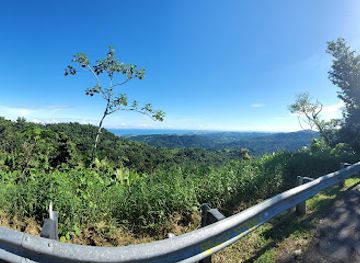
The West Region’s attractions range from marine recreation to historic town centres and protected ecosystems. Rincón, Aguadilla and Isabela offer beaches associated with surfing, swimming, sunsets and coastal walks, although sea conditions differ considerably by shore and season. The Tres Palmas Marine Reserve near Rincón is valued for coral and marine habitats, while the Cabo Rojo National Wildlife Refuge combines salt flats, coastal scenery and birdwatching. In the south, La Parguera in Lajas provides boat excursions through mangroves, cays and bioluminescent waters. The Guánica Dry Forest offers trails through rare subtropical woodland, and the interior around San Sebastián, Maricao and Las Marías brings waterfalls, rivers, coffee landscapes and cooler mountain scenery. Mayagüez contributes museums, theatre, university culture and urban parks, while San Germán provides historic architecture and religious heritage. Visitors should treat protected areas as ecological sites rather than amusement parks: trails, access roads, boat trips and swimming conditions can change with weather, conservation measures and storm damage.
-
Historical place
San Juan National Historic Site
Explore the historic charm and breathtaking views of San Juan National Historic Site, a must-visit destination in Puerto Rico for history enthusiasts and travelers alike.
-
Castle
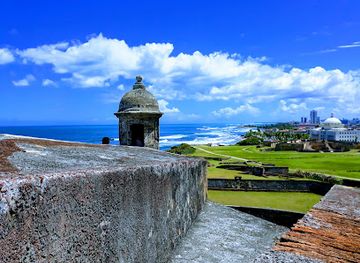
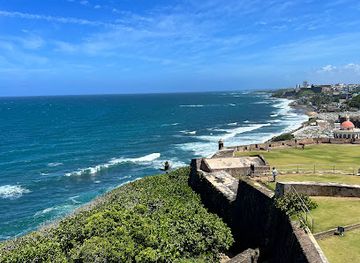
Castillo San Felipe del Morro
Visit Castillo San Felipe del Morro, a historic fortress in San Juan, Puerto Rico, and immerse yourself in its rich history and stunning coastal views.
-
Castle
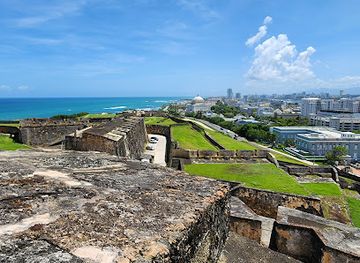
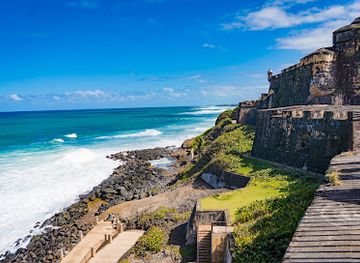
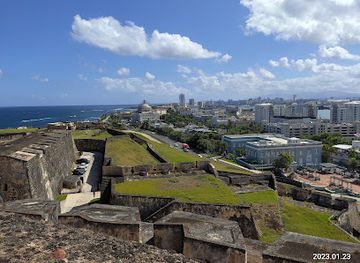
Castillo San Cristóbal
Discover the historical marvel of Castillo San Cristóbal, a fortress showcasing centuries of Puerto Rican heritage with stunning views and rich stories.
-
Beach
Crash Boat Beach
Experience the breathtaking beauty and vibrant atmosphere of Crash Boat Beach, Aguadilla, where sun, sea, and culture unite in perfect harmony.


Best landmarks in West Region
The Los Morrillos Lighthouse at Cabo Rojo is one of the region’s most recognisable landmarks, occupying a dramatic headland above limestone cliffs and the Caribbean Sea. Nearby salt flats express the long interaction between coastal geology, evaporation and human industry. In San Germán, the Porta Coeli church is a major surviving monument of Spanish colonial Puerto Rico and a defining feature of the historic town centre. Mayagüez’s central urban spaces and civic architecture reflect its development as a commercial, educational and port city, while the city’s cathedral remains an important religious landmark. In the north-west, coastal lighthouses and headlands around Rincón and Aguadilla mark a maritime landscape shaped by navigation, fishing and surf. The Guánica Dry Forest is a natural landmark rather than a single structure, distinguished by its dry woodland, limestone terrain and scientific importance. West Puerto Rico’s most meaningful landmarks therefore include both built heritage and exposed coastal landscapes whose form and significance are inseparable from the sea.
-
Historical place
San Juan National Historic Site
Discover the historic beauty and cultural significance of San Juan National Historic Site, a must-see for any visitor to Puerto Rico.
-
Castle
Castillo San Felipe del Morro
Discover the historical charm and stunning coastal views of Castillo San Felipe del Morro, a fortress steeped in the rich history of Puerto Rico.
-
National forest
El Yunque National Forest
Discover the enchanting beauty of El Yunque National Forest, a tropical paradise with lush landscapes, stunning waterfalls, and vibrant wildlife in Puerto Rico.
-
Castle
Castillo San Cristóbal
Discover the rich history and breathtaking views at Castillo San Cristóbal, a magnificent fortress and historical landmark in San Juan, Puerto Rico.
Explore West Region on the map
Plan your trip on one map. See where the top cities, national parks and sights are, and book hotels and experiences in a few clicks.
Best hotels in West Region
Best restaurants in West Region
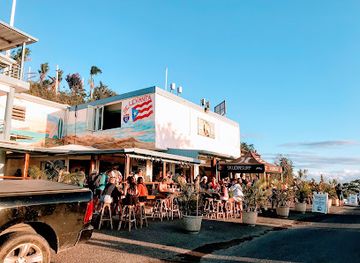
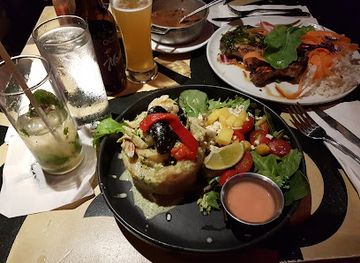
Western Puerto Rico’s food combines everyday Puerto Rican cooking with seafood, agricultural produce and the culinary traditions of coastal and mountain communities. In Mayagüez and the larger towns, restaurants serve dishes built around rice, beans, plantains, pork, chicken, root vegetables and locally inspired seafood, while coastal areas offer fish, shellfish and casual meals near beaches. Roadside kiosks and informal eateries are useful for fritters, sandwiches and other quick regional dishes, though menus and opening times can be variable. Inland towns provide opportunities to try locally grown coffee and produce from the Cordillera Central and western uplands. Rincón, Aguadilla, Cabo Rojo and Mayagüez have the broadest mix of cafés, bars, traditional restaurants and contemporary dining, while smaller municipalities tend to focus on family-run establishments and weekend food gatherings. Rum and locally made drinks belong to the wider Puerto Rican culinary landscape; responsible sampling is best balanced with water, food and safe transport.
-
Restaurant
The Beach House
Discover The Beach House in Rincón: where delicious food meets breathtaking ocean views and vibrant live music.
-
Puerto Rican
Casita Miramar
Discover authentic Puerto Rican cuisine at Casita Miramar in San Juan's lively Santurce district - where tradition meets taste.
-
Restaurant
Islote Beach Restaurant
Experience authentic Puerto Rican cuisine at Islote Beach Restaurant while enjoying breathtaking ocean views in Arecibo.
-
Seafood
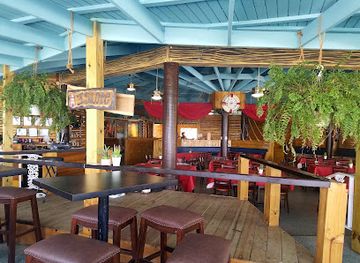
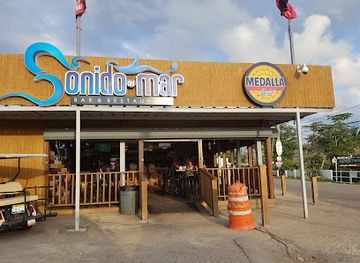
Sonido del Mar Restaurant
Experience the best of Puerto Rican seafood at Sonido del Mar Restaurant in Isabela - where ocean flavors meet breathtaking views.
Best bars in West Region
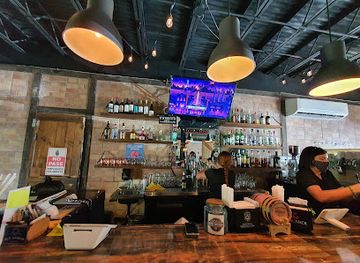
Evening life in the West Region is varied but generally more relaxed than the concentrated nightlife of San Juan. Rincón’s coastal bars and restaurants attract sunset crowds and may offer live music, while Mayagüez has the largest year-round mix of student-oriented venues, cafés, pubs and cultural performances. Aguadilla, Cabo Rojo, San Germán and La Parguera have evening dining and drinking options, with activity often increasing at weekends and during holiday periods. Traditional chinchorros, or informal roadside bars and food stops, are part of Puerto Rico’s wider social culture, especially outside the main towns, but they should not be treated as a substitute for reliable late-night transport. Nightclubs exist in selected urban and resort areas rather than across the whole region. Check current arrangements locally, as small venues can change schedules, particularly after storms or during quieter seasons.
-
Bar
La Factoría
Discover La Factoría, the iconic cocktail bar in San Juan, blending unique flavors with vibrant nightlife for an unforgettable evening.
-
Grill
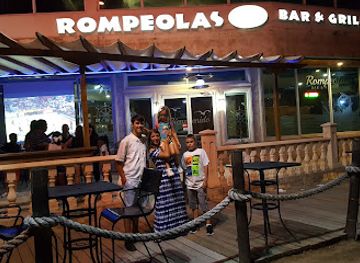
Rompeolas Bar & Grill
Experience the essence of Puerto Rican cuisine at Rompeolas Bar & Grill, where every meal is a celebration of flavor and fun.
-
Restaurant
El Oasis Patio Bar
Discover the vibrant flavors and lively atmosphere at El Oasis Patio Bar in Sabana, Vega Alta, where every visit feels like a tropical getaway.
-
Grill
Bier Garden Utuado
Experience the vibrant dining scene at Bier Garden Utuado - where delicious grills, lively music, and a welcoming atmosphere await every visitor.

Best nightclubs in West Region
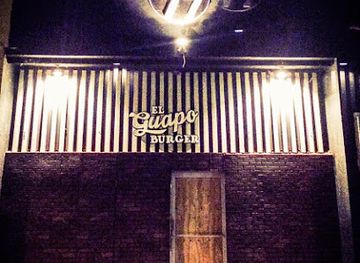
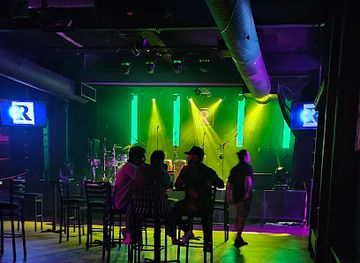
Evening life in the West Region is varied but generally more relaxed than the concentrated nightlife of San Juan. Rincón’s coastal bars and restaurants attract sunset crowds and may offer live music, while Mayagüez has the largest year-round mix of student-oriented venues, cafés, pubs and cultural performances. Aguadilla, Cabo Rojo, San Germán and La Parguera have evening dining and drinking options, with activity often increasing at weekends and during holiday periods. Traditional chinchorros, or informal roadside bars and food stops, are part of Puerto Rico’s wider social culture, especially outside the main towns, but they should not be treated as a substitute for reliable late-night transport. Nightclubs exist in selected urban and resort areas rather than across the whole region. Check current arrangements locally, as small venues can change schedules, particularly after storms or during quieter seasons.
-
Night club
Club 77
Unleash your spirit at Club 77, San Juan's vibrant night club offering eclectic music, affordable drinks, and an unforgettable dance experience.
-
Night club
La Respuesta
Experience the vibrant nightlife and live music scene at La Respuesta in Santurce, where culture and rhythm come alive.
-
Night club
Club Brava
Unleash your night at Club Brava, Carolina's premier nightclub, where vibrant music, exquisite cocktails, and unforgettable experiences await.
-
Night club
7eight7
Discover the vibrant nightlife of San Juan at 7eight7, a premier night club and event venue where energy and entertainment come alive.


Best shops in West Region
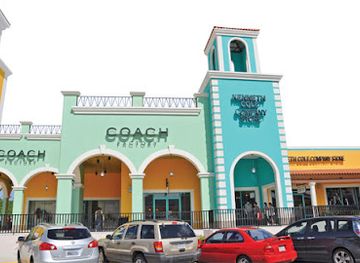
Shopping in the West Region is centred on town high streets, local food businesses, craft shops, galleries, markets and practical retail rather than a single dominant luxury district. Mayagüez offers the broadest urban choice, including shops, department-style retail and everyday services, while San Germán provides a more historic setting for browsing around its traditional centre. Coastal towns such as Rincón and Aguadilla have independent boutiques, surf-related goods, art, jewellery and locally made souvenirs, though stock and opening arrangements change. Farmers’ markets and roadside stalls can be good places to look for coffee, tropical fruit, preserves, snacks and other Puerto Rican products; buy food responsibly and check packaging if taking it home. In the mountain municipalities, coffee and small-scale agricultural produce are more distinctive purchases than manufactured souvenirs. Visitors should compare prices, carry some cash for informal vendors and remember that locally made craft items vary considerably in provenance and quality.
-
Outlet mall
Puerto Rico Premium Outlets
Discover unbeatable prices on top brands at Puerto Rico Premium Outlets, the must-visit shopping destination for tourists seeking great deals.
-
Gift shop
Utopia Souvenir Shop
Explore Utopia Souvenir Shop in Ponce for unique gifts, local crafts, and a taste of Puerto Rican culture.
-
Gift shop
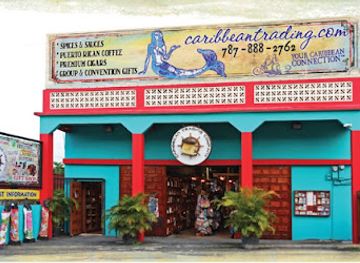
Caribbean Trading Company
Discover unique gifts and authentic local crafts at the Caribbean Trading Company in Río Grande - a true Caribbean shopping experience.
-
Hardware store
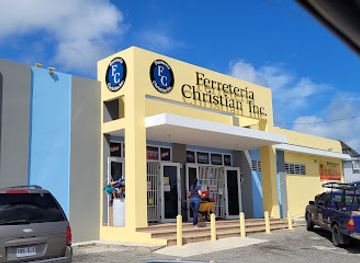
Ferreteria Christian Inc.
Explore Ferreteria Christian Inc. in Quebrada - the ultimate hardware store for all your DIY needs, offering local tools and expert advice.

Get your free copy of our complete guide to West Region, delivered straight to you.
Everything on this page, from attractions and restaurants to essentials and local phrases, in one PDF you can read offline, print or share.
Already have an account? Sign in
Your West Region guide is ready.
We'll send it to · Not you? Sign out

Getting your guide ready…
We are putting together a fresh copy of the West Region guide. This can take up to a minute.
This can take a few moments. If your browser asks, choose Allow so the download can start. You'll find the guide in your Downloads folder.
Nothing happened? Download it again
Sorry, the guide is taking longer than usual. Please try again in a minute, or get it by email instead.
West Region essentials
Currency and Payment
Safety
Emergency Situations
Do's and Don'ts
Local Tips
From Eve
Local phrases worth knowing
You don't need to get them perfect. A few words go a long way, and locals appreciate the effort.
Basics
| English | Local | Say it |
|---|---|---|
| Hello | Hola | [Ola] |
| Goodbye | Adiós | [Adyos] |
| Yes | Sí | [Si] |
| No | No | [No] |
| Please/You're welcome | Por favor/De nada | [Por favor/De nada] |
| Thank you | Gracias | [Gracias] |
| Excuse me/Sorry | Perdón/Lo siento | [Perdon/Lo siento] |
| How are you? | ¿Cómo estás? | [Como estas] |
| Fine. And you? | Bien. ¿Y tú? | [Bien. Y tu] |
| Do you speak English? | ¿Hablas inglés? | [Hablas ingles] |
| I don't understand | No entiendo | [No entiendo] |
Eating & Drinking
| English | Local | Say it |
|---|---|---|
| I'd like to see the menu, please | Me gustaría ver el menú, por favor | [Me gustaria ver el menu, por favor] |
| I don't eat meat | No como carne | [No como carne] |
| Cheers! | ¡Salud! | [Salud] |
| I would like to pay, please | Me gustaría pagar, por favor | [Me gustaria pagar, por favor] |
Emergencies
| English | Local | Say it |
|---|---|---|
| Help! | ¡Ayuda! | [Ayuda] |
| Go away! | ¡Vete! | [Vete] |
| Call the Police! | ¡Llama a la policía! | [Llama a la policia] |
| Call a doctor! | ¡Llama a un doctor! | [Llama a un doctor] |
| I'm lost | Estoy perdido/a | [Estoy perdido/a] |
| I'm ill | Estoy enfermo/a | [Estoy enfermo/a] |
Shopping
| English | Local | Say it |
|---|---|---|
| I'd like to buy... | Me gustaría comprar... | [Me gustaria comprar] |
| I'm just looking | Solo estoy mirando | [Solo estoy mirando] |
| How much is it? | ¿Cuánto cuesta? | [Cuanto cuesta] |
| That's too expensive | Eso es demasiado caro | [Eso es demasiado caro] |
| Can you lower the price? | ¿Puedes bajar el precio? | [Puedes bajar el precio] |
Time & Numbers
| English | Local | Say it |
|---|---|---|
| What time is it? | ¿Qué hora es? | [Que hora es] |
| It's one o'clock | Es la una | [Es la una] |
| Half past (10) | Y media (10) | [Y media 10] |
| Morning | Mañana | [Mañana] |
| Afternoon | Tarde | [Tarde] |
| Evening | Noche | [Noche] |
| Yesterday | Ayer | [Ayer] |
| Today | Hoy | [Hoy] |
| Tomorrow | Mañana | [Mañana] |
| 1 | Uno | [Uno] |
| 2 | Dos | [Dos] |
| 3 | Tres | [Tres] |
| 4 | Cuatro | [Cuatro] |
| 5 | Cinco | [Cinco] |
| 6 | Seis | [Seis] |
| 7 | Siete | [Siete] |
| 8 | Ocho | [Ocho] |
| 9 | Nueve | [Nueve] |
| 10 | Diez | [Diez] |
Transport & Directions
| English | Local | Say it |
|---|---|---|
| Where's a/the...? | ¿Dónde está un/ la...? | [Donde esta un/la] |
| What's the address? | ¿Cuál es la dirección? | [Cual es la direccion] |
| Can you show me (on the map)? | ¿Puedes mostrarme (en el mapa)? | [Puedes mostrarme en el mapa] |
| When's the next (bus)? | ¿Cuándo es el próximo (autobús)? | [Cuando es el proximo autobus] |
| A ticket (to ....) | Un boleto (a....) | [Un boleto a] |
History of West Region
Taíno Settlement and Indigenous Landscapes
Before Spanish colonisation, western Puerto Rico was inhabited by Taíno communities whose settlements and agricultural practices were connected to rivers, coastal resources and fertile valleys. The region’s bays, caves and inland routes formed part of a wider Caribbean world of exchange. Indigenous names remain visible in places such as Guánica, Mayagüez and Yauco, although later colonial development transformed many original landscapes. Archaeological evidence across Puerto Rico provides the principal context for understanding these communities, whose knowledge of crops, waterways and seasonal resources continued to influence life after the Spanish arrival.
Spanish Colonisation and the Founding of San Germán
Spanish settlement expanded through western Puerto Rico during the sixteenth century, with San Germán becoming the region’s major colonial centre after earlier settlements were moved and reorganised. Its location linked the south-western coast with inland agricultural districts, while churches, municipal buildings and domestic architecture gave the town an enduring civic identity. San Germán’s historic centre, including the Porta Coeli church, reflects the religious and administrative importance of the town during the colonial period. Other western settlements developed around farming, livestock, ports and routes connecting coastal lowlands to the interior.
Agriculture, Coffee and Coastal Trade
From the eighteenth and nineteenth centuries, western Puerto Rico combined coastal commerce with agriculture in the valleys and mountains. Sugar became important in lowland districts, while coffee flourished in the cooler uplands around Maricao, Las Marías, San Sebastián and neighbouring municipalities. Cattle, plantains and other crops supported local communities, and ports along the western coast connected the region to wider Caribbean and Atlantic markets. The agricultural economy shaped settlement patterns, roads and social structures, leaving a legacy still visible in coffee country, historic town centres, former estate landscapes and regional food traditions.
The Spanish-American War and the United States Era
In 1898, Puerto Rico changed from Spanish to United States rule after the Spanish-American War. The transition altered administration, trade and landholding patterns across the west, while the region remained strongly agricultural and maritime. During the twentieth century, roads, schools, electricity and changing commercial networks connected western towns more closely with San Juan and the rest of the island. Mayagüez developed as an important educational, commercial and port city, while military land around Aguadilla later became part of the region’s modern urban and tourism landscape.
Industrialisation and the Changing Sugar Economy
Twentieth-century industrialisation transformed Puerto Rico’s western coast and reduced the dominance of traditional agriculture. Sugar production remained significant in parts of the south and west before declining, while manufacturing, higher education, government services and tourism became increasingly important. Mayagüez’s university and port strengthened its role as a regional centre, and coastal towns developed visitor economies based on beaches, surfing, boating and marine recreation. The resulting landscape is mixed: working farms and fishing communities coexist with resort areas, suburban growth and protected natural environments.
Ramey, Migration and Modern Western Puerto Rico
The former Ramey Air Force Base near Aguadilla shaped the twentieth-century history of north-western Puerto Rico. After military use ended, parts of the large complex were adapted for civilian, educational, aviation and commercial purposes, while nearby communities continued to evolve. Across the region, migration to the United States and movement between Puerto Rico’s towns altered family, labour and cultural networks. Western identity today reflects Spanish and Caribbean heritage, US political and economic ties, Afro-Puerto Rican traditions, agricultural memories and a growing coastal visitor economy.
Hurricanes, Earthquakes and Community Recovery
Natural disasters have become an important part of the recent history of western Puerto Rico. Hurricane Maria in 2017 disrupted electricity, communications, transport and services across the island, with rural and mountainous communities facing particular difficulties. The southwest was also affected by the earthquake sequence that began in late 2019 and continued into 2020, damaging buildings and historic structures in several municipalities. Recovery has highlighted the importance of resilient infrastructure, careful protection of heritage and practical preparation for visitors travelling through exposed coastal and upland areas.
West Region in Photos
Browse through our photo collection highlighting the charm and character of the destination.
Neighbouring regions of West Region
The closest regions to West Region, if you have time for more than one.
-

-

-

-

-


Swipe for more regions
Explore more

Explore more of Puerto Rico
Discover Puerto Rico, where vibrant culture, stunning beaches, and rich history create an unforgettable Caribbean experience. Perfect for adventurers and relaxation seekers alike.
Explore Puerto Rico