

Mona Island, Puerto Rico Travel Guide
Discover Mona Island, Puerto Rico's untouched paradise with pristine beaches, vibrant marine life, and rich history – a true gem in the Caribbean Sea.
Mona Island, often referred to as the 'Galápagos of the Caribbean,' is a hidden paradise located between Puerto Rico and the Dominican Republic. This secluded island spans roughly 22 square miles and remains one of the most pristine natural reserves in the region. Its untouched landscapes are a haven for nature enthusiasts, with lush forests, striking cliffs, and pristine beaches that offer unparalleled beauty. Visitors to Mona Island can expect a unique experience, as the island is largely uninhabited and requires special permits for entry. This means that the environment is incredibly well-preserved, providing a sanctuary for a variety of wildlife, including endangered species of plants and animals. The island is also renowned for its clear waters, making it a top destination for snorkeling and diving. Exploring the underwater world here reveals vibrant coral reefs and abundant marine life. Adventure seekers will find plenty to do on Mona Island. Hiking trails lead through verdant forests and up to stunning viewpoints, offering panoramic vistas of the Caribbean Sea. There are also fascinating caves to explore, some of which contain ancient Taino petroglyphs, giving a glimpse into the island's rich history. Whether you are an avid nature lover, a history buff, or simply seeking peace and tranquility, Mona Island promises an unforgettable experience.

Know before you go
Hi, I'm Eve. Here are a few practical things to know before exploring Mona Island.
- Secure a permit: Entry to Mona Island requires a special permit. Plan ahead to ensure you have the necessary documentation.
- Pack essentials: There are no facilities on the island. Bring enough food, water, and supplies for the duration of your stay.
- Respect the environment: Mona Island is a protected natural reserve. Follow all guidelines to preserve its pristine condition.
- Check weather conditions: The island can be affected by severe weather. Always check forecasts before planning your visit.
- Hire a local guide: For a richer experience, consider hiring a guide who can provide insights into the island's history and natural wonders.

Best landmarks in Mona Island
Top-rated picks
Best Landmarks

Isla de Mona
Explore Isla de Mona: A pristine island paradise in Puerto Rico, rich in biodiversity and natural beauty, perfect for adventure and relaxation.

Mona Island Nature Reserve
Explore the breathtaking landscapes and rich biodiversity of Mona Island Nature Reserve, a hidden gem in Puerto Rico that promises adventure and tranquility.

Playa Pájaros
Experience the untouched beauty of Playa Pájaros, a tranquil paradise on Isla de Mona, Puerto Rico, perfect for relaxation and nature exploration.

Mona Island Lighthouse
Discover the rich history and stunning views at Mona Island Lighthouse, a must-see historical landmark in the Caribbean.

Best restaurants in Mona Island
Top-rated picks
Best Restaurants

Casita Miramar
Discover the authentic taste of Puerto Rico at Casita Miramar—where traditional flavors meet a vibrant dining atmosphere.

Alambique Beach Lounge
Discover delectable seafood dishes at Alambique Beach Lounge, where stunning ocean views meet vibrant Caribbean flavors in Puerto Rico.

Bori Bräu @ Casa Bavaria
Experience authentic German cuisine at Bori Bräu @ Casa Bavaria in Morovis—where every bite tells a story.
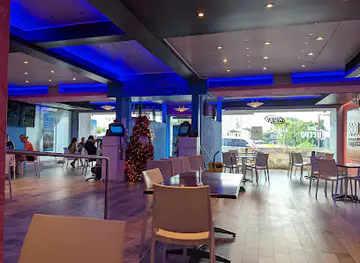
Hijole Cocina Mexicana Isla Verde
Discover the vibrant tastes of authentic Mexican cuisine at Hijole Cocina Mexicana in Isla Verde, Puerto Rico.

Best bars in Mona Island
Top-rated picks
Best Bars

La Penúltima
Discover La Penúltima, a lively bar in San Juan known for its natural wines and vibrant atmosphere, perfect for a memorable night out.

JungleBird
Experience the vibrant atmosphere and creative cocktails at JungleBird, a hidden gem in San Juan's Santurce district, perfect for food and drink lovers.

Scryer Rum Barrelhouse & Rooftop
Discover the vibrant spirit of Scryer Rum Barrelhouse & Rooftop – a premier distillery and bar offering exquisite rums and delicious cuisine in San Juan.

Encanto Beach Club Bar & Grill
Discover the culinary delights and stunning views of Encanto Beach Club Bar & Grill in Dorado, where every meal is a tropical escape.

Best nightclubs in Mona Island
Top-rated picks
Best Nightclubs

Vivo Beach Club
Discover the vibrant charm of Vivo Beach Club, where luxury meets laid-back beach vibes in Puerto Rico's stunning coastal paradise.

Club 77
Discover the vibrant nightlife of San Juan at Club 77, where music and dance come alive in an electrifying atmosphere.

La Respuesta
Experience the heartbeat of Puerto Rican nightlife at La Respuesta, where live music and vibrant energy come together in Santurce.

Club Brava
Discover the electrifying nightlife of Puerto Rico at Club Brava, where unforgettable nights of music, dancing, and cocktails await.

Best shops in Mona Island
Top-rated picks
Best Shops

Plaza Las Américas
Discover the largest shopping mall in the Caribbean, Plaza Las Américas, featuring top brands, delicious dining, and vibrant entertainment in San Juan.

Puerto Rico Premium Outlets
Experience the vibrant shopping scene at Puerto Rico Premium Outlets, where unbeatable deals and a diverse selection await every visitor.

Plaza Carolina
Discover the vibrant shopping, dining, and entertainment experience at Plaza Carolina in Carolina, Puerto Rico, a must-visit for every traveler.

Plaza Del Caribe
Discover the vibrant shopping experience at Plaza Del Caribe, the premier shopping destination in Ponce, Puerto Rico, where retail therapy meets local culture.

Explore Mona Island on the Map
A handpicked selection of must-see spots in Mona Island, mapped for you.
Mona Island Essentials
-
Mona Island, located in the Mona Passage between Puerto Rico and the Dominican Republic, is accessible primarily by boat. The most common departure points are from the west coast of Puerto Rico, particularly from the town of Mayagüez or the city of Aguadilla. There are no regular ferry services; trips must be arranged through private charter services or tour operators. The journey typically takes about 3 to 4 hours depending on sea conditions. It's advisable to book your trip well in advance and check the weather forecast.
-
Once on Mona Island, transportation is limited. The island is a protected nature reserve with no paved roads or motorized vehicles allowed. Most exploration is done on foot, so be prepared for hiking and bring appropriate footwear. Guided tours are available and recommended, as they offer valuable insights into the island's unique flora and fauna and ensure you stay on designated paths.
-
The official currency in Puerto Rico, including Mona Island, is the US Dollar (USD). As Mona Island is largely uninhabited and has no commercial establishments, there will be no need for cash or credit cards on the island itself. However, you should carry cash for tips and payments to guides or charter services. Ensure you have sufficient funds before departing from the mainland.
-
Mona Island is generally safe, but it's essential to follow safety guidelines due to its remote nature and rugged terrain. There are no areas with high crime rates targeting tourists. However, always stay with your group and follow the instructions of your guide. Avoid exploring caves or cliffs without a guide, and be cautious of wildlife. Carry a first aid kit and be prepared for limited medical facilities.
-
In case of emergency, it is crucial to have a satellite phone or a reliable means of communication, as there is no cell service on Mona Island. Contact your tour operator or guide immediately. For medical emergencies, basic first aid may be provided on-site, but serious cases will require evacuation to the mainland. Ensure you have comprehensive travel insurance that covers emergency evacuation.
-
Fashion: Do wear lightweight, breathable clothing suitable for hiking. Bring a hat and sunscreen for protection against the sun. Avoid wearing flip-flops or open-toed shoes. Religion: The island does not have any religious sites, but always respect nature and the environment. Public Transport: There is no public transport on the island. Plan your movements on foot or through guided tours. Greetings: Do greet your guides and fellow travelers politely. A simple 'hello' or 'hola' is sufficient. Eating & Drinking: Do bring sufficient water and snacks, as there are no facilities on the island. Pack out all trash to keep the island pristine.
-
To experience Mona Island like a local, take part in guided nature walks and wildlife observation tours. Engage with knowledgeable guides who can share the island's history and ecological significance. Don't miss visiting key spots like Playa Sardinera and Cueva del Diamante. Bring snorkeling gear to explore the vibrant marine life around the island's coral reefs. Remember to leave no trace and respect the natural environment.
When is the best time to visit Mona Island?
Useful Local Phrases for Mona Island
You don't need to speak the language perfectly. Even learning a few simple words can make conversations warmer—and locals usually appreciate the effort.
— Eve

Here are the phrases I use most often in Mona Island. Try a few—you'll be surprised how far they go! 😊
❤️
-
- HelloHola
[oh-lah] - GoodbyeAdiós
[ah-dee-ohs] - YesSí
[see] - NoNo
[noh] - Please/You’re welcomePor favor/De nada
[por fah-vor/deh nah-dah] - Thank youGracias
[grah-see-as] - Excuse me/SorryPerdón
[pehr-dohn] - How are you?¿Cómo estás?
[koh-moh ehs-tahs] - Fine. And you?Bien. ¿Y tú?
[byen. ee too] - Do you speak English?¿Hablas inglés?
[ah-blahs een-glehs] - I don't understandNo entiendo
[noh ehn-tee-ehn-doh]
- HelloHola
-
- I’d like to see the menu, pleaseQuisiera ver el menú, por favor
[kee-syeh-rah vehr el meh-noo, por fah-vor] - I don’t eat meatNo como carne
[noh koh-moh kar-neh] - Cheers!¡Salud!
[sah-lood] - I would like to pay, pleaseMe gustaría pagar, por favor
[meh goos-tah-ree-ah pah-gar, por fah-vor]
- I’d like to see the menu, pleaseQuisiera ver el menú, por favor
-
- Help!¡Ayuda!
[ah-yoo-dah] - Go away!¡Vete!
[beh-teh] - Call the Police!¡Llama a la policía!
[yah-mah ah lah poh-lee-syah] - Call a doctor!¡Llama a un médico!
[yah-mah ah oon meh-dee-koh] - I’m lostEstoy perdido
[ehs-toy pehr-dee-doh] - I’m illEstoy enfermo/a
[ehs-toy ehn-fehr-moh/ah]
- Help!¡Ayuda!
-
- I’d like to buy...Me gustaría comprar...
[meh goos-tah-ree-ah kohm-prar] - I’m just lookingSolo estoy mirando
[so-lo ehs-toy mee-rahn-doh] - How much is it?¿Cuánto cuesta?
[kwahn-toh kwes-tah] - That’s too expensiveEso es muy caro
[eh-so ehs moo-ee kah-roh] - Can you lower the price?¿Puedes bajar el precio?
[pweh-des bah-har el preh-syo]
- I’d like to buy...Me gustaría comprar...
-
- What time is it?¿Qué hora es?
[keh oh-rah ehs] - It’s one o’clockEs la una
[es lah oo-nah] - Half past (10)Y media (10)
[ee meh-dee-ah (diez)] - MorningMañana
[mah-nyah-nah] - AfternoonTarde
[tahr-deh] - EveningNoche
[noh-cheh] - YesterdayAyer
[ah-yehr] - TodayHoy
[oy] - TomorrowMañana
[mah-nyah-nah] - 1Uno
[oo-noh] - 2Dos
[dohs] - 3Tres
[tres] - 4Cuatro
[kwah-troh] - 5Cinco
[seen-koh] - 6Seis
[says] - 7Siete
[syeh-teh] - 8Ocho
[oh-choh] - 9Nueve
[nweh-beh] - 10Diez
[dyehs]
- What time is it?¿Qué hora es?
-
- Where's a/the...?¿Dónde está un/ la...?
[dohn-deh ehs-tah oon/lah] - What’s the address?¿Cuál es la dirección?
[kwahl ehs lah dee-rehk-syohn] - Can you show me (on the map)?¿Puedes mostrarme (en el mapa)?
[pweh-des mohs-trar-meh (en el mah-pah)] - When’s the next (bus)?¿Cuándo es el próximo (autobús)?
[kwahn-doh ehs el prohk-see-moh (ow-toh-boos)] - A ticket (to ....)Un boleto (a ....)
[oon boh-leh-toh (ah ....)]
- Where's a/the...?¿Dónde está un/ la...?
History of Mona Island
-
Mona Island, known as 'Isla de Mona' in Spanish, was originally inhabited by the Taíno people, who were the indigenous inhabitants of the Caribbean. The Taíno used the island as a fishing and farming community, taking advantage of its rich natural resources. They left behind various petroglyphs, or rock carvings, which provide insight into their culture and religious beliefs.
-
On his second voyage to the New World in 1494, Christopher Columbus came upon Mona Island and named it after the Taíno chief 'Amona.' The island was strategically important for Spanish exploration and served as a navigational landmark for ships traveling between the Old and New Worlds.
-
During the 16th and 17th centuries, Mona Island became a haven for pirates and privateers. Its remote location and numerous caves provided the perfect hiding spots for these seafaring outlaws. Famous pirates, such as the notorious 'Diablo Cojuelo,' are believed to have used the island as a base for their operations in the Caribbean.
-
In the 1500s, the Spanish Crown established a small settlement on Mona Island to exploit its natural resources, such as guano, which was used as a valuable fertilizer. The Spanish also built a lighthouse, Faro de Mona, in the 19th century to aid maritime navigation. The remains of these colonial structures can still be explored today.
-
After the Spanish-American War in 1898, Mona Island, along with Puerto Rico, was ceded to the United States. During World War II, the U.S. Navy used the island as a bombing range and training ground due to its isolated location. Various remnants of this military presence, including old bunkers, can still be found on the island.
-
In 1973, the Commonwealth of Puerto Rico designated Mona Island and its surrounding waters as a nature reserve to protect its unique ecosystem and biodiversity. The island is home to numerous endangered species, including the Mona ground iguana and various endemic plant species. Today, it is a popular destination for eco-tourism, attracting visitors interested in its rich natural and historical heritage.
Neighbouring Regions of Mona Island
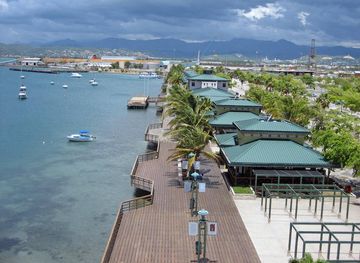
The closest regions to Mona Island, if you have time for more than one.




Your all‑in‑one travel companion app
Explore expert travel guides, compare and book tours, experiences, hotels, and more—all from the palm of your hand. Download now for seamless trip planning wherever your wanderlust takes you.


Explore More of Puerto Rico

Looking beyond Mona Island? Discover Puerto Rico for broader travel guides, local hot-spots, and regional highlights.
Explore Puerto RicoMona Island in Photos
Browse through our photo collection highlighting the charm and character of the destination.

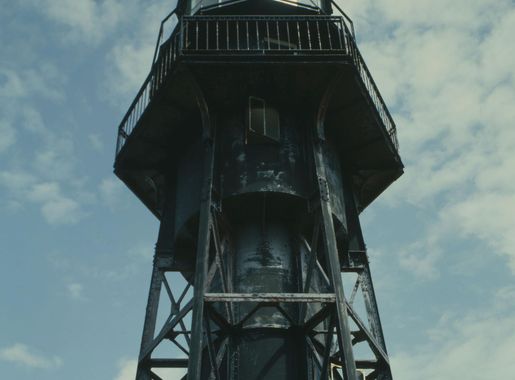


The Untouched Gem: Mona Island, Puerto Rico
Mona Island, often referred to as the 'Galápagos of the Caribbean,' is a hidden paradise located between Puerto Rico and the Dominican Republic. This secluded island spans roughly 22 square miles and remains one of the most pristine natural reserves in the region. Its untouched landscapes are a haven for nature enthusiasts, with lush forests, striking cliffs, and pristine beaches that offer unparalleled beauty. Visitors to Mona Island can expect a unique experience, as the island is largely uninhabited and requires special permits for entry. This means that the environment is incredibly well-preserved, providing a sanctuary for a variety of wildlife, including endangered species of plants and animals. The island is also renowned for its clear waters, making it a top destination for snorkeling and diving. Exploring the underwater world here reveals vibrant coral reefs and abundant marine life. Adventure seekers will find plenty to do on Mona Island. Hiking trails lead through verdant forests and up to stunning viewpoints, offering panoramic vistas of the Caribbean Sea. There are also fascinating caves to explore, some of which contain ancient Taino petroglyphs, giving a glimpse into the island's rich history. Whether you are an avid nature lover, a history buff, or simply seeking peace and tranquility, Mona Island promises an unforgettable experience.