

Free Puerto Rican Cordillera Travel Guide & Mobile App
Explore Puerto Rican Cordillera with free travel guides. Discover regional history, expert tips, proposed trips, and audio guides on web or mobile app.


Explore the Puerto Rican Cordillera for cloud forests, coffee country, Taíno heritage, river adventures and welcoming mountain towns.
Read more about Puerto Rican Cordillera
When is the best time to visit Puerto Rican Cordillera?
Best: January–March · 28°C| Month | High (°C) | Rainfall (mm) |
|---|---|---|
| January (best) | 28 | 75 |
| February (best) | 28 | 60 |
| March (best) | 28 | 50 |
| April | 29 | 65 |
| May | 29 | 85 |
| June | 30 | 95 |
| July | 30 | 110 |
| August | 30 | 120 |
| September | 30 | 130 |
| October | 29 | 120 |
| November | 29 | 100 |
| December | 28 | 80 |
Getting to and around Puerto Rican Cordillera
How to get there
Transportation
Top city travel guides in Puerto Rican Cordillera
The cities of Puerto Rican Cordillera, and the easiest places to base yourself.
-

-

-

-

-


Swipe for more cities
Destinations in Puerto Rican Cordillera
Resorts, valleys and scenic spots worth a trip of their own.
-

-

-


Swipe for more destinations
Best attractions in Puerto Rican Cordillera
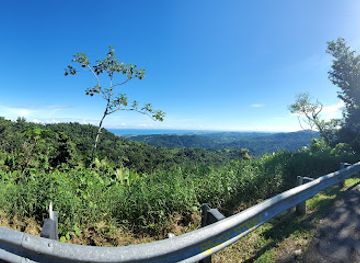
The Puerto Rican Cordillera offers a varied combination of forest, river, agricultural and cultural attractions. State forests such as Toro Negro and Guilarte provide trails, viewpoints and montane habitats, although route difficulty and access conditions vary. The highlands around Jayuya are especially important for Taíno interpretation, with the Cemi Museum and nearby archaeological landscapes offering context for the island’s indigenous past. Coffee farms and haciendas around Adjuntas, Jayuya, Utuado, Ciales and neighbouring upland municipalities provide opportunities to learn about cultivation, processing and rural livelihoods, usually by prior arrangement. The Río Tanamá area near Utuado and Ciales is associated with cave exploration, river trekking and canyoning, best undertaken with experienced guides. Town plazas, churches, small museums, craft workshops and local festivals add a human dimension to the landscape. Visitors can also seek birdwatching, scenic drives and short walks through cultivated hillsides, but should remember that the Cordillera is an active, inhabited region rather than a single enclosed park.
-
Tourist attraction
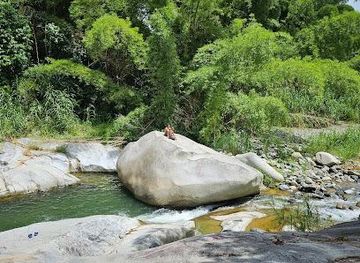
La Piedra Escrita
Explore the historical La Piedra Escrita in Jayuya, Puerto Rico, where ancient petroglyphs meet breathtaking natural beauty.
-
Arena
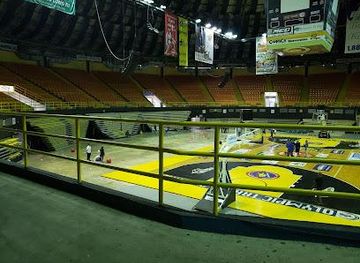
Coliseo Manuel G. "Petaca" Iguina Reyes
Discover the vibrant energy of Coliseo Manuel G. Petaca Iguina Reyes in Arecibo, Puerto Rico, where thrilling sports and exhilarating concerts come together.
-
Tourist attraction
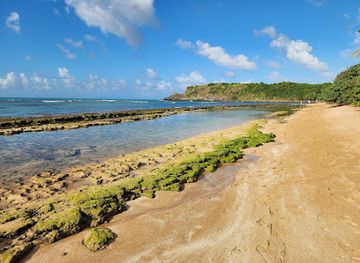
Playa Escondida
Discover the serene beauty of Playa Escondida, a hidden beach in Fajardo, Puerto Rico, perfect for relaxation, adventure, and breathtaking ocean views.
-
Heritage preservation
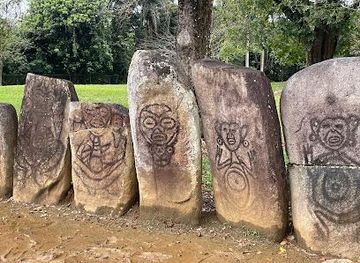
Caguana Ceremonial Indigenous Heritage Center
Immerse yourself in the rich cultural heritage of Puerto Rico at Caguana Ceremonial Indigenous Heritage Center, a key site for understanding Taino traditions.
Best landmarks in Puerto Rican Cordillera
Cerro de Punta, reached from the Jayuya highlands, is Puerto Rico’s highest summit and one of the Cordillera’s defining geographical landmarks, although access and trail conditions should be checked before attempting the ascent. Jayuya’s Cemi Museum is a distinctive architectural and cultural landmark, designed to evoke Taíno forms while interpreting indigenous heritage. Piedra Escrita, also in the Jayuya area, is associated with petroglyphs beside the Río Grande de Jayuya and illustrates the importance of river landscapes in the island’s pre-colonial history. The steep forested slopes of Toro Negro and Guilarte form a natural counterpoint to settled farming valleys, while the Río Tanamá’s limestone gorges and cave systems give the Utuado and Ciales area a strongly geological identity. In the towns, plazas, parish churches and traditional streets provide smaller but important landmarks, marking the civic centres from which mountain communities developed.
-
Historical place
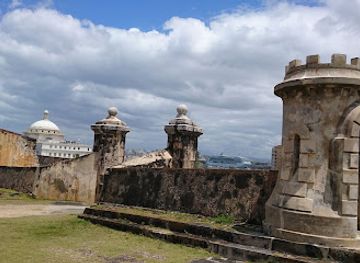
San Juan National Historic Site
Discover Puerto Rico's rich history at the San Juan National Historic Site, where ancient forts meet stunning coastal views.
-
Castle
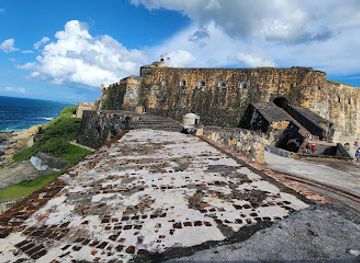
Castillo San Felipe del Morro
Discover the historical marvel of Castillo San Felipe del Morro, a UNESCO World Heritage site offering stunning ocean views and rich cultural history in San Juan, Puerto Rico.
-
National forest
El Yunque National Forest
Explore the enchanting El Yunque National Forest, a tropical paradise in Puerto Rico filled with stunning waterfalls, diverse wildlife, and rich cultural heritage.
-
Castle
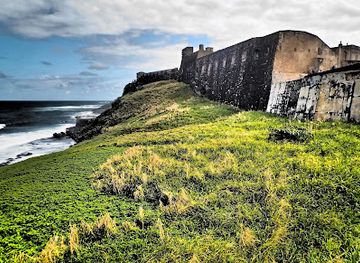
Castillo San Cristóbal
Discover the historical marvel of Castillo San Cristóbal, a fortress rich in Puerto Rican heritage, offering breathtaking views and cultural insights.
Explore Puerto Rican Cordillera on the map
Plan your trip on one map. See where the top cities, national parks and sights are, and book hotels and experiences in a few clicks.
Best hotels in Puerto Rican Cordillera
Best restaurants in Puerto Rican Cordillera
Mountain dining in Puerto Rico centres on home-style cooking, roadside food stalls, bakeries, cafés and family-run restaurants rather than a concentrated fine-dining district. Menus commonly draw on island staples such as rice and beans, plantains, root vegetables, pork, chicken and stewed dishes, with local variations from one municipality to the next. Coffee is an important part of the upland food identity, and visits to producing farms may include tastings or explanations of harvesting and roasting. In market towns, look for pastelillos, alcapurrias, soups and other portable foods, while rural eateries may serve generous meals built around produce from nearby farms. Some establishments accept cards, but cash remains sensible for small roadside businesses. Dining times can be flexible outside larger settlements, and a meal may require a drive between villages rather than a choice of restaurants concentrated around one central street.
-
Puerto Rican
Restaurante Raíces
Savor authentic Puerto Rican cuisine at Restaurante Raíces in San Juan—an unforgettable culinary journey awaits you.
-
Puerto Rican
Barrachina
Experience authentic Puerto Rican cuisine at Barrachina in San Juan—home of the original Piña Colada and a feast for all your senses.
-
Puerto Rican
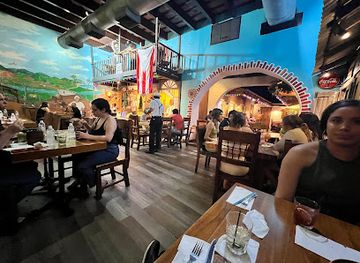
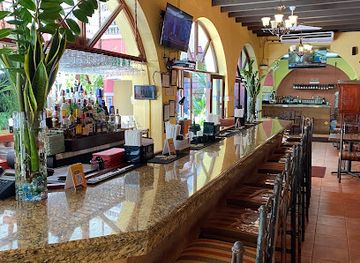
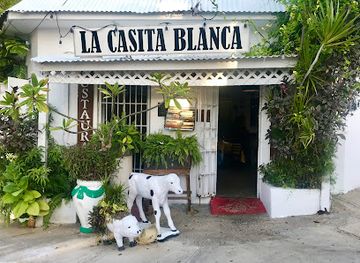
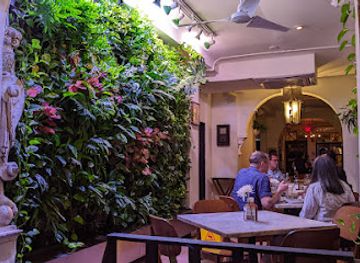
La Casita Blanca
Discover authentic Puerto Rican flavors at La Casita Blanca in San Juan's Santurce district—a true culinary delight.
-
Puerto Rican
Casita Miramar
Discover authentic Puerto Rican cuisine at Casita Miramar in San Juan – where every dish tells a story of tradition and flavor.
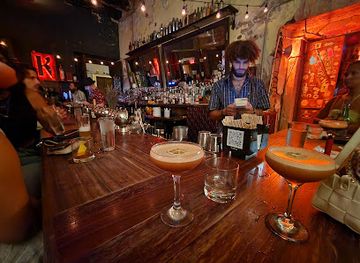
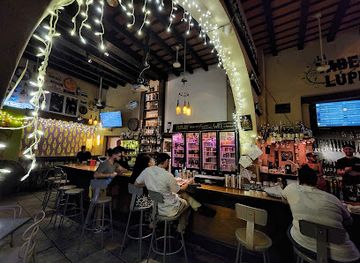
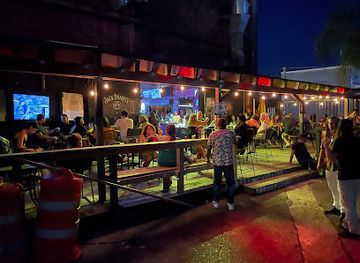
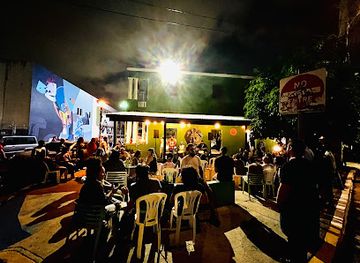
Best bars in Puerto Rican Cordillera
Evenings in the Cordillera are generally quieter than in San Juan or Puerto Rico’s major resort areas. Local life centres on neighbourhood bars, family restaurants, town-square activity, bakeries and occasional music or community events rather than a large nightclub circuit. In municipalities such as Jayuya, Adjuntas, Ciales, Utuado, Orocovis and Barranquitas, visitors may find informal venues serving beer, rum drinks and conversation, sometimes with live Puerto Rican music, but opening arrangements and entertainment change. Some coffee and food businesses provide an early-evening social setting, while rural accommodation is better suited to stargazing and rest than late-night entertainment. Arrange transport before drinking, since taxis may be scarce away from town centres and mountain roads are demanding after dark.
-
Bar
La Factoría
Experience the vibrant nightlife of San Juan at La Factoría, a cocktail bar that blends eclectic ambiance with innovative drinks and local music.
-
Beer hall
La Taberna Lúpulo
Explore the best of Puerto Rican craft beer at La Taberna Lúpulo, where great taste meets vibrant culture in San Juan's lively atmosphere.
-
Bar
Handlebar
Discover Handlebar, San Juan's premier rock bar, where live music, delicious drinks, and a lively atmosphere come together for an unforgettable night out.
-
Bar
El Boricua
Experience the vibrant local culture at El Boricua, a lively bar in San Juan offering authentic Puerto Rican drinks and atmosphere.
Best nightclubs in Puerto Rican Cordillera
Evenings in the Cordillera are generally quieter than in San Juan or Puerto Rico’s major resort areas. Local life centres on neighbourhood bars, family restaurants, town-square activity, bakeries and occasional music or community events rather than a large nightclub circuit. In municipalities such as Jayuya, Adjuntas, Ciales, Utuado, Orocovis and Barranquitas, visitors may find informal venues serving beer, rum drinks and conversation, sometimes with live Puerto Rican music, but opening arrangements and entertainment change. Some coffee and food businesses provide an early-evening social setting, while rural accommodation is better suited to stargazing and rest than late-night entertainment. Arrange transport before drinking, since taxis may be scarce away from town centres and mountain roads are demanding after dark.
-
Night club
Club 77
Experience the vibrant nightlife of San Juan at Club 77, where great music and dancing come together for an unforgettable evening.
-
Night club
La Respuesta
Experience the vibrant nightlife of San Juan at La Respuesta, a lively night club and live music venue in the heart of Santurce.
-
Night club
Club Brava
Immerse yourself in the electrifying atmosphere of Club Brava, Carolina's premier nightlife destination, featuring live music, cocktails, and unforgettable parties.
-
Night club
7eight7
Discover the vibrant nightlife of San Juan at 7eight7, where music, dance, and unforgettable experiences await in the heart of Santurce.



Best shops in Puerto Rican Cordillera
Shopping in the Cordillera is centred on town high streets, bakeries, farm outlets, craft workshops and occasional municipal or farmers’ markets rather than large retail complexes. Coffee is the most recognisable regional purchase, available as roasted beans, ground coffee and gift packs from producers in the central highlands. Visitors may also find local sweets, preserves, plantain and root-crop products, rum-based specialities, woven goods, woodwork, pottery and carved or painted items inspired by Puerto Rican culture. Jayuya has particular relevance for Taíno-themed interpretation and crafts, while coffee-producing municipalities offer farm-shop purchases when estates are open to visitors. Small shops may keep different hours from metropolitan retailers, and card payments are not universal in rural areas. Buy archaeological-looking objects only from reputable sellers and never purchase genuine artefacts or items removed from historical sites.
-
Shopping mall
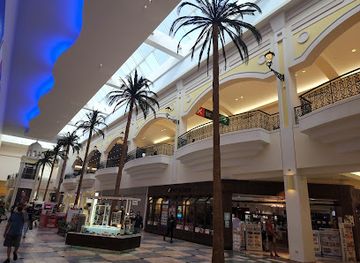
Plaza Las Américas
Discover the largest shopping mall in Puerto Rico, Plaza Las Américas, offering a vibrant mix of shopping, dining, and entertainment in San Juan.
-
Outlet mall
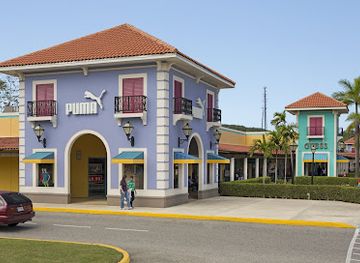
Puerto Rico Premium Outlets
Discover unbeatable deals and an extensive selection of brands at Puerto Rico Premium Outlets—a shopper's paradise in Barceloneta.
-
Shopping mall
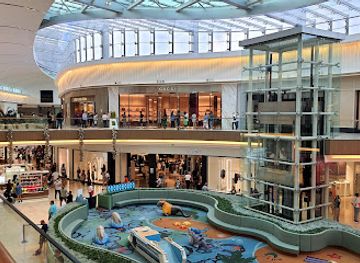
The Mall of San Juan
Explore luxury shopping, dining, and entertainment at The Mall of San Juan, a premier retail destination in Puerto Rico.
-
Gift shop
Utopia Souvenir Shop
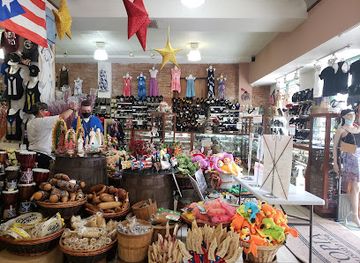
Explore Utopia Souvenir Shop in Ponce: A vibrant destination for unique gifts, local crafts, and delightful delicacies that capture the spirit of Puerto Rico.
Get your free copy of our complete guide to Puerto Rican Cordillera, delivered straight to you.
Everything on this page, from attractions and restaurants to essentials and local phrases, in one PDF you can read offline, print or share.
Already have an account? Sign in
Your Puerto Rican Cordillera guide is ready.
We'll send it to · Not you? Sign out

Getting your guide ready…
We are putting together a fresh copy of the Puerto Rican Cordillera guide. This can take up to a minute.
This can take a few moments. If your browser asks, choose Allow so the download can start. You'll find the guide in your Downloads folder.
Nothing happened? Download it again
Sorry, the guide is taking longer than usual. Please try again in a minute, or get it by email instead.
Puerto Rican Cordillera essentials
Currency and Payment
Safety
Emergency Situations
Do's and Don'ts
Local Tips
From Eve
Local phrases worth knowing
You don't need to get them perfect. A few words go a long way, and locals appreciate the effort.
Basics
| English | Local | Say it |
|---|---|---|
| Hello | Hola | [Oh-lah] |
| Goodbye | Adiós | [Ah-dee-ohs] |
| Yes | Sí | [See] |
| No | No | [No] |
| Please/You're welcome | Por favor/De nada | [Por fah-vor/Deh nah-dah] |
| Thank you | Gracias | [Grah-see-as] |
| Excuse me/Sorry | Perdón | [Pehr-dohn] |
| How are you? | ¿Cómo estás? | [Koh-moh ehs-tahs] |
| Fine. And you? | Bien. ¿Y tú? | [Bee-ehn. Ee too] |
| Do you speak English? | ¿Hablas inglés? | [Ah-blahs een-glehs] |
| I don't understand | No entiendo | [No en-tyen-doh] |
Eating & Drinking
| English | Local | Say it |
|---|---|---|
| I'd like to see the menu, please | Me gustaría ver el menú, por favor | [Meh goos-tah-ree-ah vehr el meh-noo, por fah-vor] |
| I don't eat meat | No como carne | [No koh-moh kar-neh] |
| Cheers! | ¡Salud! | [Sah-lud] |
| I would like to pay, please | Me gustaría pagar, por favor | [Meh goos-tah-ree-ah pah-gar, por fah-vor] |
Emergencies
| English | Local | Say it |
|---|---|---|
| Help! | ¡Ayuda! | [Ah-yoo-dah] |
| Go away! | ¡Vete! | [Veh-teh] |
| Call the Police! | ¡Llama a la policía! | [Yah-mah ah lah poh-lee-see-ah] |
| Call a doctor! | ¡Llama a un doctor! | [Yah-mah ah oon dok-tor] |
| I'm lost | Estoy perdido | [Ehs-toy pehr-dee-doh] |
| I'm ill | Estoy enfermo/a | [Ehs-toy en-fehr-mo/a] |
Shopping
| English | Local | Say it |
|---|---|---|
| I'd like to buy... | Me gustaría comprar... | [Meh goos-tah-ree-ah kom-prar] |
| I'm just looking | Solo estoy mirando | [Soh-loh ehs-toy mee-ran-doh] |
| How much is it? | ¿Cuánto cuesta? | [Kwan-toh kwes-tah] |
| That's too expensive | Eso es muy caro | [Eh-soh ehs mwee kah-roh] |
| Can you lower the price? | ¿Puedes bajar el precio? | [Pweh-des bah-har el preh-sio] |
Time & Numbers
| English | Local | Say it |
|---|---|---|
| What time is it? | ¿Qué hora es? | [Keh oh-rah ehs] |
| It's one o'clock | Es la una | [Ehs lah oo-nah] |
| Half past (10) | Y media (10) | [Ee meh-dee-ah (10)] |
| Morning | Mañana | [Mah-nyah-nah] |
| Afternoon | Tarde | [Tar-deh] |
| Evening | Noche | [Noh-cheh] |
| Yesterday | Ayer | [Ah-yehr] |
| Today | Hoy | [Oy] |
| Tomorrow | Mañana | [Mah-nyah-nah] |
| 1 | Uno | [Oo-noh] |
| 2 | Dos | [Dohs] |
| 3 | Tres | [Tres] |
| 4 | Cuatro | [Kwah-troh] |
| 5 | Cinco | [Seen-koh] |
| 6 | Seis | [Sace] |
| 7 | Siete | [See-eh-teh] |
| 8 | Ocho | [Oh-choh] |
| 9 | Nueve | [Nweh-veh] |
| 10 | Diez | [Dyehs] |
Transport & Directions
| English | Local | Say it |
|---|---|---|
| Where's a/the...? | ¿Dónde está un/La...? | [Dohn-deh ehs-tah oon/lah...?] |
| What's the address? | ¿Cuál es la dirección? | [Kwal ehs lah dee-rek-syon] |
| Can you show me (on the map)? | ¿Me puedes mostrar (en el mapa)? | [Meh pweh-des mohs-trar (en el mah-pah)?] |
| When's the next (bus)? | ¿Cuándo es el próximo (autobús)? | [Kwan-doh ehs el prohk-see-moh (ow-toh-boos)?] |
| A ticket (to ....) | Un boleto (a ....) | [Oon boh-leh-toh (ah ....)] |
History of Puerto Rican Cordillera
Taíno Settlement and Indigenous Heritage
Long before Spanish colonisation, Taíno communities lived throughout Puerto Rico, using river valleys, upland clearings and coastal zones for cultivation, fishing and trade. The central mountains preserve important reminders of this heritage, especially around Jayuya, whose name and cultural institutions are strongly associated with indigenous history. The Cemi Museum and nearby archaeological and rock-art sites interpret Taíno beliefs and material culture, although visitors should distinguish documented archaeological evidence from later romanticised accounts. Indigenous place names remain widespread across the island and form an enduring part of the Cordillera’s cultural landscape.
Spanish Colonisation and Mountain Agriculture
Spanish rule brought new settlements, Catholic institutions, crops, livestock and systems of landholding to Puerto Rico from the sixteenth century onwards. The steep interior was more difficult to control and connect than the coastal plains, but roads and small settlements gradually expanded into the mountains. Subsistence farming developed alongside commercial agriculture, and upland communities cultivated plantains, root crops and later coffee. Churches, town plazas and rural building traditions became lasting features of mountain settlements, while the interior’s terrain helped preserve distinctive local patterns of life.
The Rise of Coffee in the Nineteenth Century
Coffee became one of Puerto Rico’s most important export crops during the nineteenth century, particularly in the cooler, wetter mountain districts. Estates and processing facilities expanded around places including Adjuntas, Jayuya, Utuado, Ciales and Lares, creating wealth for some landowners and employment for rural communities. Coffee production depended on steep slopes, seasonal labour and transport links to the coast. Remains of haciendas, plantation landscapes and present-day coffee farms reflect this period, although hurricanes, competition and changing economic conditions repeatedly disrupted the industry.
The Rural Jíbaro and Interior Community
During the nineteenth and early twentieth centuries, the Puerto Rican mountain farmer became an important cultural symbol. The jíbaro image drew on agricultural work, rural music, décimas, distinctive clothing and the social life of dispersed communities, although real mountain life was more varied than the later folklore suggests. Roads, schools and town institutions connected the interior more closely with the rest of the island, while local traditions continued through music, festivals, food and craft. The Cordillera remains one of the principal settings in which this rural heritage is interpreted and practised.
Roads, Public Works and Economic Change
Improved roads and public infrastructure during the twentieth century reduced the isolation of the central highlands and connected coffee and farming communities with larger coastal markets. Economic change also brought industrial employment, migration and the decline of some traditional agricultural systems. Many mountain municipalities retained a mixture of small farms, public services, family businesses and seasonal work rather than becoming purely rural museum landscapes. The winding routes through the Cordillera today follow, in part, this long process of linking upland settlements with the rest of Puerto Rico.
Hurricanes and Resilient Mountain Communities
Hurricanes have repeatedly reshaped life in Puerto Rico’s interior, where steep slopes, landslides, swollen rivers and damaged bridges can isolate communities. Hurricane Maria in 2017 caused particularly severe disruption to electricity, communications, roads, agriculture and water supplies across the mountain municipalities. Recovery highlighted both the vulnerability of upland infrastructure and the importance of community networks, local agriculture and mutual aid. The effects remain part of the region’s recent history, while forest management, watershed protection and more resilient infrastructure continue to influence discussions about its future.
Puerto Rican Cordillera in Photos
Browse through our photo collection highlighting the charm and character of the destination.
Neighbouring regions of Puerto Rican Cordillera
The closest regions to Puerto Rican Cordillera, if you have time for more than one.
-

-

-

-

-


Swipe for more regions
Explore more

Explore more of Puerto Rico
Discover Puerto Rico, where vibrant culture, stunning beaches, and rich history create an unforgettable Caribbean experience. Perfect for adventurers and relaxation seekers alike.
Explore Puerto Rico