

Free Ponce Region Travel Guide & Mobile App
Explore Ponce Region with free travel guides. Discover regional history, expert tips, proposed trips, and audio guides on web or mobile app.


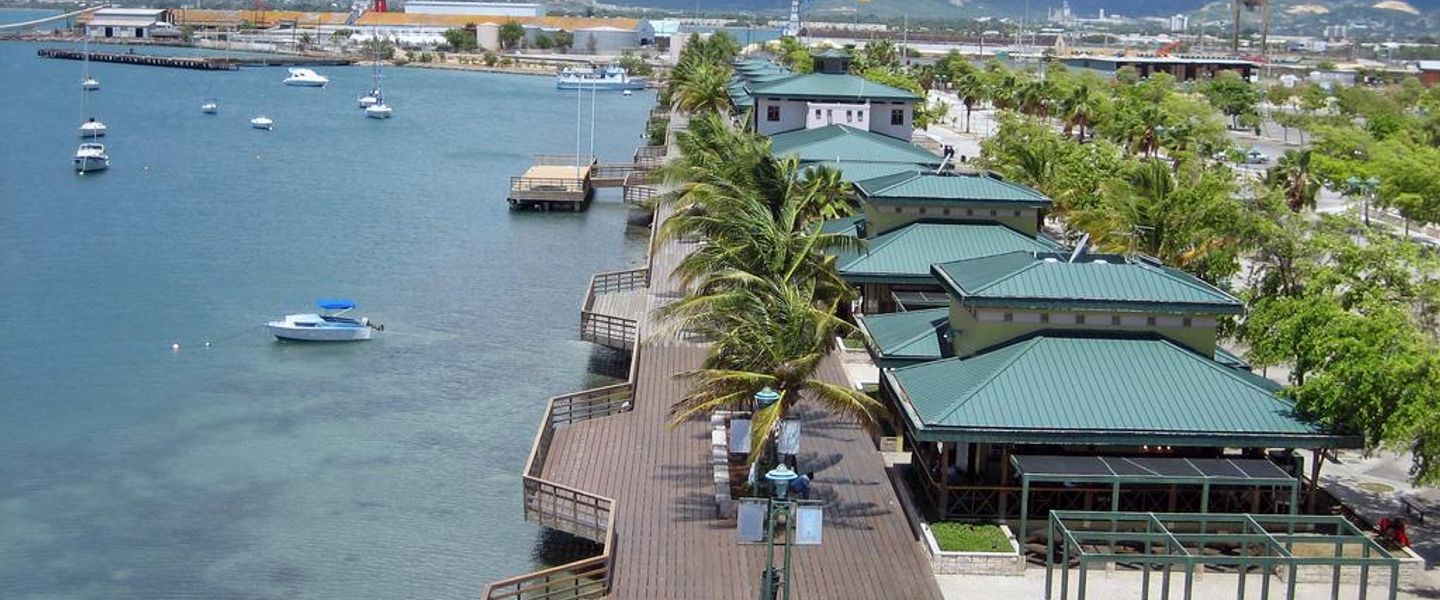


Explore the Ponce Region of Puerto Rico for historic plazas, art museums, plantation heritage, dry forests, beaches and southern Caribbean cuisine.
Read more about Ponce Region
When is the best time to visit Ponce Region?
Best: January–March · 30°C| Month | High (°C) | Rainfall (mm) |
|---|---|---|
| January (best) | 30 | 41 |
| February (best) | 30 | 38 |
| March (best) | 30 | 41 |
| April | 31 | 52 |
| May | 32 | 70 |
| June | 33 | 74 |
| July | 33 | 83 |
| August | 33 | 99 |
| September | 32 | 107 |
| October | 32 | 89 |
| November | 31 | 76 |
| December | 30 | 49 |
Getting to and around Ponce Region
How to get there
Transportation
Top city travel guides in Ponce Region
The cities of Ponce Region, and the easiest places to base yourself.
-

-

-

-

-


Swipe for more cities
Destinations in Ponce Region
Resorts, valleys and scenic spots worth a trip of their own.
-

-

-

-


Swipe for more destinations
Best attractions in Ponce Region
The Ponce Region offers a concentrated mix of museums, historic architecture, archaeological heritage, agricultural landscapes and southern coastal environments. In central Ponce, visitors can explore the museums around Plaza Las Delicias, the Museo de Arte de Ponce, the Museo de la Historia de Ponce and the historic Parque de Bombas. The Centro Ceremonial Indígena de Tibes provides an important introduction to Puerto Rico’s pre-Columbian past, while Hacienda Buena Vista explains the workings of a nineteenth-century coffee and agricultural estate in the foothills. The wider region includes rural roads and mountain communities near Adjuntas and Villalba, where cooler conditions and steep landscapes contrast with the dry coastal plain. Southern nature experiences range from beaches and mangrove environments to the protected ecosystems associated with the Guánica area and offshore Caja de Muertos, reached only through suitable boat arrangements. Nature visits require attention to weather, access and conservation rules. Cultural attractions are equally significant: music, carnival traditions, art collections and the architectural character of Ponce give the region an identity that is more than a collection of beaches and historic buildings.
-
Museum
Parque de Bombas
Explore the iconic Parque de Bombas in Ponce, Puerto Rico – a vibrant museum that showcases the island's rich firefighting history and cultural heritage.
-
Museum
Museo Castillo Serrallés
Discover the rich history of Puerto Rico's sugar industry at Museo Castillo Serrallés, a stunning architectural gem in Ponce.
-
Guánica State Forest
Explore the stunning landscapes and rich biodiversity of Guánica State Forest, a must-visit natural paradise in Puerto Rico.
-
Art museum
Museo de Arte de Ponce
Explore the rich collection of European and Puerto Rican art at the Museo de Arte de Ponce, a cultural gem in the heart of Puerto Rico.


Best landmarks in Ponce Region
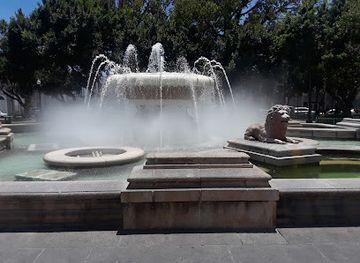
Ponce’s historic core is defined by Plaza Las Delicias, the cathedral and the distinctive Parque de Bombas, whose vivid façade has become one of Puerto Rico’s most recognisable civic images. Casa Armstrong-Poventud and other surviving residences show the prosperity and architectural ambitions of the city’s commercial era. The Museo de Arte de Ponce is notable not only for its collections but also for its modernist building and role in the region’s cultural life. Outside the centre, Hacienda Buena Vista is a significant plantation landscape where architecture, machinery and mountain agriculture remain closely connected. The Centro Ceremonial Indígena de Tibes marks a much older layer of settlement through its carefully defined ceremonial spaces. Ponce’s port and southern coastal setting provide further geographical reference points, while the arid hills and forests around the Guánica area contrast sharply with the humid uplands inland. Together these physical places express the region’s Indigenous, agricultural, maritime, urban and environmental histories.
-
Historical place
San Juan National Historic Site
San Juan National Historic Site: A captivating journey through Puerto Rico's colonial past, featuring stunning fortresses and breathtaking sea views.
-
Castle
Castillo San Felipe del Morro
Explore the historic Castillo San Felipe del Morro, a majestic fortress rich in history and breathtaking views of San Juan Bay.
-
Museum
Parque de Bombas
Discover the vibrant history and stunning architecture of Parque de Bombas, a must-see museum in Ponce, Puerto Rico, celebrating the island's firefighting legacy.
-
Tourist attraction
La Guancha
Discover La Guancha in Ponce, Puerto Rico: A vibrant waterfront promenade offering stunning views, delicious local cuisine, and lively cultural experiences.



Explore Ponce Region on the map
Plan your trip on one map. See where the top cities, national parks and sights are, and book hotels and experiences in a few clicks.
Best hotels in Ponce Region
Best restaurants in Ponce Region
Southern Puerto Rican dining combines island-wide staples with the produce and maritime setting of the Ponce area. Menus commonly feature rice and beans, plantains, root vegetables, stewed meats, roast pork, seafood and fritters, while bakeries and small cafés provide pastries, sandwiches and strong coffee. Coastal communities offer fish and shellfish when available, whereas inland restaurants and roadside food stops draw more heavily on pork, poultry and local root crops. Ponce’s urban centre has the widest choice, from traditional fondas and family restaurants to contemporary dining rooms, bars serving small plates and cafés near the historic plazas. Don Q rum, produced by Destilería Serrallés, is an important part of the city’s industrial and beverage heritage, though rum is a Puerto Rican product rather than an exclusively Ponce dish. Farmers’ markets and local food shops can be useful for fruit, sweets and prepared snacks, with availability changing according to season and location.
-
American
Hard Rock Cafe Ponce
Discover American cuisine amidst rock 'n' roll memorabilia at Hard Rock Cafe Ponce - where every meal is a musical journey.
-
Chinese
New York Buffet
Experience an all-you-can-eat paradise at New York Buffet in Ponce—where delicious Chinese flavors meet vibrant dining.
-
Italian
Romano's Macaroni Grill
Discover authentic Italian flavors at Romano's Macaroni Grill in Ponce - where every meal is a celebration of culinary tradition.
-
Puerto Rican
La Casa del Chef
Experience authentic Puerto Rican cuisine at La Casa del Chef in Ponce - where every dish tells a story of local flavor.


Best bars in Ponce Region
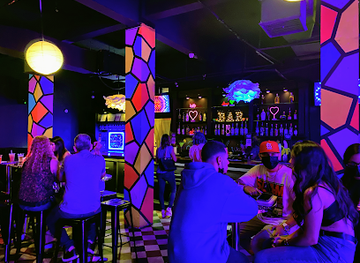
Evening life is concentrated in Ponce, particularly around the historic centre and areas with restaurants, where visitors find traditional bars, cafés, breweries, cocktail spots and venues presenting live music. The city’s cultural identity is closely connected with plena, salsa and other Puerto Rican musical traditions, although performances and events vary by season. Some evenings are shaped more by dining, conversation and plaza activity than by a large club scene. Smaller towns and rural districts generally offer local bars, restaurants and occasional music rather than purpose-built nightlife districts. Coastal venues may have a more relaxed atmosphere, but operating arrangements can change after weather events or redevelopment. Drink responsibly, arrange transport in advance when staying outside central Ponce and remember that exploring the region’s evening culture does not require alcohol consumption.
-
Restaurant
Vistas
Experience the vibrant flavors of Puerto Rico at Vistas, a culinary delight in Ponce with stunning views and unique dishes.
-
Restaurant
El Vagón Bar & Tapas
Experience the vibrant flavors of Puerto Rico at El Vagón Bar & Tapas in Ponce, where delicious food meets a lively atmosphere.
-
Sports bar
La Barrita Sport Bar
Experience the excitement of sports at La Barrita Sport Bar in Ponce with great food and a friendly atmosphere for every fan.
-
Pub
Birriola
Discover the vibrant nightlife of Ponce at Birriola, a lively pub offering local drinks, delicious food, and unforgettable experiences.


Best nightclubs in Ponce Region
Evening life is concentrated in Ponce, particularly around the historic centre and areas with restaurants, where visitors find traditional bars, cafés, breweries, cocktail spots and venues presenting live music. The city’s cultural identity is closely connected with plena, salsa and other Puerto Rican musical traditions, although performances and events vary by season. Some evenings are shaped more by dining, conversation and plaza activity than by a large club scene. Smaller towns and rural districts generally offer local bars, restaurants and occasional music rather than purpose-built nightlife districts. Coastal venues may have a more relaxed atmosphere, but operating arrangements can change after weather events or redevelopment. Drink responsibly, arrange transport in advance when staying outside central Ponce and remember that exploring the region’s evening culture does not require alcohol consumption.
-
Bar
El Mangoito
Experience the vibrant nightlife of Ponce at El Mangoito, where delicious drinks and local sports excitement come together.
-
Bar
Night Ball
Discover the electrifying nightlife at Night Ball in Ponce, Puerto Rico, where vibrant drinks and live music create an unforgettable experience.
-
Bar
Candy Bar Exotic Drinks
Experience the vibrant nightlife and tropical cocktails at Candy Bar Exotic Drinks in Ponce, Puerto Rico, a must-visit for cocktail enthusiasts.
-
Night club
Naughty Nightclub
Discover the vibrant nightlife at Naughty Nightclub in Ponce, where dance, music, and culinary delights come together for an unforgettable experience.


Best shops in Ponce Region
Shopping in the Ponce Region is centred on the city’s historic commercial streets, neighbourhood high streets and larger retail areas rather than on a single specialised shopping quarter. Independent shops and galleries in and around central Ponce offer books, art, jewellery, clothing, crafts and souvenirs with a stronger local connection than generic resort merchandise. Food is one of the most practical purchases: look for Puerto Rican coffee from the uplands, sweets, spices, sauces, rum and packaged products suitable for travel. Market stalls and farmers’ markets vary by day and season, so confirm locations locally rather than relying on a fixed itinerary. Smaller towns provide modest high streets, bakeries and everyday shops, while rural districts are better suited to buying produce directly or stopping at roadside food sellers. Visitors should support authorised vendors, avoid purchasing archaeological objects or protected natural materials and remember that fragile food products may require careful packing for the journey home.
-
Shopping mall
Plaza Del Caribe
Plaza Del Caribe: Your ultimate shopping destination in Ponce, Puerto Rico, offering diverse stores, dining, and entertainment for everyone.
-
Shopping mall
Centro Del Sur Mall
Discover the vibrant Centro Del Sur Mall in Ponce, Puerto Rico, featuring diverse shopping, dining, and entertainment options for all ages.
-
Shopping mall
Ponce Towne Center
Explore the vibrant Ponce Towne Center, a shopping paradise in Puerto Rico offering diverse retail, dining, and entertainment options for every visitor.
-
Shopping mall
Ponce Mall
Discover Ponce Mall, a vibrant shopping hub in Puerto Rico featuring diverse stores, delicious dining, and a taste of local culture.


Get your free copy of our complete guide to Ponce Region, delivered straight to you.
Everything on this page, from attractions and restaurants to essentials and local phrases, in one PDF you can read offline, print or share.
Already have an account? Sign in
Your Ponce Region guide is ready.
We'll send it to · Not you? Sign out

Getting your guide ready…
We are putting together a fresh copy of the Ponce Region guide. This can take up to a minute.
This can take a few moments. If your browser asks, choose Allow so the download can start. You'll find the guide in your Downloads folder.
Nothing happened? Download it again
Sorry, the guide is taking longer than usual. Please try again in a minute, or get it by email instead.
Ponce Region essentials
Currency and Payment
Safety
Emergency Situations
Do's and Don'ts
Local Tips
From Eve
Local phrases worth knowing
You don't need to get them perfect. A few words go a long way, and locals appreciate the effort.
Basics
| English | Local | Say it |
|---|---|---|
| Hello | Hola | [Ola] |
| Goodbye | Adiós | [Adyos] |
| Yes | Sí | [Si] |
| No | No | [No] |
| Please/You're welcome | Por favor/De nada | [Por favor/De nada] |
| Thank you | Gracias | [Grasias] |
| Excuse me/Sorry | Perdón | [Perdon] |
| How are you? | ¿Cómo estás? | [Komo estas] |
| Fine. And you? | Bien. ¿Y tú? | [Bien. I tu] |
| Do you speak English? | ¿Hablas inglés? | [Ablas ingles] |
| I don't understand | No entiendo | [No entiendo] |
Eating & Drinking
| English | Local | Say it |
|---|---|---|
| I'd like to see the menu, please | Me gustaría ver el menú, por favor | [Me gustaria ver el menu, por favor] |
| I don't eat meat | No como carne | [No komo carne] |
| Cheers! | ¡Salud! | [Salud] |
| I would like to pay, please | Me gustaría pagar, por favor | [Me gustaria pagar, por favor] |
Emergencies
| English | Local | Say it |
|---|---|---|
| Help! | ¡Ayuda! | [Ayuda] |
| Go away! | ¡Vete! | [Vete] |
| Call the Police! | ¡Llama a la policía! | [Llama a la policia] |
| Call a doctor! | ¡Llama a un doctor! | [Llama a un doctor] |
| I'm lost | Estoy perdido | [Estoy perdido] |
| I'm ill | Estoy enfermo/a | [Estoy enfermo/a] |
Shopping
| English | Local | Say it |
|---|---|---|
| I'd like to buy... | Me gustaría comprar... | [Me gustaria comprar...] |
| I'm just looking | Solo estoy mirando | [Solo estoy mirando] |
| How much is it? | ¿Cuánto cuesta? | [Kuanto cuesta] |
| That's too expensive | Eso es muy caro | [Eso es mui karo] |
| Can you lower the price? | ¿Puedes bajar el precio? | [Puedes bajar el precio] |
Time & Numbers
| English | Local | Say it |
|---|---|---|
| What time is it? | ¿Qué hora es? | [Ke ora es] |
| It's one o'clock | Es la una | [Es la una] |
| Half past (10) | Y media (10) | [Y media (10)] |
| Morning | Mañana | [Mañana] |
| Afternoon | Tarde | [Tarde] |
| Evening | Noche | [Noche] |
| Yesterday | Ayer | [Ayer] |
| Today | Hoy | [Hoy] |
| Tomorrow | Mañana | [Mañana] |
| 1 | 1 | [1] |
| 2 | 2 | [2] |
| 3 | 3 | [3] |
| 4 | 4 | [4] |
| 5 | 5 | [5] |
| 6 | 6 | [6] |
| 7 | 7 | [7] |
| 8 | 8 | [8] |
| 9 | 9 | [9] |
| 10 | 10 | [10] |
Transport & Directions
| English | Local | Say it |
|---|---|---|
| Where's a/the...? | ¿Dónde está un/una...? | [Donde esta un/una...] |
| What's the address? | ¿Cuál es la dirección? | [Kual es la direccion] |
| Can you show me (on the map)? | ¿Me puedes mostrar (en el mapa)? | [Me puedes mostrar (en el mapa)] |
| When's the next (bus)? | ¿Cuándo es el próximo (bus)? | [Cuando es el proximo (bus)] |
| A ticket (to ....) | Un boleto (a ....) | [Un boleto (a ....)] |
History of Ponce Region
Tibes and the Indigenous Heritage of Southern Puerto Rico
The Centro Ceremonial Indígena de Tibes, north of Ponce, preserves an important archaeological landscape associated with Indigenous communities that lived in Puerto Rico before European colonisation. Its plazas, stone-lined ceremonial spaces and associated artefacts provide evidence of organised settlement and religious or communal practices. Tibes is not simply an isolated ruin: it helps visitors understand the long human history of the southern region before Spanish rule and the later transformations brought by colonisation. Archaeological interpretation remains essential because many aspects of pre-Columbian life are reconstructed from material evidence rather than written records.
Spanish Settlement and the Founding of Ponce
Spanish settlement developed gradually in southern Puerto Rico, with agricultural communities and rural estates forming around the area later known as Ponce. The town’s foundation is generally associated with the late seventeenth century, and Ponce received formal municipal recognition in the nineteenth century. Its location between the coast and interior mountains encouraged trade, farming and links with inland districts. The historic centre’s churches, civic buildings and residential architecture reflect the prosperity and social organisation that developed as the town became the leading urban centre of southern Puerto Rico.
Sugar, Coffee and the Southern Economy
Agriculture shaped the region’s economy for centuries, although different landscapes supported different crops. The coastal plain became strongly associated with sugar cultivation, mills and commercial estates, while the cooler interior supported coffee and other forms of mountain agriculture. Hacienda Buena Vista near Ponce preserves part of this agricultural history, including estate buildings and machinery linked to nineteenth-century production. Ports, roads and merchant houses connected the countryside to wider Caribbean and international markets. The wealth generated by these industries also influenced Ponce’s architecture, civic institutions and cultural patronage.
Ponce’s Port and Urban Golden Age
During the nineteenth and early twentieth centuries, Ponce grew as a commercial and cultural centre with strong maritime connections. Its port supported the export of sugar and other agricultural goods, while merchants, professionals and landowners financed substantial civic and domestic buildings in the centre. The city developed a distinctive architectural identity, visible in structures around Plaza Las Delicias and in surviving examples of late nineteenth-century design. The period also helped establish Ponce’s reputation for music, theatre, education and the arts, traditions that remain central to its regional identity.
The Ponce Massacre, 1937
On 21 March 1937, a peaceful Nationalist Party demonstration in Ponce ended in violence when police opened fire, killing and injuring demonstrators and bystanders. Known as the Ponce Massacre, the event became one of the most painful episodes in Puerto Rico’s twentieth-century political history. It exposed tensions surrounding colonial government, political status and civil liberties under United States rule. Memorials and historical interpretation in Ponce keep the event within public memory, and visitors should approach the subject as a serious part of Puerto Rico’s modern political history rather than as a minor local incident.
Industrial Change and Cultural Continuity
After the decline of older agricultural systems, southern Puerto Rico experienced industrial, commercial and demographic change. Manufacturing, services, education and public administration became more important, while migration and improved transport altered the relationship between Ponce and the rest of the island. Rum production remained a visible part of the city’s industrial heritage through Destilería Serrallés. At the same time, museums, festivals, historic preservation and artistic institutions strengthened Ponce’s role as a cultural capital of the south. The 2020 earthquake sequence and later hurricanes also reminded the region of the vulnerability of historic buildings and infrastructure.
Ponce Region in Photos
Browse through our photo collection highlighting the charm and character of the destination.
Neighbouring regions of Ponce Region
The closest regions to Ponce Region, if you have time for more than one.
-

-

-

-

-


Swipe for more regions
Explore more

Explore more of Puerto Rico
Discover Puerto Rico, where vibrant culture, stunning beaches, and rich history create an unforgettable Caribbean experience. Perfect for adventurers and relaxation seekers alike.
Explore Puerto Rico