

Free Narragansett Bay Travel Guide & Mobile App
Explore Narragansett Bay with free travel guides. Discover regional history, expert tips, proposed trips, and audio guides on web or mobile app.


Explore Narragansett Bay in Rhode Island for Newport mansions, working harbours, island ferries, sailing, seafood and historic waterfront towns.
Read more about Narragansett Bay
When is the best time to visit Narragansett Bay?
Best: June, August–September · 24–28°C| Month | High (°C) | Rainfall (mm) |
|---|---|---|
| January | 6 | 90 |
| February | 7 | 85 |
| March | 10 | 100 |
| April | 16 | 105 |
| May | 21 | 100 |
| June (best) | 26 | 95 |
| July | 29 | 100 |
| August (best) | 28 | 105 |
| September (best) | 24 | 100 |
| October | 19 | 105 |
| November | 13 | 110 |
| December | 8 | 105 |
Getting to and around Narragansett Bay
How to get there
Transportation
Top city travel guides in Narragansett Bay
The cities of Narragansett Bay, and the easiest places to base yourself.
-

-


Swipe for more cities
Destinations in Narragansett Bay
Resorts, valleys and scenic spots worth a trip of their own.
-

-

-

-

-

-


Swipe for more destinations
Best attractions in Narragansett Bay
Narragansett Bay's attractions range from urban culture at the head of the estuary to historic ports, beaches, islands and working waterfronts. Providence offers riverfront walks, museums, performing arts and the historic streets of College Hill, while nearby shoreline communities provide parks, marinas and views across the upper bay. Newport combines colonial history with the grand houses of the Gilded Age, maritime museums and sailing-oriented excursions. Bristol and Warren bring compact centres, galleries, waterfront paths and links to shipbuilding and seafaring. Jamestown is suited to coastal drives, walking, wildlife observation and visits to former military sites, while Prudence Island offers a quieter, largely rural experience for visitors who plan around the ferry. Kayaking, paddleboarding, fishing, sailing and boat tours reveal the bay's tidal channels and wooded islands, although conditions and access vary. Beaches and salt marshes are distributed around the outer shoreline rather than concentrated in one resort strip. The attraction landscape is therefore defined less by a single headline site than by contrasts between city, historic town, open water, island countryside and protected coastal habitat.
-
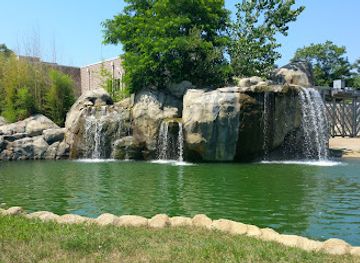
Zoo
Roger Williams Park Zoo
Experience the thrill of wildlife at Roger Williams Park Zoo, where education and conservation come alive for families and animal lovers alike.
-
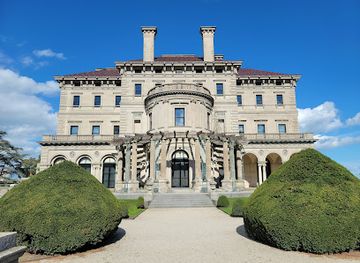
Historical place museum
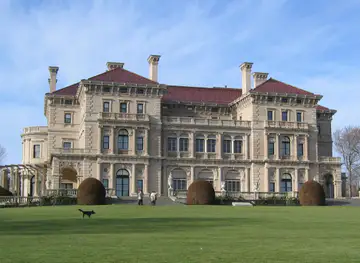
The Breakers
Experience the grandeur of The Breakers, a historical mansion showcasing Gilded Age architecture and stunning ocean views in Newport, Rhode Island.
-
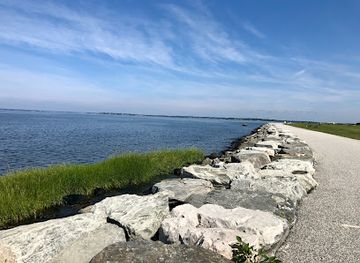
State park
Colt State Park
Discover the serene landscapes and outdoor adventures at Colt State Park in Bristol, Rhode Island, a premier destination for nature lovers and families.
-
State park
Lincoln Woods State Park
Explore Lincoln Woods State Park: A serene retreat with diverse outdoor activities and breathtaking landscapes in the heart of Rhode Island.


Best landmarks in Narragansett Bay
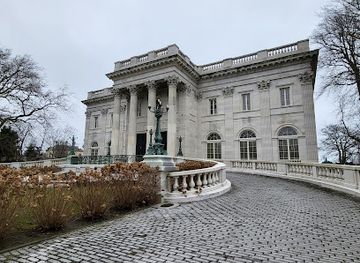
The most recognisable built landmark in the bay region is Newport's historic architectural ensemble, where colonial streets, the Old Colony State House and grand Bellevue Avenue mansions illustrate successive phases of American history. The Breakers and Marble House are particularly prominent examples of Gilded Age domestic architecture, while Fort Adams commands the harbour entrance from a strategically important headland. In Providence, the Rhode Island State House rises above the city at the head of the bay, and the pedestrian riverfront provides a strong civic view of the capital's relationship with its waterways. Bristol's historic centre and waterfront reflect its long maritime and shipbuilding traditions, while Wickford Village preserves a compact harbour setting of old houses, lanes and wharves. Jamestown's Beavertail Lighthouse marks the southern entrance to Narragansett Bay from Conanicut Island, and nearby coastal defences recall the area's military importance. The bay itself is the region's principal natural landmark: its channels, islands, rocky points and tidal marshes form the geographic structure that connects these separate towns and historic sites.
-
Historical place museum
The Breakers
Explore The Breakers in Newport, a stunning mansion embodying Gilded Age elegance with breathtaking architecture and picturesque ocean views.
-
State park
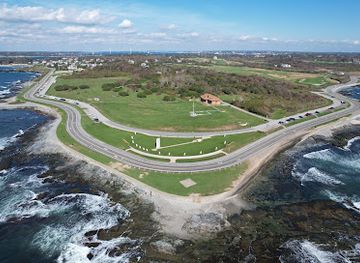
Brenton Point State Park
Discover the breathtaking beauty of Brenton Point State Park, a serene coastal haven perfect for picnicking, hiking, and enjoying stunning ocean views.
-
 State park
Fort Adams State Park
Discover the historic Fort Adams State Park in Newport, RI, where breathtaking views, rich history, and outdoor fun await every visitor.
-
Historical place museum
Marble House
Discover the enchanting Marble House in Newport, RI, a historical museum that showcases the opulence of the Gilded Age with stunning architecture and beautiful gardens.
Explore Narragansett Bay on the map
Plan your trip on one map. See where the top cities, national parks and sights are, and book hotels and experiences in a few clicks.
Best hotels in Narragansett Bay
Best restaurants in Narragansett Bay
Dining around Narragansett Bay reflects Rhode Island's position between New England tradition and a contemporary coastal food culture. Seafood is central, with oysters, clams, lobster, scallops and locally associated quahogs appearing in raw bars, fish shacks, harbour restaurants and more formal dining rooms. Stuffies, or stuffed quahogs, are a notable Rhode Island preparation, while clam cakes and clear or creamy chowder are familiar regional choices. Providence has the broadest range of restaurants, bakeries, cafés and international cuisines, whereas Newport combines upscale dining with waterfront venues and long-established casual seafood restaurants. Bristol, Warren, Wickford and other smaller centres offer cafés, pubs and independent eateries, often alongside produce from farms elsewhere in the state. Farmers' markets and specialist food shops are useful for picnic supplies, local cheeses, baked goods and seasonal produce. Dining beside the water is popular, but a view does not necessarily indicate a traditional seafood menu; visitors will find both classic preparations and modern cooking shaped by the bay's produce.
-
Oyster Bar
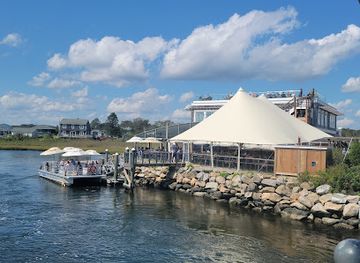
Matunuck Oyster Bar
Experience fresh seafood delights at Matunuck Oyster Bar in Rhode Island's coastal paradise with stunning ocean views.
-
Seafood
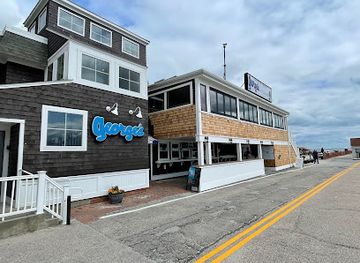
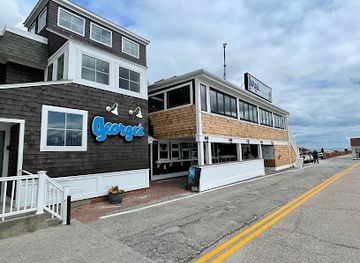
George's of Galilee
Experience fresh seafood delights at George's of Galilee – where ocean flavors meet stunning views in Narragansett.
-
Seafood
The Mooring Seafood Kitchen & Bar
Savor fresh seafood delights with stunning waterfront views at The Mooring Seafood Kitchen & Bar in Newport.
-
Seafood
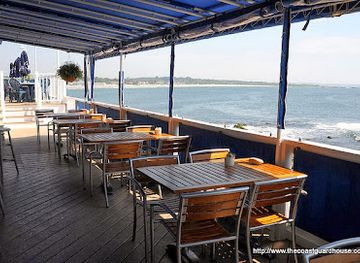
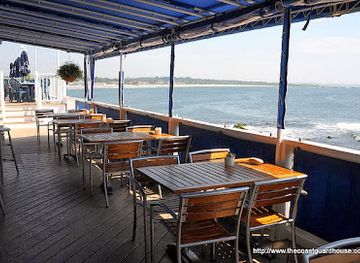
The Coast Guard House Restaurant
Experience fine dining at The Coast Guard House Restaurant with stunning ocean views and exquisite seafood dishes in Narragansett, Rhode Island.

Best bars in Narragansett Bay
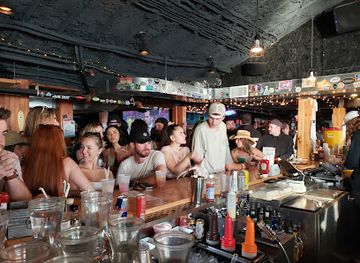
Evening life around Narragansett Bay is concentrated in Providence and Newport, with a quieter rhythm in the smaller harbour towns. Providence has the region's widest choice of cocktail bars, breweries, live music, theatres and late-night venues, while Newport combines hotel bars, pubs, music venues and seasonal waterfront establishments. Bristol, Warren, Wickford and Jamestown are more oriented towards neighbourhood pubs, restaurants, cafés and occasional live performances than large clubs. Summer brings fuller terraces and more activity around the waterfront, but opening patterns can be seasonal and should be checked locally. Traditional New England pubs remain an important part of the evening landscape, alongside craft beer, spirits and contemporary wine or cocktail bars. Rural and island areas may have limited late transport, so visitors should plan a responsible return journey rather than assume that taxis or ride-hailing services will be readily available after dark.
-
Seafood
George's of Galilee
Experience the best seafood in Galilee with stunning waterfront views at George's of Galilee, where fresh flavors and friendly service await.
-
Seafood
The Coast Guard House Restaurant
Experience exquisite seafood and breathtaking ocean views at The Coast Guard House Restaurant in Narragansett, Rhode Island.
-
Bar
Ocean Mist
Discover Ocean Mist, a lively beach bar in Rhode Island, where live music meets ocean views and vibrant nightlife.
-
American
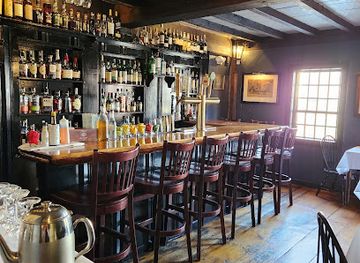
White Horse Tavern
Discover the historic White Horse Tavern in Newport, RI - a culinary gem serving exquisite American seafood in a charming setting.
Best nightclubs in Narragansett Bay
Evening life around Narragansett Bay is concentrated in Providence and Newport, with a quieter rhythm in the smaller harbour towns. Providence has the region's widest choice of cocktail bars, breweries, live music, theatres and late-night venues, while Newport combines hotel bars, pubs, music venues and seasonal waterfront establishments. Bristol, Warren, Wickford and Jamestown are more oriented towards neighbourhood pubs, restaurants, cafés and occasional live performances than large clubs. Summer brings fuller terraces and more activity around the waterfront, but opening patterns can be seasonal and should be checked locally. Traditional New England pubs remain an important part of the evening landscape, alongside craft beer, spirits and contemporary wine or cocktail bars. Rural and island areas may have limited late transport, so visitors should plan a responsible return journey rather than assume that taxis or ride-hailing services will be readily available after dark.
-
Comedy club
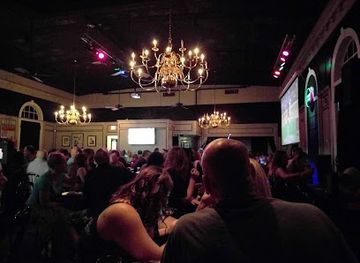
Comedy Connection
Experience the best in live comedy at Comedy Connection, where laughter, delicious food, and great drinks come together for an unforgettable night out.
-
Restaurant
Rooftop at the Providence G
Experience stunning views and exquisite dining at Rooftop at the Providence G, a premier destination in downtown Providence, Rhode Island.
-
Dance club
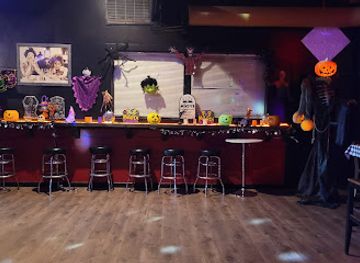
Platforms Dance Club
Experience the vibrant nightlife of Providence at Platforms Dance Club, where music, dancing, and good vibes create an unforgettable evening.
-
Night club
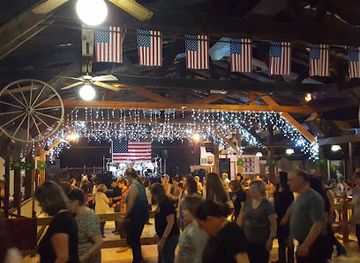
Mishnock Barn
Discover the lively country atmosphere of Mishnock Barn, a premier nightlife destination in Rhode Island featuring dancing, live music, and a welcoming bar.

Best shops in Narragansett Bay
Shopping around Narragansett Bay is strongest in the historic centres and waterfront districts rather than in one dominant retail area. Providence provides the broadest selection of independent boutiques, bookshops, galleries, design stores and larger commercial streets. Newport is known for a mixture of fashion, jewellery, art, antiques, nautical goods and visitor-oriented shops in and around its historic centre, while Bristol, Warren and Wickford offer smaller independent retailers, galleries, craft studios and gift shops. Farmers' markets and speciality food shops are good places to look for Rhode Island produce, baked goods, preserves, seafood products and locally made items, although market schedules vary by season. Nautical clothing and sailing-related goods are widely available in harbour communities, but genuine local crafts, ceramics, prints and regional food products make more distinctive souvenirs. Prudence Island has limited retail provision, so visitors should bring food, water and other necessities rather than expecting a substantial shopping stop.
-
Shopping mall
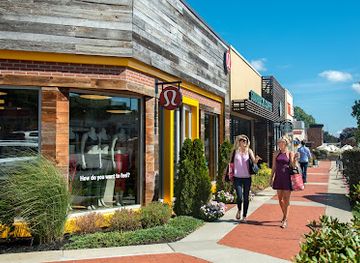
Garden City Center
Explore Garden City Center, a vibrant shopping mall in Cranston, RI, featuring boutiques, dining, and community events in a picturesque outdoor setting.
-
Gift shop
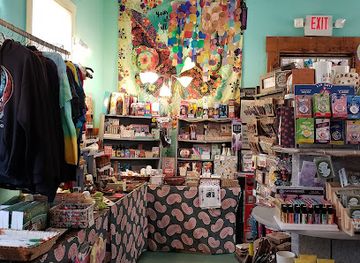
Fantastic Umbrella Factory
Explore unique gifts and local crafts at the Fantastic Umbrella Factory in Charlestown, Rhode Island, a must-visit destination for tourists.
-
Shopping mall
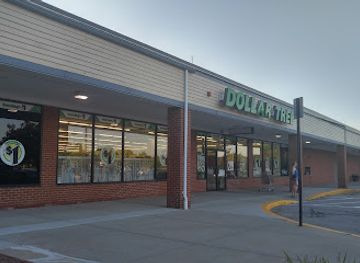
Salt Pond Shopping Center
Explore Salt Pond Shopping Center: A delightful shopping and dining destination in Narragansett, Rhode Island, offering coastal charm and variety.
-
Shopping mall
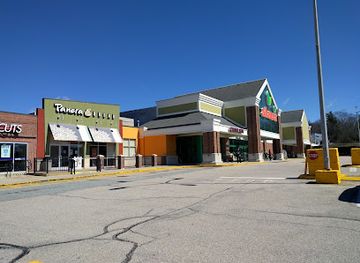
The Wakefield Mall
Explore The Wakefield Mall - your ultimate shopping destination in Rhode Island, featuring diverse stores, dining, and local charm to enhance your visit.
Get your free copy of our complete guide to Narragansett Bay, delivered straight to you.
Everything on this page, from attractions and restaurants to essentials and local phrases, in one PDF you can read offline, print or share.
Already have an account? Sign in
Your Narragansett Bay guide is ready.
We'll send it to · Not you? Sign out

Getting your guide ready…
We are putting together a fresh copy of the Narragansett Bay guide. This can take up to a minute.
This can take a few moments. If your browser asks, choose Allow so the download can start. You'll find the guide in your Downloads folder.
Nothing happened? Download it again
Sorry, the guide is taking longer than usual. Please try again in a minute, or get it by email instead.
Narragansett Bay essentials
Currency and Payment
Safety
Emergency Situations
Do's and Don'ts
Local Tips
From Eve
Local phrases worth knowing
You don't need to get them perfect. A few words go a long way, and locals appreciate the effort.
Basics
| English | Local | Say it |
|---|---|---|
| Hello | Hi | [Hai] |
| Goodbye | See ya | [See yah] |
| Yes | Yeah | [Yeh] |
| No | Nah | [Nah] |
| Please/You're welcome | No problem | [No prob-lum] |
| Thank you | Thanks | [Thangs] |
| Excuse me/Sorry | Sorry 'bout that | [Sorry 'bout that] |
| How are you? | How ya doin'? | [How yah doin'?] |
| Fine. And you? | Good. You? | [Good. You?] |
| Do you speak English? | Ya speakin' English? | [Ya speakin' English?] |
| I don't understand | I ain't gettin' it | [I ain't gettin' it] |
Eating & Drinking
| English | Local | Say it |
|---|---|---|
| I'd like to see the menu, please | Can I see the menu? | [Can I see the menu?] |
| I don't eat meat | I don't do meat | [I don't do meat] |
| Cheers! | Cheers! | [Cheers!] |
| I would like to pay, please | Can I get the check? | [Can I get the check?] |
Emergencies
| English | Local | Say it |
|---|---|---|
| Help! | Help! | [Help!] |
| Go away! | Get lost! | [Get lost!] |
| Call the Police! | Call the cops! | [Call the cops!] |
| Call a doctor! | Get a doctor! | [Get a doctor!] |
| I'm lost | I’m turned around | [I’m turned around] |
| I'm ill | I’m feelin’ sick | [I’m feelin’ sick] |
Shopping
| English | Local | Say it |
|---|---|---|
| I'd like to buy... | I wanna buy... | [I wanna buy...] |
| I'm just looking | Just lookin' | [Just lookin'] |
| How much is it? | What’s the price? | [What’s the price?] |
| That's too expensive | That’s way too much | [That’s way too much] |
| Can you lower the price? | Can ya cut the price? | [Can ya cut the price?] |
Time & Numbers
| English | Local | Say it |
|---|---|---|
| What time is it? | What’s the time? | [What’s the time?] |
| It's one o'clock | It's one | [It's one] |
| Half past (10) | Half past ten | [Half past ten] |
| Morning | Mornin' | [Mornin'] |
| Afternoon | Afternoon | [Afternoon] |
| Evening | Evenin' | [Evenin'] |
| Yesterday | Yesterday | [Yesterday] |
| Today | Today | [Today] |
| Tomorrow | Tomorrow | [Tomorrow] |
| 1 | One | [One] |
| 2 | Two | [Two] |
| 3 | Three | [Three] |
| 4 | Four | [Four] |
| 5 | Five | [Five] |
| 6 | Six | [Six] |
| 7 | Seven | [Seven] |
| 8 | Eight | [Eight] |
| 9 | Nine | [Nine] |
| 10 | Ten | [Ten] |
Transport & Directions
| English | Local | Say it |
|---|---|---|
| Where's a/the...? | Where’s the...? | [Where’s the...?] |
| What's the address? | What’s the address? | [What’s the address?] |
| Can you show me (on the map)? | Can ya show me on the map? | [Can ya show me on the map?] |
| When's the next (bus)? | When’s the next bus? | [When’s the next bus?] |
| A ticket (to ....) | One ticket to... | [One ticket to...] |
History of Narragansett Bay
Indigenous Narragansett Homelands
Narragansett Bay takes its name from the Narragansett people, whose homelands encompassed much of present-day Rhode Island and the surrounding coastal region. The bay supported fishing, shellfishing, travel and exchange, while seasonal settlements related to its coves, rivers and islands. Other Indigenous peoples, including the Wampanoag and Eastern Niantic, also had longstanding connections with the wider area. European settlement and colonial land transactions profoundly disrupted these communities through disease, displacement and conflict, but Indigenous history remains essential to understanding the bay's name and its human landscape.
Colonial Settlement and Religious Communities
English colonisation expanded around the bay during the seventeenth century, particularly after Roger Williams founded Providence in 1636 and other settlements developed on Aquidneck Island and the eastern shore. Rhode Island became associated with religious pluralism, including the communities established at Portsmouth and Newport. Harbours enabled communication and trade between settlements, while farms, mills and small ports grew along the coves. Colonial street plans, meetinghouses and surviving houses in places such as Newport, Bristol and Wickford still reveal the importance of the bay during this period.
Port Commerce and the Slave Trade
During the eighteenth century Newport became one of colonial America's important Atlantic ports, trading in goods from the Caribbean, Europe and North America. Some Rhode Island merchants and shipowners participated in the transatlantic slave trade and in the commerce sustained by slavery, while enslaved people lived and worked in the colony. Providence and other bay ports also benefited from Atlantic networks. This history is visible not only in surviving mercantile buildings but also in museums, historic research and public interpretation that address the wealth, exploitation and social divisions behind colonial prosperity.
The American Revolution in the Bay
Narragansett Bay was strategically important during the American Revolution because its harbours controlled access to Providence, Newport and the wider coast. British forces occupied Newport from 1776 until 1779, and the Battle of Rhode Island took place in August 1778 on Aquidneck Island. French forces later used Newport as a base after arriving to support the American cause. Military occupation, naval movement and local divisions reshaped communities around the bay, whose defensive geography became part of the revolutionary story.
Maritime Industry and Coastal Trade
After independence, the bay remained a centre of shipbuilding, fishing, coastal trade and manufacturing. Providence became an important commercial and industrial city at the head of the estuary, connected to inland mills and national markets. Bristol developed shipbuilding and later manufacturing, while smaller ports supported fishing and agricultural exchange. Steam navigation, wharves, railways and improved roads altered movement around the shoreline. The surviving waterfronts of several towns, together with former industrial sites and maritime museums, preserve evidence of this working-bay economy.
Newport's Gilded Age Transformation
In the late nineteenth century Newport became a fashionable summer resort for wealthy American families, including the Astors and Vanderbilts. Grand houses such as The Breakers and Marble House were built along Bellevue Avenue and nearby shores as seasonal residences, combining European architectural references with modern utilities and elaborate interiors. This transformation did not replace Newport's older colonial and maritime identity, but it added a highly visible layer of social and architectural history that now forms one of the bay region's principal heritage attractions.
Naval Presence and Twentieth-Century Change
The United States Navy became a major presence around Narragansett Bay, especially at Newport and Quonset Point. The Naval War College was established in Newport in 1884, and military facilities, training and related employment influenced the region through the twentieth century. Quonset Point developed as an important naval and industrial site, later becoming associated with the Quonset Business Park. At the same time, manufacturing declined in several waterfront towns, while tourism, conservation, recreation and heritage increasingly shaped the modern shoreline economy.
Conservation and a Working Estuary
Modern Narragansett Bay is both a recreational landscape and an environmentally important estuary supporting salt marshes, shellfish, fisheries and diverse coastal habitats. Pollution from urban and industrial activity led to long-term restoration and monitoring efforts, while shoreline development, storms and sea-level rise continue to present challenges. Today the bay supports sailing, commercial and recreational fishing, ferry transport, research and tourism alongside established communities. Its contemporary identity depends on balancing public access and economic use with the health of the water and surrounding wetlands.
Narragansett Bay in Photos
Browse through our photo collection highlighting the charm and character of the destination.
Neighbouring regions of Narragansett Bay
The closest regions to Narragansett Bay, if you have time for more than one.
-

-
-

-

-


Swipe for more regions
Explore more
Explore more of Rhode Island
Discover Rhode Island: Explore historic mansions, vibrant cities, serene islands, and culinary delights in the smallest state with a big heart.
Explore Rhode Island