

Free Warwick Travel Guide & Mobile App
Plan your Warwick trip with Evendo. Get free guides to top attractions, restaurants, hotels, and bars. Web access or download the mobile app.


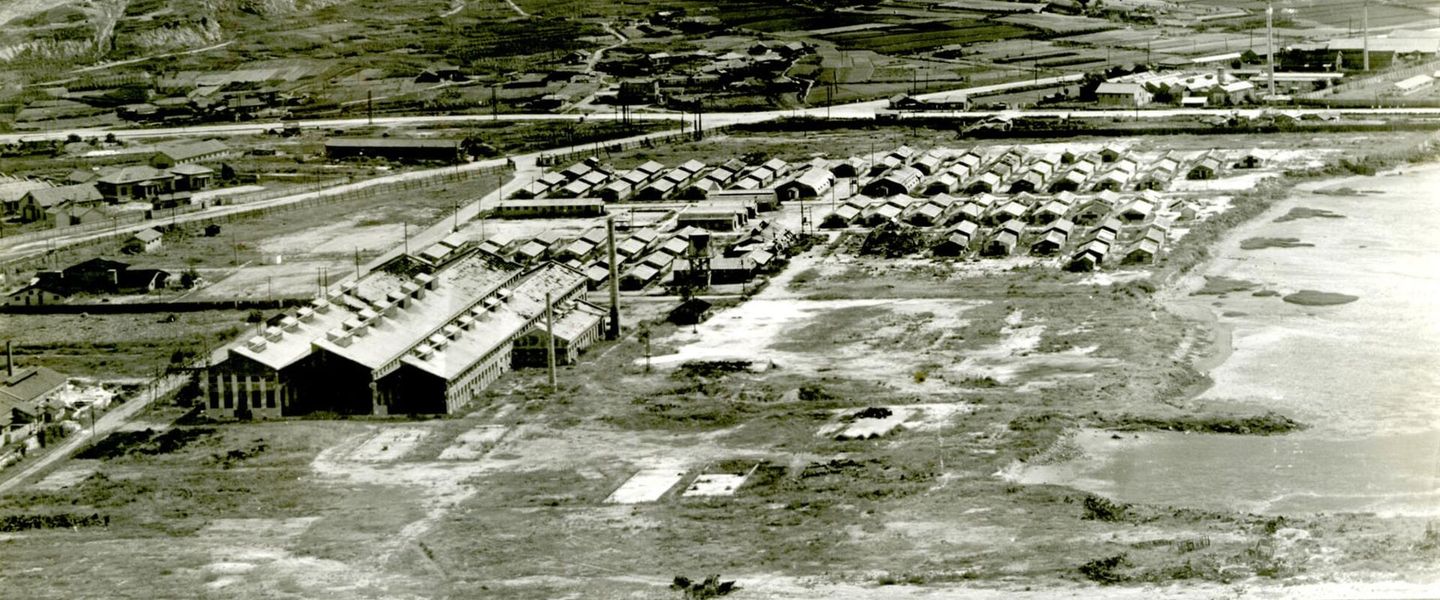


Discover Warwick, Rhode Island: A blend of coastal beauty, rich history, and outdoor adventure, perfect for a relaxing and enriching getaway.
Read more about Warwick
When is the best time to visit Warwick?
Best: June, August–September · 23–27°C| Month | High (°C) | Rainfall (mm) |
|---|---|---|
| January | 3 | 89 |
| February | 4 | 84 |
| March | 8 | 104 |
| April | 14 | 104 |
| May | 19 | 99 |
| June (best) | 24 | 94 |
| July | 27 | 104 |
| August (best) | 27 | 104 |
| September (best) | 23 | 104 |
| October | 18 | 104 |
| November | 11 | 104 |
| December | 4 | 104 |
Getting to and around Warwick
How to get there
Transportation
Best attractions in Warwick
Warwick in Rhode Island offers a unique blend of history, culture, and natural beauty for visitors to explore. From the historic Warwick City Hall to the beautiful Goddard Memorial State Park, there is something for everyone to enjoy. Take a stroll down Main Street and discover charming shops and restaurants, or visit the Warwick Museum of Art to appreciate local creativity. Outdoor enthusiasts can hike along scenic trails at Rocky Point State Park or relax on the shores of Oakland Beach. With its rich history and picturesque landscapes, Warwick is a destination not to be missed.
-
Tourist attraction
Roger Williams Park Zoo
Discover the magic of wildlife at Roger Williams Park Zoo, a renowned attraction in Providence, Rhode Island, filled with unique animal exhibits and family-friendly activities.
29 min drive · 9.7 km from city centre
-
Park
Roger Williams Park
Experience the tranquility and beauty of Roger Williams Park, a lush escape in Providence, RI, perfect for relaxation, exploration, and family fun.
27 min drive · 8.9 km from city centre
-
Amusement center
Launch Trampoline Park Warwick
Dive into the excitement at Launch Trampoline Park Warwick, where fun meets adventure with trampolines, arcade games, and great food!
17 min drive · 5.7 km from city centre
-
Tourist attraction
Oakland Beach
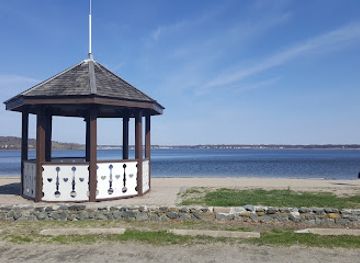
Experience the serene beauty and vibrant community at Oakland Beach, a top destination in Warwick, Rhode Island for sun, sand, and fun.
8 min drive · 2.8 km from city centre

Best landmarks in Warwick
Warwick in Rhode Island offers visitors a rich tapestry of historical landmarks to explore, including the picturesque Warwick Neck Lighthouse with stunning views of Narragansett Bay, the historic Clouds Hill Victorian House Museum filled with period furnishings, and the fascinating Warwick Museum of Art showcasing local and regional artists. Visitors can also stroll through the charming Pawtuxet Village, one of the oldest villages in New England, and explore the vibrant Warwick City Park with its scenic walking trails and waterfront views. With a mix of natural beauty and cultural heritage, Warwick is a must-visit destination for history buffs and nature lovers alike.
-
Restaurant
Iggy's Doughboys & Chowder House
Experience the best of New England cuisine at Iggy's Doughboys & Chowder House, famous for clam chowder and delightful doughboys.
8 min drive · 2.8 km from city centre
-
State park
Goddard Memorial State Park
Explore the serene landscapes and recreational opportunities at Goddard Memorial State Park in Warwick, Rhode Island, perfect for nature lovers and families.
16 min drive · 5.3 km from city centre
-
State park
Rocky Point State Park
Discover the scenic trails, rich history, and recreational activities at Rocky Point State Park in Warwick, Rhode Island, a perfect destination for nature lovers.
14 min drive · 4.6 km from city centre
-
Hotel
Crowne Plaza Providence-Warwick (Airport), an IHG Hotel
Discover the comfort and convenience of Crowne Plaza Providence-Warwick, your perfect hotel for business and leisure stays in Rhode Island.
12 min drive · 4.1 km from city centre


Explore Warwick on the map
Plan your Warwick trip on one map. See where the top attractions, landmarks, restaurants, bars and hotels are, find what's near where you're staying, and book hotels and experiences in a few clicks.
Best hotels in Warwick
Best restaurants in Warwick
Warwick boasts a diverse dining scene that caters to all tastes and preferences. From cozy cafes serving up delicious pastries and coffee to upscale restaurants offering gourmet cuisine, visitors can expect a culinary adventure in this charming city. Seafood lovers will delight in the fresh catches at waterfront eateries, while those craving international flavors can explore the array of ethnic restaurants dotting the city. With a mix of casual dining spots, family-friendly establishments, and fine dining options, Warwick has something to satisfy every palate. Whether you're in the mood for a classic New England clam chowder or a trendy fusion dish, Warwick's dining scene has it all.
-
Restaurant
Iggy's Doughboys & Chowder House
Discover authentic Rhode Island flavors at Iggy's Doughboys & Chowder House—where delicious seafood meets seaside charm.
8 min drive · 2.8 km from city centre
-
American
Smokey Bones Warwick
Discover Smokey Bones Warwick: A vibrant American barbecue restaurant serving up delicious smoked meats and craft drinks in a welcoming atmosphere.
19 min drive · 6.3 km from city centre
-
American
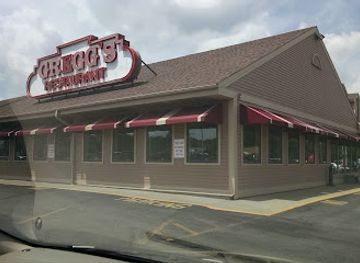
Greggs- Warwick
Discover Greggs in Warwick: A family-friendly American restaurant offering delicious meals in a welcoming atmosphere.
14 min drive · 4.6 km from city centre
-
Restaurant
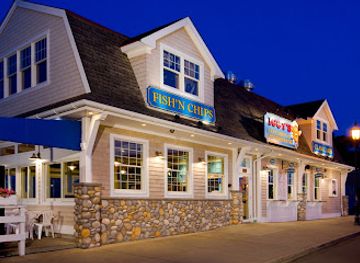
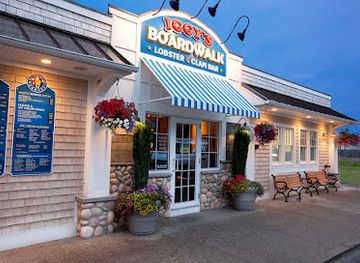
Iggy's Boardwalk
Discover Iggy's Boardwalk in Warwick: where fresh seafood meets stunning ocean views in a casual dining experience.
8 min drive · 2.7 km from city centre
Best bars in Warwick
Warwick offers a vibrant nightlife scene with a variety of bars and nightclubs to choose from. Whether you're looking for a cozy pub to enjoy a craft beer, a lively nightclub to dance the night away, or a trendy cocktail bar with creative mixologists, Warwick has it all. From live music venues to sports bars showing the big game, there is something for everyone to enjoy after the sun sets in this charming city.
-
Bistro
Tree House Tavern
Experience the best of Rhode Island dining at Tree House Tavern, where delightful bistro fare meets a charming atmosphere in Warwick.
20 min drive · 6.7 km from city centre
-
Bar
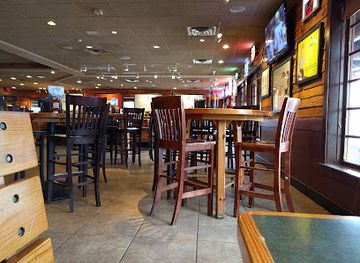
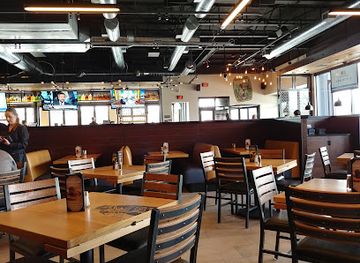
BJ's Restaurant & Brewhouse
Discover BJ's Restaurant & Brewhouse in Warwick for an exciting blend of gourmet food, craft beer, and vibrant sports entertainment.
17 min drive · 5.5 km from city centre
-
Grill
Shannon View Inn
Discover the flavors of America at Shannon View Inn, a charming grill and bar in Warwick, RI, perfect for a relaxing dining experience.
10 min drive · 3.3 km from city centre
-
Pub
O'Rourkes Bar & Grill
Discover the charm of O'Rourkes Bar & Grill in Warwick, RI - a cozy pub with delicious food and an extensive drink menu, perfect for all occasions.
22 min drive · 7.2 km from city centre



Best nightclubs in Warwick
Warwick offers a vibrant nightlife scene with a variety of bars and nightclubs to choose from. Whether you're looking for a cozy pub to enjoy a craft beer, a lively nightclub to dance the night away, or a trendy cocktail bar with creative mixologists, Warwick has it all. From live music venues to sports bars showing the big game, there is something for everyone to enjoy after the sun sets in this charming city.
-
Bar
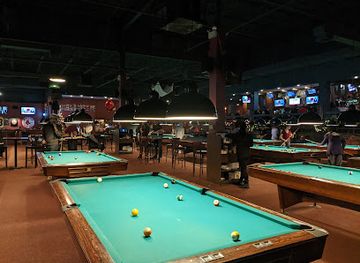
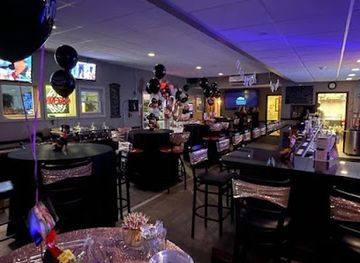
Bo's Bar and Billiards
Experience the vibrant nightlife at Bo's Bar and Billiards in Warwick, RI—your go-to spot for drinks, billiards, and local fun.
17 min drive · 5.7 km from city centre
-
Grill
All Stars Bar & Grill
Discover the vibrant atmosphere and delicious grill favorites at All Stars Bar & Grill in Warwick, RI - the perfect spot for food lovers and fun seekers.
10 min drive · 3.5 km from city centre
-
Cocktail bar
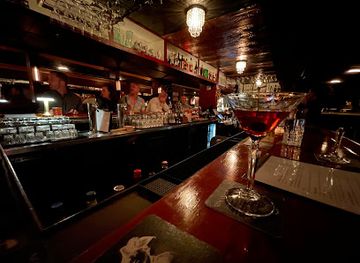
Jefferson Speakeasy
Discover the enchanting Jefferson Speakeasy in Warwick, RI - a cocktail bar blending vintage charm with modern mixology.
11 min drive · 3.5 km from city centre
-
Grill
Runway 41 Sports Bar & Grill
Discover the vibrant atmosphere of Runway 41 Sports Bar & Grill, where delicious food meets thrilling sports action in Warwick, Rhode Island.
11 min drive · 3.6 km from city centre

Best shops in Warwick
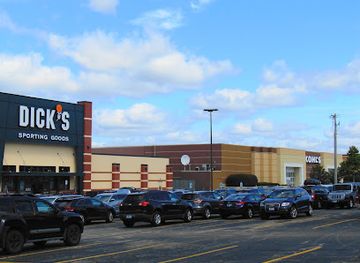
Warwick offers a diverse shopping scene that caters to all interests and budgets. From quaint boutiques and antique shops in historic Pawtuxet Village to modern malls and outlet stores, visitors can find everything they need. Explore unique local shops for handcrafted goods and souvenirs, or indulge in designer brands at Warwick Mall or Garden City Center. With a mix of big-name retailers and charming independent stores, shopping in Warwick is a delight for tourists looking to discover hidden gems and take home a piece of Rhode Island's vibrant culture.
-
Shopping mall
Warwick Mall
Explore Warwick Mall, Rhode Island's ultimate shopping destination featuring diverse stores, delicious dining, and fun entertainment for the whole family.
16 min drive · 5.2 km from city centre
-
Shopping mall
Midland Commons
Discover the ultimate shopping experience at Midland Commons, Warwick's bustling mall with diverse stores, delicious dining, and fun entertainment.
16 min drive · 5.4 km from city centre
-
Department store
Macy's
Explore a world of fashion, beauty, and home essentials at Macy's Warwick, your ultimate shopping destination in Rhode Island.
16 min drive · 5.3 km from city centre
-
Shopping mall
Cowesett Corners Shopping Center
Explore Cowesett Corners Shopping Center, where shopping meets local dining in Warwick, RI, perfect for families and tourists alike.
20 min drive · 6.8 km from city centre



Get your free copy of our complete guide to Warwick, delivered straight to you.
Everything on this page, from attractions and restaurants to essentials and local phrases, in one PDF you can read offline, print or share.
Already have an account? Sign in
Your Warwick guide is ready.
We'll send it to · Not you? Sign out

Getting your guide ready…
We are putting together a fresh copy of the Warwick guide. This can take up to a minute.
This can take a few moments. If your browser asks, choose Allow so the download can start. You'll find the guide in your Downloads folder.
Nothing happened? Download it again
Sorry, the guide is taking longer than usual. Please try again in a minute, or get it by email instead.
Warwick essentials
Currency and Payment
Safety
Emergency Situations
Do's and Don'ts
Local Tips
From Eve
Local phrases worth knowing
You don't need to get them perfect. A few words go a long way, and locals appreciate the effort.
Basics
| English | Local | Say it |
|---|---|---|
| Hello | Hey | [hey] |
| Goodbye | See ya | [see ya] |
| Yes | Yeah | [yeah] |
| No | Nah | [nah] |
| Please/You're welcome | Please/No problem | [please/no problem] |
| Thank you | Thanks | [thanks] |
| Excuse me/Sorry | Sorry | [sorry] |
| How are you? | How's it going? | [hows it going] |
| Fine. And you? | Good. You? | [good you] |
| Do you speak English? | You speak English? | [you speak english] |
| I don't understand | I don't get it | [i dont get it] |
Eating & Drinking
| English | Local | Say it |
|---|---|---|
| I'd like to see the menu, please | Can I see the menu? | [can i see the menu] |
| I don't eat meat | I'm vegetarian | [im vegetarian] |
| Cheers! | Cheers! | [cheers] |
| I would like to pay, please | Check, please | [check please] |
Emergencies
| English | Local | Say it |
|---|---|---|
| Help! | Help! | [help] |
| Go away! | Get lost! | [get lost] |
| Call the Police! | Call the cops! | [call the cops] |
| Call a doctor! | Get a doctor! | [get a doctor] |
| I'm lost | I'm lost | [im lost] |
| I'm ill | I'm sick | [im sick] |
Shopping
| English | Local | Say it |
|---|---|---|
| I'd like to buy... | I want to buy... | [i want to buy] |
| I'm just looking | Just browsing | [just browsing] |
| How much is it? | How much does it cost? | [how much does it cost] |
| That's too expensive | Too pricey | [too pricey] |
| Can you lower the price? | Can you give me a discount? | [can you give me a discount] |
Time & Numbers
| English | Local | Say it |
|---|---|---|
| What time is it? | What time is it? | [what time is it] |
| It's one o'clock | It's one | [its one] |
| Half past (10) | Half past ten | [half past ten] |
| Morning | Morning | [morning] |
| Afternoon | Afternoon | [afternoon] |
| Evening | Evening | [evening] |
| Yesterday | Yesterday | [yesterday] |
| Today | Today | [today] |
| Tomorrow | Tomorrow | [tomorrow] |
| 1 | One | [one] |
| 2 | Two | [two] |
| 3 | Three | [three] |
| 4 | Four | [four] |
| 5 | Five | [five] |
| 6 | Six | [six] |
| 7 | Seven | [seven] |
| 8 | Eight | [eight] |
| 9 | Nine | [nine] |
| 10 | Ten | [ten] |
Transport & Directions
| English | Local | Say it |
|---|---|---|
| Where's a/the...? | Where's the...? | [wheres the] |
| What's the address? | What's the address? | [whats the address] |
| Can you show me (on the map)? | Can you show me (on the map)? | [can you show me on the map] |
| When's the next (bus)? | When's the next (bus)? | [whens the next bus] |
| A ticket (to ....) | A ticket (to ....) | [a ticket to] |
History of Warwick
The Founding of Warwick
Warwick, Rhode Island, was founded in 1642 by Samuel Gorton. Gorton purchased the land from the Narragansett Indian sachem Miantonomi. This purchase was initially disputed by the Massachusetts Bay Colony, leading to a series of conflicts known as the Gortonist Controversy. Eventually, the dispute was resolved, and Warwick became a recognized settlement.
King Philip's War
During King Philip's War (1675-1676), Warwick was significantly impacted. The war was a conflict between Native American inhabitants and English settlers. Warwick's strategic location made it a site of numerous skirmishes. Many of the town's buildings were burned, and the area suffered considerable damage. The war ended with a colonial victory, but it left a lasting scar on the region.
Revolutionary War Contributions
Warwick played a notable role during the American Revolutionary War. The town was a hub of activity and provided significant support to the colonial forces. Notably, General George Washington visited Warwick in 1776 to inspect the defenses and rally support. The town's residents contributed to the war effort by providing supplies and manpower.
Industrialization and Growth
In the 19th century, Warwick experienced substantial growth due to industrialization. The establishment of textile mills and factories along the Pawtuxet River transformed the town into a bustling industrial center. The Warwick Mills, established in 1810, became one of the largest textile producers in the region. This period saw an influx of immigrants, which diversified the town's cultural landscape.
The Great Hurricane of 1938
The Great Hurricane of 1938 was one of the most devastating storms to hit Warwick. With winds exceeding 120 mph, the hurricane caused widespread destruction. Homes, businesses, and infrastructure were heavily damaged or destroyed. The aftermath required extensive rebuilding efforts, and the community demonstrated remarkable resilience in recovering from the disaster.
Post-War Suburban Expansion
After World War II, Warwick underwent significant suburban expansion. The construction of the Interstate Highway System, particularly I-95 and I-295, facilitated this growth by improving accessibility. New residential neighborhoods, shopping centers, and schools emerged, transforming Warwick into a suburban hub. The city’s population soared, and it became a vital part of the Providence metropolitan area.
T. F. Green Airport
T. F. Green Airport, located in Warwick, opened in 1931. Named after Rhode Island Governor and U.S. Senator Theodore Francis Green, the airport significantly boosted the city's economy. It became a major transportation hub, providing both domestic and international flights. The airport's presence has been instrumental in Warwick's economic development and connectivity.
Apponaug Village Historic District
Apponaug Village, the historic center of Warwick, is a key cultural and historical district. Established in the 17th century, it served as the town's commercial and civic heart. The village features numerous historic buildings, including the Old Warwick Town Hall and the Apponaug Mill. Efforts to preserve and revitalize this area have maintained its historical charm and importance.
The Warwick Musical Theater
The Warwick Musical Theater, also known as 'The Tent,' was a popular entertainment venue from 1955 to 1999. It hosted a wide array of performances, from Broadway shows to concerts by famous musicians. The theater was an iconic cultural landmark in Warwick, drawing audiences from across the region. Although it closed in 1999, it remains a cherished memory for those who experienced its performances.
Warwick in Photos
Browse through our photo collection highlighting the charm and character of the destination.
Cities near Warwick
The closest cities to Warwick, if you have time for more than one stop.
-

-

-

-

-


Swipe for more cities
Explore more
Explore more of Rhode Island
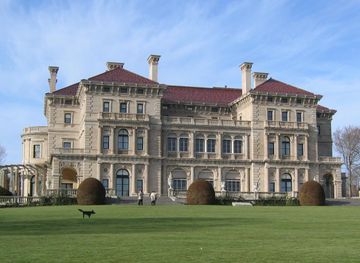
Discover Rhode Island: Explore historic mansions, vibrant cities, serene islands, and culinary delights in the smallest state with a big heart.
Explore Rhode Island