

Free Westerly Travel Guide & Mobile App
Plan your Westerly trip with Evendo. Get free guides to top attractions, restaurants, hotels, and bars. Web access or download the mobile app.


Westerly, Rhode Island, pairs Atlantic beaches, Watch Hill landmarks, historic downtown streets, coastal food and New England culture for memorable sightseeing.
Coastal Character and Historic Roots
Westerly occupies Rhode Island’s southwestern corner, where the Pawcatuck River meets the Atlantic and the state gives way to neighbouring Connecticut. Founded by English settlers in the seventeenth century, the town developed through farming, maritime trade, textile manufacturing and the celebrated Westerly granite industry. Its centre retains the proportions and atmosphere of a traditional New England town, with historic civic buildings, independent shops and the leafy grounds of Wilcox Park surrounding Westerly Library.Read more about Westerly
Beaches, Villages and the Shoreline
Culture and Everyday Westerly
When is the best time to visit Westerly?
Best: June, August–September · 23–27°C| Month | High (°C) | Rainfall (mm) |
|---|---|---|
| January | 2 | 95 |
| February | 4 | 85 |
| March | 8 | 100 |
| April | 14 | 105 |
| May | 19 | 110 |
| June (best) | 24 | 100 |
| July | 27 | 100 |
| August (best) | 27 | 105 |
| September (best) | 23 | 95 |
| October | 18 | 100 |
| November | 11 | 105 |
| December | 4 | 100 |
Getting to and around Westerly
How to get there
Transportation
Best attractions in Westerly
Westerly’s attractions range from a traditional New England centre to a long Atlantic shoreline. Wilcox Park, laid out beside Westerly Library, offers lawns, mature trees, paths and a calm setting for appreciating the town’s civic architecture. The library itself is an important local cultural institution, while nearby galleries and independent businesses give downtown a year-round character. At Watch Hill, visitors can stroll the compact village, see the Watch Hill Lighthouse from its coastal approaches and visit the Flying Horse Carousel, one of the area’s best-known historic amusements. Misquamicut State Beach provides broad sands and open ocean, with a classic seasonal resort atmosphere. Napatree Point extends beyond Watch Hill as a sandy peninsula where trails pass through dunes and offer views towards Little Narragansett Bay and the Atlantic. The Pawcatuck River, historic neighbourhoods and local arts venues add quieter alternatives when the shore is busy.
-
Tourist attraction
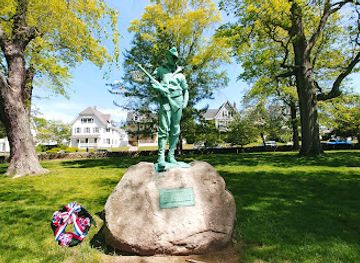
Wilcox Park
Explore the beauty of Wilcox Park, a tranquil oasis in Westerly, RI, perfect for relaxation, picnics, and enjoying seasonal events amidst nature.
1 min walk · 0.1 km from city centre
-
Park
Atlantic Beach Park
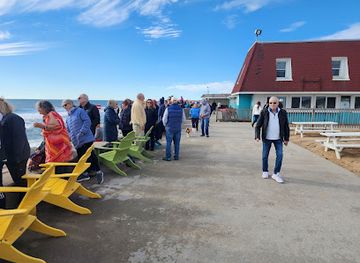
Experience the perfect blend of thrill and tranquility at Atlantic Beach Park, a premier amusement park and public beach in Westerly, Rhode Island.
20 min drive · 6.5 km from city centre
-
Tourist attraction
Napatree Point Conservation Area
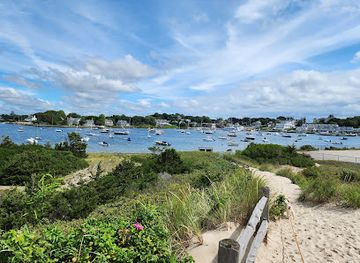
Explore the tranquil beauty of Napatree Point Conservation Area in Westerly, Rhode Island, where nature and serenity meet along the stunning coastline.
26 min drive · 8.6 km from city centre
-
Tourist attraction
The Stonington Lighthouse Museum
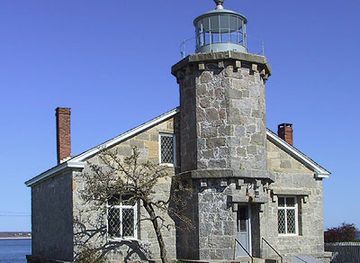
Explore Stonington Lighthouse Museum, a historic gem showcasing maritime history and stunning waterfront views in picturesque Connecticut.
26 min drive · 8.5 km from city centre
Best landmarks in Westerly
Westerly’s landmarks reflect its civic confidence, industrial past and coastal setting. Westerly Library and Wilcox Park form a significant ensemble in the centre, combining a long-established public institution with a carefully maintained urban park. The Westerly Armory, built in the early twentieth century, records the town’s former military and civic functions, while surviving granite buildings and memorials recall the importance of local stoneworking. At the shore, the Watch Hill Lighthouse has guided vessels into the entrance of Little Narragansett Bay since the nineteenth century and remains one of the town’s defining maritime structures. The Flying Horse Carousel in Watch Hill preserves a rare form of historic amusement architecture, with suspended horses rather than a conventional platform arrangement. The Pawcatuck River and its bridges are landmarks of geography as well as commerce, marking the relationship between Westerly, its industrial corridor and neighbouring Pawcatuck in Connecticut.
-
Restaurant
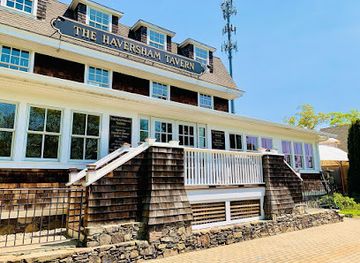
The Haversham
Discover the rich flavors of The Haversham, a premier restaurant and event venue in Westerly, Rhode Island, offering a delightful dining experience for every occasion.
22 min drive · 7.5 km from city centre
-
Public beach
Watch Hill Beach
Discover the serene beauty of Watch Hill Beach in Rhode Island, a perfect destination for relaxation, family fun, and stunning ocean views.
24 min drive · 8.1 km from city centre
-
Park
Wilcox Park
Experience the natural beauty and tranquility of Wilcox Park in Westerly, Rhode Island, a perfect escape for tourists seeking relaxation and outdoor enjoyment.
1 min walk · 0.1 km from city centre
-
Park
Atlantic Beach Park
Experience the perfect blend of thrills and relaxation at Atlantic Beach Park, a premier amusement park and public beach on Rhode Island's stunning coast.
20 min drive · 6.5 km from city centre

Explore Westerly on the map
Plan your Westerly trip on one map. See where the top attractions, landmarks, restaurants, bars and hotels are, find what's near where you're staying, and book hotels and experiences in a few clicks.
Best hotels in Westerly
Best restaurants in Westerly
Westerly’s dining identity is shaped by the Atlantic, southern New England traditions and a long history of Italian-American and immigrant communities. Seafood appears in many forms, from fried clams, oysters and lobster to daily fish preparations, while Rhode Island favourites such as clam cakes and clear-broth chowder belong naturally to the coastal setting. Downtown cafés, bakeries and casual restaurants provide year-round options, whereas Watch Hill and Misquamicut have a stronger seasonal rhythm, with outdoor dining and seafood-focused menus particularly prominent in warmer months. Local produce and farmers’ market ingredients appear alongside familiar New England staples, and the area also supports pizza, pasta and other Italian-influenced cooking. Dining atmospheres range from informal beach concessions to polished seaside restaurants, with the greatest concentration and choice generally found in the central streets and resort districts.
-
Restaurant
The Andrea Seaside Restaurant and Beach Bar
Discover coastal bliss at The Andrea Seaside Restaurant and Beach Bar in Westerly, RI - where fresh seafood meets stunning ocean views.
19 min drive · 6.4 km from city centre
-
Restaurant
Windjammer Surf Bar
Discover Windjammer Surf Bar - where delicious food meets vibrant live music along Rhode Island's beautiful coastline.
20 min drive · 6.5 km from city centre
-
Restaurant
The Cooked Goose
Experience delightful cuisine at The Cooked Goose in Westerly, RI - where fresh ingredients meet warm hospitality.
15 min drive · 4.8 km from city centre
-
Restaurant
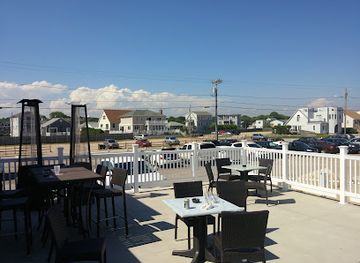
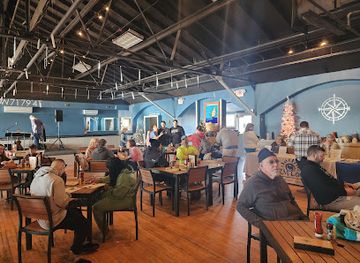
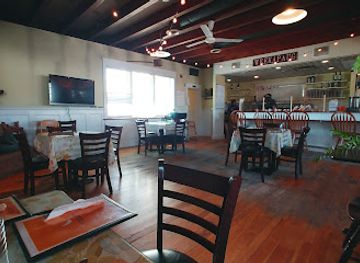
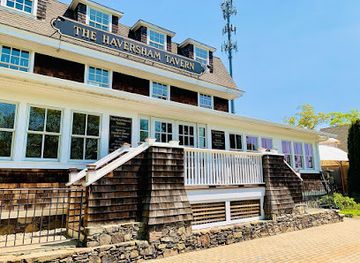
The Haversham
Discover The Haversham in Westerly: A top-rated restaurant offering exquisite cuisine and an inviting atmosphere perfect for all occasions.
22 min drive · 7.5 km from city centre
Best bars in Westerly
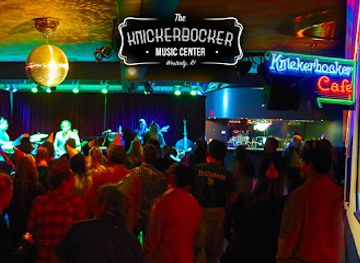
Westerly’s evening scene is varied but not built around a large nightclub district. Downtown pubs, taverns and cocktail-oriented bars provide relaxed spaces for drinks and conversation, while seasonal establishments around Misquamicut take on a livelier character during the summer beach season. Live music is an important part of the town’s cultural life, with venues such as the Knickerbocker Music Center presenting performances in the wider downtown area. The Granite Theatre offers another form of evening entertainment through staged productions and community performances. Watch Hill tends towards refined restaurants and quiet after-dark walks rather than late-night clubbing, while the beach strip can be more energetic in summer. Visitors should expect opening patterns and entertainment options to vary substantially between the busy coastal season and the quieter months.
-
American
Paddy's Beach Club
Discover the flavors of the sea at Paddy's Beach Club, a premier American and seafood restaurant located in scenic Misquamicut, Rhode Island.
19 min drive · 6.4 km from city centre
-
Bar
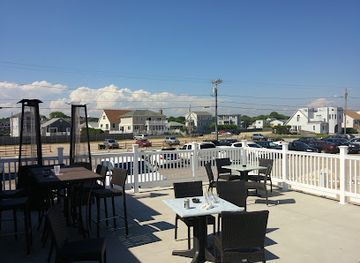
The Andrea Seaside Restaurant and Beach Bar
Discover The Andrea Seaside Restaurant and Beach Bar, where fresh seafood meets stunning ocean views in Westerly, Rhode Island.
19 min drive · 6.4 km from city centre
-
Bar
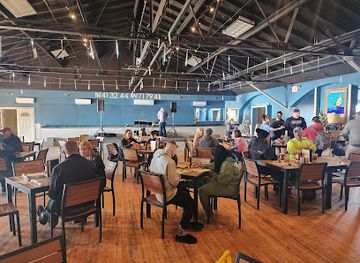
Windjammer Surf Bar
Windjammer Surf Bar: A beachfront bar and restaurant in Misquamicut, offering great food, live music, and stunning ocean views for an unforgettable experience.
20 min drive · 6.5 km from city centre
-
Bar
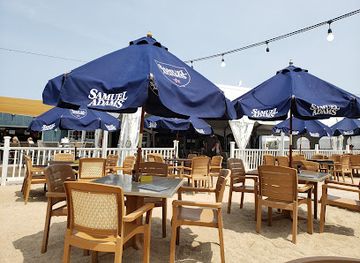
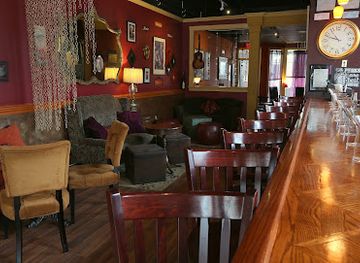
Perks & Corks
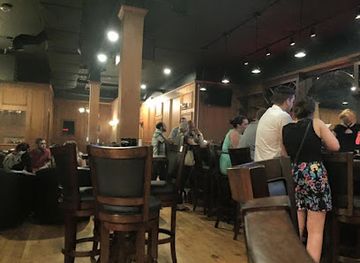
Experience the perfect fusion of a coffee shop and martini bar at Perks & Corks, featuring live music and a vibrant atmosphere in Westerly, Rhode Island.
4 min walk · 0.3 km from city centre
Best nightclubs in Westerly
Westerly’s evening scene is varied but not built around a large nightclub district. Downtown pubs, taverns and cocktail-oriented bars provide relaxed spaces for drinks and conversation, while seasonal establishments around Misquamicut take on a livelier character during the summer beach season. Live music is an important part of the town’s cultural life, with venues such as the Knickerbocker Music Center presenting performances in the wider downtown area. The Granite Theatre offers another form of evening entertainment through staged productions and community performances. Watch Hill tends towards refined restaurants and quiet after-dark walks rather than late-night clubbing, while the beach strip can be more energetic in summer. Visitors should expect opening patterns and entertainment options to vary substantially between the busy coastal season and the quieter months.
-
American
Paddy's Beach Club
Discover the vibrant culinary scene at Paddy's Beach Club, where American and seafood favorites meet stunning ocean views in Westerly, RI.
19 min drive · 6.4 km from city centre
-
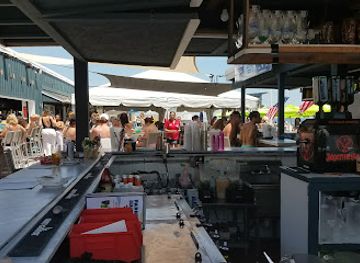
Bar
Windjammer Surf Bar
Experience the lively spirit of Rhode Island at Windjammer Surf Bar, where local flavors meet unforgettable live music by the coast.
20 min drive · 6.5 km from city centre
-
Night club
The Knickerbocker Music Center
Discover the pulse of Westerly at The Knickerbocker Music Center, where live performances and a lively bar scene create unforgettable nights.
6 min walk · 0.4 km from city centre
-
Cigar shop
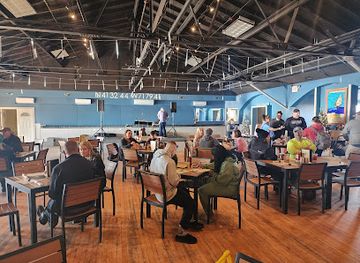
Vintage Cigar Lounge & Club
Discover the charm of Vintage Cigar Lounge & Club in Westerly, RI – a haven for cigar lovers seeking relaxation and camaraderie.
3 min walk · 0.3 km from city centre
Best shops in Westerly
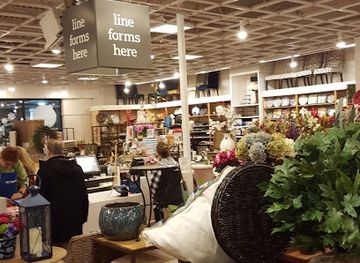
Shopping in Westerly is divided between the independent businesses of downtown and the seasonal boutiques of Watch Hill. Central streets around the library and Wilcox Park include clothing shops, galleries, bookshops, cafés and service businesses, giving the town centre a distinctly local retail character rather than that of a large commercial centre. Watch Hill is more resort-oriented, with shops specialising in coastal clothing, jewellery, gifts, art and homewares. Visitors can look for Rhode Island food products, locally made artwork, maritime-themed goods and small-batch crafts, while seasonal farmers’ markets provide opportunities to buy regional produce when operating. Misquamicut’s retail offer is more closely tied to beach life, with practical seaside goods and holiday souvenirs. The most interesting purchases tend to be small-scale items connected with New England coastal culture rather than mass-produced luxury merchandise.
-
Shopping mall
Franklin Shopping Plaza
Explore Franklin Shopping Plaza in Westerly, RI - a shopper's paradise with diverse stores, delicious dining, and a friendly atmosphere.
7 min drive · 2.3 km from city centre
-
Shopping mall
Westerly Crossings Shopping Center
Explore Westerly Crossings Shopping Center: A shopping paradise filled with diverse stores and delightful dining options in Westerly, Rhode Island.
8 min drive · 2.8 km from city centre
-
Department store
JCPenney
Explore JCPenney in Westerly, RI - your ultimate shopping destination for clothing, furniture, and jewelry with great prices and exceptional variety.
7 min drive · 2.2 km from city centre
-
Shopping mall
Granite Street Shopping Center
Explore a vibrant shopping hub in Westerly, Rhode Island, with diverse stores, dining options, and entertainment at Granite Street Shopping Center.
12 min walk · 0.9 km from city centre


Get your free copy of our complete guide to Westerly, delivered straight to you.
Everything on this page, from attractions and restaurants to essentials and local phrases, in one PDF you can read offline, print or share.
Already have an account? Sign in
Your Westerly guide is ready.
We'll send it to · Not you? Sign out

Getting your guide ready…
We are putting together a fresh copy of the Westerly guide. This can take up to a minute.
This can take a few moments. If your browser asks, choose Allow so the download can start. You'll find the guide in your Downloads folder.
Nothing happened? Download it again
Sorry, the guide is taking longer than usual. Please try again in a minute, or get it by email instead.
Westerly essentials
Currency and Payment
Safety
Emergency Situations
Do's and Don'ts
Local Tips
From Eve
Local phrases worth knowing
You don't need to get them perfect. A few words go a long way, and locals appreciate the effort.
Basics
| English | Local | Say it |
|---|---|---|
| Hello | Howdy | [haw-dee] |
| Goodbye | See ya | [see-yah] |
| Yes | Yup | [yup] |
| No | Nah | [nah] |
| Please/You're welcome | Please/No problem | [pleez / no prob-lem] |
| Thank you | Thanks a bunch | [thanks a bunch] |
| Excuse me/Sorry | Pardon me/My bad | [par-dun me / my bad] |
| How are you? | How's it goin'? | [hows it goin] |
| Fine. And you? | Good. You? | [good. yoo] |
| Do you speak English? | Ya speak English? | [ya speak ing-lish] |
| I don't understand | I ain't gettin' it | [i aint get-tin it] |
Eating & Drinking
| English | Local | Say it |
|---|---|---|
| I'd like to see the menu, please | Can I check the menu? | [can i chek the menu] |
| I don't eat meat | I don't do meat | [i dont do meat] |
| Cheers! | Bottoms up! | [bot-ums up] |
| I would like to pay, please | Check, please | [chek please] |
Emergencies
| English | Local | Say it |
|---|---|---|
| Help! | 911! | [nine-one-one] |
| Go away! | Get lost! | [get lost] |
| Call the Police! | Call the cops! | [call the cops] |
| Call a doctor! | Get a doc! | [get a doc] |
| I'm lost | I'm all turned around | [im all turned around] |
| I'm ill | I'm feelin' sick | [im feelin sick] |
Shopping
| English | Local | Say it |
|---|---|---|
| I'd like to buy... | I wanna buy... | [i wanna buy] |
| I'm just looking | Just browsin' | [just brows-in] |
| How much is it? | How much? | [how much] |
| That's too expensive | Too pricey | [too pry-see] |
| Can you lower the price? | Can ya cut the cost? | [can ya cut the cost] |
Time & Numbers
| English | Local | Say it |
|---|---|---|
| What time is it? | What's the time? | [whats the time] |
| It's one o'clock | It's one | [its one] |
| Half past (10) | Ten-thirty | [ten-thur-tee] |
| Morning | Mornin' | [morn-in] |
| Afternoon | Afternoon | [after-noon] |
| Evening | Evenin' | [even-in] |
| Yesterday | Yest'day | [yest-day] |
| Today | Today | [to-day] |
| Tomorrow | Tomorrer | [tom-or-er] |
| 1 | One | [wun] |
| 2 | Two | [too] |
| 3 | Three | [three] |
| 4 | Four | [fawr] |
| 5 | Five | [fahv] |
| 6 | Six | [siks] |
| 7 | Seven | [sev-un] |
| 8 | Eight | [ate] |
| 9 | Nine | [nine] |
| 10 | Ten | [ten] |
Transport & Directions
| English | Local | Say it |
|---|---|---|
| Where's a/the...? | Where's the...? | [wheres the] |
| What's the address? | Where's it at? | [wheres it at] |
| Can you show me (on the map)? | Can ya point it out? | [can ya point it out] |
| When's the next (bus)? | Next (bus) time? | [next bus time] |
| A ticket (to ....) | A ticket (to ....) | [a ticket to] |
History of Westerly
Indigenous Lands and English Settlement
Before English settlement, the region was part of the homeland of Indigenous peoples, including the Narragansett, whose communities used the coastal waters, rivers and forests for fishing, hunting and seasonal activities. English colonists established a settlement at Westerly in 1661, and the town was incorporated in 1669. Its position beside the Pawcatuck River gave it access to inland farms and coastal waterways, although relations between colonists and Indigenous communities became increasingly strained as English settlement expanded across southern New England.
A Farming and Maritime Community
During the eighteenth and early nineteenth centuries, Westerly remained a largely agricultural community, with small farms spread across an area that once included lands later separated into neighbouring towns. The Pawcatuck River supported local commerce, while coastal inlets connected the settlement to fishing, boatbuilding and maritime trade. Roads and bridges gradually strengthened links with Connecticut and the rest of Rhode Island. This period established the dispersed villages, field patterns and river-oriented geography that still influence the town’s landscape.
Textiles and Industrial Growth
The Industrial Revolution transformed Westerly and the Pawcatuck River corridor during the nineteenth century. Water-powered and later steam-assisted textile mills brought investment, wage employment and new patterns of immigration, while mills in nearby Pawcatuck were closely connected to the town’s economic life. Westerly also became known for its fine-grained granite, quarried locally and used in buildings, monuments and memorials across the United States. Industrial growth reshaped the town centre and riverfront, leaving a legacy of mill architecture, workers’ neighbourhoods and civic prosperity.
The Rise of Coastal Tourism
Improved roads and rail connections made Westerly’s shoreline increasingly accessible during the late nineteenth and early twentieth centuries. Watch Hill developed as a fashionable seaside resort, with hotels, summer houses and a village economy oriented towards bathing, sailing and leisure. Misquamicut became another important beach district, combining broad sands with seasonal recreation and entertainment. The coastal economy broadened Westerly’s identity beyond farming and manufacturing, although storms and hurricanes have repeatedly altered beaches, dunes, piers and resort infrastructure.
Preserving a Living Town
In the twentieth and twenty-first centuries, Westerly balanced the decline of traditional manufacturing with the preservation of its historic centre and coastal character. Wilcox Park, Westerly Library, the Watch Hill Lighthouse and surviving granite and mill-related buildings form part of the town’s visible heritage. Arts organisations, independent businesses and seasonal tourism now complement established local industries. The result is a community whose identity rests on several overlapping histories: Indigenous land, colonial settlement, river commerce, industrial work, granite craftsmanship and seaside recreation.
Westerly in Photos
Browse through our photo collection highlighting the charm and character of the destination.
Cities near Westerly
The closest cities to Westerly, if you have time for more than one stop.
-

-

-

-

-


Swipe for more cities
Explore more
Explore more of Rhode Island
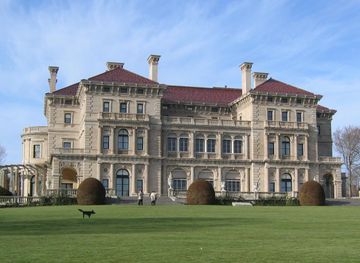
Discover Rhode Island: Explore historic mansions, vibrant cities, serene islands, and culinary delights in the smallest state with a big heart.
Explore Rhode Island