

Free Bihor Travel Guide & Mobile App
Explore Bihor with free travel guides. Discover regional history, expert tips, proposed trips, and audio guides on web or mobile app.


Explore Bihor from Oradea’s Art Nouveau centre to Apuseni caves, karst valleys, thermal spas and mountain villages in western Romania.
Read more about Bihor
When is the best time to visit Bihor?
Best: June–August · 25–27°C| Month | High (°C) | Rainfall (mm) |
|---|---|---|
| January | 3 | 35 |
| February | 5 | 30 |
| March | 11 | 40 |
| April | 17 | 50 |
| May | 22 | 60 |
| June (best) | 25 | 75 |
| July (best) | 27 | 65 |
| August (best) | 26 | 60 |
| September | 21 | 55 |
| October | 16 | 45 |
| November | 9 | 40 |
| December | 4 | 35 |
Getting to and around Bihor
How to get there
Transportation
Destinations in Bihor
Resorts, valleys and scenic spots worth a trip of their own.
-

-


Swipe for more destinations
Best attractions in Bihor
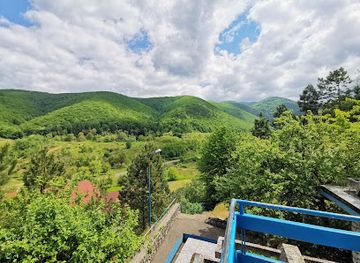
Bihor’s attractions range from urban heritage to karst scenery and thermal recreation. Oradea provides the cultural core, with the Oradea Fortress, museums, historic religious buildings and an unusually concentrated collection of Secession architecture. South of the city, Băile Felix combines thermal bathing with landscaped resort facilities, while the nearby thermal environment supports distinctive wetland life. In the east, the Apuseni Natural Park and the Padiș plateau offer marked walking routes, limestone formations, forested valleys and the immense Cetățile Ponorului karst complex. The Bear Cave near Chișcău is one of the region’s most accessible underground attractions, with guided interpretation of its geology and fossil remains. The Crișul Repede gorge around Vadu Crișului and Șuncuiuș adds opportunities for rafting, climbing, caving and riverside walks. Smaller towns and mountain villages provide a quieter perspective through wooden houses, local churches, craft traditions and guesthouses. Conditions and access vary considerably, so outdoor attractions deserve planning around weather, transport and footwear rather than being treated as quick additions to an urban itinerary.
-
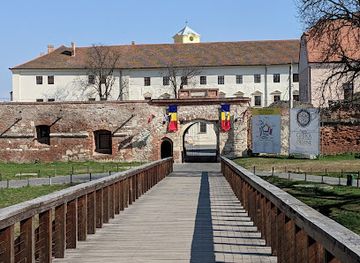
Fortress
Oradea Fortress
Explore the Oradea Fortress: A Historical Marvel and Cultural Hub in Romania, Perfect for Tourists Seeking Adventure and Heritage.
-
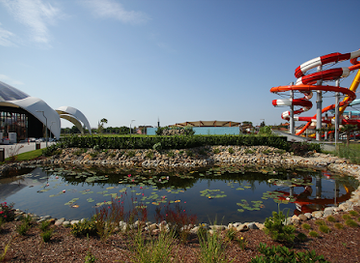
Water park
Aquapark Nymphaea
Discover the ultimate water adventure at Aquapark Nymphaea in Oradea, featuring thrilling slides, relaxing pools, and family-friendly fun.
-
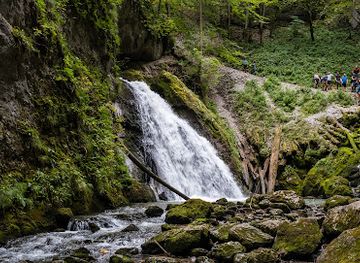
National park
Apuseni Natural Park
Explore the breathtaking beauty and diverse wildlife of Apuseni Natural Park, a prime destination for adventure and tranquility in Romania.
-
Zoo
Oradea Zoo
Explore Oradea Zoo, a captivating wildlife sanctuary in Romania, featuring over 300 species and an immersive, family-friendly experience.
Best landmarks in Bihor
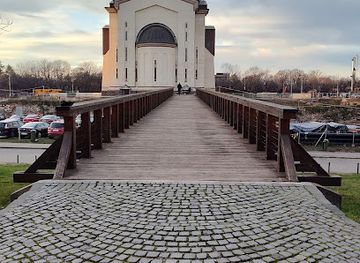
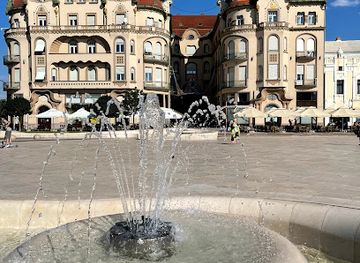
Oradea Fortress is Bihor’s most important fortified landmark, occupying the site of the medieval episcopal centre and preserving layers of religious, military and civic history. In the city centre, the Black Eagle Palace is a defining Secession building, its passage and curved façades illustrating Oradea’s commercial confidence in the early twentieth century. The Moon Church, with its distinctive astronomical mechanism, and the Roman Catholic Cathedral form part of the city’s striking religious and architectural ensemble. Away from Oradea, the limestone walls and sinkholes of Cetățile Ponorului give the Padiș plateau its most recognisable natural profile, while the gorge of the Crișul Repede creates a dramatic corridor near Vadu Crișului and Șuncuiuș. The Bear Cave near Chișcău is both a geological landmark and a site of important fossil discoveries. Together these places express Bihor’s defining contrast: a Central European urban landscape in the west and a deeply eroded, forested mountain world in the east.
-
Fortress
Oradea Fortress
Explore the historic Oradea Fortress, a stunning blend of architecture and rich history, offering breathtaking views and a glimpse into Romania's past.
-
Tourist attraction
The Bears' Cave
Explore The Bears' Cave in Romania, a stunning natural wonder filled with magnificent stalactites, rich history, and breathtaking geological formations.
-
Historical landmark
"The Black Eagle" Palace
Explore the elegance of The Black Eagle Palace in Oradea, a stunning historical landmark showcasing Secession-style architecture and vibrant cultural life.
-
Heritage building
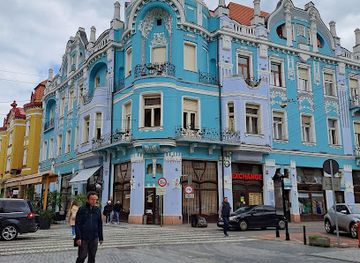
"Moskovits" Palace
Discover the architectural beauty and historical significance of Moskovits Palace, a must-see heritage building in Oradea, Romania.
Explore Bihor on the map
Plan your trip on one map. See where the top cities, national parks and sights are, and book hotels and experiences in a few clicks.
Best hotels in Bihor
Best restaurants in Bihor
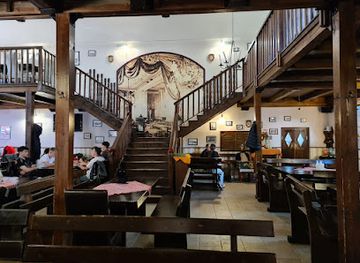
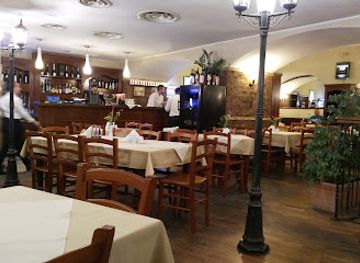
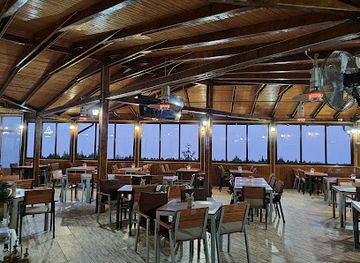
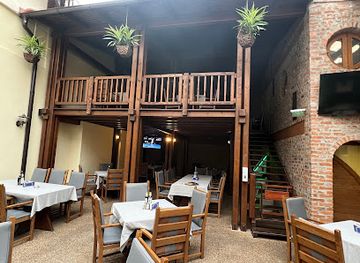
Bihor’s food reflects western Romanian cooking and the region’s long Hungarian, Central European and rural influences. In Oradea, cafés and restaurants combine familiar Romanian dishes with Hungarian-influenced pastries, soups, paprika-seasoned preparations and substantial mains. Rural menus commonly feature ciorbă, stews, grilled meats, potatoes, cabbage, mushrooms and locally produced dairy, with recipes varying between the plain and upland areas. Around mountain villages, guesthouses may offer homemade cheeses, smoked products, preserves and baked goods, although meals often require advance arrangement. Băile Felix and Oradea provide the broadest choice of restaurants, from traditional fare and family-run eateries to contemporary dining. Markets and small food shops are useful for seasonal fruit, vegetables, bread and regional dairy, while local beverages may include Romanian beers, fruit brandies and wines from the wider Crișana area. Tipping is customary but discretionary, and menus may be less extensive in remote villages than in the city.
-
Restaurant
Hanul cu Noroc Oradea
Experience authentic Romanian cuisine at Hanul cu Noroc Oradea, where tradition meets taste in every dish.
-
Italian
The White Lily
Discover authentic Italian flavors at The White Lily in Oradea—where every bite transports you to Italy's culinary heart.
-
Restaurant
Restaurant Ciuperca
Experience the rich flavors of Romania at Restaurant Ciuperca in Oradea - where tradition meets taste.
-
Fine Dining
Rosecas
Experience fine dining at Rosecas in Oradea - where exquisite Romanian and European cuisine meets elegant ambiance.
Best bars in Bihor
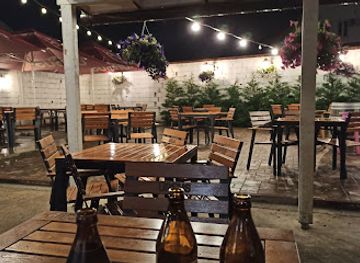
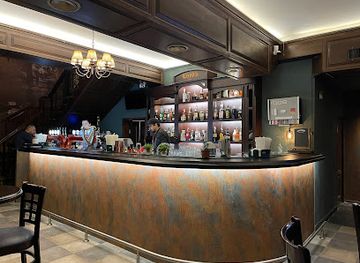
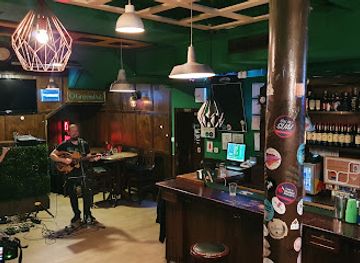
Oradea has Bihor’s most varied evening scene, centred on cafés, bars and restaurants in and around the historic centre, with occasional live music and cultural programming. The city’s architectural setting encourages a relaxed café and drinks culture rather than a single concentrated nightlife district. Băile Felix offers hotel bars, resort restaurants and seasonal evening entertainment, while smaller towns generally rely on traditional pubs, local restaurants and modest bars. In the Apuseni villages, evenings are quieter and tend to revolve around guesthouses, communal meals or rural inns rather than nightclubs. Visitors looking for late dancing should plan around Oradea and check current venue arrangements, whereas those touring the mountains should expect early starts, limited services and a more outdoors-oriented rhythm after dark.
-
Restaurant
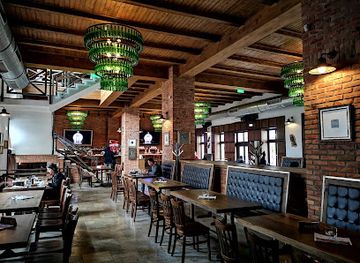
Euphoria Biergarten
Explore the vibrant culinary scene at Euphoria Biergarten in Oradea, where local flavors meet a lively gastropub atmosphere.
-
Pub
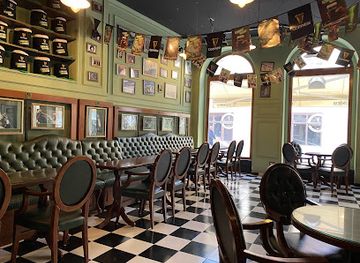
Morrigan's Coffe & Pub
Experience the charm of Irish hospitality at Morrigan's Coffee & Pub in Oradea, where warm ambiance and delicious food await.
-
Restaurant
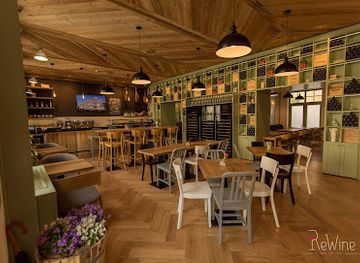
ReWine Bistro
Experience the essence of Oradea at ReWine Bistro, where local flavors meet a fine selection of wines in a cozy atmosphere.
-
Pub
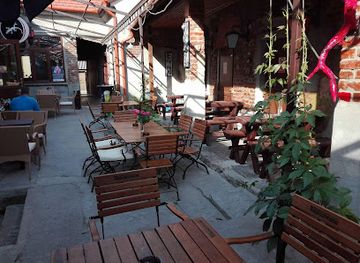
Gekko Pub & Banya Klub
Discover Gekko Pub & Banya Klub, a lively pub and dance club in Oradea, where great food, drinks, and unforgettable nightlife experiences await.
Best nightclubs in Bihor
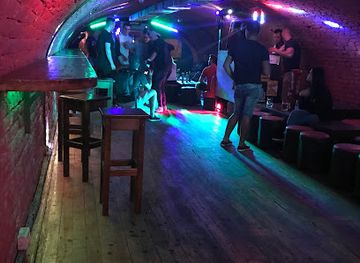
Oradea has Bihor’s most varied evening scene, centred on cafés, bars and restaurants in and around the historic centre, with occasional live music and cultural programming. The city’s architectural setting encourages a relaxed café and drinks culture rather than a single concentrated nightlife district. Băile Felix offers hotel bars, resort restaurants and seasonal evening entertainment, while smaller towns generally rely on traditional pubs, local restaurants and modest bars. In the Apuseni villages, evenings are quieter and tend to revolve around guesthouses, communal meals or rural inns rather than nightclubs. Visitors looking for late dancing should plan around Oradea and check current venue arrangements, whereas those touring the mountains should expect early starts, limited services and a more outdoors-oriented rhythm after dark.
-
Pub
Gekko Pub & Banya Klub
Experience the vibrant nightlife at Gekko Pub & Banya Klub, where great drinks and dancing await in Oradea's heart.
-
Bar
Bodega
Experience the vibrant nightlife of Oradea at Bodega, where affordable drinks and a lively atmosphere await.
-
Pub
LORD'S
Experience the heart of Oradea's nightlife at LORD'S, a pub filled with vibrant energy and a welcoming atmosphere perfect for socializing.
-
Pub
Green Pub Oradea
Experience the vibrant nightlife and local flavors at Green Pub Oradea, the heart of social gatherings in the city.
Best shops in Bihor
Oradea is Bihor’s main shopping centre, combining pedestrianised historic streets, ordinary high-street retail, cafés, bookshops, galleries and independent businesses in and around the centre. The city is a practical place to buy Romanian food products, ceramics, textiles, books and locally themed gifts without relying solely on souvenir stalls. In Băile Felix, resort shops focus more on practical holiday goods, wellness products and standard souvenirs. Market towns and village shops offer a less formal selection of bread, preserves, honey, dairy products and seasonal produce, although market days and opening patterns vary. Around the Apuseni, look for small-scale goods from guesthouses and local producers, such as cheeses, herbal products and preserves, while checking provenance rather than assuming every item is made locally. Traditional craft objects can be found through cultural centres and specialist sellers, but rural Bihor is not primarily a destination for luxury retail; its appeal lies in regional food, modest handicrafts and the character of its markets.
-
Store
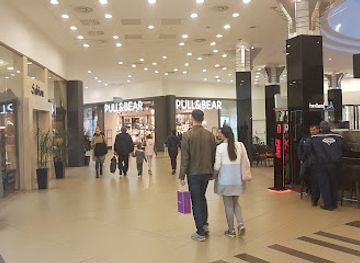
Lotus Center
Explore the Lotus Center in Oradea for the ultimate shopping experience, featuring a wide selection of stores, dining options, and family-friendly activities.
-
Tourist attraction
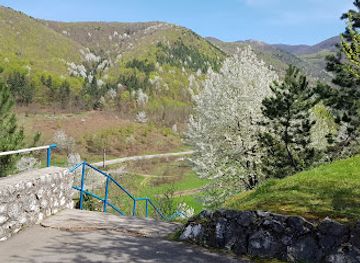
The Bears' Cave
Explore the breathtaking Bears' Cave, a natural wonder in Romania with stunning limestone formations and rich biodiversity, perfect for nature enthusiasts.
-
Toy store
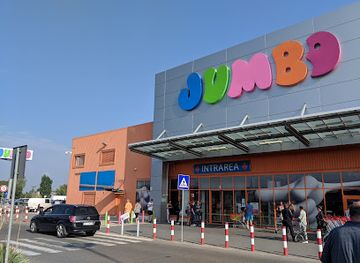
Jumbo
Discover a magical world of toys at Jumbo, Oradea's ultimate destination for fun and creativity for kids and families.
-
Shopping mall
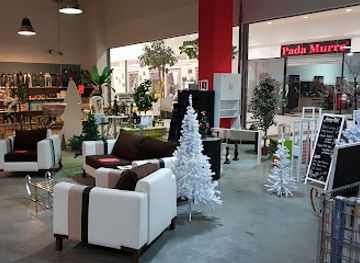
Era Shopping Park
Experience the best shopping in Oradea at Era Shopping Park - a vibrant destination for retail, dining, and entertainment.
Get your free copy of our complete guide to Bihor, delivered straight to you.
Everything on this page, from attractions and restaurants to essentials and local phrases, in one PDF you can read offline, print or share.
Already have an account? Sign in
Your Bihor guide is ready.
We'll send it to · Not you? Sign out

Getting your guide ready…
We are putting together a fresh copy of the Bihor guide. This can take up to a minute.
This can take a few moments. If your browser asks, choose Allow so the download can start. You'll find the guide in your Downloads folder.
Nothing happened? Download it again
Sorry, the guide is taking longer than usual. Please try again in a minute, or get it by email instead.
Bihor essentials
Currency and Payment
Safety
Emergency Situations
Do's and Don'ts
Local Tips
From Eve
Local phrases worth knowing
You don't need to get them perfect. A few words go a long way, and locals appreciate the effort.
Basics
| English | Local | Say it |
|---|---|---|
| Hello | Bună | [boo-nuh] |
| Goodbye | La revedere | [lah reh-veh-deh-reh] |
| Yes | Da | [dah] |
| No | Nu | [noo] |
| Please/You're welcome | Te rog/ Cu plăcere | [teh rohg/ koo plah-cheh-reh] |
| Thank you | Mulțumesc | [mul-tzu-mesk] |
| Excuse me/Sorry | Scuză-mă/Îmi pare rău | [skoo-zah-muh/ um pah-reh rah-oo] |
| How are you? | Ce mai faci? | [cheh my fahch?] |
| Fine. And you? | Bine. Și tu? | [bee-neh. shee too?] |
| Do you speak English? | Vorbești engleză? | [vor-besht een-gleh-zuh?] |
| I don't understand | Nu înțeleg | [noo un-tzeh-leg] |
Eating & Drinking
| English | Local | Say it |
|---|---|---|
| I'd like to see the menu, please | Aș dori să văd meniul, vă rog | [ahsh doh-ree suh vahd meh-nee-ul, vah rohg] |
| I don't eat meat | Nu mănânc carne | [noo muh-nuhnc kar-neh] |
| Cheers! | Noroc! | [noh-rok] |
| I would like to pay, please | Aș dori să plătesc, vă rog | [ahsh doh-ree suh plah-tehsk, vah rohg] |
Emergencies
| English | Local | Say it |
|---|---|---|
| Help! | Ajutor! | [ah-joo-tor] |
| Go away! | Du-te! | [doo-teh] |
| Call the Police! | Sună la poliție! | [soo-nah lah poh-lee-tsee-eh] |
| Call a doctor! | Sună un doctor! | [soo-nah oon dok-tor] |
| I'm lost | M-am pierdut | [muhm pyair-doot] |
| I'm ill | Sunt bolnav | [soont bol-nahv] |
Shopping
| English | Local | Say it |
|---|---|---|
| I'd like to buy... | Aș dori să cumpăr... | [ahsh doh-ree suh koom-puhr...] |
| I'm just looking | Mă uit doar | [muh oot dor] |
| How much is it? | Cât costă? | [kuht kos-tah?] |
| That's too expensive | Asta e prea scump | [ahs-tah eh preh-ah skoomp] |
| Can you lower the price? | Poți să scazi prețul? | [poh-tsih suh skahz preh-tzul?] |
Time & Numbers
| English | Local | Say it |
|---|---|---|
| What time is it? | Ce oră este? | [cheh oh-rah yeh-steh?] |
| It's one o'clock | Este o oră | [yeh-steh oh oh-rah] |
| Half past (10) | Jumătate peste (10) | [joo-mah-tah-teh peh-steh (10)] |
| Morning | Dimineața | [dee-mee-neh-ah-tsah] |
| Afternoon | După-amiază | [doo-pah ah-mee-ah-zah] |
| Evening | Seara | [seh-ah-rah] |
| Yesterday | Ieri | [yehr] |
| Today | Astăzi | [ahs-tuhz] |
| Tomorrow | Mâine | [mee-neh] |
| 1 | 1 | [unu] |
| 2 | 2 | [doi] |
| 3 | 3 | [trei] |
| 4 | 4 | [patru] |
| 5 | 5 | [cinci] |
| 6 | 6 | [șase] |
| 7 | 7 | [șapte] |
| 8 | 8 | [opt] |
| 9 | 9 | [nouă] |
| 10 | 10 | [zece] |
Transport & Directions
| English | Local | Say it |
|---|---|---|
| Where's a/the...? | Unde este un/cea...? | [oon-deh yeh-steh oon/cheh...?] |
| What's the address? | Care este adresa? | [kah-reh yeh-steh ah-dreh-sah?] |
| Can you show me (on the map)? | Îmi poți arăta (pe hartă)? | [oom poh-ts ar-uh-tah (peh har-tuh)?] |
| When's the next (bus)? | Când vine următorul (autobuz)? | [kand vee-neh oor-mah-tor-ul (ow-toh-booz)?] |
| A ticket (to ....) | Un bilet (către ....) | [oon bee-let (kuh-treh....)] |
History of Bihor
Early settlement and the Dacian-Roman frontier
The territory of present-day Bihor was inhabited long before the formation of modern Romania, with archaeological evidence of prehistoric communities and later Dacian settlement. Roman control was strongest west and south of the Apuseni, although the mountains remained an important zone of movement, extraction and exchange rather than a densely urbanised province. The region’s valleys connected the Pannonian plain with Transylvania, helping to shape later commercial and political routes. Archaeological remains are less visually dominant than Bihor’s medieval and modern heritage, but they establish the area as a long-inhabited corridor between Central Europe and the Carpathian interior.
The medieval Bishopric of Oradea
Oradea developed around a fortified ecclesiastical centre established during the medieval consolidation of the Hungarian kingdom. The Bishopric of Oradea, traditionally associated with a foundation in the late eleventh century, made the settlement an important religious, administrative and cultural centre. Its cathedral chapter attracted clerics, scholars and craftsmen, while the fortress protected a strategic route towards Transylvania. Medieval Oradea was repeatedly affected by warfare and rebuilding, yet the city’s long association with the bishopric remains visible in the fortress complex and in the prominence of historic churches and ecclesiastical institutions.
Ottoman frontier and Habsburg reconstruction
From the sixteenth century, Bihor stood close to the shifting frontier between the Ottoman Empire, the Principality of Transylvania and Habsburg-controlled territories. Oradea’s fortress was besieged and captured by Ottoman forces in 1660, remaining under Ottoman rule until 1692. Habsburg authority subsequently brought administrative reorganisation and extensive reconstruction. Baroque churches, civic buildings and aristocratic institutions reshaped Oradea, while the city’s frontier position continued to encourage movement among Romanian, Hungarian, German, Jewish and other communities.
Trade, urban growth and the Austro-Hungarian era
During the nineteenth century, improved roads and railway connections strengthened Oradea’s role as a commercial centre between the Hungarian plain and Transylvania. Manufacturing, trade, education and civic institutions expanded, and the city acquired much of the architectural character visitors see today. Around the turn of the twentieth century, prosperous banks, businesses, societies and civic patrons commissioned buildings in the Secession style, the Central European form of Art Nouveau. The resulting façades, palaces and cultural institutions make Oradea one of Bihor’s clearest records of late imperial urban modernity.
The spa tradition of Băile Felix
The thermal waters at Băile Felix became an important regional health and leisure resource during the modern period, benefiting from the wider growth of spa tourism in Central Europe. Located near Oradea, the resort developed accommodation, treatment facilities and bathing infrastructure around naturally warm mineral waters. Its history reflects changing ideas about medical bathing, recreation and domestic tourism rather than a single isolated tradition. Today the resort remains one of Bihor’s principal visitor centres, while the surrounding thermal environment also supports distinctive wetland habitats.
1918, the interwar borderland and modern Bihor
The collapse of Austria-Hungary at the end of the First World War transformed Bihor’s political setting. Oradea and most of the county became part of the Kingdom of Romania after the post-war settlement, while the new frontier with Hungary altered established economic and family connections. The interwar period brought Romanian state institutions alongside the region’s existing Hungarian and Jewish cultural legacies. The Second World War, the Holocaust and the subsequent communist decades caused profound demographic, political and economic change. Since 1989, Oradea has experienced major urban renewal, while tourism has grown around heritage, spas and the Apuseni landscape.
Bihor in Photos
Browse through our photo collection highlighting the charm and character of the destination.
Neighbouring regions of Bihor
The closest regions to Bihor, if you have time for more than one.
-

-

-

-

-


Swipe for more regions
Explore more

Explore more of Romania
Discover Romania's blend of mystical castles, enchanting landscapes, and vibrant culture. Experience the rich history and natural beauty that make Romania a unique travel destination.
Explore Romania