

Free Hunedoara Travel Guide & Mobile App
Explore Hunedoara with free travel guides. Discover regional history, expert tips, proposed trips, and audio guides on web or mobile app.


Explore Hunedoara’s medieval castles, Dacian and Roman ruins, mountain trails, thermal waters and distinctive Transylvanian villages in western Romania.
Read more about Hunedoara
When is the best time to visit Hunedoara?
Best: July–September · 20–25°C| Month | High (°C) | Rainfall (mm) |
|---|---|---|
| January | 3 | 30 |
| February | 5 | 35 |
| March | 9 | 40 |
| April | 15 | 50 |
| May | 19 | 60 |
| June | 23 | 70 |
| July (best) | 25 | 60 |
| August (best) | 24 | 50 |
| September (best) | 20 | 40 |
| October | 14 | 35 |
| November | 8 | 40 |
| December | 3 | 45 |
Getting to and around Hunedoara
How to get there
Transportation
Top city travel guides in Hunedoara
The cities of Hunedoara, and the easiest places to base yourself.
-

-


Swipe for more cities
Destinations in Hunedoara
Resorts, valleys and scenic spots worth a trip of their own.
-

-

-

-

-
-


Swipe for more destinations
Best attractions in Hunedoara
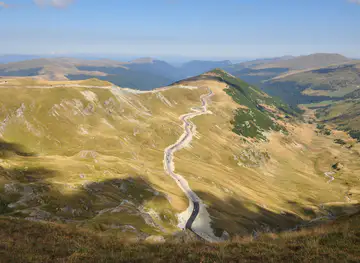
Hunedoara’s attractions range from major fortified monuments to large areas of protected mountain landscape. Corvin Castle dominates the county’s medieval heritage, while Deva’s hilltop fortress provides a broad view over the Mureș valley and the city below. Archaeology is equally important: the Roman remains at Ulpia Traiana Sarmizegetusa and the Dacian strongholds of the Șureanu Mountains reveal two different civilisations and historical landscapes. In the south and west, village churches, monasteries and traditional settlements offer a slower counterpoint to the principal monuments. Retezat National Park is the county’s leading destination for hiking, with glacial lakes, high ridges, forests and wildlife habitats, while the Geoagiu-Băi area combines thermal-water traditions with Roman remains. Museums in Deva, Brad and Hunedoara add context on art, local history, mining and industry. The attraction landscape is therefore dispersed and varied: visitors should expect a mixture of scheduled heritage sites, open archaeological ground, rural roads and self-guided nature travel rather than a single concentrated sightseeing district.
-
Castle
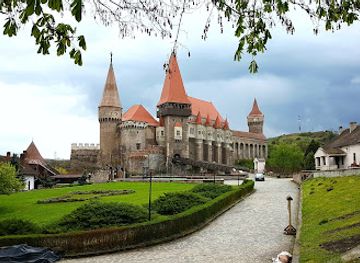
Castelul Corvinilor (Corvins' Castle)
Explore the stunning Corvins' Castle in Hunedoara, a Gothic-Renaissance masterpiece rich in history and breathtaking architecture.
-
Monastery
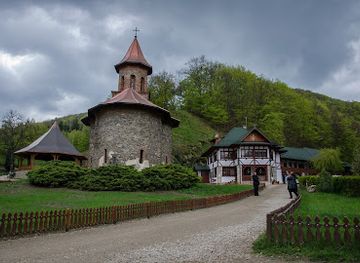
Prislop Monastery
Experience the tranquility and spiritual heritage of Prislop Monastery, a stunning Romanian landmark set amidst breathtaking natural beauty.
-
Tourist information center
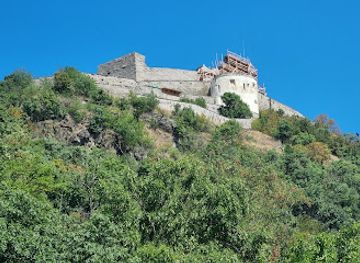
The Fortress of Deva
Explore the Fortress of Deva, a stunning historical landmark in Romania, offering breathtaking views and rich tales from a bygone era.
-
Archaeological site
Sarmizegetusa Regia
Discover the ancient Dacian civilization at Sarmizegetusa Regia, a UNESCO World Heritage site rich in history and archaeological wonders.
Best landmarks in Hunedoara
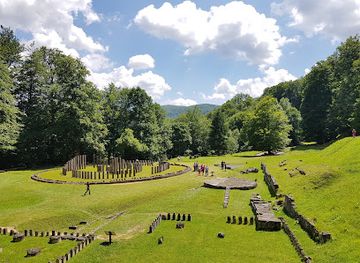
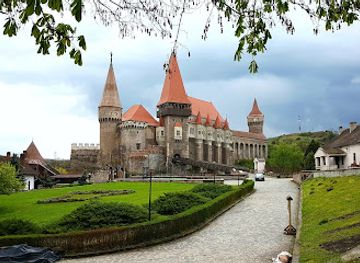
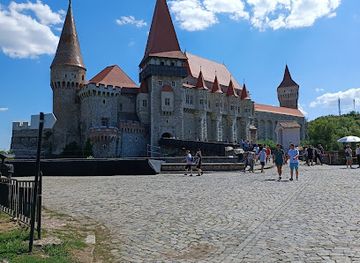
Corvin Castle is Hunedoara’s defining architectural landmark, rising above the town with a fortified silhouette of towers, walls, a long bridge and an inner courtyard associated with the Hunyadi family. Deva Fortress occupies the summit of the volcanic Citadel Hill and remains the county’s most prominent urban viewpoint, even though much of the medieval structure is preserved as ruins. The stone sanctuaries and defensive terraces of Sarmizegetusa Regia, set high in the Șureanu Mountains, form a landmark landscape rather than a single building and are central to the memory of ancient Dacia. The Roman forum and amphitheatre at Ulpia Traiana Sarmizegetusa mark a different historical centre in the county’s south-west. Rural landmarks include the unusual medieval church at Densuș, built from reused and locally available materials, and the church at Strei, both valued for their age and architectural character. In the west, mine workings and industrial structures around Brad and Hunedoara represent the county’s more recent, industrial heritage.
-
Castle
Castelul Corvinilor (Corvins' Castle)
Explore the majestic Castelul Corvinilor, a Gothic-Renaissance fortress in Hunedoara, Romania, rich in history and stunning architecture.
-
Museum
Muzeul Trenulețelor Valentin Banciu
Discover the rich history of railways at Muzeul Trenulețelor Valentin Banciu, a captivating museum in Hunedoara perfect for travelers and train lovers.
-
Exhibit
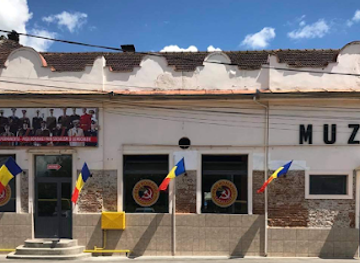
Muzeul Comunismului Hunedoara
Explore the Museum of Communism in Hunedoara for a profound insight into Romania's historical journey and the impact of the communist regime.
-
Zoo
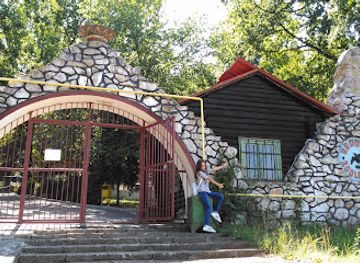
Hunedoara Zoo
Experience the beauty of wildlife at Hunedoara Zoo, a must-visit tourist attraction in Romania, perfect for family outings and nature lovers.
Explore Hunedoara on the map
Plan your trip on one map. See where the top cities, national parks and sights are, and book hotels and experiences in a few clicks.
Best hotels in Hunedoara
Best restaurants in Hunedoara
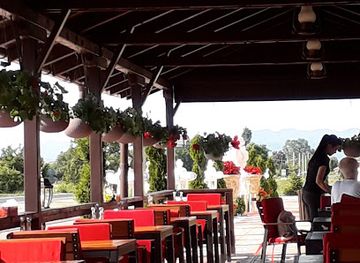
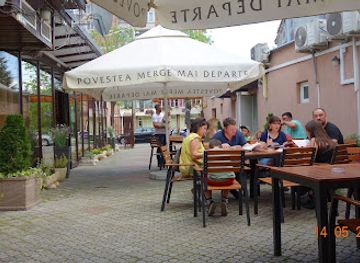
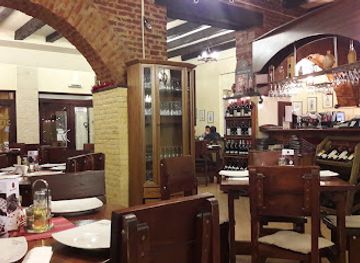
Hunedoara’s food reflects the meeting of Transylvanian, western Romanian and mountain traditions. In Deva and Hunedoara, restaurants commonly serve soups and broths, grilled meats, pork dishes, stews, stuffed cabbage and polenta, alongside influences from the wider regional cuisine. Rural guesthouses and inns may offer fresh dairy products, smoked meats, seasonal mushrooms, potatoes, beans and baked dishes, while trout is associated with mountain and river areas rather than the county as a whole. Around market towns, look for bread, pastries, preserves, honey and locally produced cheeses. Geoagiu-Băi and other spa settlements have a mixture of traditional restaurants and casual cafés, while larger towns provide more contemporary menus. Romania’s coffee, beer and wine culture is present throughout the county, but the most locally revealing meals are often simple, seasonal dishes served in family-run accommodation or traditional restaurants rather than elaborate gastronomic presentations.
-
Romanian
Hanul Domnesc
Indulge in authentic Romanian flavors at Hanul Domnesc in Călan – where tradition meets culinary excellence.
-
Restaurant
La Cramă
Experience authentic Romanian cuisine and delicious pizza at La Cramă in Hunedoara - where taste meets tradition.
-
Restaurant
Rustic
Experience authentic Romanian flavors at Rustic in Hunedoara – where tradition meets taste in every dish.
-
Pizza
Roma
Experience authentic Italian cuisine at Pizzeria Roma in Hunedoara - where every pizza tells a story.
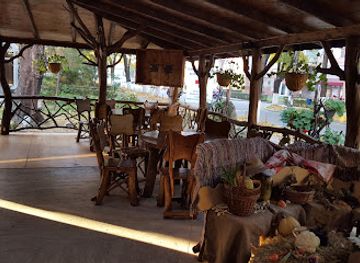
Best bars in Hunedoara
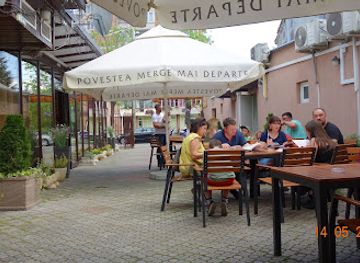
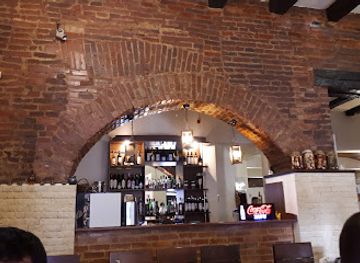
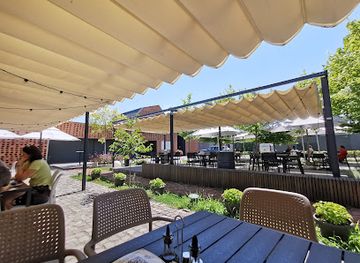
Evenings in Hunedoara are centred mainly on cafés, pubs, restaurants and small bars rather than a large club circuit. Deva has the broadest choice of late-evening venues, particularly around its central streets and pedestrian areas, while Hunedoara offers places to eat and drink near the castle and in the town centre. In Brad, Orăștie, Petroșani and smaller settlements, nightlife is more local in character, with cafés, beer-focused bars and occasional live music rather than destination nightclubs. Rural areas and mountain resorts become quiet early, although guesthouses may provide communal dining and social evenings. Seasonal activity is more noticeable in spa and holiday areas, but opening arrangements vary. Visitors should treat nightlife as an accompaniment to the county’s heritage, food and outdoor travel rather than its central attraction.
-
Restaurant
La Cramă
Experience the flavors of Romania at La Cramă, a delightful restaurant in Hunedoara known for its exceptional pizzas and warm ambiance.
-
Restaurant
Rustic
Discover Rustic, a warm and inviting restaurant in Hunedoara, serving authentic Romanian cuisine in a cozy atmosphere.
-
Restaurant
Urban by WERK
Experience the vibrant flavors of Hunedoara at Urban by WERK, where modern dining meets local tradition in a welcoming atmosphere.
-
Restaurant
SC . Corviniana SRL
Experience the rich flavors of Romanian cuisine at SC . Corviniana SRL, a culinary gem in the heart of Hunedoara.
Best nightclubs in Hunedoara
Evenings in Hunedoara are centred mainly on cafés, pubs, restaurants and small bars rather than a large club circuit. Deva has the broadest choice of late-evening venues, particularly around its central streets and pedestrian areas, while Hunedoara offers places to eat and drink near the castle and in the town centre. In Brad, Orăștie, Petroșani and smaller settlements, nightlife is more local in character, with cafés, beer-focused bars and occasional live music rather than destination nightclubs. Rural areas and mountain resorts become quiet early, although guesthouses may provide communal dining and social evenings. Seasonal activity is more noticeable in spa and holiday areas, but opening arrangements vary. Visitors should treat nightlife as an accompaniment to the county’s heritage, food and outdoor travel rather than its central attraction.
-
Pub
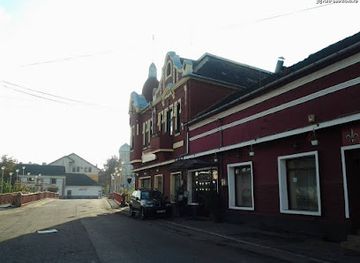
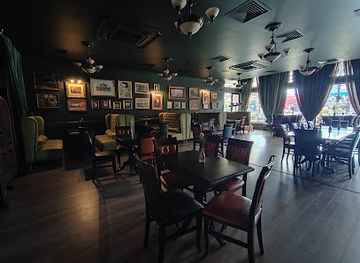
Vintage Pub-Restaurant
Experience authentic Romanian cuisine in a cozy setting at Vintage Pub-Restaurant, a must-visit spot in Hunedoara for food lovers.
-
Lounge
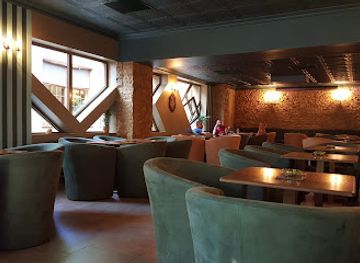
Caffe Bar Rafaello
Discover the cozy charm of Caffe Bar Rafaello in Hunedoara, where delicious coffee meets local culture in a welcoming atmosphere.
-
Pub
Fischer's Pub
Discover the charm of Fischer's Pub in Deva, where local flavors meet a cozy atmosphere for an unforgettable experience.
-
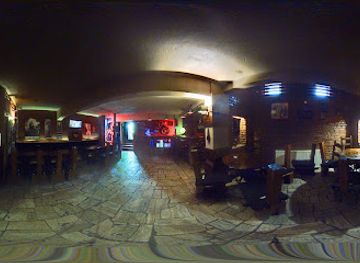
Pub
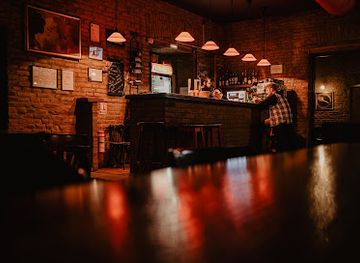
DIESEL Cafe
Discover DIESEL Cafe, Hunedoara's lively pub and music venue, perfect for drinks, karaoke, and unforgettable nights out.
Best shops in Hunedoara
Shopping in Hunedoara is primarily local and practical, with central streets and market areas in Deva, Hunedoara, Brad, Orăștie and Petroșani offering food, clothing, household goods and small independent businesses. Farmers’ markets are useful places to look for seasonal fruit and vegetables, honey, preserves, cheese, smoked products and baked goods, though the range and trading days vary by town. Around major heritage and spa sites, visitors may find postcards, local-history books, religious items and modest craft products. Regional food makes a more useful souvenir than generic merchandise: packaged honey, jams, herbal products, spirits and carefully labelled cheeses travel more easily than fresh goods. Antique and craft shopping is limited compared with Romania’s largest cities, but independent galleries, pottery, textiles and handmade objects may appear in larger towns or at local cultural events. For reliable everyday shopping, Deva and Hunedoara have the greatest choice; rural villages are better for direct purchases from guesthouses or small producers when arrangements permit.
-
General store
Incognito
Explore the charm of Hunedoara at Incognito, your go-to general store for local goods and unique souvenirs.
-
Furniture store
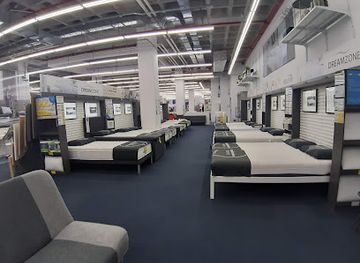
JYSK Hunedoara
Explore JYSK Hunedoara for stylish furniture and bedding solutions, perfect for creating your dream living space during your travels.
-
Pet store
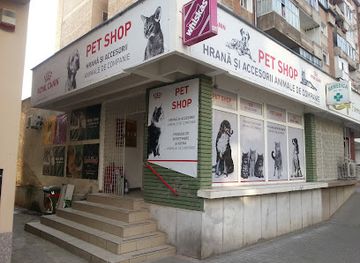
Pet Shop
Explore a delightful pet shop in Hunedoara, where animal lovers find their perfect companions and quality supplies.
-
Store
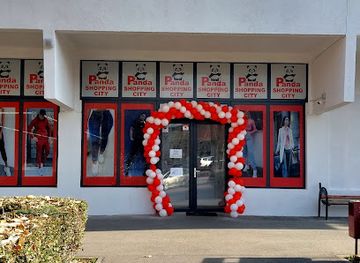
Panda Shopping City
Experience the vibrant shopping scene at Panda Shopping City in Hunedoara, where local and international brands come together.
Get your free copy of our complete guide to Hunedoara, delivered straight to you.
Everything on this page, from attractions and restaurants to essentials and local phrases, in one PDF you can read offline, print or share.
Already have an account? Sign in
Your Hunedoara guide is ready.
We'll send it to · Not you? Sign out

Getting your guide ready…
We are putting together a fresh copy of the Hunedoara guide. This can take up to a minute.
This can take a few moments. If your browser asks, choose Allow so the download can start. You'll find the guide in your Downloads folder.
Nothing happened? Download it again
Sorry, the guide is taking longer than usual. Please try again in a minute, or get it by email instead.
Hunedoara essentials
Currency and Payment
Safety
Emergency Situations
Do's and Don'ts
Local Tips
From Eve
Local phrases worth knowing
You don't need to get them perfect. A few words go a long way, and locals appreciate the effort.
Basics
| English | Local | Say it |
|---|---|---|
| Hello | Bună | [boo-nuh] |
| Goodbye | La revedere | [lah reh-veh-deh-reh] |
| Yes | Da | [dah] |
| No | Nu | [noo] |
| Please/You're welcome | Te rog | [teh rohg] |
| Thank you | Mulțumesc | [mool-tsoo-mesk] |
| Excuse me/Sorry | Scuză-mă | [skoo-zuh-muh] |
| How are you? | Ce mai faci? | [cheh my fahch] |
| Fine. And you? | Bine. Și tu? | [bee-neh. shee too] |
| Do you speak English? | Vorbești engleză? | [vor-besht eng-leh-zuh] |
| I don't understand | Nu înțeleg | [noo uhn-tseh-leg] |
Eating & Drinking
| English | Local | Say it |
|---|---|---|
| I'd like to see the menu, please | Aș dori să văd meniul, vă rog | [ahsh doh-ree suh vehd meh-nee-ul, vah rohg] |
| I don't eat meat | Nu mănânc carne | [noo muh-nin-k kar-neh] |
| Cheers! | Noroc! | [noh-rok] |
| I would like to pay, please | Aș dori să plătesc, vă rog | [ahsh doh-ree suh plah-tesk, vah rohg] |
Emergencies
| English | Local | Say it |
|---|---|---|
| Help! | Ajutor! | [ah-yoo-tor] |
| Go away! | Du-te! | [doo-teh] |
| Call the Police! | Sună poliția! | [soo-nah poh-lee-tsee-ah] |
| Call a doctor! | Sună un doctor! | [soo-nah oon dok-tor] |
| I'm lost | M-am pierdut | [muhm pee-er-doot] |
| I'm ill | Sunt bolnav | [soont bol-nahv] |
Shopping
| English | Local | Say it |
|---|---|---|
| I'd like to buy... | Aș dori să cumpăr... | [ahsh doh-ree suh koom-pair] |
| I'm just looking | Mă uit doar | [muh oot do-ar] |
| How much is it? | Cât costă? | [kuht koh-stah] |
| That's too expensive | Asta e prea scump | [ahs-tah eh pree-ah skoomp] |
| Can you lower the price? | Poți să scazi prețul? | [poh-tsee suh skahz preh-tul] |
Time & Numbers
| English | Local | Say it |
|---|---|---|
| What time is it? | Ce oră e? | [cheh oh-ruh eh] |
| It's one o'clock | Este o ora | [yes-teh oh oh-rah] |
| Half past (10) | Cincisprezece | [cheen-chees-preh-zeh-che] |
| Morning | Dimineața | [dee-mee-neh-ah-tzah] |
| Afternoon | După-amiaza | [doo-pah ah-mee-ah-zah] |
| Evening | Seara | [seh-ah-rah] |
| Yesterday | Ieri | [yeh-ree] |
| Today | Astăzi | [ahs-tuhz] |
| Tomorrow | Mâine | [mee-neh] |
| 1 | 1 | [unu] |
| 2 | 2 | [doi] |
| 3 | 3 | [trei] |
| 4 | 4 | [patru] |
| 5 | 5 | [cinci] |
| 6 | 6 | [șase] |
| 7 | 7 | [șapte] |
| 8 | 8 | [opt] |
| 9 | 9 | [nouă] |
| 10 | 10 | [zece] |
Transport & Directions
| English | Local | Say it |
|---|---|---|
| Where's a/the...? | Unde este un/ă...? | [oon-deh yes-teh oon-uh] |
| What's the address? | Care este adresa? | [kah-reh yes-teh ah-dreh-sah] |
| Can you show me (on the map)? | Poți să-mi arăți (pe hartă)? | [poh-tsee suh-me ar-uh-tsee peh har-tuh] |
| When's the next (bus)? | Când vine următorul (autobuz)? | [kand vee-neh oor-mah-tor-ul ow-toh-booz] |
| A ticket (to ....) | Un bilet (la ....) | [oon bee-let lah] |
History of Hunedoara
Dacian Kingdom and Mountain Fortresses
Before the Roman conquest, the Șureanu Mountains formed the centre of the Dacian kingdom. Sarmizegetusa Regia and the associated hilltop fortresses controlled routes through the mountains and combined defensive works with stone sanctuaries and terraces. The sites are important evidence of Dacian political organisation, engineering and religious practice in the late Iron Age. Their remote locations also show how closely power and landscape were connected. The fortresses were attacked and incorporated into the Roman province of Dacia during the campaigns of Emperor Trajan in the early second century.
Roman Dacia and Ulpia Traiana Sarmizegetusa
After the Dacian wars of 101–102 and 105–106, Rome established the province of Dacia. In the county’s south-west, Ulpia Traiana Sarmizegetusa became the province’s principal political and religious centre, with a forum, temples, public buildings and an amphitheatre. Its ruins differ fundamentally from the pre-Roman mountain capital, although later tradition connected the two by name. Roman roads, military installations, colonisation and mining reshaped the region and left archaeological remains across the wider county.
Medieval Counties, Churches and Noble Estates
During the medieval period, the area formed part of the Kingdom of Hungary and was organised through castles, estates, settlements and ecclesiastical foundations. Rural churches such as those at Densuș and Strei preserve architectural evidence from this long transition, while fortified sites guarded valleys and routes through the Carpathians. Hunedoara later became closely associated with the Hunyadi family, whose political influence reached the Hungarian Crown. Their chief local monument, Corvin Castle, was expanded from a strategic fortification into an imposing aristocratic residence during the fifteenth century.
The Hunyadi Legacy and Corvin Castle
John Hunyadi, a major military commander and governor of the Kingdom of Hungary, developed Hunedoara’s castle in the fifteenth century. His son Matthias Corvinus became King of Hungary, and the family’s power helped shape the castle’s later architectural history. Although the building has been altered and restored over the centuries, its towers, inner court, chapel and defensive structure remain an exceptional expression of late medieval noble architecture in Transylvania. The Hunyadi connection gives modern Hunedoara an unusually strong link with central European political history.
Mining, Metalworking and Industrial Growth
Mining has shaped Hunedoara for centuries, especially through iron, coal and gold extraction. The mountains around Brad became known for gold mining, while the industrial complex at Hunedoara grew around iron production and steelmaking from the nineteenth century onwards. Railways and industrial infrastructure connected the county’s valleys with larger markets and transformed formerly small settlements. The industrial era brought employment and urban growth but also environmental and economic pressures. Today, mining museums, surviving industrial structures and former workers’ districts help explain this less romantic but essential part of the county’s identity.
Twentieth-Century Industry and Post-Communist Change
Under Romania’s communist regime, Hunedoara was developed as a major industrial and mining region. Hunedoara, Deva, Brad and the Jiu Valley received factories, mines, housing estates and expanded transport links, with heavy industry becoming central to employment and local identity. After 1989, restructuring and mine and factory closures caused significant social and economic disruption. Tourism, heritage conservation, services and outdoor recreation now contribute more prominently to the county’s future, while the industrial landscape remains a visible reminder of its modern history.
Hunedoara in Photos
Browse through our photo collection highlighting the charm and character of the destination.
Neighbouring regions of Hunedoara
The closest regions to Hunedoara, if you have time for more than one.
-

-

-

-

-


Swipe for more regions
Explore more

Explore more of Romania
Discover Romania's blend of mystical castles, enchanting landscapes, and vibrant culture. Experience the rich history and natural beauty that make Romania a unique travel destination.
Explore Romania