

Free Crișana Travel Guide & Mobile App
Explore Crișana with free travel guides. Discover regional history, expert tips, proposed trips, and audio guides on web or mobile app.


Explore Crișana in western Romania for Art Nouveau cities, thermal resorts, Apuseni landscapes, historic towns and distinctive multicultural food.
Read more about Crișana
When is the best time to visit Crișana?
Best: June–August · 24–26°C| Month | High (°C) | Rainfall (mm) |
|---|---|---|
| January | 2 | 40 |
| February | 4 | 41 |
| March | 9 | 45 |
| April | 15 | 50 |
| May | 20 | 66 |
| June (best) | 24 | 81 |
| July (best) | 26 | 76 |
| August (best) | 26 | 65 |
| September | 21 | 55 |
| October | 15 | 45 |
| November | 8 | 50 |
| December | 4 | 46 |
Getting to and around Crișana
How to get there
Transportation
Top city travel guides in Crișana
The cities of Crișana, and the easiest places to base yourself.
-

-

-

-

-


Swipe for more cities
Destinations in Crișana
Resorts, valleys and scenic spots worth a trip of their own.
-

-


Swipe for more destinations
Best attractions in Crișana
Crișana’s attractions range from carefully restored urban heritage to karst scenery and thermal bathing. Oradea is the principal cultural centre, with its Art Nouveau streets, Oradea Fortress, museums and riverside public spaces. Arad provides a different architectural experience, including historic civic buildings, churches and the substantial Vauban-era fortress area. Smaller towns such as Beiuș, Salonta and Ineu offer useful glimpses of regional life, although their attractions are more dispersed and often best combined with a wider road itinerary. Around Oradea, Băile Felix and Băile 1 Mai provide thermal-water resorts with pools, gardens and spa facilities. Eastern Bihor leads towards the Apuseni Mountains, where the Padiș plateau, karst valleys, caves and forest trails support walking, photography and caving. The Scărișoara Ice Cave lies in the Apuseni area within Bihor County and requires a longer mountain excursion, while the Cetățile Ponorului sinkhole system is valued for its dramatic limestone formations. Outdoor plans should account for weather, rough tracks and seasonal access. The region’s attraction landscape is strongest when urban architecture, spa culture, agricultural plains and mountain exploration are treated as complementary parts of one western Romanian journey.
-
Tourist attraction
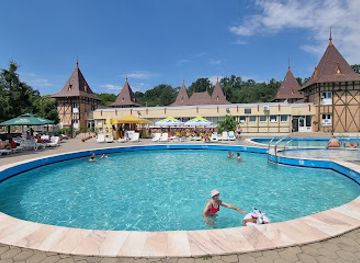
Strand Apollo-Felix
Experience the ultimate water adventure at Strand Apollo-Felix, an aquatic paradise in Băile Felix with pools, slides, and wellness retreats.
-
Tourist attraction
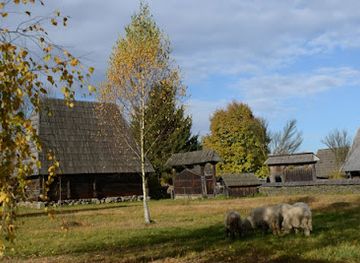
Maramureșean Village Museum
Explore authentic Romanian culture at the Maramureșean Village Museum, showcasing traditional architecture and vibrant local traditions in a picturesque setting.
-
Tourist attraction
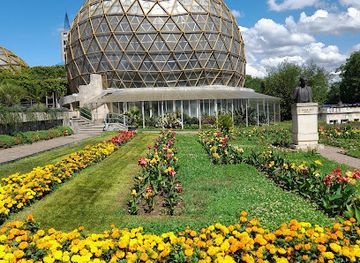
Grădina Botanică „Vasile Fati” din Jibou
Discover the serene beauty of Grădina Botanică „Vasile Fati” in Jibou, where diverse plant life and tranquility await every visitor.
-
Tourist attraction
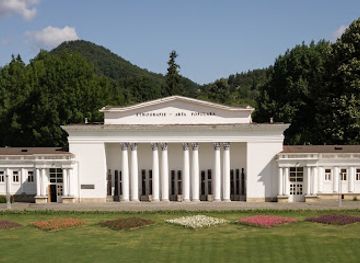
County Museum of Ethnography and Folk Art
Explore the cultural heritage of Romania at the County Museum of Ethnography and Folk Art in Baia Mare, where tradition meets artistry.
Best landmarks in Crișana
Oradea’s historic centre is Crișana’s most concentrated architectural landmark, particularly the cluster of Art Nouveau and Secession buildings around Piața Unirii and the nearby streets. The Black Eagle Palace is its best-known visual emblem, while the Roman Catholic Cathedral and the restored Oradea Fortress represent earlier religious and defensive phases of the city’s history. In Arad, the broad civic centre and the Palace of Culture express the city’s nineteenth- and early twentieth-century prosperity, while the fortress on the Mureș remains an important military landmark, even though access arrangements can be restricted. The Mureș itself is a major geographical feature, linking the city to the wider river corridor and the eastern hills. In the Bihor Mountains, the Cetățile Ponorului karst complex is a natural landmark of national significance within the region, formed by enormous limestone sinkholes, cliffs and underground watercourses. The Padiș plateau and surrounding forested ridges provide a less architectural but equally defining image of Crișana. Together these places illustrate the region’s central contrasts: Central European urban form in the west, imperial and religious memory in its cities, and a powerful limestone landscape towards the Apuseni.
-
Castle
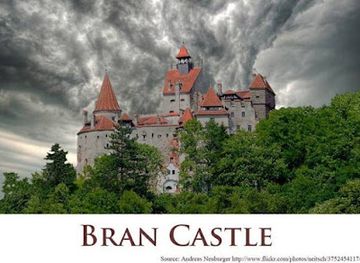
Bran Castle
Experience the legendary Bran Castle, a captivating blend of history, folklore, and stunning Transylvanian scenery.
-
Castle
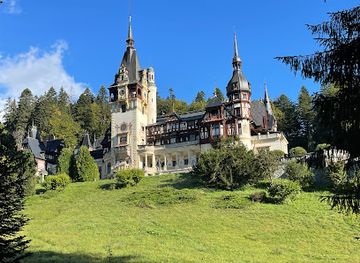
Peleș Castle
Explore the enchanting Peleș Castle, a neo-Renaissance masterpiece nestled in the Carpathian Mountains, showcasing Romania's royal heritage and stunning architecture.
-
Castle
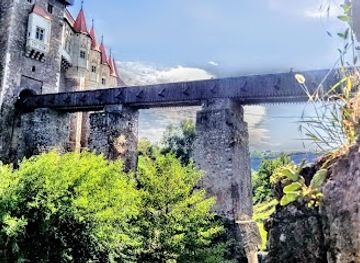
Castelul Corvinilor (Corvins' Castle)
Explore the architectural beauty and rich history of Castelul Corvinilor, a stunning Gothic-Renaissance castle in Hunedoara, Romania.
-
Monastery
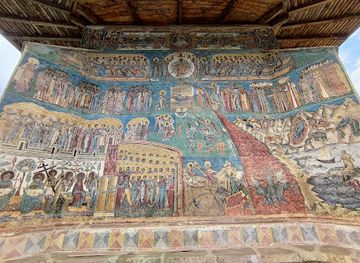
Voroneț Monastery
Discover the enchanting Voroneț Monastery, a UNESCO World Heritage site, famed for its exquisite frescoes and rich cultural heritage in Bucovina.
Explore Crișana on the map
Plan your trip on one map. See where the top cities, national parks and sights are, and book hotels and experiences in a few clicks.
Best hotels in Crișana
Best restaurants in Crișana
Crișana’s food reflects the meeting of Romanian, Hungarian and Central European traditions, with menus varying noticeably between the plains, towns and mountain districts. In Oradea and Arad, restaurants and cafés serve Romanian soups, grilled meats, stuffed vegetables and seasonal dishes alongside Hungarian-influenced stews, paprika-rich preparations, pastries and cakes. Local bakery culture is particularly visible in historic urban districts, while rural tables may feature fresh dairy, cornmeal, beans, orchard fruit and preserves. The Bihor mountains have a tradition of hearty, practical cooking suited to farming and forest communities, including cheeses, smoked products and dishes based on potatoes or cabbage. Around Băile Felix, dining is shaped by the resort trade, with a broad choice of Romanian and international food. Markets, food halls and small producers are useful places to look for regional honey, jams, cheeses, cured meats and seasonal fruit, though availability varies by town and season. Wine from western Romania and locally produced fruit spirits may appear on traditional menus, but responsible tasting is more appropriate than treating alcohol as a defining attraction.
-
Restaurant
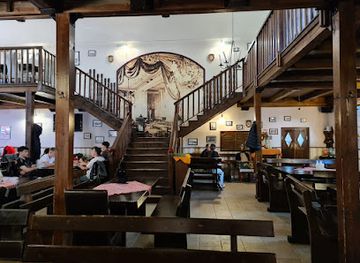
Hanul cu Noroc Oradea
Discover authentic Romanian flavors at Hanul cu Noroc in Oradea - where tradition meets culinary artistry.
-
Italian
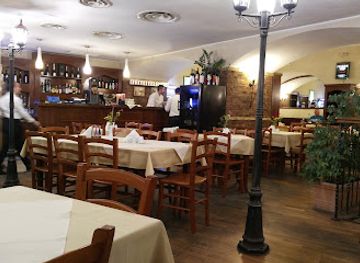
The White Lily
Experience authentic Italian cuisine at The White Lily in Oradea - where delicious pizzas meet warm hospitality.
-
Restaurant
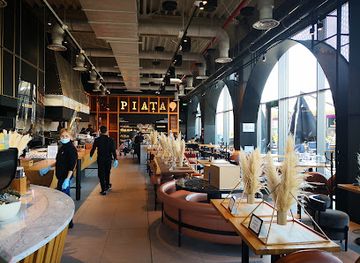
Piaţa9
Experience exquisite flavors at Piaţa9 in Oradea – where traditional meets contemporary in a delightful dining journey.
-
Restaurant
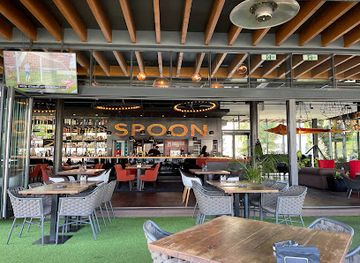
Spoon
Discover authentic Romanian cuisine at Spoon in Oradea - where tradition meets taste in every delightful dish.
Best bars in Crișana
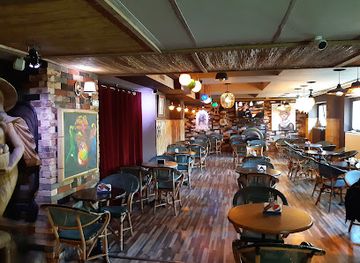
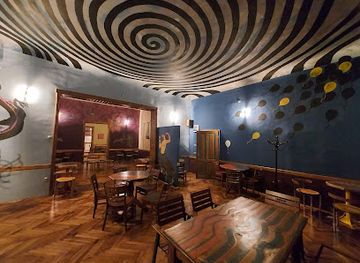
Evening life in Crișana is concentrated in Oradea and Arad rather than spread evenly across the countryside. Oradea has the region’s broadest choice of cafés, wine bars, craft-beer places, restaurants and late-night venues, particularly around the historic centre and central pedestrian streets. Its restored architecture gives evening walks a distinctive setting, while cultural programmes and live music may provide alternatives to clubbing. Arad has a similarly urban but generally more low-key scene, with cafés, pubs, bars and occasional live performances around the centre. Băile Felix offers resort restaurants, hotel bars and seasonal evening activity, though it is not a major club destination. In smaller towns and mountain villages, nightlife usually means a traditional pub, a restaurant or social gatherings rather than a dense entertainment district. Opening hours, live-music schedules and seasonal offers change frequently, so checking locally is sensible. Visitors should not assume that rural evenings are organised around drinking; a quiet meal, a walk or time at a guesthouse is often the more typical experience.
-
Cafe
Cafeneaua Piața Unirii
Discover the charm of Cafeneaua Piața Unirii, where delightful café culture meets vibrant nightlife in the heart of Iași, Romania.
-
Bistro
Insomnia
Experience the artistic culinary journey at Insomnia, a vibrant bistro in Cluj-Napoca featuring Indian cuisine, pizzas, and live jazz music.
-
Brewpub
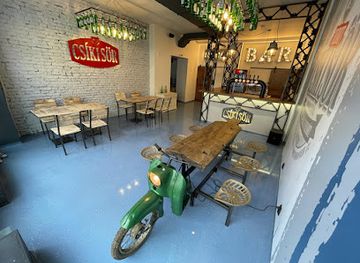
Tiltott Csíki Söröző
Explore the flavors of Oradea at Tiltott Csíki Söröző, where craft beer meets traditional Romanian cuisine in a vibrant brewpub setting.
-
Hotel
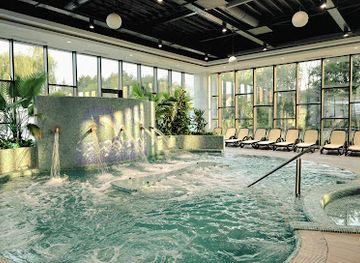
Resort Holiday & Spa Perla
Discover relaxation and rejuvenation at Resort Holiday & Spa Perla, where wellness meets luxury in the heart of Băile 1 Mai.
Best nightclubs in Crișana
Evening life in Crișana is concentrated in Oradea and Arad rather than spread evenly across the countryside. Oradea has the region’s broadest choice of cafés, wine bars, craft-beer places, restaurants and late-night venues, particularly around the historic centre and central pedestrian streets. Its restored architecture gives evening walks a distinctive setting, while cultural programmes and live music may provide alternatives to clubbing. Arad has a similarly urban but generally more low-key scene, with cafés, pubs, bars and occasional live performances around the centre. Băile Felix offers resort restaurants, hotel bars and seasonal evening activity, though it is not a major club destination. In smaller towns and mountain villages, nightlife usually means a traditional pub, a restaurant or social gatherings rather than a dense entertainment district. Opening hours, live-music schedules and seasonal offers change frequently, so checking locally is sensible. Visitors should not assume that rural evenings are organised around drinking; a quiet meal, a walk or time at a guesthouse is often the more typical experience.
-
Pub
Gekko Pub & Banya Klub
Experience the vibrant nightlife of Oradea at Gekko Pub & Banya Klub, where fun, music, and great drinks await every visitor.
-
Bar
Bodega
Experience the vibrant nightlife of Oradea at Bodega, a cozy bar offering affordable drinks, live music, and a welcoming atmosphere.
-
Pub
Green Pub Oradea
Discover the lively ambiance and delicious flavors at Green Pub Oradea, a perfect spot for tourists seeking local culture and cuisine.
-
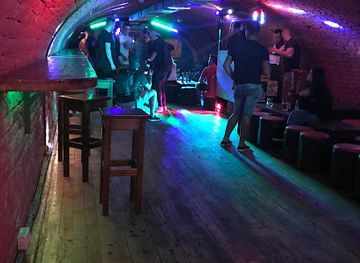
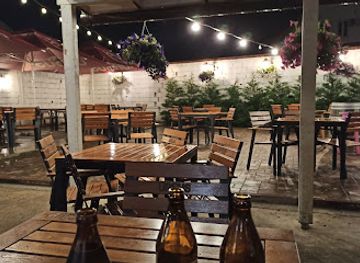
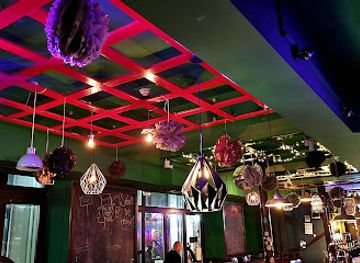
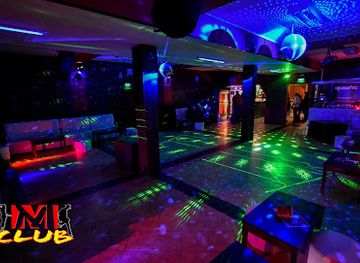
Disco club
M Club
Discover the electrifying atmosphere of M Club, Chibed's top disco destination, where unforgettable nights and vibrant music await.
Best shops in Crișana
Shopping in Crișana is strongest in Oradea and Arad, where central streets combine national retailers with independent cafés, bookshops, fashion stores, design businesses and galleries. Oradea’s historic centre is better suited to browsing architectural streets and small specialist shops than to a single concentrated luxury-shopping district, while Arad offers a traditional regional-city mix of department-style retail, high-street businesses and shopping centres. Market towns and open-air markets are more useful for everyday produce than for formal souvenirs, with seasonal fruit, vegetables, honey, preserves, cheese and cured foods reflecting the agricultural plains. In mountain districts, look for locally made dairy products, woollen goods, carved wooden objects and pantry items sold through guesthouses or small producers, although supply is irregular. Regional food products make practical gifts, but check customs rules before carrying meat or dairy across international borders. Ceramics, textiles and folk-inspired crafts are available in some cultural shops and tourist areas, while Oradea’s art and design scene offers more contemporary alternatives. Prices, stock and opening patterns vary, so independent shopping is best treated as part of exploring the towns rather than as a separate destination activity.
-
Fortress
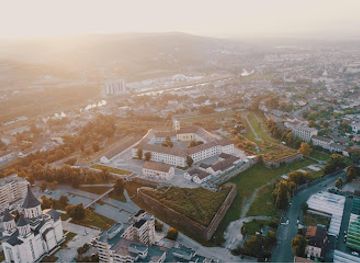
Oradea Fortress
Explore Oradea Fortress: A Majestic Historical Landmark with Stunning Architecture and Rich Culture.
-
Shopping mall
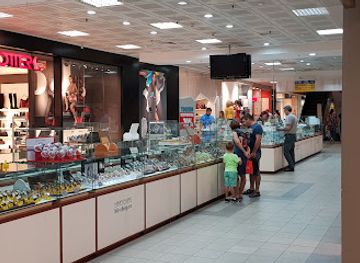
Unirea Shopping Center
Discover the vibrant Unirea Shopping Center in Bucharest, featuring diverse shops, dining, and entertainment for an unforgettable retail experience.
-
Water park
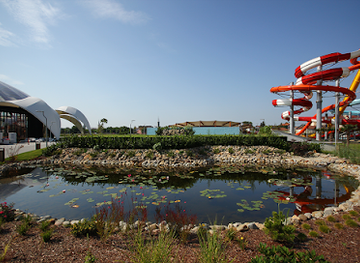
Aquapark Nymphaea
Dive into the fun at Aquapark Nymphaea, Oradea's premier water park featuring thrilling slides, relaxing pools, and wellness facilities for a perfect family day out.
-
Store
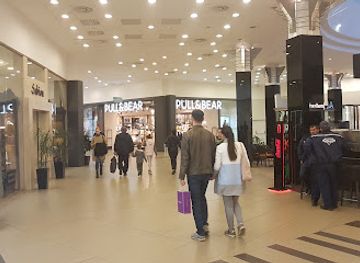
Lotus Center
Explore Lotus Center, Oradea's vibrant shopping mall, boasting diverse stores, dining options, and an inviting atmosphere for every visitor.
Get your free copy of our complete guide to Crișana, delivered straight to you.
Everything on this page, from attractions and restaurants to essentials and local phrases, in one PDF you can read offline, print or share.
Already have an account? Sign in
Your Crișana guide is ready.
We'll send it to · Not you? Sign out

Getting your guide ready…
We are putting together a fresh copy of the Crișana guide. This can take up to a minute.
This can take a few moments. If your browser asks, choose Allow so the download can start. You'll find the guide in your Downloads folder.
Nothing happened? Download it again
Sorry, the guide is taking longer than usual. Please try again in a minute, or get it by email instead.
Crișana essentials
Currency and Payment
Safety
Emergency Situations
Do's and Don'ts
Local Tips
From Eve
Local phrases worth knowing
You don't need to get them perfect. A few words go a long way, and locals appreciate the effort.
Basics
| English | Local | Say it |
|---|---|---|
| Hello | Bună | [boo-nuh] |
| Goodbye | La revedere | [lah reh-veh-deh-reh] |
| Yes | Da | [dah] |
| No | Nu | [noo] |
| Please/You're welcome | Te rog/ Cu plăcere | [teh rog/ koo pluh-cheh-reh] |
| Thank you | Mulțumesc | [mool-tsoo-mesk] |
| Excuse me/Sorry | Scuză-mă/Îmi pare rău | [skoo-zuh-muh/ eem pah-reh rah-oo] |
| How are you? | Ce mai faci? | [cheh mai fahch] |
| Fine. And you? | Bine. Tu? | [bee-neh. Too?] |
| Do you speak English? | Vorbești engleză? | [vor-besht eng-leh-zuh] |
| I don't understand | Nu înțeleg | [noo in-teh-lehg] |
Eating & Drinking
| English | Local | Say it |
|---|---|---|
| I'd like to see the menu, please | Aș dori să văd meniul, vă rog | [ahsh doh-ree suh vehd meh-nee-ul, vah rog] |
| I don't eat meat | Nu mănânc carne | [noo muh-nuhnch kar-neh] |
| Cheers! | Noroc! | [noh-rok] |
| I would like to pay, please | Aș dori să plătesc, vă rog | [ahsh doh-ree suh pluh-tesk, vah rog] |
Emergencies
| English | Local | Say it |
|---|---|---|
| Help! | Ajutor! | [ah-joo-tor] |
| Go away! | Du-te! | [doo-teh] |
| Call the Police! | Sună la poliție! | [soo-nuh lah poh-lee-tsee-eh] |
| Call a doctor! | Sună un doctor! | [soo-nuh oon dok-tor] |
| I'm lost | M-am pierdut | [mahm pyehr-doot] |
| I'm ill | Sunt bolnav/bolnavă | [soont bohl-nahv/bohl-nah-vah] |
Shopping
| English | Local | Say it |
|---|---|---|
| I'd like to buy... | Aș dori să cumpăr... | [ahsh doh-ree suh koom-per] |
| I'm just looking | Mă uit doar | [muh oo-eet doar] |
| How much is it? | Cât costă? | [kuht koh-stah] |
| That's too expensive | Asta e prea scump | [ahs-tah eh preh-ah skoomp] |
| Can you lower the price? | Poți să reduci prețul? | [pots suh reh-dooch preh-tsool] |
Time & Numbers
| English | Local | Say it |
|---|---|---|
| What time is it? | Cât e ceasul? | [kuht eh chah-sool] |
| It's one o'clock | Este o oră | [yeh-steh oh oh-rah] |
| Half past (10) | Jumătate peste (10) | [joo-muh-tah-teh peh-steh] |
| Morning | Dimineața | [dee-mee-neh-ah-tsah] |
| Afternoon | După-amiază | [doo-pah-ah-mee-ah-zah] |
| Evening | Seara | [seh-ah-rah] |
| Yesterday | Ieri | [yehr] |
| Today | Astăzi | [ahs-tuhz] |
| Tomorrow | Mâine | [mee-neh] |
| 1 | 1 | [un] |
| 2 | 2 | [doi] |
| 3 | 3 | [trei] |
| 4 | 4 | [patru] |
| 5 | 5 | [cinci] |
| 6 | 6 | [șase] |
| 7 | 7 | [șapte] |
| 8 | 8 | [opt] |
| 9 | 9 | [nouă] |
| 10 | 10 | [zece] |
Transport & Directions
| English | Local | Say it |
|---|---|---|
| Where's a/the...? | Unde este un/ o...? | [oon-deh yeh-steh oon/oh] |
| What's the address? | Care este adresa? | [kah-reh yeh-steh ah-dreh-sah] |
| Can you show me (on the map)? | Îmi poți arăta (pe hartă)? | [eem pots ah-rah-tah (peh har-tuh)] |
| When's the next (bus)? | Când vine următorul (autobuz)? | [kuhnd vee-neh oor-mah-tor-ul (ow-toh-booz)] |
| A ticket (to ....) | O bilet (către ...) | [oh bee-let (kuh-treh ...)] |
History of Crișana
Prehistoric Communities and the Apuseni Landscape
The valleys and limestone uplands of Crișana have been occupied since prehistoric times, with archaeological evidence from settlements, burial places and working sites across the western Romanian plain and mountain zone. The Apuseni Mountains were especially important for access to salt, stone and metal-bearing resources. These early communities did not form a single culture covering the whole region, but their remains demonstrate how the Criș rivers, fertile plains and mountain passes supported movement and settlement long before the emergence of medieval states.
Dacian and Roman Frontier Landscapes
Before and during Roman rule, the western Romanian lands were connected to the Dacian political world and to wider networks extending across the Carpathian Basin. Roman administration did not cover every part of modern Crișana in the same way, yet roads, military activity, trade and cultural exchange affected the region, particularly around routes leading towards the Mureș valley and the western plain. Archaeological remains and later settlement patterns preserve evidence of a frontier landscape where Roman, Dacian and other local influences met.
Medieval Kingdoms, Fortresses and Trade
From the medieval period, most of Crișana was linked politically to the Kingdom of Hungary, while Romanian communities remained deeply rooted in the mountain and rural districts. Oradea developed around an important bishopric and fortified centre, and the Mureș and Criș valleys carried trade and military movement. Fortresses, churches and market settlements reflected the region’s strategic position between the Hungarian plain, Transylvania and the routes crossing the Apuseni. Medieval administration also helped establish the urban and ethnic complexity that remains characteristic of western Romania.
Ottoman Frontier and Habsburg Reconstruction
The sixteenth and seventeenth centuries brought warfare and political division as the Ottoman Empire, Transylvania and Habsburg territories competed for control of the region. Oradea became an important Ottoman stronghold for a period, while frontier insecurity affected towns, estates and villages. After Habsburg reconsolidation, administration, settlement and military planning reshaped Crișana. Arad’s fortress and the reconstruction of urban centres belong to this wider era of imperial organisation, when roads, agriculture and trade were gradually integrated into a more centralised system.
Reform, National Movements and the Nineteenth Century
The nineteenth century brought major changes in education, commerce, transport and political life. Romanian cultural and national movements grew alongside Hungarian civic institutions, and towns such as Oradea and Arad became centres of publishing, administration and public debate. The 1848 revolutions and their aftermath intensified questions of representation and language across the Habsburg lands. Railway construction and expanding markets connected Crișana more closely with Budapest, Transylvania and the wider region, laying foundations for urban growth and the grand architecture visible today.
Urban Modernisation and Industrial Development
At the turn of the twentieth century, Oradea and Arad underwent rapid modernisation. Banks, theatres, department stores, schools and apartment buildings appeared alongside factories and improved railway links. The period’s Secession and Art Nouveau architecture expressed the confidence of prosperous urban communities whose fortunes were tied to trade and industry. In rural Crișana, agriculture remained central, while mining, forestry and food processing supported towns at the edge of the Apuseni. This combination of commercial urban life and productive countryside shaped the region’s modern identity.
From the First World War to Contemporary Romania
After the First World War and the dissolution of the Austro-Hungarian Empire, Crișana became part of Romania, though its towns and communities retained strong Central European connections. The Second World War, the Holocaust, post-war political repression and socialist industrialisation transformed the population and economy. Since 1989, Oradea and Arad have experienced renewed investment, cross-border commerce and heritage restoration, while mountain districts have developed more strongly as destinations for nature tourism. The region’s present character reflects both Romanian statehood and its long-standing western links.
Crișana in Photos
Browse through our photo collection highlighting the charm and character of the destination.
Neighbouring regions of Crișana
The closest regions to Crișana, if you have time for more than one.
-

-

-

-

-


Swipe for more regions
Explore more

Explore more of Romania
Discover Romania's blend of mystical castles, enchanting landscapes, and vibrant culture. Experience the rich history and natural beauty that make Romania a unique travel destination.
Explore Romania