

Free Banat Travel Guide & Mobile App
Explore Banat with free travel guides. Discover regional history, expert tips, proposed trips, and audio guides on web or mobile app.


Explore Banat’s Timișoara heritage, Danube landscapes, mountain parks, spa towns and multicultural food traditions in western Romania.
Read more about Banat
When is the best time to visit Banat?
Best: June, August–September · 23–28°C| Month | High (°C) | Rainfall (mm) |
|---|---|---|
| January | 3 | 40 |
| February | 5 | 35 |
| March | 11 | 40 |
| April | 17 | 45 |
| May | 22 | 55 |
| June (best) | 26 | 65 |
| July | 28 | 60 |
| August (best) | 28 | 55 |
| September (best) | 23 | 50 |
| October | 18 | 45 |
| November | 11 | 40 |
| December | 5 | 45 |
Getting to and around Banat
How to get there
Transportation
Top city travel guides in Banat
The cities of Banat, and the easiest places to base yourself.
-

-

-


Swipe for more cities
Destinations in Banat
Resorts, valleys and scenic spots worth a trip of their own.
-

-

-

-


Swipe for more destinations
Best attractions in Banat
Banat’s attractions range from urban architecture to deeply wooded mountain parks. In Timișoara, visitors can explore Baroque squares, former merchant streets, museums, concert venues, the Bega Canal and the city’s layered religious heritage. The plain around the city offers a gentler landscape of villages, vineyards and agricultural settlements, including the wine-producing area associated with Recaș. In Caraș-Severin, the emphasis shifts to nature and engineering: Cheile Nerei–Beușnița National Park protects gorges, waterfalls and forest trails; Semenic–Cheile Carașului National Park combines karst scenery with upland woodland; and Domogled–Valea Cernei National Park provides mountain routes and thermal-water traditions around Băile Herculane. Reșița and Anina add museums and industrial history, while the Oravița–Anina railway offers a distinctive historic journey when operating. These attractions are spread across a large, varied county landscape, so combining them requires more planning than a city break.
-
Tourist attraction
Salina Turda
Explore Salina Turda, a breathtaking underground salt mine turned tourist attraction, blending history, adventure, and unique recreational activities.
-
Tourist attraction
Ion Creangă Children's Park
Discover Ion Creangă Children's Park, a vibrant oasis in Timișoara for families, featuring lush gardens, exciting play areas, and engaging attractions for all ages.
-
Tourist attraction
Buziaș Park
Explore Buziaș Park, a serene escape in Romania filled with lush greenery, historic mineral water fountains, and peaceful walking paths.
-
Tourist attraction
Museum of Mineralogy
Explore the Museum of Mineralogy in Baia Mare, Romania, and discover a stunning collection of minerals and geological wonders from around the globe.


Best landmarks in Banat
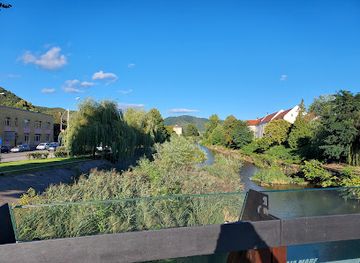
Timișoara’s Union Square is Banat’s most recognisable urban ensemble, framed by Baroque and nineteenth-century buildings and dominated by the Roman Catholic Metropolitan Cathedral and the Serbian Orthodox Cathedral. Nearby Victory Square, with the Metropolitan Cathedral, the Opera and surrounding civic architecture, expresses the city’s later Austro-Hungarian and modern political importance. In Reșița, industrial structures and the city’s steelmaking legacy form a landmark landscape unlike the ceremonial centres of Timișoara. Băile Herculane is distinguished by its historic spa buildings in the Cerna valley, despite the varied condition of individual structures. The Oravița–Anina railway is an engineering landmark as well as a transport line, threading through the Banat highlands by tunnels, viaducts and steep gradients. In the natural realm, the limestone gorges of the Nera and Caraș and the forested slopes above the Cerna valley are defining geographical landmarks, showing why southern Banat is as strongly associated with terrain as with architecture.
-
Castle
Bran Castle
Discover the haunting beauty and rich history of Bran Castle, Romania's iconic fortress linked to the Dracula legend amidst stunning mountain scenery.
-
 Castle
Peleș Castle
Explore the breathtaking Peleș Castle, a stunning blend of Gothic and Renaissance architecture nestled in Romania's Carpathian Mountains.
-
Park
King Mihai I Park
Experience the tranquility and beauty of King Mihai I Park, Bucharest's premier green space for relaxation and recreation amidst urban life.
-
Castle
Castelul Corvinilor (Corvins' Castle)
Discover the breathtaking Corvins' Castle in Hunedoara, a medieval marvel filled with history, stunning architecture, and enchanting stories.


Explore Banat on the map
Plan your trip on one map. See where the top cities, national parks and sights are, and book hotels and experiences in a few clicks.
Best hotels in Banat
Best restaurants in Banat
Banat’s dining reflects the meeting of Romanian, Serbian, Hungarian, German and Central European traditions rather than a single uniform cuisine. In Timișoara, cafés, bakeries, restaurants and food markets range from Romanian home-style cooking to contemporary menus, with paprika, slow-cooked meats, seasonal vegetables and substantial soups appearing across the region. Pastries and sweet baked goods are especially important to the area’s Central European inheritance, while rural tables may include grilled meats, stews, fresh cheeses, preserves and handmade pasta. Around Recaș, local wines provide a natural accompaniment to regional meals, and smaller producers are part of the wider food culture. Reșița and the mountain towns offer hearty fare suited to colder weather and outdoor activities; Băile Herculane has a mixture of traditional restaurants, guesthouse cooking and casual dining. Markets and village shops can be useful for fruit, bread, cheese and smoked products, though availability varies by season.
-
Restaurant
Caru' cu bere
Experience authentic Romanian cuisine at Caru' cu bere, an iconic restaurant showcasing Bucharest's rich culinary heritage and vibrant culture.
-
Romanian
Manuc's Inn
Experience authentic Romanian flavors at Manuc's Inn - a historic restaurant in Bucharest offering traditional dishes in a charming setting.
-
Romanian
La Ceaun - Michael Weiss
Experience authentic Romanian cuisine at La Ceaun in Brașov - a culinary gem where tradition meets taste.
-
Romanian
La Ceaun - Piata Sfatului
Discover authentic Romanian cuisine at La Ceaun - Piata Sfatului, where tradition meets taste in the heart of Brașov.


Best bars in Banat
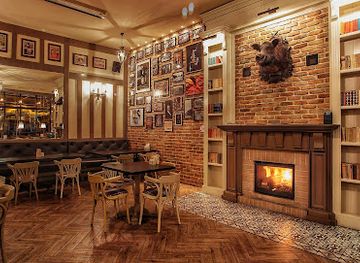
Timișoara is the centre of Banat’s evening life, with cafés, beer halls, wine bars, cocktail venues, live-music spaces and late-night entertainment concentrated around the historic centre and student areas. The city’s large university population supports a broader nightlife choice than is found elsewhere in the region, although individual venues and opening arrangements change. Reșița and the larger towns of Caraș-Severin have a quieter scene built around pubs, cafés, restaurants and occasional live music rather than a continuous club circuit. In Băile Herculane, evenings tend to centre on hotel restaurants, terraces and spa-town hospitality, while rural mountain areas are more suited to guesthouse meals and quiet local bars. Regional wines and Romanian beers are widely available, but visitors should plan transport carefully after drinking, particularly where accommodation lies outside town centres.
-
Restaurant
Berăria 700
Discover Berăria 700 in Timișoara, where local flavors meet a lively pub atmosphere, perfect for tourists seeking authentic Romanian dining.
-
Brewpub
Curtea Berarilor Timisoreana La Han
Explore Timisoara's brewpub scene at Curtea Berarilor Timisoreana La Han, where local craft beers meet traditional Romanian flavors.
-
Cafe
Cafeneaua Piața Unirii
Discover the vibrant atmosphere of Cafeneaua Piața Unirii, where rich coffee culture meets lively nightlife in the heart of Iași.
-
Gastropub
The Scotland Yard
Experience the best of Timișoara's gastropub scene at The Scotland Yard, where local flavors meet a lively atmosphere.


Best nightclubs in Banat
Timișoara is the centre of Banat’s evening life, with cafés, beer halls, wine bars, cocktail venues, live-music spaces and late-night entertainment concentrated around the historic centre and student areas. The city’s large university population supports a broader nightlife choice than is found elsewhere in the region, although individual venues and opening arrangements change. Reșița and the larger towns of Caraș-Severin have a quieter scene built around pubs, cafés, restaurants and occasional live music rather than a continuous club circuit. In Băile Herculane, evenings tend to centre on hotel restaurants, terraces and spa-town hospitality, while rural mountain areas are more suited to guesthouse meals and quiet local bars. Regional wines and Romanian beers are widely available, but visitors should plan transport carefully after drinking, particularly where accommodation lies outside town centres.
-
Night club
Control Club
Discover the heart of Bucharest's nightlife at Control Club, a vibrant venue for live music and unforgettable experiences in the city.
-
Night club
Music Club
Discover the heartbeat of Bucharest's nightlife at the Music Club, where electrifying music and dance create unforgettable memories.
-
Disco club
M Club
Experience the vibrant nightlife at M Club in Chibed, where electrifying music and an energetic atmosphere await every weekend.
-
Night club
Pussycat night club brasov
Discover the ultimate nightlife experience at Pussycat Night Club Brașov, where music, dancing, and vibrant energy unite for an unforgettable night out.


Best shops in Banat
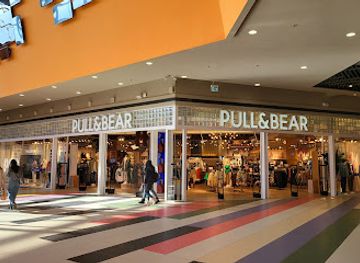
Timișoara provides Banat’s broadest shopping choice, from central pedestrian streets and contemporary retail areas to independent cafés, bookshops, design outlets, antique dealers and galleries. The historic centre is better suited to browsing small businesses and local food products than to seeking a single traditional craft district. Markets and specialist food shops are useful for seasonal fruit and vegetables, cheeses, preserves, honey, pastries and wines connected with the surrounding plain and Recaș area. Reșița and the smaller towns of Caraș-Severin offer practical high-street shopping, weekly markets and regional produce rather than extensive designer retail. Around spa towns and mountain destinations, look for locally made food, honey, herbal products, ceramics and simple craft items, while checking provenance carefully if buying a claimed traditional souvenir. Romanian books, regional wine and well-packed local foods make more useful mementoes than generic imported merchandise.
-
Shopping mall
Băneasa Shopping City
Discover the ultimate shopping experience at Băneasa Shopping City, Bucharest's premier destination for fashion, dining, and entertainment.
-
Shopping mall
Coresi Shopping Center
Explore Coresi Shopping Center in Brașov – a vibrant shopping and dining destination with a variety of local and international brands.
-
Shopping mall
Iulius Mall
Discover shopping, dining, and entertainment at Iulius Mall, Cluj-Napoca's ultimate retail destination blending modernity and local charm.
-
Store
Shopping City Timișoara
Discover the vibrant retail paradise of Shopping City Timișoara, where shopping, dining, and entertainment converge for an unforgettable experience.



Get your free copy of our complete guide to Banat, delivered straight to you.
Everything on this page, from attractions and restaurants to essentials and local phrases, in one PDF you can read offline, print or share.
Already have an account? Sign in
Your Banat guide is ready.
We'll send it to · Not you? Sign out

Getting your guide ready…
We are putting together a fresh copy of the Banat guide. This can take up to a minute.
This can take a few moments. If your browser asks, choose Allow so the download can start. You'll find the guide in your Downloads folder.
Nothing happened? Download it again
Sorry, the guide is taking longer than usual. Please try again in a minute, or get it by email instead.
Banat essentials
Currency and Payment
Safety
Emergency Situations
Do's and Don'ts
Local Tips
From Eve
Local phrases worth knowing
You don't need to get them perfect. A few words go a long way, and locals appreciate the effort.
Basics
| English | Local | Say it |
|---|---|---|
| Hello | Bună | [boo-nuh] |
| Goodbye | La revedere | [lah reh-veh-deh-reh] |
| Yes | Da | [dah] |
| No | Nu | [noo] |
| Please/You're welcome | Te rog/ Cu plăcere | [teh rohg/ koo pluh-cheh-reh] |
| Thank you | Mulțumesc | [mool-tzoo-mesk] |
| Excuse me/Sorry | Scuză-mă/Îmi pare rău | [skoo-zuh-muh/ uh-m pah-reh rau] |
| How are you? | Ce mai faci? | [che mai fahch] |
| Fine. And you? | Bine. Și tu? | [bee-neh. shee too] |
| Do you speak English? | Vorbești engleză? | [vor-besht en-gleh-zuh] |
| I don't understand | Nu înțeleg | [noo un-tzeh-leg] |
Eating & Drinking
| English | Local | Say it |
|---|---|---|
| I'd like to see the menu, please | Aș dori să văd meniul, vă rog | [ahsh doh-ree suh vehd meh-nee-ul, vah rohg] |
| I don't eat meat | Nu mănânc carne | [noo muh-nuhnc kar-neh] |
| Cheers! | Noroc! | [noh-rok] |
| I would like to pay, please | Aș dori să plătesc, vă rog | [ahsh doh-ree suh pluh-tesk, vah rohg] |
Emergencies
| English | Local | Say it |
|---|---|---|
| Help! | Ajutor! | [ah-zhoo-tor] |
| Go away! | Du-te! | [doo-teh] |
| Call the Police! | Sună la Poliție! | [soo-nah lah poh-lee-tsee-eh] |
| Call a doctor! | Sună un doctor! | [soo-nah oon dohktor] |
| I'm lost | M-am pierdut | [mahm pee-er-doot] |
| I'm ill | Sunt bolnav | [soont bol-nahv] |
Shopping
| English | Local | Say it |
|---|---|---|
| I'd like to buy... | Aș dori să cumpăr... | [ahsh doh-ree suh koom-puhr] |
| I'm just looking | Mă uit doar | [muh oo-eet dohr] |
| How much is it? | Cât costă? | [kuht koh-stuh] |
| That's too expensive | Asta este prea scump | [ahs-tah yes-teh preh-uh skoomp] |
| Can you lower the price? | Poți să scazi prețul? | [pots suh skahz preh-tzul] |
Time & Numbers
| English | Local | Say it |
|---|---|---|
| What time is it? | Ce oră este? | [che o-ruh yes-teh] |
| It's one o'clock | Este o oră | [yes-teh o o-ruh] |
| Half past (10) | Jumătate peste (10) | [zhoo-mah-tah-teh pes-teh] |
| Morning | Dimineața | [dee-mee-nya-tsah] |
| Afternoon | După-amiază | [doo-pah-ah-mee-ah-zah] |
| Evening | Seara | [seh-ah-rah] |
| Yesterday | Ieri | [yehr] |
| Today | Astăzi | [ahs-tuhz] |
| Tomorrow | Mâine | [mee-neh] |
| 1 | 1 | [unu] |
| 2 | 2 | [doi] |
| 3 | 3 | [trei] |
| 4 | 4 | [patru] |
| 5 | 5 | [cinci] |
| 6 | 6 | [șase] |
| 7 | 7 | [șapte] |
| 8 | 8 | [opt] |
| 9 | 9 | [nouă] |
| 10 | 10 | [zece] |
Transport & Directions
| English | Local | Say it |
|---|---|---|
| Where's a/the...? | Unde este un/....? | [oon-deh yes-teh oon/....] |
| What's the address? | Care este adresa? | [kah-reh yes-teh ah-dreh-sah] |
| Can you show me (on the map)? | Poți să-mi arăți (pe hartă)? | [pots suh-me ah-rah-tz peh har-tuh] |
| When's the next (bus)? | Când pleacă următorul (autobuz)? | [kand pleh-kah oor-mah-toh-rul] |
| A ticket (to ....) | Un bilet (către ....) | [oon bee-let keh-treh] |
History of Banat
Early settlement and the Roman frontier
The Banat plain and mountain valleys have been inhabited since prehistoric times, with archaeological evidence of farming communities and later Iron Age cultures. Roman power reached parts of the wider region after the conquest of Dacia, while the Danube formed an important military and commercial frontier to the south. The Roman presence was strongest around the major river corridor and roads leading towards Dacia; later migrations and shifting medieval political boundaries altered settlement patterns repeatedly. Archaeological remains across western Romania provide evidence of these successive populations, although many sites are less visible to visitors than the region’s later urban and industrial heritage.
Medieval Banat and the Ottoman frontier
During the medieval period, the Banat was contested among Hungarian rulers, local nobles and neighbouring powers. Fortified places, market settlements and river crossings acquired strategic importance. Ottoman expansion brought major political change in the sixteenth century, and much of the region became part of the Ottoman Empire after the fall of the medieval Hungarian kingdom. Timișoara, known historically as Temesvár, developed as a significant Ottoman administrative and military centre. The frontier character of the area created a landscape of fortifications, mixed populations and repeated disruption, shaping the region’s later political geography.
Habsburg conquest and the Banat of Temeswar
Habsburg forces captured Timișoara in 1716, and the Treaty of Passarowitz in 1718 transferred the Banat from Ottoman to Habsburg rule. The territory was administered separately for much of the eighteenth century, with marsh drainage, new roads, planned settlements and military rebuilding used to strengthen the frontier and develop agriculture. German-speaking settlers, alongside Romanians, Serbs, Hungarians, Jews and other communities, became part of the region’s complex social fabric. Timișoara’s Baroque core and several planned villages reflect this period of imperial reconstruction.
Industrialisation in the Banat Mountains
The mountain districts of Caraș-Severin became important centres of mining and metallurgy under Habsburg and later Austro-Hungarian administration. Reșița’s ironworks, established in the eighteenth century and expanded during the nineteenth, helped make the town one of the region’s principal industrial centres. Coal mining around Anina and transport links through the mountains supported furnaces, machinery production and railway construction. The Oravița–Anina railway, opened in the nineteenth century, remains a particularly visible reminder of the engineering effort required to connect the highlands with the wider economy.
Revolution, national movements and modern urban life
The revolutionary upheavals of 1848–49 affected the Banat, where competing political and national projects placed pressure on the region’s mixed communities. Later nineteenth-century modernisation brought new civic buildings, schools, railways, factories and commercial networks. Timișoara became an increasingly important regional city, while Reșița and other industrial settlements developed distinct working communities. The period left a layered architectural inheritance: Baroque churches and squares stand alongside nineteenth-century civic buildings, railway works and industrial structures.
Partition after the First World War
The historic Banat was divided after the First World War. Most of the region, including Timișoara and Reșița, became part of Romania, while western areas went to the Kingdom of Serbs, Croats and Slovenes, later Yugoslavia, and a smaller northern section went to Hungary. The new border separated communities and economic networks that had previously operated within a single imperial framework. In Romanian Banat, the interwar period reinforced Timișoara’s role as a major western city while preserving the region’s multi-ethnic and multi-confessional character.
Communism, industrial change and the Timisoara revolution
After the Second World War, nationalisation and central planning reshaped Banat’s industries, agriculture and towns. Reșița’s steel and machinery works expanded, while collective farming altered the rural landscape. Timișoara remained an important educational and industrial centre. In December 1989, protests in Timișoara became the opening episode of the Romanian revolution that brought down Nicolae Ceaușescu’s communist government. The city’s memorial sites and public spaces are closely associated with this decisive moment in Romania’s modern history.
Banat in Photos
Browse through our photo collection highlighting the charm and character of the destination.
Neighbouring regions of Banat
The closest regions to Banat, if you have time for more than one.
-
-

-

-

-


Swipe for more regions
Explore more

Explore more of Romania
Discover Romania's blend of mystical castles, enchanting landscapes, and vibrant culture. Experience the rich history and natural beauty that make Romania a unique travel destination.
Explore Romania