

Free Alba Travel Guide & Mobile App
Explore Alba with free travel guides. Discover regional history, expert tips, proposed trips, and audio guides on web or mobile app.


Explore Alba County for Alba Iulia’s fortress, Apuseni caves, mountain villages, Roman heritage, vineyards and Transylvanian food.
Read more about Alba
When is the best time to visit Alba?
Best: June–August · 23–25°C| Month | High (°C) | Rainfall (mm) |
|---|---|---|
| January | 1 | 30 |
| February | 4 | 30 |
| March | 9 | 40 |
| April | 15 | 50 |
| May | 20 | 60 |
| June (best) | 23 | 70 |
| July (best) | 25 | 80 |
| August (best) | 24 | 70 |
| September | 21 | 60 |
| October | 16 | 50 |
| November | 9 | 40 |
| December | 3 | 30 |
Getting to and around Alba
How to get there
Transportation
Top city travel guides in Alba
The cities of Alba, and the easiest places to base yourself.
-

-


Swipe for more cities
Destinations in Alba
Resorts, valleys and scenic spots worth a trip of their own.
-

-

-


Swipe for more destinations
Best attractions in Alba
Alba’s attractions range from the monumental Alba Carolina Fortress in Alba Iulia to deeply rural landscapes in the Apuseni and Trascău Mountains. The fortress offers churches, military architecture, museums and ceremonial spaces within a carefully planned eighteenth-century enclosure, while the city’s Roman and medieval layers add depth beyond the visible bastions. In the west, Scărișoara Ice Cave and the surrounding karst terrain introduce visitors to underground geology, forest walking and highland villages. Arieșeni is a practical base for mountain recreation, with summer hiking and winter activities depending on conditions. Roșia Montană presents a remarkable mining landscape of galleries, traditional buildings and mountain settlements, although access to particular sites should be checked locally. Râmeț Monastery combines religious history with a dramatic valley setting, and Rimetea and Colțești offer village architecture, limestone scenery and the ruins of Trascău Fortress. Aiud, Blaj and Sebeș supply museums, churches and town heritage, while the Mureș and Târnava valleys provide gentler excursions through farmland, orchards and vineyards. The region’s attraction landscape is defined by the close relationship between historical places and working rural environments.
-
Fortress
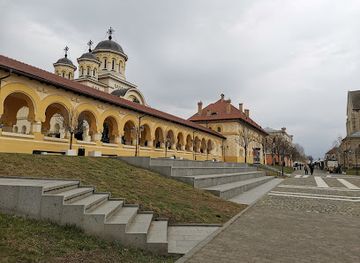
Alba-Carolina Citadel
Discover the historical splendor of Alba-Carolina Citadel, a star-shaped fortress in Alba Iulia that narrates Romania's rich past.
-
National reserve
Cheile Turzii
Explore the breathtaking landscapes and rich biodiversity of Cheile Turzii, a premier national reserve and tourist attraction in Romania.
-
Fortress
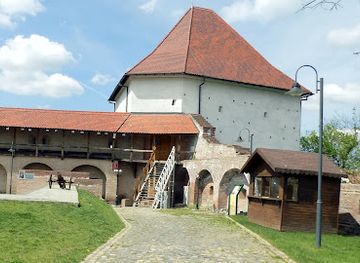
Medieval Fortress Târgu Mureș
Discover the enchanting Medieval Fortress Târgu Mureș, a historical landmark showcasing Romania's rich heritage and stunning architectural beauty.
-
Weir
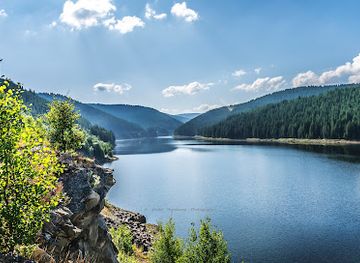
Oașa Dam
Discover Oașa Dam, a stunning reservoir in Romania's Apuseni Mountains, perfect for nature lovers and tranquil escapes.

Best landmarks in Alba
The most recognisable landmark in Alba is the Alba Carolina Fortress at Alba Iulia, whose Vauban-influenced star plan, gates and bastions represent Habsburg military engineering imposed on a site with Roman and medieval importance. Within and beside the fortress, St Michael’s Cathedral and the Coronation Cathedral express different chapters of the city’s religious and national history. The Roman remains of Apulum provide a less monumental but fundamental landmark layer, linking modern Alba Iulia to the ancient settlement. In the mountains, Scărișoara Ice Cave is a natural landmark formed by a substantial underground ice deposit, while the limestone mass of Piatra Secuiului dominates the landscape around Rimetea. Colțești Fortress stands above the village as a medieval defensive ruin, and Râmeț Monastery is closely associated with the narrow valley in which it stands. The Câmpia Libertății near Blaj is significant as a commemorative landscape connected with the Romanian movement of 1848. Around Roșia Montană, mining galleries, spoil landscapes and historic settlement features form a dispersed industrial and cultural landmark rather than a single monument.
-
Castle
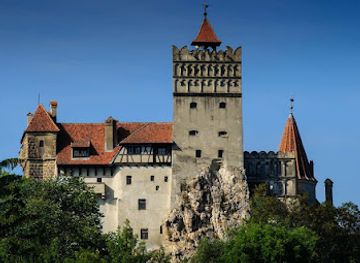
Bran Castle
Discover the enchanting Bran Castle, a historical landmark steeped in legend and breathtaking views in Romania's Carpathian Mountains.
-
 Castle
Peleș Castle
Explore the enchanting Peleș Castle in Romania, a neo-Renaissance masterpiece surrounded by breathtaking mountain scenery and rich history.
-
Castle
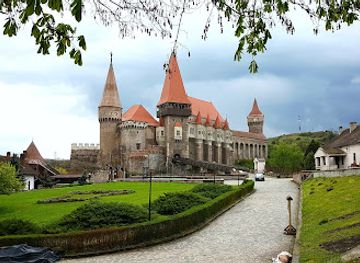
Castelul Corvinilor (Corvins' Castle)
Explore the majestic Castelul Corvinilor, a stunning Gothic castle in Hunedoara, Romania, rich in history and breathtaking architecture.
-
Fortress
Alba-Carolina Citadel
Discover the remarkable Alba-Carolina Citadel, a historical fortress with stunning architecture and rich cultural heritage in Alba Iulia, Romania.
Explore Alba on the map
Plan your trip on one map. See where the top cities, national parks and sights are, and book hotels and experiences in a few clicks.
Best hotels in Alba
Best restaurants in Alba
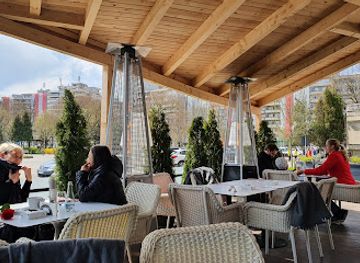
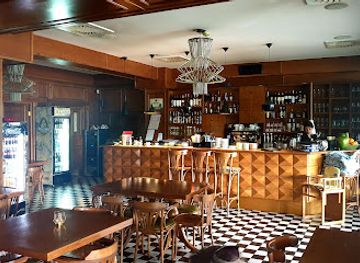
Dining in Alba reflects both Transylvanian household cooking and the produce of its valleys and mountains. In Alba Iulia and the larger towns, restaurants typically combine Romanian dishes with broader Central European influences, while rural guesthouses offer more direct expressions of local cooking. Look for mămăligă served with sheep’s cheese, balmoș, bulz, smoked meats, soups, seasonal mushrooms and baked or preserved fruit. Mountain areas are associated with dairy products, honey and pastoral foods, although recipes vary from household to household rather than following a single county-wide formula. Around Blaj and the Târnave valley, regional wines complement the county’s agricultural character. Markets and farm shops may offer cheese, cured products, orchard preserves and honey, but availability follows the season. Traditional pubs, village inns and family-run guesthouses can be as revealing as formal restaurants, particularly when meals are arranged in advance. Visitors should distinguish genuinely local produce from standard Romanian dishes served throughout the country, while recognising that Alba’s cuisine belongs to the wider culinary culture of Transylvania.
-
Country food restaurant
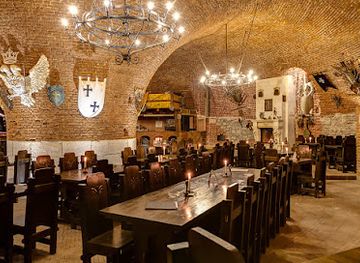
PUB 13 - Restaurantul Cetății
Discover PUB 13 - Restaurantul Cetății: A culinary gem in Alba Iulia offering traditional Romanian dishes amidst historical beauty.
-
Restaurant
La Conac
Discover La Conac in Alba Iulia: Where traditional Romanian flavors meet modern dining elegance.
-
Restaurant
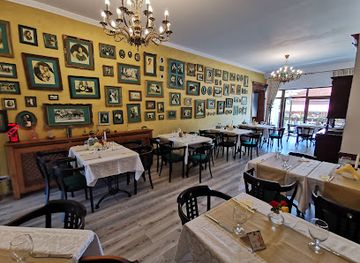
Dante Café & Dine
Experience culinary delight at Dante Café & Dine in Alba Iulia - where tradition meets modern dining in a vibrant atmosphere.
-
Restaurant
Gavroche
Experience exquisite dining at Gavroche in Alba Iulia - where local flavors meet French brasserie charm for an unforgettable culinary adventure.
Best bars in Alba
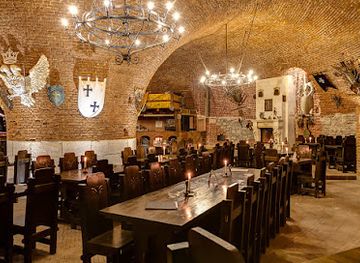
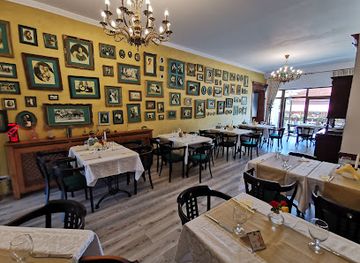
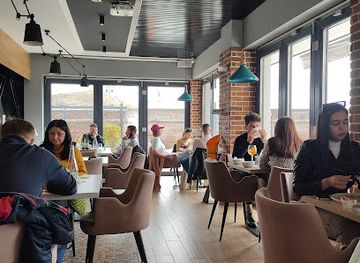
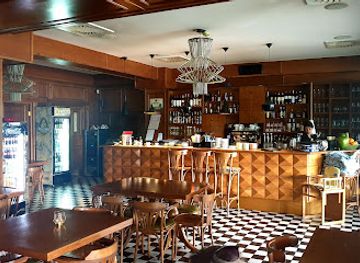
Alba’s evening life is concentrated in Alba Iulia and the larger towns rather than spread across the mountain districts. In Alba Iulia, cafés, wine bars, pubs and restaurants around the historic centre provide the main choice for an evening out, with occasional live music and cultural programming complementing the regular hospitality scene. Sebeș, Aiud and Blaj have smaller local scenes centred on cafés, bars and restaurants, while rural areas generally become quiet after dinner. Traditional pubs and guesthouse dining are more representative of the Apuseni than a large nightclub culture, although seasonal visitors may find livelier evenings in resort settlements. Local wines from the Târnave area, Romanian beers and fruit-based spirits appear in regional hospitality, but drinking is not necessary to engage with the county’s evening culture. Check current arrangements locally, since venues and seasonal programmes can change more quickly than the region’s heritage attractions.
-
Country food restaurant
PUB 13 - Restaurantul Cetății
Experience the rich flavors of Romanian cuisine at PUB 13, a vibrant restaurant in Alba Iulia's historical fortress.
-
Restaurant
La Conac
Experience the authentic taste of Romania at La Conac, a charming restaurant in Alba Iulia offering traditional dishes and warm hospitality.
-
Restaurant
Dante Café & Dine
Discover culinary delights at Dante Café & Dine in Alba Iulia, where every meal is a celebration of flavor and hospitality.
-
Restaurant
Gavroche
Discover the unique flavors of Romania at Gavroche, a charming brasserie in Alba Iulia offering delightful dishes and a warm atmosphere.
Best nightclubs in Alba
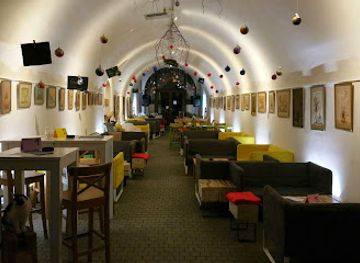
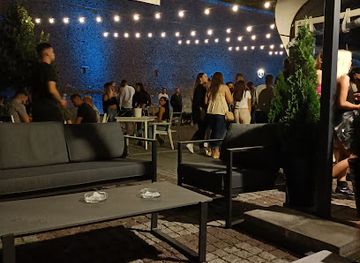
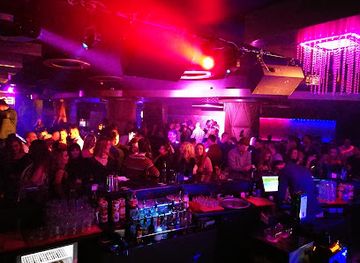
Alba’s evening life is concentrated in Alba Iulia and the larger towns rather than spread across the mountain districts. In Alba Iulia, cafés, wine bars, pubs and restaurants around the historic centre provide the main choice for an evening out, with occasional live music and cultural programming complementing the regular hospitality scene. Sebeș, Aiud and Blaj have smaller local scenes centred on cafés, bars and restaurants, while rural areas generally become quiet after dinner. Traditional pubs and guesthouse dining are more representative of the Apuseni than a large nightclub culture, although seasonal visitors may find livelier evenings in resort settlements. Local wines from the Târnave area, Romanian beers and fruit-based spirits appear in regional hospitality, but drinking is not necessary to engage with the county’s evening culture. Check current arrangements locally, since venues and seasonal programmes can change more quickly than the region’s heritage attractions.
-
Bar
Framm's
Discover Framm's in Alba Iulia, where cozy ambiance meets an impressive drink selection, perfect for unwinding after a day of exploration.
-
Bar
Mira Summer
Discover the best of Alba Iulia’s nightlife at Mira Summer, where vibrant atmosphere meets local flavor and exceptional drinks.
-
Night club
Revolution Club Alba
Experience the vibrant nightlife at Revolution Club Alba, where music, dancing, and unforgettable moments await in the heart of Alba Iulia.
-
Night club
Stage Club
Experience the vibrant nightlife of Alba Iulia at Stage Club, where great music and fresh drinks create unforgettable nights.
Best shops in Alba
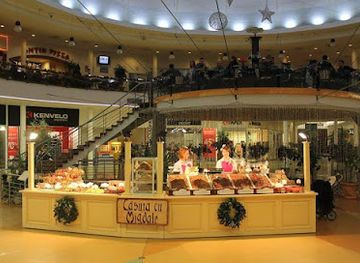
Shopping in Alba is strongest in the historic and market towns, with Alba Iulia offering the broadest choice of everyday retail, souvenirs, books, local foods and craft products. The fortress area is suited to heritage-themed gifts and small independent outlets, while ordinary high streets and shopping centres provide practical purchases rather than a particularly distinctive regional scene. In Aiud, Blaj and Sebeș, local shops and periodic markets are useful for fruit, preserves, honey, cheese and other Romanian food products. Mountain villages and guesthouses may sell or point visitors towards woollen goods, carved wooden objects, woven textiles and small quantities of homemade produce, though choice and availability vary by season. Wines from the Târnave area, regional spirits, mountain cheese and honey make more meaningful souvenirs than generic branded merchandise. Ask about packaging and transport requirements for food or liquids, and buy directly from established producers or markets where provenance is clear.
-
Shopping mall
Alba Mall
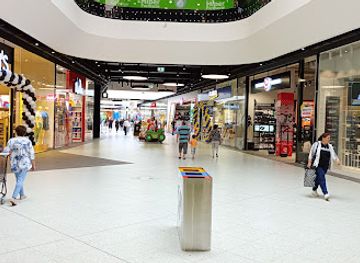
Explore Alba Mall in Alba Iulia for a diverse shopping experience, delicious dining options, and family-friendly entertainment in a vibrant setting.
-
Warehouse club
Selgros Alba Iulia
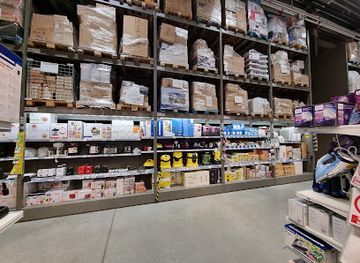
Discover the vibrant shopping experience at Selgros Alba Iulia, where local flavors and bulk shopping meet for an exceptional retail journey.
-
Shopping mall
Carolina Mall
Experience shopping and entertainment at Carolina Mall, a premier shopping destination in Alba Iulia, Romania, ideal for all ages.
-
Shopping mall
Mercur City Center
Discover Mercur City Center in Alba Iulia: A vibrant shopping destination filled with diverse stores, delightful eateries, and local culture.
Get your free copy of our complete guide to Alba, delivered straight to you.
Everything on this page, from attractions and restaurants to essentials and local phrases, in one PDF you can read offline, print or share.
Already have an account? Sign in
Your Alba guide is ready.
We'll send it to · Not you? Sign out

Getting your guide ready…
We are putting together a fresh copy of the Alba guide. This can take up to a minute.
This can take a few moments. If your browser asks, choose Allow so the download can start. You'll find the guide in your Downloads folder.
Nothing happened? Download it again
Sorry, the guide is taking longer than usual. Please try again in a minute, or get it by email instead.
Alba essentials
Currency and Payment
Safety
Emergency Situations
Do's and Don'ts
Local Tips
From Eve
Local phrases worth knowing
You don't need to get them perfect. A few words go a long way, and locals appreciate the effort.
Basics
| English | Local | Say it |
|---|---|---|
| Hello | Bună | [Boo-nuh] |
| Goodbye | La revedere | [Lah reh-veh-deh-reh] |
| Yes | Da | [Dah] |
| No | Nu | [Noo] |
| Please/You're welcome | Te rog/ Cu plăcere | [Teh rog/ Koo pluh-cheh-reh] |
| Thank you | Mulțumesc | [Mool-tsoo-mesk] |
| Excuse me/Sorry | Scuză-mă/Îmi pare rău | [Skoo-zuh-muh/Im pah-reh rah-oo] |
| How are you? | Ce mai faci? | [Cheh my fahch?] |
| Fine. And you? | Bine. Și tu? | [Bee-neh. Shee too?] |
| Do you speak English? | Vorbești engleză? | [Vor-besht eng-leh-zuh?] |
| I don't understand | Nu înțeleg | [Noo un-tseh-leg] |
Eating & Drinking
| English | Local | Say it |
|---|---|---|
| I'd like to see the menu, please | Aș dori să văd meniul, vă rog | [Ash doh-ree sah vehd men-yool, vah rog] |
| I don't eat meat | Nu mănânc carne | [Noo mah-nank kar-neh] |
| Cheers! | Noroc! | [No-rok!] |
| I would like to pay, please | Aș dori să plătesc, vă rog | [Ash doh-ree sah plah-tesk, vah rog] |
Emergencies
| English | Local | Say it |
|---|---|---|
| Help! | Ajutor! | [Ah-joo-tor!] |
| Go away! | Du-te! | [Doo-teh!] |
| Call the Police! | Cheamă poliția! | [Cheh-ah-muh poh-lee-tsi-ah!] |
| Call a doctor! | Cheamă un doctor! | [Cheh-ah-muh OON dok-tor!] |
| I'm lost | M-am pierdut | [M-ahm pyeh-rood] |
| I'm ill | Sunt bolnav | [Soont bol-nahv] |
Shopping
| English | Local | Say it |
|---|---|---|
| I'd like to buy... | Aș dori să cumpăr... | [Ash doh-ree sah koom-pair...] |
| I'm just looking | Mă uit doar | [Muh ooit doar] |
| How much is it? | Cât costă? | [Koot koh-stah?] |
| That's too expensive | E prea scump | [Eh preh skoomp] |
| Can you lower the price? | Poți să reduci prețul? | [Pots sah reh-dooch preh-tsul?] |
Time & Numbers
| English | Local | Say it |
|---|---|---|
| What time is it? | Ce oră este? | [Cheh oh-ruh yeh-steh?] |
| It's one o'clock | Este o oră | [Yeh-steh oh oh-ruh] |
| Half past (10) | Jumătate peste (10) | [Joo-mah-tah-teh pes-teh (10)] |
| Morning | Dimineața | [Dee-mee-neh-ah-tsah] |
| Afternoon | După-amiază | [Doo-pah ah-mee-ah-zah] |
| Evening | Seara | [Sah-rah] |
| Yesterday | Ieri | [Yeh-ree] |
| Today | Astăzi | [Ahs-tuhz] |
| Tomorrow | Mâine | [Mih-neh] |
| 1 | 1 | [1] |
| 2 | 2 | [2] |
| 3 | 3 | [3] |
| 4 | 4 | [4] |
| 5 | 5 | [5] |
| 6 | 6 | [6] |
| 7 | 7 | [7] |
| 8 | 8 | [8] |
| 9 | 9 | [9] |
| 10 | 10 | [10] |
Transport & Directions
| English | Local | Say it |
|---|---|---|
| Where's a/the...? | Unde este un/ o...? | [Oon-deh yeh-steh OON/ OH...?] |
| What's the address? | Care este adresa? | [Kah-reh yeh-steh ah-dreh-sah?] |
| Can you show me (on the map)? | Poți să-mi arăți (pe hartă)? | [Pots sahm ah-rah-ts (peh har-tah)?] |
| When's the next (bus)? | Când vine următorul (autobuz)? | [Kund vee-neh oor-mah-toh-rool (ow-toh-booz)?] |
| A ticket (to ....) | Un bilet (către ....) | [Oon bee-let (kuh-treh ....)] |
History of Alba
Apulum and Roman Dacia
The Roman settlement of Apulum developed near present-day Alba Iulia after the conquest of Dacia in the early second century. It became an important military and administrative centre, with a legionary fortress and a civilian settlement connected to the Mureș corridor. Roman roads, trade and military organisation reshaped the region, while archaeological remains continue to inform understanding of Dacia within the Roman Empire. Alba Iulia’s later importance was not accidental: its position in the central Transylvanian basin and near established routes helped successive powers use the same area as a political and strategic centre.
Medieval Transylvania and Alba Iulia
During the medieval period, the settlement that became Alba Iulia grew as an ecclesiastical and political centre within the Kingdom of Hungary and later the principality of Transylvania. The Roman Catholic cathedral and the surrounding historic core reflect this long development. Transylvanian Saxon, Hungarian and Romanian communities shaped the county’s towns, religious institutions and agricultural economy in different ways. Fortifications, churches and market settlements that survive across Alba preserve evidence of a region where political authority, confessional life and trade were closely connected.
Michael the Brave and the Union of 1600
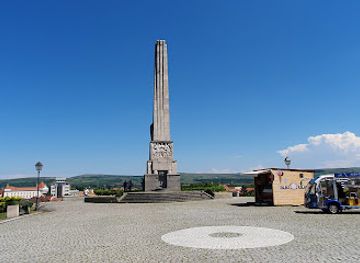
In 1599–1600, Michael the Brave entered Transylvania and established his authority in Alba Iulia, an event later remembered as the first political union of Wallachia, Transylvania and Moldavia under one ruler. The union was short-lived and did not create a modern Romanian state, but it acquired powerful symbolic importance in Romanian historical memory. Alba Iulia’s association with Michael remains prominent in monuments and public interpretation, illustrating how the city’s medieval and early modern past was re-read during the development of modern Romanian national identity.
The Horea, Cloșca and Crișan Rising, 1784
The peasant rising led by Horea, Cloșca and Crișan began in the Apuseni Mountains in 1784 and spread through parts of Transylvania. Its causes included social inequality, obligations imposed on dependent peasants and disputes over military service and local administration. The revolt was suppressed, and its leaders were executed, but it exposed tensions within Habsburg Transylvania and became an important reference point in later Romanian historical culture. The mountain communities of Alba remain central to the story, particularly around the historic mining and village landscapes of the Apuseni.
Blaj and the Romanian Cultural Movement
Blaj became a major centre of Romanian religious education and intellectual life in Transylvania, particularly through its Greek-Catholic institutions and schools. In 1848, large gatherings on the nearby Câmpia Libertății expressed demands for political recognition, social reform and the rights of Romanians within the Habsburg lands. Clergy, teachers and scholars associated with Blaj helped develop modern Romanian literary and historical consciousness. The city’s seminaries, churches and museums preserve the memory of this formative period, when education and religious institutions played a decisive public role.
The Great Union at Alba Iulia, 1918
On 1 December 1918, representatives gathered at Alba Iulia and adopted a resolution supporting the union of Transylvania with the Kingdom of Romania. The assembly followed the collapse of Austria-Hungary at the end of the First World War and became a foundational event in the history of modern Romania. The political process was complex and its consequences affected the region’s different communities in different ways, but Alba Iulia’s role gave the city enduring national significance. The Union Hall area and the fortress remain key places for understanding this history.
Mining, Industry and Modern Transformation
Mining has shaped parts of Alba for centuries, most visibly in the Apuseni gold districts around Roșia Montană and in the broader network of metalworking and extraction communities. Industrialisation also strengthened towns such as Cugir and altered patterns of employment, settlement and transport during the twentieth century. Since the late communist period and the economic transition that followed 1989, many mining and manufacturing communities have faced restructuring, while heritage, rural tourism, agriculture and protected landscapes have gained importance. Contemporary Alba therefore carries both an industrial legacy and an evolving rural economy.
Alba in Photos
Browse through our photo collection highlighting the charm and character of the destination.
Neighbouring regions of Alba
The closest regions to Alba, if you have time for more than one.
-

-

-

-

-


Swipe for more regions
Explore more

Explore more of Romania
Discover Romania's blend of mystical castles, enchanting landscapes, and vibrant culture. Experience the rich history and natural beauty that make Romania a unique travel destination.
Explore Romania