

Free Ilfov Travel Guide & Mobile App
Explore Ilfov with free travel guides. Discover regional history, expert tips, proposed trips, and audio guides on web or mobile app.


Explore Ilfov near Bucharest for Mogoșoaia Palace, Snagov Lake, historic monasteries, forests, spa days and easy countryside escapes.
Read more about Ilfov
When is the best time to visit Ilfov?
Best: June, August–September · 23–28°C| Month | High (°C) | Rainfall (mm) |
|---|---|---|
| January | 2 | 35 |
| February | 5 | 30 |
| March | 11 | 35 |
| April | 17 | 45 |
| May | 22 | 55 |
| June (best) | 26 | 65 |
| July | 29 | 55 |
| August (best) | 28 | 45 |
| September (best) | 23 | 40 |
| October | 17 | 35 |
| November | 10 | 40 |
| December | 4 | 40 |
Getting to and around Ilfov
How to get there
Transportation
Top city travel guides in Ilfov
The cities of Ilfov, and the easiest places to base yourself.

Swipe for more cities
Best attractions in Ilfov
Ilfov's attractions are best understood as day-trip landscapes around Bucharest rather than as a single concentrated resort. Mogoșoaia Palace provides the county's strongest architectural and cultural focus, with its Brâncovenesc buildings, church, park and lakeside setting. Religious heritage is represented by Snagov Monastery on its wooded island, Cernica Monastery beside its lake and Căldărușani Monastery in the county's northern countryside. Snagov Forest and the surrounding lake offer opportunities for walks, nature observation and seasonal boating, although access and on-water activities should be checked locally. Around Balotești, modern leisure developments include Therme Bucharest and outdoor recreation parks, attracting visitors seeking spa facilities or active family breaks. Buftea contributes a different theme through its connection with Romanian film production, while the county's villages and suburban districts reveal the changing edge of the capital. These attractions vary considerably in character, so a successful itinerary should combine one principal heritage site with a planned outdoor or leisure activity rather than attempting to cover the county in a single circuit.
-
Park
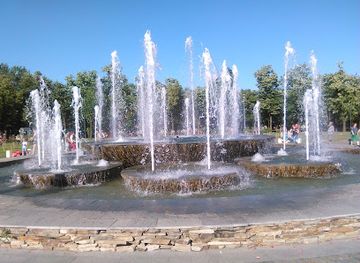
King Mihai I Park
Explore the lush beauty and cultural richness of King Mihai I Park, a serene oasis in Bucharest perfect for relaxation and recreation.
-
Park
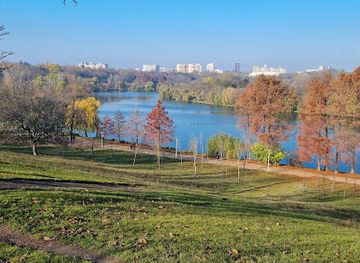
"Alexandru Ioan Cuza" Park
Explore the tranquil beauty of Alexandru Ioan Cuza Park, a serene oasis in Bucharest perfect for relaxation, recreation, and cultural exploration.
-
Wellness center
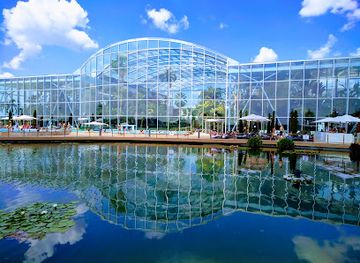
Therme Bucharest
Discover the ultimate wellness retreat at Therme Bucharest, featuring thermal pools, spa treatments, and a vibrant water park for an unforgettable experience.
-
Park
Youth Park
Explore the natural beauty and recreational charm of Youth Park in Bucharest, a top destination for relaxation and outdoor fun.

Best landmarks in Ilfov
Mogoșoaia Palace is Ilfov's defining architectural landmark, recognised for its red-brick façades, carved stone details and Brâncovenesc synthesis of Wallachian, Ottoman and European influences. Its church and landscaped estate reinforce the sense of a princely residence designed as a coherent cultural setting. Snagov Monastery is notable for its island position as much as for its medieval religious history; the church stands amid water and woodland, giving the site a distinctive visual identity. Cernica Monastery, east of Bucharest, forms another important lakeside ensemble, with religious buildings and a long monastic tradition set within a wooded environment. Căldărușani Monastery is a further historic marker of northern Ilfov, associated with the cultural life of Wallachian Orthodoxy and surrounded by the waters of the Căldărușani lake system. The broad landscape itself is also significant: Snagov's forest and lakes preserve traces of the woodland-and-water environment that once extended much more widely across the plain, while the airport and ring-road corridors represent the county's modern metropolitan transformation.
-
Castle
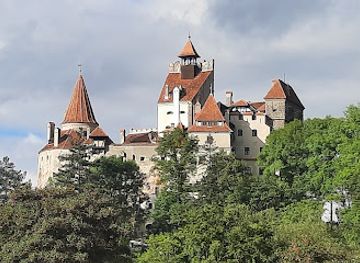
Bran Castle
Explore the legendary Bran Castle, a stunning medieval fortress in Romania, steeped in history and Dracula lore.
-
 Castle
Peleș Castle
Explore the enchanting Peleș Castle, a stunning blend of architectural beauty and rich Romanian history nestled in the Carpathian Mountains.
-
Park
King Mihai I Park
Unwind at King Mihai I Park, Bucharest's green gem filled with history, serene lakes, and picturesque pathways for all to enjoy.
-
Park
"Drumul Taberei" Park
Explore the lush landscapes and vibrant community events at Drumul Taberei Park, a serene escape in the heart of Bucharest, Romania.

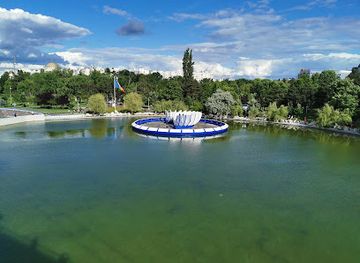
Explore Ilfov on the map
Plan your trip on one map. See where the top cities, national parks and sights are, and book hotels and experiences in a few clicks.
Best hotels in Ilfov
Best restaurants in Ilfov
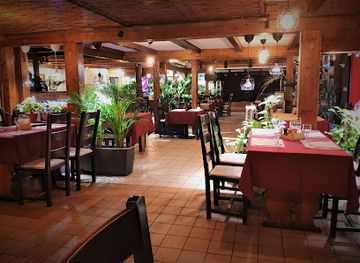
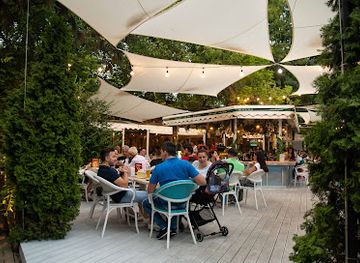
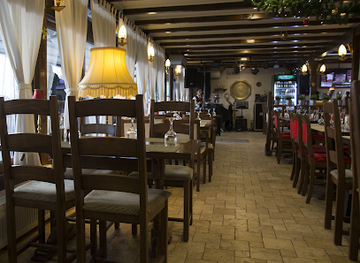
Dining in Ilfov reflects the food culture of southern Romania and the county's close relationship with Bucharest. Restaurants in Otopeni, Voluntari, Mogoșoaia, Buftea and the larger suburban settlements range from casual Romanian cooking to contemporary menus, while roadside establishments and rural inns commonly offer grilled meats, ciorbă soups, stews, salads, polenta and baked or fried pastries. Seasonal vegetables, orchard fruit, pickles and preserves are characteristic of the agricultural plain, and local markets or farm shops may provide more direct contact with regional produce than formal restaurants. Around Snagov and the lakes, menus may include freshwater fish, though quality and availability vary by establishment. Bucharest's sophisticated dining scene is close at hand but lies outside the county; Ilfov's own dining experience is generally more spacious, informal and dispersed. Visitors should plan meals around their route, particularly when visiting monasteries, forests and rural lake districts where evening choices can be limited.
-
Restaurant
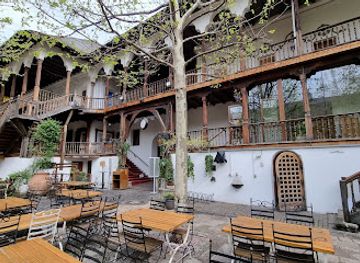
Manuc's Inn Restaurant
Discover the exquisite flavors at Manuc's Inn Restaurant in Bucharest, where history meets culinary delight with a blend of Eastern European and Middle Eastern cuisines.
-
Restaurant
La Nuci
Experience authentic Romanian flavors at La Nuci - where tradition meets taste in the heart of Bucharest.
-
Italian
Trattoria Monza
Experience authentic Italian cuisine at Trattoria Monza in Bucharest - where every dish tells a story.
-
Restaurant
La Iancu
Experience authentic Romanian cuisine at La Iancu in Otopeni, where delicious flavors meet lively ambiance and warm hospitality.
Best bars in Ilfov
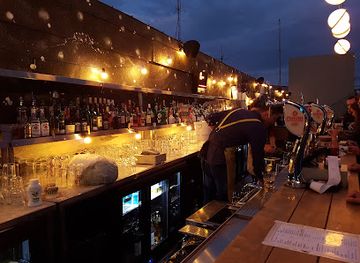
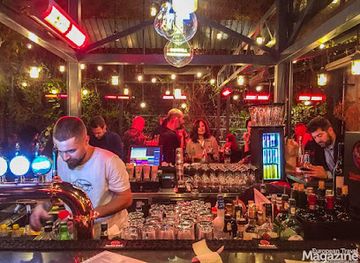
Ilfov does not have a single, clearly defined nightlife district, and evening life is closely connected to Bucharest. Otopeni and the larger commuter towns offer cafés, casual restaurants, hotel bars and pubs serving residents, airport travellers and business visitors. Buftea, Mogoșoaia and Snagov tend towards restaurants, terraces and informal evening venues rather than a concentrated club scene, with activity often increasing during warm weather. Some leisure and hospitality complexes near the northern suburbs provide later dining or drinks, but opening arrangements are changeable. Visitors seeking major concerts, theatres, cocktail bars or nightclubs will generally find a wider choice in Bucharest, outside Ilfov. In the county, the more characteristic evening experience is a relaxed meal, a drink at a local pub or time spent at a lakeside or suburban restaurant, rather than a late-night circuit between venues.
-
Bar
Linea | Closer To The Moon
Discover the vibrant nightlife of Bucharest at Linea | Closer To The Moon, where exquisite cocktails meet delicious cuisine in a stylish setting.
-
Restaurant
Ivan`s Bar & Grill
Experience a culinary journey at Ivan's Bar & Grill in Bucharest, where traditional Romanian flavors meet Mediterranean flair in a lively atmosphere.
-
Bar
Nomad Skybar
Discover the enchanting Nomad Skybar in Bucharest, where stunning views, delicious cocktails, and vibrant nightlife await.
-
Night club
Control Club
Experience the heartbeat of Bucharest's nightlife at Control Club, where live music and vibrant energy create unforgettable nights.
Best nightclubs in Ilfov
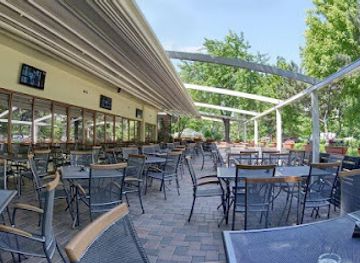
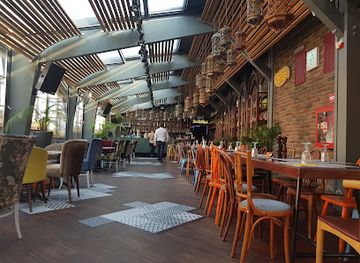
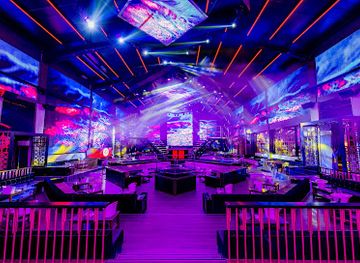
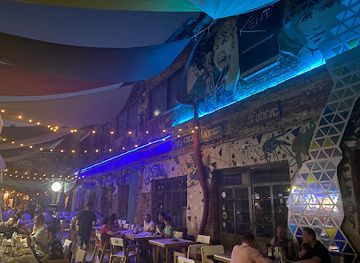
Ilfov does not have a single, clearly defined nightlife district, and evening life is closely connected to Bucharest. Otopeni and the larger commuter towns offer cafés, casual restaurants, hotel bars and pubs serving residents, airport travellers and business visitors. Buftea, Mogoșoaia and Snagov tend towards restaurants, terraces and informal evening venues rather than a concentrated club scene, with activity often increasing during warm weather. Some leisure and hospitality complexes near the northern suburbs provide later dining or drinks, but opening arrangements are changeable. Visitors seeking major concerts, theatres, cocktail bars or nightclubs will generally find a wider choice in Bucharest, outside Ilfov. In the county, the more characteristic evening experience is a relaxed meal, a drink at a local pub or time spent at a lakeside or suburban restaurant, rather than a late-night circuit between venues.
-
Night club
Control Club
Experience the pulsating nightlife of Bucharest at Control Club, where live music and vibrant parties create unforgettable memories.
-
Night club
Face Club Bucharest
Discover the electrifying nightlife of Bucharest at Face Club, a premier destination for music, dance, and unforgettable performances.
-
Disco club
OXYA Club
Dive into Bucharest's nightlife at OXYA Club, where music, dance, and fine dining create an unforgettable experience.
-
Night club
Fabrica Club
Experience Bucharest's nightlife at Fabrica Club, a unique industrial venue blending music, art, and gastronomy for an unforgettable evening.


Best shops in Ilfov
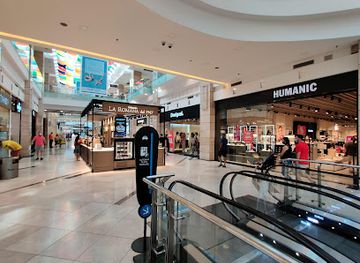
Shopping in Ilfov is shaped by suburban growth, transport corridors and the county's proximity to Bucharest rather than by one historic retail quarter. Otopeni, Voluntari, Popești-Leordeni and other large settlements have supermarkets, retail parks and everyday high-street services, while the roads around the capital contain extensive commercial development. Mogoșoaia, Snagov and the more rural districts are better suited to buying food products, seasonal fruit, preserves or small locally made items than to dedicated souvenir shopping. Farmers' markets and village stalls can be useful for produce, but availability and trading days vary, so they should not be treated as fixed tourist attractions. Palace or monastery visits may offer modest religious or cultural items, though selection is limited. For Romanian crafts, antiques, books, designer goods and a broader range of regional products, Bucharest's central shopping areas are nearby but outside Ilfov. The county's most representative purchases are practical local foods and small handicrafts rather than luxury retail.
-
Shopping mall
AFI Cotroceni
Explore AFI Cotroceni, Bucharest's leading shopping mall, offering a unique blend of shopping, dining, and entertainment experiences for every visitor.
-
Shopping mall
Băneasa Shopping City
Discover Băneasa Shopping City, Bucharest's vibrant shopping destination, featuring luxury brands, diverse dining, and family-friendly entertainment.
-
Store
Mega Mall
Explore Mega Mall, Bucharest's premier shopping and entertainment destination with diverse stores, delectable dining, and exciting attractions.
-
Shopping mall
Sun Plaza
Experience the vibrant shopping scene at Sun Plaza in Bucharest, where modern retail meets diverse dining options in a lively atmosphere.

Get your free copy of our complete guide to Ilfov, delivered straight to you.
Everything on this page, from attractions and restaurants to essentials and local phrases, in one PDF you can read offline, print or share.
Already have an account? Sign in
Your Ilfov guide is ready.
We'll send it to · Not you? Sign out

Getting your guide ready…
We are putting together a fresh copy of the Ilfov guide. This can take up to a minute.
This can take a few moments. If your browser asks, choose Allow so the download can start. You'll find the guide in your Downloads folder.
Nothing happened? Download it again
Sorry, the guide is taking longer than usual. Please try again in a minute, or get it by email instead.
Ilfov essentials
Currency and Payment
Safety
Emergency Situations
Do's and Don'ts
Local Tips
From Eve
Local phrases worth knowing
You don't need to get them perfect. A few words go a long way, and locals appreciate the effort.
Basics
| English | Local | Say it |
|---|---|---|
| Hello | Salut | [sah-loot] |
| Goodbye | La revedere | [lah reh-veh-deh-reh] |
| Yes | Da | [dah] |
| No | Nu | [noo] |
| Please/You're welcome | Te rog/ Cu plăcere | [teh rog/ koo plah-cheh-reh] |
| Thank you | Mulțumesc | [mul-tzu-mesk] |
| Excuse me/Sorry | Scuză-mă/Îmi pare rău | [skoo-zah-muh/ im pah-reh rah-oo] |
| How are you? | Ce mai faci? | [cheh my fah-ch?] |
| Fine. And you? | Bine. Și tu? | [bee-neh. shee too?] |
| Do you speak English? | Vorbești engleză? | [vor-besht eng-leh-zah?] |
| I don't understand | Nu înțeleg | [noo un-tze-leg] |
Eating & Drinking
| English | Local | Say it |
|---|---|---|
| I'd like to see the menu, please | Aș dori să văd meniul, vă rog | [ash doh-ree sah vehd meh-nee-ul, vah rog] |
| I don't eat meat | Nu mănânc carne | [noo muh-nuhnc kar-neh] |
| Cheers! | Noroc! | [noh-roc] |
| I would like to pay, please | Aș dori să plătesc, vă rog | [ash doh-ree sah plah-tesc, vah rog] |
Emergencies
| English | Local | Say it |
|---|---|---|
| Help! | Ajutor! | [ah-zhoo-tor] |
| Go away! | Du-te! | [doo-teh] |
| Call the Police! | Sună la Poliție! | [soo-nah lah poh-lee-tsee-eh] |
| Call a doctor! | Sună un doctor! | [soo-nah oon dok-tor] |
| I'm lost | M-am pierdut | [mahm pyehr-doot] |
| I'm ill | Sunt bolnav | [soont bol-nahv] |
Shopping
| English | Local | Say it |
|---|---|---|
| I'd like to buy... | Aș dori să cumpăr... | [ash doh-ree sah koom-pair...] |
| I'm just looking | Mă uit doar | [muh oo-eet doar] |
| How much is it? | Cât costă? | [kuht koh-stah?] |
| That's too expensive | Asta e prea scump | [ahs-tah eh preh-ah skoomp] |
| Can you lower the price? | Poți să scazi prețul? | [pots sah skahz preh-tzul?] |
Time & Numbers
| English | Local | Say it |
|---|---|---|
| What time is it? | Ce oră este? | [cheh or-uh yeh-steh?] |
| It's one o'clock | Este o oră | [yeh-steh oh or-uh] |
| Half past (10) | Jumătate după (10) | [joo-muh-tah-teh doo-pah (10)] |
| Morning | Dimineața | [dee-mee-neh-ah-tsah] |
| Afternoon | După-amiaza | [doo-pah ah-mee-ah-zah] |
| Evening | Seara | [seh-ah-rah] |
| Yesterday | Ieri | [yehr] |
| Today | Astăzi | [ahs-tuhz] |
| Tomorrow | Mâine | [mee-neh] |
| 1 | 1 | [unu] |
| 2 | 2 | [doi] |
| 3 | 3 | [trei] |
| 4 | 4 | [patru] |
| 5 | 5 | [cinci] |
| 6 | 6 | [șase] |
| 7 | 7 | [șapte] |
| 8 | 8 | [opt] |
| 9 | 9 | [nouă] |
| 10 | 10 | [zece] |
Transport & Directions
| English | Local | Say it |
|---|---|---|
| Where's a/the...? | Unde este un/... | [oon-deh yeh-steh oon/...] |
| What's the address? | Care este adresa? | [kah-reh yeh-steh ah-dreh-sah?] |
| Can you show me (on the map)? | Poți să-mi arăți (pe hartă)? | [pots sahm ah-rah-tz (peh har-tah)?] |
| When's the next (bus)? | Când vine următorul (autobuz)? | [kand vee-neh oor-mah-toh-rool (ow-toh-booz)?] |
| A ticket (to ....) | Un bilet (la ....) | [oon bee-let (lah ....)] |
History of Ilfov
Early settlements on the Wallachian plain
The territory of present-day Ilfov formed part of the broad Wallachian plain, where fertile soils, waterways and woodland supported settlement long before the modern county existed. Archaeological evidence from the wider Bucharest plain records prehistoric communities, farming and later Iron Age occupation. Lakes and river corridors influenced movement and cultivation, while the dense forests historically associated with the region provided timber, game and protection. Much of this early landscape has been transformed by agriculture and suburban growth, but the relationship between settlement, water and woodland remains central to Ilfov's geography.
Medieval Wallachia and the Snagov tradition
During the medieval period, the area around present-day Snagov became associated with monasteries, princely patronage and routes across northern Wallachia. Snagov Monastery developed on an island in the lake and became an important religious and cultural foundation. The site is popularly linked with Vlad Țepeș, the fifteenth-century Wallachian ruler, although claims about his burial and the precise extent of his connection remain debated. The surviving church and island setting reflect the defensive and spiritual importance of water-bound monastic sites in medieval Wallachia.
The Brâncovenesc age and Mogoșoaia
The late seventeenth and early eighteenth centuries brought the cultural influence of Constantin Brâncoveanu, prince of Wallachia from 1688 to 1714. Mogoșoaia Palace, built for his family outside Bucharest, is the county's clearest expression of the Brâncovenesc style, which combined local building traditions with Ottoman, Byzantine and Western decorative influences. The estate was both a residence and a statement of princely status. Its palace, church, gardens and lake continue to show how aristocratic estates shaped the cultural landscape north of the capital.
Monastic estates and nineteenth-century modernisation
Monasteries including Cernica and Căldărușani remained important landowners, religious centres and cultural institutions as Wallachia moved towards the modern Romanian state in the nineteenth century. At the same time, roads, administrative reforms and the growing importance of Bucharest altered the area's economic connections. Villages supplied agricultural produce to the capital, while market gardening, orchards and livestock remained significant on the surrounding plain. The county's present mixture of religious estates, village settlements and metropolitan suburbs has roots in this gradual nineteenth-century reorganisation.
The county and the expansion of Bucharest
Ilfov County was formalised within Romania's modern administrative development and became increasingly shaped by its proximity to Bucharest. Railways, roads and later motor traffic connected villages and market settlements more closely to the capital. Parts of the historic county were subsequently absorbed into or reorganised around Bucharest, while the remaining county continued to encircle the city. This changing boundary and metropolitan relationship explain why Ilfov today contains both rural districts and densely built commuter towns, rather than functioning as a single traditional urban centre.
Film, industry and the contemporary metropolitan belt
The twentieth century brought industrialisation, planned development and new cultural institutions to the settlements around Bucharest. Buftea became associated with Romania's film production through the large studio complex established there, giving the town a role in the country's cinematic history. After 1990, private investment, logistics, retail, housing and airport-related development accelerated, particularly along the northern and western roads. Contemporary Ilfov is therefore a landscape of rapid metropolitan change, where monasteries, forests and historic estates coexist with business parks, transport infrastructure and suburban expansion.
Ilfov in Photos
Browse through our photo collection highlighting the charm and character of the destination.
Neighbouring regions of Ilfov
The closest regions to Ilfov, if you have time for more than one.
-

-

-

-

-


Swipe for more regions
Explore more

Explore more of Romania
Discover Romania's blend of mystical castles, enchanting landscapes, and vibrant culture. Experience the rich history and natural beauty that make Romania a unique travel destination.
Explore Romania