

Free Giurgiu Travel Guide & Mobile App
Explore Giurgiu with free travel guides. Discover regional history, expert tips, proposed trips, and audio guides on web or mobile app.


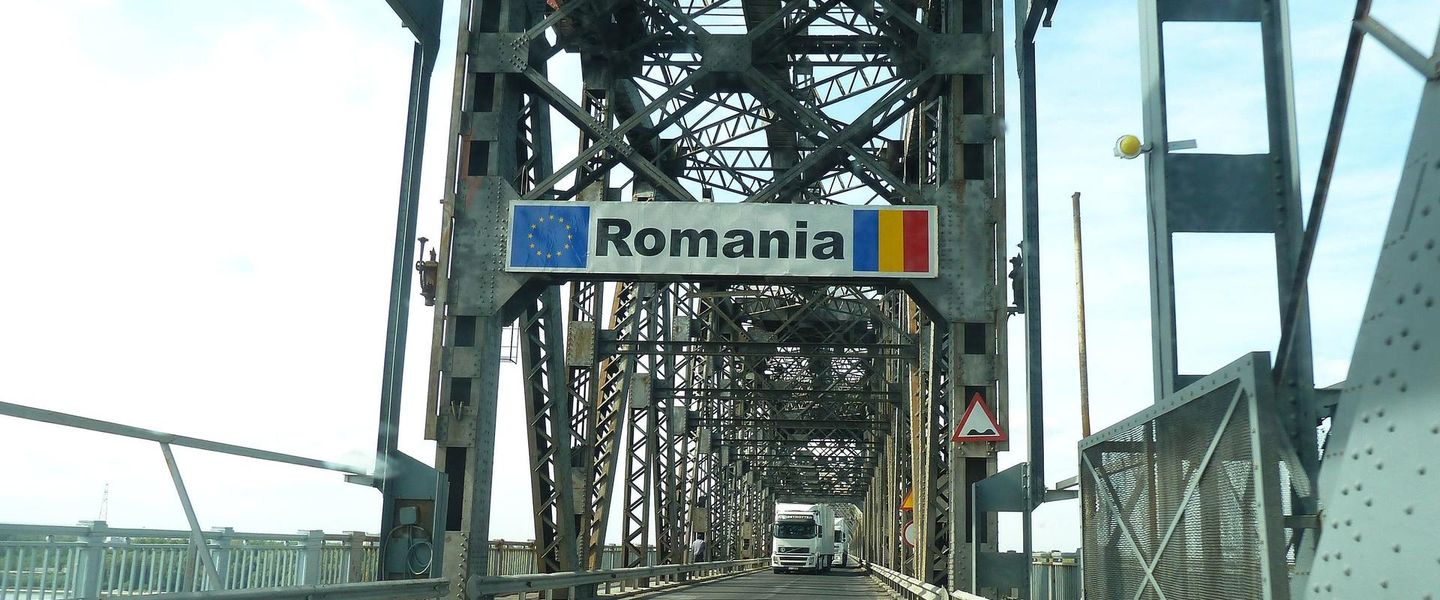


Explore Giurgiu County for Danube riverfronts, Comana wetlands, Wallachian heritage, rural landscapes and a gateway between Romania and Bulgaria.
Read more about Giurgiu
When is the best time to visit Giurgiu?
Best: June, August–September · 22–27°C| Month | High (°C) | Rainfall (mm) |
|---|---|---|
| January | 4 | 30 |
| February | 6 | 25 |
| March | 12 | 35 |
| April | 17 | 45 |
| May | 23 | 55 |
| June (best) | 26 | 60 |
| July | 28 | 55 |
| August (best) | 27 | 45 |
| September (best) | 22 | 40 |
| October | 16 | 35 |
| November | 9 | 40 |
| December | 6 | 35 |
Getting to and around Giurgiu
How to get there
Transportation
Top city travel guides in Giurgiu
The cities of Giurgiu, and the easiest places to base yourself.

Swipe for more cities
Best attractions in Giurgiu
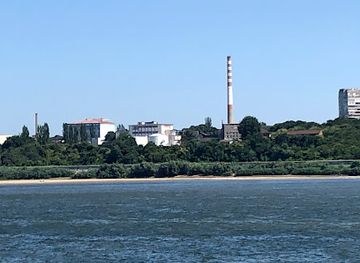
Giurgiu County's attractions are spread across a broad plain rather than concentrated in a single historic centre. In Giurgiu, the Danube embankment, port surroundings and modest civic heritage provide an introduction to a working river town whose modern identity is tied to the crossing towards Ruse. The principal excursion is Comana Nature Park, where lakes, reed beds, woodland and floodplain habitats support boating, walking, cycling and birdwatching. The park's natural scenery changes with water levels and season, making it particularly appealing to visitors who prefer outdoor observation to formal sightseeing. Comana Monastery adds a religious and historical dimension, while nearby rural roads reveal the agricultural character of southern Wallachia. Smaller churches, village landscapes and riverine viewpoints are best approached as part of a slow countryside itinerary rather than isolated headline attractions. Fishing and nature photography may be possible in designated areas, but local rules and access conditions should be checked. Giurgiu is therefore most rewarding for travellers combining heritage, wetlands and the everyday landscapes of the lower Danube.
-
Nature preserve
"Comana" Natural Park
Explore the breathtaking beauty of Comana Natural Park, a serene escape near Bucharest filled with lush landscapes, diverse wildlife, and outdoor adventures.
-
Amusement park ride
Parcul de Aventură Comana
Discover the thrill of adventure and nature at Parcul de Aventură Comana, the ultimate amusement park experience for the whole family.
-
Monastery
Comana Monastery
Explore the serene beauty and rich history of Comana Monastery, a spiritual gem nestled in the picturesque Comana countryside of Romania.
-
Park
"Alei" Park
Discover the tranquil beauty of Alei Park in Giurgiu, a perfect blend of nature, recreation, and community events for all visitors.
Best landmarks in Giurgiu
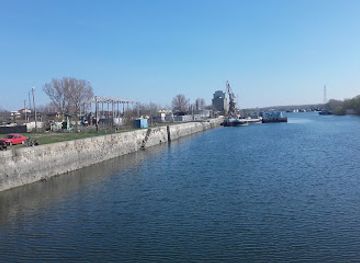
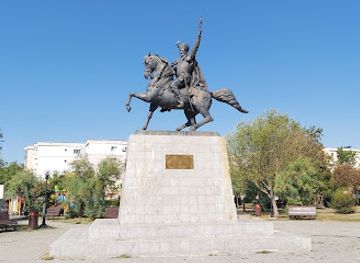
The Danube itself is Giurgiu County's most important geographical landmark, forming a wide southern horizon and explaining the county's historic role as a port and frontier. In Giurgiu city, the riverfront and port landscape are more significant than any single monumental building, while the Friendship Bridge is the clearest modern symbol of the connection between Romania and Bulgaria. Comana Monastery is the county's principal historic landmark: its fortified setting, ecclesiastical buildings and association with Vlad Țepeș link the Neajlov wetlands to medieval Wallachian history. The lakes, reed beds and wooded margins of Comana Nature Park form a landmark landscape in their own right, distinguished by the contrast between open water and agricultural plain. Across the county, Orthodox village churches and scattered historic structures are generally intimate rather than grand, but they help explain the settlement pattern of southern Wallachia. The most memorable views often come from the meeting of water, flat fields and distant river banks rather than from a dense urban skyline.
-
Restaurant
Restaurant La Ponton
Discover the authentic flavors of Romania at Restaurant La Ponton, where exquisite dining meets stunning views of the Danube River.
-
Park
Mihai Viteazu Park
Experience the beauty and tranquility of Mihai Viteazu Park in Giurgiu, a perfect escape for nature lovers and cultural enthusiasts alike.
-
Travel agency
Giurgiu Port
Experience the beauty and cultural richness of Giurgiu Port, the perfect starting point for your Danube adventure in Romania.
-
Greek
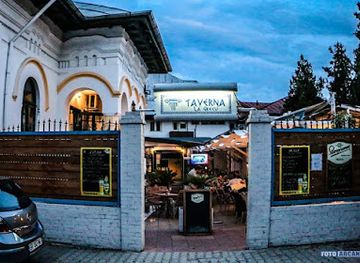
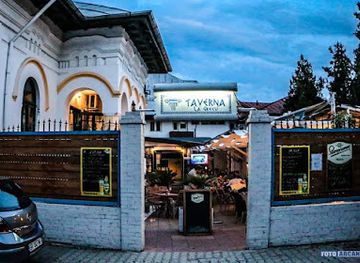
La Grecu Tavern
Experience authentic Greek and Mediterranean cuisine at La Grecu Tavern in Giurgiu, where every meal is a celebration of flavors and hospitality.
Explore Giurgiu on the map
Plan your trip on one map. See where the top cities, national parks and sights are, and book hotels and experiences in a few clicks.
Best hotels in Giurgiu
Best restaurants in Giurgiu
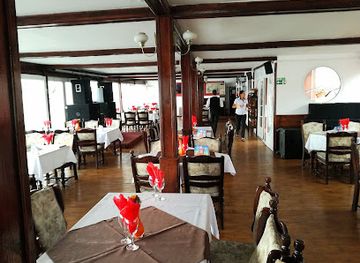
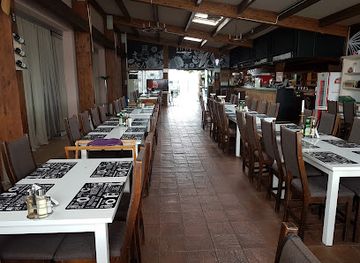
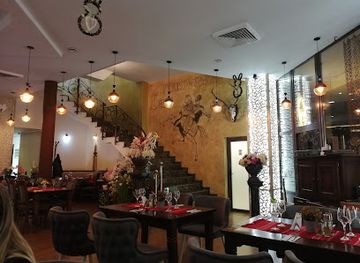
Dining in Giurgiu County reflects the food culture of southern Romania and the practical ingredients of a fertile agricultural plain. In Giurgiu city, restaurants and cafés commonly serve Romanian staples such as ciorbă, grilled meats, schnitzel, stuffed cabbage, polenta, seasonal salads and baked or preserved vegetables. Freshwater fish is a natural feature of the Danube setting, although availability and preparation vary between establishments. Around Comana and in the villages, guesthouses and country restaurants may offer home-style dishes based on local produce, including cheeses, eggs, poultry, garden vegetables, fruit preserves and regional pastries. Markets and small food shops are useful for bread, dairy products, fruit and picnic supplies, while larger urban supermarkets provide the broadest choice. The region does not have a single dish that defines it alone; its culinary character lies in the meeting of Wallachian cooking, river ingredients and seasonal farm produce. Romanian wine, beer and fruit-based spirits are commonly available, with responsible moderation especially important when travelling by car.
-
Restaurant
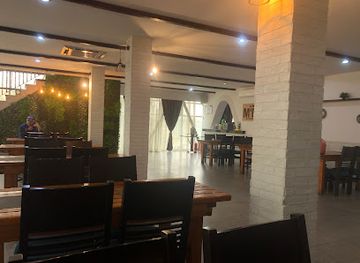
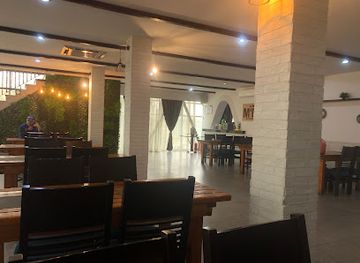
Restaurant La Ponton
Experience exquisite Romanian cuisine at Restaurant La Ponton by the serene Danube River in Giurgiu.
-
Restaurant
Perla Dunării
Discover authentic Romanian cuisine at Perla Dunării by the scenic Danube River in Giurgiu – where flavors meet stunning views.
-
Restaurant
Casa Românească
Discover the heart of Romanian cuisine at Casa Românească in Giurgiu - where tradition meets flavor in every dish.
-
Restaurant
La Tofan
Experience authentic Romanian cuisine at La Tofan in Giurgiu - where local flavors meet warm hospitality.
Best bars in Giurgiu
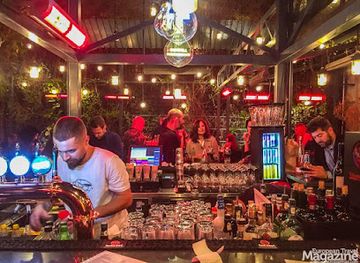
Giurgiu's evening scene is modest and concentrated in the county capital rather than spread throughout the countryside. Central cafés, bars, restaurants and terraces provide places for conversation, coffee, beer and late meals, while the riverfront offers a more open setting when weather permits. Nightlife is generally oriented towards local socialising rather than a large club circuit, and options in smaller towns and villages may be limited to traditional bars or restaurant dining. Comana's visitor areas can feel busier during warm weekends and holiday periods, but evenings are primarily quiet once day visitors leave. Live entertainment and seasonal events may occur, though arrangements change and should be checked locally. The most distinctive alternative to a late night out is an unhurried dinner or riverside walk, followed by an early start for the wetlands and rural sites.
-
Restaurant
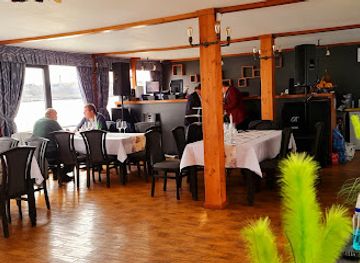
Restaurant La Ponton
Experience the flavors of Romania at Restaurant La Ponton, a scenic dining destination along the Danube River in Giurgiu.
-
Restaurant
Perla Dunării
Experience the authentic flavors of Romania at Perla Dunării, a riverside restaurant offering delightful dishes and stunning views of the Danube.
-
Restaurant
La Tofan
Discover the authentic taste of Romanian cuisine at La Tofan, a must-visit restaurant in Giurgiu for a delightful dining experience.
-
Greek
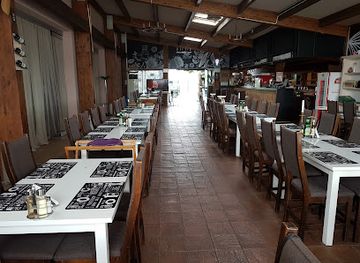
La Grecu Tavern
Experience the authentic taste of Greece at La Grecu Tavern, a delightful Mediterranean restaurant in Giurgiu offering fresh flavors and warm hospitality.
Best nightclubs in Giurgiu
Giurgiu's evening scene is modest and concentrated in the county capital rather than spread throughout the countryside. Central cafés, bars, restaurants and terraces provide places for conversation, coffee, beer and late meals, while the riverfront offers a more open setting when weather permits. Nightlife is generally oriented towards local socialising rather than a large club circuit, and options in smaller towns and villages may be limited to traditional bars or restaurant dining. Comana's visitor areas can feel busier during warm weekends and holiday periods, but evenings are primarily quiet once day visitors leave. Live entertainment and seasonal events may occur, though arrangements change and should be checked locally. The most distinctive alternative to a late night out is an unhurried dinner or riverside walk, followed by an early start for the wetlands and rural sites.
-
Night club
Control Club
Dive into Bucharest's nightlife at Control Club, where live music meets vibrant energy in a premier social hub.
-
Restaurant
Perla Dunării
Experience the best seafood dining along the Danube River at Perla Dunării, Giurgiu's top culinary gem.
-
Night club
Music Club
Discover Bucharest's electrifying nightlife at Music Club, where every night is a celebration of music, dance, and unforgettable memories.
-
Greek
La Grecu Tavern
Experience the authentic flavors of Greece at La Grecu Tavern, a Mediterranean dining haven in Giurgiu, offering delicious meals in a welcoming atmosphere.

Best shops in Giurgiu
Shopping in Giurgiu is practical and locally focused, with the greatest choice found in the county capital's central streets, supermarkets and everyday retail areas. Visitors can look for Romanian food products such as cheeses, preserves, honey, seasonal fruit, bread and packaged regional specialities, while markets provide a more direct connection with the agricultural character of the surrounding plain. Small shops and village stalls may offer produce when in season, though selection and card facilities vary. Comana is more suitable for buying simple picnic supplies or occasional locally made items than for extensive retail browsing. Independent shops, pharmacies, bakeries and cafés are generally more useful than specialist tourist stores. Traditional ceramics, woven goods and handmade objects may appear at local events or monastery-related stalls, but availability is not guaranteed. Giurgiu's strongest shopping appeal is the chance to assemble a picnic or take home durable Romanian food products rather than to find a large craft or luxury-shopping district.
-
Shopping mall
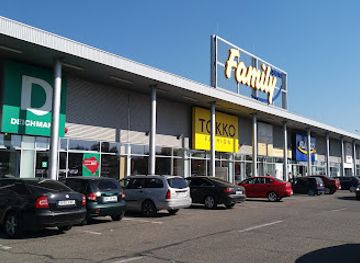
Family Center
Explore Giurgiu's Family Center: A vibrant shopping mall perfect for families, featuring diverse shops, dining, and entertainment options in one convenient location.
-
Appliance store
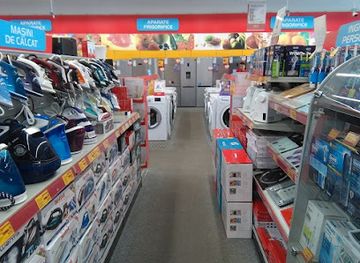
Altex Giurgiu Family Center
Discover the best in electronics and appliances at Altex Giurgiu Family Center, your go-to shopping destination in Romania.
-
Store
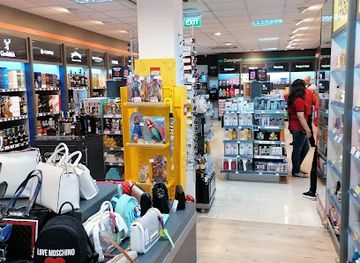
Travel FREE Shop Giurgiu Zona Liberă
Explore unbeatable deals at Travel FREE Shop Giurgiu, your go-to duty-free destination for unique products and local specialties.
-
Furniture store
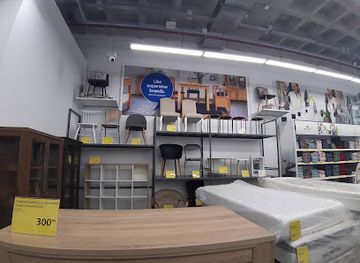
Jysk Giurgiu
Explore stylish and functional home furnishings at Jysk Giurgiu, where Scandinavian design meets affordability for every space.
Get your free copy of our complete guide to Giurgiu, delivered straight to you.
Everything on this page, from attractions and restaurants to essentials and local phrases, in one PDF you can read offline, print or share.
Already have an account? Sign in
Your Giurgiu guide is ready.
We'll send it to · Not you? Sign out

Getting your guide ready…
We are putting together a fresh copy of the Giurgiu guide. This can take up to a minute.
This can take a few moments. If your browser asks, choose Allow so the download can start. You'll find the guide in your Downloads folder.
Nothing happened? Download it again
Sorry, the guide is taking longer than usual. Please try again in a minute, or get it by email instead.
Giurgiu essentials
Currency and Payment
Safety
Emergency Situations
Do's and Don'ts
Local Tips
From Eve
Local phrases worth knowing
You don't need to get them perfect. A few words go a long way, and locals appreciate the effort.
Basics
| English | Local | Say it |
|---|---|---|
| Hello | Salut | [sah-loot] |
| Goodbye | La revedere | [lah reh-veh-deh-reh] |
| Yes | Da | [dah] |
| No | Nu | [noo] |
| Please/You're welcome | Te rog/ Cu plăcere | [teh rog/ koo plah-cheh-reh] |
| Thank you | Mulțumesc | [mool-tsoo-mesk] |
| Excuse me/Sorry | Scuză-mă/ Îmi pare rău | [skoo-zah-mah/ eem pah-reh rah-oo] |
| How are you? | Ce mai faci? | [cheh my fahch?] |
| Fine. And you? | Bine. Și tu? | [bee-neh. shee too?] |
| Do you speak English? | Vorbești engleză? | [vor-besht eng-leh-zah?] |
| I don't understand | Nu înțeleg | [noo in-tseh-leg] |
Eating & Drinking
| English | Local | Say it |
|---|---|---|
| I'd like to see the menu, please | Aș dori să văd meniul, vă rog | [ahsh doh-ree sah vehd meh-nee-ul, vah rog] |
| I don't eat meat | Nu mănânc carne | [noo muh-nuhnk kar-neh] |
| Cheers! | Noroc! | [noh-rok] |
| I would like to pay, please | Aș dori să plătesc, vă rog | [ahsh doh-ree sah plah-tesk, vah rog] |
Emergencies
| English | Local | Say it |
|---|---|---|
| Help! | Ajutor! | [ah-zhoo-tor] |
| Go away! | Du-te! | [doo-teh] |
| Call the Police! | Cheamă poliția! | [cheh-ah-muh poh-lee-tsee-ah] |
| Call a doctor! | Cheamă un doctor! | [cheh-ah-muh oon dok-tor] |
| I'm lost | M-am pierdut | [mahm pyehr-doot] |
| I'm ill | Sunt bolnav | [soont bol-nahv] |
Shopping
| English | Local | Say it |
|---|---|---|
| I'd like to buy... | Aș dori să cumpăr... | [ahsh doh-ree sah koom-pair...] |
| I'm just looking | Mă uit doar | [muh uit doar] |
| How much is it? | Cât costă? | [kuht koh-stah?] |
| That's too expensive | Asta e prea scump | [ahs-tah eh preh-ah skoomp] |
| Can you lower the price? | Poți să scazi prețul? | [pots sah skahz preh-tsool?] |
Time & Numbers
| English | Local | Say it |
|---|---|---|
| What time is it? | Ce oră este? | [cheh oh-rah yeh-steh?] |
| It's one o'clock | Este o oră | [yeh-steh oh oh-rah] |
| Half past (10) | Jumătate după (10) | [joo-mah-tah-teh doo-pah (10)] |
| Morning | Dimineața | [dee-mee-neh-ah-tsah] |
| Afternoon | După-amiază | [doo-pah ah-mee-ah-zah] |
| Evening | Seara | [seh-ah-rah] |
| Yesterday | Ieri | [yehr-ee] |
| Today | Astăzi | [ahs-tuhz] |
| Tomorrow | Mâine | [mee-neh] |
| 1 | 1 | [unu] |
| 2 | 2 | [doi] |
| 3 | 3 | [trei] |
| 4 | 4 | [patru] |
| 5 | 5 | [cinci] |
| 6 | 6 | [șase] |
| 7 | 7 | [șapte] |
| 8 | 8 | [opt] |
| 9 | 9 | [nouă] |
| 10 | 10 | [zece] |
Transport & Directions
| English | Local | Say it |
|---|---|---|
| Where's a/the...? | Unde e un/a...? | [oon-deh eh oon/ah...?] |
| What's the address? | Care e adresa? | [kah-reh eh ah-dreh-sah?] |
| Can you show me (on the map)? | Poți să-mi arăți (pe hartă)? | [pots sah-m yar-ets (peh har-tah)?] |
| When's the next (bus)? | Când vine următorul (autobuz)? | [kand vee-neh oor-mah-toh-rool (ow-toh-booz)?] |
| A ticket (to ....) | Un bilet (la....) | [oon bee-let (lah....)] |
History of Giurgiu
Neolithic and Ancient Settlements
The lower Danube plain around Giurgiu has been inhabited since prehistoric times, with archaeological evidence of farming communities associated with the wider cultures of south-eastern Europe. The rivers and lakes provided water, fish, transport routes and fertile ground, while the open plain also connected communities travelling along the Danube corridor. Later Thracian and Roman-period populations left traces across the region, although many remains are archaeological rather than monumental. The area's importance has always depended less on a single ancient city than on its position between the Danube, the Balkan world and the interior of Wallachia.
The Roman Danube Frontier
During the Roman era, the Danube became a major imperial frontier, and the river opposite present-day Giurgiu formed part of the strategic zone separating Roman-controlled territories from lands north and east of the river. Fortifications, roads, river traffic and military settlements developed at various points along the frontier. Roman influence was particularly significant for trade and communications, even where later settlement obscured the original structures. The lower Danube continued to function as a political and commercial boundary long after Roman administration withdrew from Dacia.
Giurgiu and the Medieval Danube Trade
Giurgiu emerged as a fortified trading settlement on an island and river crossing associated with the wider medieval network of Wallachia. Its position made it valuable to rulers seeking control of movement along the Danube, but it also exposed the town to military pressure from larger powers. The port connected inland Wallachian markets with Bulgarian, Ottoman and wider Balkan routes. Medieval references to the settlement reflect the importance of river commerce and frontier defence, foundations that continued to define Giurgiu's role in later centuries.
Comana Monastery and Wallachian Power
Comana Monastery was founded in the fifteenth century by Vlad Țepeș and occupies a strategic setting near the Neajlov wetlands. Its original defensive character reflects the unsettled politics of medieval Wallachia, when monasteries could serve religious, administrative and protective functions. The complex was later rebuilt and altered, particularly under other Wallachian patrons, but it remains associated with the period when local rulers balanced Ottoman pressure, internal rivalries and control of riverine routes. The surviving monastery gives Comana an enduring place in the historical landscape of southern Romania.
Ottoman Control and the Russo-Turkish Wars
For centuries, the Danube frontier around Giurgiu was affected by Ottoman power and by repeated conflicts between the Ottoman Empire, Russia and the principalities north of the river. Giurgiu's fortifications and port made it strategically important, and military campaigns repeatedly disrupted settlements and trade. The town changed hands or came under different forms of influence during successive wars, while the surrounding countryside bore the cost of troop movements, requisitions and insecurity. This frontier history helps explain why the region's built heritage is more fragmentary than that of some inland Romanian towns.
Modernisation and the Danube Railway
In the nineteenth century, the creation of modern Romania and the growth of steam navigation, railways and organised river commerce transformed Giurgiu's importance. A railway connection with Bucharest strengthened the port's role as the capital's Danube outlet, while new administrative and commercial buildings gave the town a more modern urban character. Grain, timber and other agricultural goods moved through the port, linking the Wallachian plain with Black Sea and Balkan markets. The period also brought new political borders and institutions, gradually replacing the older frontier economy with a national transport system.
The Giurgiu–Ruse Friendship Bridge
Opened in 1954, the Giurgiu–Ruse Friendship Bridge became the first fixed crossing of the Danube between Romania and Bulgaria and remains one of the region's defining pieces of infrastructure. It carries road and rail traffic across the river on a combined bridge structure, connecting the two cities and providing an important corridor between Central Europe and the Balkans. The crossing reflects the strategic and economic importance of the lower Danube in the twentieth century, while also giving modern Giurgiu a role that extends well beyond its county boundaries.
Comana Nature Park and Contemporary Conservation
The protection of Comana's wetlands and surrounding habitats reflects a modern recognition that the Neajlov floodplain is valuable not only for agriculture and water management but also for biodiversity and recreation. Comana Nature Park brings together lakes, marshes, woodland and traditional rural landscapes in a protected area within Giurgiu County. Conservation has encouraged birdwatching, low-impact outdoor activities and environmental education, while the area remains a lived-in landscape rather than an untouched wilderness. Its present identity combines ecological protection with the long history of settlement around the wetlands.
Giurgiu in Photos
Browse through our photo collection highlighting the charm and character of the destination.
Neighbouring regions of Giurgiu
The closest regions to Giurgiu, if you have time for more than one.
-

-

-

-

-


Swipe for more regions
Explore more

Explore more of Romania
Discover Romania's blend of mystical castles, enchanting landscapes, and vibrant culture. Experience the rich history and natural beauty that make Romania a unique travel destination.
Explore Romania