

Muntenia, Romania Travel Guide
Explore Muntenia in Romania: A blend of vibrant cities, picturesque countryside, and rich cultural heritage, offering diverse experiences for every traveler.
Muntenia, located in the southern part of Romania, is a region rich in history, culture, and natural wonders. Known for its vibrant cities, charming villages, and stunning landscapes, Muntenia offers a diverse range of experiences for tourists. From the bustling streets of Bucharest, Romania’s capital, to the serene beauty of the Carpathian Mountains, there is something for everyone in Muntenia. Bucharest, often called the 'Little Paris', is a must-visit in Muntenia. The city boasts impressive architecture, lively nightlife, and numerous museums and galleries. Don’t miss the Palace of the Parliament, one of the largest administrative buildings in the world, and the charming old town area with its cobblestone streets and historic buildings. For nature lovers, Muntenia’s countryside provides a perfect escape. The Prahova Valley, nestled in the Carpathian Mountains, is renowned for its ski resorts, hiking trails, and picturesque scenery. Sinaia, home to the stunning Peleș Castle, is another highlight in this region. The castle’s fairy-tale architecture and lush gardens make it a favorite among visitors. Muntenia is also rich in cultural heritage. Traditional crafts, folklore, and festivals bring the region’s history to life. Visitors can explore medieval monasteries, such as the Curtea de Argeș Monastery, and immerse themselves in the local culture by attending events like the Junii Brașovului festival, which celebrates Romanian traditions and customs.

Know before you go
Hi, I'm Eve. Here are a few practical things to know before exploring Muntenia.
- Visit during spring or autumn for the best weather and fewer crowds.
- Carry cash, as some rural areas may not accept credit cards.
- Try local dishes like sarmale (cabbage rolls) and mici (grilled sausages).
- Use the local train network for scenic and affordable travel between cities.
- Learn a few basic Romanian phrases; locals appreciate the effort.
Top City Travel Guides in Muntenia
The cities of Muntenia, and the easiest places to base yourself.


Destinations in Muntenia
Resorts, valleys and scenic spots worth a trip of their own.


Explore Muntenia: Things to Do, Places to Eat, Hotels & More
Handpicked recommendations for top attractions, local dining, accommodations, and more

Top Attractions & Sightseeing in Muntenia
Top-rated picks
Best Attractions

Grădina Cișmigiu - Park Cismigiu
Discover the charm of Grădina Cișmigiu, Bucharest's historic park, where nature and culture come alive in a peaceful urban oasis.

"Grigore Antipa" National Museum of Natural History
Discover the incredible biodiversity and rich natural history at the Grigore Antipa National Museum in Bucharest, a must-visit for nature lovers.

The Triumphal Arch
Explore the stunning Triumphal Arch in Bucharest, a historic landmark celebrating Romania's heritage and a must-see for every traveler.

"Dimitrie Brândză" Botanical Garden
Explore the lush landscapes of Dimitrie Brânză Botanical Garden in Bucharest, a perfect blend of beauty, education, and tranquility.

Best landmarks in Muntenia
Top-rated picks
Best Landmarks

Bran Castle
Explore the legendary Bran Castle, a stunning architectural marvel in Romania surrounded by breathtaking landscapes and rich folklore.
Peleș Castle
Explore the majestic Peleș Castle, a masterpiece of Neo-Renaissance architecture surrounded by breathtaking mountain landscapes in Romania.
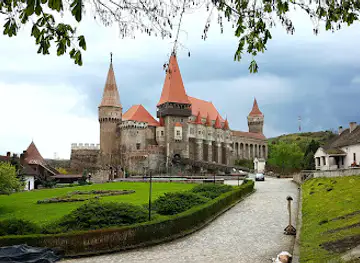
Castelul Corvinilor (Corvins' Castle)
Explore the breathtaking Castelul Corvinilor, a stunning Gothic castle in Hunedoara, Romania, rich in history and architectural beauty.

"Carol I" Park
Discover tranquility and history in Carol I Park, a beautiful urban oasis in Bucharest, perfect for relaxation and exploration.

Best restaurants in Muntenia
Top-rated picks
Best Restaurants

Caru' cu bere
Discover the rich flavors and vibrant atmosphere of Caru' cu Bere, Bucharest's historic restaurant offering traditional Romanian cuisine.

Manuc's Inn
Experience the best of Romanian and Middle Eastern cuisine at Manuc's Inn in Bucharest – where tradition meets taste!

La Ceaun - Michael Weiss
Experience authentic Romanian cuisine at La Ceaun - Michael Weiss in Brașov; where tradition meets flavor.

La Ceaun - Piata Sfatului
Experience authentic Romanian cuisine at La Ceaun in Brașov's historic Piața Sfatului, where local flavors meet warm hospitality.

Best bars in Muntenia
Top-rated picks
Best Bars
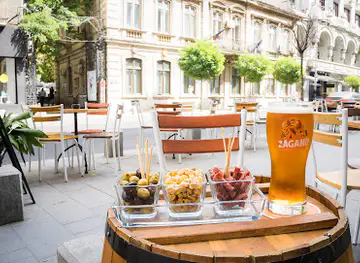
Zăganu
Discover the charm of Zăganu, a vibrant beer hall in Bucharest, offering an extensive selection of craft beers and delicious bistro fare.

Mojo Music Club
Discover the heart of Bucharest's nightlife at Mojo Music Club, where karaoke, live music, and laughter create unforgettable memories.

Boogie Bar
Discover the lively Boogie Bar in Bucharest, a blues club and café offering live music, great drinks, and a vibrant nightlife experience.

Scârț, a Chill Place
Discover Scârț, the eclectic pub in Timișoara that combines art, culture, and a chill atmosphere for an unforgettable experience.

Best nightclubs in Muntenia
Top-rated picks
Best Nightclubs

Club Mono
Discover the electrifying nightlife of Bucharest at Club Mono, a premier dance club renowned for its vibrant atmosphere and exceptional music.

Lucky Love
Dive into the electrifying atmosphere of Lucky Love, Bucharest's ultimate night club for an unforgettable nightlife experience.

Pussycat night club brasov
Discover the electrifying nightlife at Pussycat Night Club in Brașov - where music, dance, and unforgettable memories come alive!

Night Club Iceberg
Discover the electrifying nightlife at Night Club Iceberg in Brașov - a premier destination for unforgettable dance and entertainment experiences.

Best shops in Muntenia
Top-rated picks
Best Shops

Băneasa Shopping City
Discover Băneasa Shopping City, Bucharest's ultimate shopping destination with luxury brands, dining, and entertainment for a perfect day out.

Coresi Shopping Center
Explore the vibrant Coresi Shopping Center in Brașov – a blend of shopping, dining, and entertainment awaits you!

Shopping City Timișoara
Discover a world of shopping, dining, and entertainment at Shopping City Timișoara, where every visit is a new adventure.

Unirea Shopping Center
Explore Unirea Shopping Center, a vibrant hub of shopping, dining, and entertainment in the heart of Bucharest, perfect for every tourist's adventure.

Explore Muntenia on the Map
A handpicked selection of must-see spots in Muntenia, mapped for you.
Muntenia Essentials
-
Muntenia is well-connected and can be accessed via multiple modes of transportation. The nearest international airport is Henri Coandă International Airport in Bucharest, Romania's capital. From the airport, you can take a taxi, shuttle bus, or train to reach various destinations within Muntenia. Bucharest is also accessible by international trains and long-distance buses from other European cities. Domestic trains and buses service the region extensively, linking major cities such as Ploiești, Târgoviște, and Pitesti.
-
Public transportation in Muntenia includes buses, trams, and trains, with Bucharest having the most extensive network. Taxis and ride-sharing services like Uber and Bolt are readily available in urban areas. For more remote locations, renting a car may be the most convenient option. Ensure you have an international driving permit if you're planning to drive. The Romanian railway network is reliable, connecting most towns and cities within Muntenia, and is a scenic way to explore the region.
-
The official currency in Romania is the Romanian Leu (RON). Credit and debit cards are widely accepted in hotels, restaurants, and larger shops, but it's advisable to carry some cash, especially when traveling to rural areas or small towns. ATMs are widely available in cities and towns. Make sure to inform your bank about your travel plans to avoid any issues with card usage. Currency exchange services are available at airports, banks, and exchange offices.
-
Muntenia is generally safe for tourists, but it's always wise to take standard precautions. Be vigilant in crowded areas to prevent pickpocketing, especially in Bucharest. Avoid walking alone at night in poorly lit areas. Specific neighborhoods in Bucharest, such as Ferentari, have higher crime rates and are best avoided, particularly after dark. Always use registered taxis or reputable ride-sharing services to ensure your safety.
-
In case of an emergency, dial 112 for police, fire, or medical assistance. It's recommended to have travel insurance that covers medical emergencies. Most cities and towns have hospitals and clinics, while Bucharest has several major hospitals offering comprehensive care. Pharmacies are widely available for over-the-counter medications. Keep a list of emergency contacts, including your country's embassy or consulate in Romania.
-
Fashion: Do dress modestly, especially when visiting religious sites. Avoid overly casual attire in upscale restaurants. Religion: Do show respect when visiting churches and monasteries. Cover your head and shoulders if required. Public Transport: Do validate your ticket on public transport. Don't eat or drink on buses or trams. Greetings: Do greet people with a handshake, and use formal titles unless invited to use first names. Eating & Drinking: Do try local dishes and wines. Don't leave food on your plate, as it may be considered wasteful.
-
To experience Muntenia like a local, visit local markets and try traditional foods such as mici (grilled sausages) and sarmale (stuffed cabbage rolls). Take a stroll in the parks and enjoy outdoor events and concerts, especially during the summer. Engage with locals to learn about the region's rich history and culture. Don't miss visiting historical sites such as Peleș Castle, Curtea de Argeș Monastery, and the medieval town of Târgoviște. For a unique experience, explore the Carpathian Mountains and the natural beauty of Bucegi Natural Park.
When is the best time to visit Muntenia?
Useful Local Phrases for Muntenia
You don't need to speak the language perfectly. Even learning a few simple words can make conversations warmer—and locals usually appreciate the effort.
— Eve

Here are the phrases I use most often in Muntenia. Try a few—you'll be surprised how far they go! 😊
❤️
-
- HelloSalut
[sah-loot] - GoodbyeLa revedere
[lah reh-veh-deh-reh] - YesDa
[dah] - NoNu
[noo] - Please/You're welcomeTe rog/ Cu plăcere
[teh rog/ koo plah-cheh-reh] - Thank youMulțumesc
[mool-tsoo-mesk] - Excuse me/SorryScuză-mă/ Îmi pare rău
[skoo-zah-muh/ uhm pah-reh rah-oo] - How are you?Ce mai faci?
[cheh my fahch] - Fine. And you?Bine. Și tu?
[bee-neh. shee too] - Do you speak English?Vorbești engleză?
[vor-besht eng-leh-zuh] - I don't understandNu înțeleg
[noo uhn-tzeh-leg]
- HelloSalut
-
- I'd like to see the menu, pleaseAș dori să văd meniul, vă rog
[ahsh doh-ree suh vahd meh-nee-ul, vah rog] - I don't eat meatNu mănânc carne
[noo muh-nuh-nk kar-neh] - Cheers!Noroc!
[noh-rok] - I would like to pay, pleaseAș dori să plătesc, vă rog
[ahsh doh-ree suh plah-tesk, vah rog]
- I'd like to see the menu, pleaseAș dori să văd meniul, vă rog
-
- Help!Ajutor!
[ah-zhoo-tor] - Go away!Pleacă!
[pleh-kah] - Call the Police!Sunați Poliția!
[soo-natz poh-leet-see-ah] - Call a doctor!Chemati un doctor!
[keh-mahts oon dok-tor] - I'm lostM-am pierdut
[mahm pyair-doot] - I'm illSunt bolnav
[soont bol-nahv]
- Help!Ajutor!
-
- I'd like to buy...Aș dori să cumpăr...
[ahsh doh-ree suh koom-puhr] - I'm just lookingMă uit doar
[muh uy-t dor] - How much is it?Cât costă?
[kuht koh-stah] - That's too expensiveAsta e prea scump
[ahs-tah eh preh-ah skoomp] - Can you lower the price?Poți să scazi prețul?
[poh-tsee suh skahz preh-tul]
- I'd like to buy...Aș dori să cumpăr...
-
- What time is it?Ce oră este?
[cheh or-uh yeh-steh] - It's one o'clockEste o oră
[yeh-steh o or-uh] - Half past (10)Jumătate după (10)
[joo-muh-tah-teh doo-pah (10)] - MorningDimineața
[dee-mee-neh-ah-tsah] - AfternoonDupă-amiază
[doo-pah ah-mee-ah-zah] - EveningSeara
[seh-ah-rah] - YesterdayIeri
[yehr-ee] - TodayAstăzi
[ahs-tuhz] - TomorrowMâine
[mee-neh] - 11
[unu] - 22
[doi] - 33
[trei] - 44
[patru] - 55
[cinci] - 66
[șase] - 77
[șapte] - 88
[opt] - 99
[nouă] - 1010
[zece]
- What time is it?Ce oră este?
-
- Where's a/the...?Unde este un/ ...?
[oon-deh yeh-steh oon/ ...?] - What's the address?Care este adresa?
[kah-reh yeh-steh ah-dreh-sah] - Can you show me (on the map)?Îmi poți arăta (pe hartă)?
[uhem pohts ah-rah-tah (peh hahr-tah)] - When's the next (bus)?Când vine următorul (autobuz)?
[kand vee-neh oor-mah-toh-rool (ow-toh-booz)?] - A ticket (to ....)Un bilet (către ...)
[oon bee-let (kuh-treh ...)]
- Where's a/the...?Unde este un/ ...?
History of Muntenia
-
Muntenia, often referred to as Wallachia, was founded in the early 14th century by Basarab I. This historic event marked the establishment of one of the principalities that would later become modern Romania. Basarab I successfully united various local tribes and established a centralized rule, laying the foundation for future development and resistance against external threats.
-
In 1330, the Battle of Posada was a significant event in Muntenia's history. Basarab I led his forces against the Hungarian King Charles I. Despite being outnumbered, Basarab I's strategic prowess led to a decisive victory, securing Wallachia's independence and solidifying its territorial integrity.
-
Vlad III, commonly known as Vlad the Impaler, ruled Muntenia in the mid-15th century. His reign was marked by a fierce struggle against the Ottoman Empire and internal noble factions. Vlad is often remembered for his harsh but effective methods of maintaining order and defending his territory, which have made him a legendary figure in Romanian history and folklore.
-
The early 18th century saw Muntenia under the influence of the Phanariote regime, characterized by Greek-origin princes appointed by the Ottoman Empire. This period brought about significant administrative and cultural changes, including the introduction of new legal and fiscal systems. Despite the heavy taxation and corruption, the era also saw an influx of cultural and intellectual exchanges.
-
Inspired by the wider European Revolutions of 1848, Muntenia experienced its own uprising against the autocratic rule of the Ottoman Empire and local aristocracy. The revolution was led by intellectuals and young nationalists who sought democratic reforms and national sovereignty. Although the revolution was eventually suppressed, it planted the seeds for future independence movements.
-
On January 24, 1859, Muntenia and Moldavia united to form the United Principalities under the leadership of Alexandru Ioan Cuza. This union laid the groundwork for the modern Romanian state, marking a significant turning point in the region's history and fostering a sense of national identity and unity.
-
During World War I, Muntenia was a crucial battleground. After the war, the region played a key role in the Great Union of 1918, which saw the unification of all Romanian-speaking territories into one nation-state. This event was a major milestone in the creation of modern Romania, celebrating national unity and independence.
-
The mid-20th century saw Muntenia under the Communist regime led by Nicolae Ceaușescu. This period was marked by rapid industrialization, urbanization, and significant social changes, albeit under an oppressive regime. The fall of Ceaușescu in 1989 during the Romanian Revolution was a pivotal moment, leading to the establishment of a democratic government and the transition to a market economy.
-
Today, Muntenia is a vibrant region that reflects a rich tapestry of historical events and cultural influences. The area boasts numerous historical sites, from medieval fortresses and monasteries to bustling cities like Bucharest, which serve as a testament to its enduring legacy and dynamic evolution through the centuries.
Neighbouring Regions of Muntenia
The closest regions to Muntenia, if you have time for more than one.




Your all‑in‑one travel companion app
Explore expert travel guides, compare and book tours, experiences, hotels, and more—all from the palm of your hand. Download now for seamless trip planning wherever your wanderlust takes you.


Explore More of Romania

Looking beyond Muntenia? Discover Romania for broader travel guides, local hot-spots, and regional highlights.
Explore RomaniaMuntenia in Photos
Browse through our photo collection highlighting the charm and character of the destination.


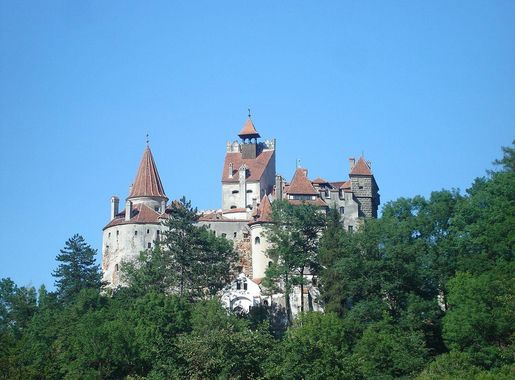


Muntenia: The Heart of Romania’s Cultural and Natural Beauty
Muntenia, located in the southern part of Romania, is a region rich in history, culture, and natural wonders. Known for its vibrant cities, charming villages, and stunning landscapes, Muntenia offers a diverse range of experiences for tourists. From the bustling streets of Bucharest, Romania’s capital, to the serene beauty of the Carpathian Mountains, there is something for everyone in Muntenia. Bucharest, often called the 'Little Paris', is a must-visit in Muntenia. The city boasts impressive architecture, lively nightlife, and numerous museums and galleries. Don’t miss the Palace of the Parliament, one of the largest administrative buildings in the world, and the charming old town area with its cobblestone streets and historic buildings. For nature lovers, Muntenia’s countryside provides a perfect escape. The Prahova Valley, nestled in the Carpathian Mountains, is renowned for its ski resorts, hiking trails, and picturesque scenery. Sinaia, home to the stunning Peleș Castle, is another highlight in this region. The castle’s fairy-tale architecture and lush gardens make it a favorite among visitors. Muntenia is also rich in cultural heritage. Traditional crafts, folklore, and festivals bring the region’s history to life. Visitors can explore medieval monasteries, such as the Curtea de Argeș Monastery, and immerse themselves in the local culture by attending events like the Junii Brașovului festival, which celebrates Romanian traditions and customs.