

Poiana Brasov Travel Guide - Free Web & App
Your ultimate guide to Poiana Brasov. Discover top landmarks, proposed trips, and local tips. Free on the web or via the Evendo companion app.


Poiana Brasov, Romania blends Carpathian skiing, forest hikes, mountain views and easy access to medieval Brasov and Transylvanian heritage.
A Mountain Resort Above Brașov
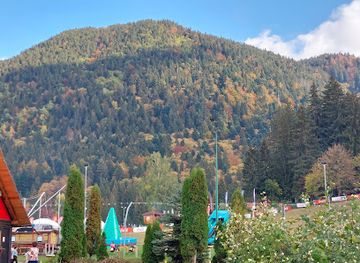
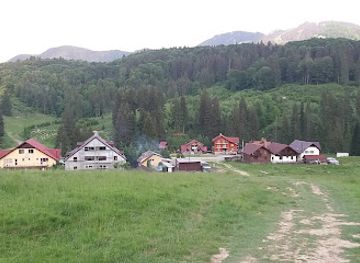
Poiana Brașov is Romania’s best-known mountain resort, set in a forested basin on the slopes of the Postăvaru Massif in the Southern Carpathians, about 14 kilometres from the historic city of Brașov. Its compact resort centre lies at roughly 1,020 metres above sea level, while lifts and marked pistes rise towards Postăvaru Peak at 1,799 metres. The surrounding landscape combines spruce and beech woodland, open mountain clearings and broad views towards the Bucegi, Piatra Craiului and Piatra Mare ranges.Read more about Poiana Brasov
Winter and Summer Landscapes
Resort Life and Nearby Heritage
When is the best time to visit Poiana Brasov?
Best: June, August–September · 21–27°C| Month | High (°C) | Rainfall (mm) |
|---|---|---|
| January | 0 | 29 |
| February | 1 | 28 |
| March | 6 | 33 |
| April | 13 | 59 |
| May | 20 | 101 |
| June (best) | 25 | 119 |
| July | 27 | 112 |
| August (best) | 27 | 106 |
| September (best) | 21 | 83 |
| October | 14 | 68 |
| November | 7 | 44 |
| December | 4 | 33 |
Getting to and around Poiana Brasov
How to get there
Transportation
Best attractions in Poiana Brasov
Poiana Brașov’s principal attraction is the Postăvaru ski area, where pistes and lifts climb through coniferous woodland towards the open slopes beneath Postăvaru Peak. In winter, the resort provides downhill skiing, snowboarding and lessons, while in warmer months the same mountain setting supports hiking, scenic walks and selected mountain-bike routes. The forest trails and clearings offer changing views across the Southern Carpathians, including towards the Bucegi and Piatra Craiului ranges on clear days. The resort centre itself contains hotels, restaurants, equipment services and leisure facilities rather than a historic village core. Brașov, outside Poiana Brașov, adds the medieval Council Square, Black Church and old Saxon streets to a visit, while Râșnov and Bran are separate nearby destinations suited to historical excursions. Access, lift operation and trail conditions vary seasonally, so the attraction of Poiana Brașov is best understood through the combination of active mountain recreation and its convenient relationship with Transylvania’s cultural landscape.
-
Tourist attraction
Season Hill
Experience the adventure at Season Hill, Brașov's premier outdoor sports complex surrounded by breathtaking mountain views.
-
Tourist attraction
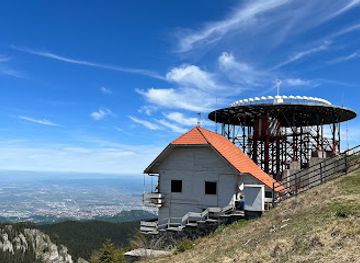
Poiana Aviatorilor
Discover the breathtaking views and rich history at Poiana Aviatorilor, a landmark nestled in the stunning Carpathian Mountains of Romania.
-
Tourist attraction
The soul project
Discover the essence of creativity at The Soul Project in Brașov, a captivating tourist attraction blending art and culture.
-
Hiking area
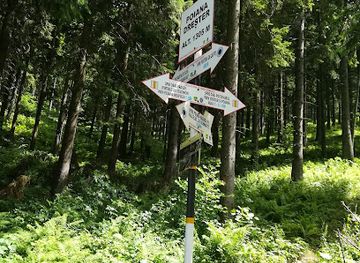
Poiana Drester
Discover the natural beauty of Poiana Drester, a hiking haven in Romania, offering breathtaking trails and rich biodiversity for every adventurer.
Best landmarks in Poiana Brasov
The defining natural landmark of Poiana Brașov is the Postăvaru Massif, whose forested slopes rise above the resort to Postăvaru Peak at 1,799 metres. The mountain’s open summit areas and broad Carpathian views give the destination its geographical character, while the surrounding spruce and beech woodland forms the setting for both ski runs and summer paths. The resort’s purpose-built accommodation and lift infrastructure are significant as symbols of Romania’s modern mountain-tourism history rather than examples of an old settlement. Brașov’s Black Church, medieval street plan and Council Square are important architectural landmarks nearby, but they lie in the city outside Poiana Brașov. The relationship between these urban monuments and the high mountain resort is central to the area’s appeal: visitors can move between Transylvanian civic heritage and a working Carpathian recreation landscape within the same regional itinerary.
-
Restaurant
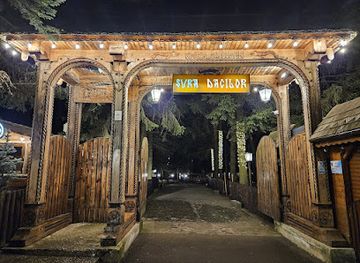
Restaurant Șura Dacilor
Experience authentic Romanian cuisine in the heart of Brașov at Restaurant Șura Dacilor, where tradition meets taste.
-
Restaurant
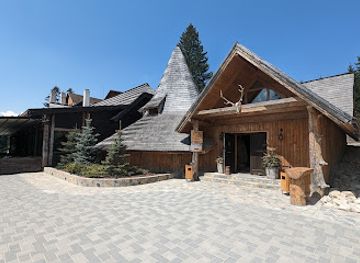
Stâna Turistică Sergiana - Poiana Brasov
Experience the essence of Romanian cuisine amidst the breathtaking beauty of Poiana Brașov at Stâna Turistică Sergiana.
-
Hotel
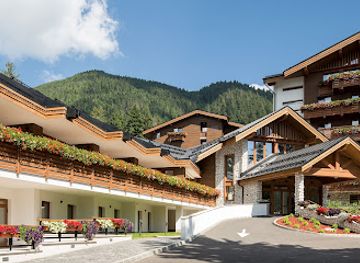
Teleferic Grand Hotel
Discover luxury and tranquility at Teleferic Grand Hotel, a premier resort in Poiana Brașov surrounded by stunning mountain landscapes.
-
Ski resort
Sulinar Slope
Experience the ultimate winter getaway at Sulinar Slope, a premier ski resort in the heart of the Carpathian Mountains, perfect for all skill levels.
Explore Poiana Brasov on the map
Plan your trip on one map. See where the top attractions, landmarks, restaurants and hotels are, and book hotels and experiences in a few clicks.
Best hotels in Poiana Brasov
Best restaurants in Poiana Brasov
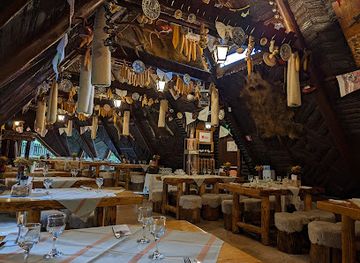
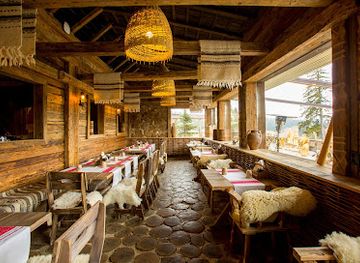
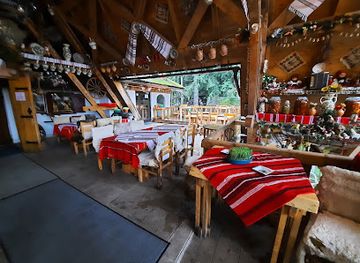
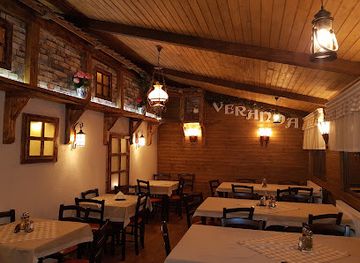
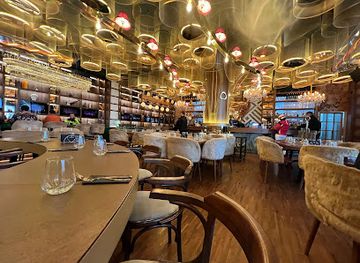
Dining in Poiana Brașov is concentrated around hotels, resort facilities and established mountain hospitality venues, with menus typically combining Romanian cooking with familiar international dishes suited to a ski resort. Visitors can look for regional specialities such as ciorbă, grilled meats, sarmale, mămăligă and papanasi, alongside soups, pastries and warming drinks after time outdoors. The surrounding Brașov region also reflects Transylvania’s mixed Romanian, Saxon and Hungarian culinary influences, while local producers contribute cheeses, preserves and other mountain-region foods. The resort offers more concentrated dining than a remote mountain settlement, but its choices remain closely tied to accommodation and seasonal tourism. Brașov provides a broader range of restaurants, cafés, bakeries and traditional eateries, making it a useful base for visitors seeking greater variety or a more urban evening meal outside Poiana Brașov.
-
Restaurant
Restaurant Șura Dacilor
Experience authentic Romanian cuisine in a charming setting at Restaurant Șura Dacilor, located in the heart of Brașov.
-
Restaurant
Stâna Turistică Sergiana - Poiana Brasov
Experience authentic Romanian cuisine amidst breathtaking mountain views at Stâna Turistică Sergiana in Poiana Brașov.
-
Restaurant
Coliba Haiducilor
Experience authentic Romanian cuisine at Coliba Haiducilor in Brașov—where tradition meets flavor in a cozy atmosphere.
-
Restaurant
Capra Neagră Rustic - Poiana Brașov
Experience authentic Romanian cuisine at Capra Neagră Rustic in Poiana Brașov, where traditional flavors meet breathtaking mountain views.
Best bars in Poiana Brasov
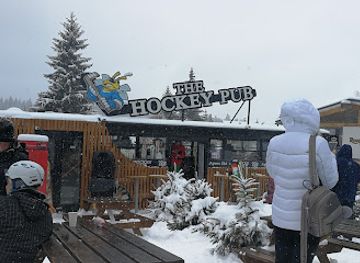
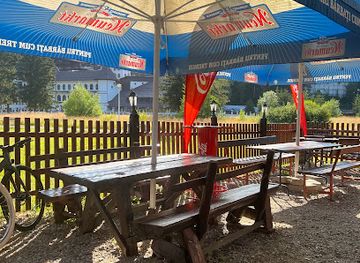
Poiana Brașov’s evening life is centred on après-ski hospitality rather than a large independent nightlife district. Hotel bars, resort lounges, pubs and restaurants provide places for drinks, conversation and informal entertainment after skiing or walking, with the atmosphere usually busiest during winter weekends and holiday periods. Some venues may offer music or seasonal events, but availability changes and should not be assumed. The resort is generally quieter outside peak periods, when an evening may consist of a meal, a spa visit or a view across the darkened forest rather than late-night clubbing. Brașov, outside the destination, has a considerably broader selection of bars, cafés and cultural venues in and around its historic centre, making it the more suitable nearby base for visitors specifically seeking varied urban nightlife.
-
Restaurant
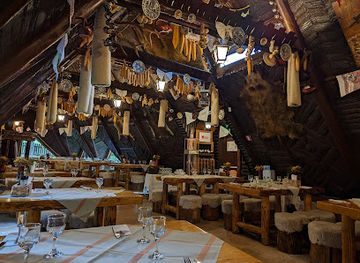
Restaurant Șura Dacilor
Discover the authentic taste of Romania at Restaurant Șura Dacilor, a culinary gem in Brașov, perfect for food enthusiasts and culture lovers alike.
-
Restaurant
Coliba Haiducilor
Experience the heart of Romanian cuisine at Coliba Haiducilor, where tradition meets flavor in the scenic beauty of Brașov.
-
Restaurant
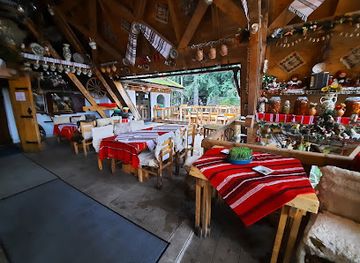
Capra Neagră Rustic - Poiana Brașov
Discover the authentic flavors of Romania at Capra Neagră Rustic, located in the heart of beautiful Poiana Brașov.
-
Gastropub
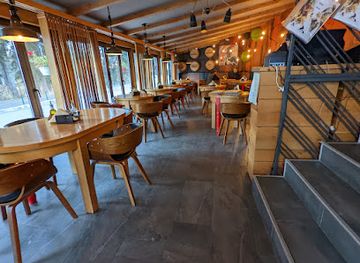
RESTAURANT THE AMBIANCE
Discover the flavors of Romania at The Ambiance in Brașov, where traditional dishes meet modern culinary innovation in a cozy gastropub setting.
Best nightclubs in Poiana Brasov
Poiana Brașov’s evening life is centred on après-ski hospitality rather than a large independent nightlife district. Hotel bars, resort lounges, pubs and restaurants provide places for drinks, conversation and informal entertainment after skiing or walking, with the atmosphere usually busiest during winter weekends and holiday periods. Some venues may offer music or seasonal events, but availability changes and should not be assumed. The resort is generally quieter outside peak periods, when an evening may consist of a meal, a spa visit or a view across the darkened forest rather than late-night clubbing. Brașov, outside the destination, has a considerably broader selection of bars, cafés and cultural venues in and around its historic centre, making it the more suitable nearby base for visitors specifically seeking varied urban nightlife.
-
Bar
Nuba Chalet
Experience the vibrant nightlife at Nuba Chalet in Brașov, where great drinks, live music, and a lively atmosphere await you.
-
Pub
Aftăr Ski by Aftăr Stube
Discover the vibrant atmosphere of Aftăr Ski in Brașov, where cozy vibes meet ski-themed charm in a local favorite pub.
-
Bar
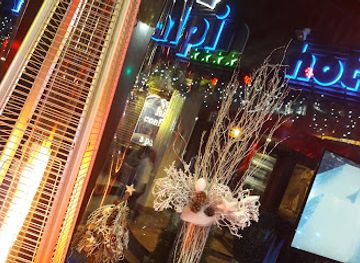
Apres Ski Alpin
Experience the vibrant après-ski culture at Apres Ski Alpin in Brașov, where cozy ambiance meets an exceptional drink selection.
-
Bar
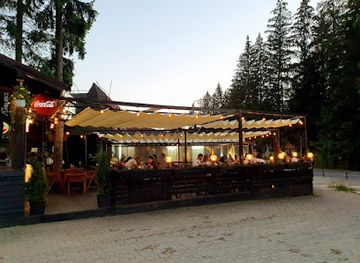
Coca Cola Olirom
Discover the vibrant nightlife of Brașov at Coca Cola Olirom, where energetic ambiance meets exquisite drink selection for an unforgettable experience.
Best shops in Poiana Brasov
Shopping in Poiana Brașov is primarily practical and visitor-oriented, with ski and snowboard equipment services, clothing, souvenirs and products associated with resort stays rather than a substantial independent retail scene. For regional foods, crafts and a wider choice of shops, Brașov is the principal nearby centre. Its historic areas and markets provide opportunities to look for Romanian food products, Transylvanian specialities, textiles, ceramics, woodwork and locally made gifts, although individual stock and trading arrangements vary. Visitors travelling through the wider region may also encounter farm shops and small producers, but these are outside Poiana Brașov and should not be confused with permanent resort shopping. The destination is therefore best suited to buying equipment, essentials and mountain-themed souvenirs, while more considered craft and food shopping is generally easier in Brașov.
-
Ski school
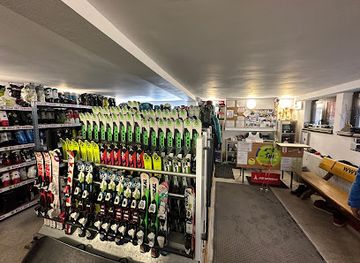
R&J Ski School - Bootfitting Poiana Brasov | Scoala Ski
Discover the ultimate skiing experience at R&J Ski School in Poiana Brașov, ranging from expert lessons to premium ski rentals.
-
Supermarket
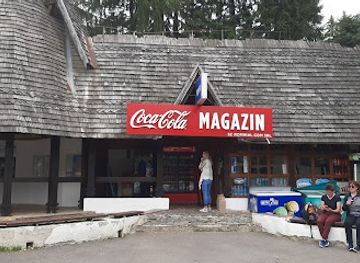
Magazin sc romnial com srl
Explore local flavors and essentials at Magazin sc romnial com srl, the premier supermarket in Brașov, Romania.
-
Grocery store
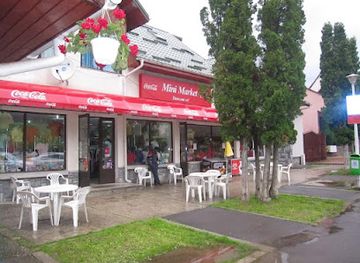
Minimarket
Experience local convenience at Minimarket in Brașov, your go-to spot for snacks, drinks, and essentials during your travels.
-
Patisserie
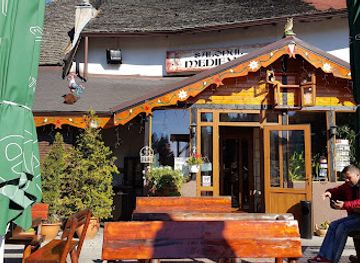
Károly Kürtőskalács
Discover the delicious world of kürtőskalács at Károly Kürtőskalács in Poiana Brașov, where tradition meets sweet indulgence.
Get your free copy of our complete guide to Poiana Brasov, delivered straight to you.
Everything on this page, from attractions and restaurants to essentials and local phrases, in one PDF you can read offline, print or share.
Already have an account? Sign in
Your Poiana Brasov guide is ready.
We'll send it to · Not you? Sign out

Getting your guide ready…
We are putting together a fresh copy of the Poiana Brasov guide. This can take up to a minute.
This can take a few moments. If your browser asks, choose Allow so the download can start. You'll find the guide in your Downloads folder.
Nothing happened? Download it again
Sorry, the guide is taking longer than usual. Please try again in a minute, or get it by email instead.
Poiana Brasov essentials
Currency and Payment
Safety
Emergency Situations
Do's and Don'ts
Local Tips
From Eve
Local phrases worth knowing
You don't need to get them perfect. A few words go a long way, and locals appreciate the effort.
Basics
| English | Local | Say it |
|---|---|---|
| Hello | Salut | [sah-loot] |
| Goodbye | La revedere | [lah reh-veh-deh-reh] |
| Yes | Da | [dah] |
| No | Nu | [noo] |
| Please/You're welcome | Te rog | [teh rohg] |
| Thank you | Mulțumesc | [mool-tsoo-mesk] |
| Excuse me/Sorry | Scuzați-mă | [skoo-zah-tsi muh] |
| How are you? | Ce faci? | [cheh fahch?] |
| Fine. And you? | Bine. Și tu? | [bee-neh. shee too?] |
| Do you speak English? | Vorbiți engleză? | [vor-beets eng-leh-zuh?] |
| I don't understand | Nu înțeleg | [noo uhn-tseh-leg] |
Eating & Drinking
| English | Local | Say it |
|---|---|---|
| I'd like to see the menu, please | Aș dori să văd meniul, vă rog | [ahsh doh-ree suh vuhd meh-nyool, vuh rohg] |
| I don't eat meat | Nu mănânc carne | [noo muh-nuhnk kahr-neh] |
| Cheers! | Noroc! | [noh-rohk] |
| I would like to pay, please | Aș dori să plătesc, vă rog | [ahsh doh-ree suh pluh-tesk, vuh rohg] |
Emergencies
| English | Local | Say it |
|---|---|---|
| Help! | Ajutor! | [ah-yoo-tor] |
| Go away! | Du-te! | [doo-teh] |
| Call the Police! | Sună la poliție! | [soo-nuh lah poh-leet-syeh] |
| Call a doctor! | Sună un doctor! | [soo-nuh oon dohk-tohr] |
| I'm lost | M-am pierdut | [mahm pyehr-dooht] |
| I'm ill | Sunt bolnav | [soont bohl-nav] |
Shopping
| English | Local | Say it |
|---|---|---|
| I'd like to buy... | Aș dori să cumpăr... | [ahsh doh-ree suh koom-puhr] |
| I'm just looking | Doar mă uit | [doh-ar muh ooit] |
| How much is it? | Cât costă? | [kaht kohs-tuh?] |
| That's too expensive | Este prea scump | [yeh-steh preh-ah skoomp] |
| Can you lower the price? | Puteți să scadeți prețul? | [poo-tehts suh skah-deh-tsi preh-tsool?] |
Time & Numbers
| English | Local | Say it |
|---|---|---|
| What time is it? | Cât este ora? | [kaht yeh-steh oh-rah?] |
| It's one o'clock | Este ora unu | [yeh-steh oh-rah oon-oo] |
| Half past (10) | Jumătate (la zece) | [zhoo-muh-ta-teh (lah zeh-che)] |
| Morning | Dimineața | [dee-mee-neh-tsa] |
| Afternoon | După-amiază | [doo-puh ah-mya-za] |
| Evening | Seara | [seh-ah-rah] |
| Yesterday | Ieri | [yehr] |
| Today | Astăzi | [ahs-tuhz] |
| Tomorrow | Mâine | [muh-ee-neh] |
| 1 | Unu | [oo-noo] |
| 2 | Doi | [doy] |
| 3 | Trei | [tray] |
| 4 | Patru | [paht-roo] |
| 5 | Cinci | [cheen-chee] |
| 6 | Șase | [shah-seh] |
| 7 | Șapte | [shahp-teh] |
| 8 | Opt | [ohpt] |
| 9 | Nouă | [noo-uh] |
| 10 | Zece | [zeh-che] |
Transport & Directions
| English | Local | Say it |
|---|---|---|
| Where's a/the...? | Unde este unul/o... | [oon-deh yeh-steh oo-noo/oh...] |
| What's the address? | Care este adresa? | [kah-reh yeh-steh ah-dre-sah?] |
| Can you show me (on the map)? | Puteți să-mi arătați (pe hartă)? | [poo-tehts suh-mee ah-rah-ta-tsi (peh har-tuh)?] |
| When's the next (bus)? | Când este următorul (autobuz)? | [kahnd yeh-steh oor-muh-toh-rool (ow-toh-booz)?] |
| A ticket (to ....) | Un bilet (spre ....) | [oon bee-let (spreh ....)] |
History of Poiana Brasov
A Forested Mountain Landscape
Poiana Brașov occupies a high clearing and surrounding woodland on the Postăvaru Massif, part of the Southern Carpathians. Its landscape reflects the interaction of mountain geology, altitude, snowfall and long-term forest development rather than a historic urban settlement. The slopes around the resort have traditionally been valued for grazing, forestry and access across the mountains, while the open meadows created a natural setting for later recreation.
The Resort’s Early Development
Poiana Brașov began developing as a tourist resort in the early twentieth century, with 1904 commonly associated with its formal establishment. Its proximity to Brașov made the mountain clearing accessible to visitors seeking cooler air, woodland scenery and summer recreation. Early tourism was modest compared with the large winter resort that followed, and the area retained a strongly wooded, seasonal character.
Winter Sports and State Planning
Winter sport became central to Poiana Brașov during the twentieth century, particularly as Romania expanded organised skiing and mountain tourism in the socialist period. Facilities, accommodation and ski infrastructure were developed on a larger scale, gradually transforming the clearing into a purpose-built resort. This phase gave Poiana Brașov its enduring identity as a national centre for skiing and helped establish the Postăvaru slopes within Romania’s winter-sports tradition.
Modern Tourism and Mountain Stewardship
After 1989, Poiana Brașov’s accommodation, restaurants, lift infrastructure and leisure services evolved within Romania’s expanding private tourism economy. The resort now serves both Romanian and international visitors, while Brașov’s growing profile has strengthened its role as a convenient mountain base. Development continues to be balanced against the value of the surrounding Carpathian forests, marked trails and habitats, making responsible recreation important in a landscape used for both tourism and local environmental management.
Poiana Brasov in Photos
Browse through our photo collection highlighting the charm and character of the destination.
Neighbouring destination travel guides
The closest destinations to Poiana Brasov, if you have time for more than one.
-

-

-

-

-


Swipe for more destinations
Explore more
Explore more of Brașov
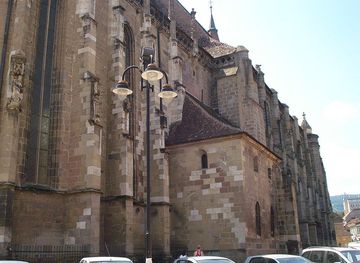
Discover Brașov, a charming medieval city in Transylvania, Romania, known for its Gothic Black Church, vibrant old town, and stunning views from Tampa Mountain.
Explore Brașov
Explore more of Romania
Discover Romania's blend of mystical castles, enchanting landscapes, and vibrant culture. Experience the rich history and natural beauty that make Romania a unique travel destination.
Explore Romania