

Prahova Valley Travel Guide - Free Web & App
Your ultimate guide to Prahova Valley. Discover top landmarks, proposed trips, and local tips. Free on the web or via the Evendo companion app.


Prahova Valley, Romania combines Sinaia’s royal heritage, Bușteni’s Bucegi trails and Azuga’s mountain sports with rail access from Bucharest and Brașov.
Between the Carpathians and the Prahova River
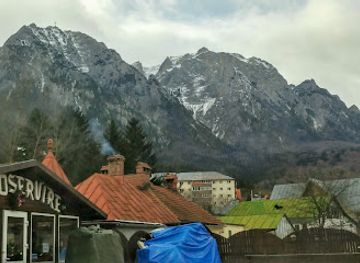
Prahova Valley follows the Prahova River northwards from the foothills around Comarnic towards Predeal, forming one of Romania’s best-known mountain tourism regions. The valley is framed by the forested Bucegi Mountains to the west and the slopes of the Baiului Mountains to the east, with railway lines and the busy DN1 road linking a chain of resort towns. Its landscape changes quickly: wooded lower valleys give way to steep mountain walls, alpine plateaux and high viewpoints above Sinaia, Bușteni and Azuga.Read more about Prahova Valley
Royal Heritage and Mountain Towns
Outdoor Landscapes and Local Character
When is the best time to visit Prahova Valley?
Best: May–June, September · 22–26°C| Month | High (°C) | Rainfall (mm) |
|---|---|---|
| January | 4 | 35 |
| February | 4 | 30 |
| March | 10 | 35 |
| April | 17 | 45 |
| May (best) | 22 | 50 |
| June (best) | 26 | 55 |
| July | 29 | 55 |
| August | 29 | 50 |
| September (best) | 22 | 45 |
| October | 16 | 40 |
| November | 9 | 40 |
| December | 5 | 35 |
Getting to and around Prahova Valley
How to get there
Transportation
Best attractions in Prahova Valley
Peleș Castle and the neighbouring Pelișor Castle are the Prahova Valley’s defining cultural attractions, set in the wooded outskirts of Sinaia alongside the historic Sinaia Monastery. From Sinaia, mountain lifts and paths lead towards the Bucegi highlands, while Bușteni provides access to the Caraiman area, the Bucegi Plateau and viewpoints associated with the Sphinx and Babele rock formations. The Cantacuzino Castle in Bușteni adds an important architectural and historical stop below the mountain slopes. Azuga is centred on winter-sports facilities and access to the Baiului and Bucegi landscapes, while Predeal offers forest walks, mountain routes and a high-pass setting. Comarnic and Breaza provide gentler lower-valley scenery, with wooded hills and traditional settlement patterns. Attractions are dispersed along the railway and road corridor, and higher mountain sites can become inaccessible or difficult in poor weather.
-
Tourist attraction
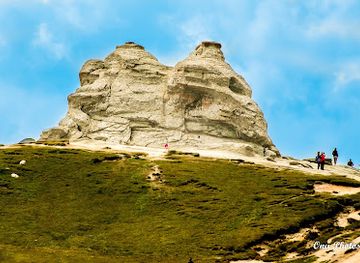
Sphinx
Explore the Sphinx, Romania's iconic rock formation, where nature's artistry meets breathtaking mountain vistas, steeped in history and legend.
-
Historical landmark
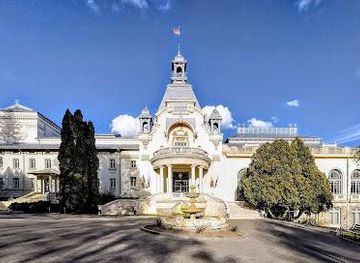
The Casino of Sinaia
Experience the elegance and excitement of the Casino of Sinaia, a historic landmark in the heart of Romania's enchanting Carpathian Mountains.
-
Tourist attraction
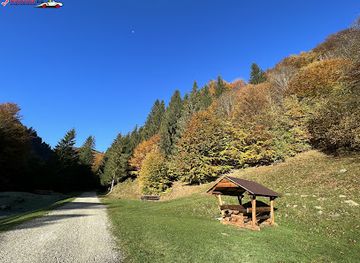
Screaming Waterfall
Experience the breathtaking beauty of Screaming Waterfall in Vama Buzăului, where nature's power meets serene landscapes.
-
Observation deck
Belvedere
Discover the stunning vistas of Brașov from the Belvedere Observation Deck, a must-visit spot for breathtaking views and unforgettable moments.

Best landmarks in Prahova Valley
Peleș Castle is the valley’s foremost architectural landmark, a former royal residence in Sinaia whose ornate design and mountain setting reflect the area’s transformation into a fashionable resort. Nearby Sinaia Monastery anchors the town’s older religious heritage, while Pelișor Castle forms part of the historic royal estate. Above Bușteni, the Caraiman Massif and the Bucegi Plateau provide the region’s most recognisable natural landmarks, including the weathered Sphinx and Babele rock formations. Cantacuzino Castle adds a prominent historic building at the foot of the Bucegi Mountains, linking the resort’s identity with aristocratic architecture. The Prahova River itself is the geographical thread of the destination, while the steep forested slopes, high ridges and mountain passes explain the valley’s enduring importance as both a transport corridor and a landscape of recreation.
-
 Castle
Peleș Castle
Explore the enchanting Peleș Castle, a stunning neo-Renaissance marvel nestled in Romania's Carpathian Mountains, rich in history and breathtaking beauty.
-
Castle
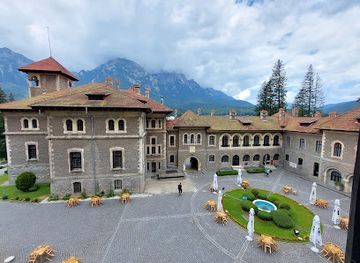
Cantacuzino Castle
Explore the breathtaking Cantacuzino Castle, a stunning architectural treasure in Bușteni, surrounded by the majestic Carpathian Mountains.
-
Park
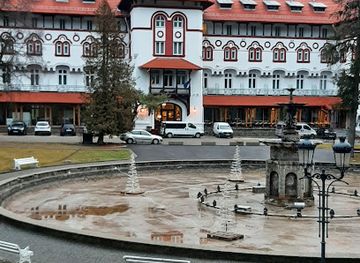
Dimitrie Ghica Park
Experience tranquility and natural beauty at Dimitrie Ghica Park in Sinaia, Romania, a perfect escape for nature lovers and culture seekers alike.
-
Tourist attraction
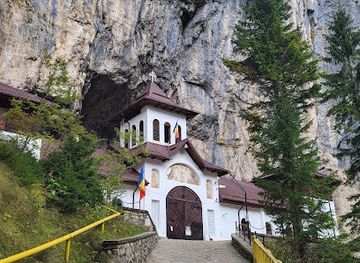
Ialomiței Cave
Explore Ialomiței Cave in Bucegi Natural Park, a stunning natural wonder showcasing incredible stalactite formations and rich geological history.
Explore Prahova Valley on the map
Plan your trip on one map. See where the top attractions, landmarks, restaurants and hotels are, and book hotels and experiences in a few clicks.
Best hotels in Prahova Valley
Best restaurants in Prahova Valley
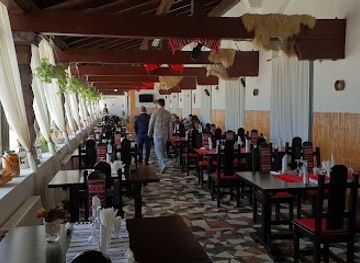
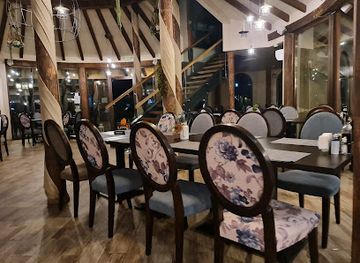
Dining in the Prahova Valley is concentrated in Sinaia, Bușteni, Azuga, Predeal and the larger settlements along the DN1, with smaller villages offering fewer and more seasonal choices. Menus commonly draw on Romanian cooking, including soups, grilled meats, stews, polenta, cabbage-based dishes, pastries and regional dairy products, alongside familiar international food in the established resorts. Mountain restaurants and traditional inns may provide hearty dishes suited to walkers and skiers, while cafés and bakeries are useful for breakfast or provisions before heading uphill. Sinaia has the broadest choice for visitors combining heritage sightseeing with an evening meal, while Bușteni and Azuga cater strongly to resort visitors. Farm shops and local producers may offer cheese, preserves, honey and other regional goods, but availability varies by season and settlement.
-
Restaurant
Kuib
Experience culinary excellence at Kuib in Sinaia – where traditional flavors meet modern creativity amidst stunning mountain scenery.
-
Restaurant
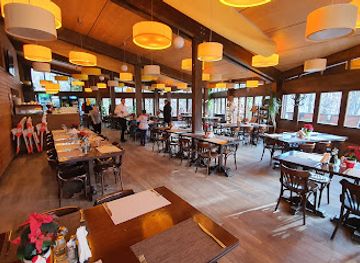
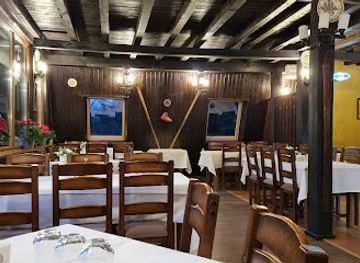
Cabana Schiori
Experience authentic Romanian flavors amidst stunning mountain views at Cabana Schiori in Sinaia.
-
Restaurant
Casa Seciu
Experience the rich flavors of Romania at Casa Seciu - where culinary tradition meets modern hospitality in Boldești-Scăeni.
-
Restaurant
Restaurant Toscano
Discover the perfect blend of Italian and Romanian flavors at Restaurant Toscano in Câmpina, where every meal is a delightful journey.
Best bars in Prahova Valley
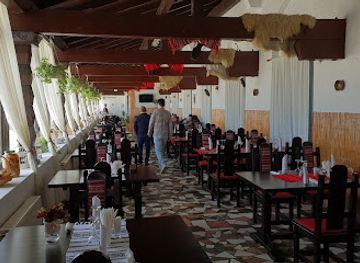
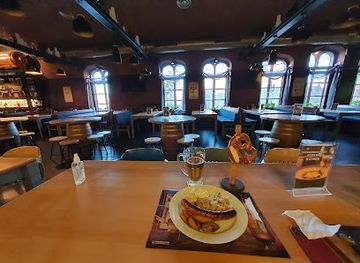
Evenings in the Prahova Valley are generally relaxed rather than centred on large-scale nightlife. Sinaia, Bușteni, Azuga and Predeal have the greatest concentration of hotel bars, cafés, restaurants and traditional pubs, where visitors can linger over Romanian beer, wine, spirits or hot drinks after a day outdoors. Some resorts host seasonal music, cultural programmes or winter-holiday entertainment, but events and venue opening patterns vary. Smaller settlements such as Comarnic and Breaza are quieter, with evening activity focused on local restaurants, guesthouses and village hospitality rather than dedicated clubs. Visitors seeking a broad urban nightlife scene will find more choice in Bucharest or Brașov, outside the Prahova Valley; within the region, the appeal lies in sociable dining, mountain views and unhurried evenings.
-
Restaurant
Casa Seciu
Experience authentic Romanian cuisine and cozy accommodations at Casa Seciu in Boldești-Scăeni, a perfect stop for travelers seeking local flavors.
-
Restaurant
Curtea Berarilor
Discover the rich flavors of Romania at Curtea Berarilor, Ploiești's vibrant restaurant offering an unforgettable dining experience.
-
Spanish
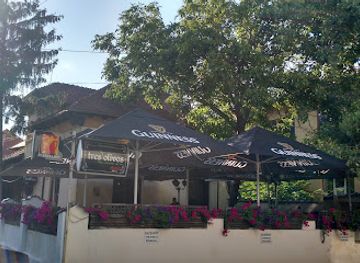
Tres Olivos
Savor the essence of Spain at Tres Olivos in Ploiești, where authentic dishes and a cozy lounge atmosphere create an unforgettable dining experience.
-
Bar
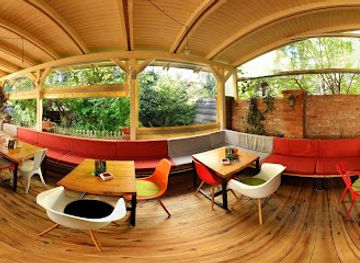
The Fable
Discover The Fable in Ploiești: A vibrant bar with delightful drinks, inviting ambiance, and a taste of local nightlife.
Best nightclubs in Prahova Valley
Evenings in the Prahova Valley are generally relaxed rather than centred on large-scale nightlife. Sinaia, Bușteni, Azuga and Predeal have the greatest concentration of hotel bars, cafés, restaurants and traditional pubs, where visitors can linger over Romanian beer, wine, spirits or hot drinks after a day outdoors. Some resorts host seasonal music, cultural programmes or winter-holiday entertainment, but events and venue opening patterns vary. Smaller settlements such as Comarnic and Breaza are quieter, with evening activity focused on local restaurants, guesthouses and village hospitality rather than dedicated clubs. Visitors seeking a broad urban nightlife scene will find more choice in Bucharest or Brașov, outside the Prahova Valley; within the region, the appeal lies in sociable dining, mountain views and unhurried evenings.
-
Night club
Nice Club L.A
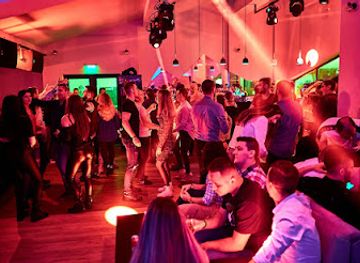
Discover the vibrant nightlife at Nice Club L.A in Ploiești, where music, dancing, and unforgettable experiences await.
-
Night club
Studio Pub
Uncover the electrifying nightlife at Studio Pub in Trăisteni, where unforgettable moments await amid stunning landscapes.
-
Disco club
Disco Delam
Discover the electrifying nightlife of Disco Delam in Podenii Vechi, where music and dance unite for an unforgettable experience.
-
Night club
Xs Lounge Night Life & More
Discover the pulse of Bucov's nightlife at Xs Lounge, where music, dance, and unforgettable memories await.

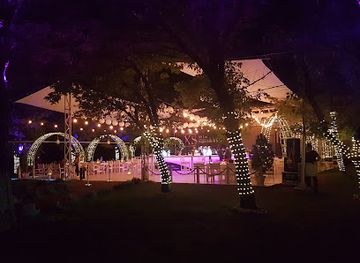
Best shops in Prahova Valley
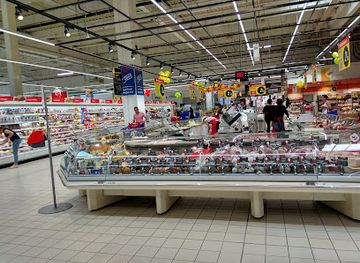
Shopping in the Prahova Valley is modest and practical, with the main choice found in Sinaia, Bușteni, Azuga and Predeal rather than at remote mountain attractions. Resort shops sell walking and winter-sports equipment, warm clothing, snacks and everyday necessities, while town centres and local markets may offer honey, preserves, cheese, herbal products, wine and other Romanian foodstuffs. Visitors can also find postcards, locally themed souvenirs and regional handicrafts, although selection varies between businesses and seasons. Sinaia generally provides the widest range of small independent shops and food outlets, while smaller settlements are better suited to essential supplies than extensive browsing. Purchase provisions before mountain excursions, since higher routes and lift stations should not be treated as shopping areas.
-
Hypermarket
Carrefour
Discover diverse local and international offerings at Carrefour Hypermarket in Blejoi, a vibrant shopping destination for every traveler.
-
Supermarket
Kaufland
Discover unbeatable prices and a wide selection of local and international products at Kaufland in Ploiești, the ultimate supermarket experience.
-
Hypermarket
Auchan
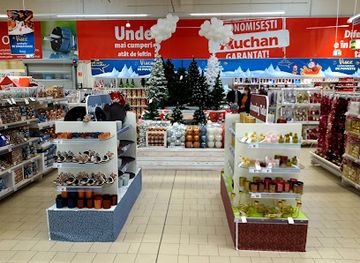
Explore Auchan Hypermarket in Blejoi for an extensive range of products, local delicacies, and a vibrant shopping experience.
-
Hypermarket
Carrefour Hipermarket
Discover the expansive Carrefour Hipermarket in Ploiești, where local and international products meet a vibrant shopping experience.
Get your free copy of our complete guide to Prahova Valley, delivered straight to you.
Everything on this page, from attractions and restaurants to essentials and local phrases, in one PDF you can read offline, print or share.
Already have an account? Sign in
Your Prahova Valley guide is ready.
We'll send it to · Not you? Sign out

Getting your guide ready…
We are putting together a fresh copy of the Prahova Valley guide. This can take up to a minute.
This can take a few moments. If your browser asks, choose Allow so the download can start. You'll find the guide in your Downloads folder.
Nothing happened? Download it again
Sorry, the guide is taking longer than usual. Please try again in a minute, or get it by email instead.
Prahova Valley essentials
Currency and Payment
Safety
Emergency Situations
Do's and Don'ts
Local Tips
From Eve
Local phrases worth knowing
You don't need to get them perfect. A few words go a long way, and locals appreciate the effort.
Basics
| English | Local | Say it |
|---|---|---|
| Hello | Salut | [saˈlut] |
| Goodbye | La revedere | [la re.veˈde.re] |
| Yes | Da | [da] |
| No | Nu | [nu] |
| Please/You're welcome | Te rog | [te ˈrog] |
| Thank you | Mulțumesc | [mul.t͡suˈmesk] |
| Excuse me/Sorry | Scuzați-mă | [sku.zaʦi.mə] |
| How are you? | Ce faci? | [ke ˈfaʧi] |
| Fine. And you? | Bine. Și tu? | [biˈne ʃi tu] |
| Do you speak English? | Vorbiți engleză? | [vorˈbit͡si en.ˈgle.zə] |
| I don't understand | Nu înțeleg | [nu ɨnˈʦe.leɡ] |
Eating & Drinking
| English | Local | Say it |
|---|---|---|
| I'd like to see the menu, please | Aș dori să văd meniul, vă rog | [aʃ ˈdo.ri sə vad me.niˈul və rog] |
| I don't eat meat | Nu mănânc carne | [nu mɨ.ˈnɨŋk ˈkar.ne] |
| Cheers! | Noroc! | [no.rok] |
| I would like to pay, please | Aș dori să plătesc, vă rog | [aʃ ˈdo.ri sə pləˈtesk və rog] |
Emergencies
| English | Local | Say it |
|---|---|---|
| Help! | Ajutor! | [a.ʒuˈtor] |
| Go away! | Duceți-vă! | [duˈʧet͡si və] |
| Call the Police! | Sunteți Poliția! | [sunˈtet͡si po.lit͡siˈa] |
| Call a doctor! | Sunteți medicul! | [sunˈtet͡si me.dikul] |
| I'm lost | M-am rătăcit | [mam rə.təˈʧit] |
| I'm ill | Sunt bolnav | [sunt bolˈnav] |
Shopping
| English | Local | Say it |
|---|---|---|
| I'd like to buy... | Aș dori să cumpăr... | [aʃ ˈdo.ri sə ˈkum.pər] |
| I'm just looking | Doar mă uit | [do.ar mə uit] |
| How much is it? | Cât costă? | [kɨt kosˈtə] |
| That's too expensive | Este prea scump | [ˈes.te pre.a skump] |
| Can you lower the price? | Puteți să scădeți prețul? | [puˈteʦi sə skəˈdet͡si pretsul] |
Time & Numbers
| English | Local | Say it |
|---|---|---|
| What time is it? | Cât e ceasul? | [kɨt e ˈʧe̯a.sul] |
| It's one o'clock | Este ora unu | [ˈes.te o.ra unu] |
| Half past (10) | Jumătate (la zece) | [ʒu.məˈta.te (la ˈʦe.ʧe)] |
| Morning | Dimineața | [di.miˈne̯at͡sa] |
| Afternoon | După-amiază | [du.pə a.mjəˈza] |
| Evening | Seara | [ˈse̯a.ra] |
| Yesterday | Ieri | [ˈjerj] |
| Today | Astăzi | [as.təz] |
| Tomorrow | Mâine | [mɨˈjne] |
| 1 | Unu | [ˈunu] |
| 2 | Doi | [doi] |
| 3 | Trei | [ˈtrej] |
| 4 | Patru | [ˈpatru] |
| 5 | Cinci | [ˈʧint͡ʃi] |
| 6 | Șase | [ˈʃa.se] |
| 7 | Șapte | [ˈʃapte] |
| 8 | Opt | [opt] |
| 9 | Nouă | [ˈno.wə] |
| 10 | Zece | [ˈʦe.ʧe] |
Transport & Directions
| English | Local | Say it |
|---|---|---|
| Where's a/the...? | Unde este un/...? | [ˈun.de es.te un] |
| What's the address? | Care e adresa? | [ˈka.re e aˈdre.sa] |
| Can you show me (on the map)? | Puteți să-mi arătați (pe hartă)? | [puˈteʦi sə mi aˈrə.tətsi pe harˈtə] |
| When's the next (bus)? | Când este următorul (autobuz)? | [kɨnd es.te urˈmə.to.rul au.toˈbuz] |
| A ticket (to ....) | Un bilet (spre ...) | [un bi.let spre] |
History of Prahova Valley
A River Corridor Through the Carpathians
The Prahova Valley is shaped by the Prahova River and the mountain passes connecting the Wallachian plain with Transylvania. Its present scenery reflects long geological processes that formed the Carpathian ranges, while erosion created the river corridor, wooded slopes and exposed highland formations seen around Bucegi. For centuries, movement through the valley was more important than large-scale settlement: routes followed the river and crossed the mountains through strategic passes, linking communities and trading areas on either side of the Carpathian divide.
Early Settlements and Mountain Communities
Sinaia developed around a monastic foundation established in the late seventeenth century, while villages and market settlements grew along the route through the valley. Comarnic, Bușteni and Azuga were shaped by pastoral activity, forestry, small industries and transport connections. Breaza became associated with hillside settlement and a healthier mountain climate, while the wider region retained a close relationship with forests, grazing land and the river. These communities formed the social landscape later transformed by modern tourism.
Railways, Roads and the Rise of Tourism
The opening of the railway through the Prahova Valley in the nineteenth century changed the region’s fortunes by making the mountain resorts more accessible from Bucharest and other parts of Romania. Sinaia attracted the royal court and wealthy visitors, and hotels, villas and public buildings followed. Road improvements reinforced the valley’s role as a national travel corridor. Tourism grew around mountain air, scenery, winter recreation and the cultural prestige associated with the royal residence at Sinaia.
Royal Sinaia and the Peleș Estate
King Carol I selected Sinaia for a summer residence, and Peleș Castle was developed there from the late nineteenth century. Its construction helped turn the town into a major cultural and architectural centre, while nearby Pelișor Castle and the surrounding royal estate added further significance. The complex reflects Romania’s monarchy and its European connections, but it also changed the valley’s built character by encouraging villas, hotels, landscaped grounds and services for visitors. The castles remain among the region’s most important historic attractions.
From Resort Era to Protected Mountain Landscape
During the twentieth century, Sinaia, Bușteni, Azuga and Predeal continued to develop as mountain resorts, with skiing and organised recreation becoming increasingly important. The Bucegi landscape also gained greater conservation attention, particularly around its distinctive highland habitats and rock formations. Modern visitors encounter a layered region in which railway towns, royal heritage, forestry, winter sports and protected mountain environments coexist. Development and conservation remain important considerations as access, tourism pressure and changing weather affect the valley and its higher slopes.
Prahova Valley in Photos
Browse through our photo collection highlighting the charm and character of the destination.
Cities in Prahova Valley
The towns and cities of Prahova Valley, and the easiest places to base yourself.

Swipe for more cities
Neighbouring destination travel guides
The closest destinations to Prahova Valley, if you have time for more than one.
-

-

-

-

-


Swipe for more destinations
Explore more
Explore more of Brașov
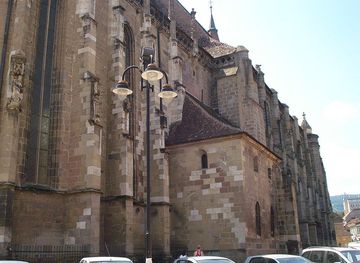
Discover Brașov, a charming medieval city in Transylvania, Romania, known for its Gothic Black Church, vibrant old town, and stunning views from Tampa Mountain.
Explore Brașov
Explore more of Romania
Discover Romania's blend of mystical castles, enchanting landscapes, and vibrant culture. Experience the rich history and natural beauty that make Romania a unique travel destination.
Explore Romania